
Using NASA’s Swift and Fermi space telescopes, Indian astronomers have conducted a long-term multiwavelength study of a nearby blazar designated TXS 0518+211. Results of the study, published Nov. 26 on


1722Articles
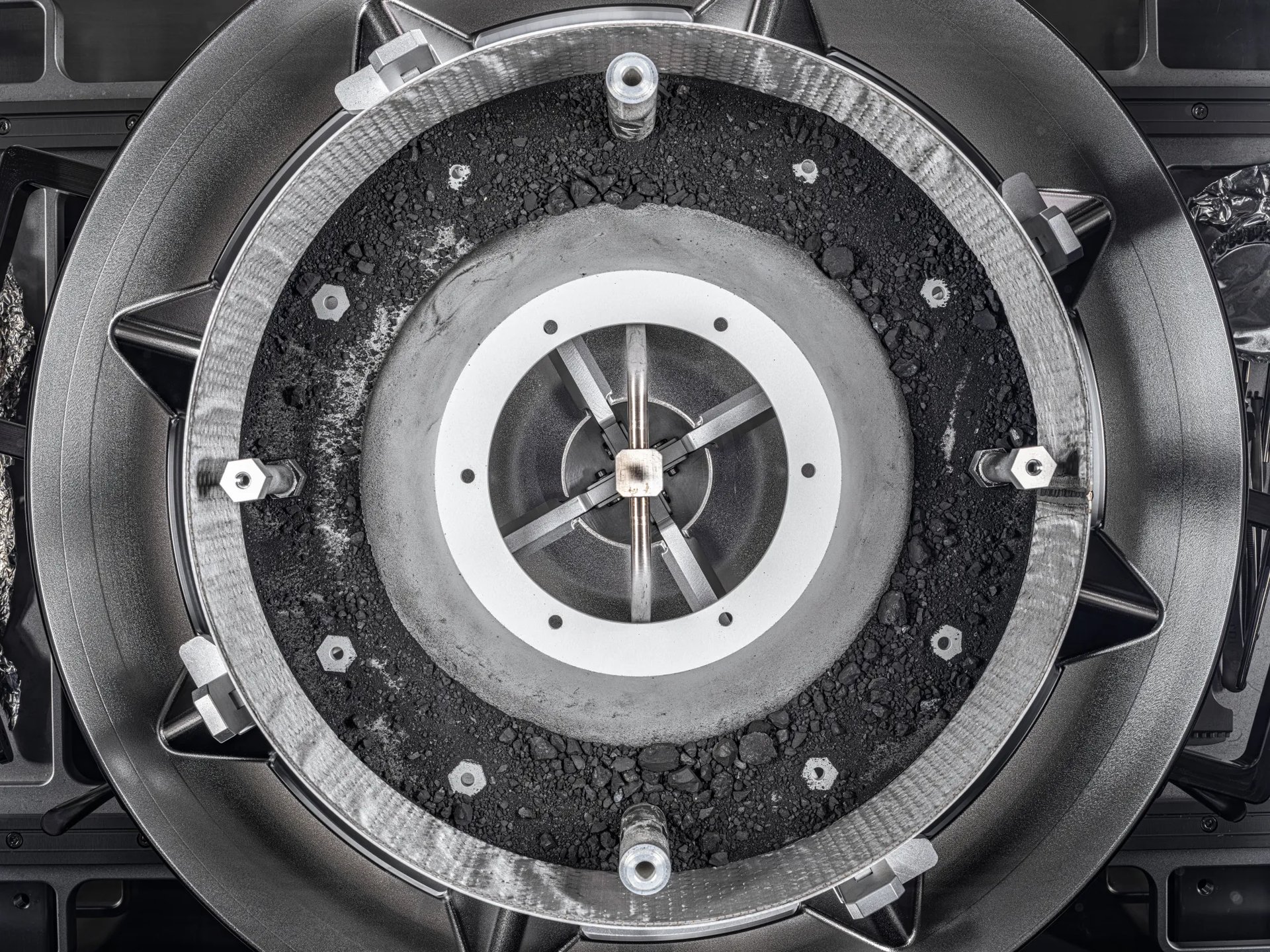
It’s been over two years since the samples from Bennu gathered by OSIRIS-REx were returned to Earth. But there’s still plenty of novel science coming out of that 121.6 g
Stanford researchers have become the first to demonstrate that machine-learning control can safely guide a robot aboard the ISS, laying the groundwork for more autonomous space missions.
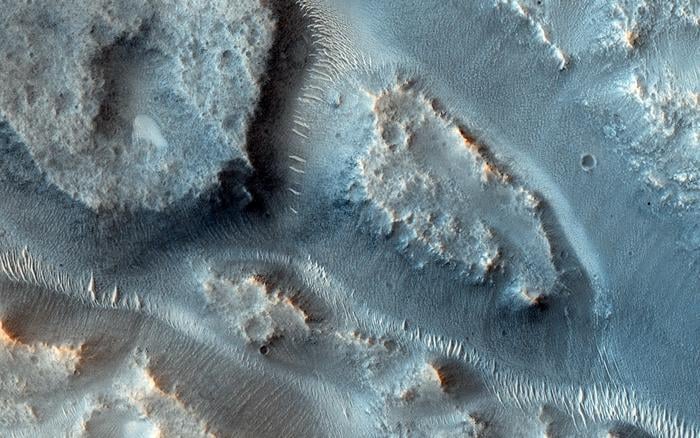
What can mapped drainage systems on Mars teach scientists about the Red Planet’s watery past? This is what a recent study published in the Proceedings of the National Academy of
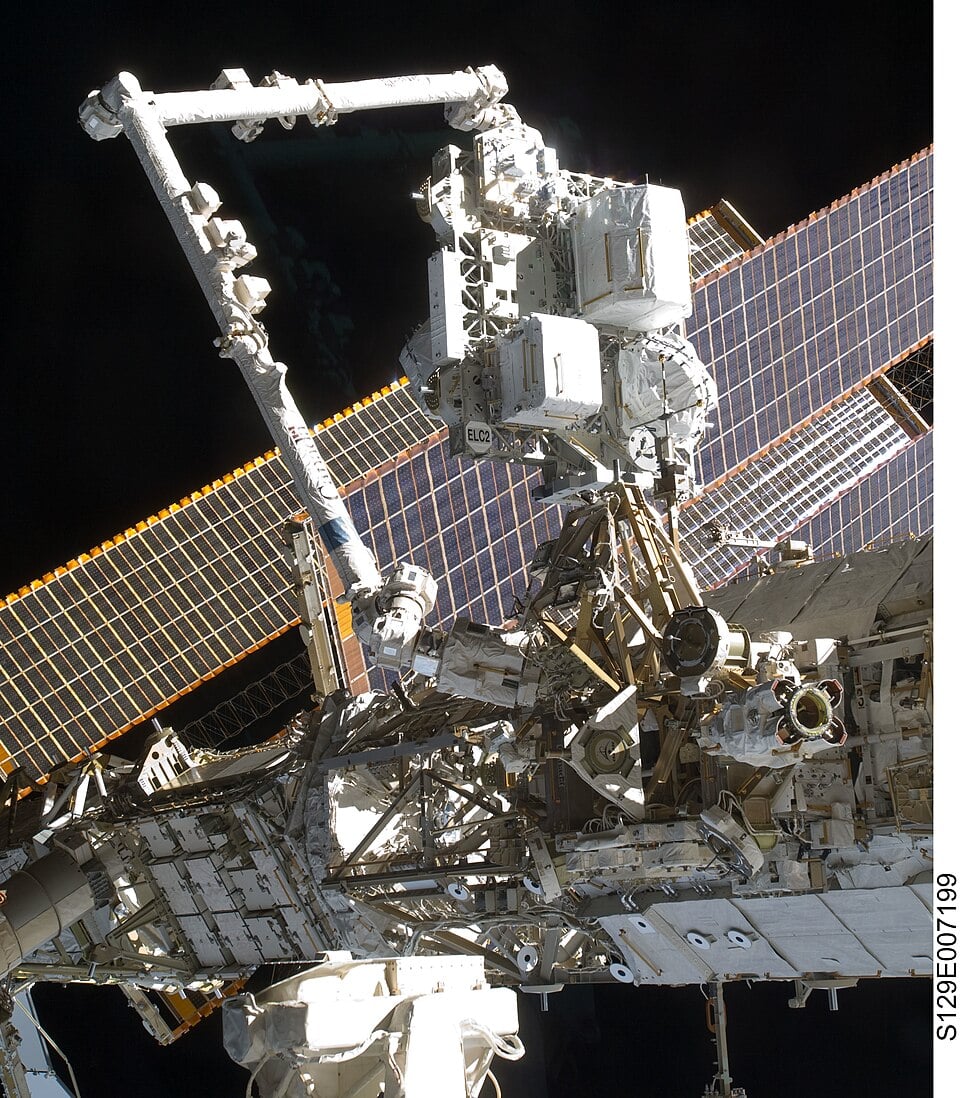
Scientists have launched COLIS, a special laboratory aboard the International Space Station designed to study how everyday materials like sunscreens, mayonnaise, and medications behave in near zero gravity. Researchers discovered
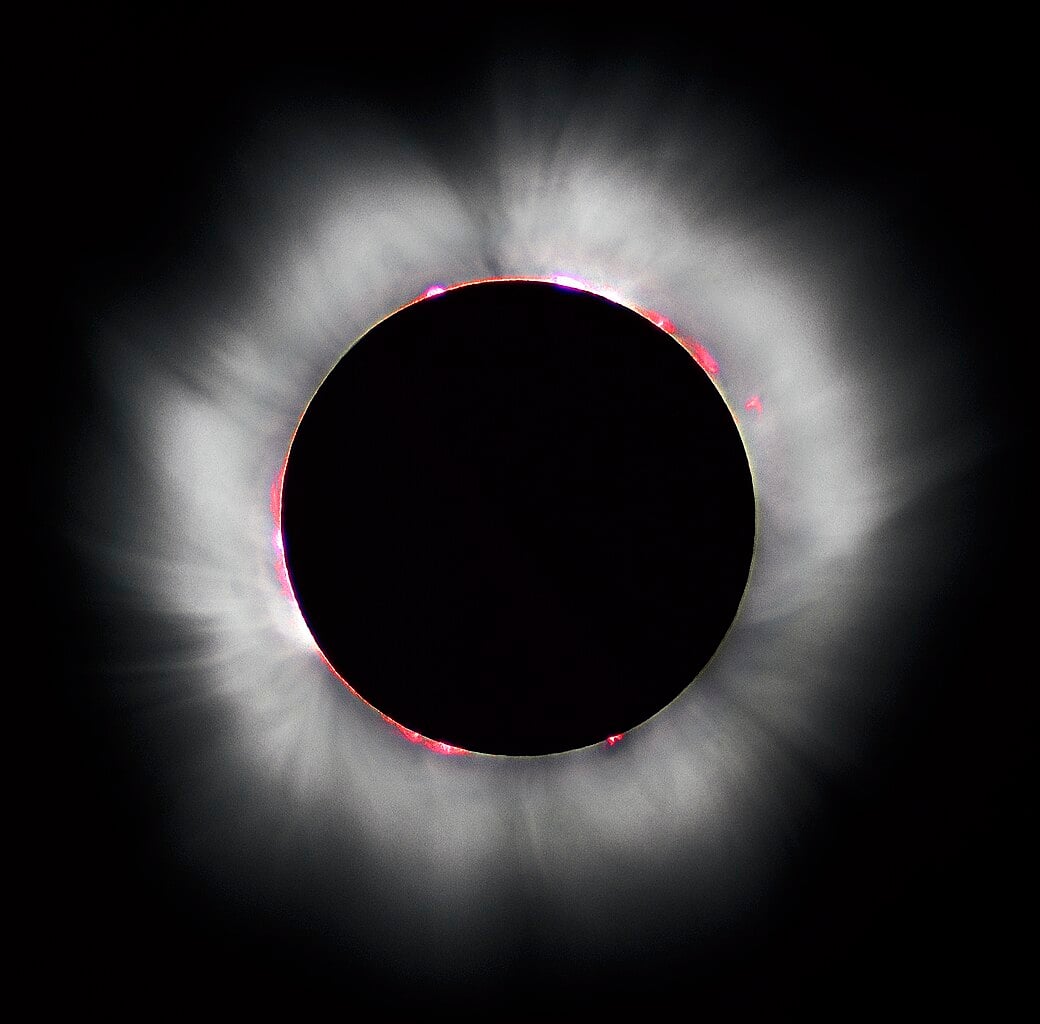
On a summer day in 709 BCE, scribes at the Lu Duchy Court in ancient China looked up to witness something extraordinary. The Sun vanished completely from the sky, and
There is an important and unresolved tension in cosmology regarding the rate at which the universe is expanding, and resolving this could reveal new physics. Astronomers constantly seek new ways
China routinely sends astronauts to and from its space station Tiangong. A crew capsule is about to undock from the station and return to Earth, but there’s nothing routine about
High up in Earth’s orbit, millions of human-made objects large and small are flying at speeds of over 15,000 miles per hour. The objects, which range from inactive satellites to
Of the seven Earth-sized worlds orbiting the red dwarf star TRAPPIST-1, one planet in particular has attracted the attention of scientists. This planet orbits the star within the “Goldilocks zone”—a
Advertisement
Popular Now
-
 01Two Black Holes Observed Circling Each Other for the First Time
 -
 02From Polymerization-Enabled Folding and Assembly to Chemical Evolution: Key Processes for Emergence of Functional Polymers in the Origin of Life
 -
 03Astronomy 101: From the Sun and Moon to Wormholes and Warp Drive, Key Theories, Discoveries, and Facts about the Universe (The Adams 101 Series)
 -
 04True Anomaly hires former York Space executive as chief operating officer
 -
 05Φsat-2 begins science phase for AI Earth images
 -
 06Hurricane forecasters are losing 3 key satellites ahead of peak storm season − a meteorologist explains why it matters
 -
 07Binary star systems are complex astronomical objects − a new AI approach could pin down their properties quickly
Scroll to Top