
In the leading model of cosmology, most of the universe is invisible: a combined 95% is made of dark matter and dark energy. Exactly what these dark components are remains


1722Articles

An international team has made a significant breakthrough in understanding the tectonic evolution of terrestrial planets. Using advanced numerical models, the team systematically classified for the first time six distinct
“Why are we here?” is humanity’s most fundamental and persistent question. Tracing the origins of the elements is a direct attempt to answer this at its deepest level. We know
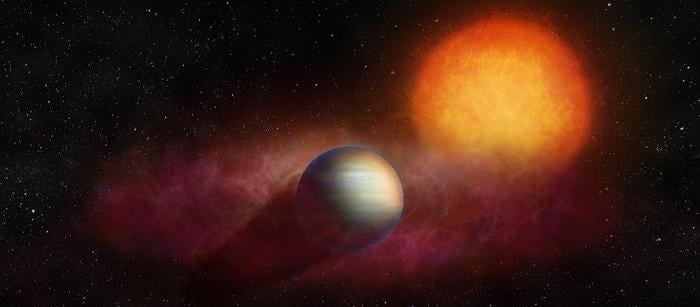
What can an exoplanet leaking helium teach astronomers about the formation and evolution of exoplanet atmospheres? This is what a recent study published in Nature Astronomy hopes to address as
An international team led by the University of Oxford has identified one of the largest rotating structures ever reported: a “razor-thin” string of galaxies embedded in a giant spinning cosmic
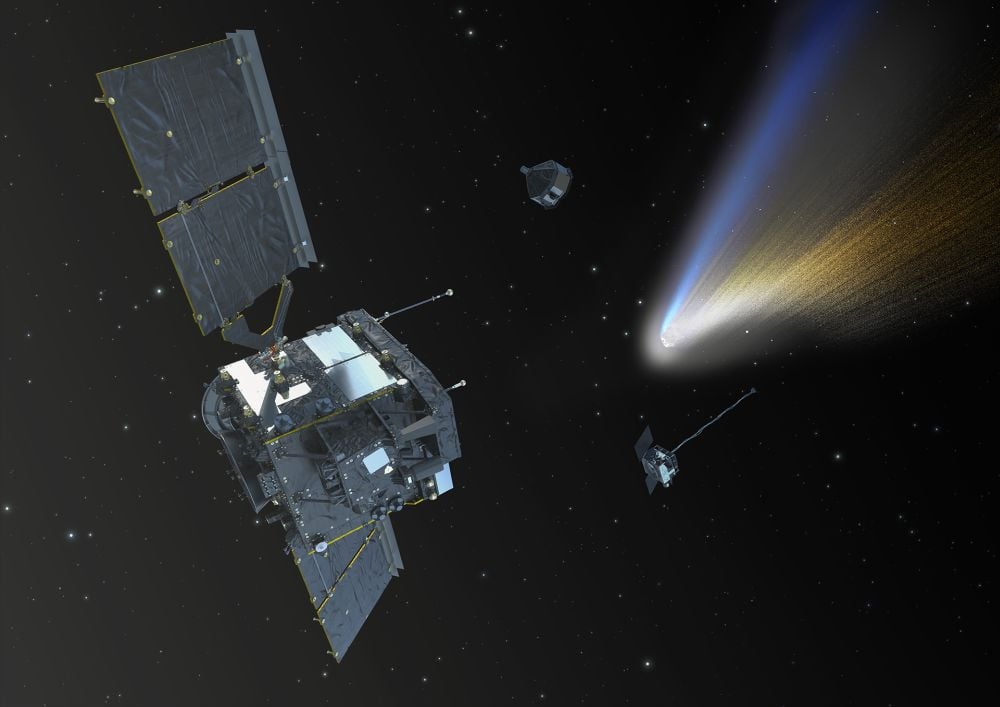
arXiv:2512.00492v1 Announce Type: new Abstract: We describe how the ESA Comet Interceptor mission, which is due to launch in 2028/29 to a yet-to-be-discovered target, can provide a conceptual basis for
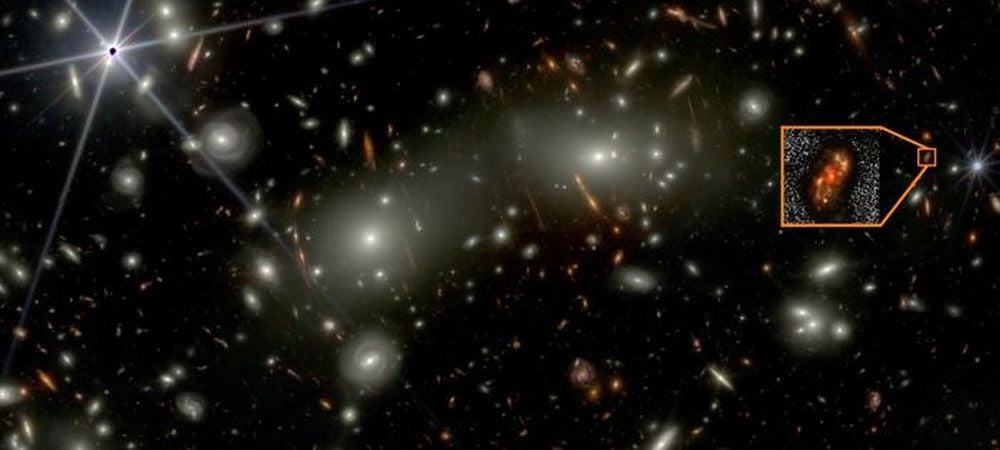
The JWST has made a name for itself by discovering mature galaxies in the Universe’s early times. This time, a pair of Indian astronomers working with the JWST found a
There’s been a lot of speculation recently about interstellar visitor 3I/ATLAS—much of which is probably caused by low-quality data given that we have to observe it from either Earth, or
Chile’s Atacama Desert is one of the darkest spots on Earth, a crown jewel for astronomers who flock to study the origins of the universe in this inhospitable desert along
Observations with the instrument SPHERE at ESO’s Very Large Telescope have produced an unprecedented gallery of “debris disks” in exoplanetary systems.


Advertisement
Popular Now
-
 01Two Black Holes Observed Circling Each Other for the First Time
 -
 02From Polymerization-Enabled Folding and Assembly to Chemical Evolution: Key Processes for Emergence of Functional Polymers in the Origin of Life
 -
 03Astronomy 101: From the Sun and Moon to Wormholes and Warp Drive, Key Theories, Discoveries, and Facts about the Universe (The Adams 101 Series)
 -
 04True Anomaly hires former York Space executive as chief operating officer
 -
 05Φsat-2 begins science phase for AI Earth images
 -
 06Hurricane forecasters are losing 3 key satellites ahead of peak storm season − a meteorologist explains why it matters
 -
 07Binary star systems are complex astronomical objects − a new AI approach could pin down their properties quickly
Scroll to Top