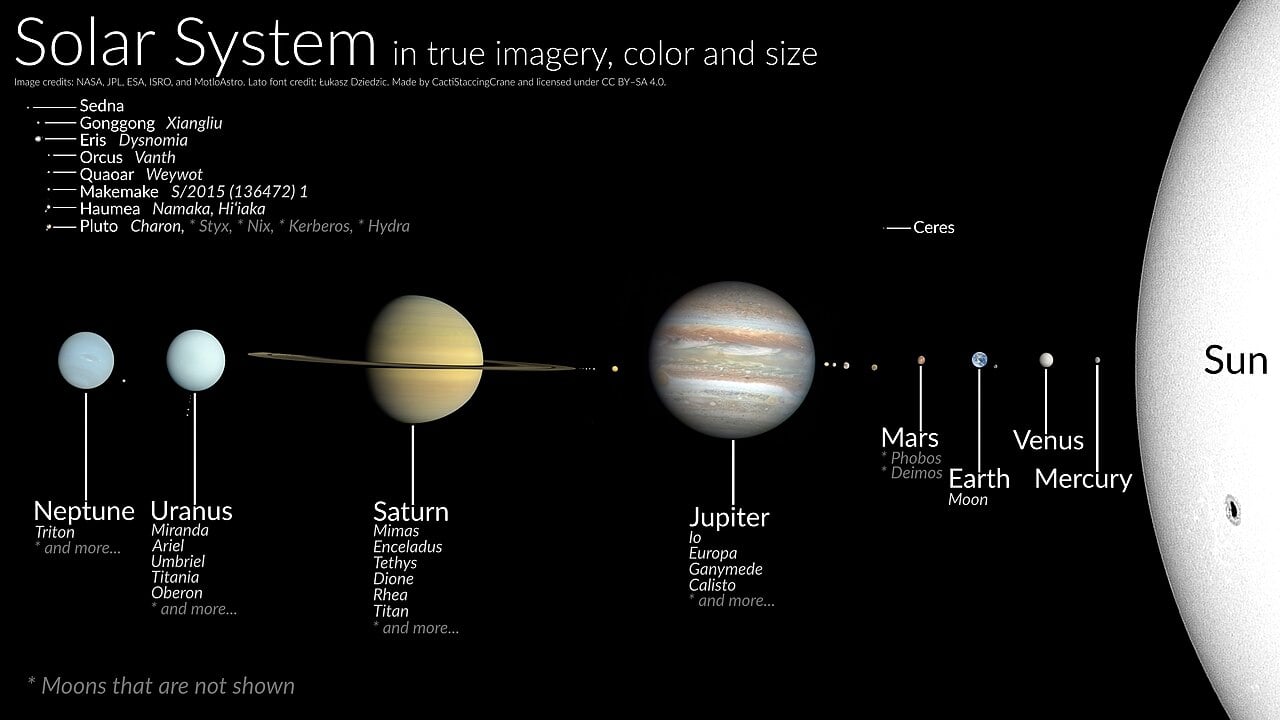
Astronomers have discovered that our Solar System is moving through the universe more than three times faster than cosmological models predict, a finding that challenges fundamental assumptions about how the


Astronomers have discovered that our Solar System is moving through the universe more than three times faster than cosmological models predict, a finding that challenges fundamental assumptions about how the
Last time I wrote about new data that overturns the standard cosmological model. Before anyone starts dusting off their fringe cosmological models, we should note what this new study doesn’t
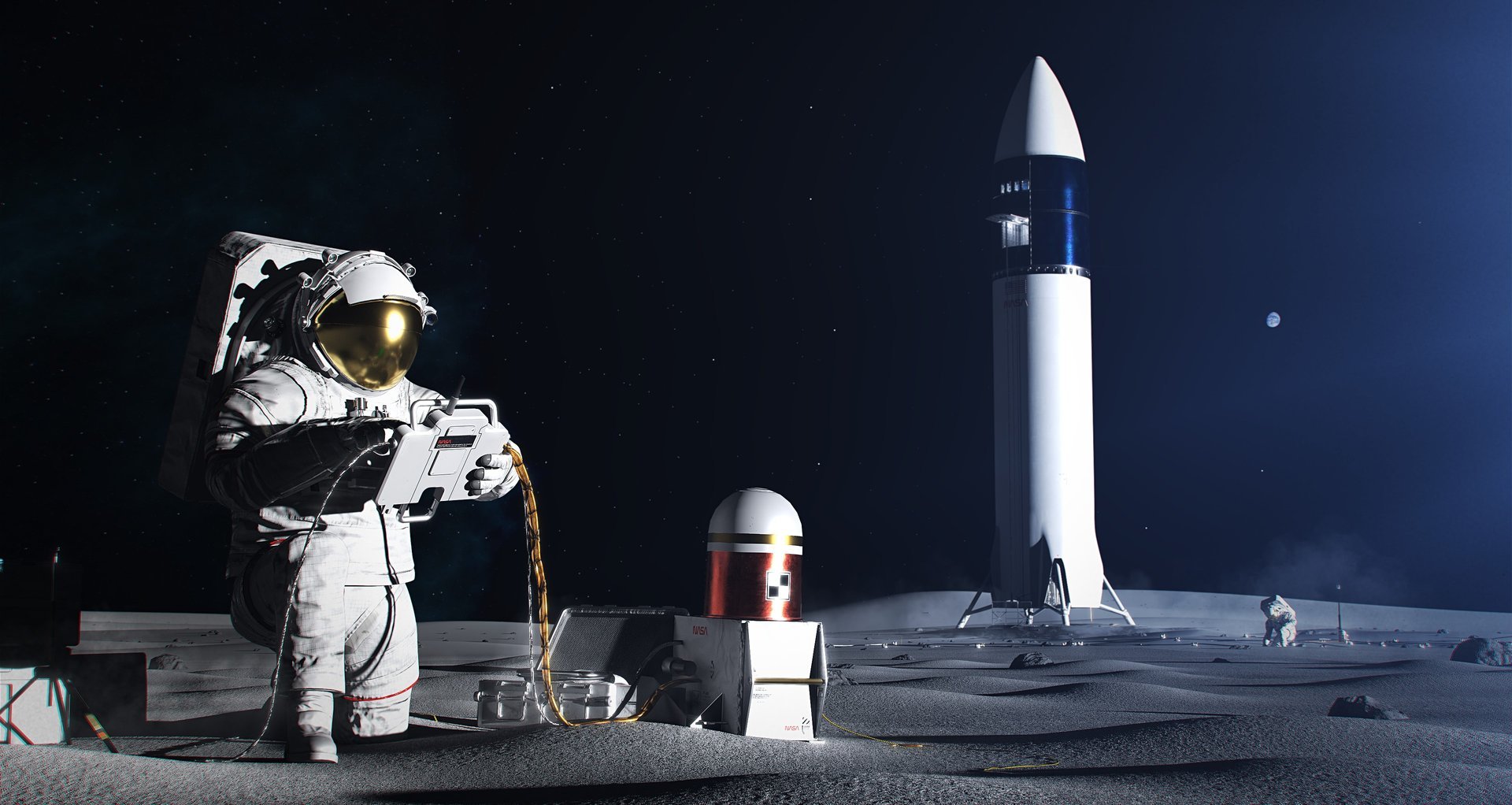
The next few months are likely to bring a dramatic transition for NASA, under the leadership of a new administrator who has new ideas about changing the course of the
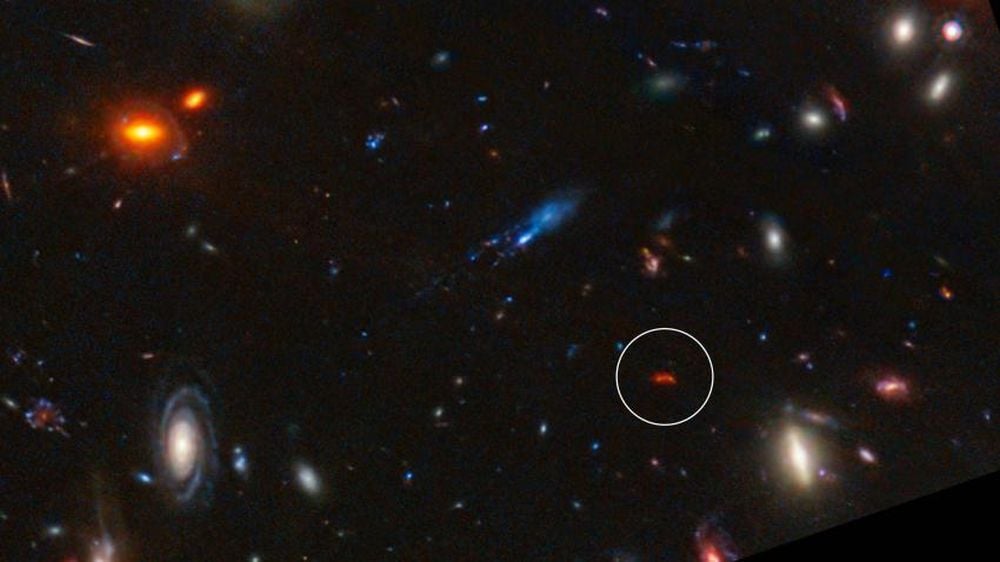
The JWST surprised when it detected very early galaxies that were extremely luminous. This suggested that they were more massive than researchers thought they could be. Not enough time had
A joint research team from the Institute of Geochemistry of the Chinese Academy of Sciences (IGCAS) and Shandong University has for the first time identified crystalline hematite (α-Fe2O3) and maghemite
Galaxy clusters are the largest gravitationally bound structures in the universe, with each containing hundreds or even thousands of galaxies. When two of these giants collide, they send powerful shock
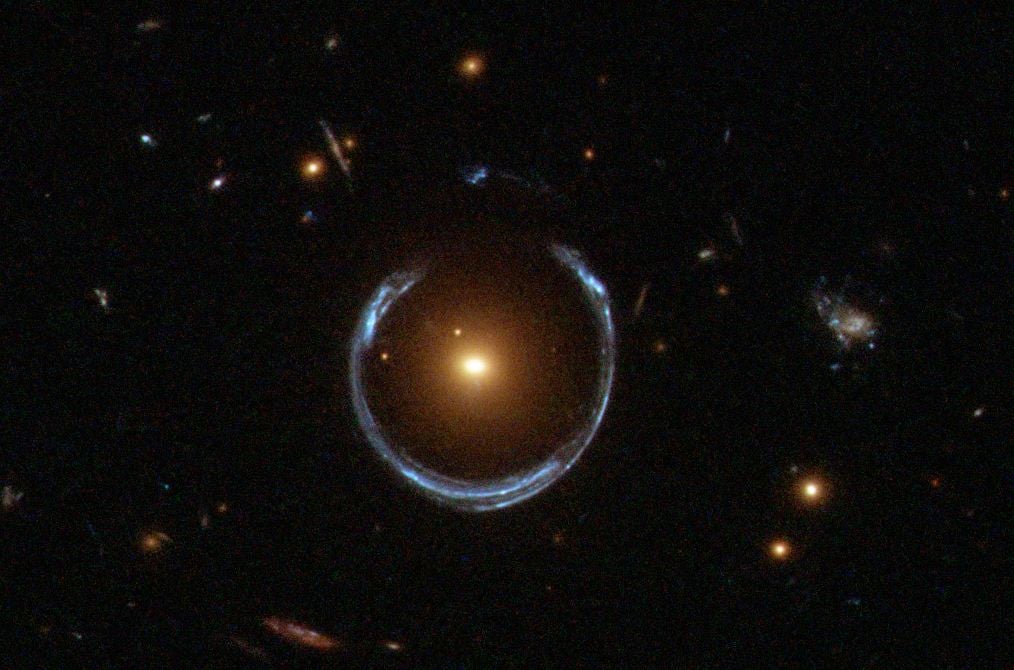
Astronomers have used machine learning to discover seven new quasar lens systems, arrangements where a quasar’s host galaxy bends light from a more distant galaxy behind it. The find more
Getting time on the James Webb Space Telescope (JWST) is the dream of many astronomers. The most powerful space telescope currently in our arsenal, the JWST has been in operation
Since comet 3I/ATLAS, the third known interstellar object, was discovered on 1 July 2025, astronomers worldwide have worked to predict its trajectory. ESA has now improved the comet’s predicted location
Close companions can influence stellar evolution in many ways. While some companions can be detected around young stellar objects, direct observational evidence of companions around asymptotic giant branch (AGB) stars