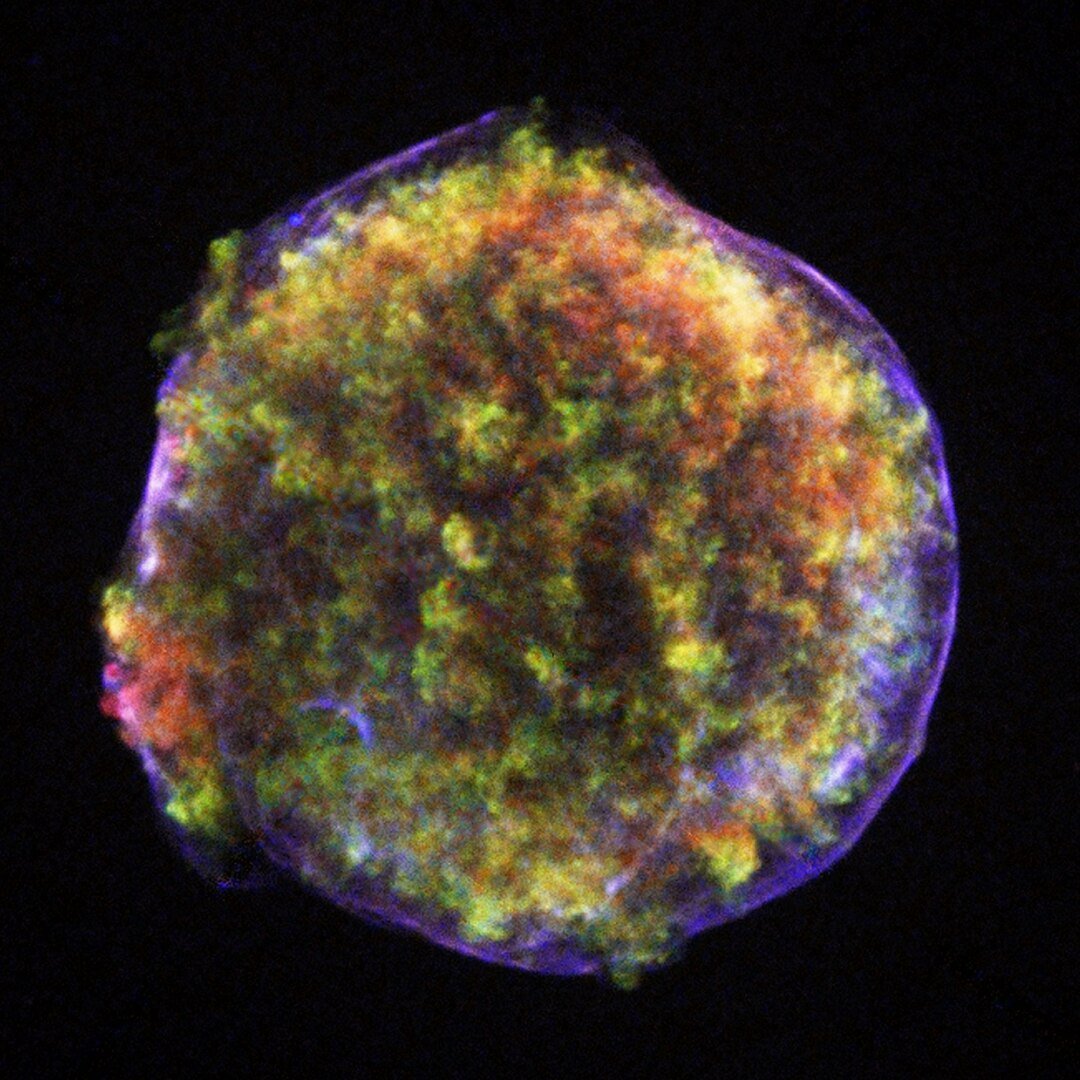
The famous Tycho supernova of 1572, witnessed by Danish astronomer Tycho Brahe, didn’t explode in empty space as has been assumed. New analysis reveals it detonated inside a planetary nebula,


The famous Tycho supernova of 1572, witnessed by Danish astronomer Tycho Brahe, didn’t explode in empty space as has been assumed. New analysis reveals it detonated inside a planetary nebula,
Dark matter has two central properties: it has mass like regular matter, and unlike regular matter, it reacts weakly or not at all with light. Neutrinos satisfy these two criteria,
Japan’s space agency successfully launched Sunday its most powerful flagship H3 rocket, carrying a newly developed unmanned cargo spacecraft for its first mission to deliver supplies to the International Space
On October 18, 2025, the 4-meter Multi-Object Spectroscopic Telescope (4MOST) facility, installed on the VISTA telescope at the European Southern Observatory’s (ESO) Paranal Observatory in Chile, obtained its first light.
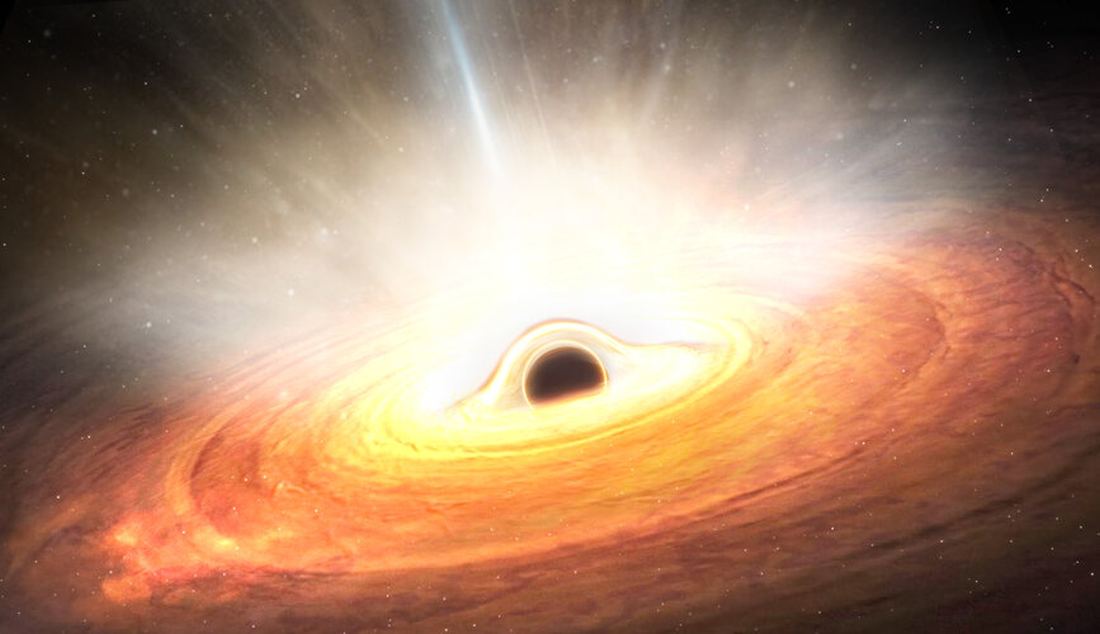
In a recent paper, a team of researchers proposes how humanity may someday relocate its entire civilization near the center of our galaxy to take advantage of the relativistic effects
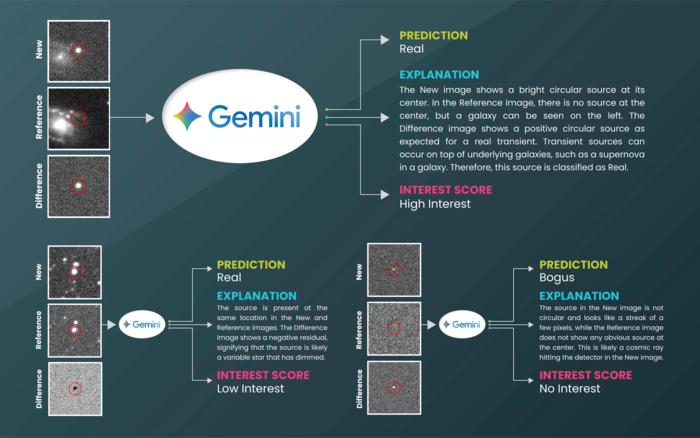
How can artificial intelligence (AI) help astronomers identify celestial objects in the night sky? This is what a recent study published in Nature Astronomy hopes to address as an international
Threats from space aren’t always obvious, but statistically, it’s only a matter of time before one of them happens. One of the most concerning for many space experts is a
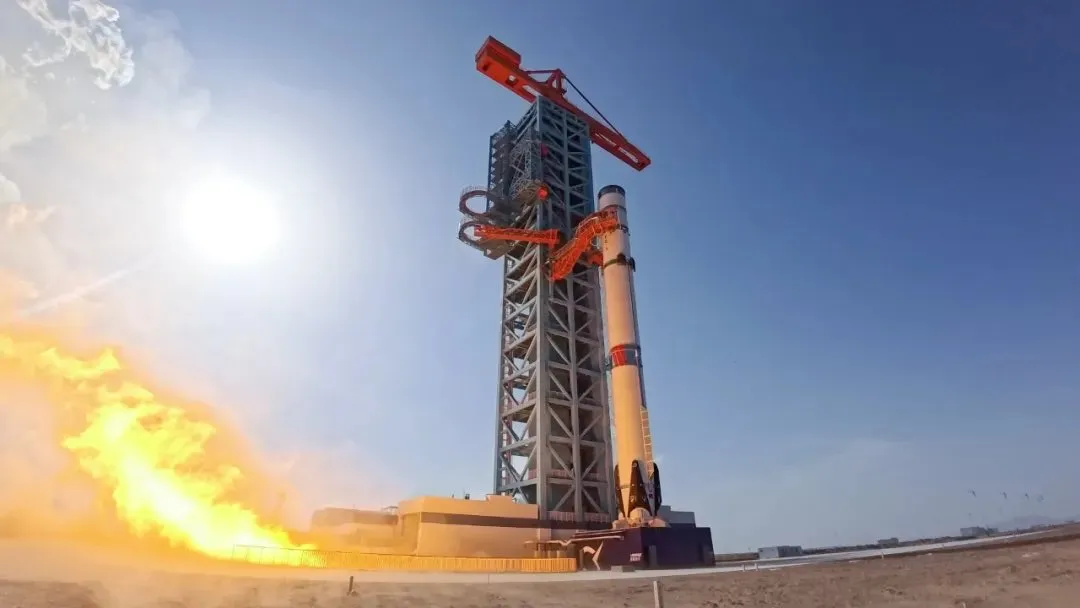
On Monday, Chinese company LandSpace executed a static-fire test with its 217-foot-tall Zhuque-3, a reusable rocket that China hopes will rival SpaceX. The rocket is on the way to its
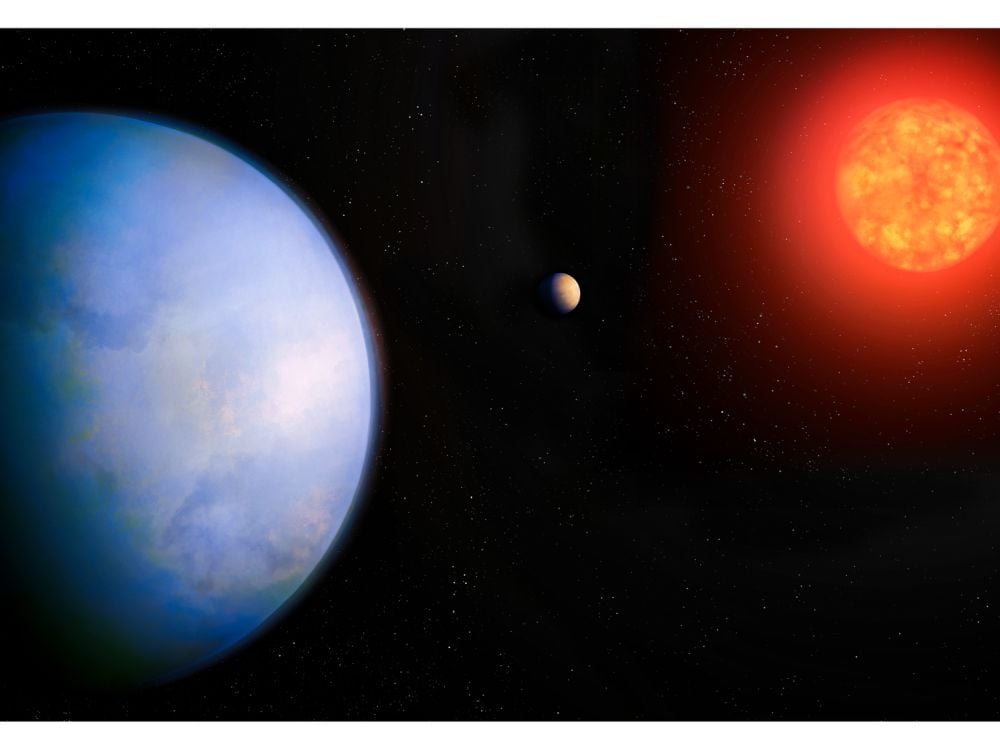
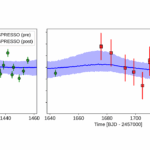
Astronomers have found a new super-Earth only about 20 light years away. At that distance, it’s a candidate for direct imaging.
Below the waves of the Mediterranean, Europe’s KM3NeT neutrino telescope is on a cosmic hunt. Towering strings of sensors stretch a kilometer down to the seafloor, arranged in a vast