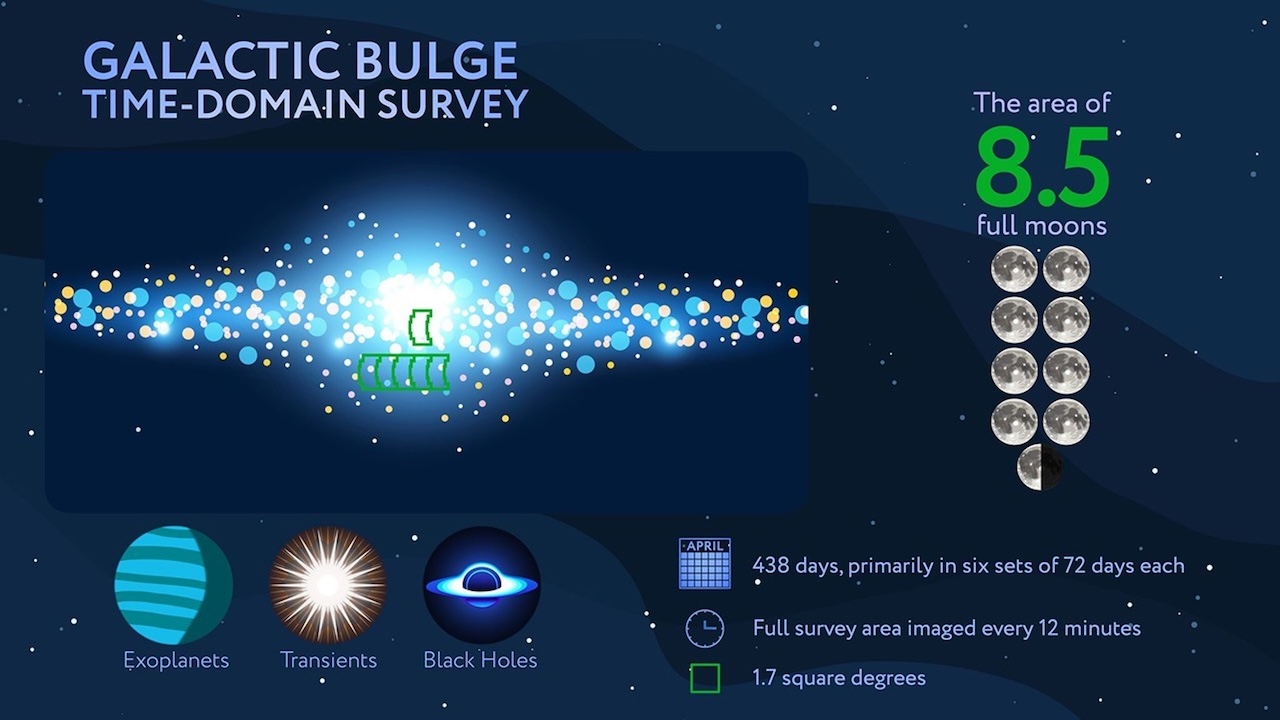
Galactic Bulge Survey Wide-Field Science — NASA The primary science driver of the Roman Galactic Bulge Time-Domain Survey (GBTDS) is the detection and demographics of cold exoplanets via microlensing (Astro2010,


Galactic Bulge Survey Wide-Field Science — NASA The primary science driver of the Roman Galactic Bulge Time-Domain Survey (GBTDS) is the detection and demographics of cold exoplanets via microlensing (Astro2010,
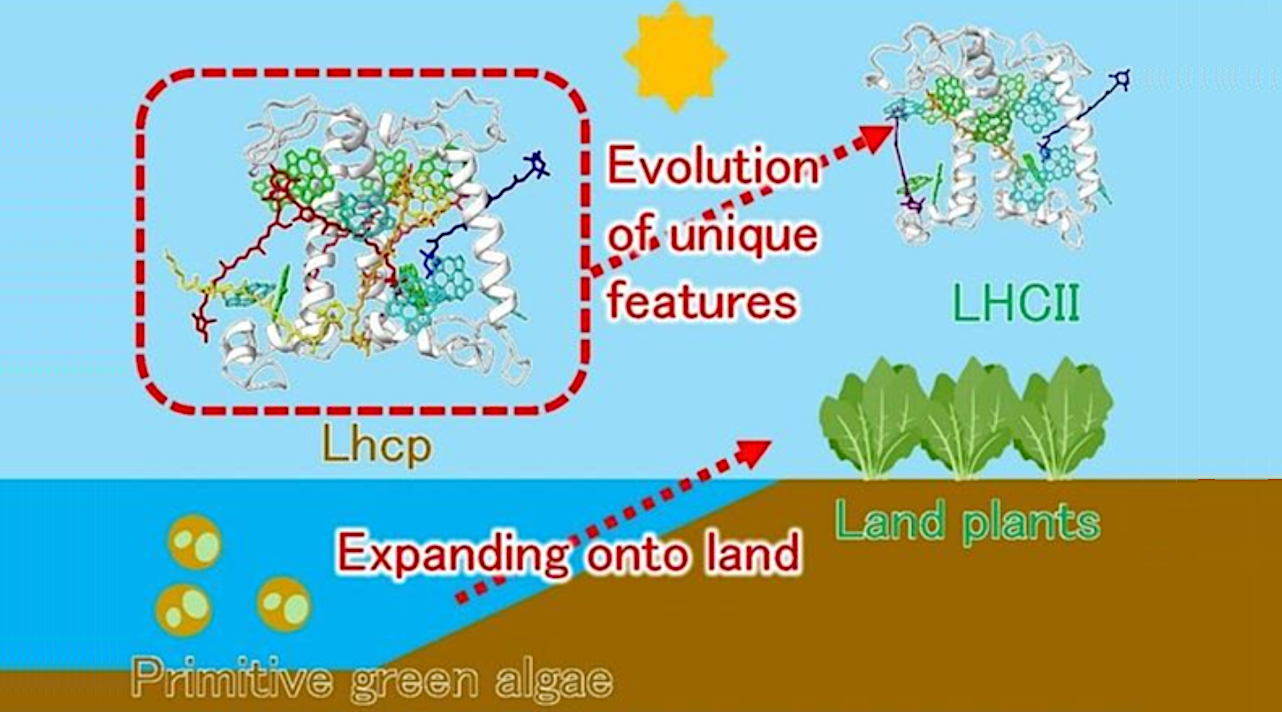
Graphical abstract — Osaka Metropolitan University Before plants evolved, vegetative life consisted of primitive green algae living in the sea. Like plants, these algae survived by performing photosynthesis, turning sunlight

Boulder, CO and Pasadena, CA — February 11, 2026 — Motiv Space Systems announced a contractual agreement with PickNik Robotics to support software development for NASA’s Fly Foundational Robotics (FFR)
Catalyst Campus is proud to welcome the fourth cohort of small businesses to the SDA TAP Lab – Catalyst Campus Mini Accelerator, a dynamic two-month program designed to prepare innovative
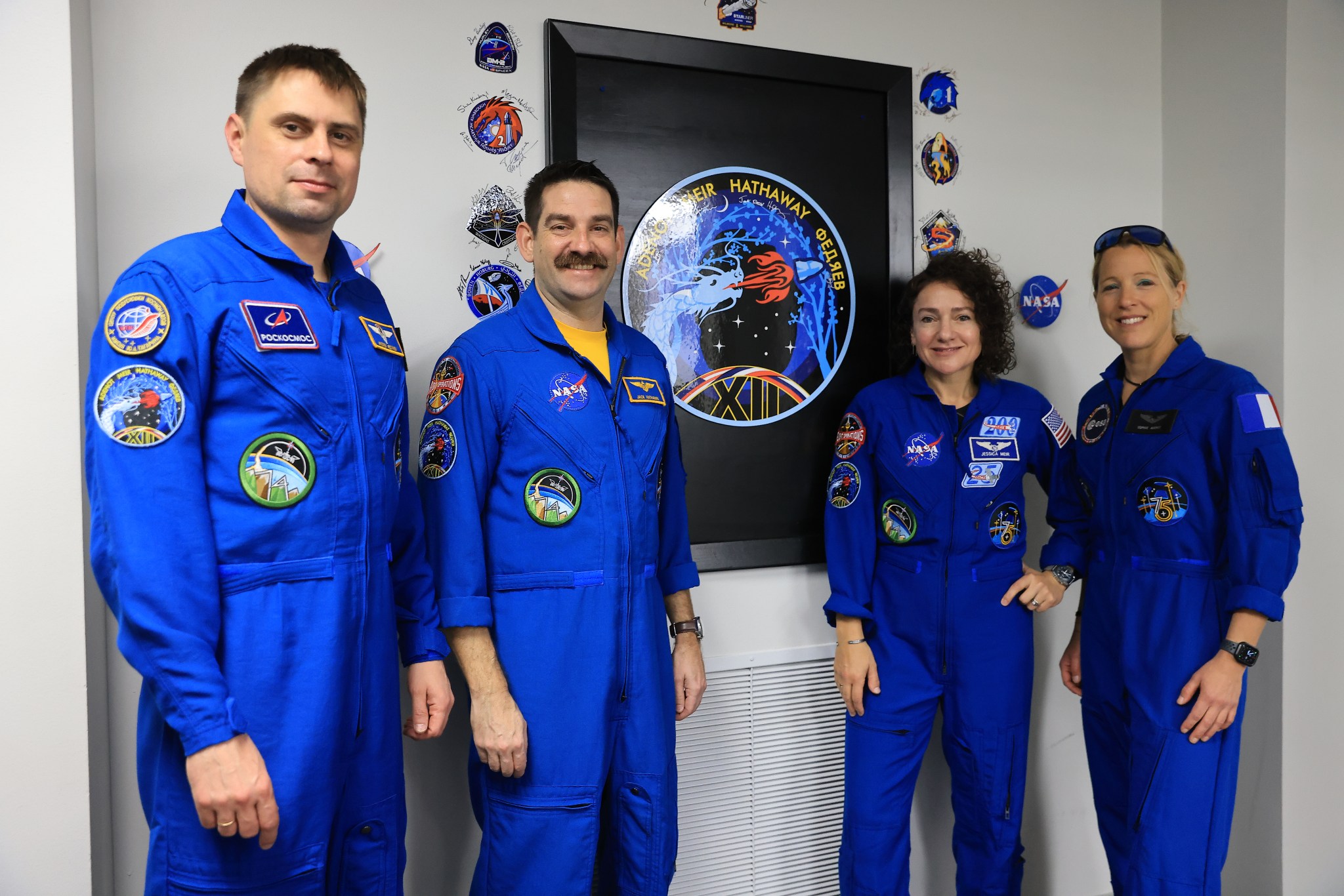
NASA/Kim Shiflett From left, Roscosmos cosmonaut Andrey Fedyaev, NASA astronauts Jack Hathaway and Jessica Meir, and ESA (European Space Agency) astronaut Sophie Adenot pose next to their mission insignia inside
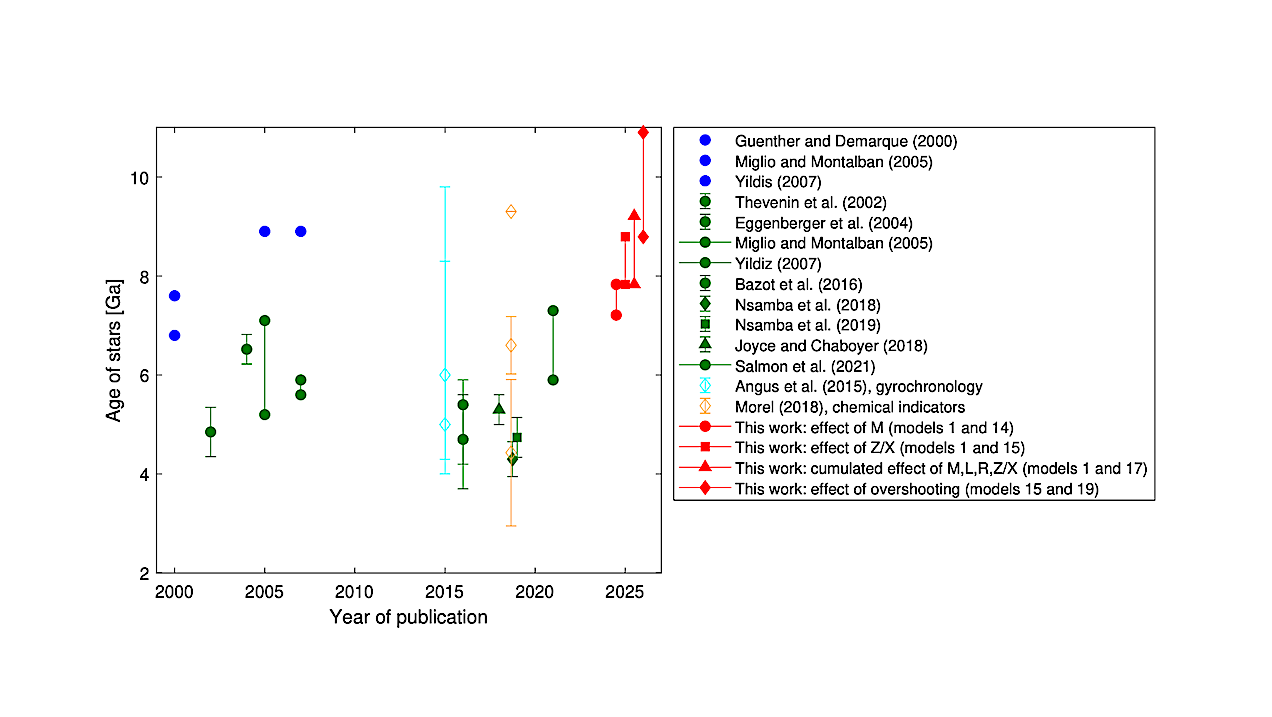
Age of α Centauri A and B estimated in various works. The colors of the points indicate the method: blue, classic method without seismic data; green, seismic analysis; cyan, gyrochronology;
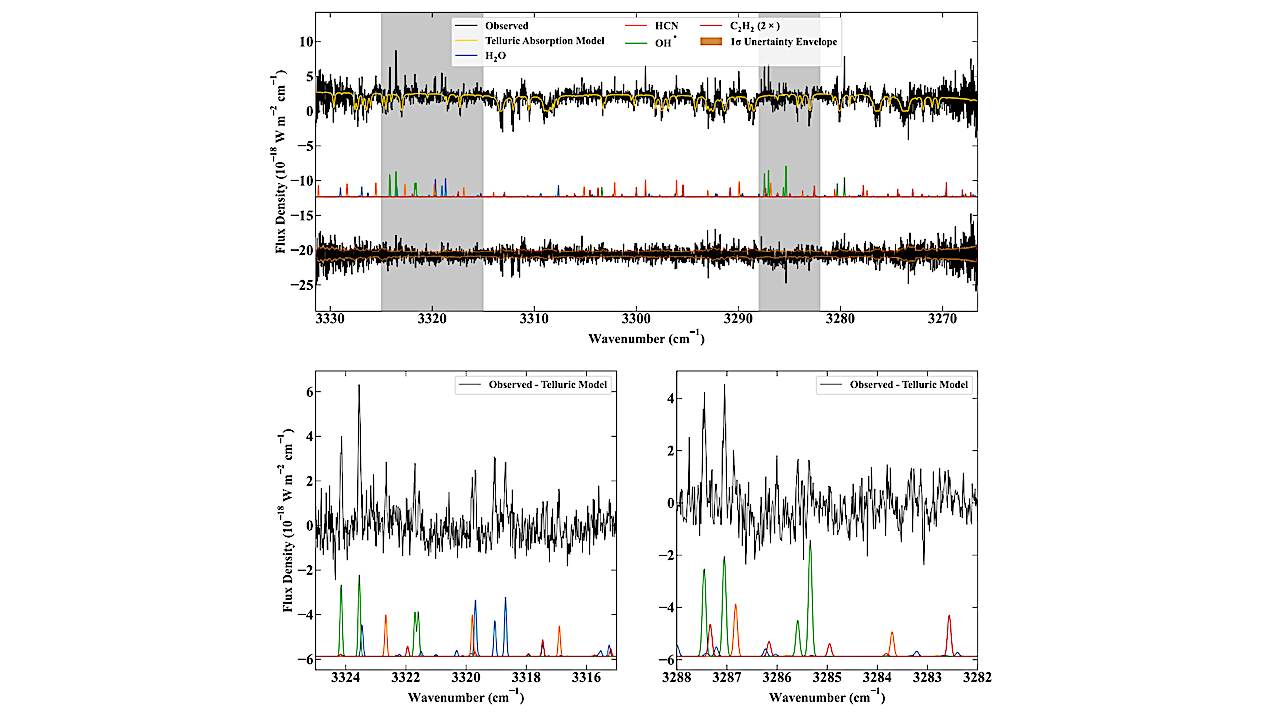
Upper. Detections of H2O, HCN, C2H2, and OH∗ in E3 covering iSHELL echelle order 170–172. The uppermost trace is the observed cometary spectrum with the telluric transmittance model superimposed. Below
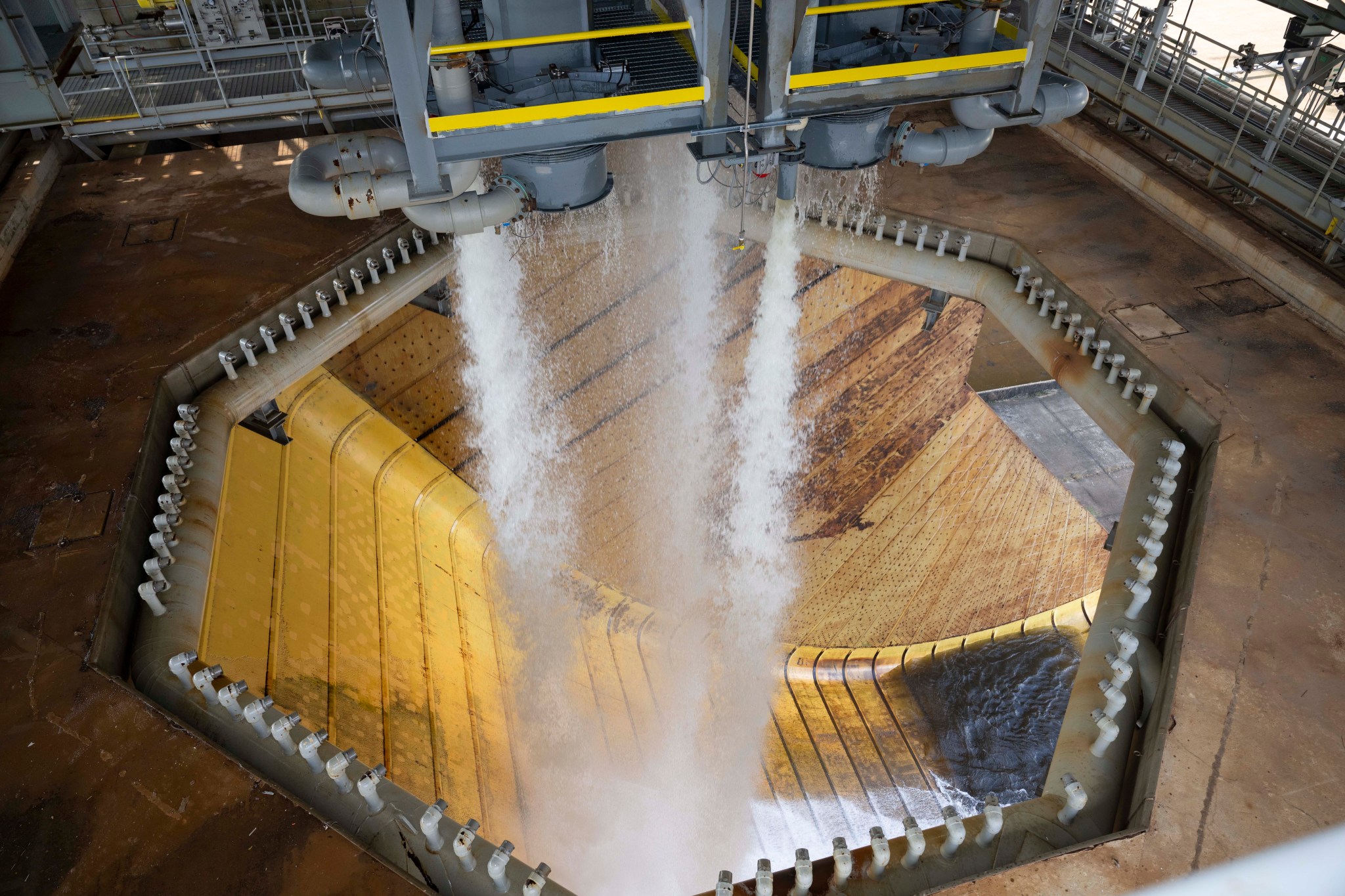
3 min read Preparations for Next Moonwalk Simulations Underway (and Underwater) NASA Stennis teams complete a water system activation milestone on Jan. 30 at the Thad Cochran Test Stand (B-2).
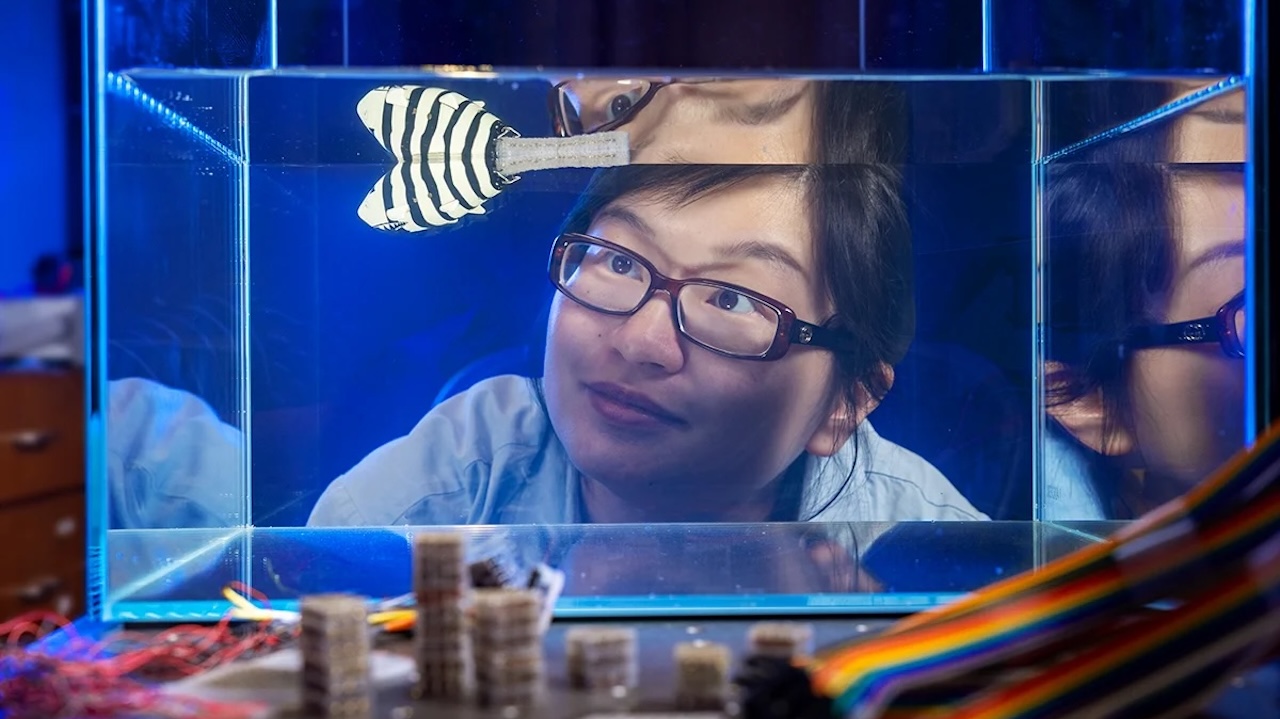
Xiaoyue Ni watches a robotic fish with a reprogrammable tail swim in a fish tank. The proof-of-demonstration could lead to materials with reprogrammable material properties that could function inside of
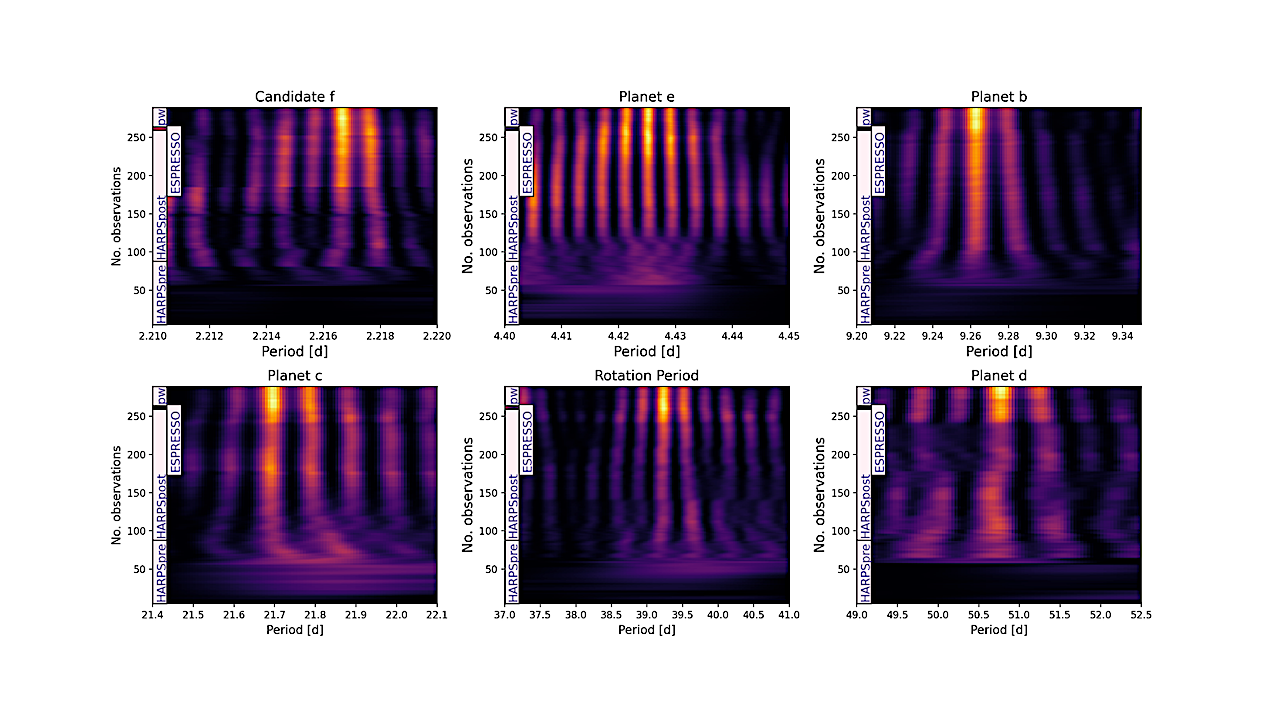
sBGLS periodograms of all planet candidates and the rotation period of the star. The apparent fringe pattern in all panels is caused by the sampling of the data in two