
SIGN THE PETITION: https://www.change.org/p/save-nasa-s-genelab Summary We are urging NASA’s Biological and Physical Sciences (BPS) Directorate to reverse the 2025 reductions to the NASA Open Science Data Repository (OSDR) and GeneLab,


13059Articles
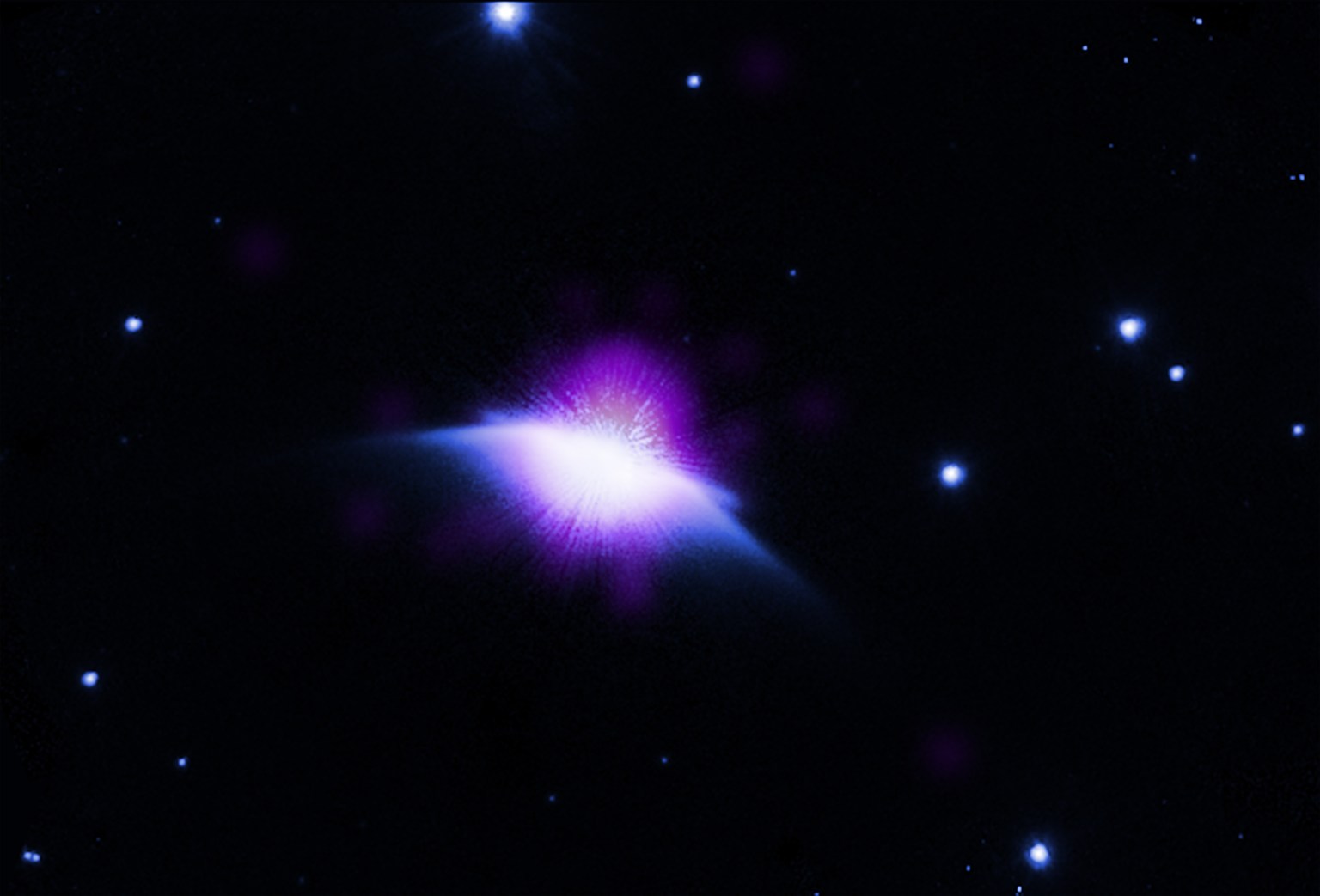
7 Min Read Young ‘Sun’ Caught Blowing Bubbles by NASA’s Chandra For the first time, a much younger version of the Sun has been caught red-handed blowing bubbles in the
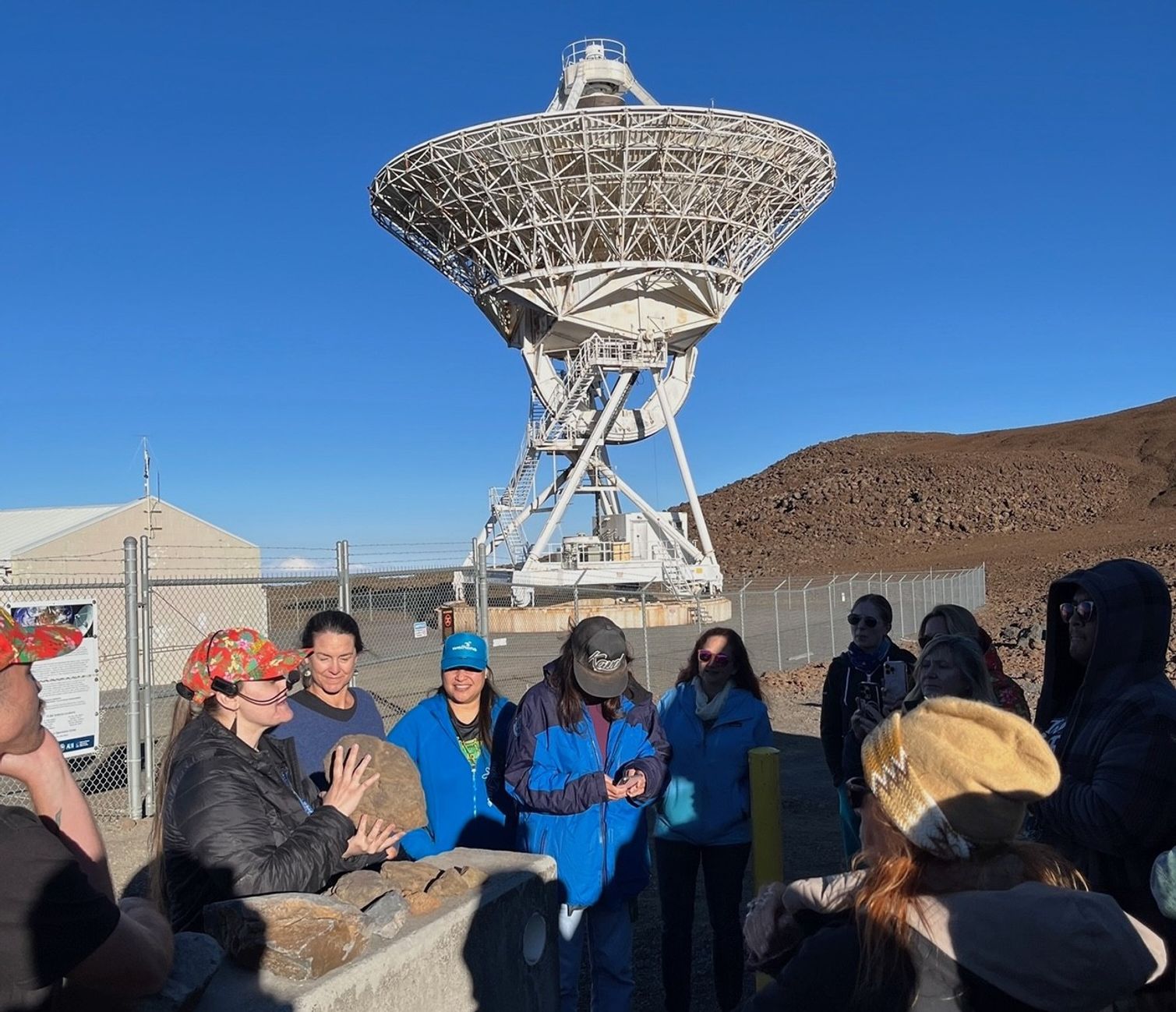
Explore This Section Science Science Activation Astronomy Activation… Overview Learning Resources Science Activation Teams SME Map Opportunities More Science Activation Stories Citizen Science Science Activation Opportunities 5 min read
Keith Cowing Explorers Club Fellow, ex-NASA Space Station Payload manager/space biologist, Away Teams, Journalist, Lapsed climber, Synaesthete, Na’Vi-Jedi-Freman-Buddhist-mix, ASL, Devon Island and Everest Base Camp veteran, (he/him) 🖖🏻 Follow on
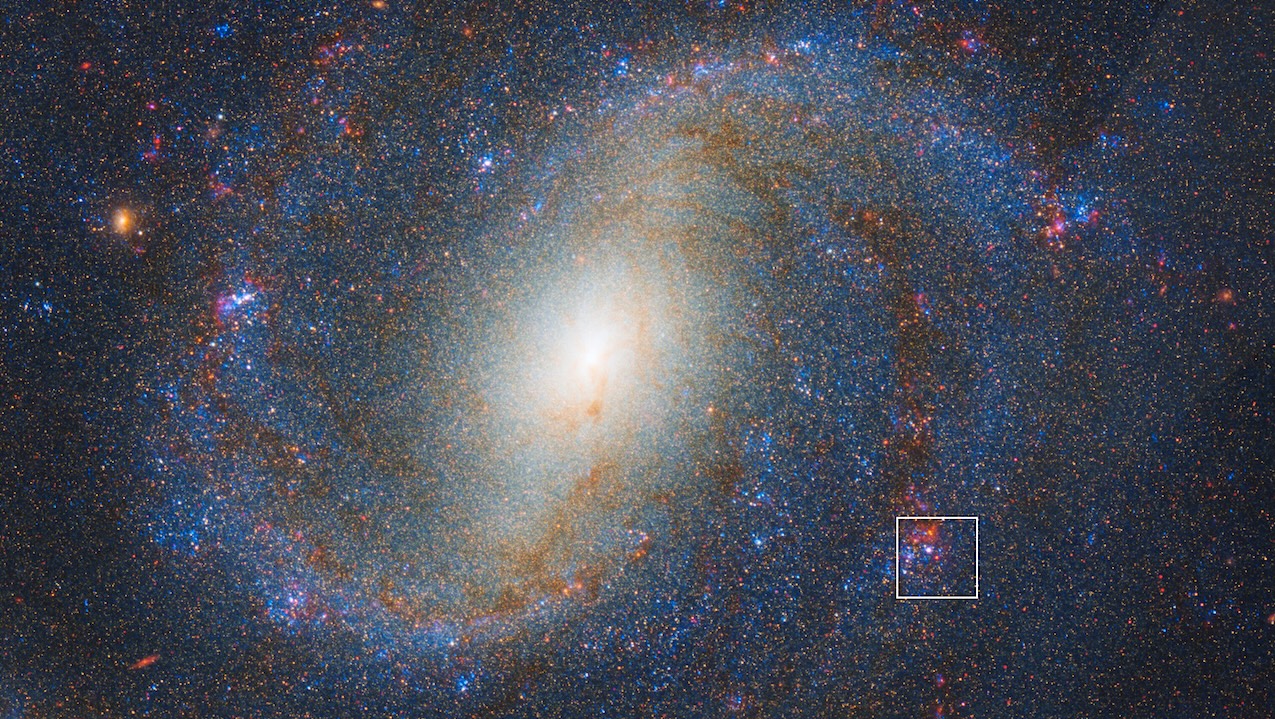
The main image at left shows a combined Webb and Hubble view of spiral galaxy NGC 1637, with the region of interest Credit: NASA, ESA, CSA, STScI, C. Kilpatrick (Northwestern),
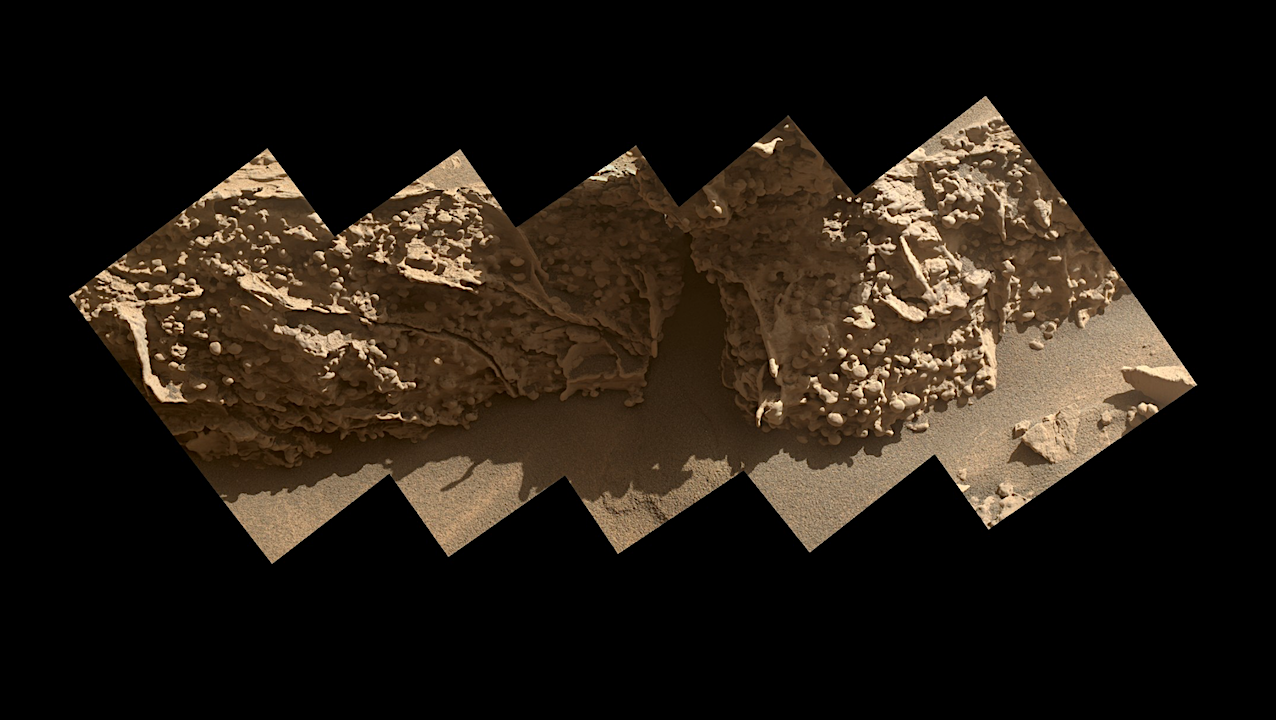
These bumpy nodules were formed by minerals left behind as groundwater was drying out on Mars billions of years ago. NASA’s Curiosity rover captured images of these pea-size features while
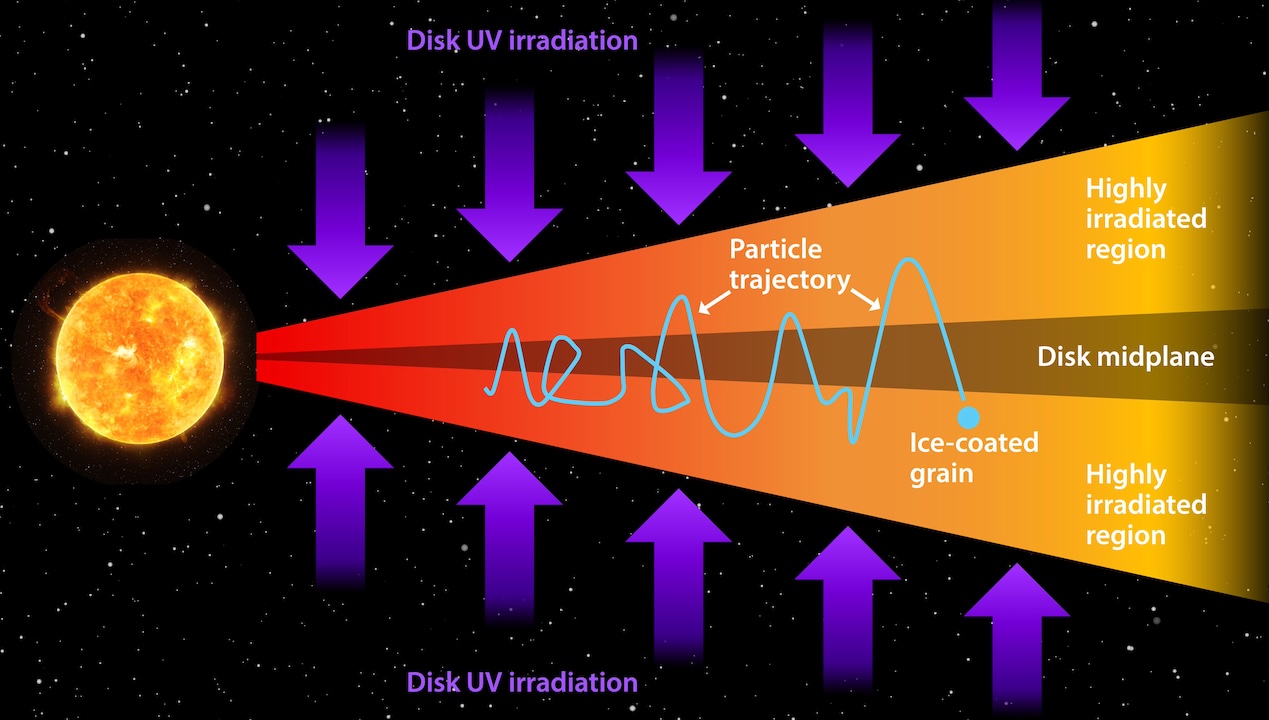
New research conducted by SwRI, Aix-Marseille University and the Institute for Advanced Studies demonstrated how complex organic molecules (COMs) could have formed in the protoplanetary disk represented here. Interstellar ultraviolet
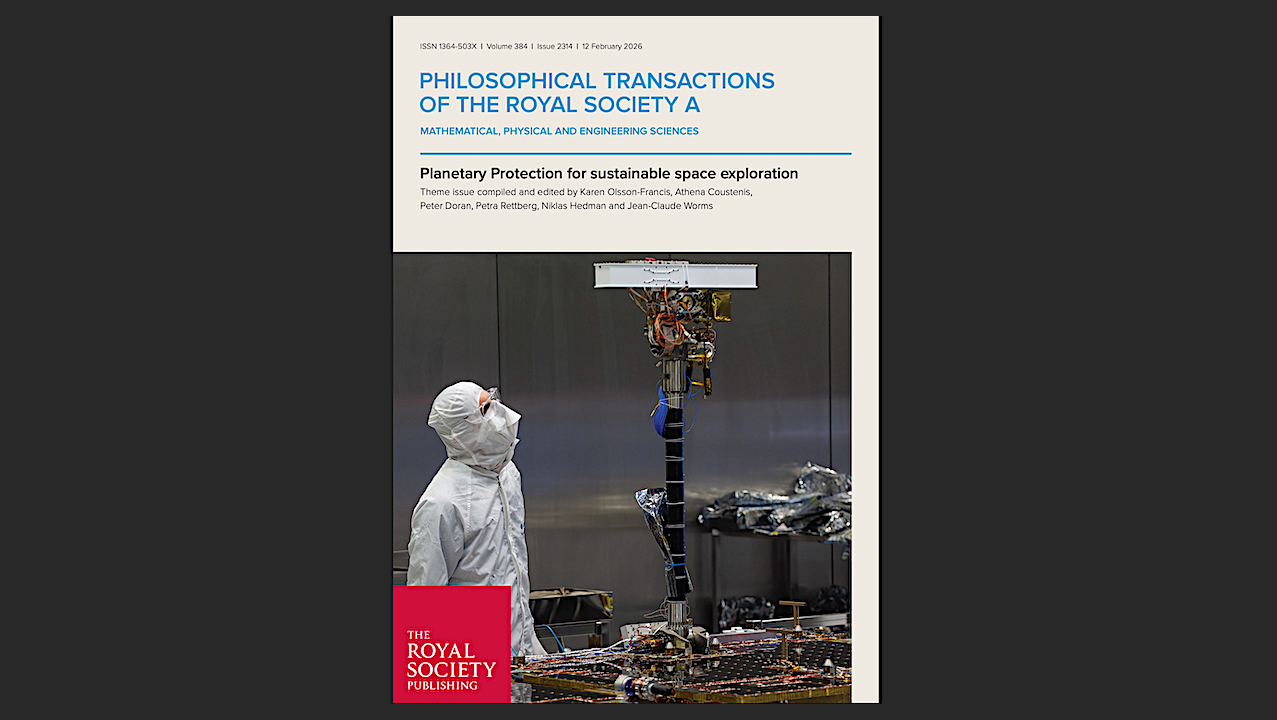
Planetary Protection For Sustainable Space Exploration – – Philosophical Transactions A Theme Issue: (open access) The Royal Society Royal Society Publishing has recently published an OPEN ACCESS theme issue of
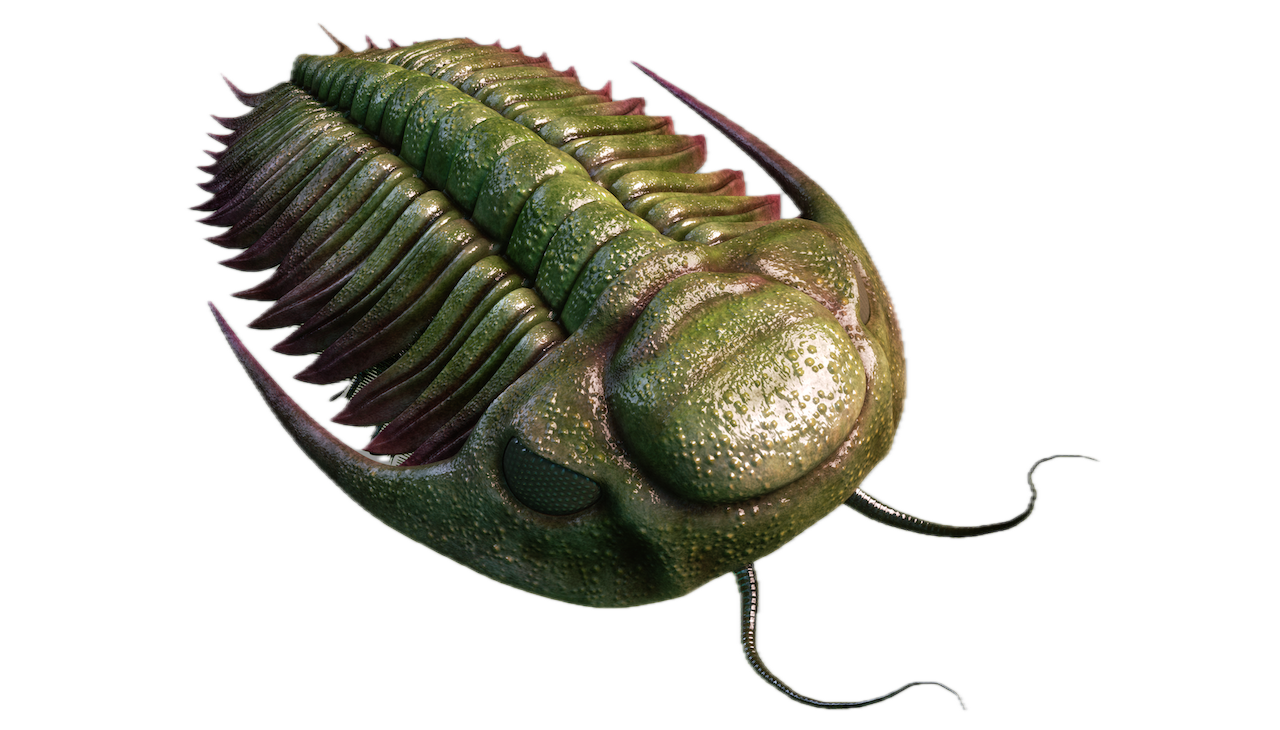
Source: Vladislav Egorov (3D model), Jaagup Metsalu (render) – Estonian Museum of Natural History – Wikipedia CC BY-SA 4.0 File:Estonian Museum of Natural History – trilobite – Hydrocephalus.png A UT
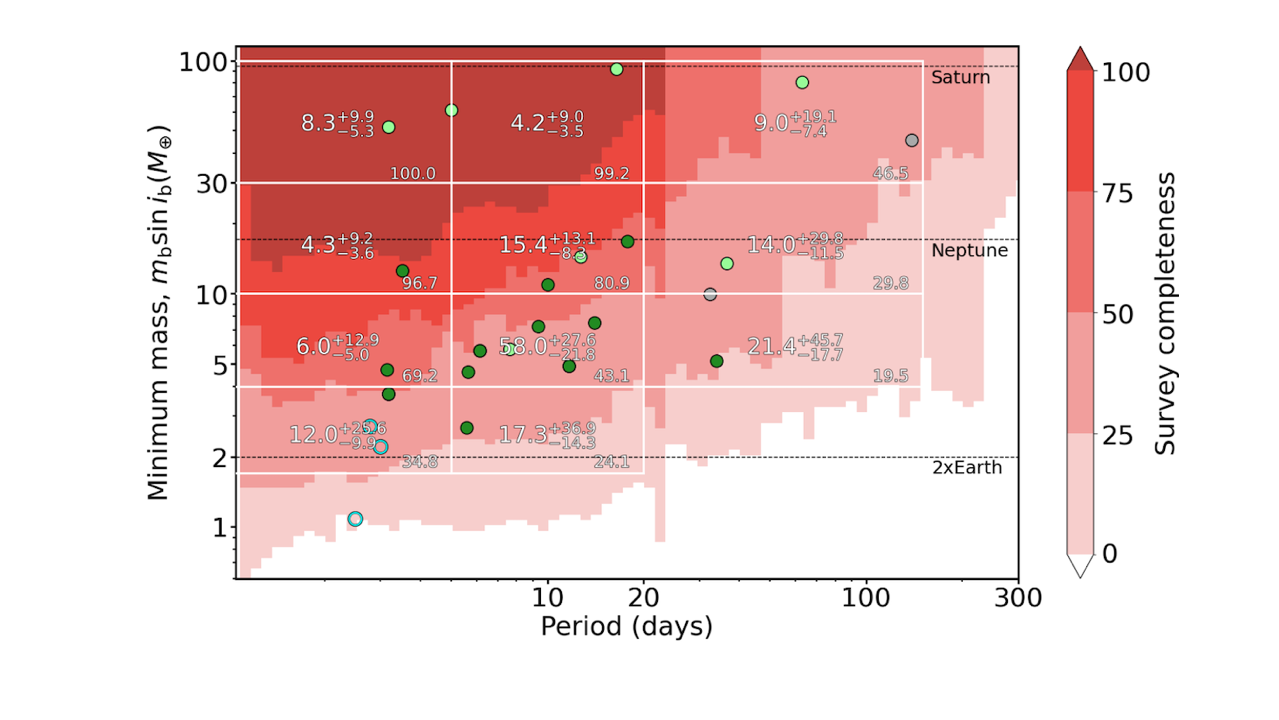
Completeness and planet abundance plot for the DMPP radial velocity survey of 24 targets with sub-basal activity, as a function of minimum mass and orbital period. The red contours indicate

Advertisement
Popular Now
-
 01Two Black Holes Observed Circling Each Other for the First Time
 -
 02From Polymerization-Enabled Folding and Assembly to Chemical Evolution: Key Processes for Emergence of Functional Polymers in the Origin of Life
 -
 03Astronomy 101: From the Sun and Moon to Wormholes and Warp Drive, Key Theories, Discoveries, and Facts about the Universe (The Adams 101 Series)
 -
 04True Anomaly hires former York Space executive as chief operating officer
 -
 05Φsat-2 begins science phase for AI Earth images
 -
 06Hurricane forecasters are losing 3 key satellites ahead of peak storm season − a meteorologist explains why it matters
 -
 07Binary star systems are complex astronomical objects − a new AI approach could pin down their properties quickly
Scroll to Top