Image Credit: National Institute of Aerospace NASA selected 14 university teams from across the nation as finalists in the 2026 Revolutionary Aerospace Systems Concepts – Academic Linkage (RASC-AL) Competition. This


Image Credit: National Institute of Aerospace NASA selected 14 university teams from across the nation as finalists in the 2026 Revolutionary Aerospace Systems Concepts – Academic Linkage (RASC-AL) Competition. This

Love Project Hail Mary? We can’t blame you. Andy Weir’s sci-fi novel, which begins with an astronaut waking up aboard an apparently abandoned spaceship, is absolutely riveting. In fact, we
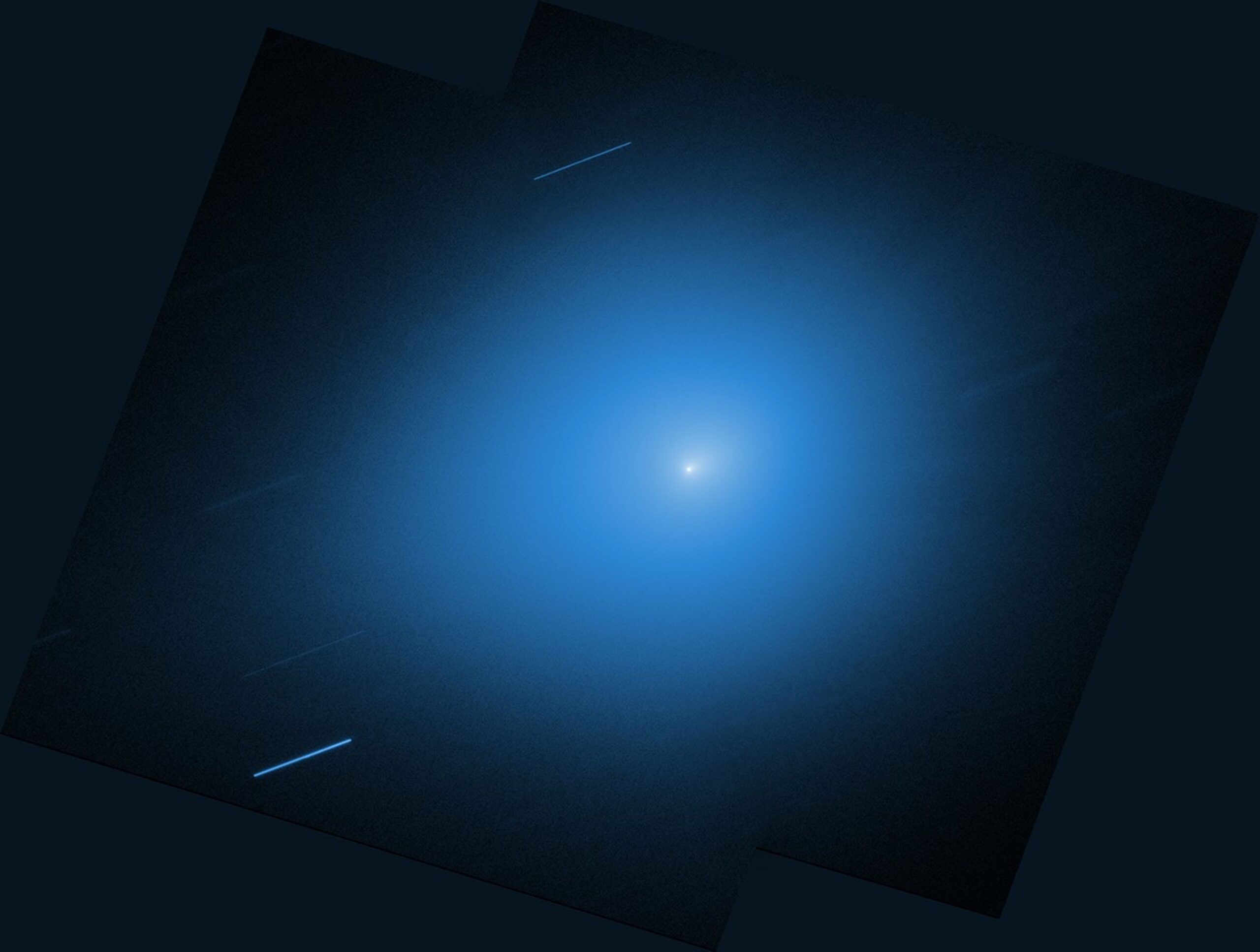
5 min read How Open NASA Data on Comet 3I/ATLAS Will Power Tomorrow’s Discoveries Interstellar comet 3I/ATLAS on Nov. 30, 2025, as observed by the Wide Field Camera 3 instrument on NASA’s Hubble Space Telescope. NASA

If I had a dollar for every excellent space movie based on an Andy Weir book about a lone astronaut doing cool science to survive, I’d have two dollars, which
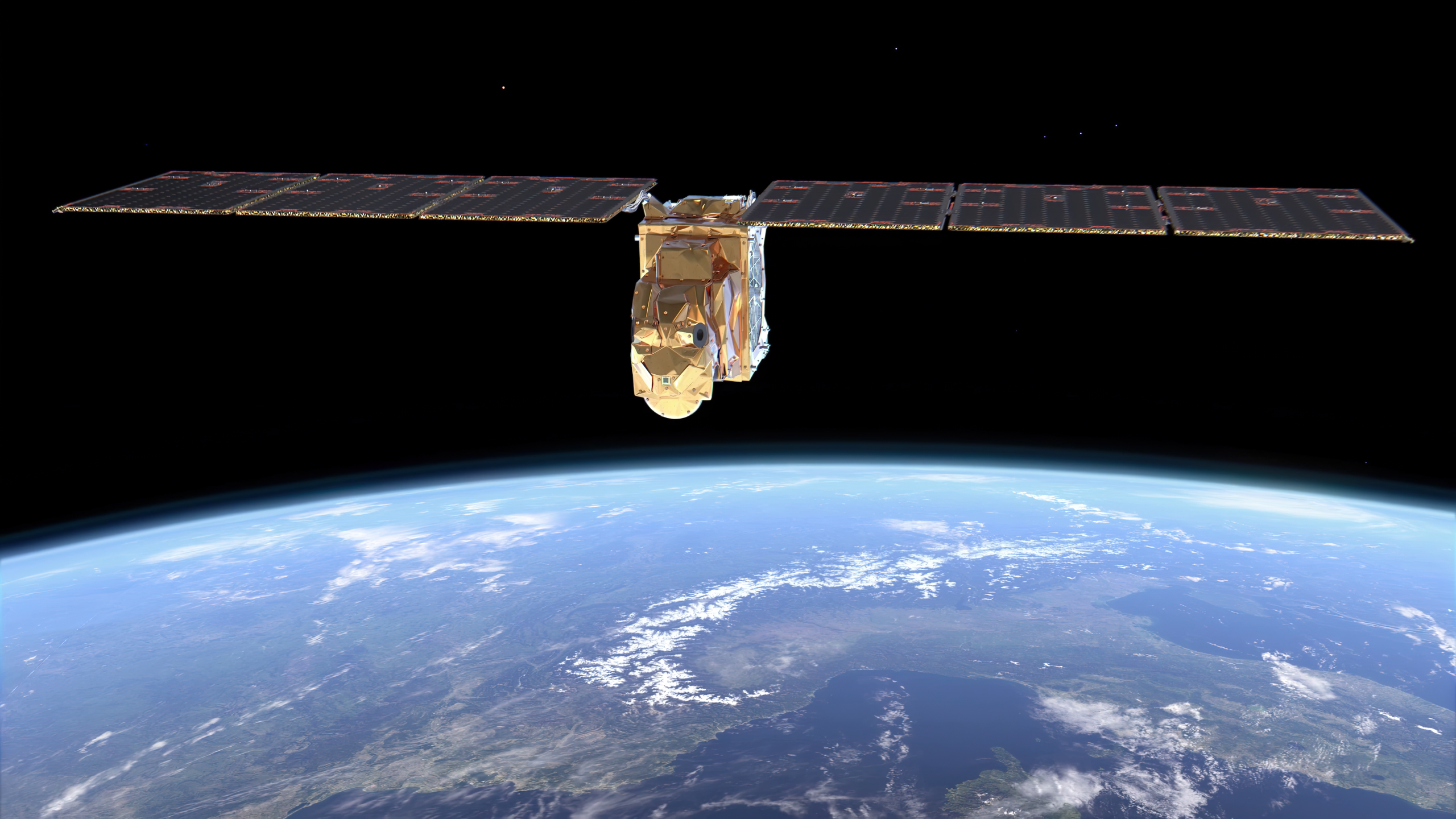
HELSINKI — OHB Sweden has won a record contract for Sweden’s space sector to build 20 satellites to boost Europe’s weather forecasting and climate monitoring capabilities. The contract, signed March
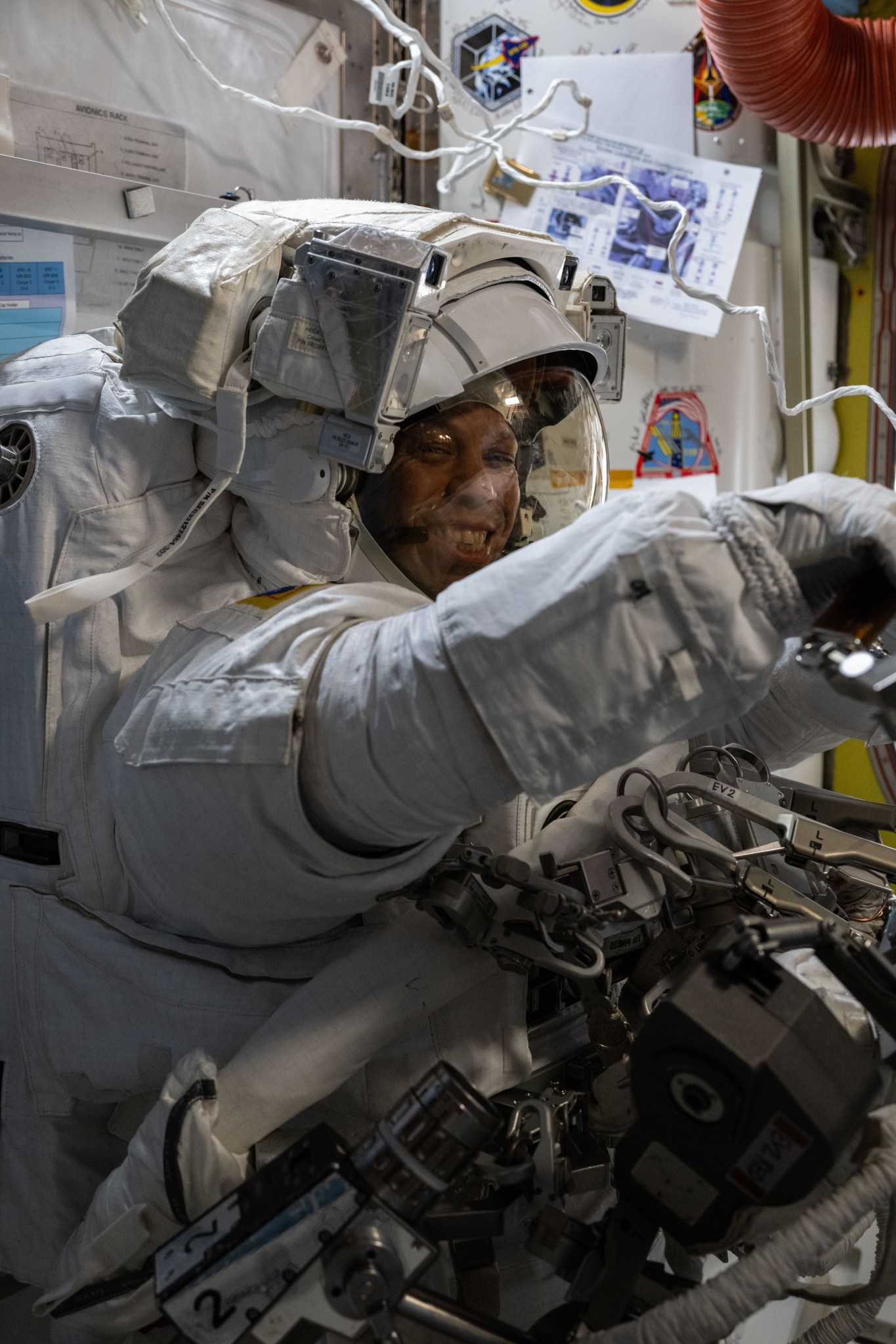
NASA/Zena Cardman NASA astronaut Chris Williams smiles at the camera during a spacesuit fit verification on Jan. 2, 2026, inside the International Space Station’s Quest airlock. This procedure confirms that
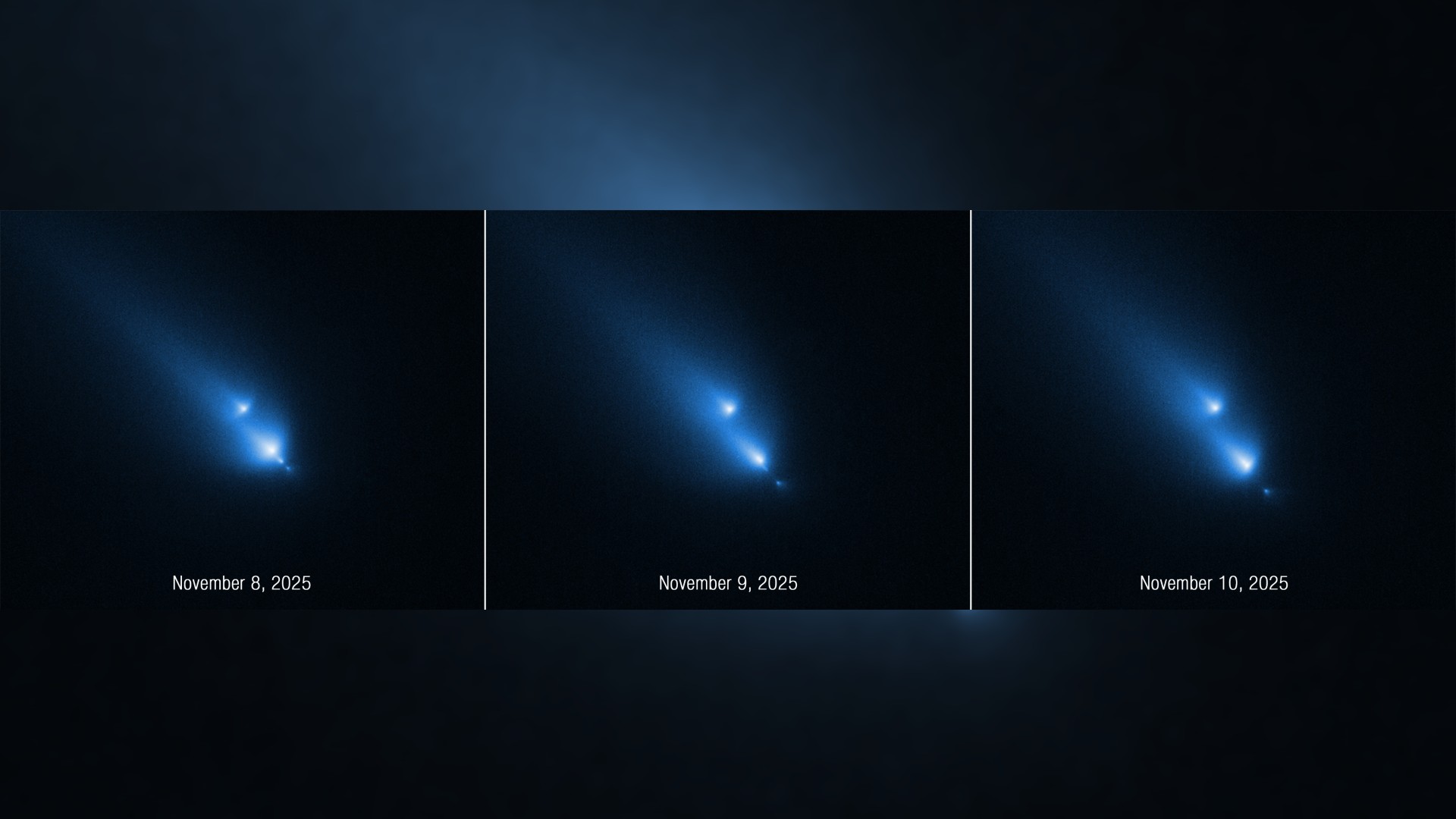
NASA’s Hubble Space Telescope has captured a rare cosmic moment: a comet breaking apart in real time. During its routine imaging of the universe, the space telescope spotted an unexpected
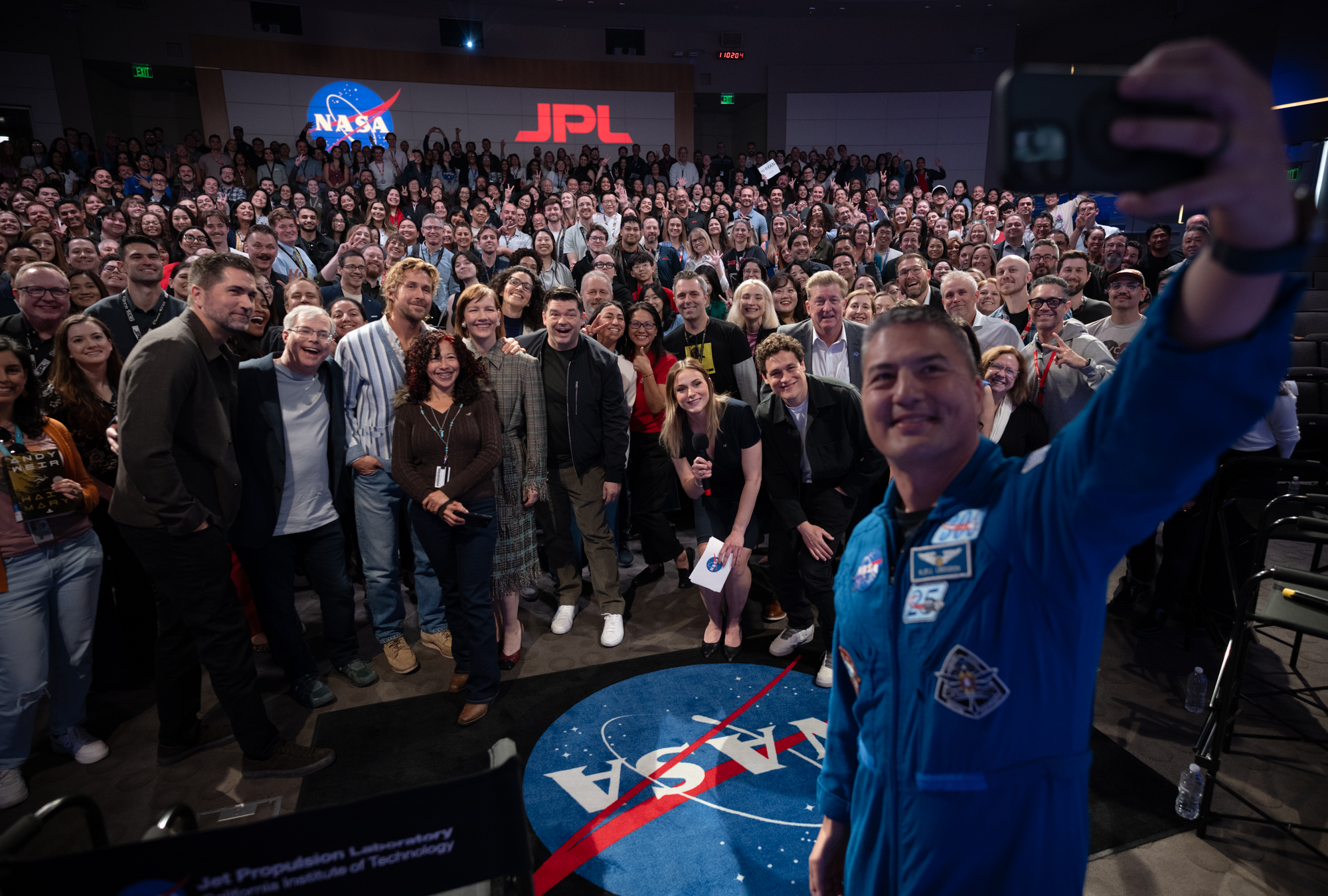
NASA astronaut Kjell Lindgren takes a selfie with the people behind “Project Hail Mary” and the audience during a panel about the movie at NASA’s Jet Propulsion Laboratory on Feb.
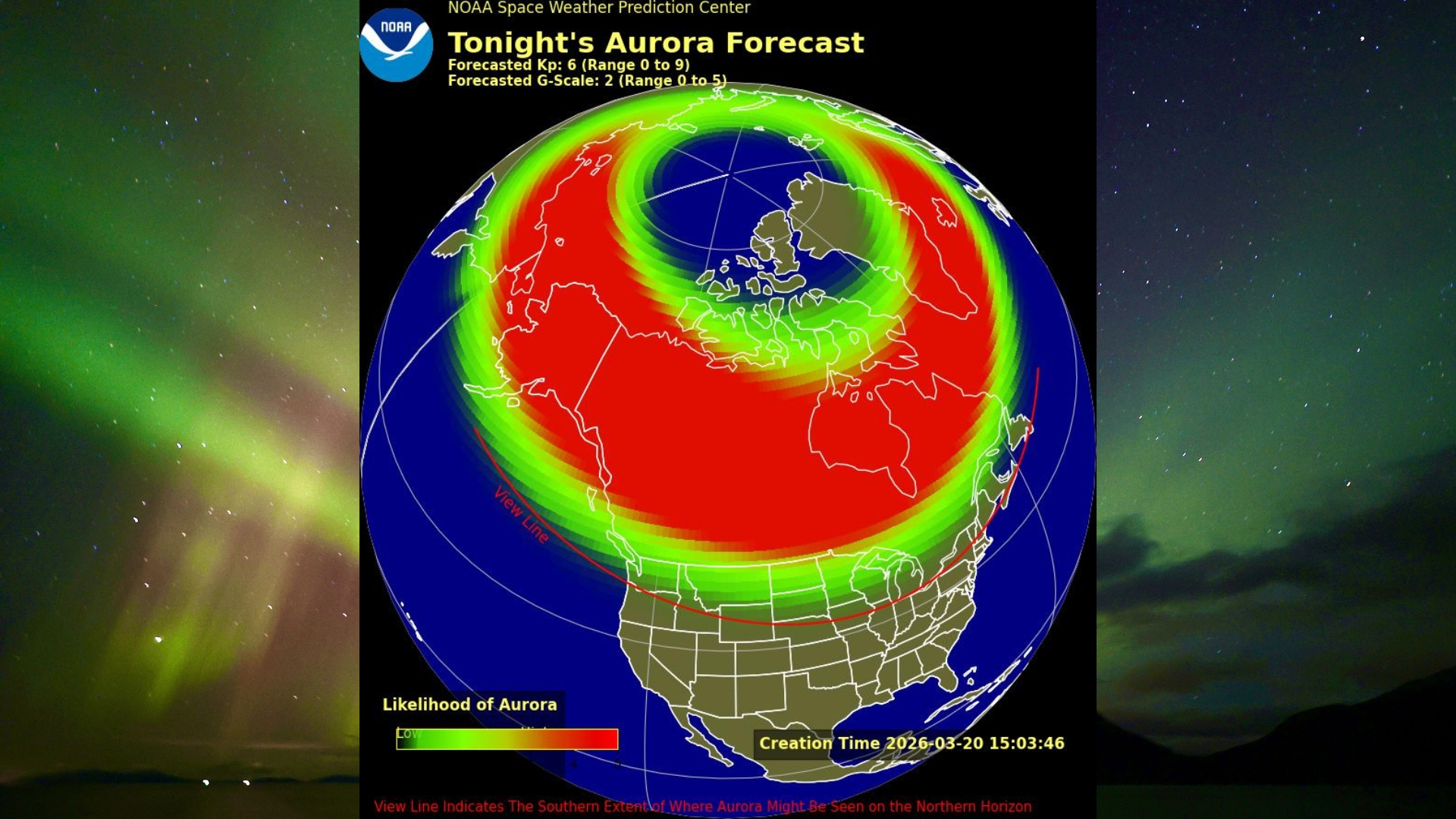
Heads up aurora chasers! Several coronal mass ejections (CMEs) are currently impacting Earth, with more expected to arrive through the weekend (March 20-22). Geomagnetic activity is likely to ramp up
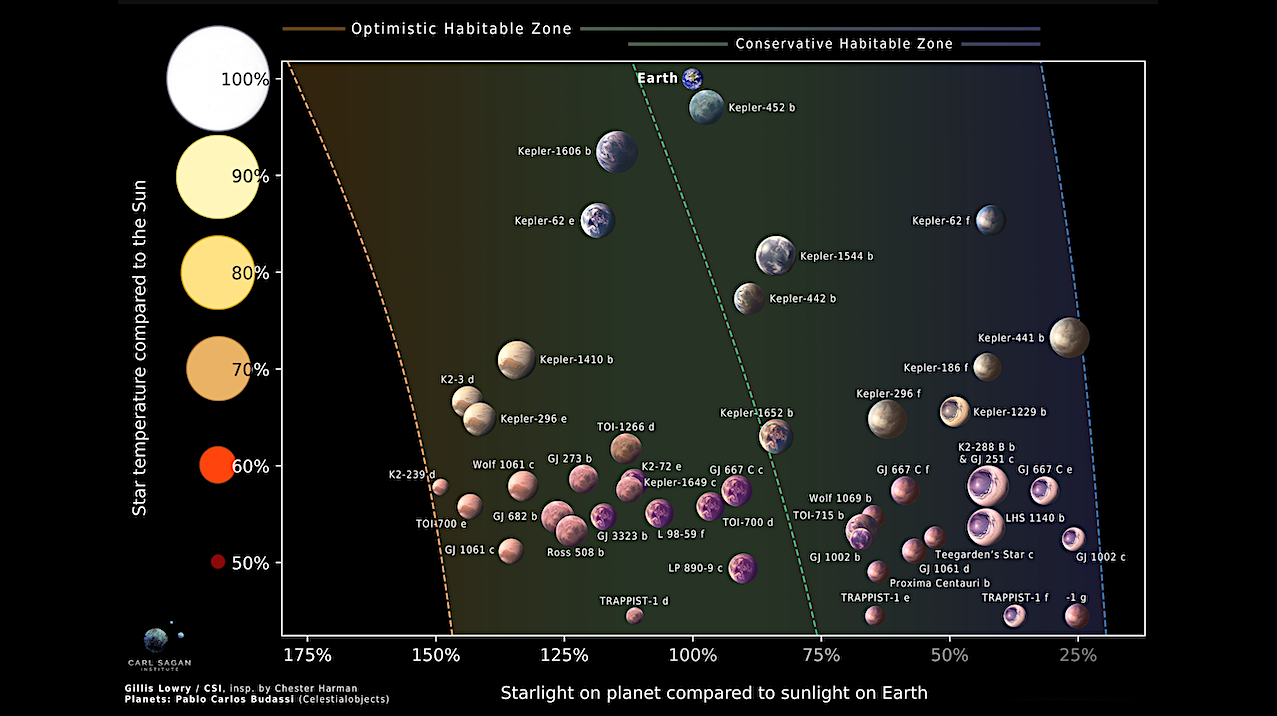
A diagram depicting habitable zone boundaries across star type with rocky exoplanets from Bohl et al. (2026). The boundaries of the habitable zone shift based on star colour, since different