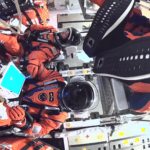
3 min read Preparations for Next Moonwalk Simulations Underway (and Underwater) NASA As NASA prepares for long-duration missions to the Moon that will pave the way for human exploration on


3 min read Preparations for Next Moonwalk Simulations Underway (and Underwater) NASA As NASA prepares for long-duration missions to the Moon that will pave the way for human exploration on

Shortly after space week in October, investment firm JP Morgan announced a $10 billion investment plan targeting industries critical for United States national security. In addition to things like nanomaterials, autonomous robotics and solar power, the announcement
Explore Hubble Hubble Home Overview About Hubble The History of Hubble Hubble Timeline Why Have a Telescope in Space? Hubble by the Numbers At the Museum FAQs Impact & Benefits

WASHINGTON — NASA has provided a long-awaited update on plans for the Artemis 2 launch, including a Jan. 17 rollout of the launch vehicle to the pad. In a statement
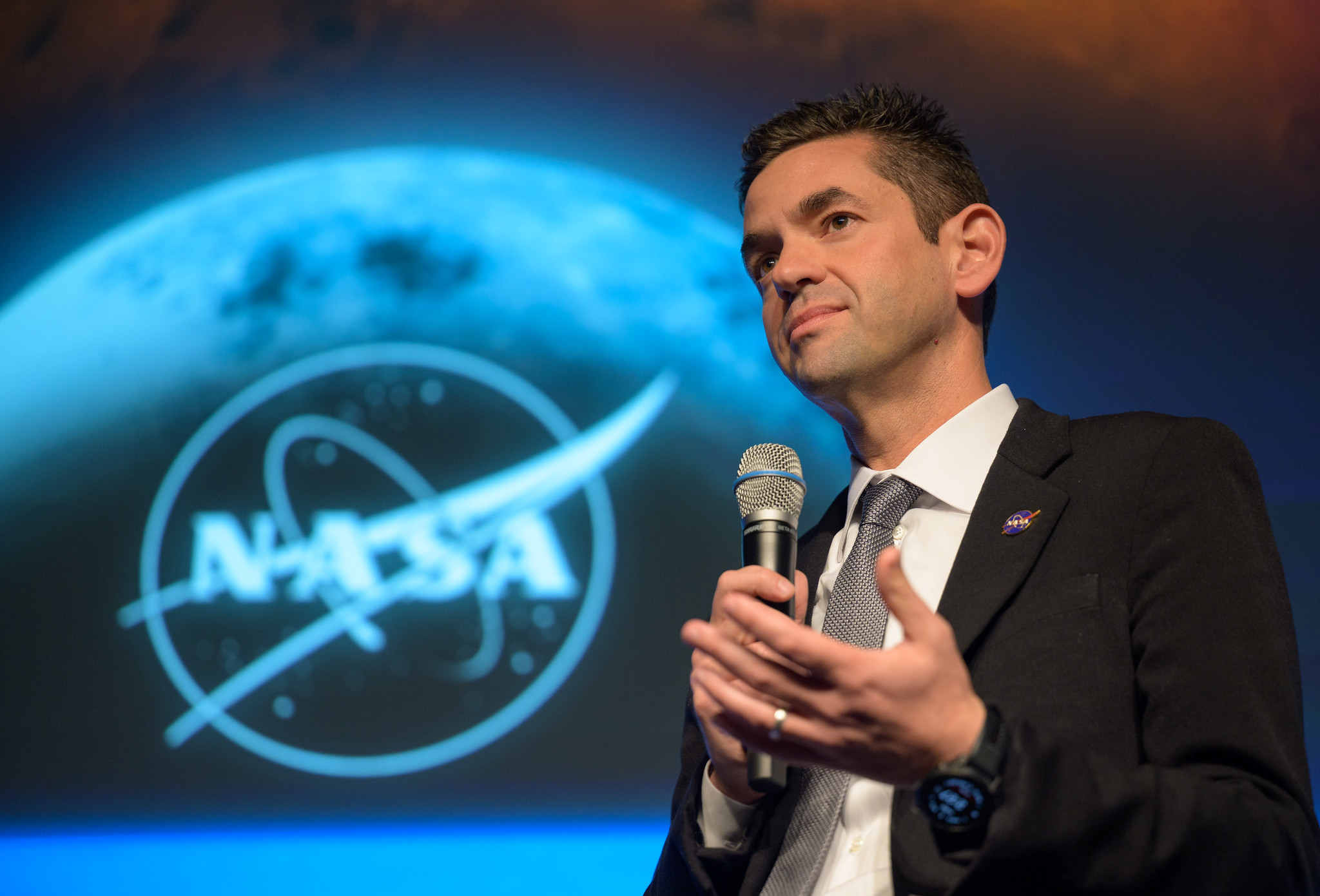
It took a year, but the Jared Isaacman era at NASA finally started. Sworn in Dec. 17, the new administrator spoke at a NASA town hall the next day to
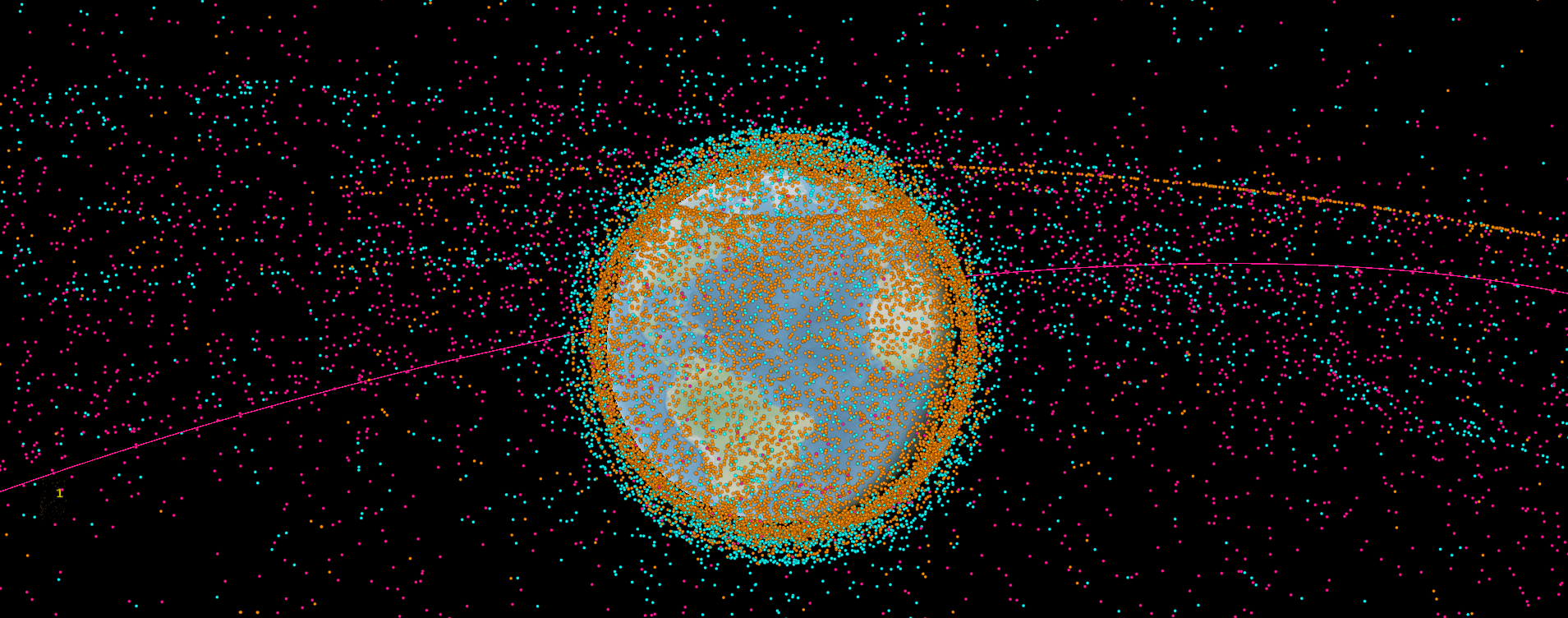
The problem of overcrowding orbits and increasing space debris has never been more urgent. International organizations, policy makers, regulators, space operators and researchers are recognizing how critical this issue is

HELSINKI — India’s Polar Satellite Launch Vehicle failed late Sunday during ascent, resulting in the loss of a primary Earth observation satellite and 15 smaller co-passenger spacecraft. PSLV-C62 lifted off
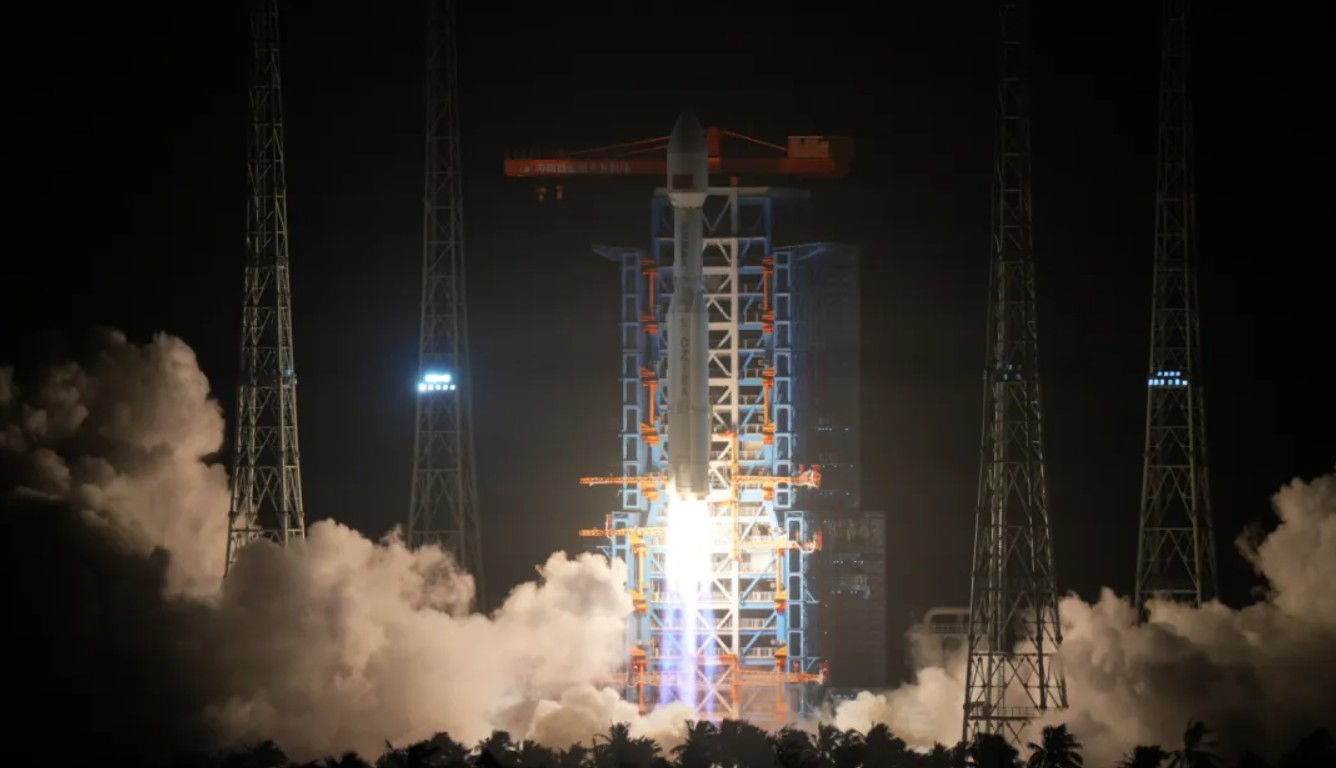
HELSINKI — China has submitted two filings for huge non-geostationary satellite networks to the International Telecommunication Union, indicating moves to secure options for next-generation megaconstellations. The filings, submitted to the
In a universe that constantly beckons us with its vast mysteries, “The Astronomy Book (Wonders of Creation)” emerges as a captivating guide for young minds eager to explore the cosmos.
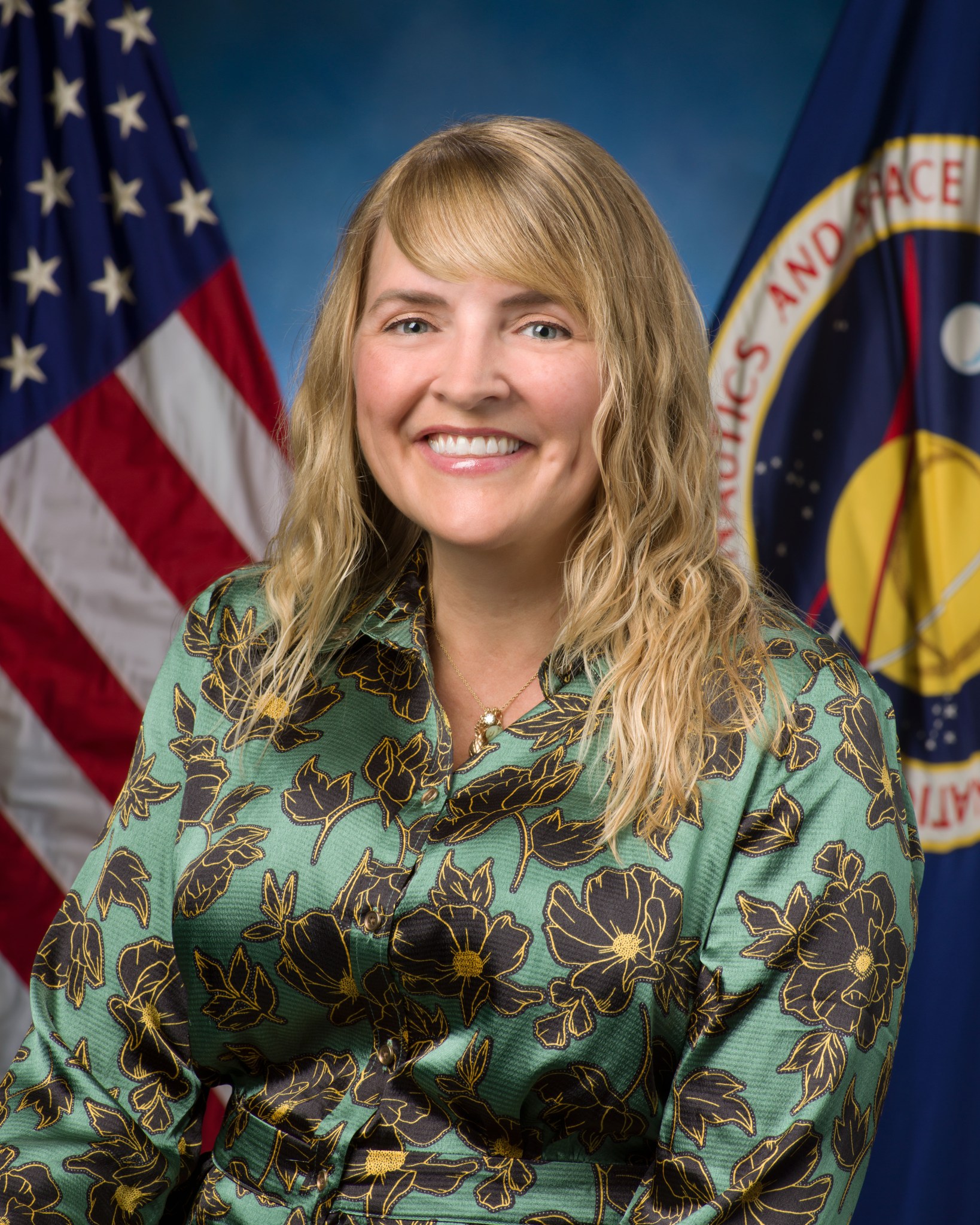
Susan Schuh has dedicated her career to helping humans adapt to life beyond Earth. As the Flight Crew Integration Operational Habitability (OpsHab) team lead in NASA’s Human Health and Performance