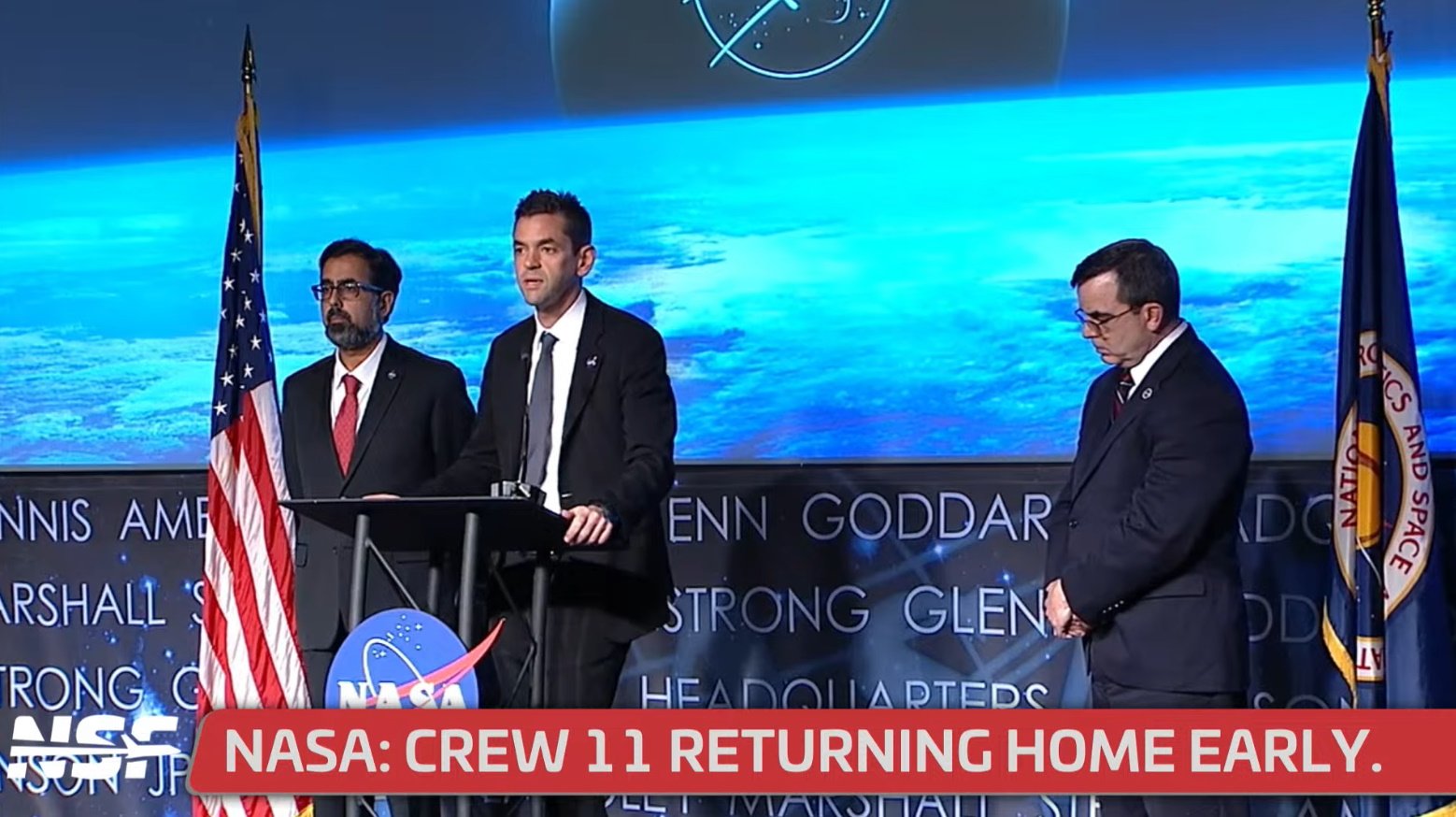
NASA has decided to bring the Crew-11 team back from the International Space Station earlier than originally scheduled due to a medical issue involving one of its four members. The


NASA has decided to bring the Crew-11 team back from the International Space Station earlier than originally scheduled due to a medical issue involving one of its four members. The
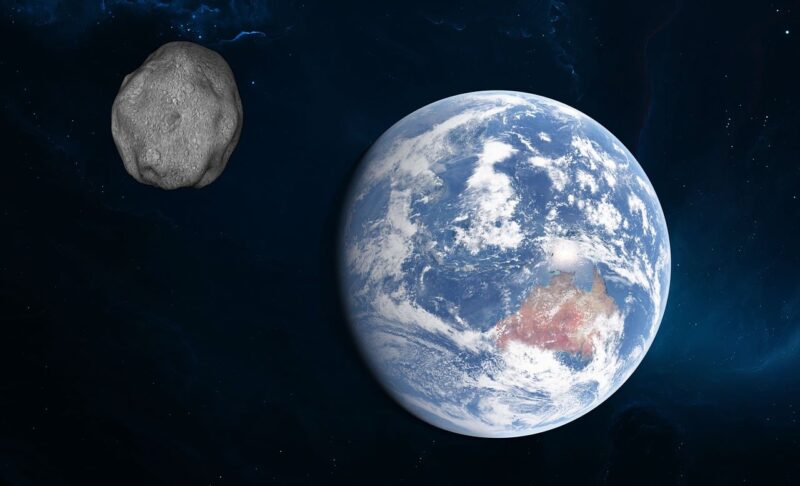
The asteroid 2005 UK1 will make a close – but safe – pass by Earth on January 12, 2026. Though it is considered a potentially hazardous asteroid, it will not
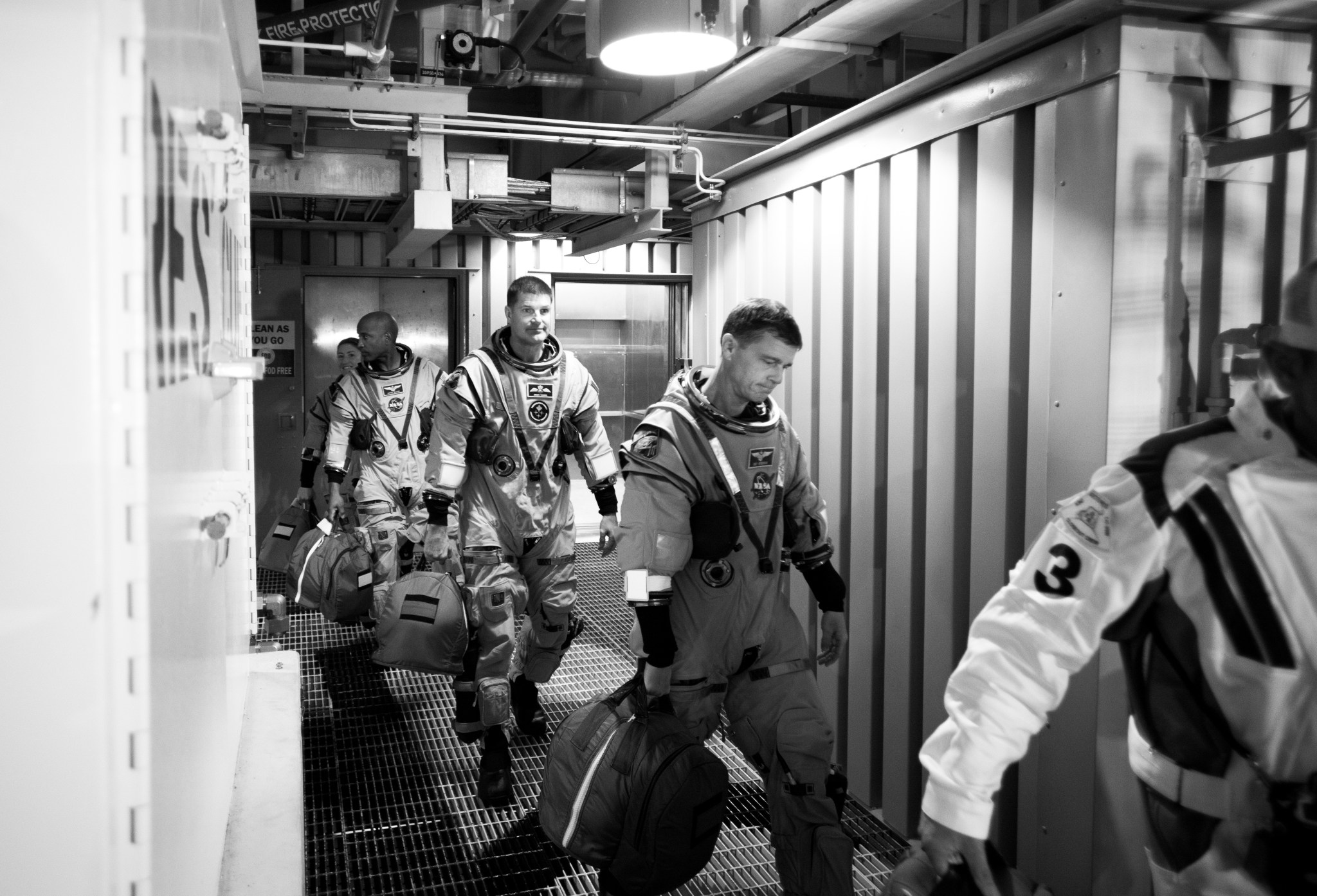
NASA/Joel Kowsky Artemis II crewmembers (left to right) NASA astronauts Christina Koch, mission specialist; and Victor Glover, pilot; CSA (Canadian Space Agency) astronaut Jeremy Hansen, mission specialist; and NASA astronaut
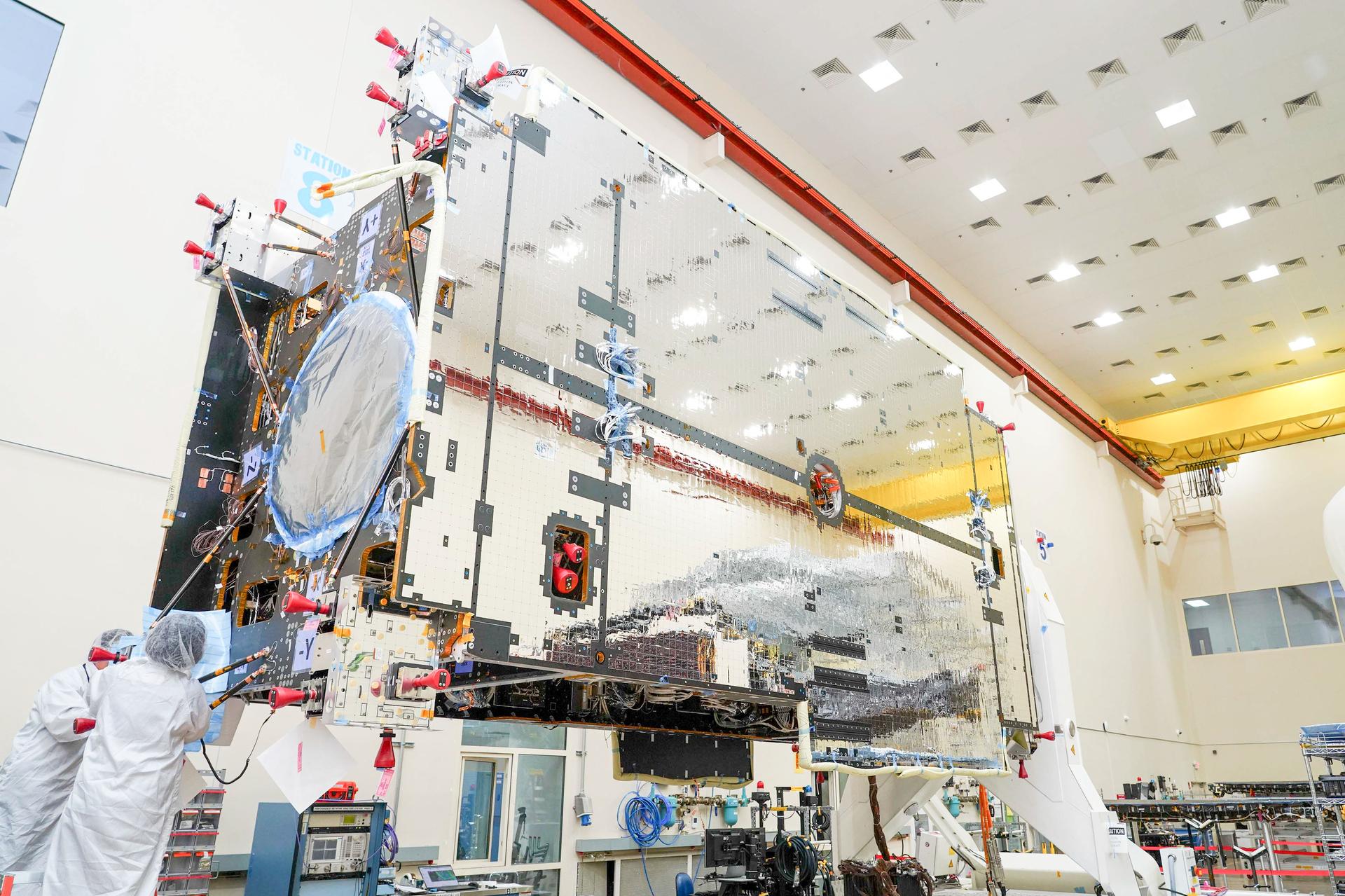
1 min read Preparations for Next Moonwalk Simulations Underway (and Underwater) The primary structure of Gateway’s Power and Propulsion Element (PPE) undergoing assembly, integration, and testing at Lanteris Space Systems
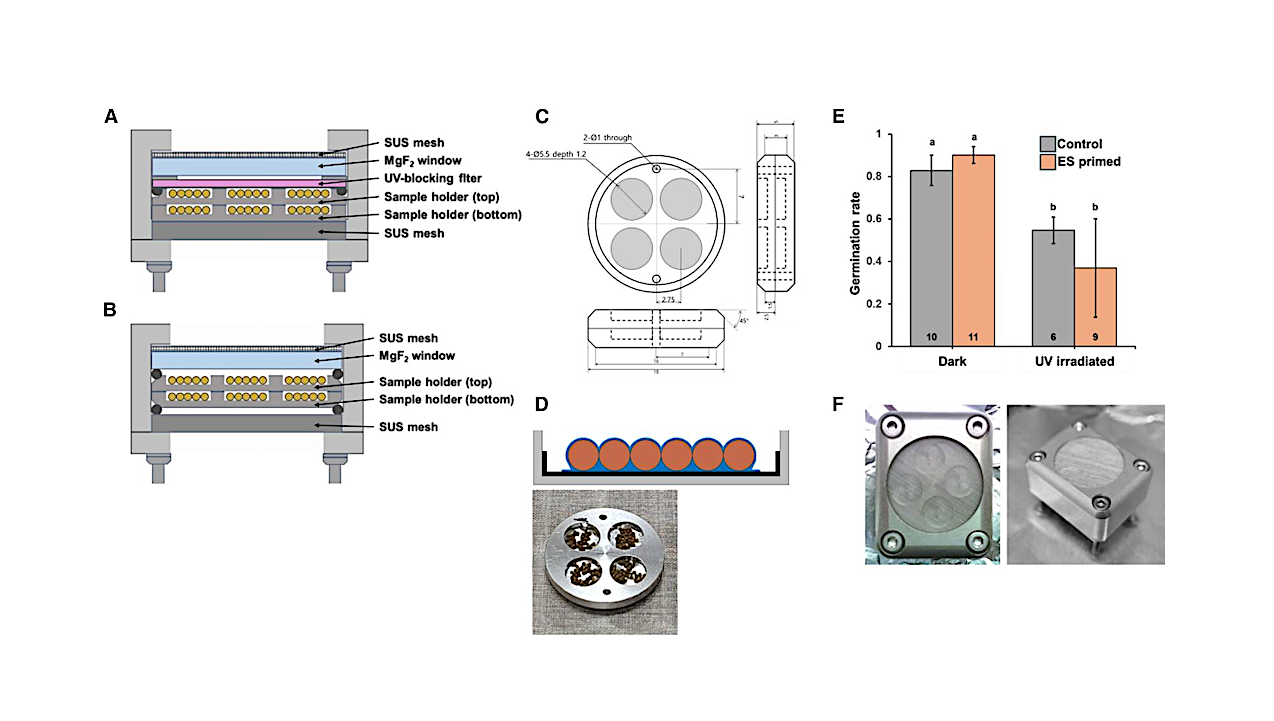
Design of the space exposure unit and assemblage of samples for the space exposure experiment (A) The space exposure unit with a UV-blocking filter installed. A UV-blocking filter, which only
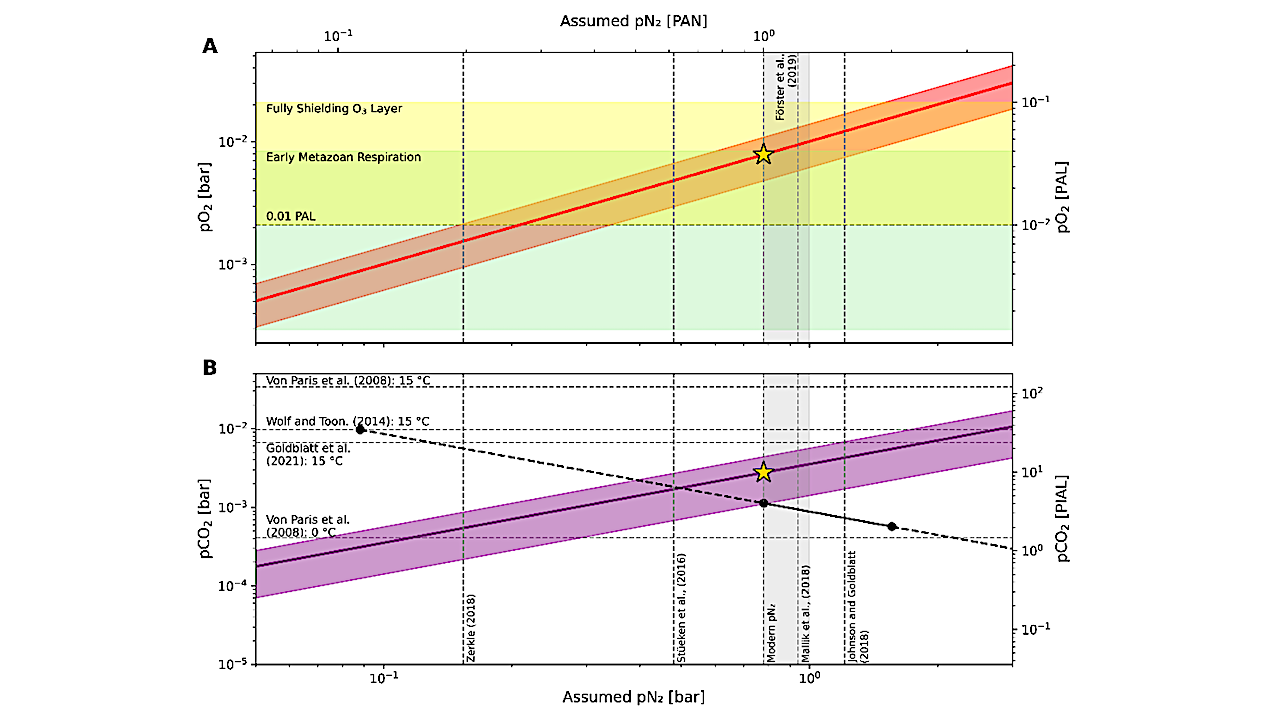
(A) Predicted pO2 (red line) and (B) pCO2 (purple line) values are compared for a range of possible assumed pN2. Vertical dashed lines and colored bands reflect pN2 estimates for
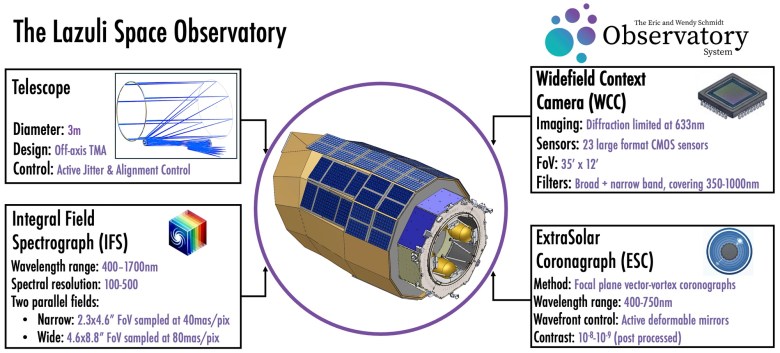
PHOENIX — A billionaire-backed philanthropic organization is funding the development of a series of new observatories, including a space telescope larger than Hubble that its backers say can be built
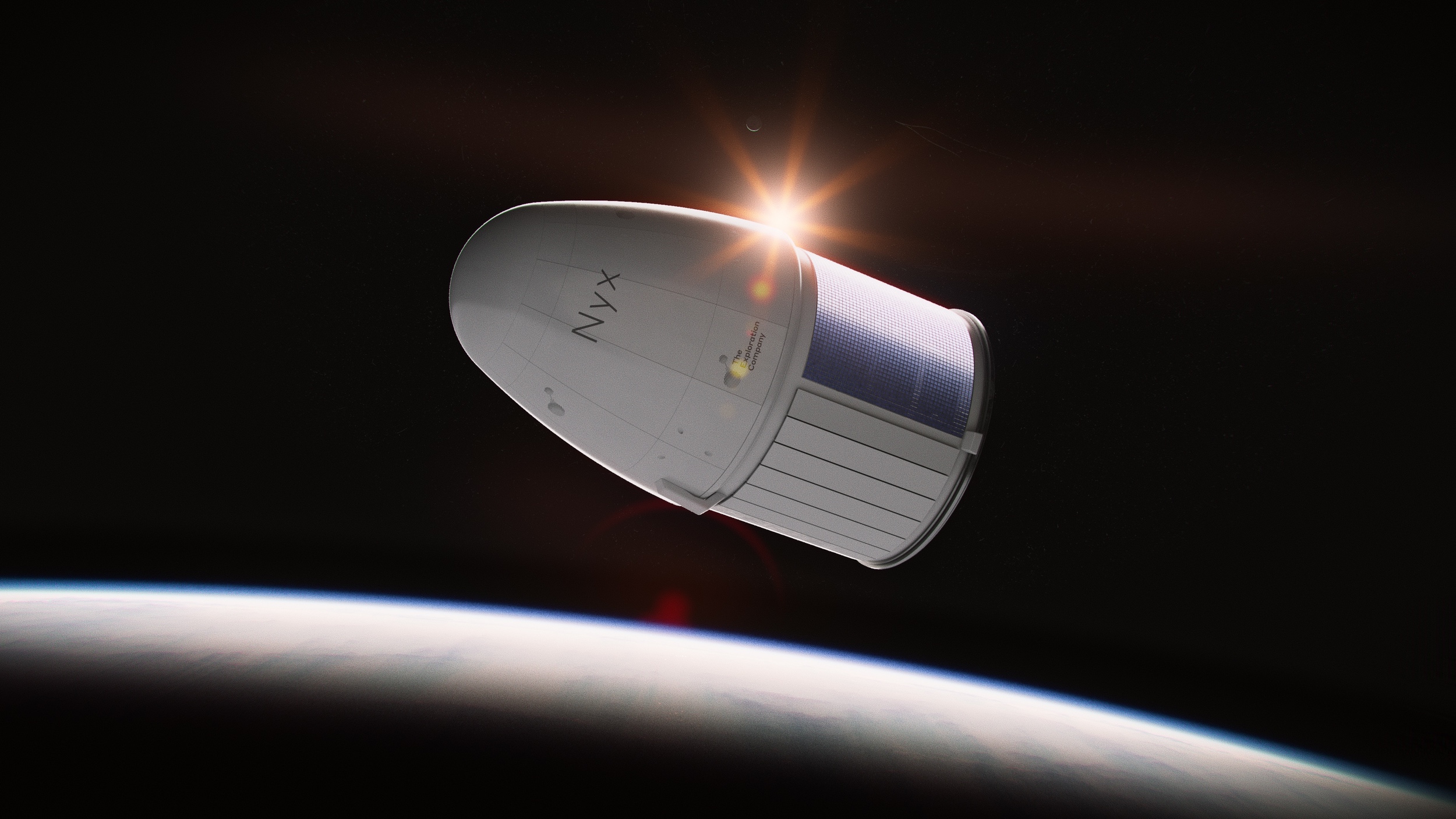
Launchers Isar Aerospace is expected to attempt its second two-stage Spectrum vehicle test flight, a key step after its first, partially successful liftoff in 2025. In parallel, Spain’s PLD Space

In this special episode of Space Minds, our show is split into two segments from SpaceNews’ annual Icon Awards. In our first segment, SpaceNews correspondent Debra Werner sits
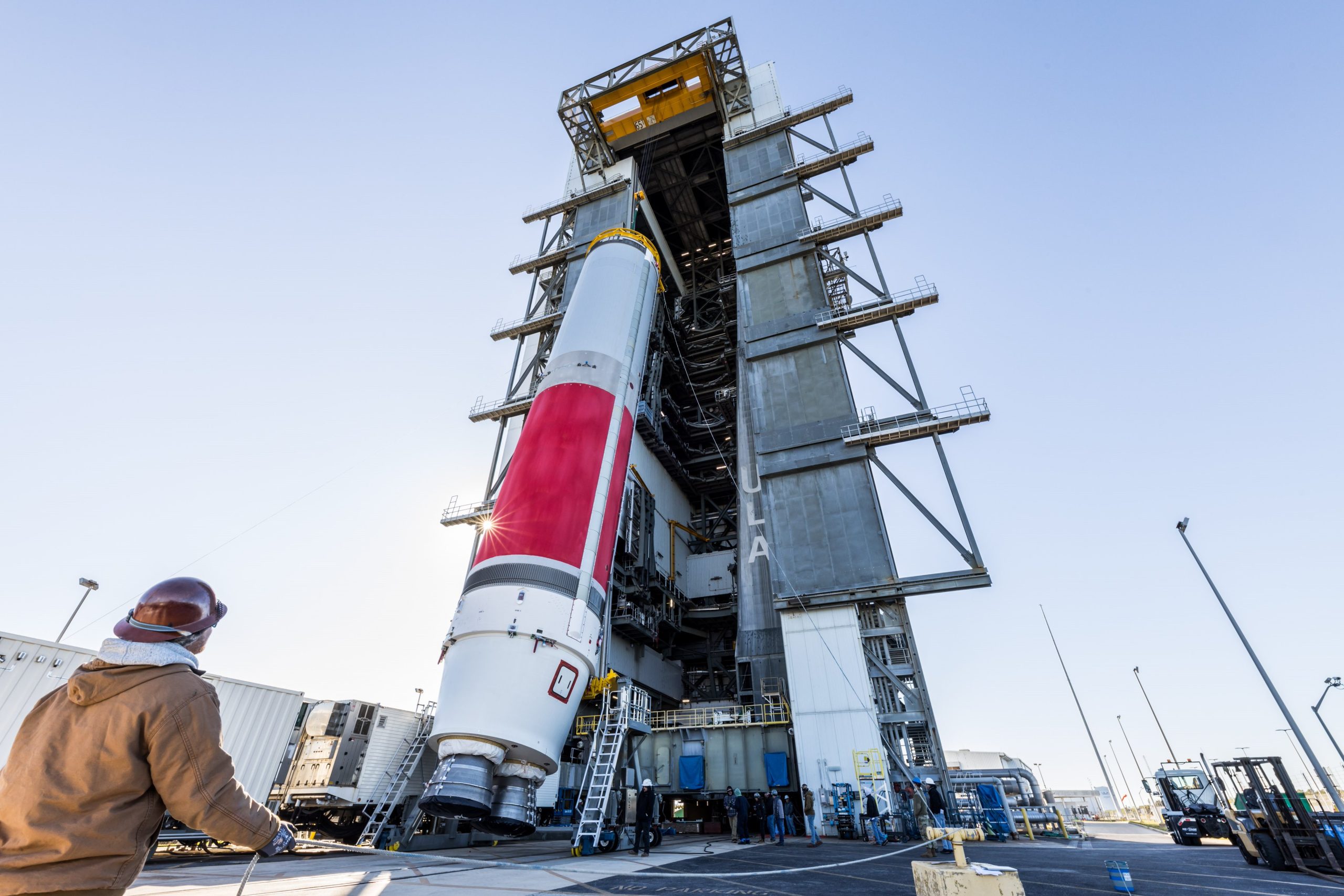
WASHINGTON — United Launch Alliance plans to begin 2026 with a national security mission as its Vulcan Centaur rocket prepares to launch USSF-87 for the U.S. Space Force. The mission