NASA astronaut and Expedition 72 Flight Engineer Nichole Ayers is pictured during a spacewalk to upgrade the orbital outpost’s power generation system and relocate a communications antenna. Credit: NASA NASA


NASA astronaut and Expedition 72 Flight Engineer Nichole Ayers is pictured during a spacewalk to upgrade the orbital outpost’s power generation system and relocate a communications antenna. Credit: NASA NASA
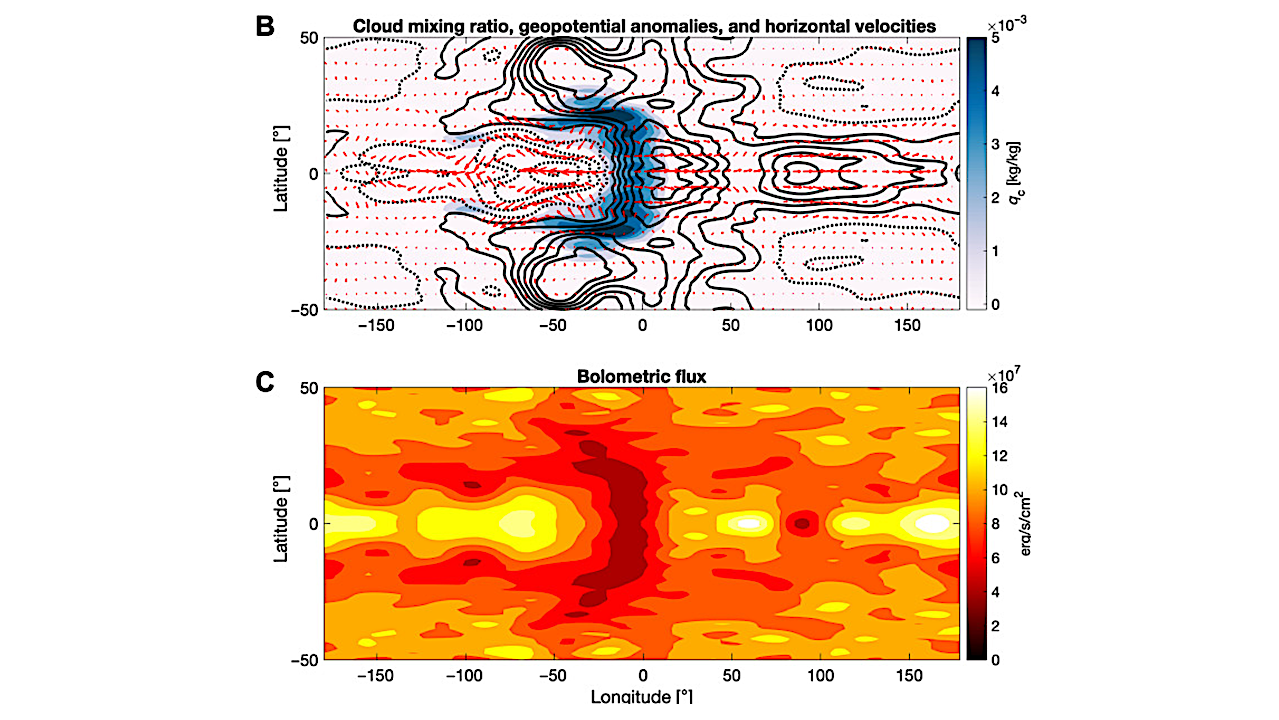
(B) Diagnosis of cloud structure (color), geopotential anomalies (solid lines representing positive values and dotted lines representing negative values), and horizontal velocity fields (red arrows). (C) Top-of-atmosphere thermal flux corresponding
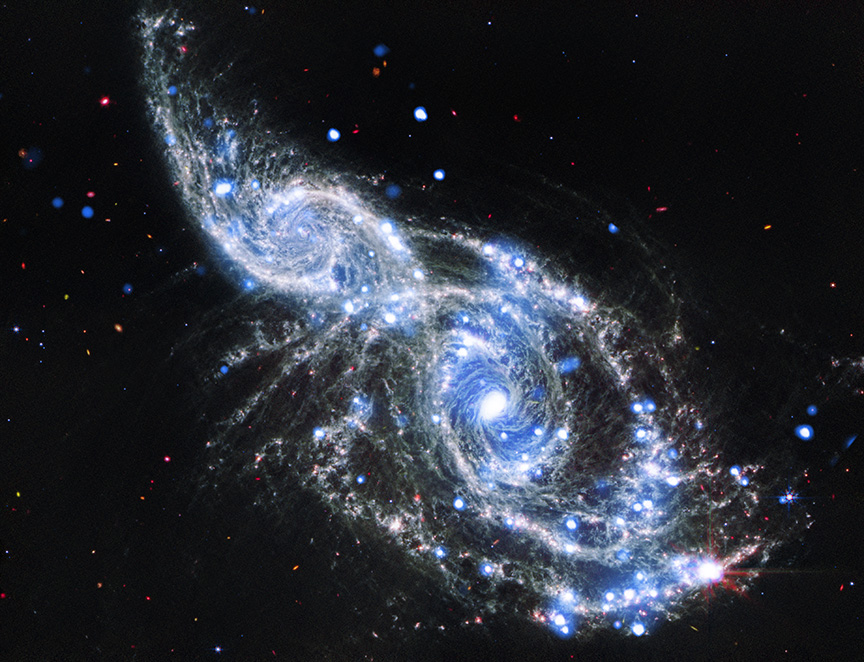
X-ray: NASA/CXC/SAO; Infrared: NASA/ESA/CSA/STScI/Webb; Image Processing: NASA/CXC/SAO/L. Frattare Mid-infrared data from NASA’s James Webb Space Telescope (in white, gray, and red) and X-ray data from NASA’s Chandra X-ray Observatory (in
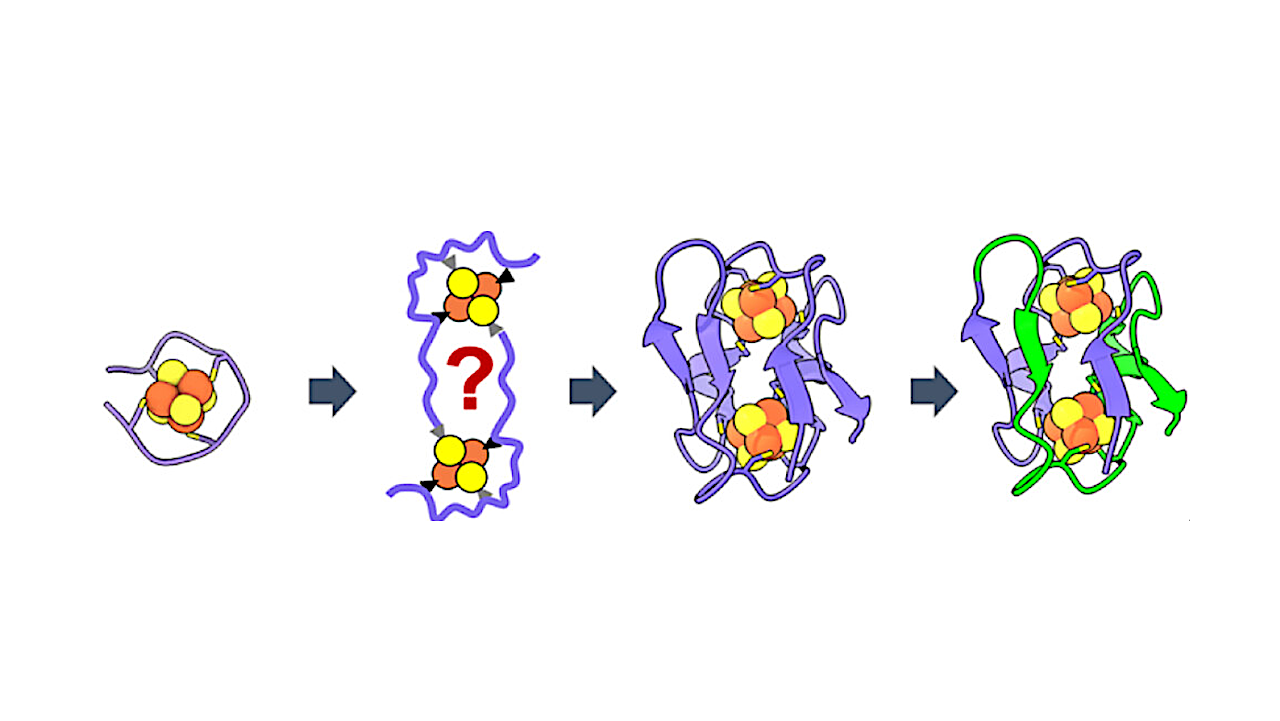
Graphical Abstract — ACS via Pubmed Electron transfer coupled to redox chemistry is at the heart of metabolism. The proteins responsible for moving electrons (protein electron carriers) must have emerged
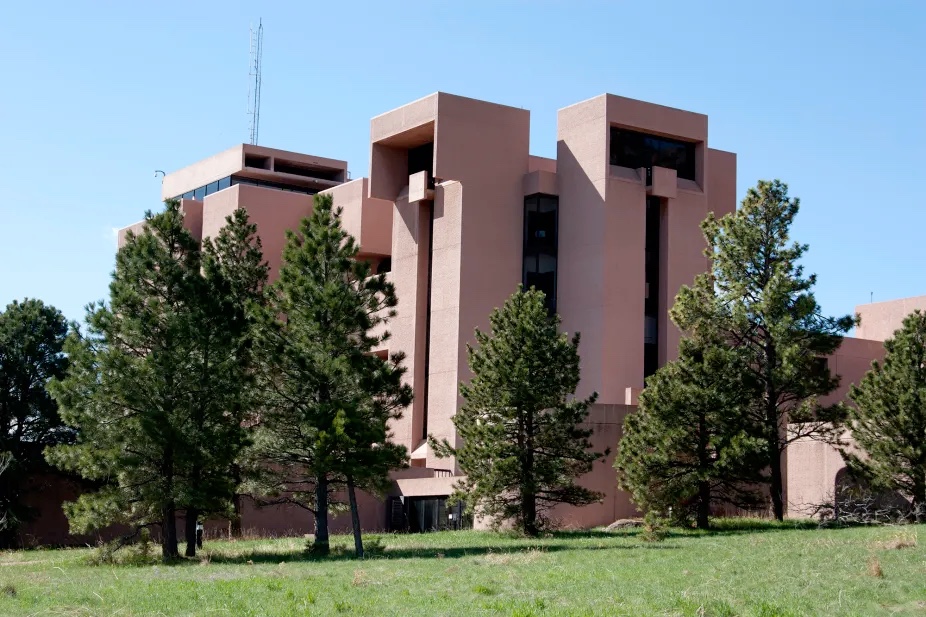
NEW ORLEANS — A proposal by the Trump administration to dismantle a leading atmospheric science center would also have implications for space science. The White House announced Dec. 16 it

3 Min Read I Am Artemis: Jen Madsen and Trey Perryman Artemis II Orion Mission Evaluation Room Leads Jen Madsen and Trey Perryman stand in the Orion Mission Evaluation Room
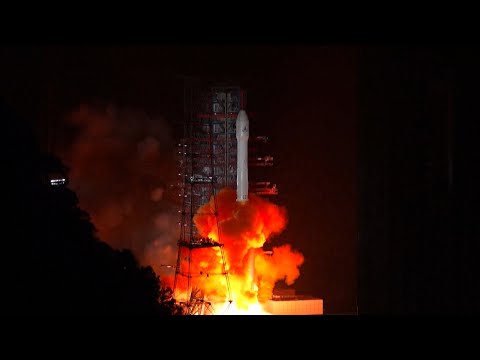
HELSINKI — China reached 90 orbital launches in 2025 with consecutive Long March missions deploying Guowang megaconstellation satellites and the advanced Fengyun-4C weather spacecraft. A Long March 8A lifted off

WASHINGTON — Japanese radar-imaging company Synspective has been selected as a partner in a Japan Ministry of Defense project to build and operate a satellite constellation that would give Japan’s
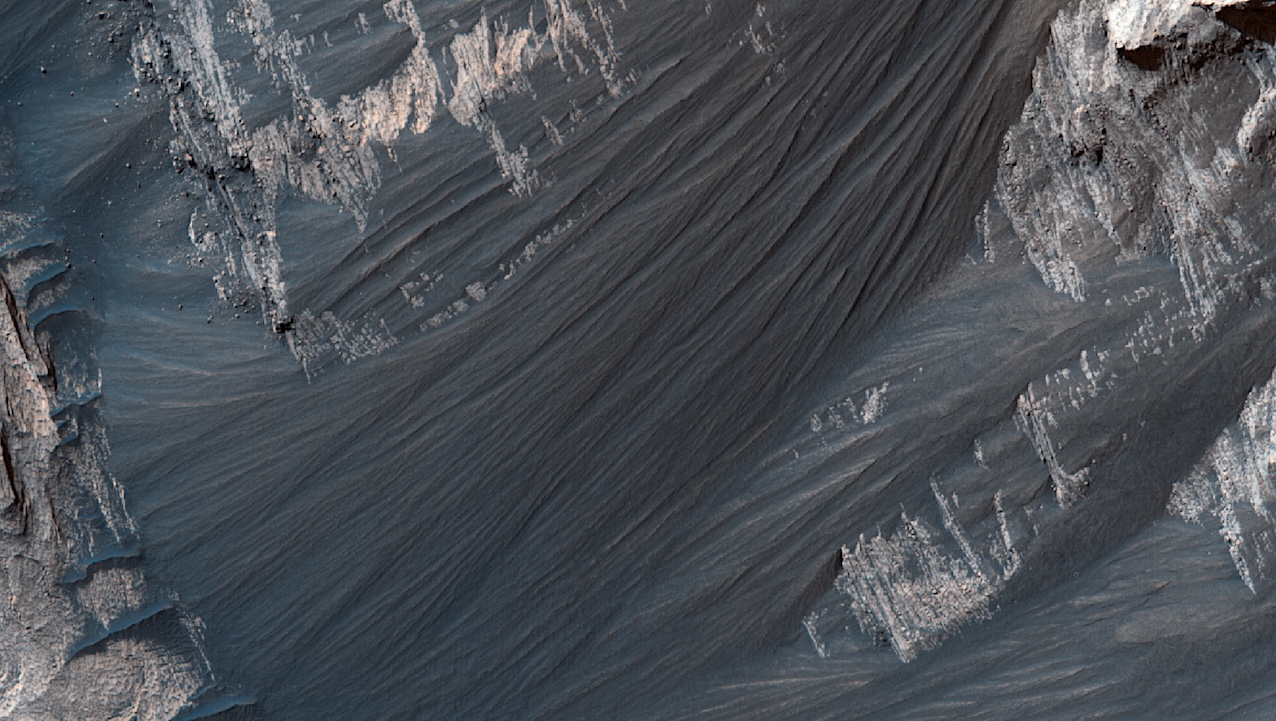
ID: ESP_044892_1695 date: 23 February 2016 altitude: 261 km larger image NASA/JPL-Caltech/University of Arizona Melas Chasma is the widest segment of Valles Marineris, the largest canyon in the Solar System.
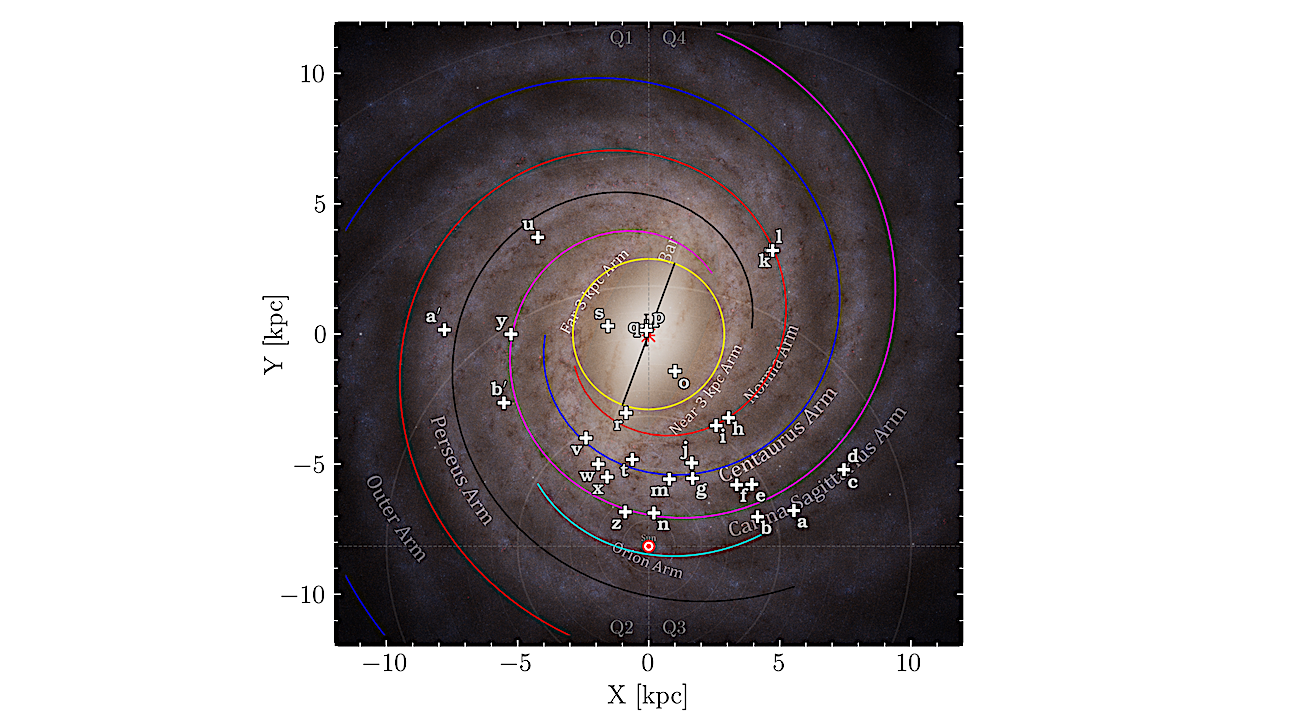
Distribution of the targets observed in this work across the Milky Way in white “+” symbols along with their identifiers, as listed in Table 1. The red asterisk and Sun