TAMPA, Fla. — Hungarian communications provider 4iG has agreed to invest $100 million in U.S.-based space station developer Axiom Space, broadening its footprint in the space industry amid a broader


TAMPA, Fla. — Hungarian communications provider 4iG has agreed to invest $100 million in U.S.-based space station developer Axiom Space, broadening its footprint in the space industry amid a broader
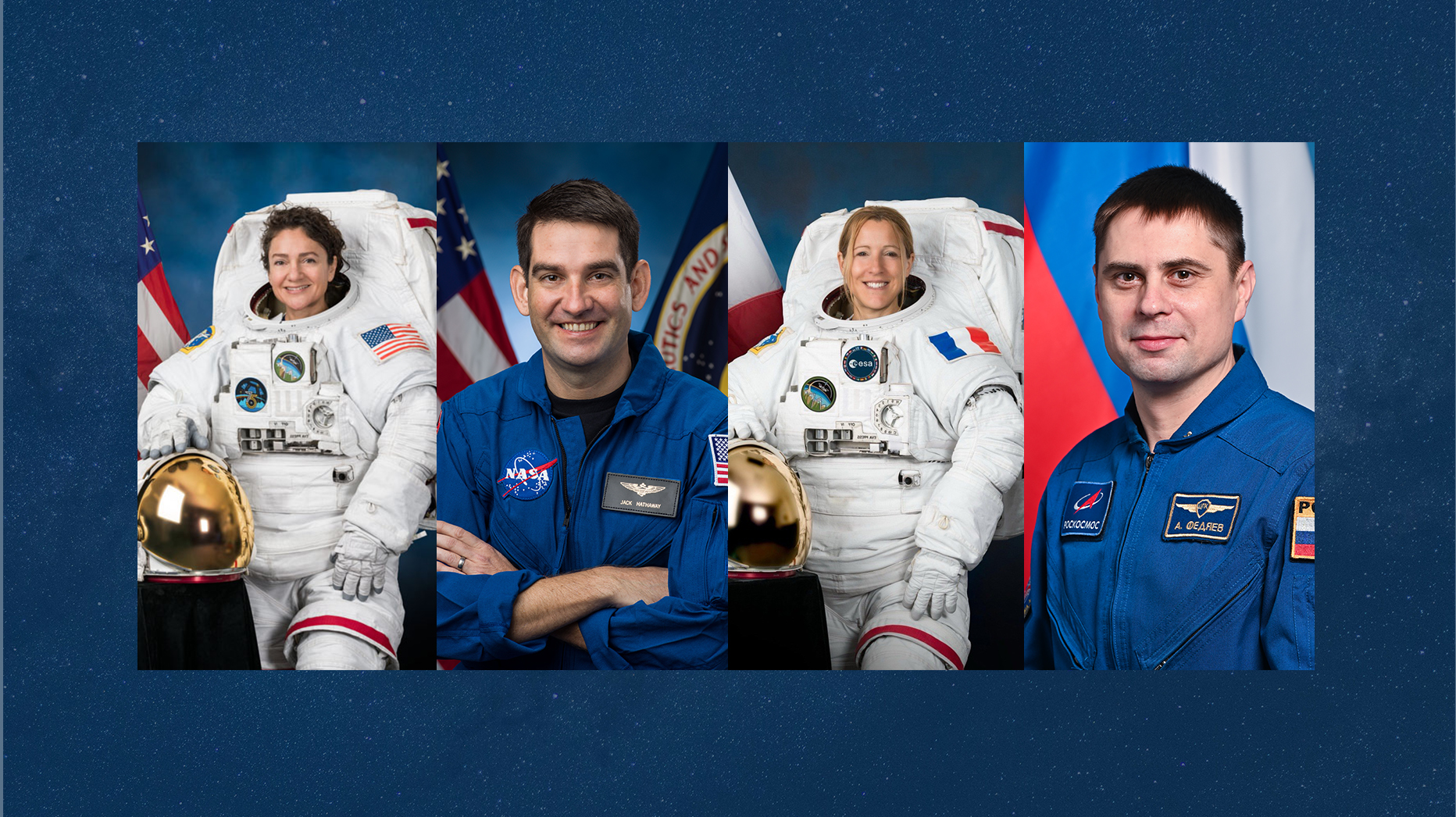
From left to right, NASA astronauts Jessica Meir and Jack Hathaway, ESA (European Space Agency) astronaut Sophie Adenot, and Roscosmos cosmonaut Andrey Fedyaev. Credit: NASA As part of NASA’s SpaceX
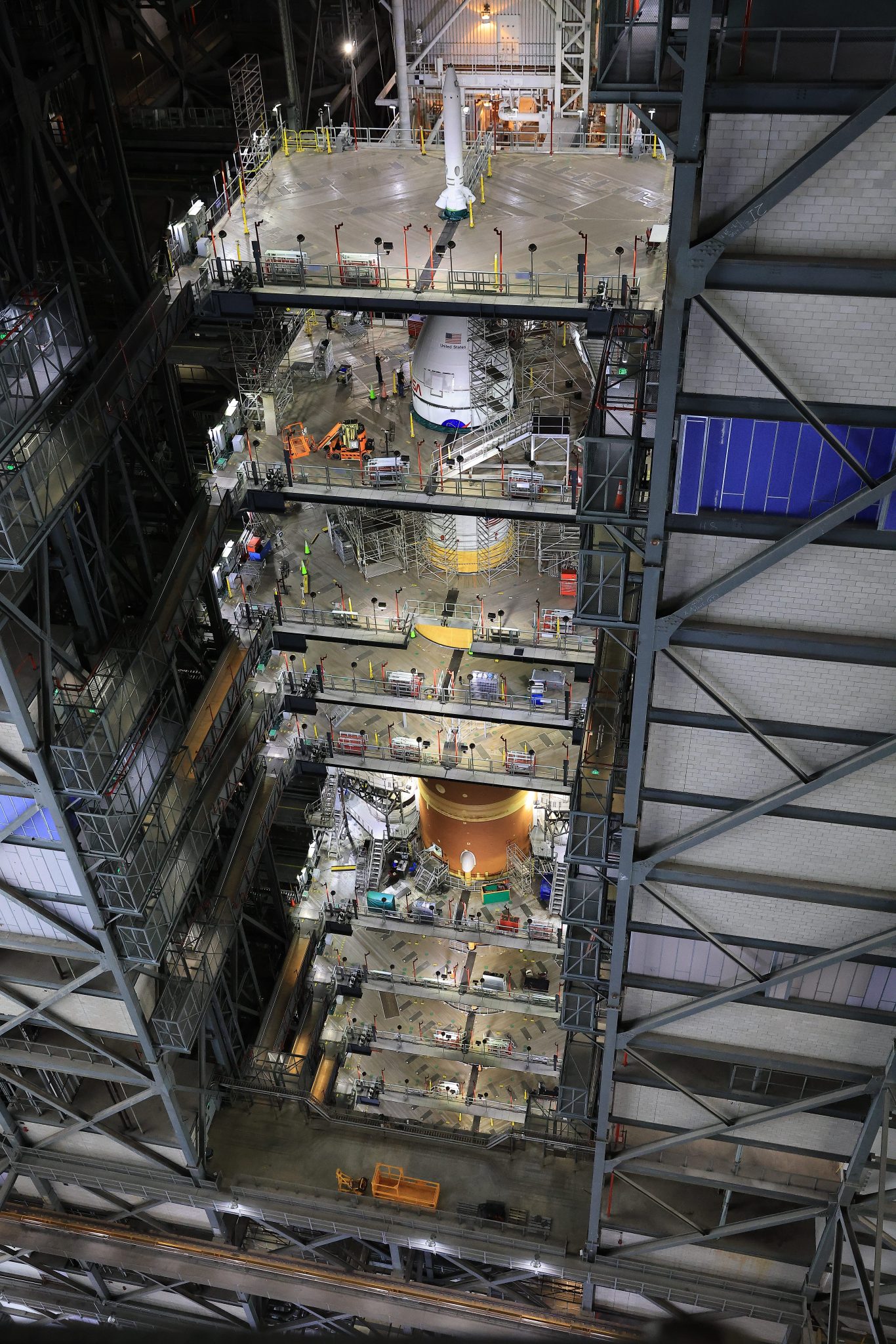
NASA’s Johnson Space Center in Houston closed 2025 with major progress across human spaceflight, research, and exploration. From Artemis II mission preparations to science aboard the International Space Station, teams
4 Min Read NASA’s Wideband Technology Demo Proves Space Missions are Free to Roam An artist's concept of the Polylingual Experimental Terminal transmitting data in space. Credits: NASA/Morgan Johnson Just
Graphical Abstract – astro-ph.GA There is growing evidence that the Sun might have formed within a nebula impacted by at least one SNR. In this scenario, ejecta and shocks from
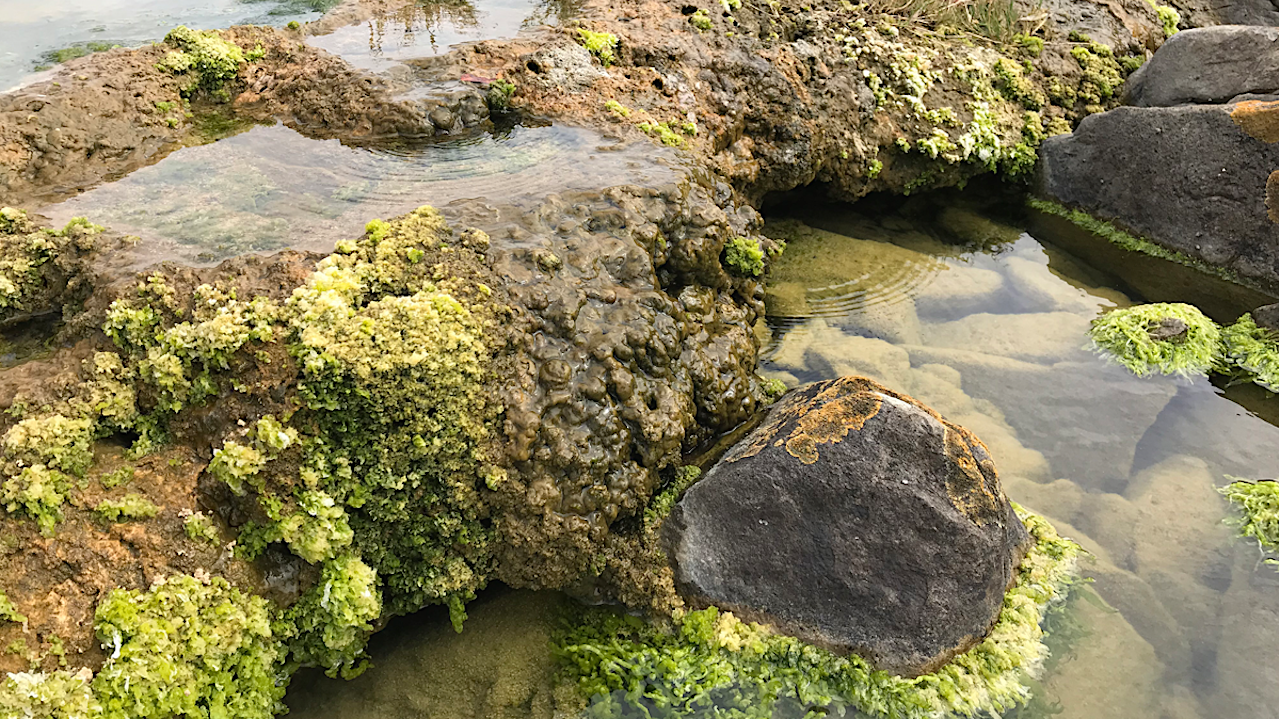
A pool of water dominated by microbialites in South Africa’s Eastern Cape (Credit: Rachel Sipler). South Africa is home to some of the oldest evidence of life on Earth, contained
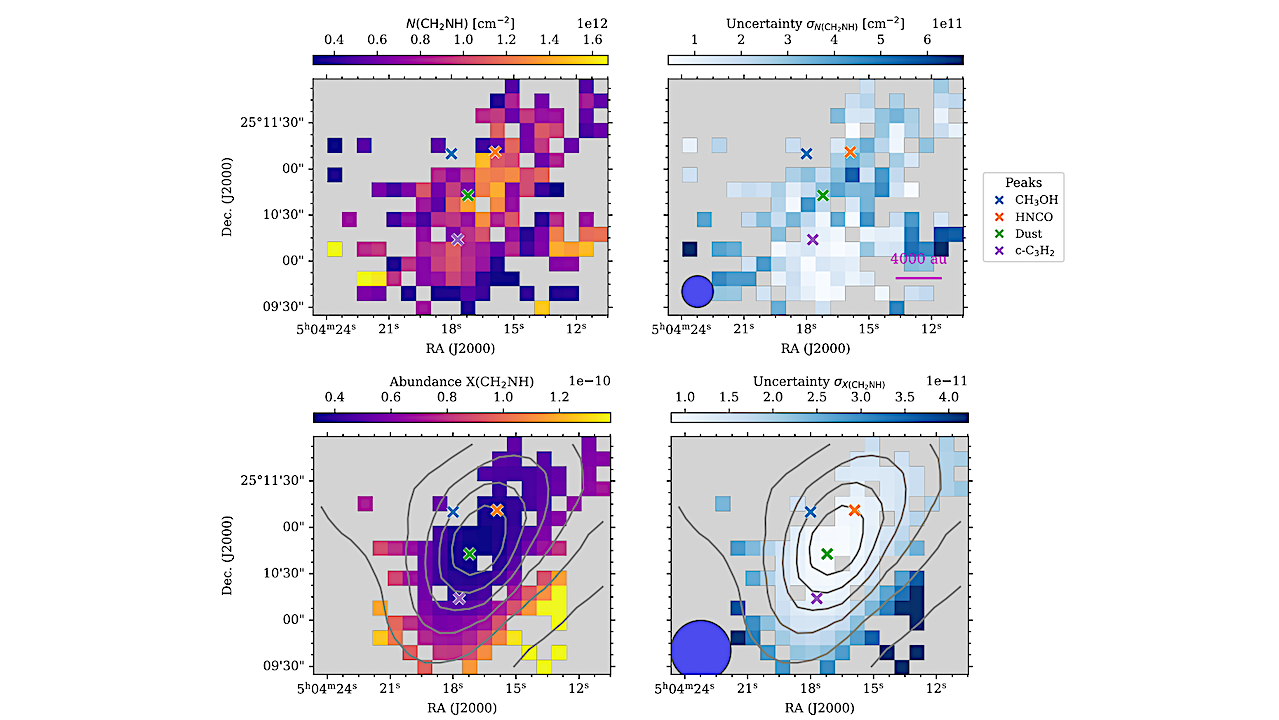
Upper panels: The column density N(CH2NH) and column density uncertainty map of L1544 assuming Tex = 10 K. Lower panels: The CH2NH abundance map and abundance uncertainty map, calculated with
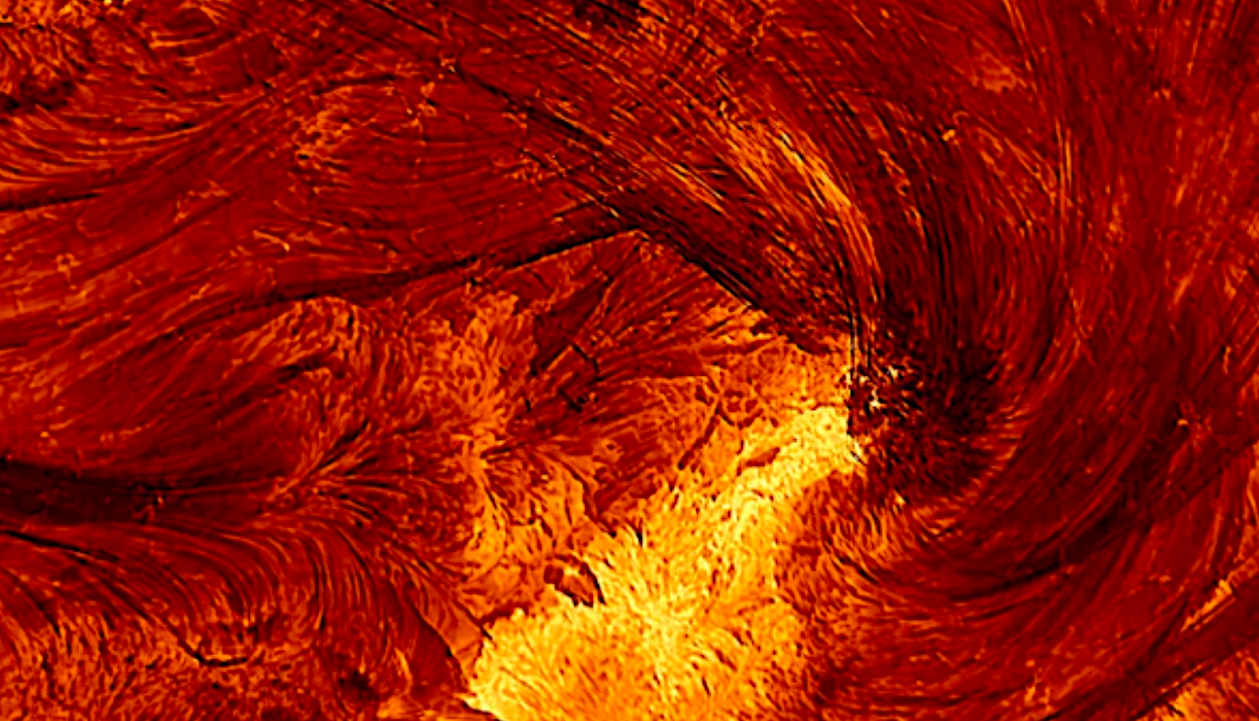
Inouye Solar Telescope image of a solar flare on August 8, 2024. (Image credit: NSF/NSO/AURA, CC-BY) Stellar magnetic activity, manifested through spots (faculae and flares), fundamentally shapes the exoplanets’ environments.
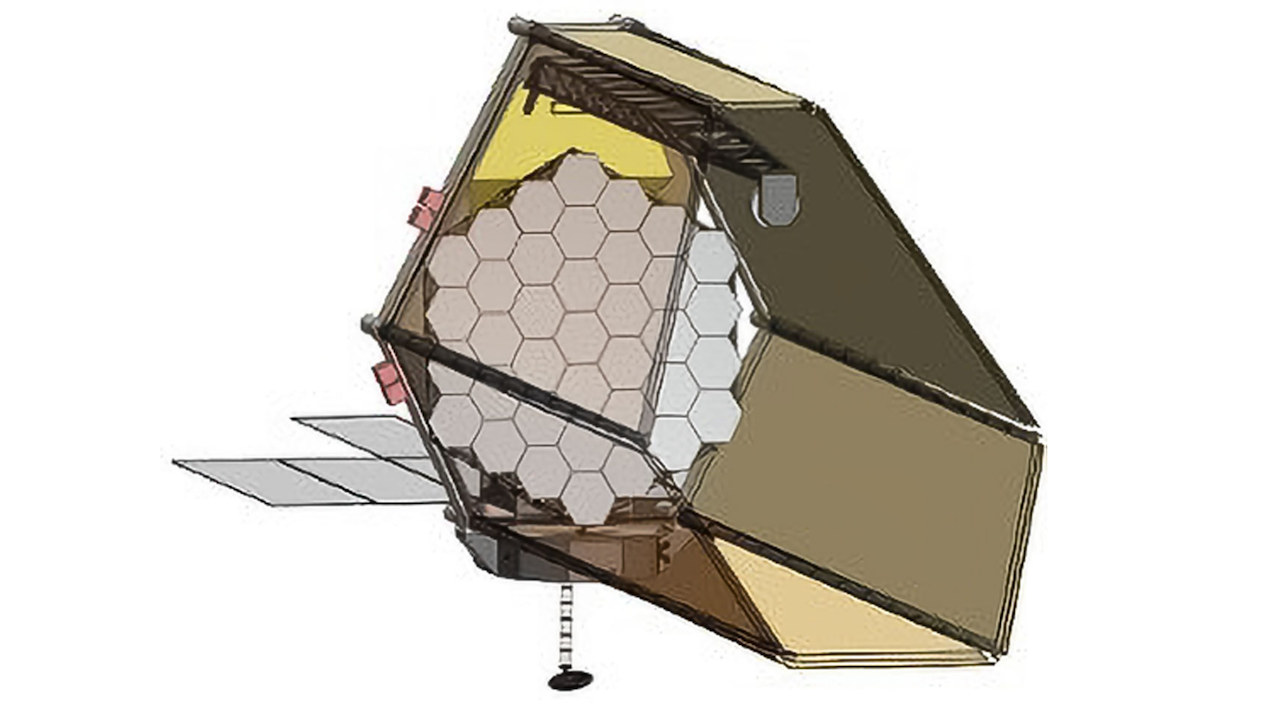
A possible architecture for HWO under study by the HWO Technology Maturation Project Office. This design has an 8-meter inscribed diameter filled by 37 hexagonal segments — larger than JWST.
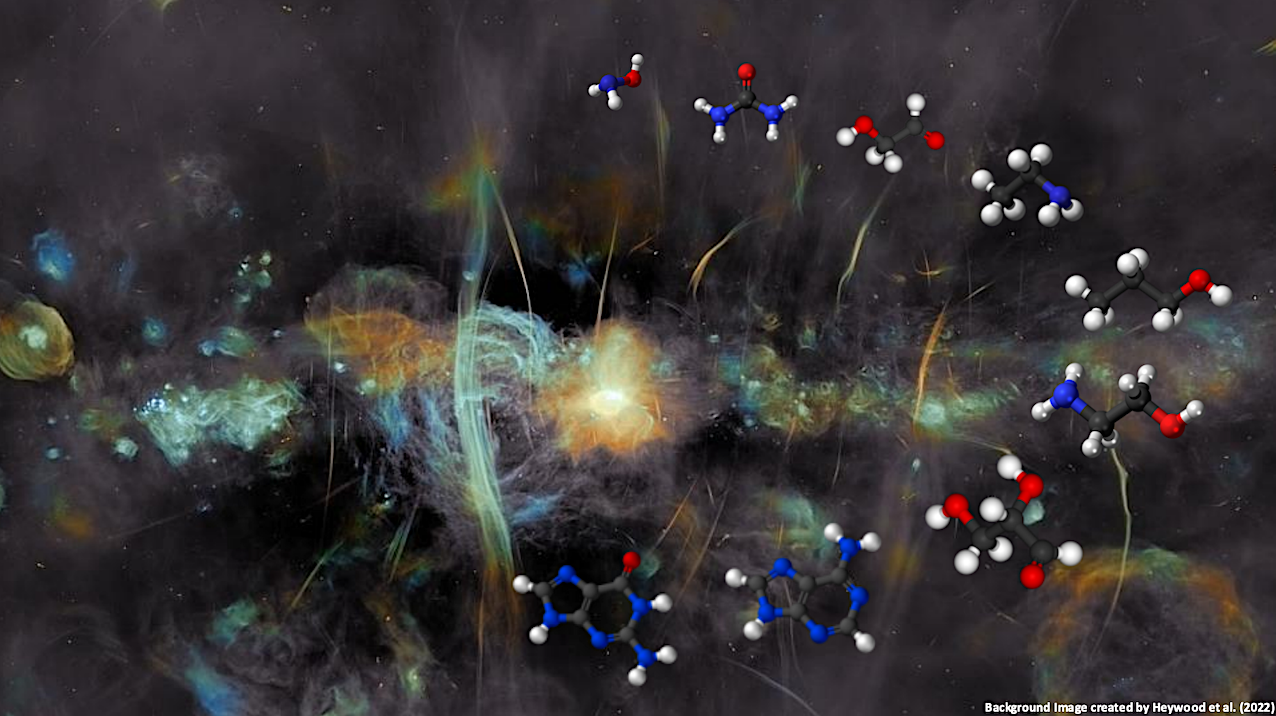
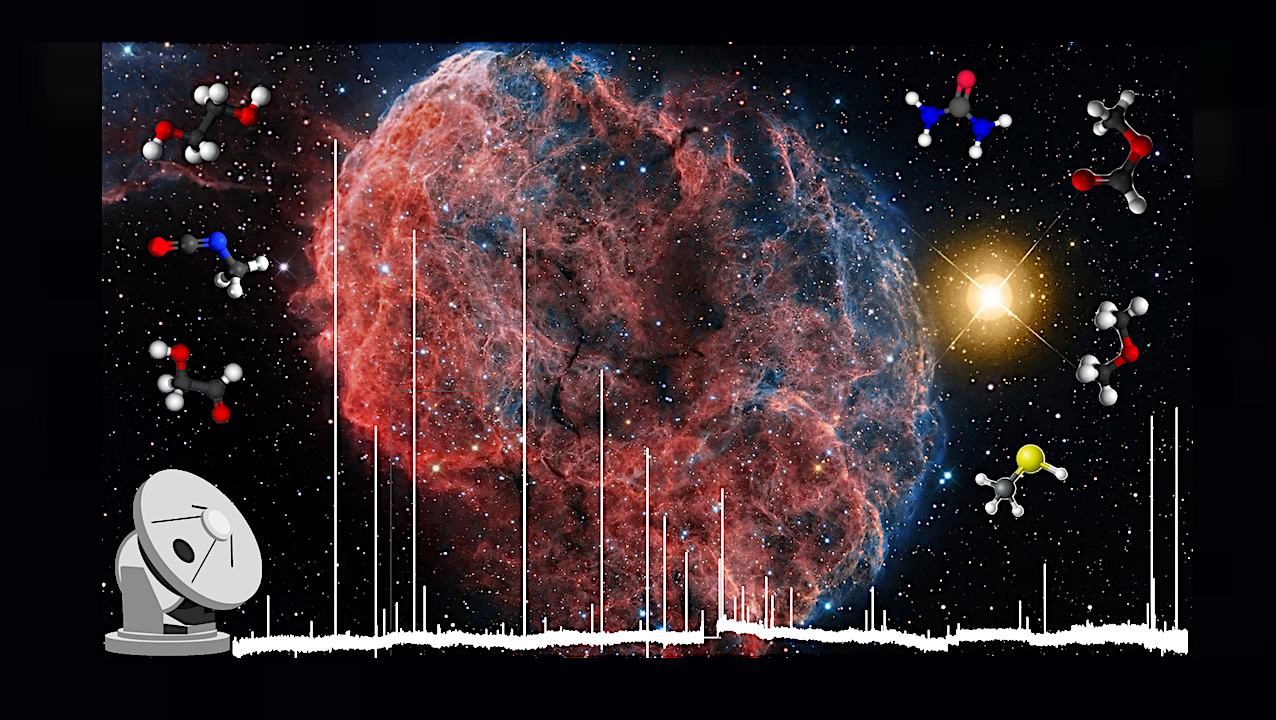
Graphical abstract — astro-ph.IM Contrary to popular belief, the interstellar medium (ISM) is not empty; it is filled with atoms, dust particles, and molecules. Some of these molecules may have