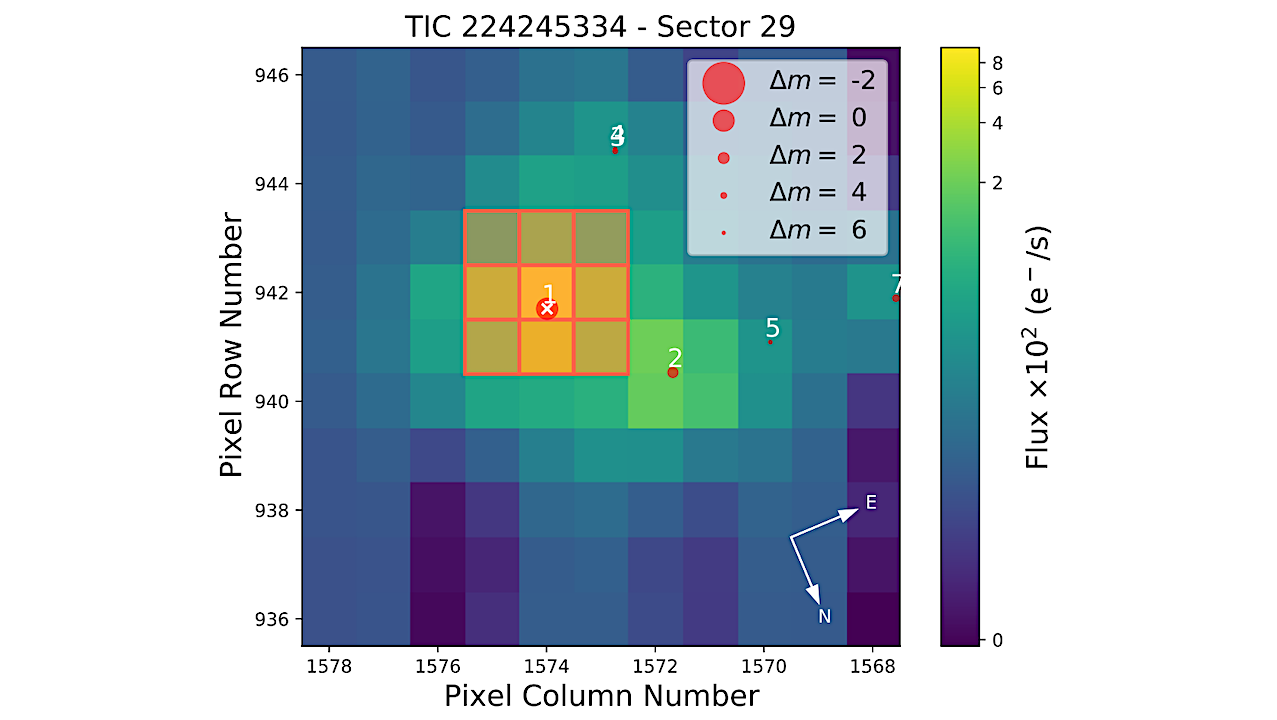
TESS sector 29 full-frame image cutout (11 x 11 pixels) generated with the tpfplotter script described in Aller et al. (2020). TOI333b is shown in the centre labeled number 1,


TESS sector 29 full-frame image cutout (11 x 11 pixels) generated with the tpfplotter script described in Aller et al. (2020). TOI333b is shown in the centre labeled number 1,
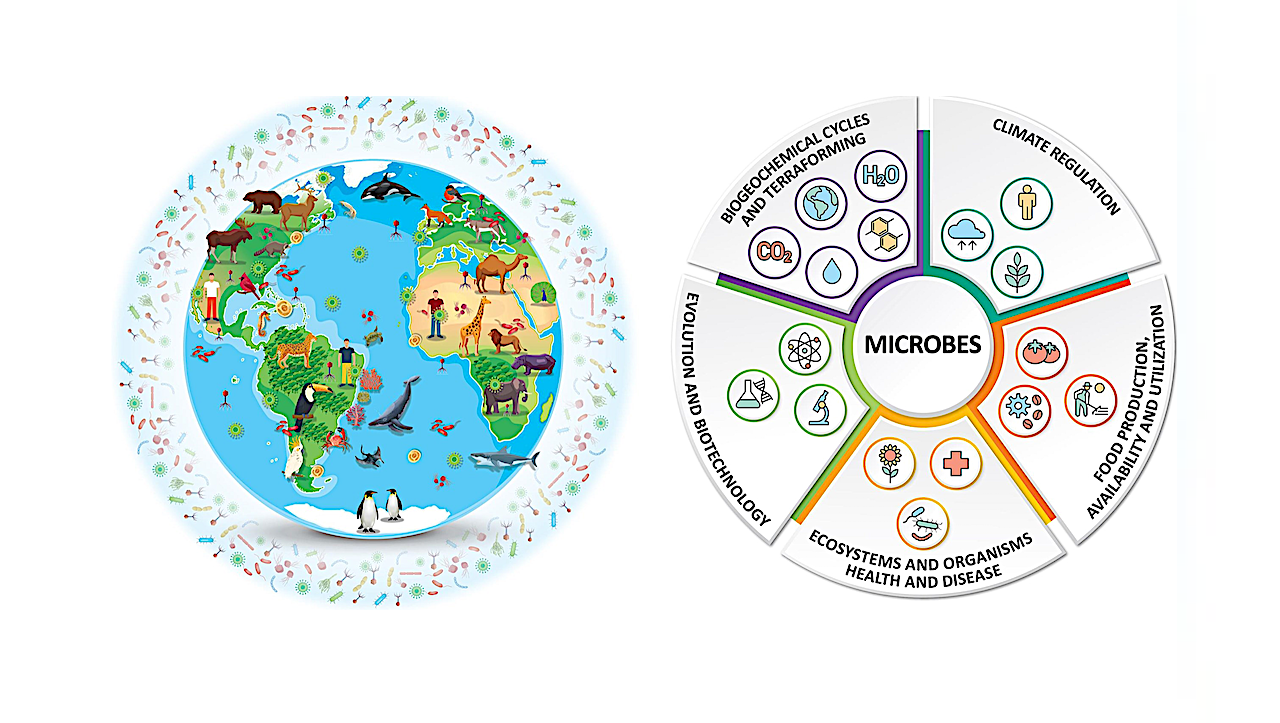
We live in a microbial world. — Sustainable Microbiology A new paper outlines how scientists came together to put together the first microbial conservation roadmap under the leadership of Applied
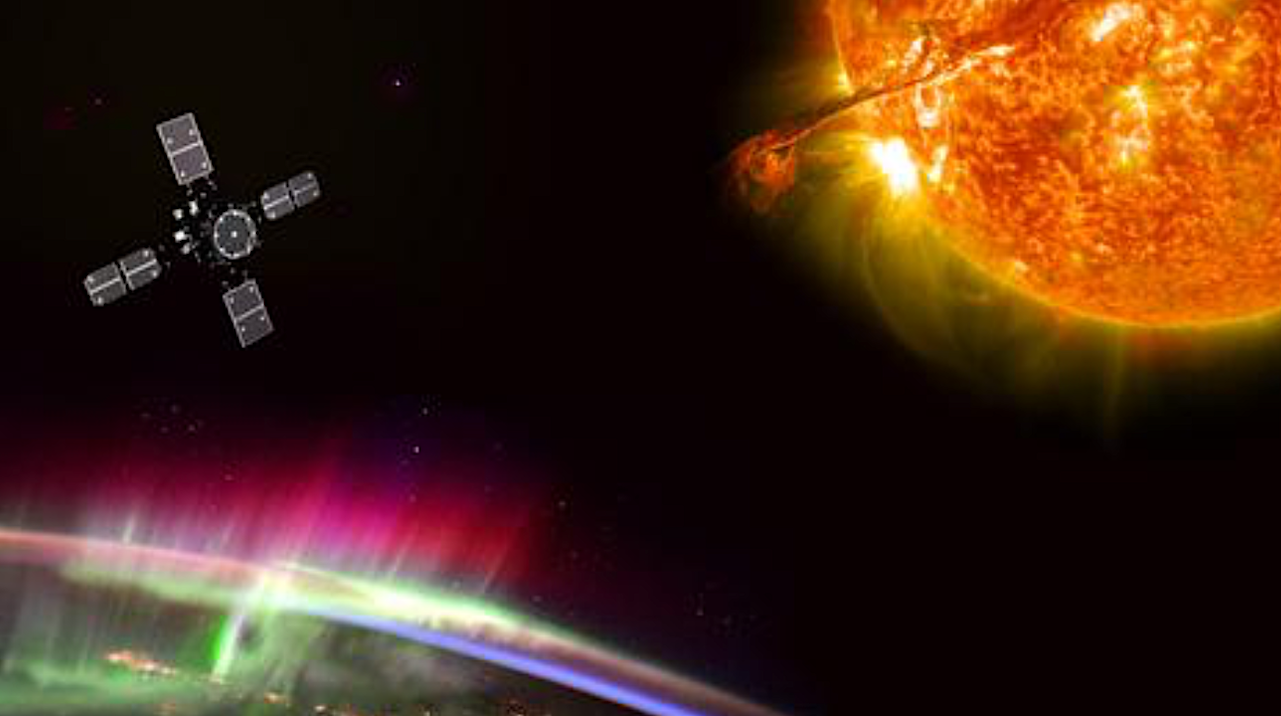
Scientists have captured the first detailed observations of how a superstorm compresses Earth’s plasmasphere and reveal why recovery took more than four days, affecting navigation and communication systems. CREDIT Institute

Skywatching can be breathtaking, but what if you want to photograph the night sky’s stunning sights? That’s where this Dwarflab Dwarf 3 smart telescope comes in. It’s a brilliant telescope

More testing will be needed before SpaceX’s newest version of Starship gets off the ground. On Thursday (Nov. 20), SpaceX rolled out Booster 18, the first stage of the company’s
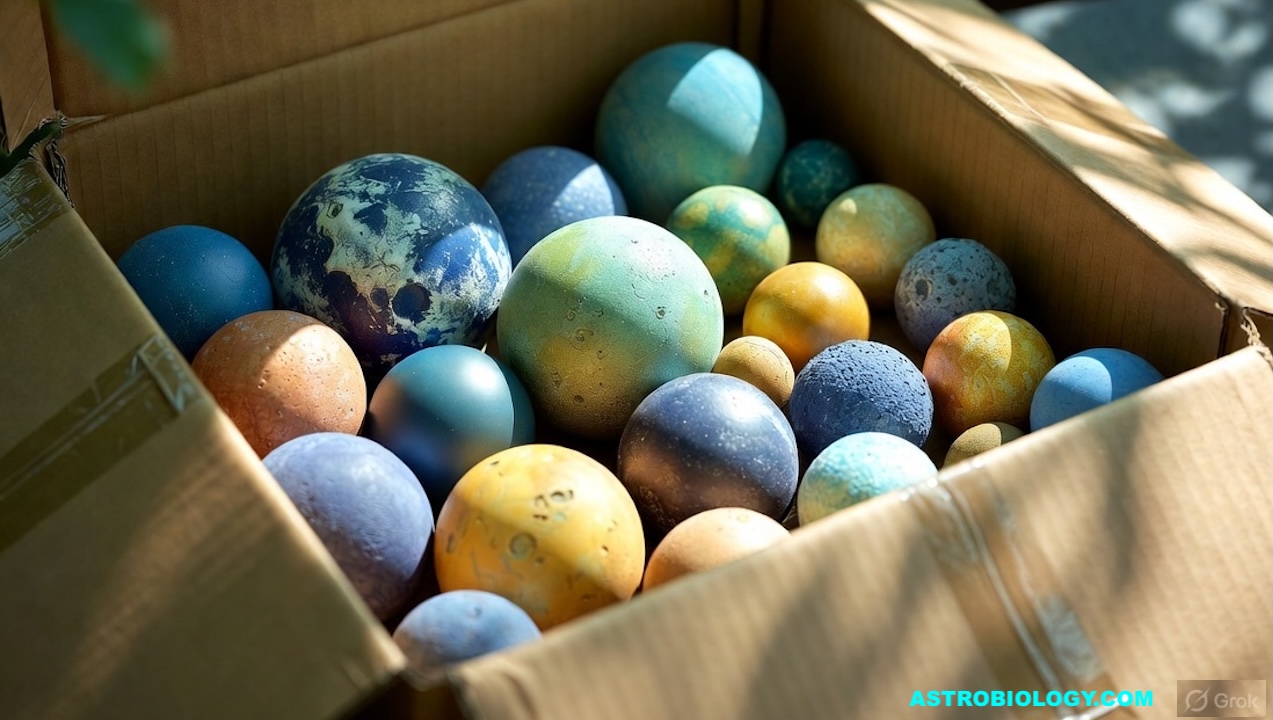
NASA Planetary Research — Grok via Astrobiology.com On December 10, 2025 at 1 PM Eastern, NASA’s Planetary Science Division (PSD) Planetary Research Programs will host a webinar to celebrate the
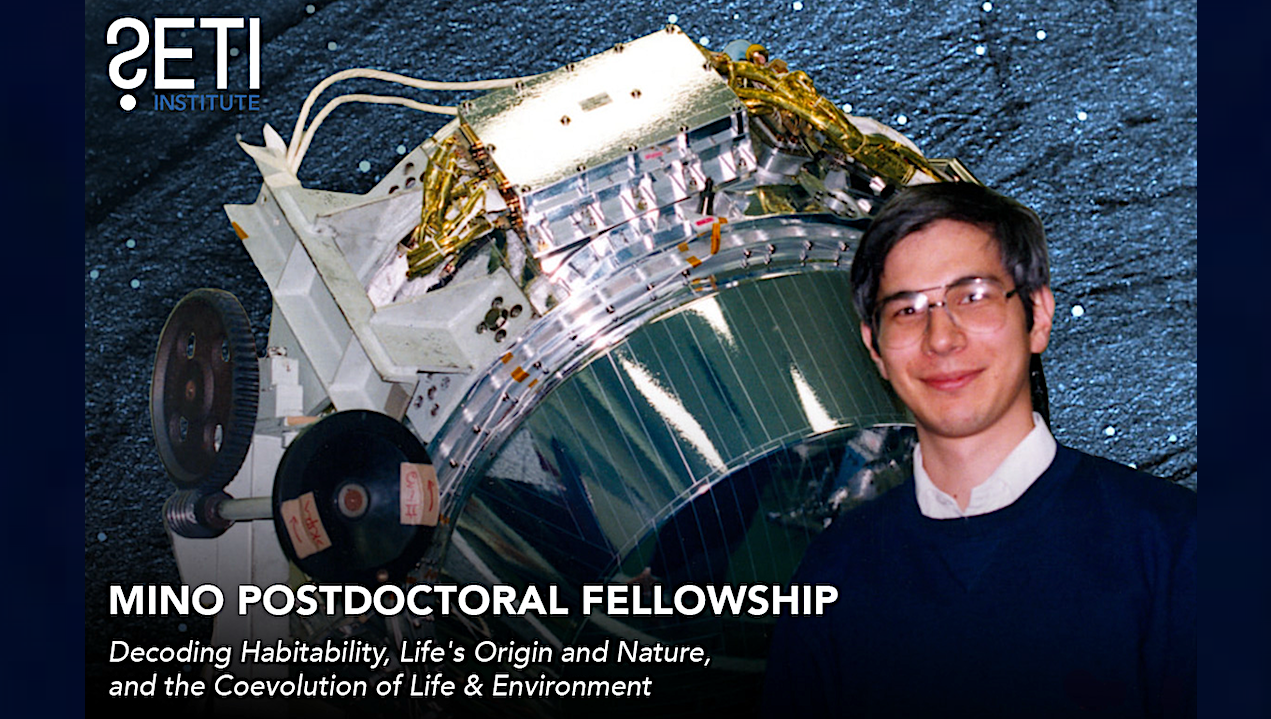
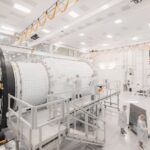
Mino in front of the infrared telescope being assembled in Japan. Deep inside is Mino’s core instrument, the FIRP. Image Credit: Hisako Matsubara. The SETI Institute is pleased to open
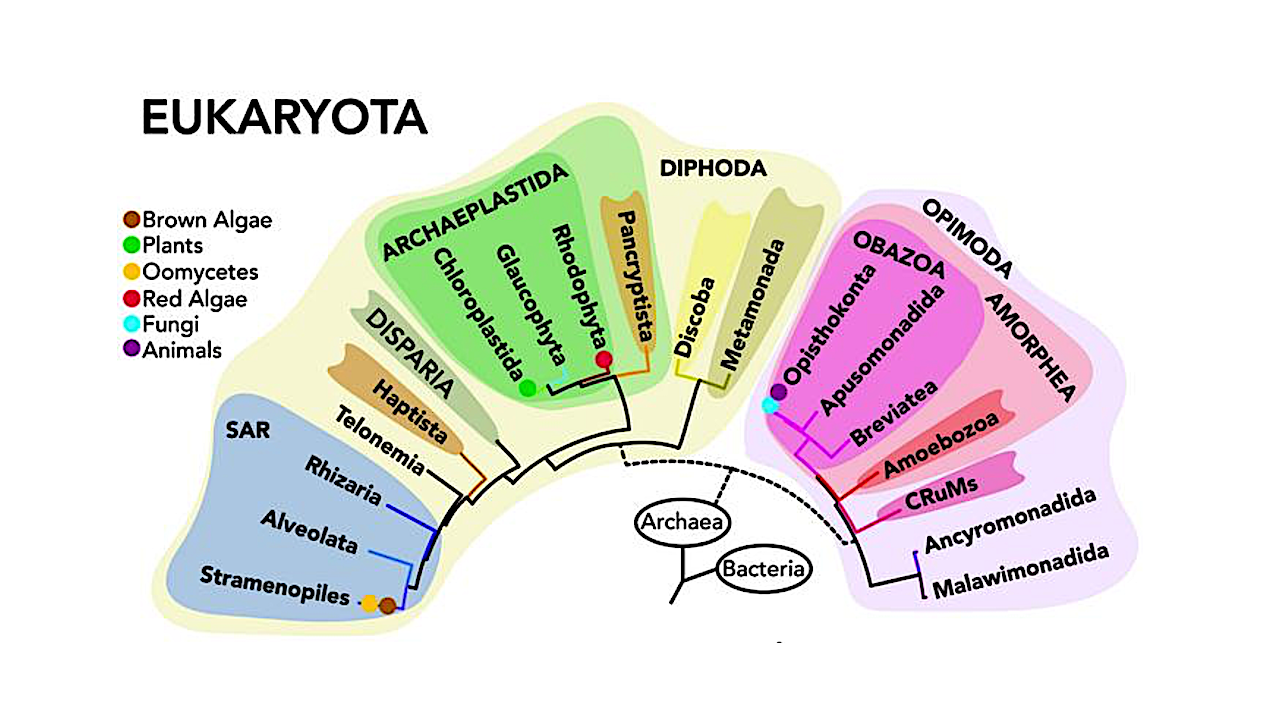
This figure presents a modern tree of Life, highlighting eukaryotes (organisms with complex cells) based on genome-scale analyses from Valt et al. (2025). The newly identified and ancient supergroup Disparia
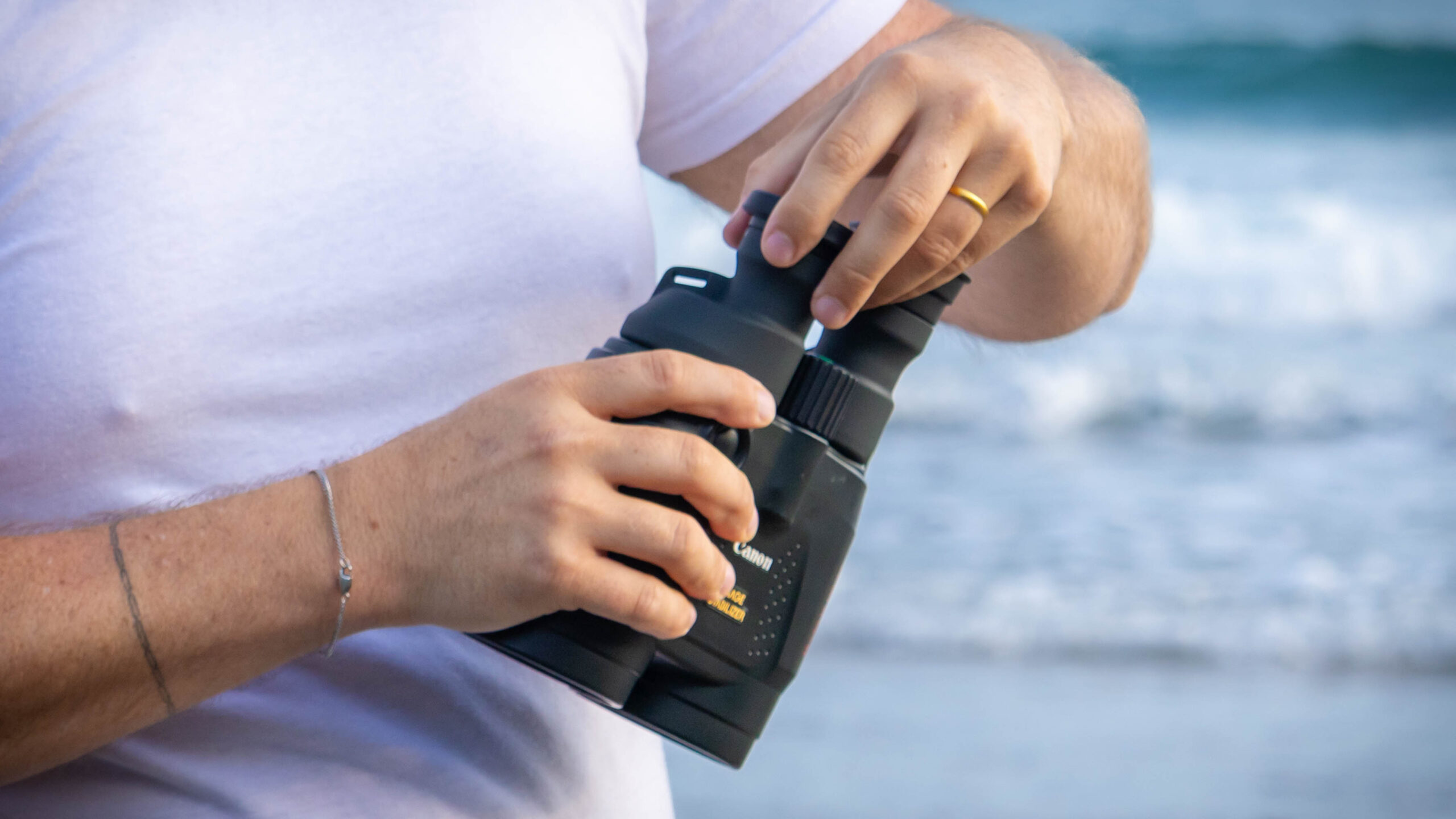
What makes a pair of binoculars good for stargazing? First of all, they need to be the best binoculars for long distance viewing. This means they need large magnification and
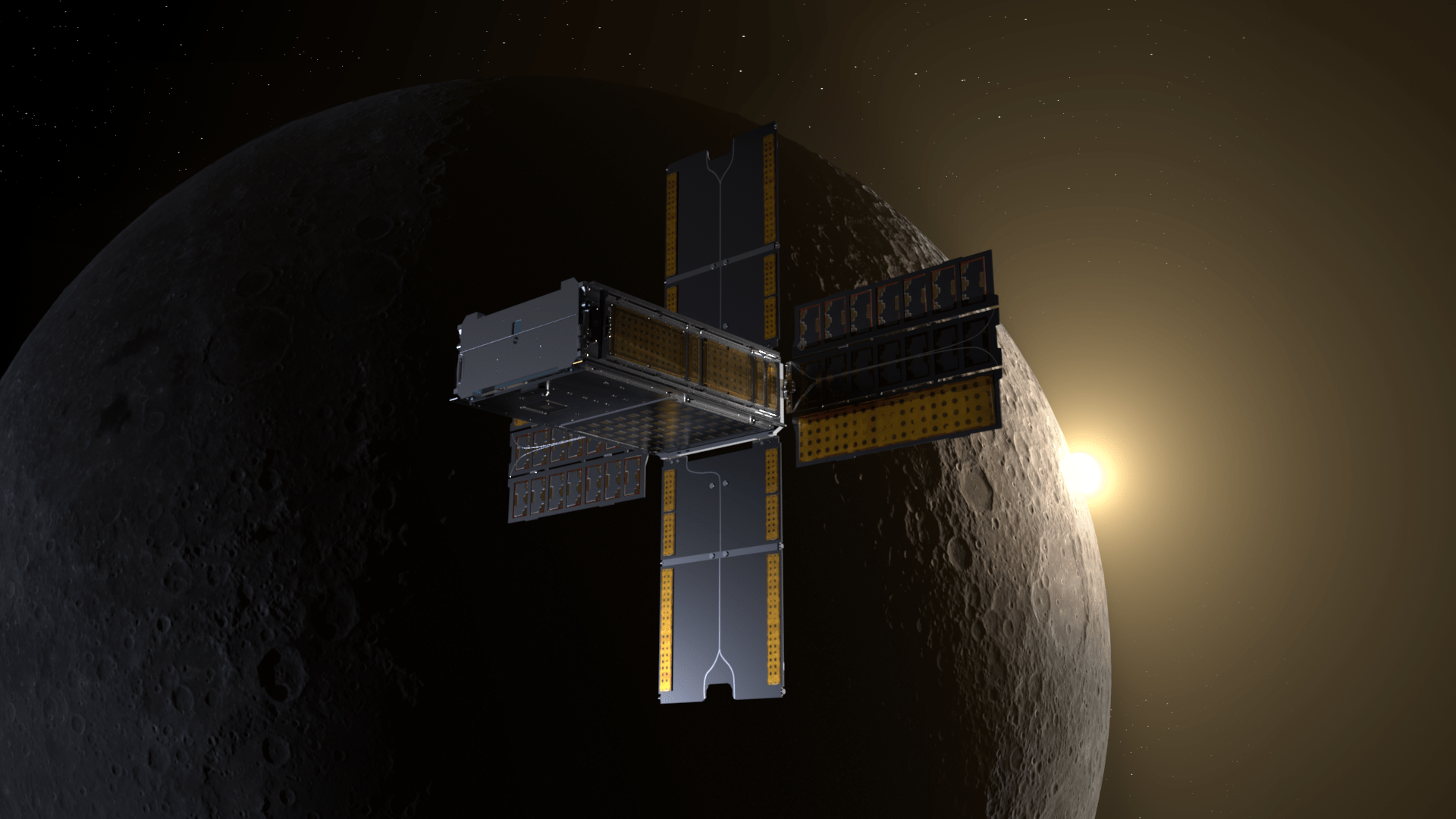
llustration of BioSentinel’s spacecraft flying past the Moon. NASA/Daniel Rutter Editor’s Note: This article was updated Nov. 21, 2025 shortly after BioSentinel’s mission marked three years of operation in deep space.