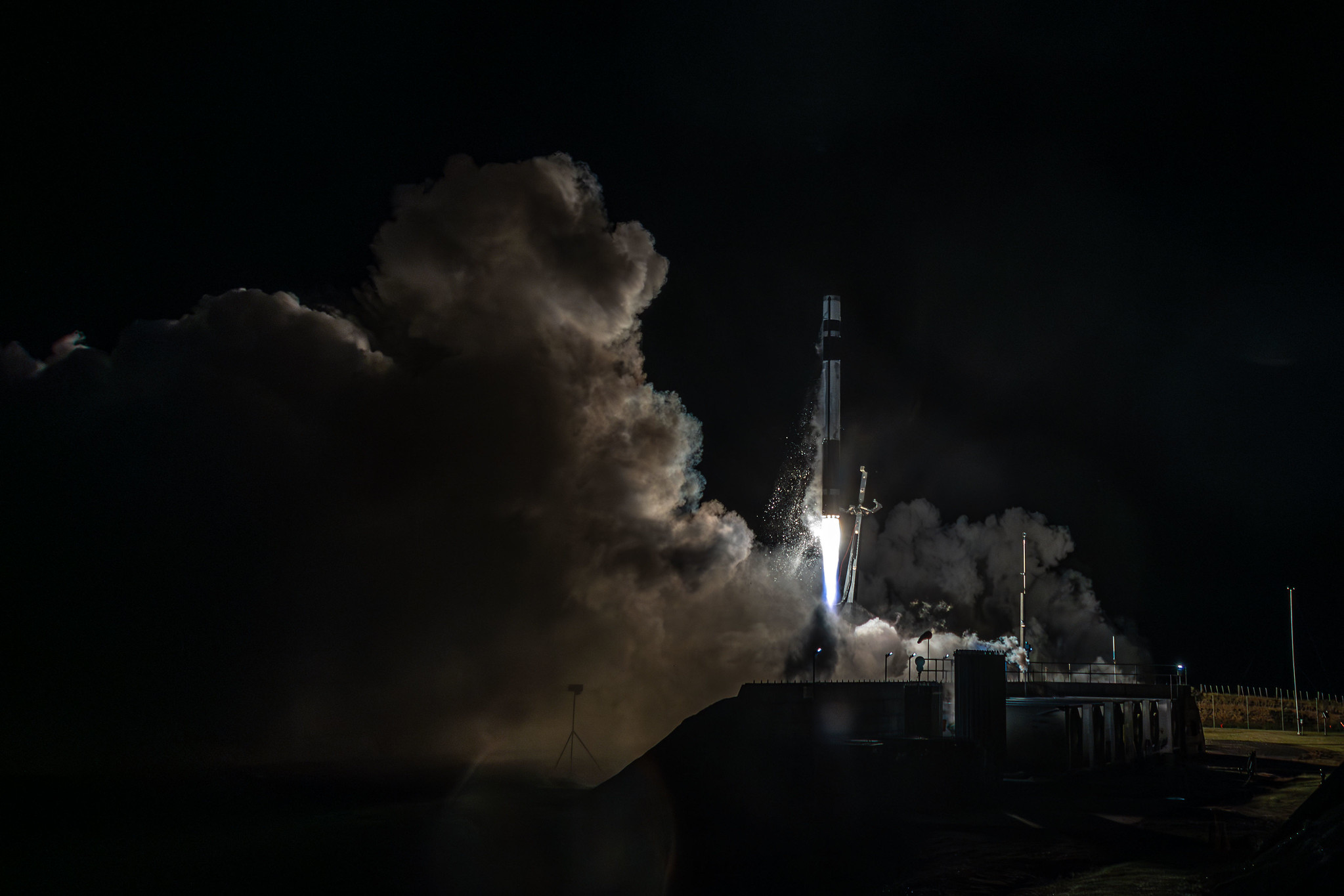
BREMEN, Germany — Rocket Lab launched a payload for an undisclosed commercial customer Nov. 20, just hours after the company announced plans for the launch. The Electron lifted off from


BREMEN, Germany — Rocket Lab launched a payload for an undisclosed commercial customer Nov. 20, just hours after the company announced plans for the launch. The Electron lifted off from
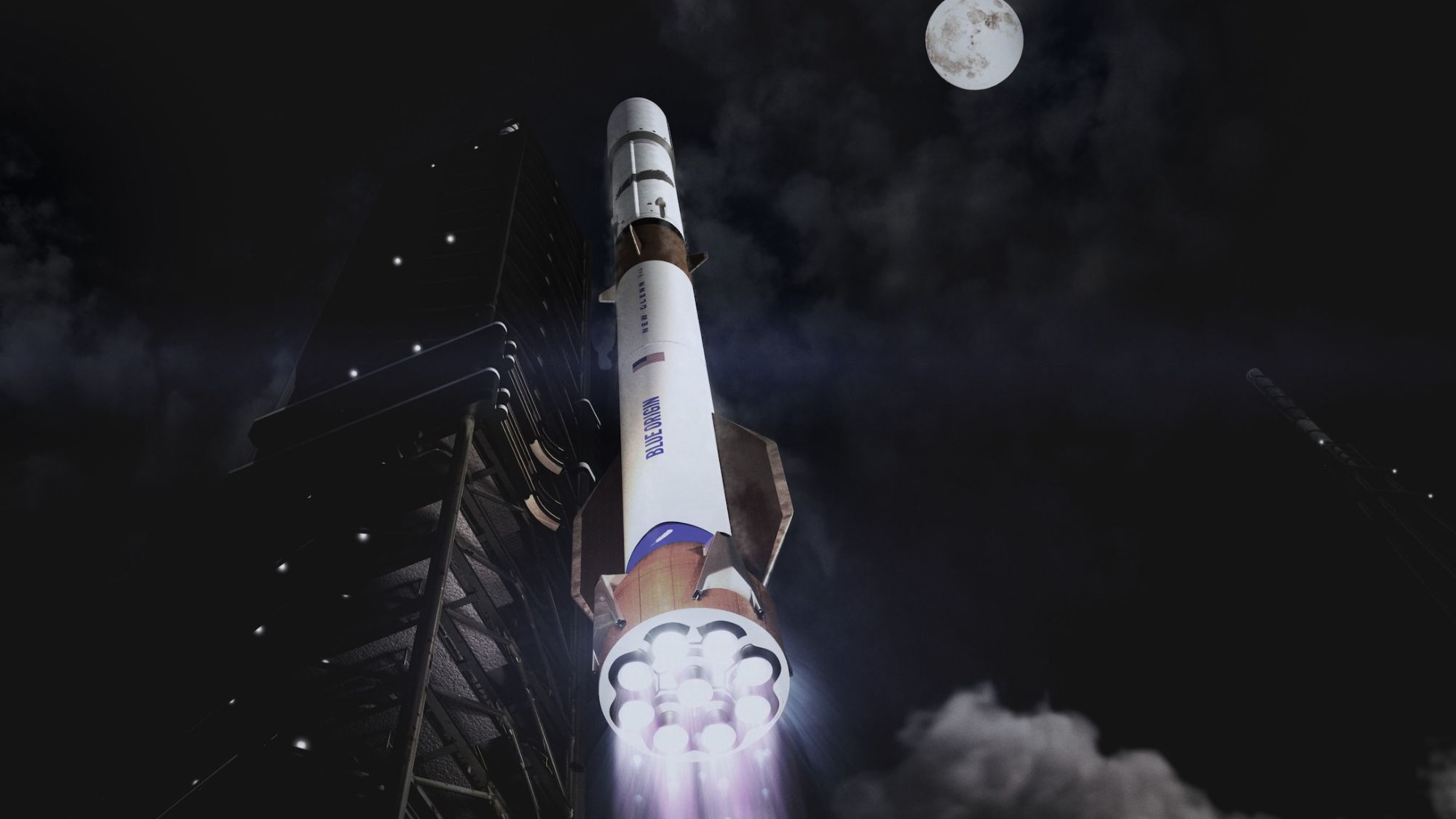
Blue Origin’s New Glenn rocket is getting even more powerful. Jeff Bezos‘ spaceflight company announced today (Nov. 20) that it’s upgrading New Glenn, a partially reusable heavy lifter that aced
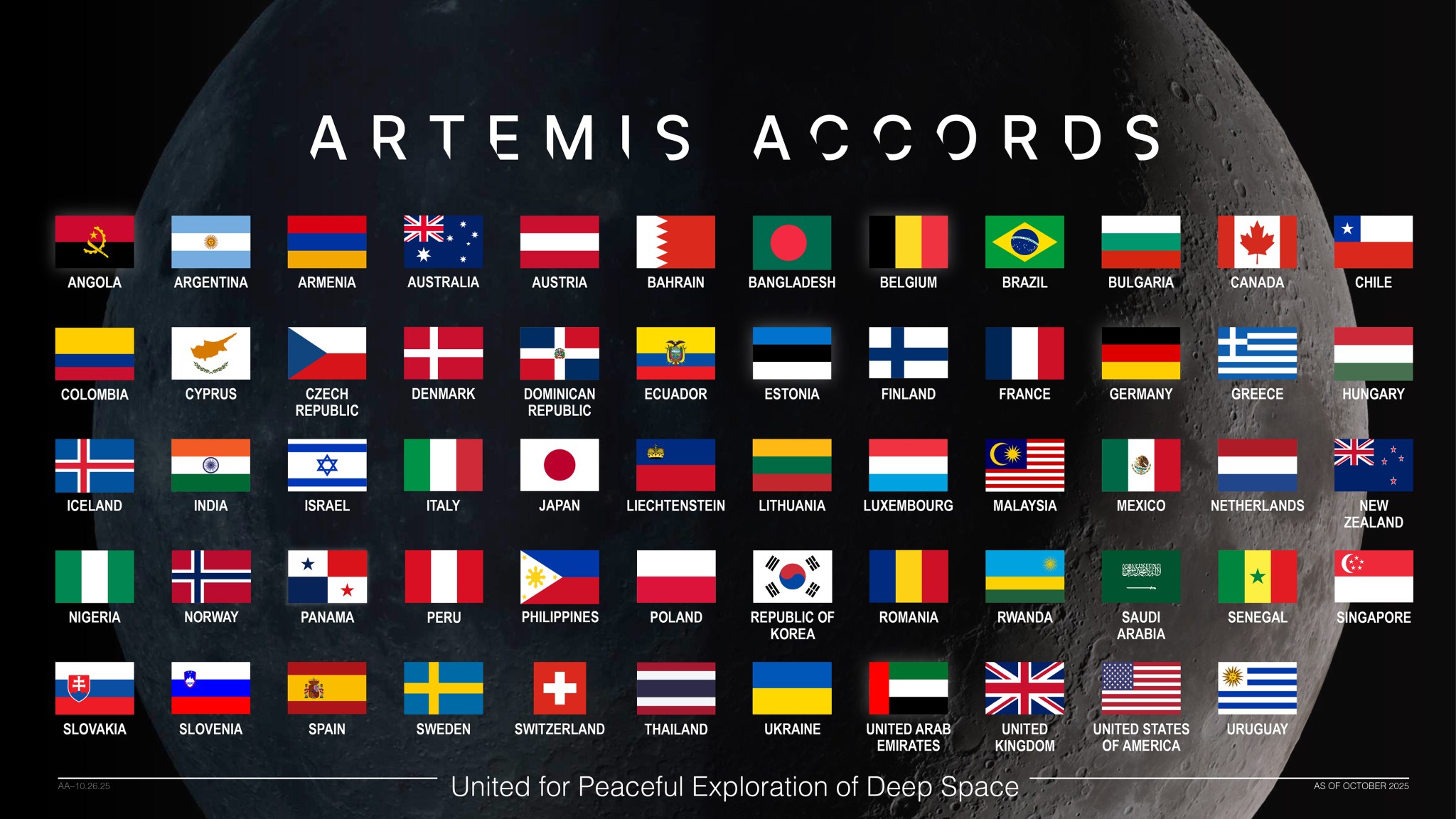
NASA October marked the fifth anniversary of NASA and the original founders signing the Artemis Accords, as well as the recognition of Hungary, Malaysia and the Philippines joining the expanding
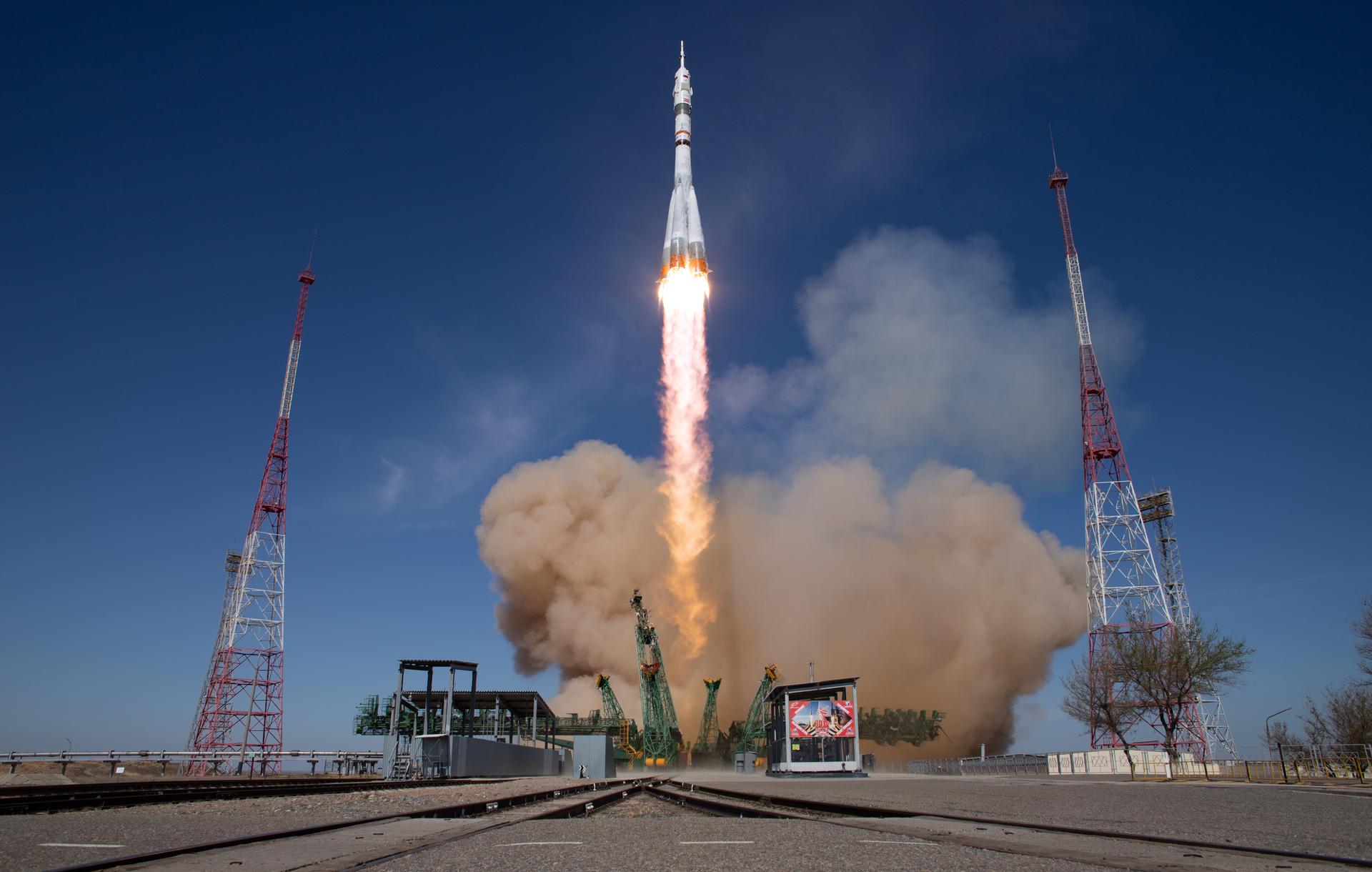
A Soyuz rocket launches to the International Space Station with Expedition 73 crew members aboard, Tuesday, April 8, 2025, at the Baikonur Cosmodrome in Kazakhstan. NASA/Joel Kowsky NASA astronaut Chris
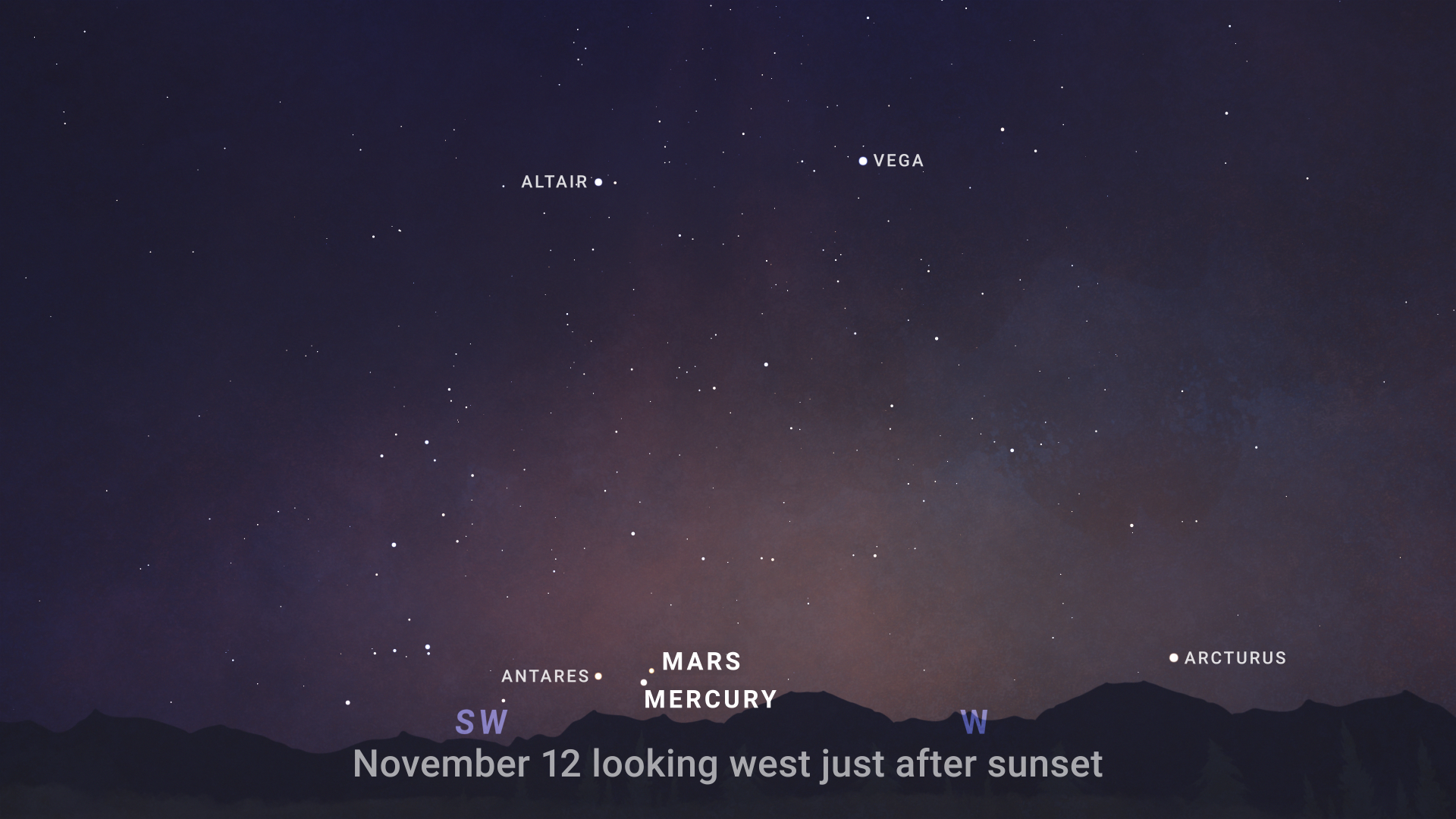
Mars and Mercury cozy up, the Leonids sparkle, and Saturn’s rings are…disappearing? Mars and Mercury get close for a conjunction, the Leonid meteor shower delights, and Saturn’s rings are…disappearing? Skywatching
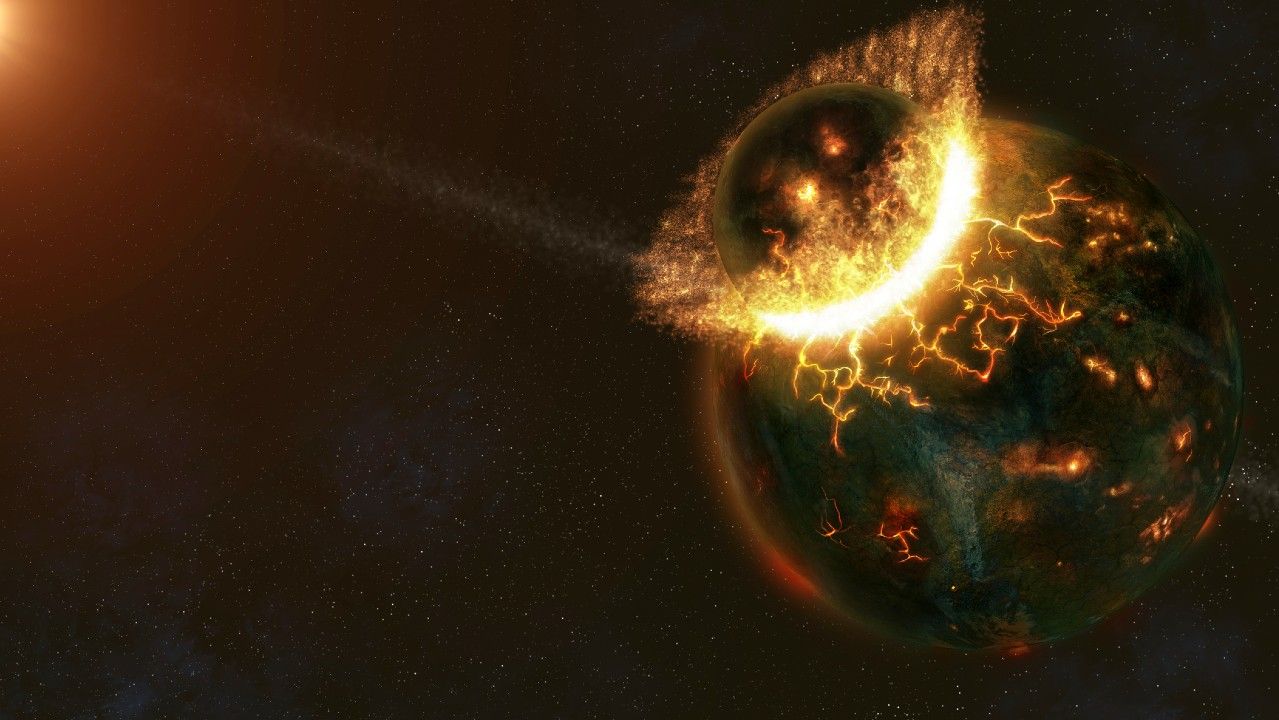
Over 4.5 billion years ago, a giant body smashed into Earth in a cosmic collision that birthed our planet’s loyal companion, the moon. Now, new research indicates that this body,
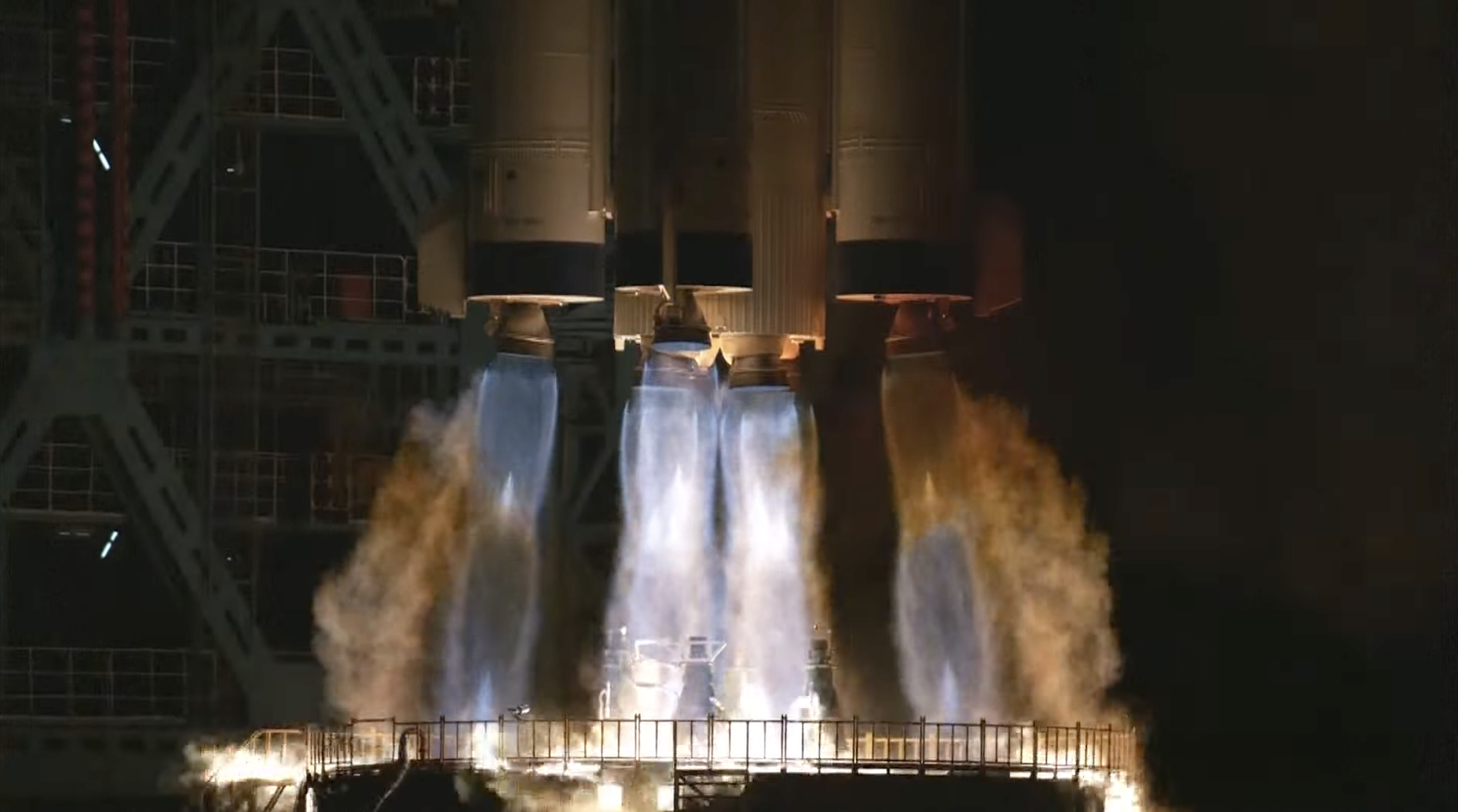
China is gearing up for the launch of an uncrewed Shenzhou spacecraft, while the Shenzhou-20 crew adjusts their plans following damage to their craft. The Tiangong space station is set
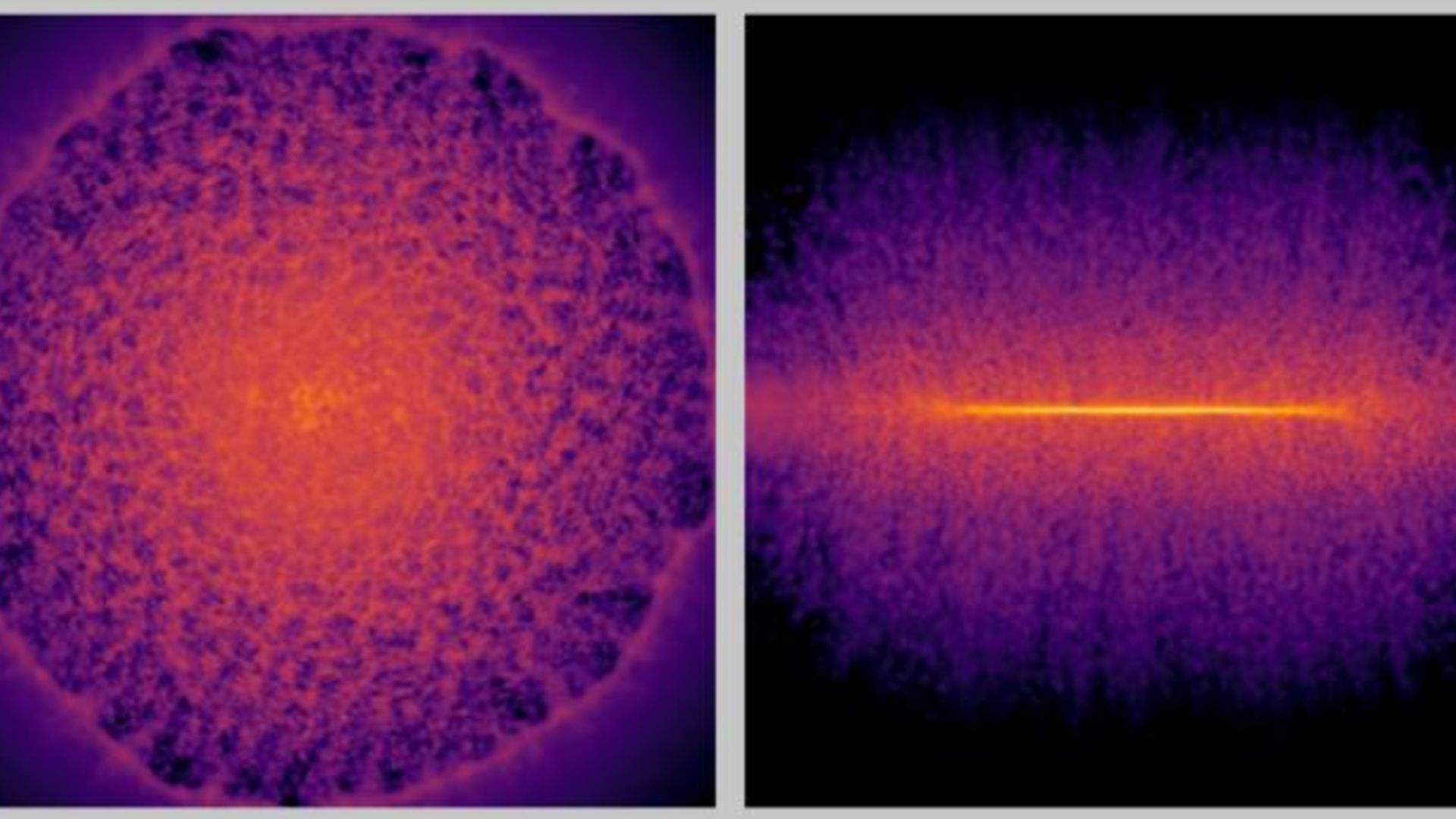
The most detailed supercomputer simulation ever of our Milky Way galaxy has been created by combining machine learning with numerical models. By running 100 times faster than the next most
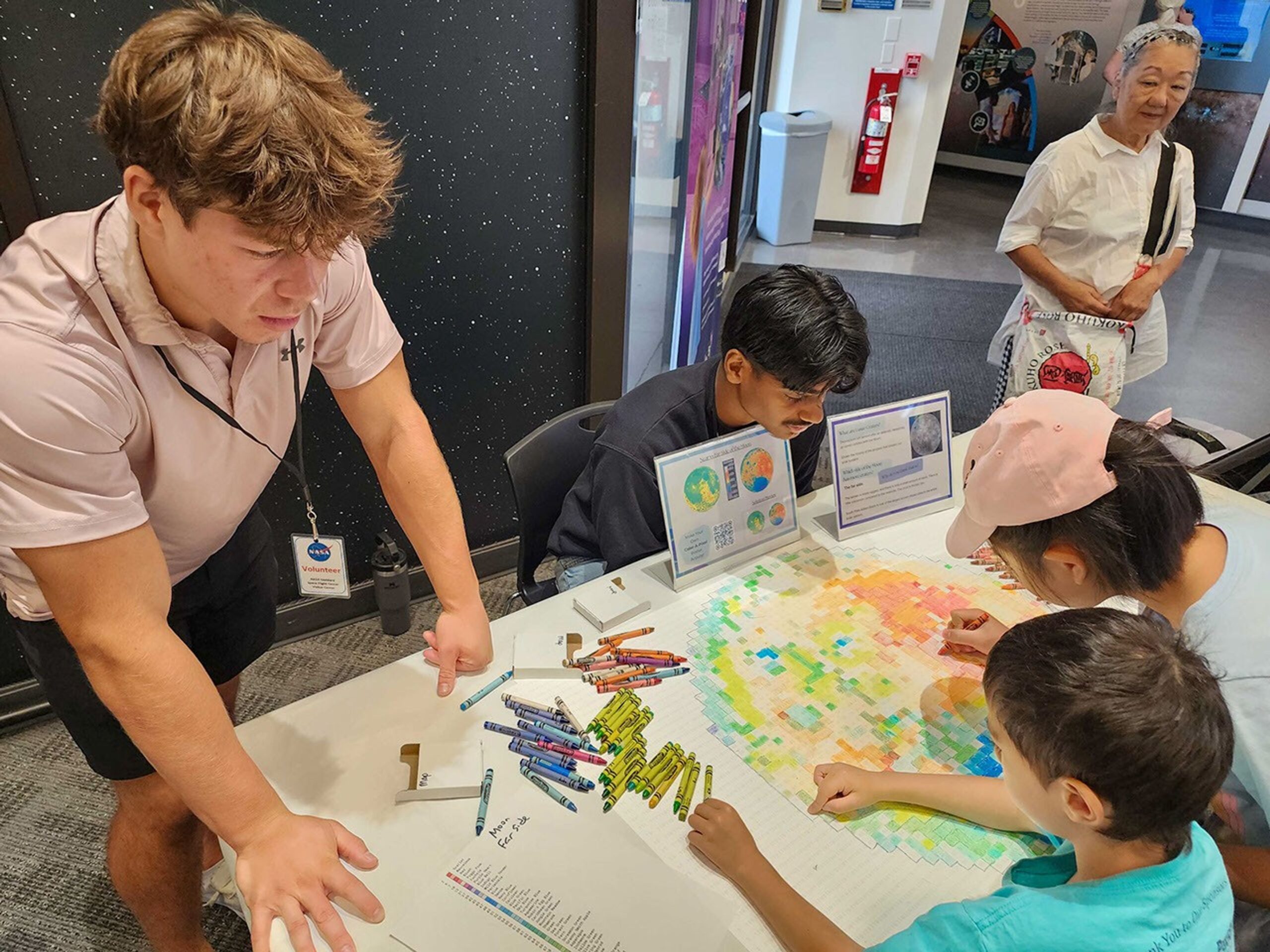
Explore This Section Science Science Activation NASA Fuels Discovery from… Overview Learning Resources Science Activation Teams SME Map Opportunities More Science Activation Stories Citizen Science 6 min read NASA
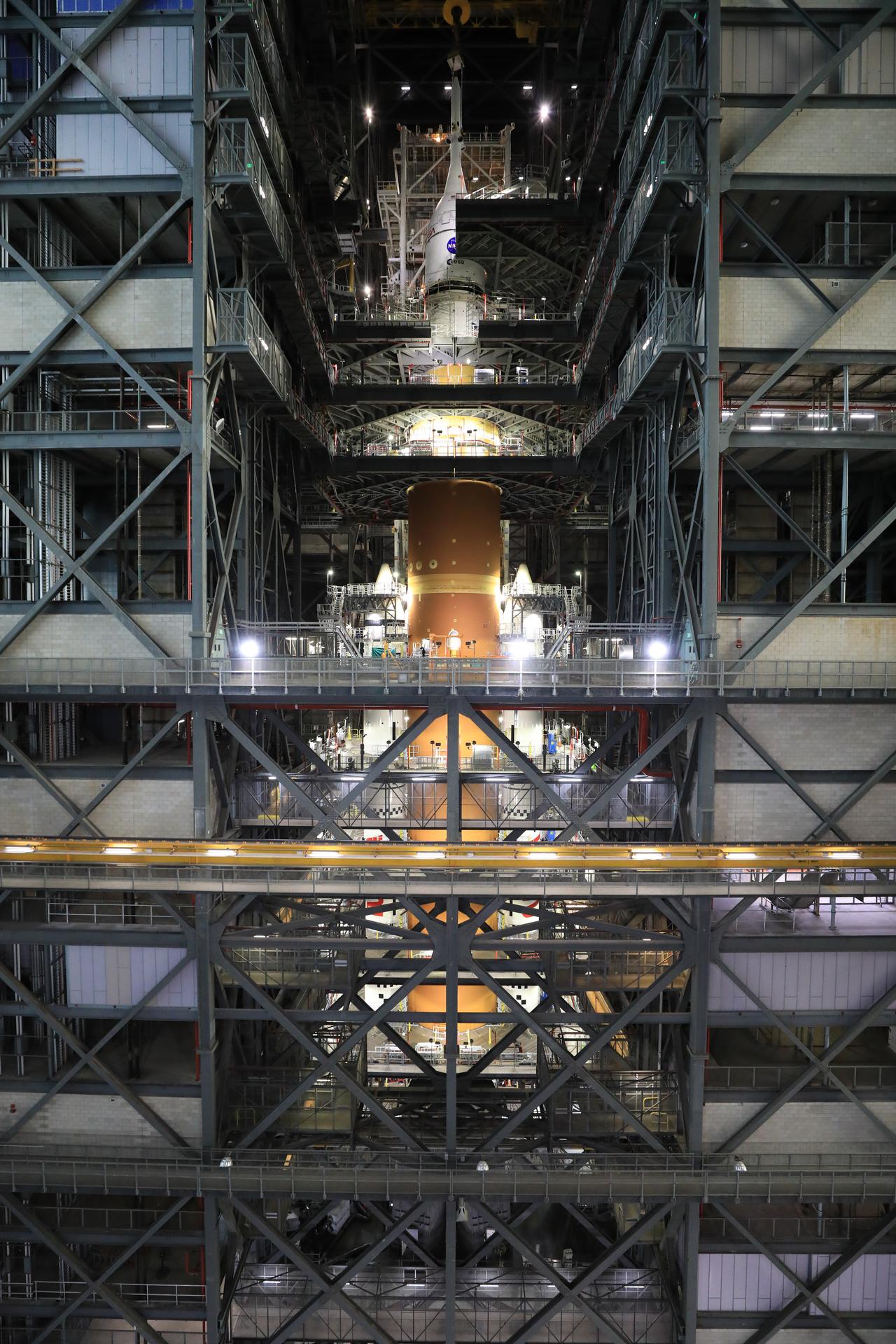
Technicians with NASA’s Exploration Ground Systems team use a crane to lift and secure NASA’s Orion spacecraft on top of the SLS (Space Launch System) rocket in High Bay 3