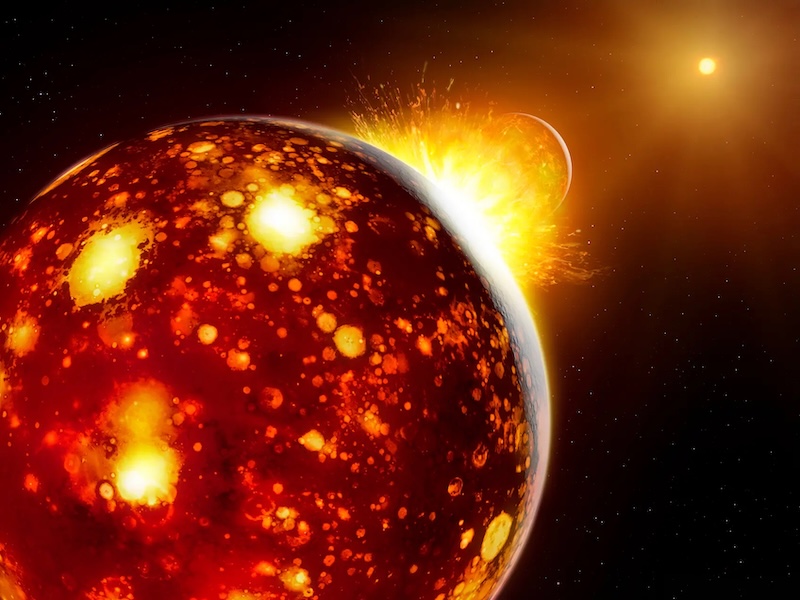
View larger. | Theia and Earth collided about 4.5 billion years ago, as depicted in this artist’s concept. The moon then formed out of the chaos. Image via Max Planck


View larger. | Theia and Earth collided about 4.5 billion years ago, as depicted in this artist’s concept. The moon then formed out of the chaos. Image via Max Planck
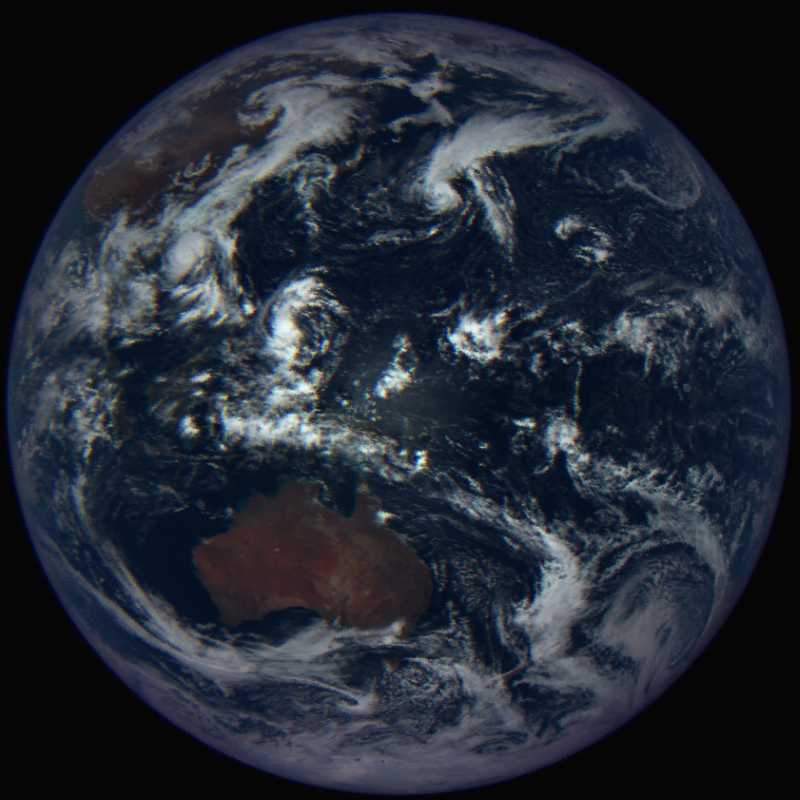
https://earthsky.org/upl/2024/01/ezgif.com-gif-to-webm-converter.webm NASA’s OSIRIS-APEX spacecraft captured this view of Earth as it soared some 2,100 miles (3,400 kilometers) above our planet’s surface on September 23, 2025. For comparison, satellites in low
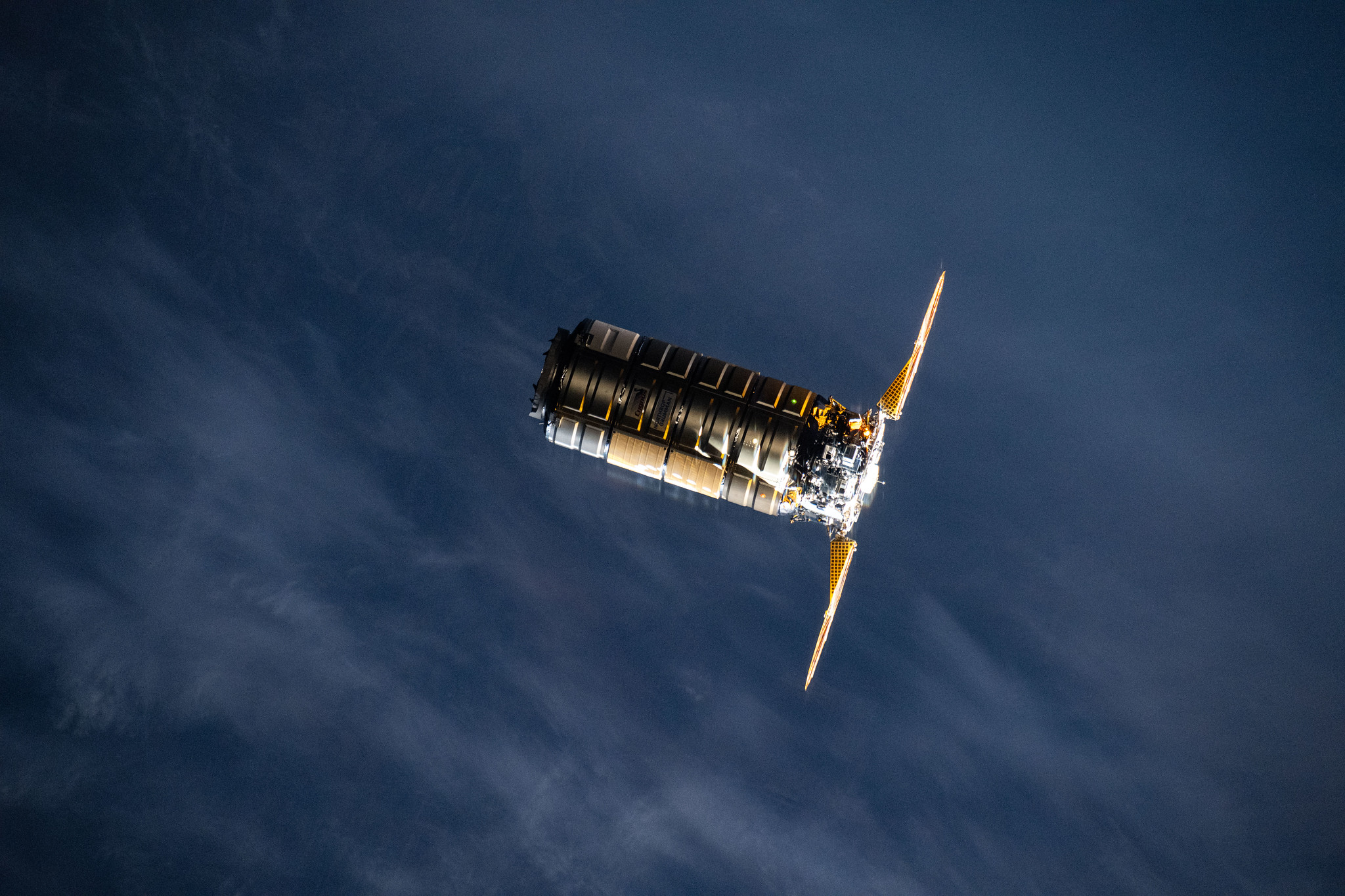
BREMEN, Germany — NASA has selected Northrop Grumman to provide cargo delivery services to the International Space Station once a spacecraft designed to deorbit the station is installed. NASA issued

BREMEN, Germany — The European Space Agency and its supporters will find out in the next two days how successful they have been in convincing European governments to significantly increase

Senior officials and ministers are convening in Bremen, Germany, for the European Space Agency’s Ministerial Council on November 26 and 27. This crucial meeting will focus on establishing the agency’s

In the documentary, a significant weight is placed on testimonies from individuals who once occupied high positions within government programs related to unidentified aerial phenomena (UAP). These individuals include former
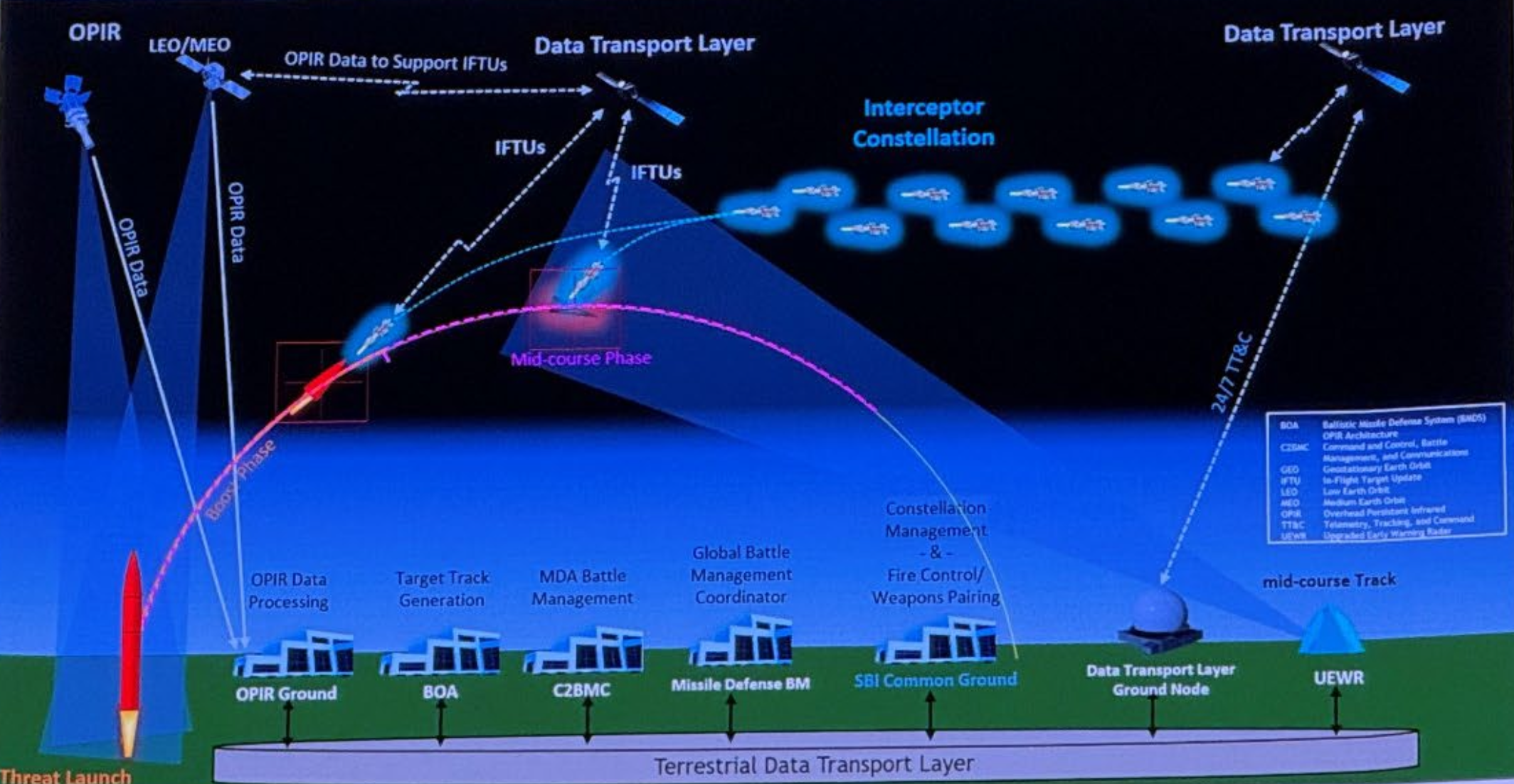
WASHINGTON — The U.S. Space Force has begun awarding prototype contracts for space-based interceptors, an early step in the Pentagon’s push to field its planned Golden Dome missile defense architecture.
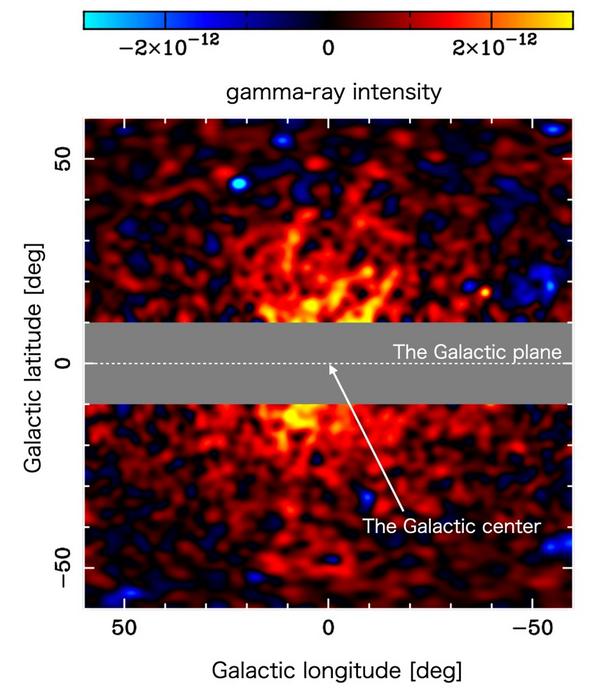
Scientists may have “seen” dark matter for the first time, thanks to NASA’s Fermi gamma-ray space telescope. If so, this would mark the first direct detection of the universe’s most
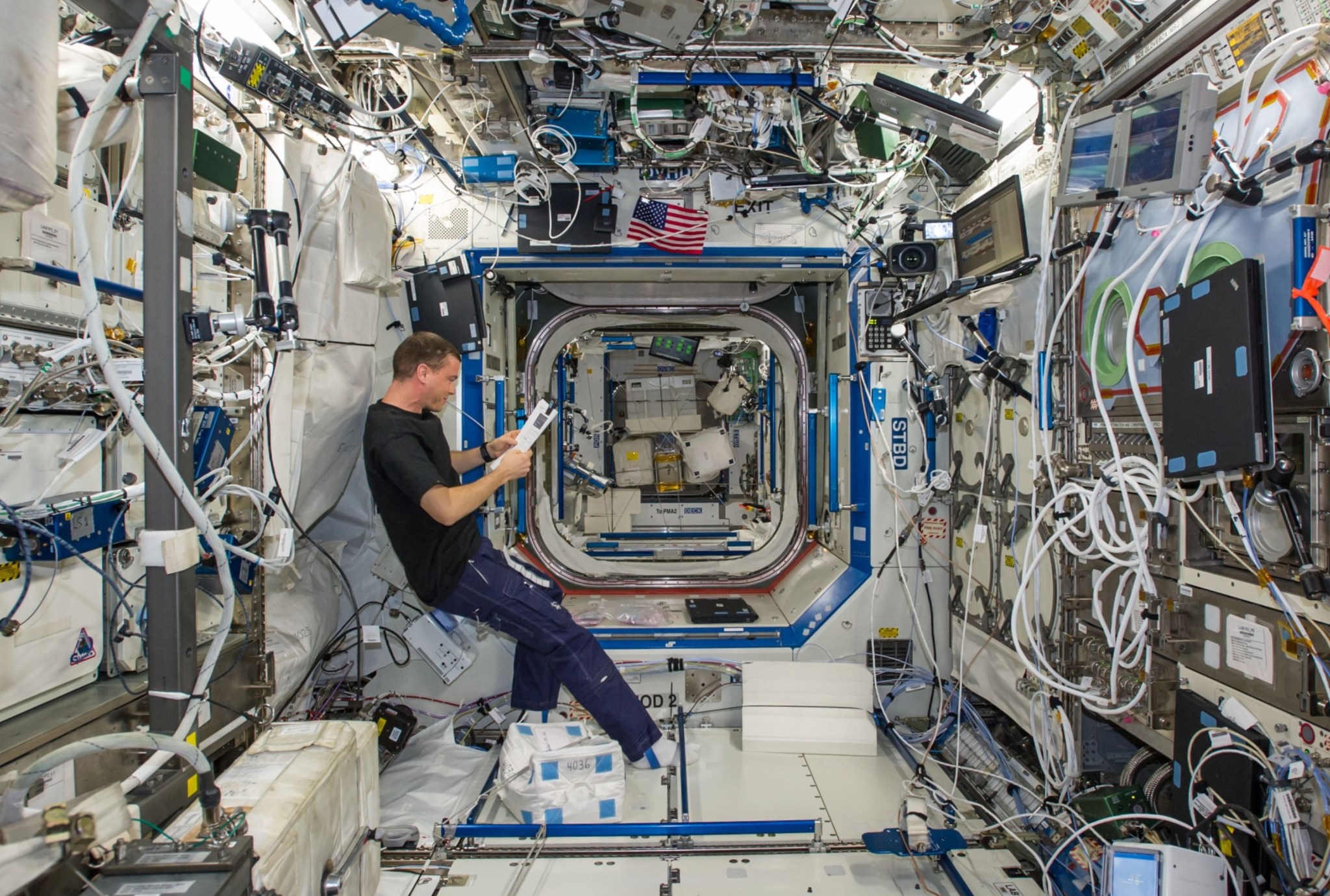
1 min read Preparations for Next Moonwalk Simulations Underway (and Underwater) Reid Wiseman finds a little peace and quiet in the station’s Destiny lab. NASA The Lifetime Surveillance of Astronaut
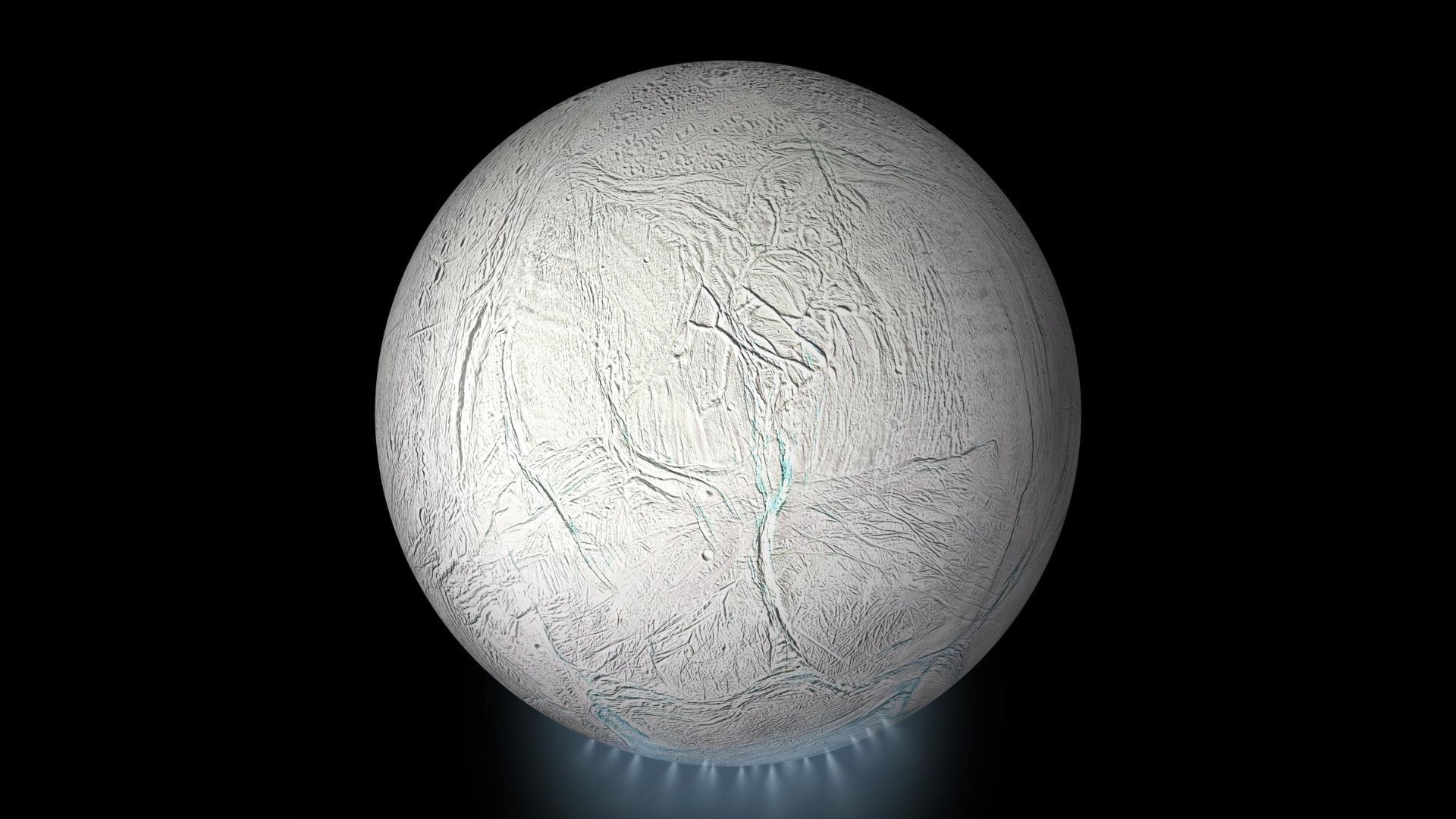
Small icy moons in the outer reaches of our solar system may hide boiling oceans underneath their surfaces, a new study finds. Previous research found that some of the icy