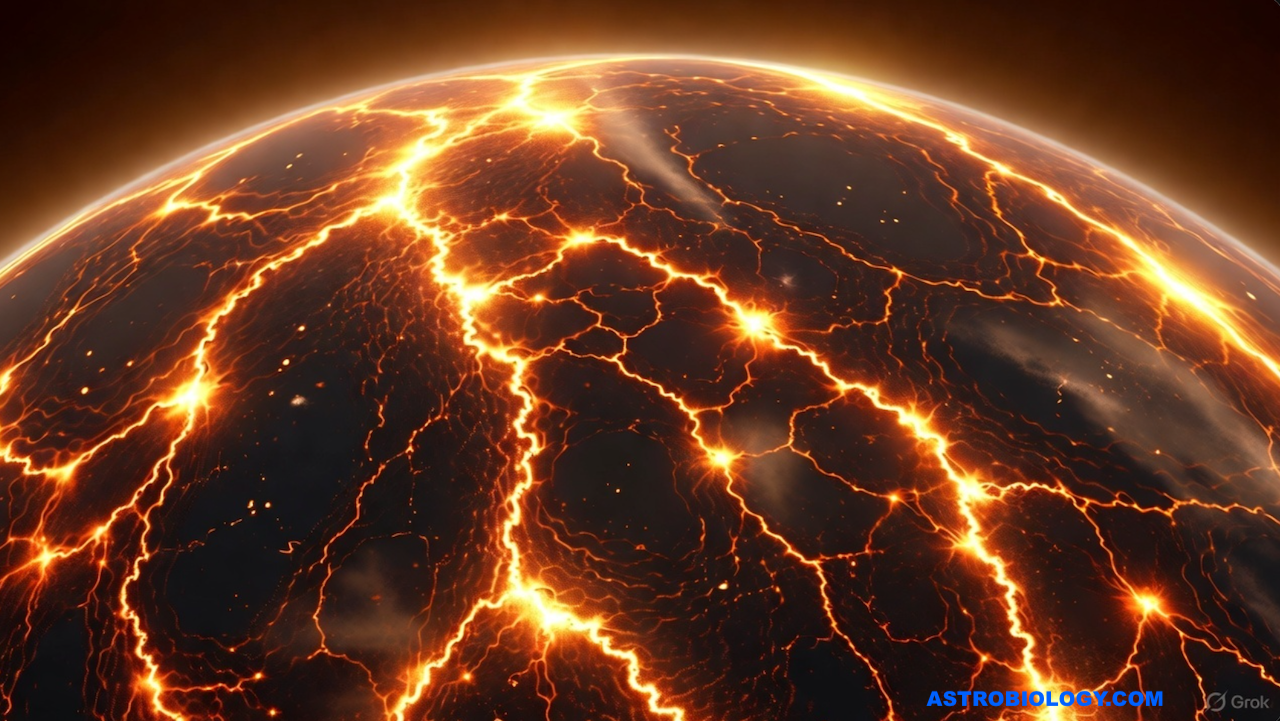
Lava-covered proto-Earth – Grok via Astrobiology.com Scientists at MIT and elsewhere have discovered extremely rare remnants of “proto Earth,” which formed about 4.5 billion years ago, before a colossal collision


Lava-covered proto-Earth – Grok via Astrobiology.com Scientists at MIT and elsewhere have discovered extremely rare remnants of “proto Earth,” which formed about 4.5 billion years ago, before a colossal collision
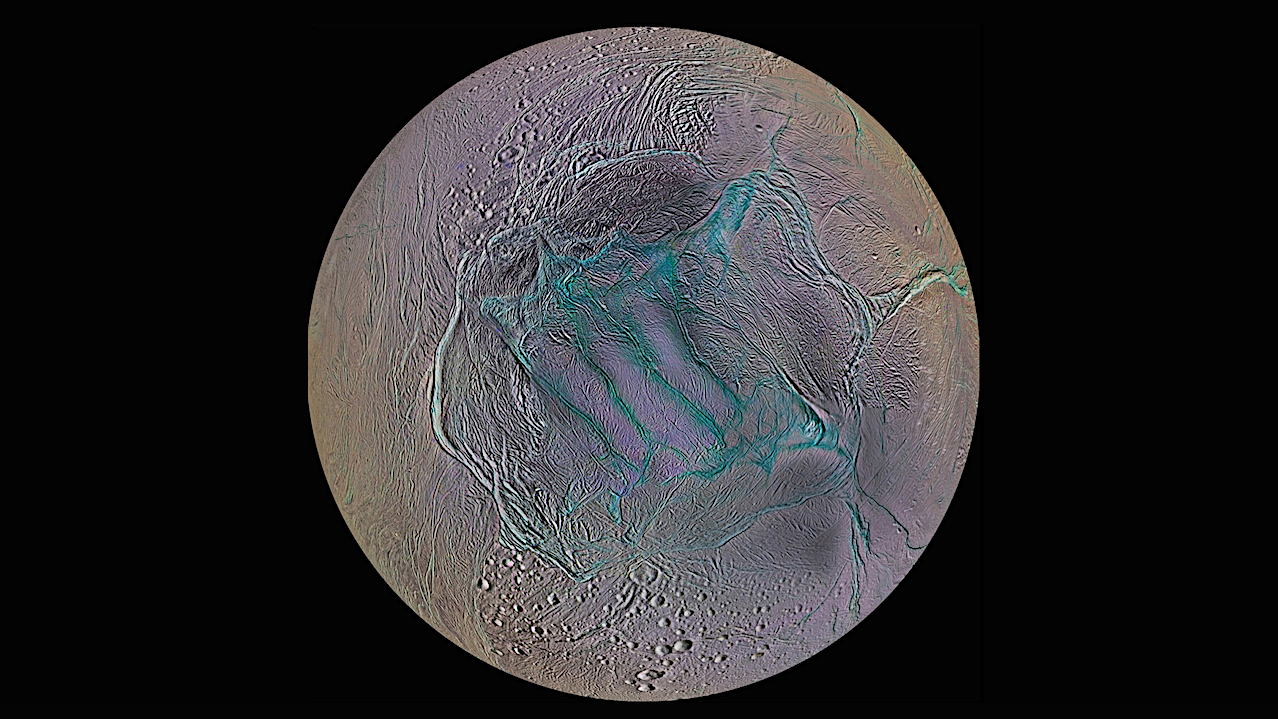
Enhanced view of Enceladus’ South pole region showing the locations of organic-rich geysers in blue Saturn’s moon Enceladus is an exciting destination for future exploration missions due to
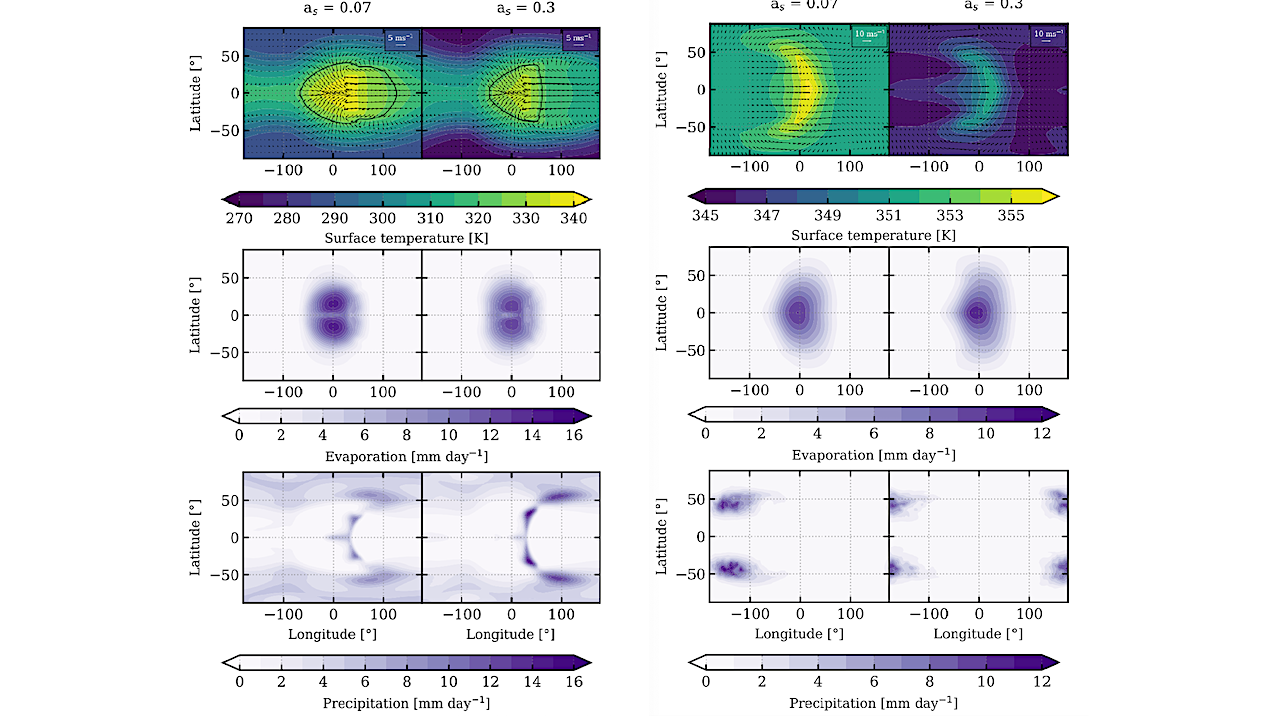
Latitude-longitude maps of surface temperature overlaid with the wind field at the bottom layer, and surface precipitation. The black contours indicate where the surface temperature is 50◦ Celsius.
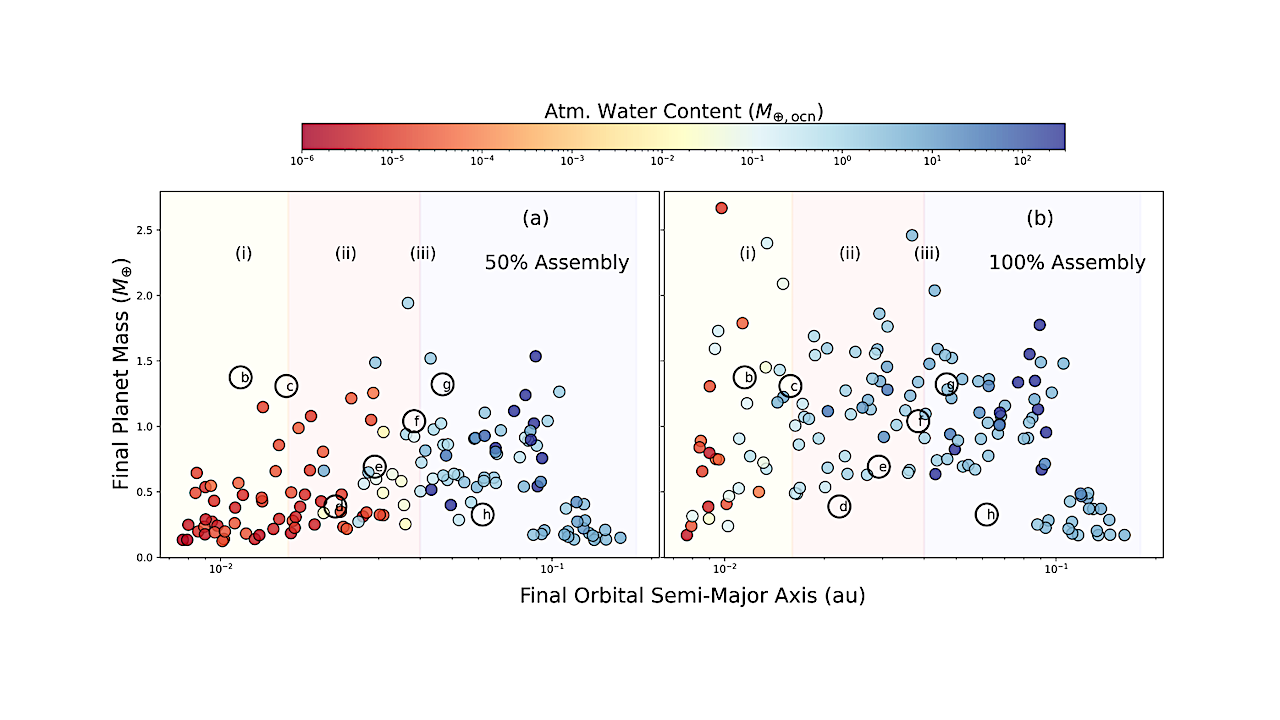
Snapshots of VGS-calculated surface water mass (in units of Earth’s ocean mass) for TRAPPIST-1 analogs, shown as a function of total planet mass (M⊕) and final orbital distance (AU). Panel
A fireball meteor flared to life above the southern U.S. on Oct. 14, briefly turning night to day as it blazed through the sky before fragmenting as it neared the
Assembly of ribonucleoprotein condensates in response to Mars-like stress conditions. Credit Dhage et al. — Indian Institute of Science (IISc) Any life on Mars in the past, present, or future
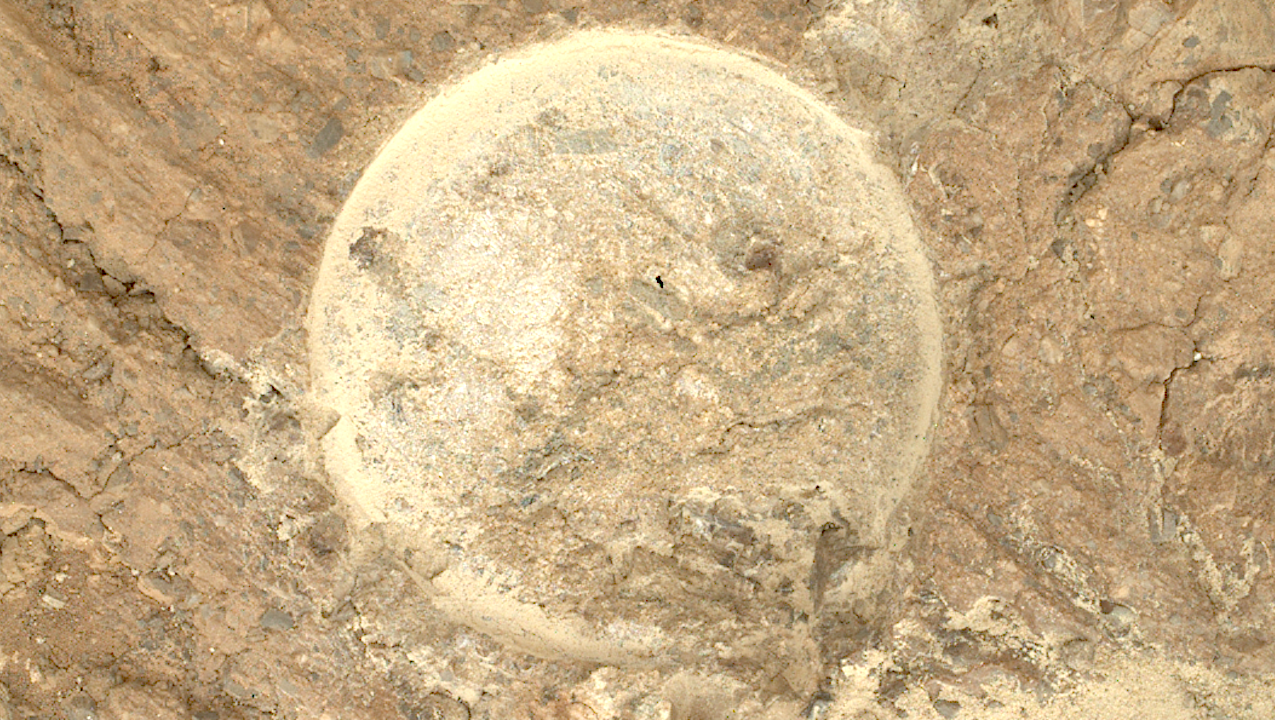
Image of the “Peachflya” abrasion spot, from Perseverance’s WATSON Camera on sol 1620. NASA/JPL-Caltech larger image Perseverance accomplished something unusual this week: abrading two dramatically different rocks within the span
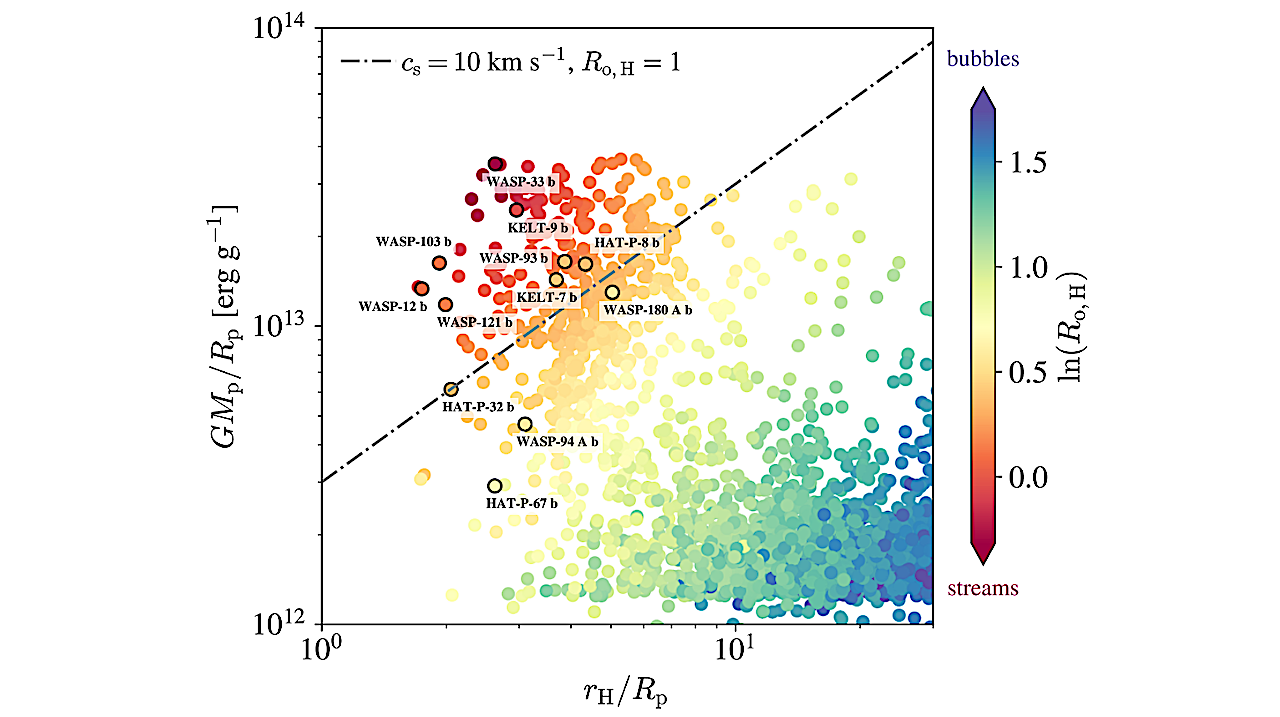
Figure adapted from M. MacLeod et al. (2025) and compiled using PWMorphology. Colored circles represent confirmed exoplanets with radii greater than 1.6R⊕ from the sunset catalog shown as a function
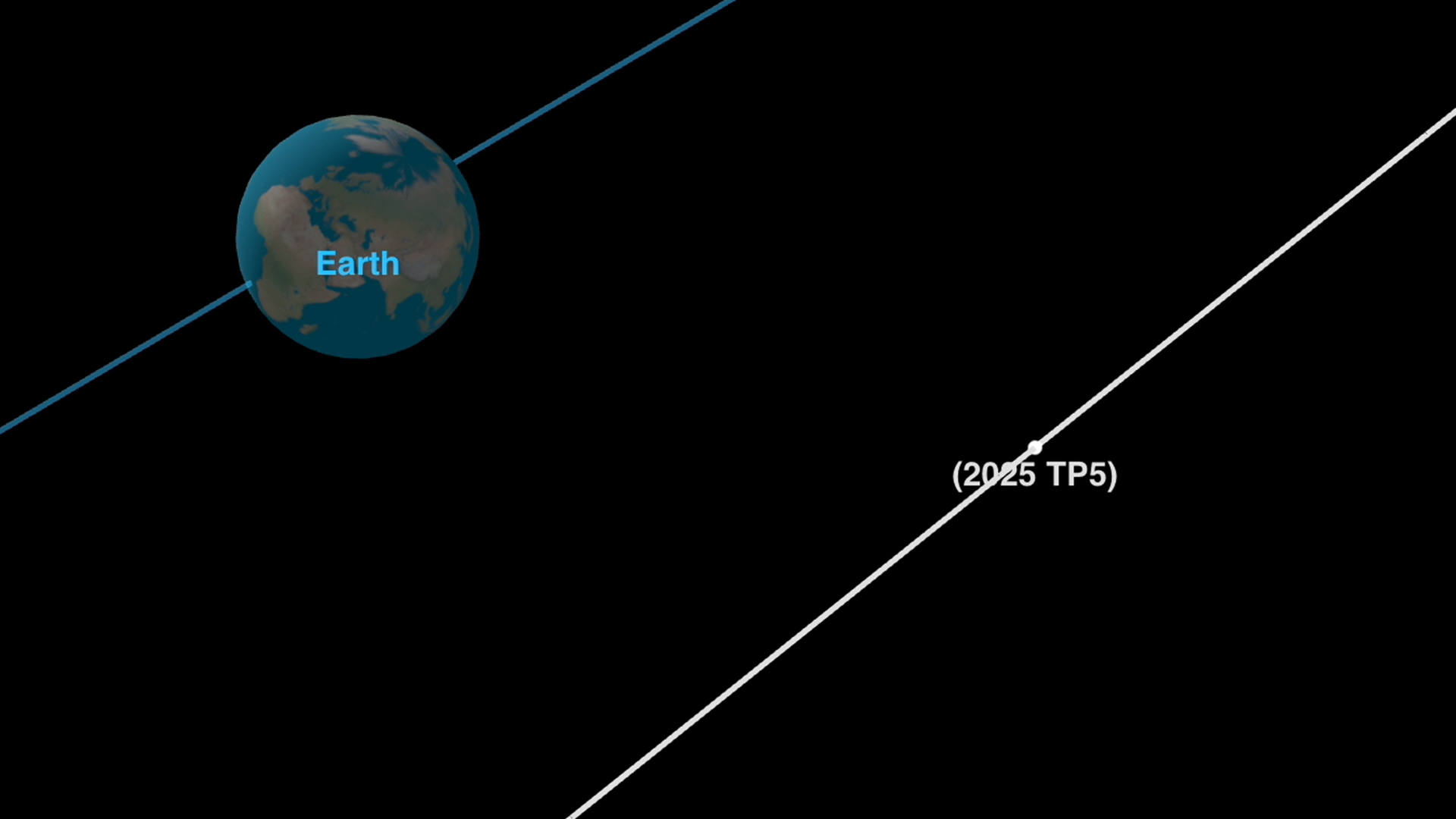
A newly discovered space rock will zoom safely by Earth later today (Oct. 15) at only about a quarter of the average distance to the moon. The asteroid, called 2025
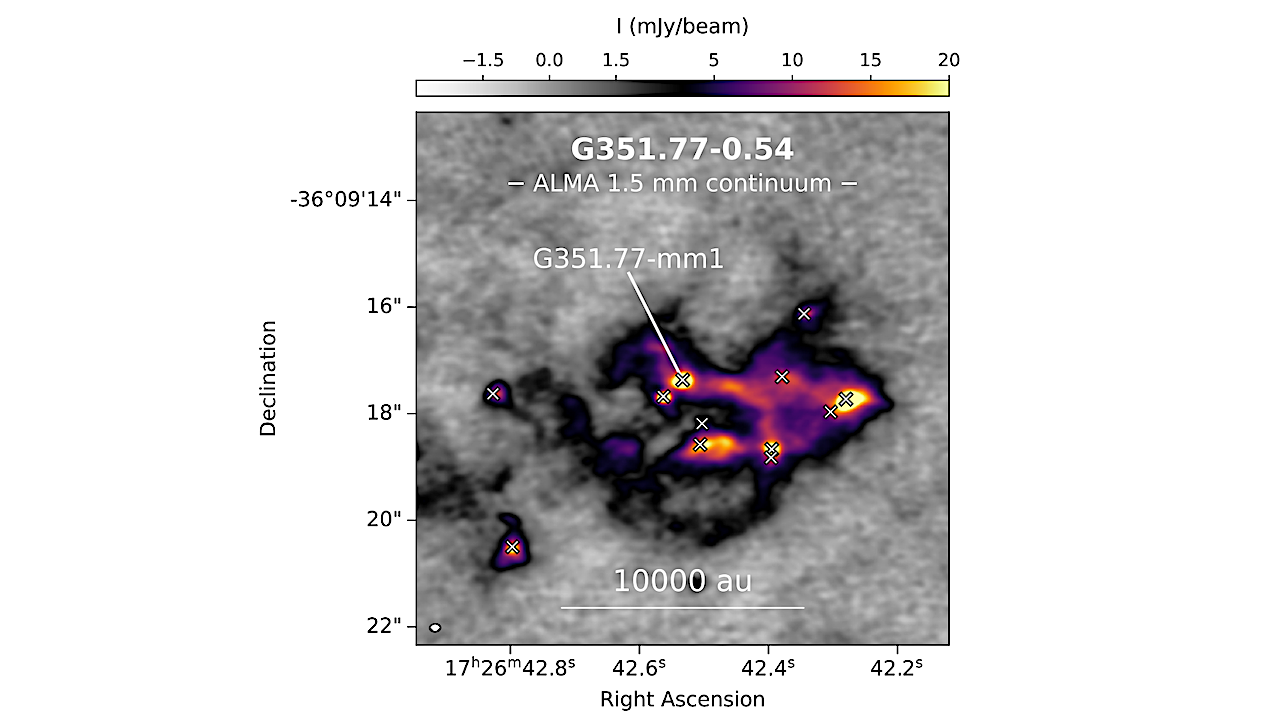
ALMA 1.5 mm continuum emission towards the G351.77−0.54 star-forming region. Crosses mark the positions of the mm continuum sources identified by H. Beuther et al. (2019). The synthesized beam of