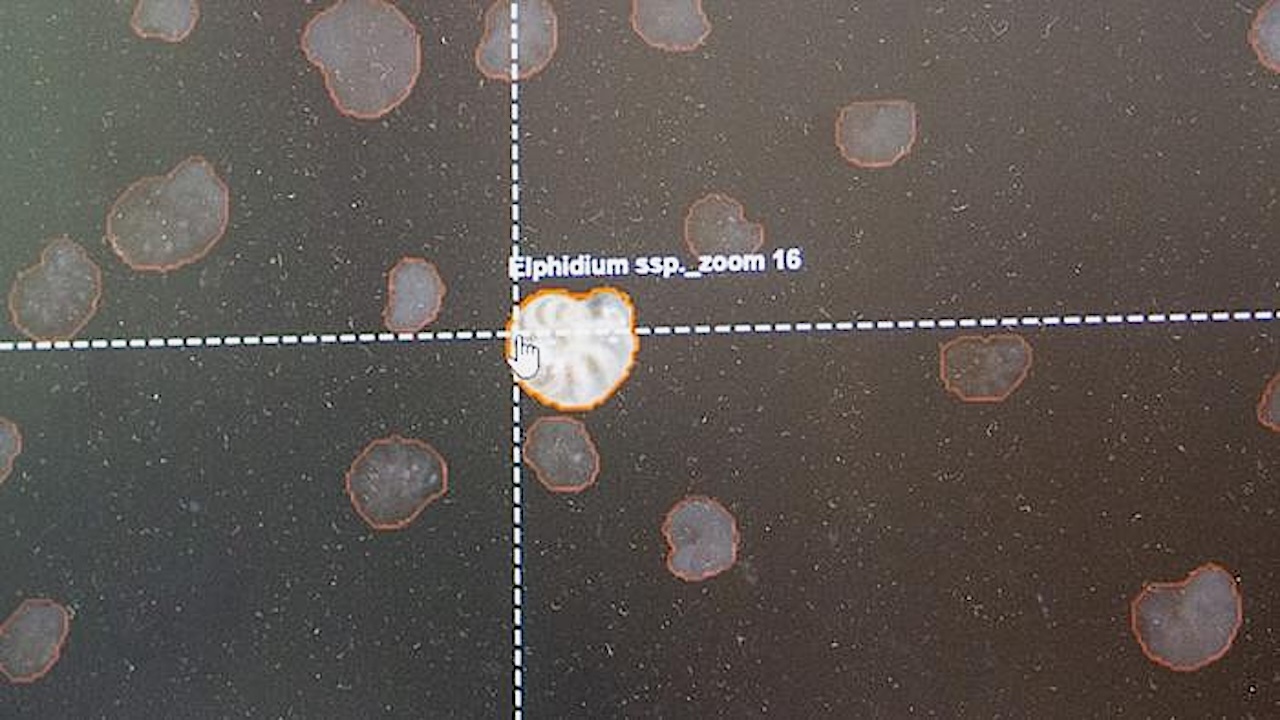
Credit Petter Bjørklund, Communications Officer at SFI Visual Intelligence and UiT The Arctic University of Norway Editor’s note: If we aspire to mount expeditions to new worlds and then embrace


Credit Petter Bjørklund, Communications Officer at SFI Visual Intelligence and UiT The Arctic University of Norway Editor’s note: If we aspire to mount expeditions to new worlds and then embrace
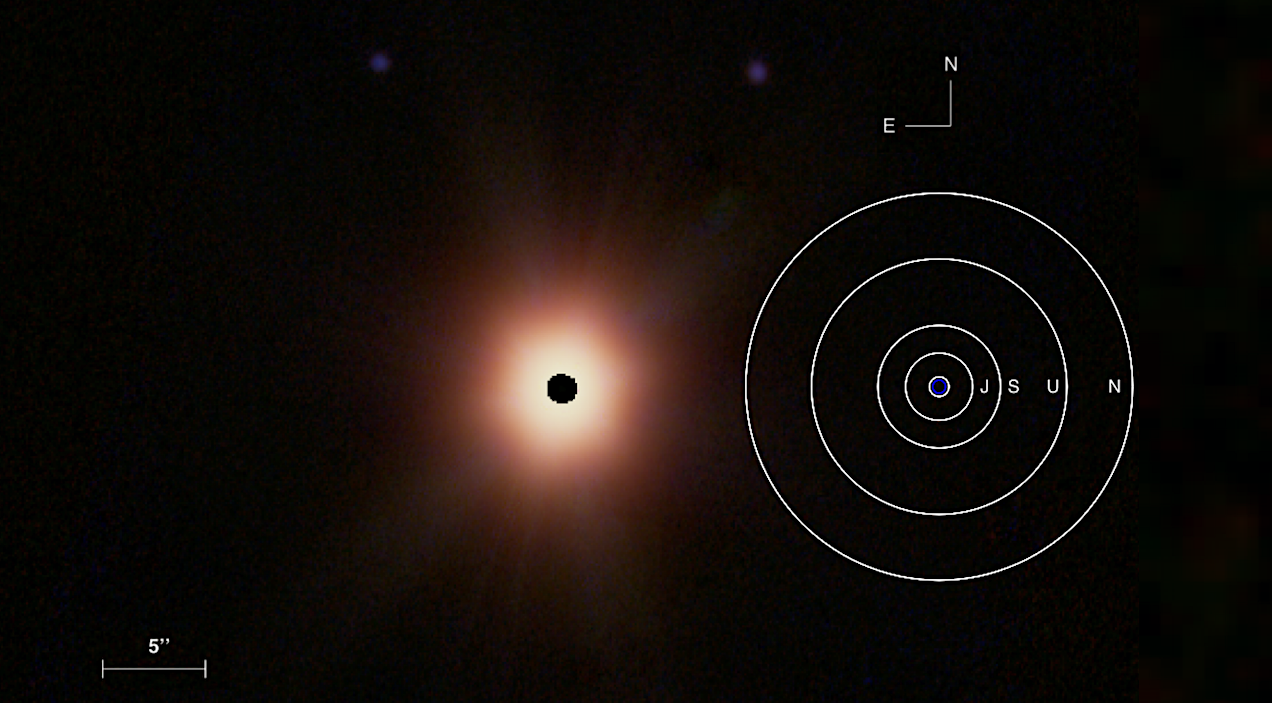
False-color combination image, using all four MIRI imaging wavelength bands. For scale, we display the spatial extent of the giant planets in the solar system, highlighting that we are spatially
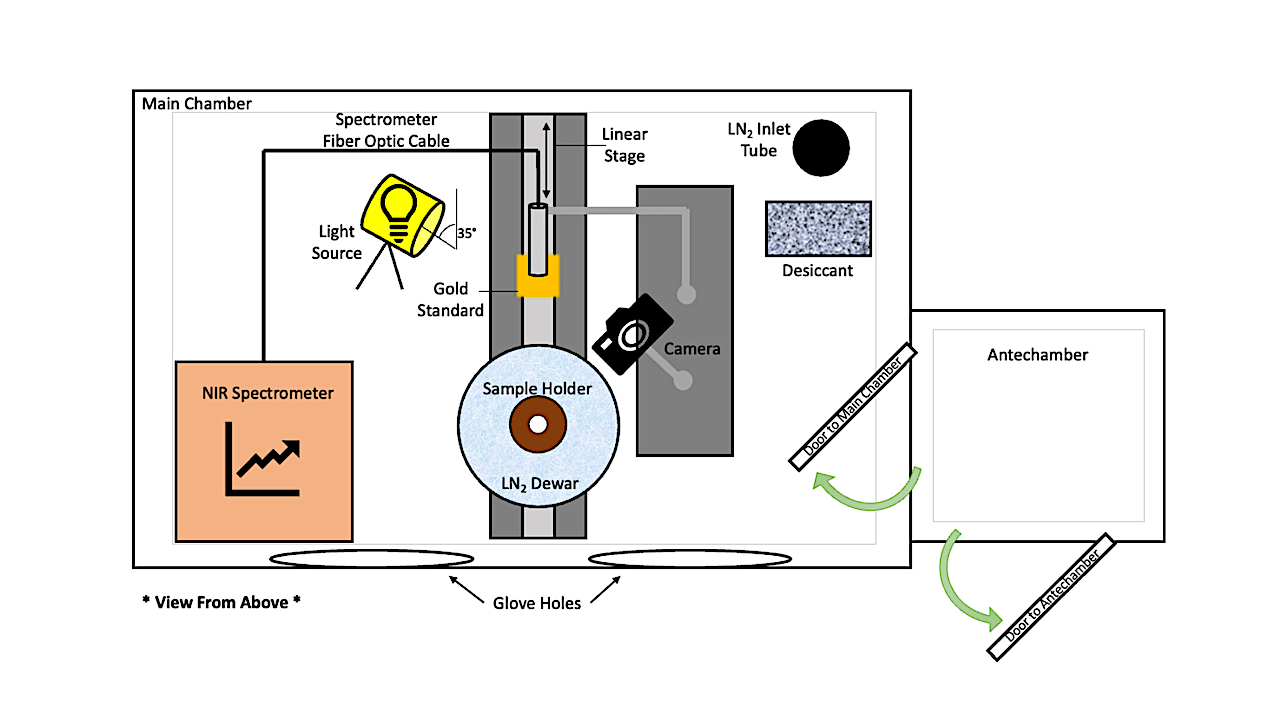
Block diagram of the CRONOS laboratory setup; dimensions are not necessarily to scale. All materials and equipment were given at least 30 minutes in the antechamber before moving into the
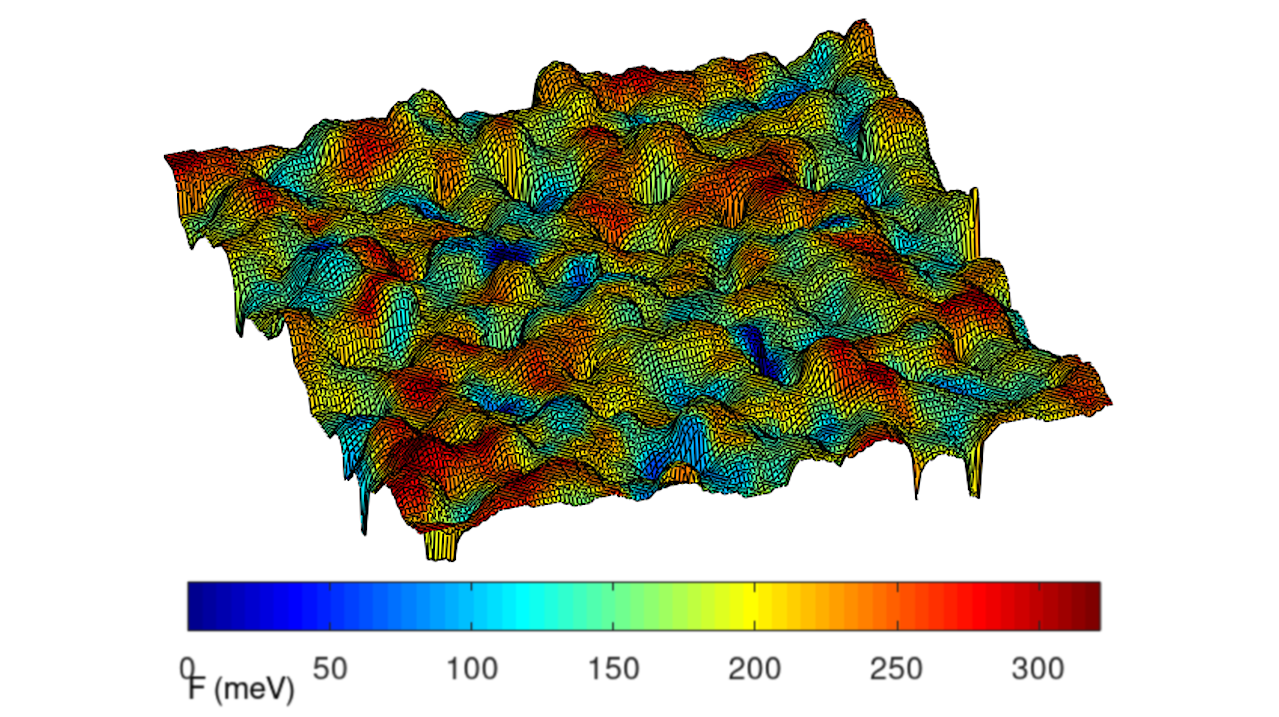
Result from a metadynamics simulation of the diffusion of a CO2 molecule over an ASW surface. The surface mesh indicates the van-derWaals surface of the ASW surface while the color
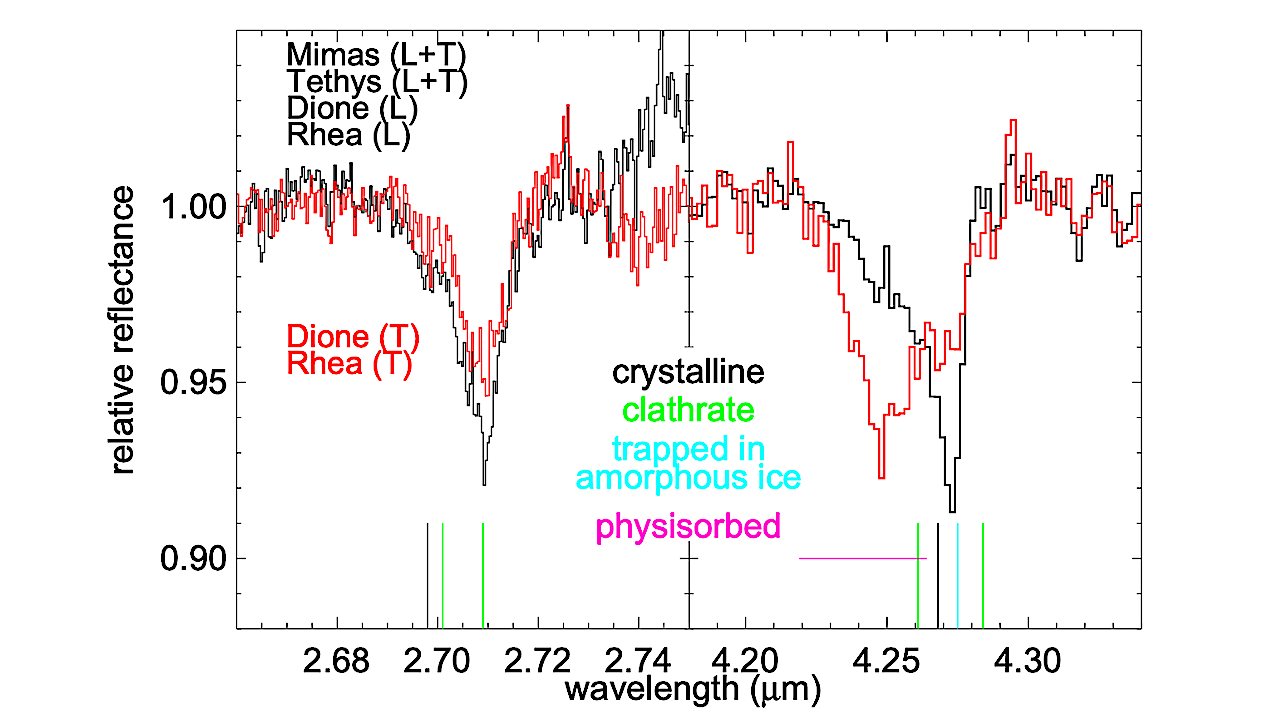
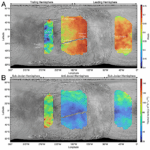
An average of the continuum-removed spectra of the leading and trailing hemispheres of Mimas and Tethys and the leading hemispheres of Dione and Rhea, in black, and of the trailing
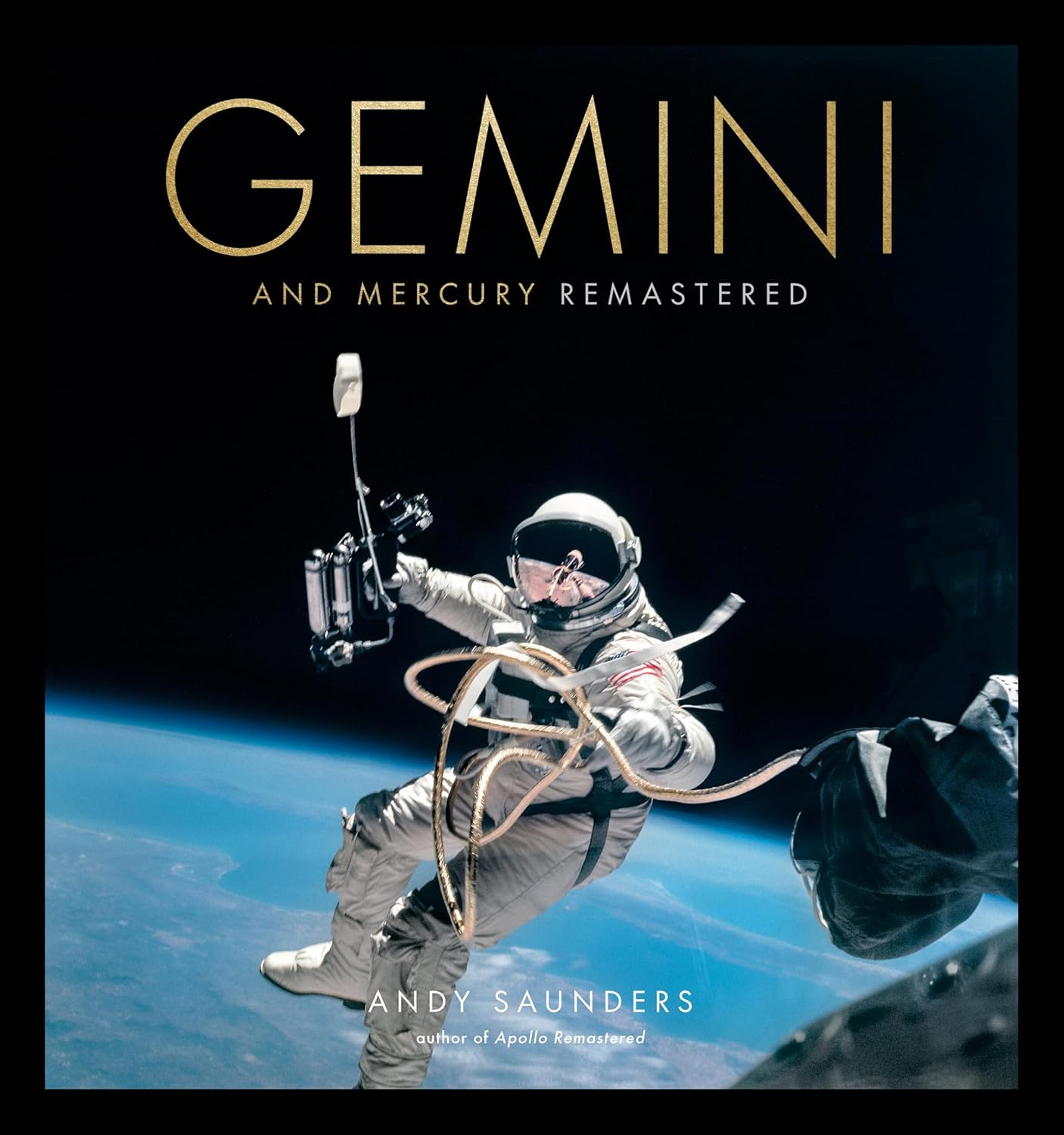
In a project of Herculean proportions, British author and historian Andy Saunders has returned to the NASA archives to follow up his epic “Apollo Remastered” photographic book from 2022 to
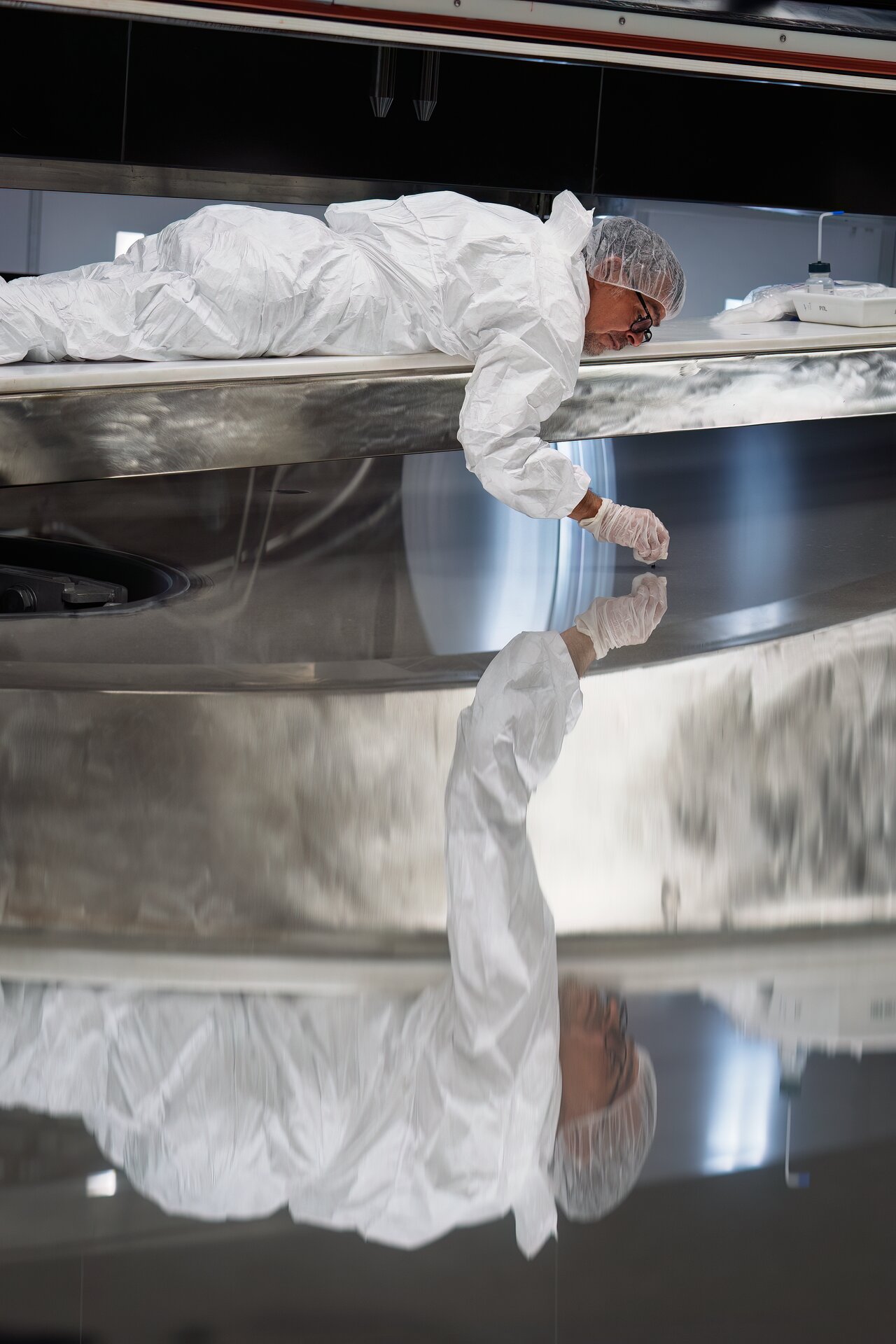
Night after night in the dry air of Chile’s Atacama Desert, fine dust and pollutants settle on the aluminum coating of the mirrors belonging to the Very Large Telescope, part
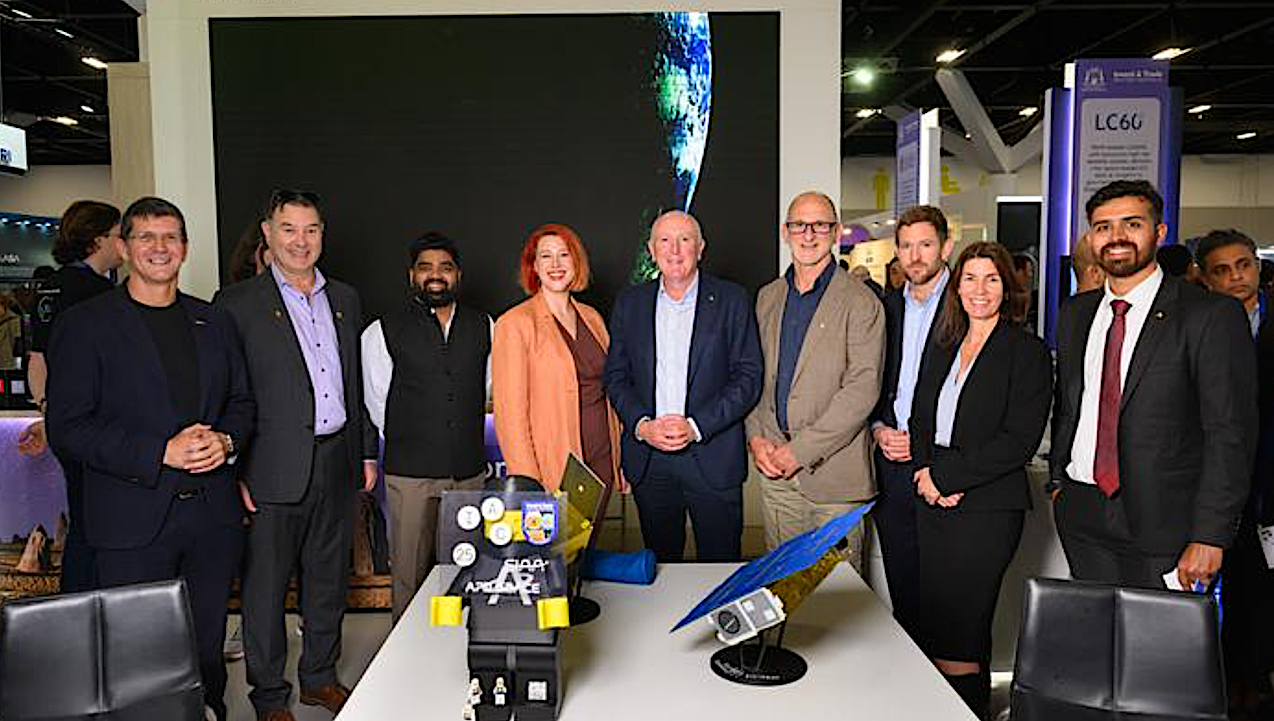
The LifeSpringsMars Working Group with The Hon Stephen Dawson MLC, WA Minister for Science and Innovation at the 75th International Astronautical Congress in Sydney; (l-r) Professor Paolo de Souza, Edith
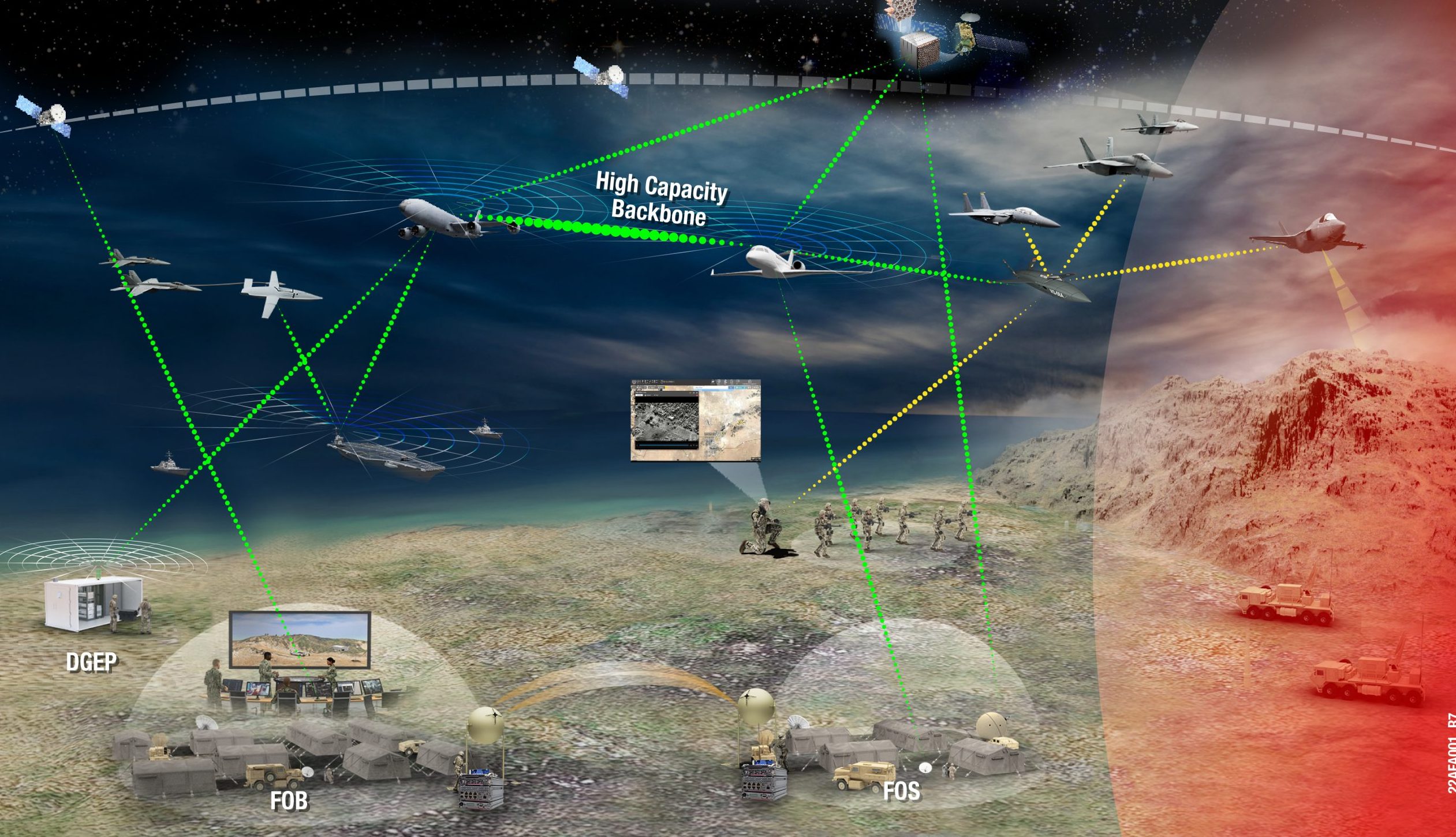
WASHINGTON — Cubic Defense is pursuing military customers for its flat-panel satellite communications terminal designed to operate across multiple orbits and networks. The San Diego-based military technology contractor developed a
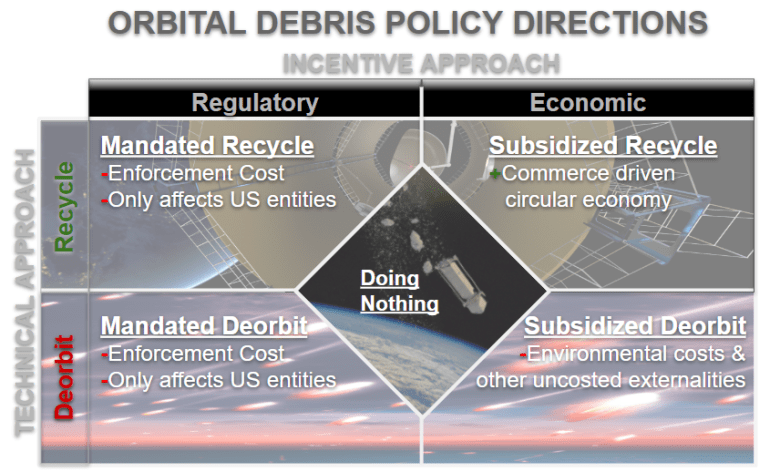
NASA plans to spend approximately $1 billion of taxpayer money to destroy the International Space Station (ISS) in 2030. The ISS contains over $1.5 billion worth of space-grade materials already