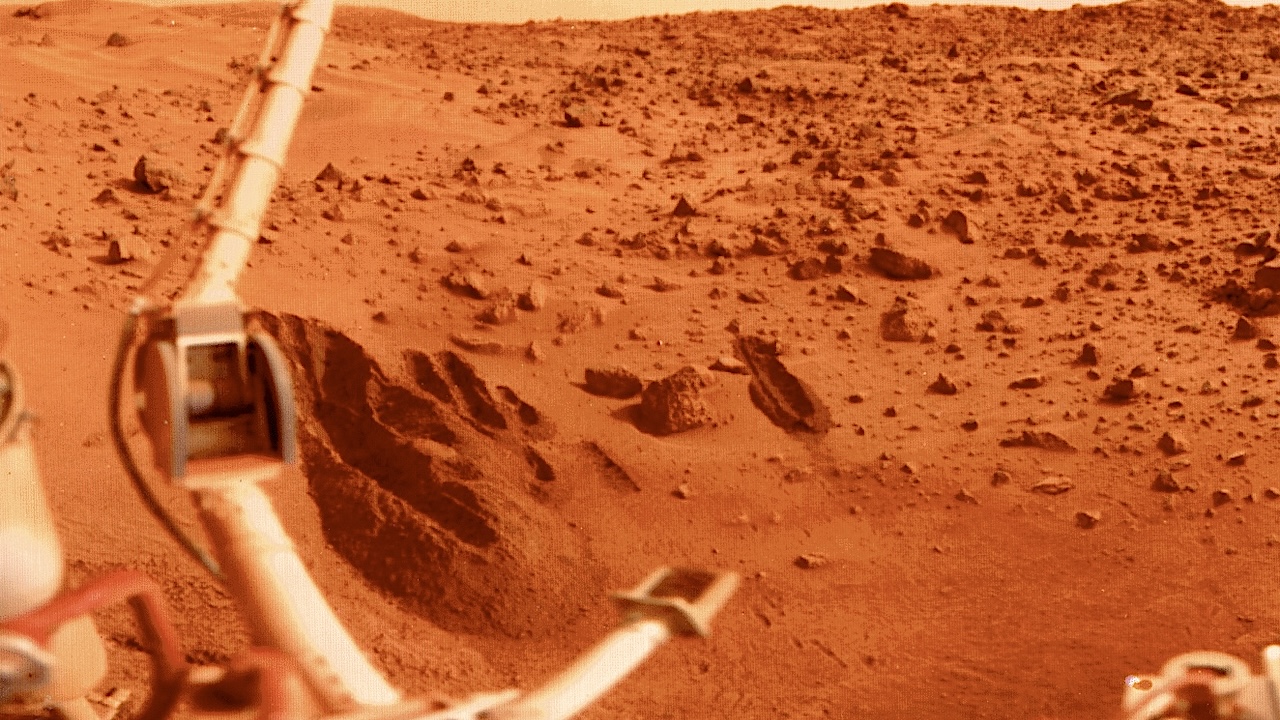
The Viking 1 Lander sampling arm created a number of deep trenches as part of the surface composition and biology experiments on Mars. The digging tool on the sampling arm


The Viking 1 Lander sampling arm created a number of deep trenches as part of the surface composition and biology experiments on Mars. The digging tool on the sampling arm
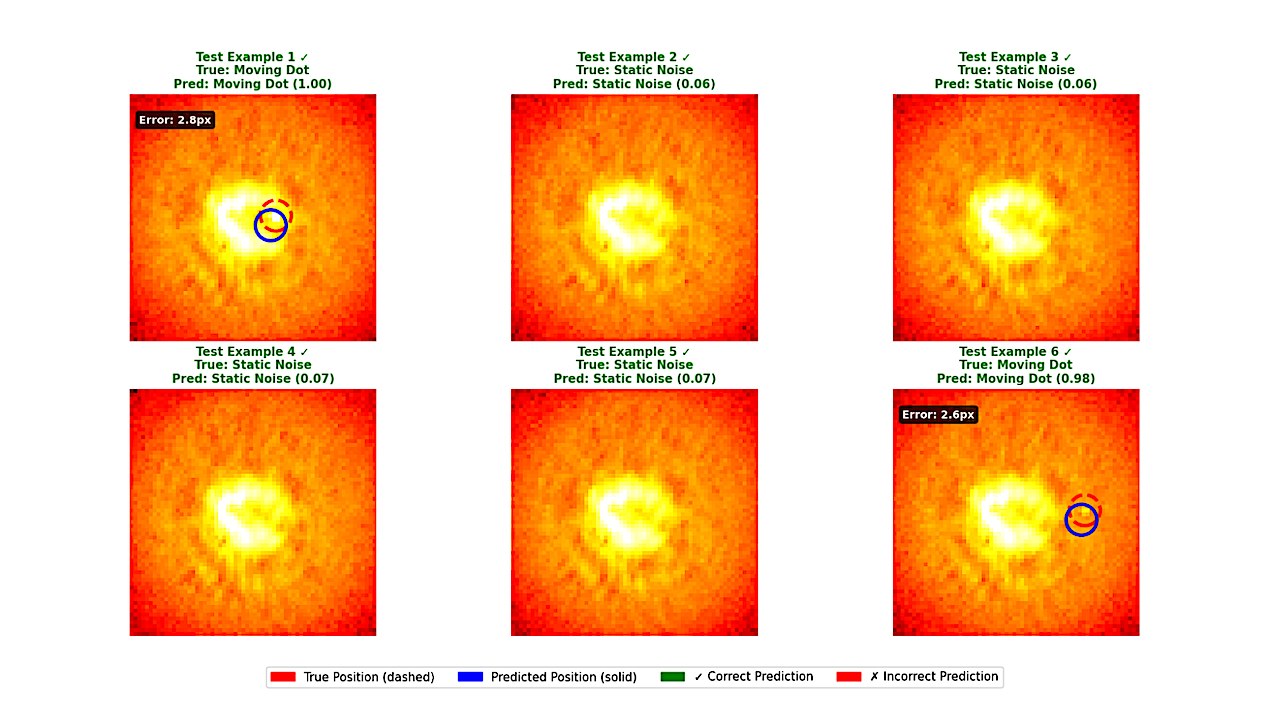
Model prediction on a test sequence from the semi-synthetic TW Hya dataset. The red circle indicates the true position of the injected planet in each frame. In the first frame,
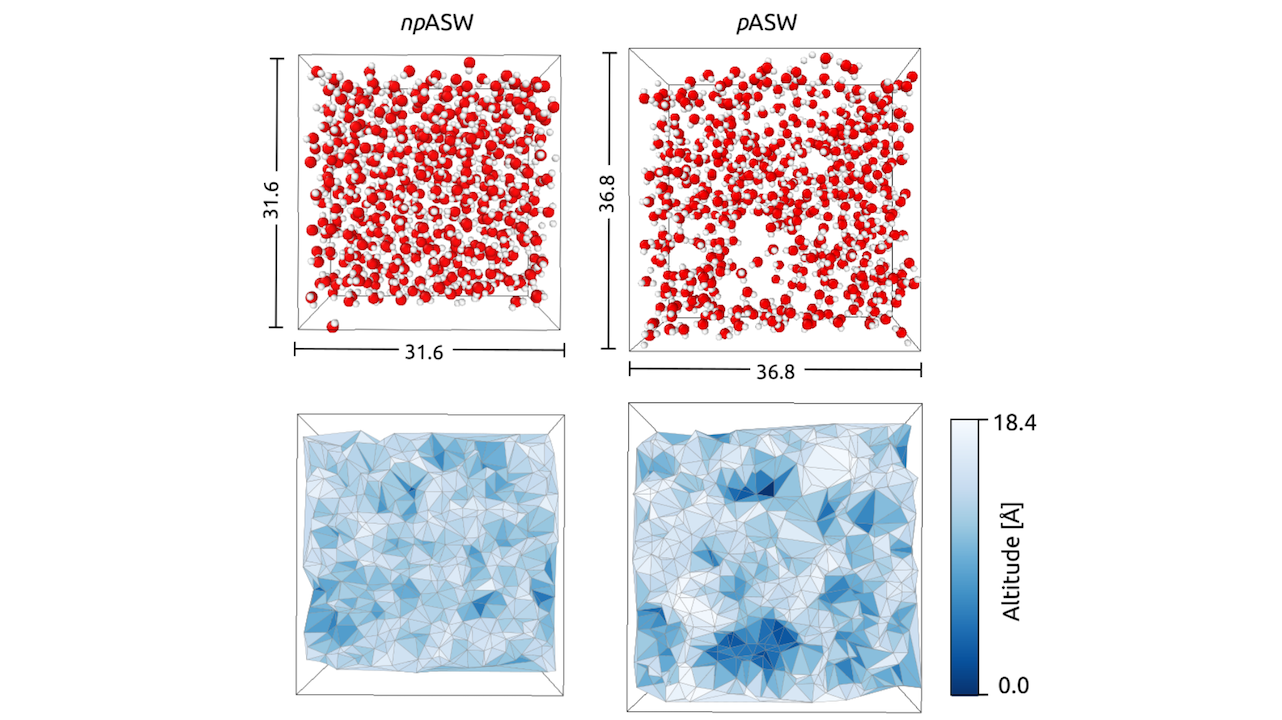
Upper panel: top view of one of the non-porous (npASW) (left) and porous (pASW) ice models. Each periodic surface contains 500 water molecules. Lower panel: altitude plot relative to the
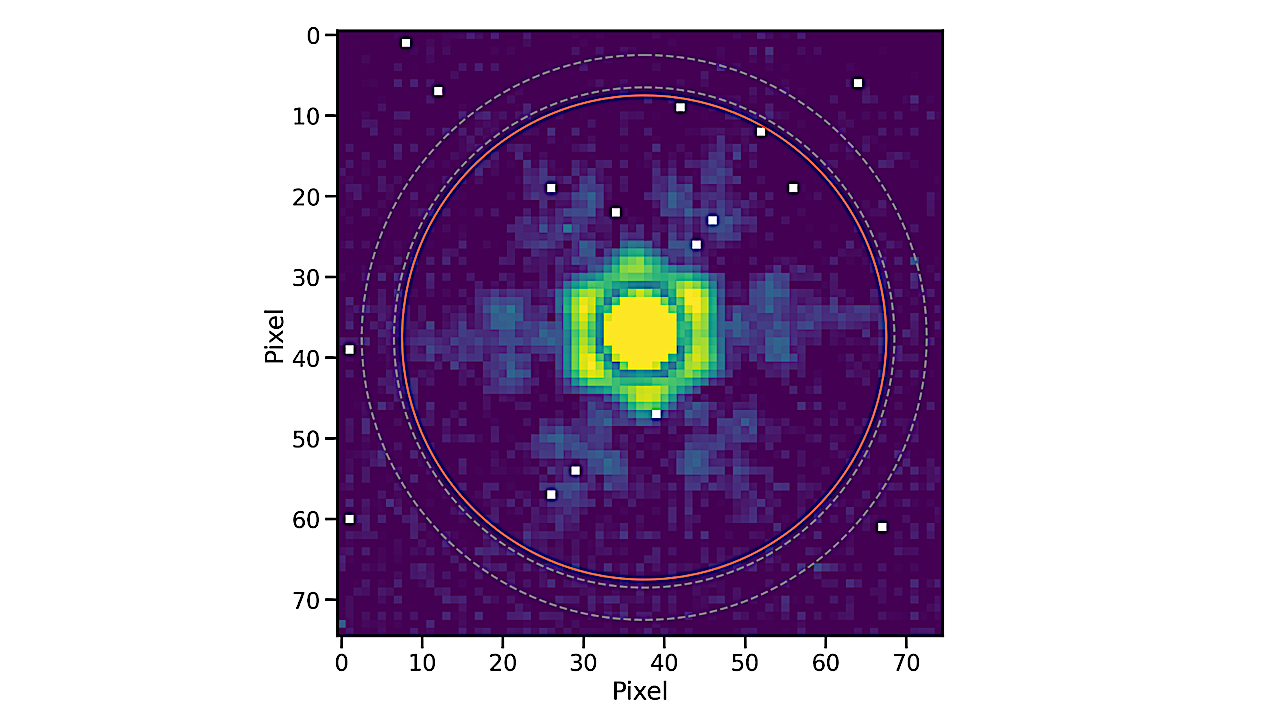
A single MIRI imaging integration of LTT 3780 b, taken from Observation 15, cut from 90 to 165 pixels in each direction of the whole frame. Shown in red is
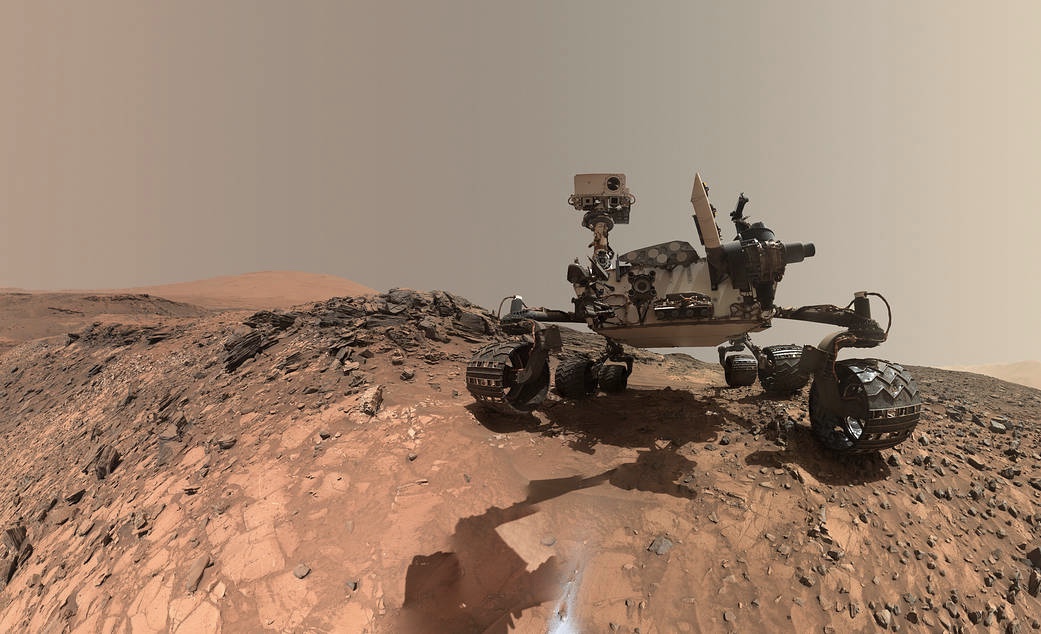
Scientists have taken a close look at our activity within the solar system to determine where to look for signals from intelligent alien life. The findings apply if those extraterrestrials
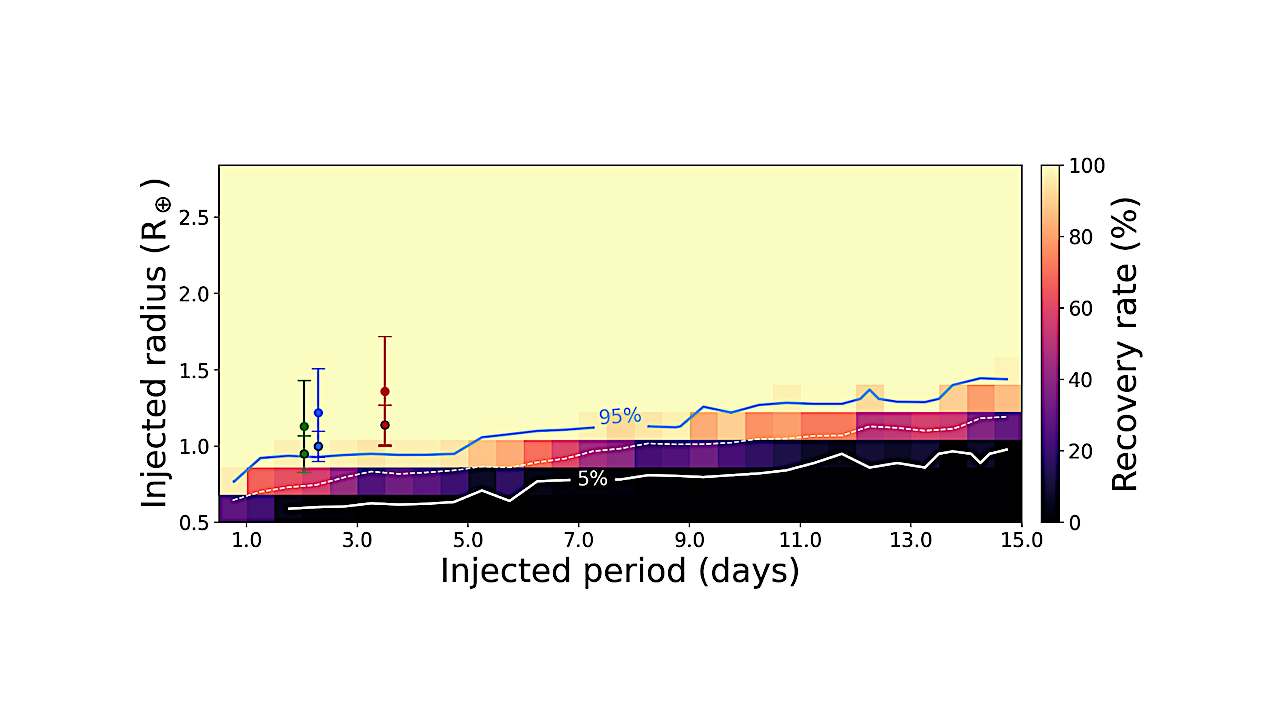
MATRIX injection-and-recovery experiment conducted to establish the detection limits using the ten TESS sectors described in Sect. 3.1. We explored a total of 18000 different scenarios, where each pixel evaluated
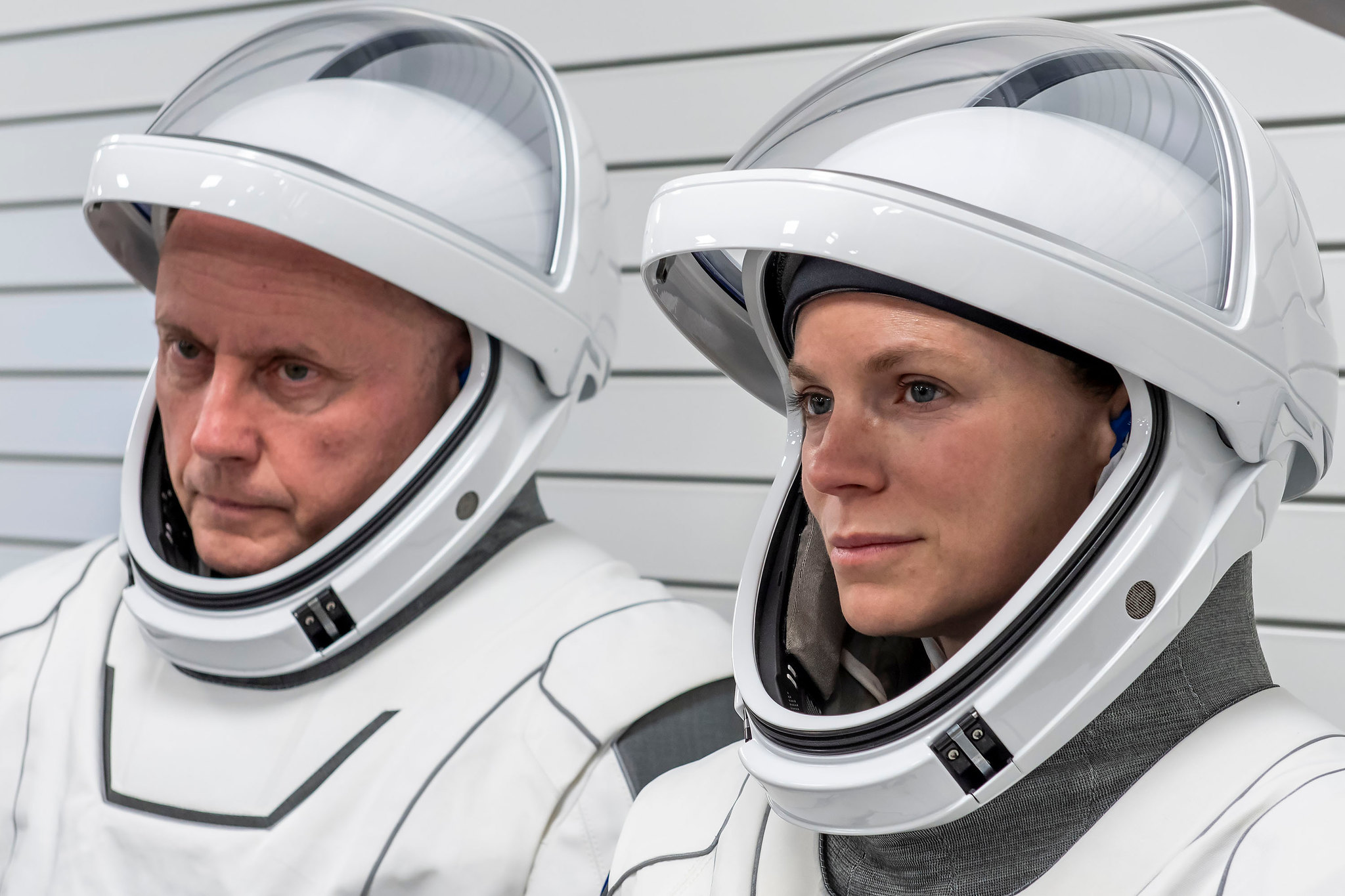
NASA astronauts Mike Fincke (left) and Zena Cardman photographed during training for their trip to the International Space Station at SpaceX facilities in Florida. Credit: SpaceX NASA astronauts Michael Fincke

Invasion Season 3 — “A Few Questions” Clip | Apple TV+ – YouTube Watch On Apple TV+’s “Invasion” Season 3 is rapidly approaching its launch on Friday, Aug. 22, 2025,

In this week’s episode of Space Minds, host David Ariosto speaks with Al Tadros, Chief Technology Officer at Redwire, to explore the future of space infrastructure and commercialization.
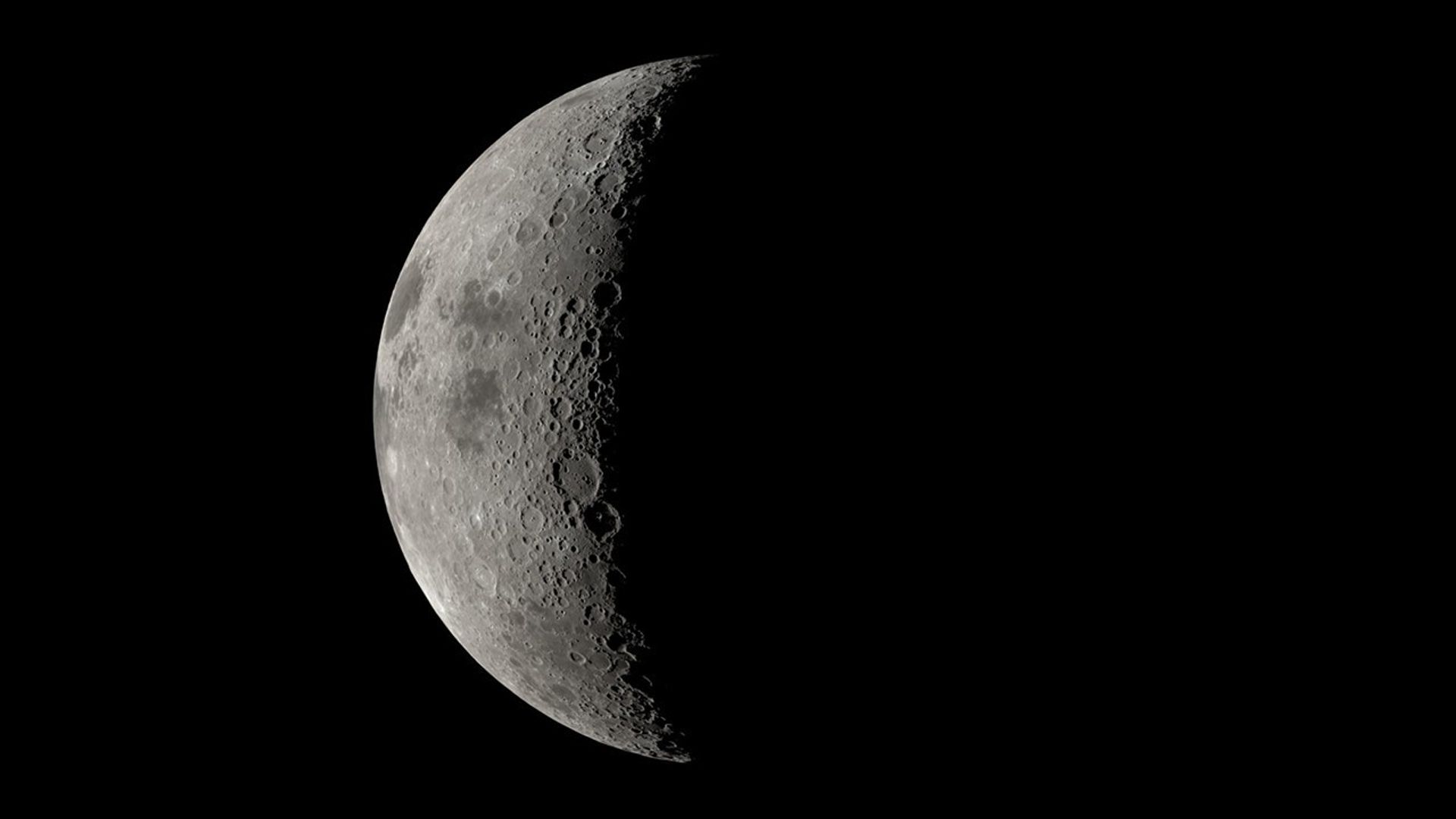
4 min read NASA’s Artemis II Lunar Science Operations to Inform Future Missions An image of the eastern hemisphere of the Moon as the Artemis II astronauts would see it