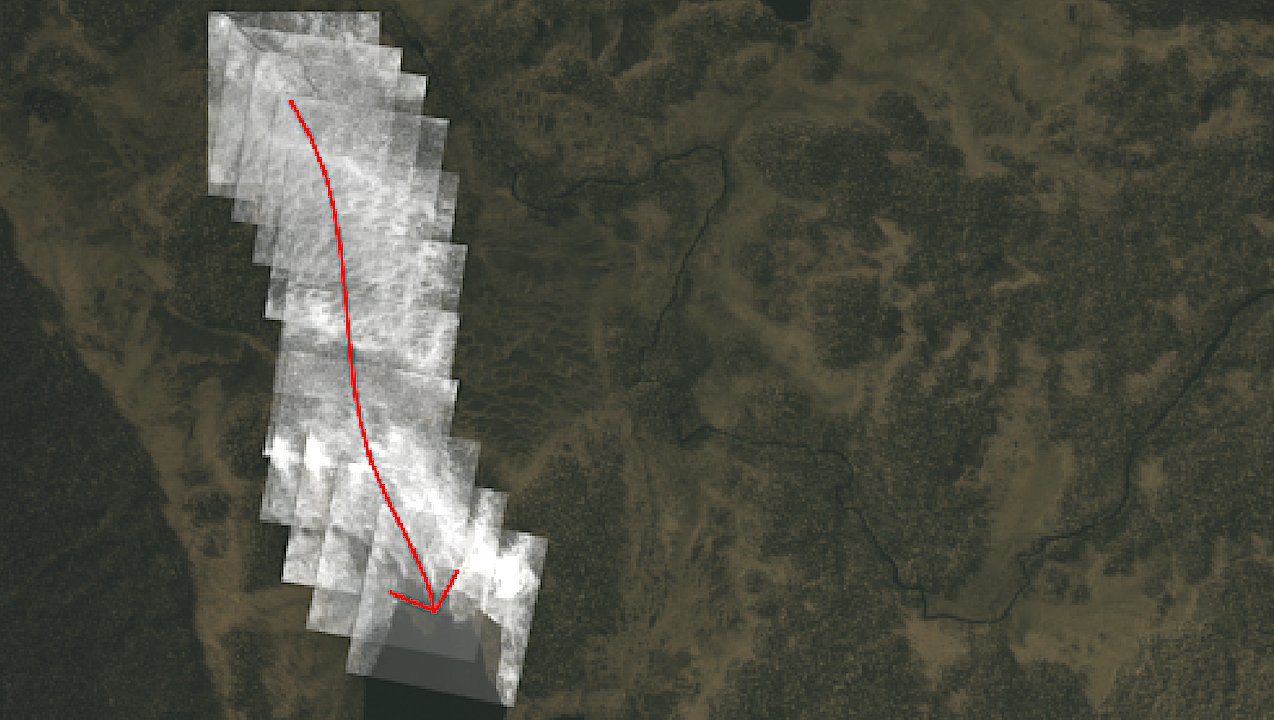
Shows the 0th order of CTIS images 11770-11800 overlaid on a corresponding RGB image during flight. The red arrow illustrates the motion of the balloon. – physics.ins-det Stratospheric High Altitude


Shows the 0th order of CTIS images 11770-11800 overlaid on a corresponding RGB image during flight. The red arrow illustrates the motion of the balloon. – physics.ins-det Stratospheric High Altitude
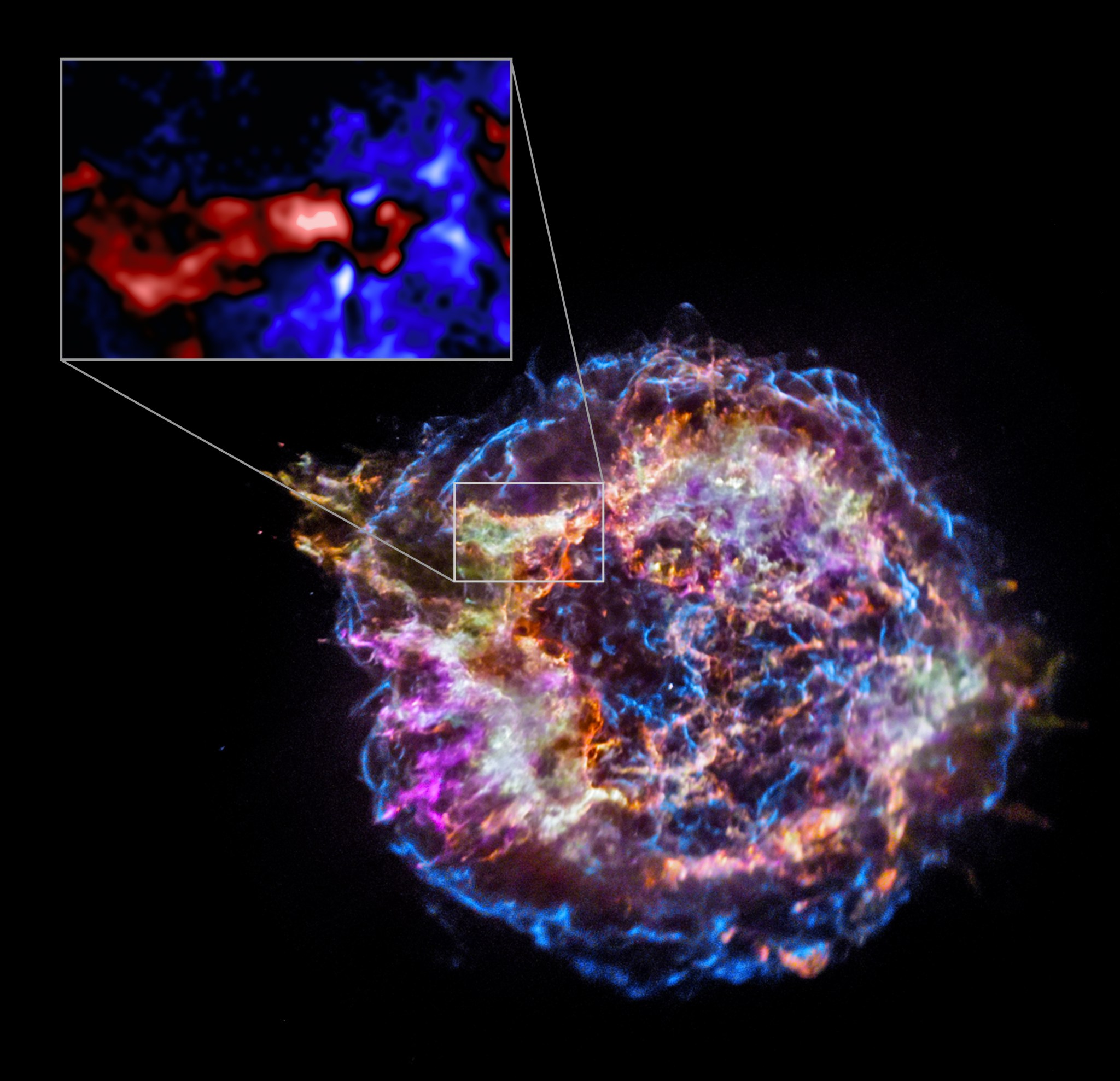
This graphic features data from NASA’s Chandra X-ray Observatory of the Cassiopeia A (Cas A) supernova remnant that reveals that the star’s interior violently rearranged itself mere hours before it
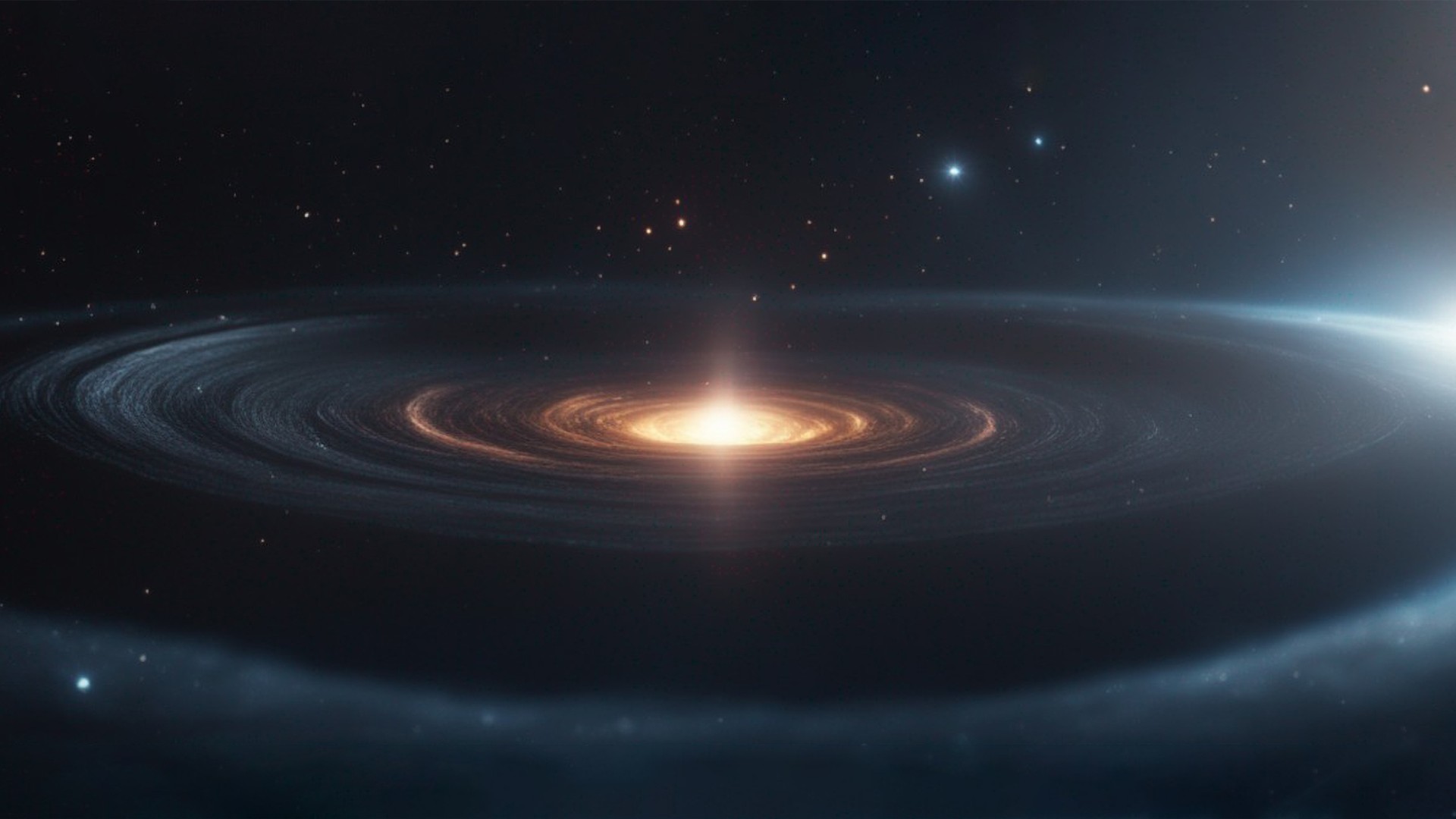
Deep in the first moments of the Big Bang, the entire cosmos shook and rumbled. Those quakes still reverberate to the present day. It will take the most sensitive instruments
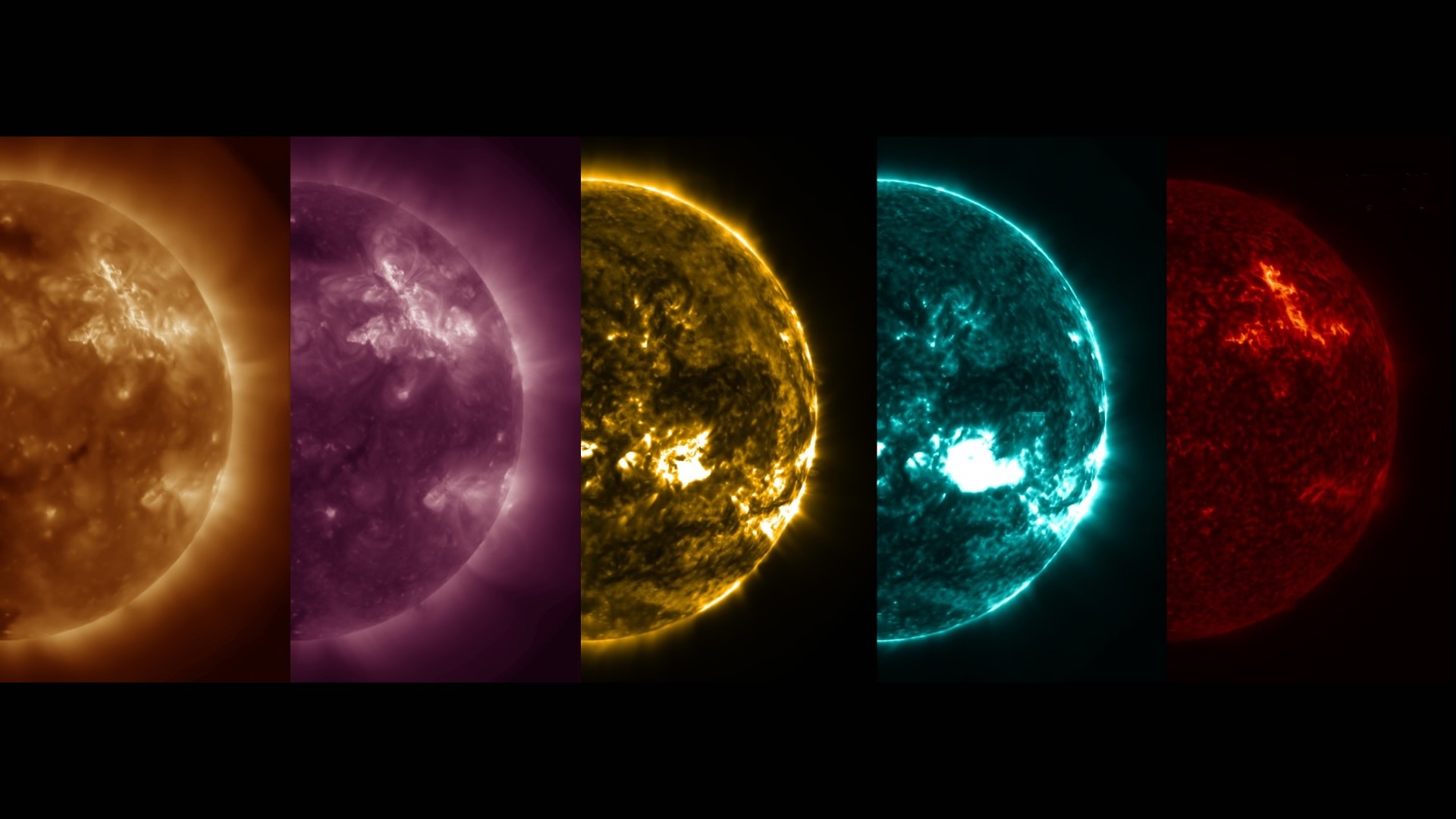
A first-of-its kind AI-powered model attempts to better predict space weather and its impacts. The model — called Surya, for the Sanskrit word for “sun,” was put together by NASA
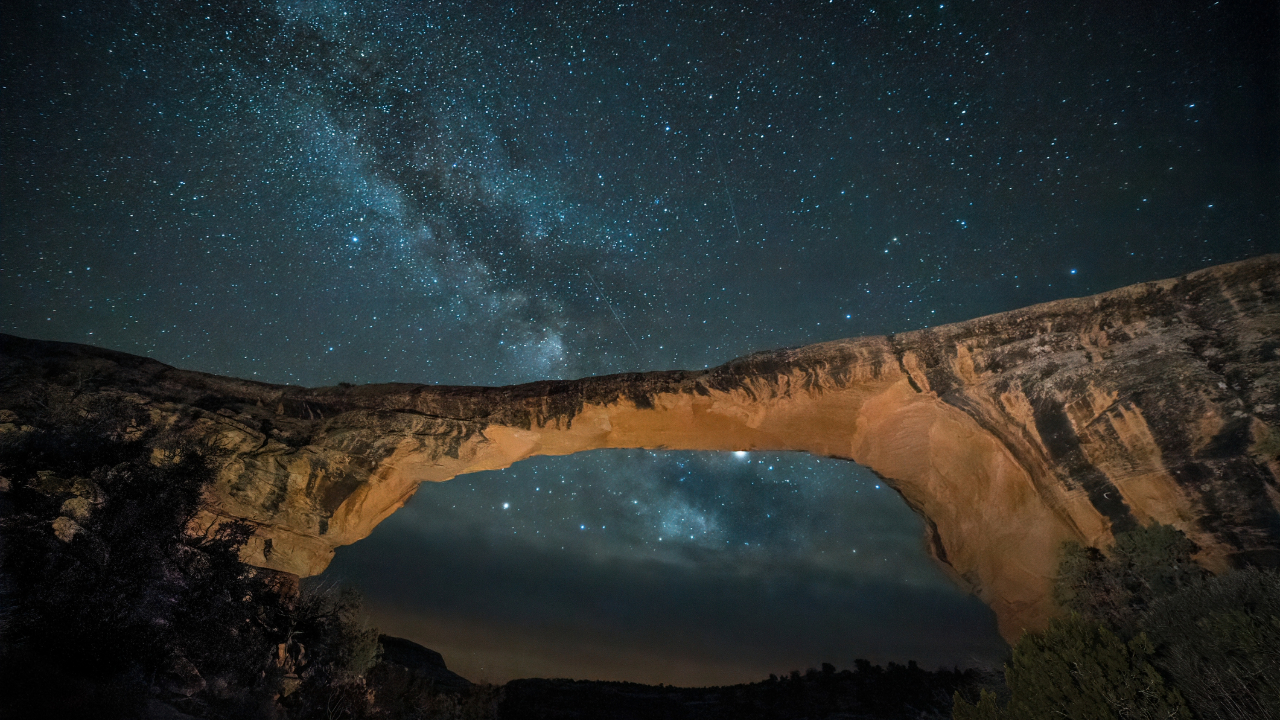
When was the last time you stood under a truly dark sky? Today, the LED glare of streetlights, security lamps and car headlights overwhelms starlight for most of us. More
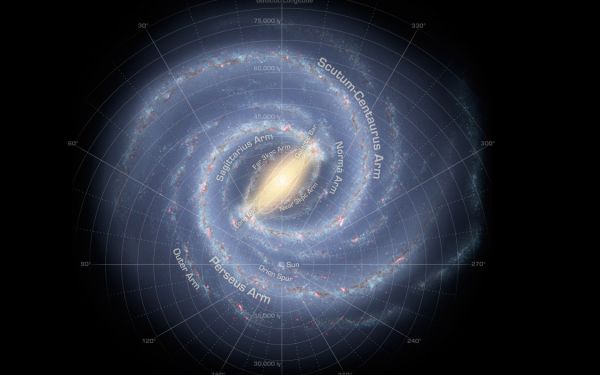
For stargazers and astrophotographers in the northern hemisphere, summer is the best time to observe and photograph our cosmic neighborhood, the Milky Way galaxy. The summer months of June, July
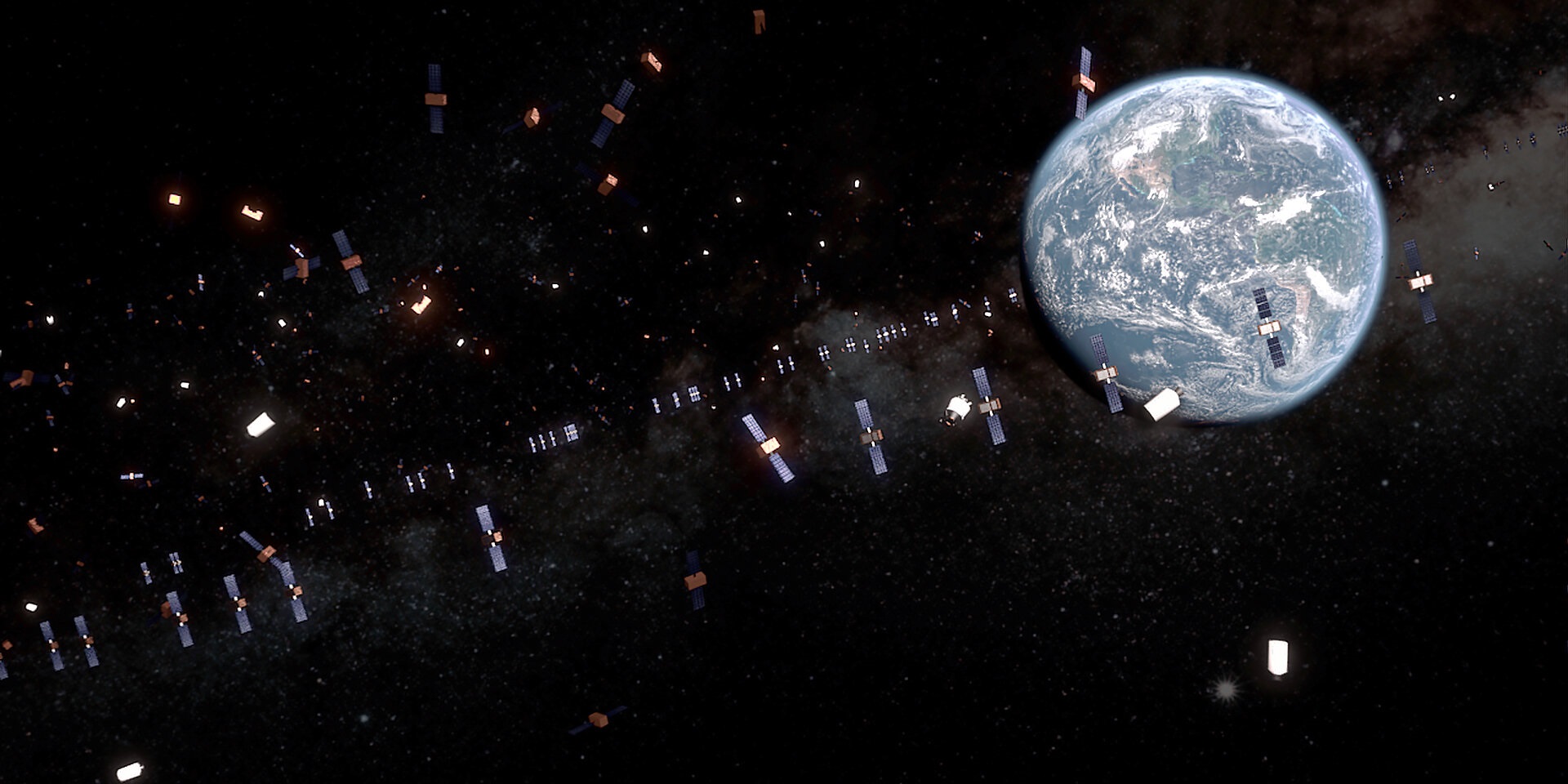
WASHINGTON — Rocket Lab’s newly acquired subsidiary Geost has secured an expansion of a U.S. Space Force contract to produce two optical payloads for missions in geostationary orbit. To continue
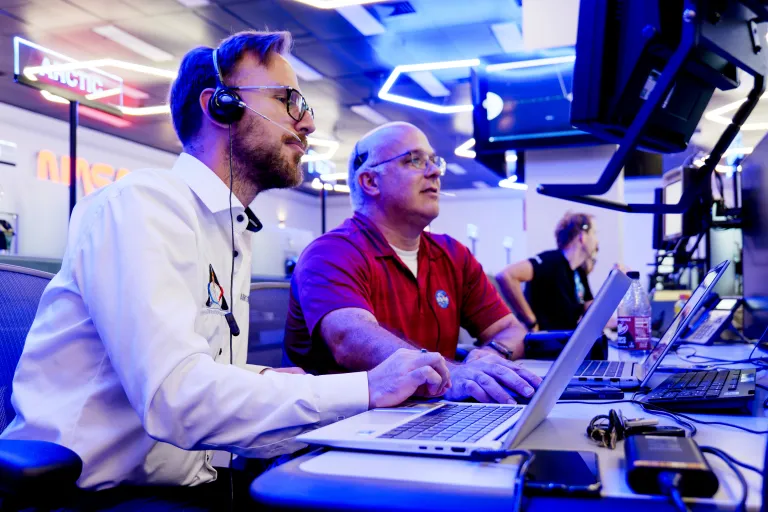
With shiny new next-generation spacecraft come the complex systems required to track their technologically advanced systems. When it comes to NASA’s Orion spacecraft, that need is a whole extra room
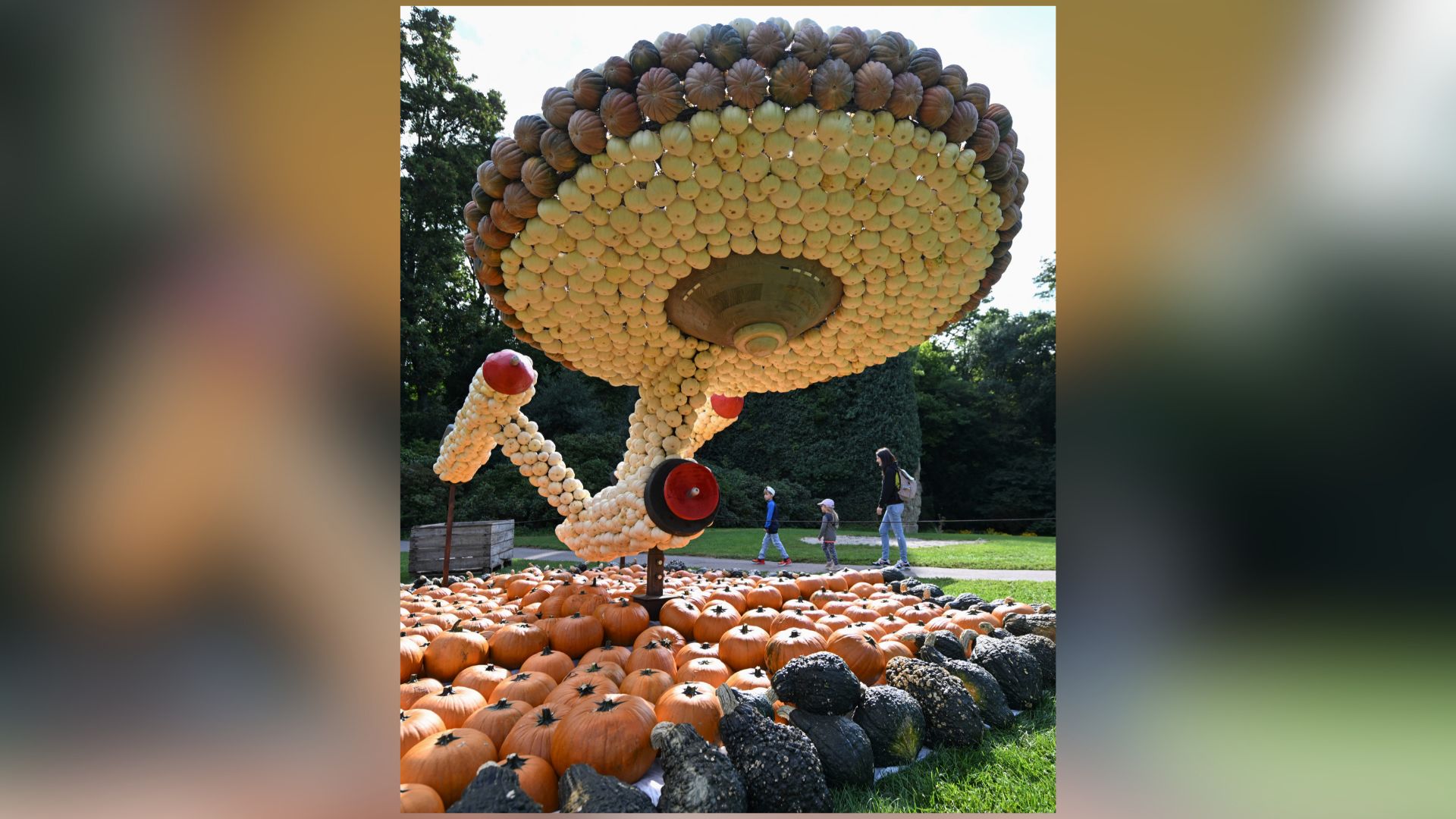
Every autumn, Ludwigsburg Castle in Germany transforms its grounds to host the world’s largest pumpkin exhibition. Every year brings its own theme. For 2025, the focus was “Big Movies,” which
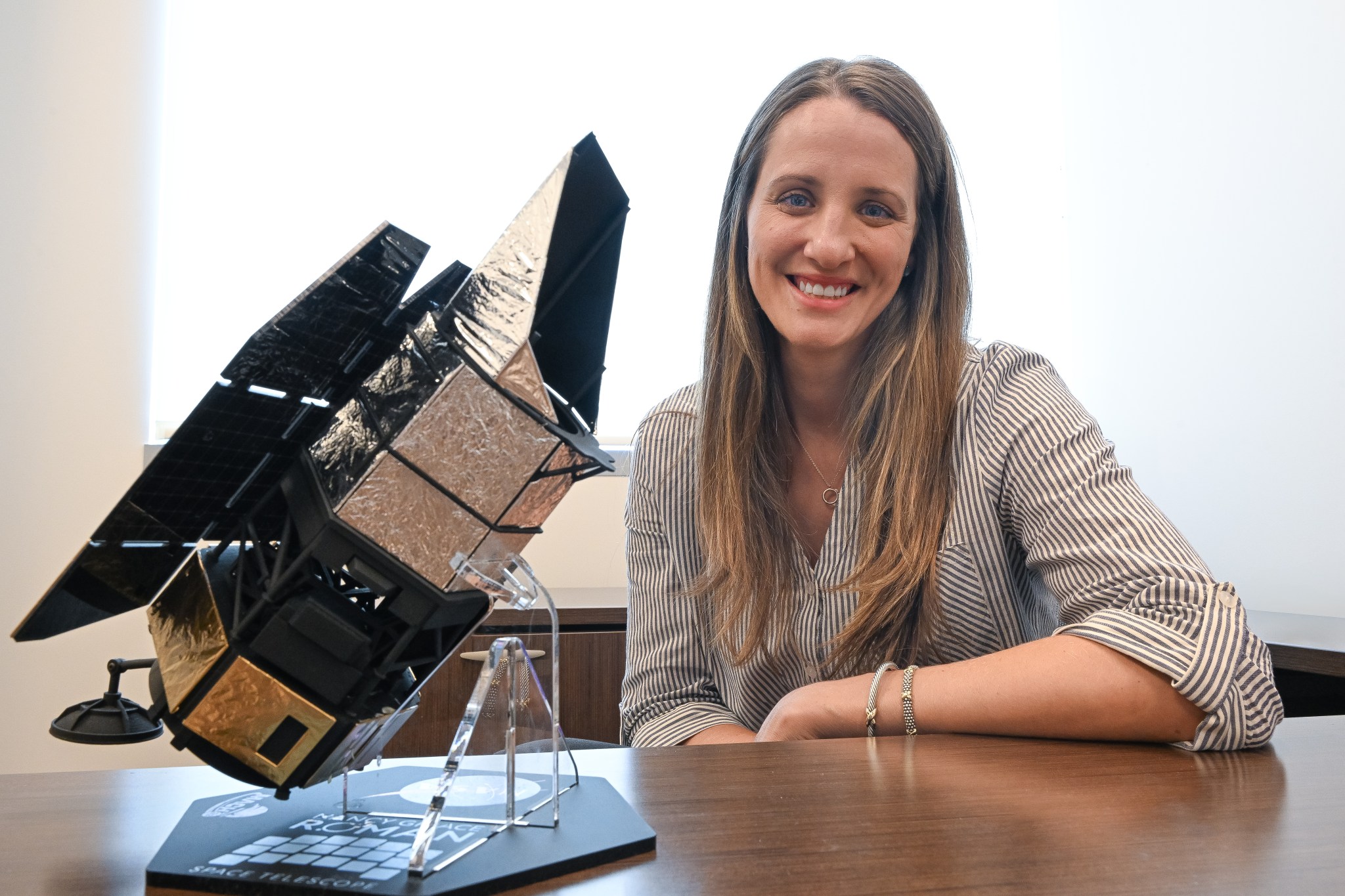
Deputy Project Manager for Resources – Goddard Space Flight Center Katie Bisci, photographed here with a model of NASA’s Nancy Grace Roman Space Telescope, Credit: NASA/Jolearra Tshiteya How are you