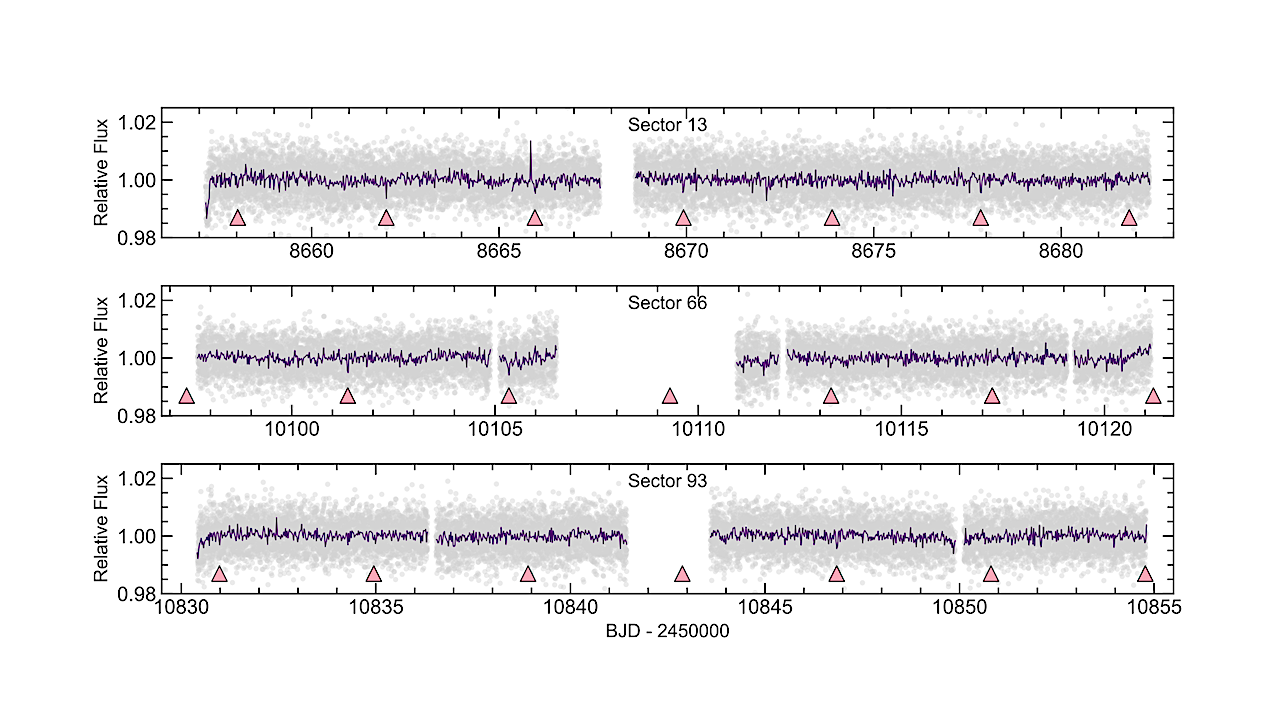
Normalized TESS light curve. The 45 967 individual photometric points are shown in grey. The purple line shows the 30 minute binned flux. The transits of TOI-1080 b are marked


Normalized TESS light curve. The 45 967 individual photometric points are shown in grey. The purple line shows the 30 minute binned flux. The transits of TOI-1080 b are marked
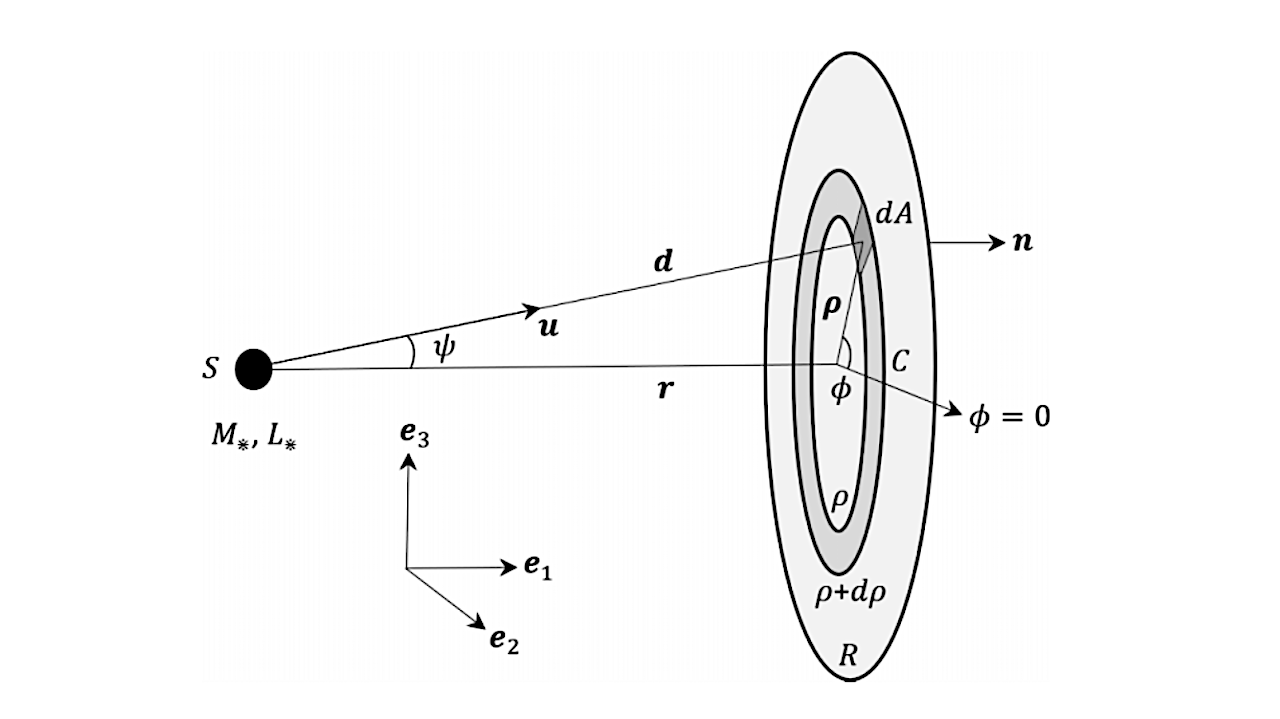
Reflecting disc of radius R at distance r from a body of mass M and luminosity L. — astro-ph.SR A range of speculative space ventures envisage the use of ultra-large
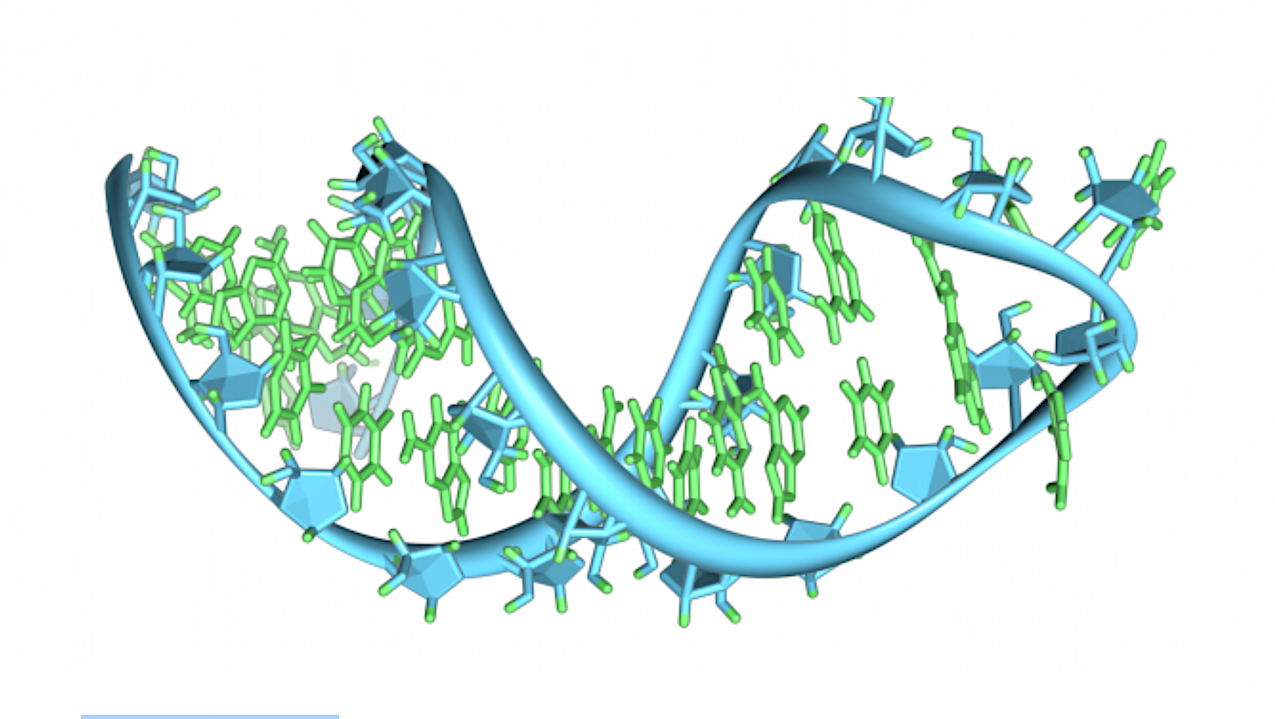
Artist’s impression of RNA. Image credit: Vossman/Wikipedia Commons via NASA The origin of life is a complex scientific problem demanding interdisciplinary approaches. We propose a Linear Logic (LL)-based computational framework
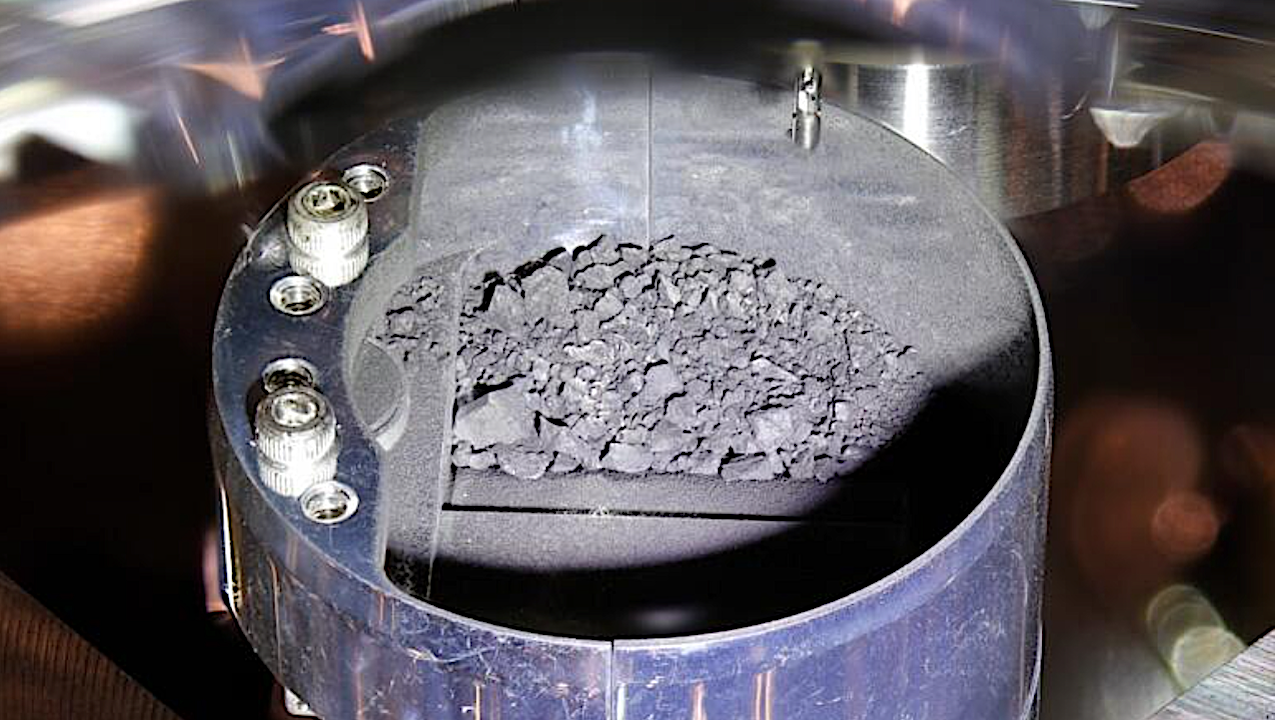
Hayabusa2 Asteroid samples — JAXA To uncover the history of our solar system, it is necessary to study the dynamic evolution of the ancient solar nebula materials. These materials interacted

2 min read Preparations for Next Moonwalk Simulations Underway (and Underwater) NASA NASA’s Advanced Air Vehicles Program (AAVP) studies, evaluates, and develops technologies and capabilities for new aircraft systems and
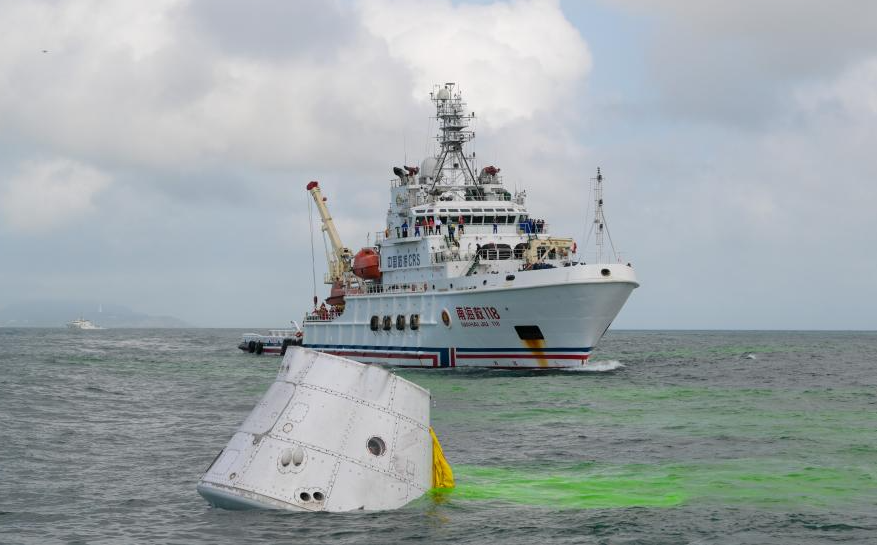
China is gearing up for additional testing of its Mengzhou crew capsule following a promising splashdown exercise conducted last month. In tandem with these developments, both commercial operators and state-run
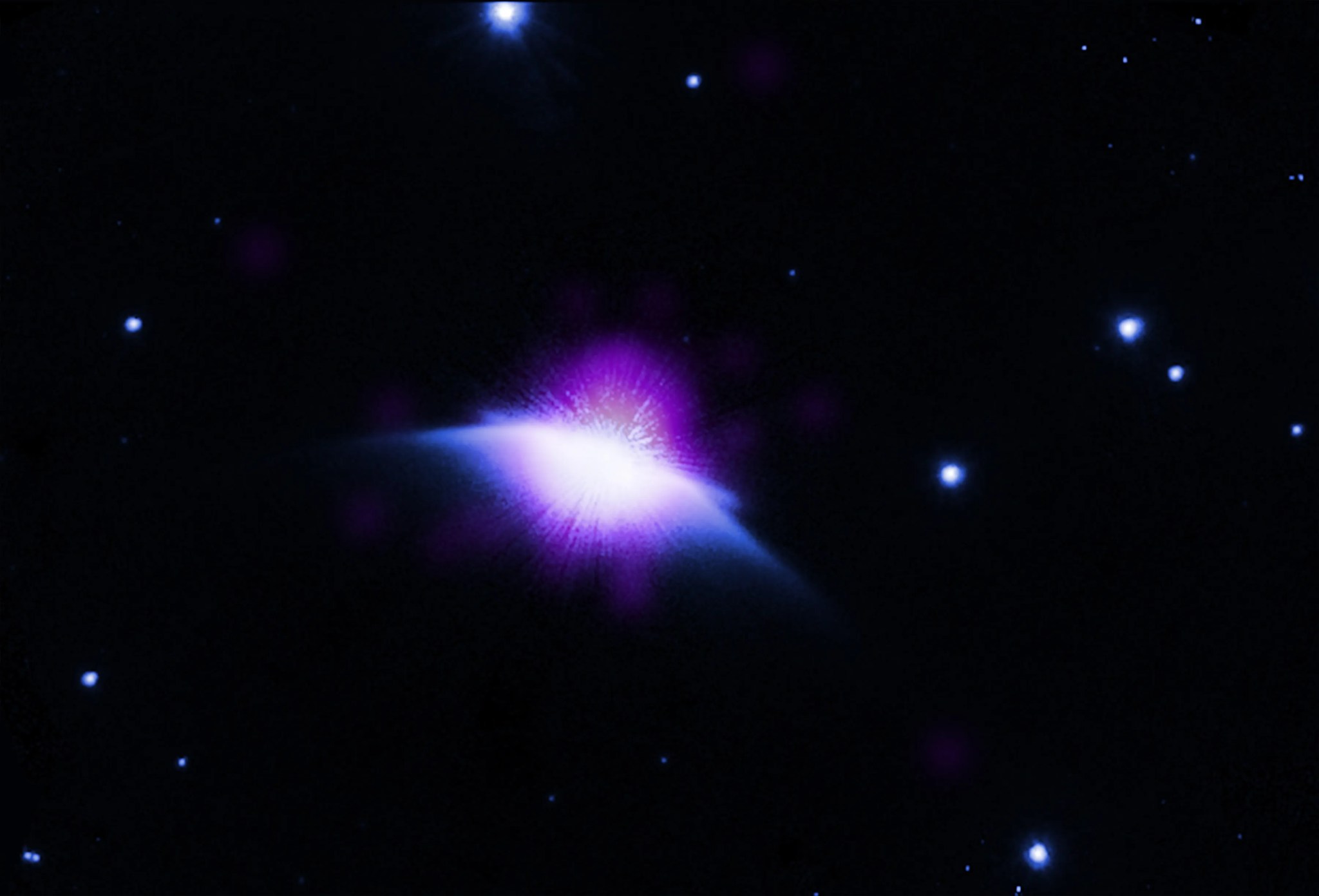
X-ray: NASA/CXC/John Hopkins Univ./C.M. Lisse et al.; Infrared: NASA/ESA/STIS; Image Processing: NASA/CXC/SAO/N. Wolk For the first time, a young, Sun-like star has been caught red-handed blowing bubbles in the galaxy,
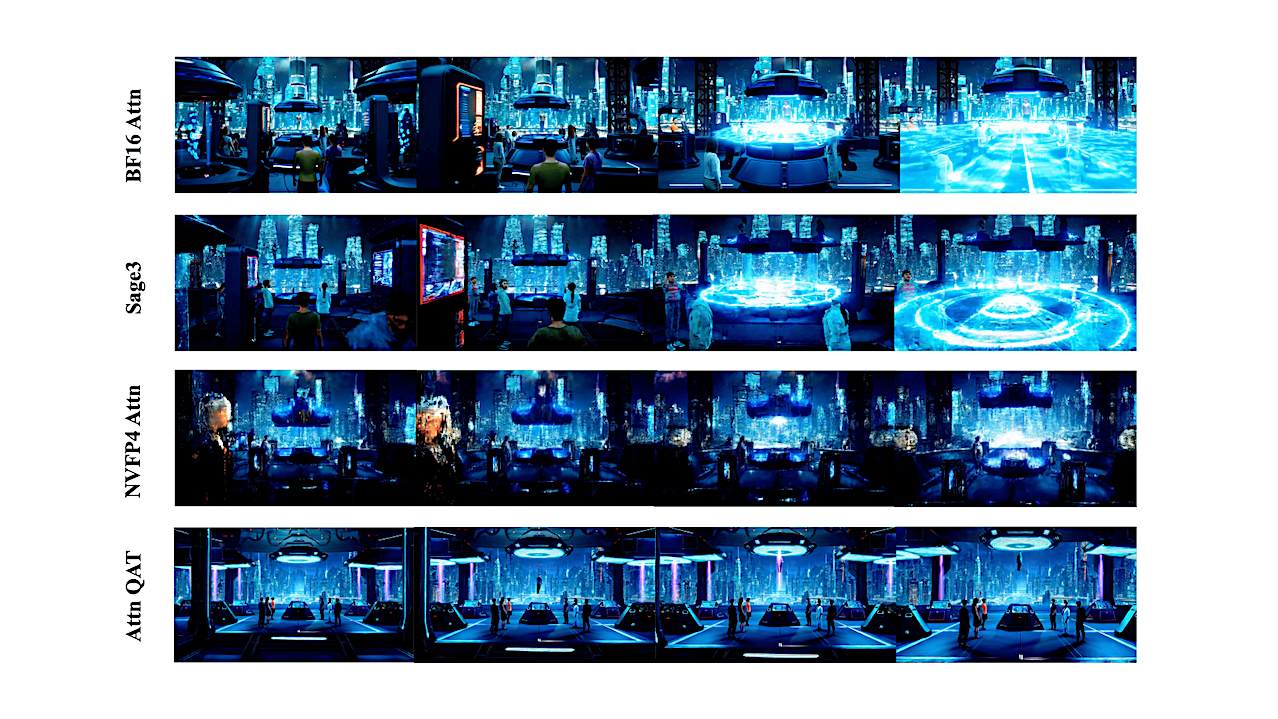
In a futuristic world where teleportation technology has become a reality, a bustling cityscape filled with towering skyscrapers and advanced architecture stands in the background. Amidst this backdrop, a group
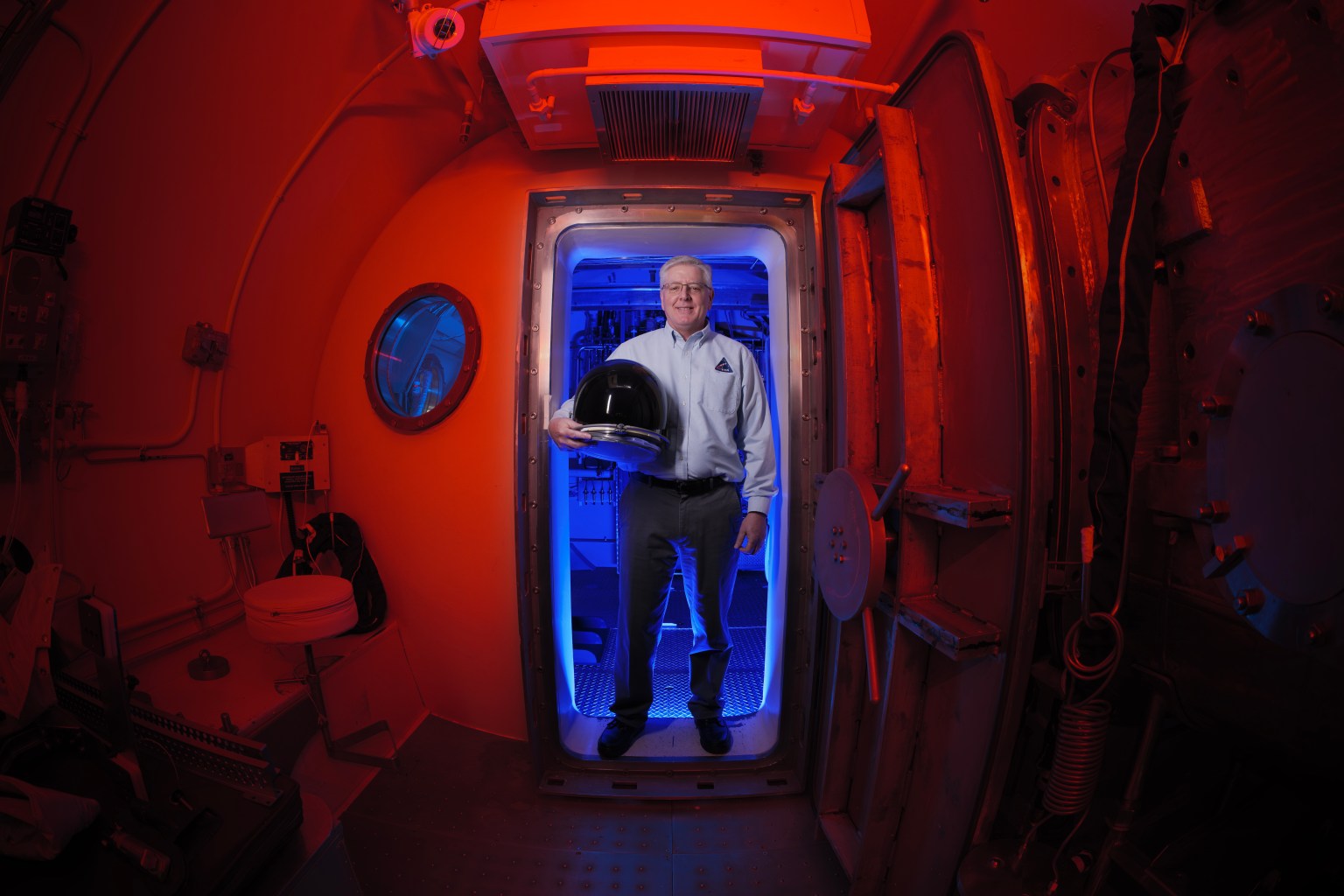
3 Min Read I Am Artemis: Paul Boehm Paul Boehm, Orion crew support and thermal systems functional area manager, stands in the Orion Life Support Integration Facility (OLIF) at NASA’s Johnson

TAMPA, Fla. — British startup Mutable Tactics has raised $2.1 million in pre-seed funding to develop AI software enabling groups of military drones to operate autonomously, even when satellite navigation