WASHINGTON — The House Appropriations Committee on June 9 dropped its draft fiscal 2026 defense spending bill, proposing a flat $831.5 billion topline as lawmakers move forward without a full


WASHINGTON — The House Appropriations Committee on June 9 dropped its draft fiscal 2026 defense spending bill, proposing a flat $831.5 billion topline as lawmakers move forward without a full
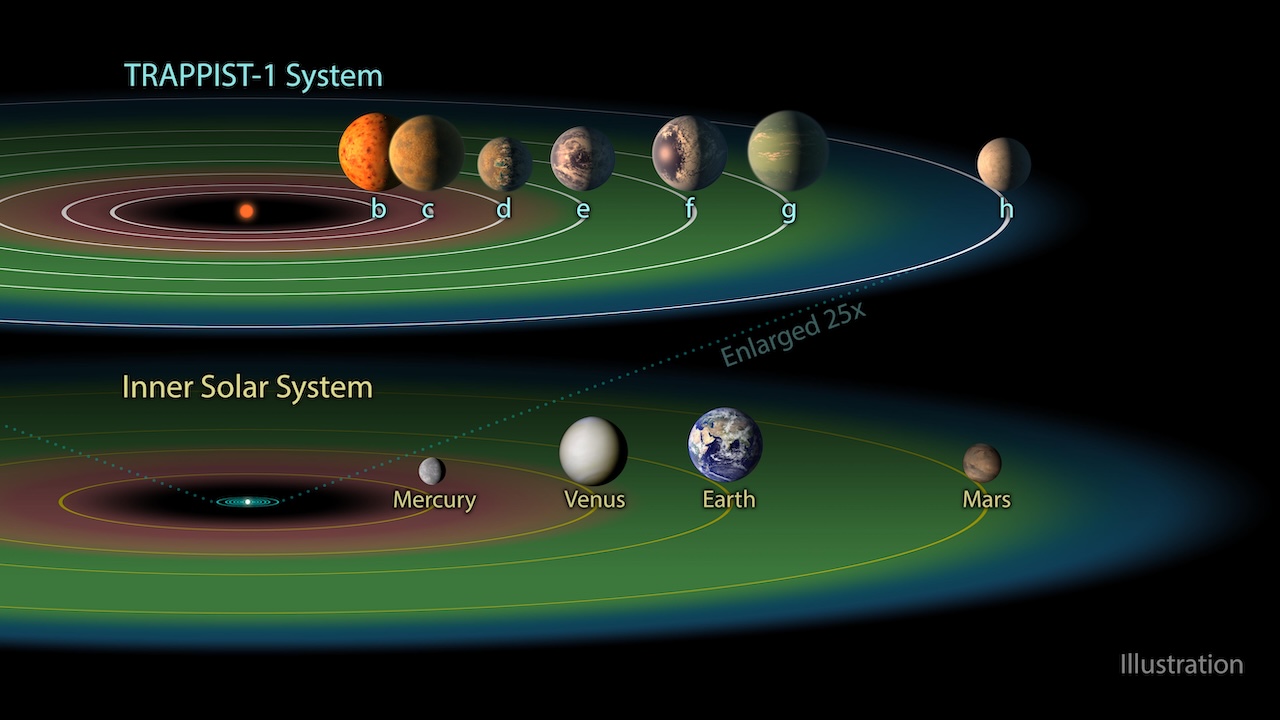
TRAPPIST-1 System contains multiple rocky planets in very tight orbits. In contrast, our solar system is much more expansive and has no planets inside the orbit of Mercury. — NASA
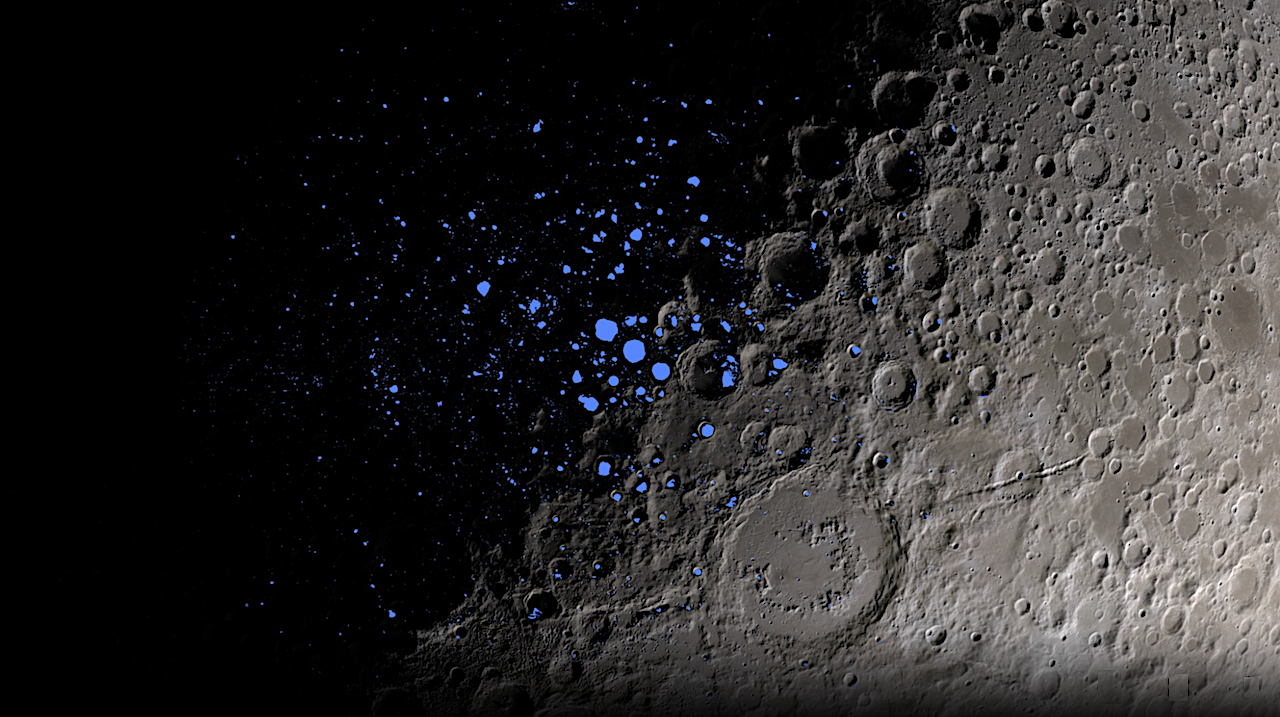
Lunar south pole areas of permanent shadow. NASA Video Previous models of microbial survival on the moon do not directly consider the permanently shadowed regions (PSRs). These regions shield their
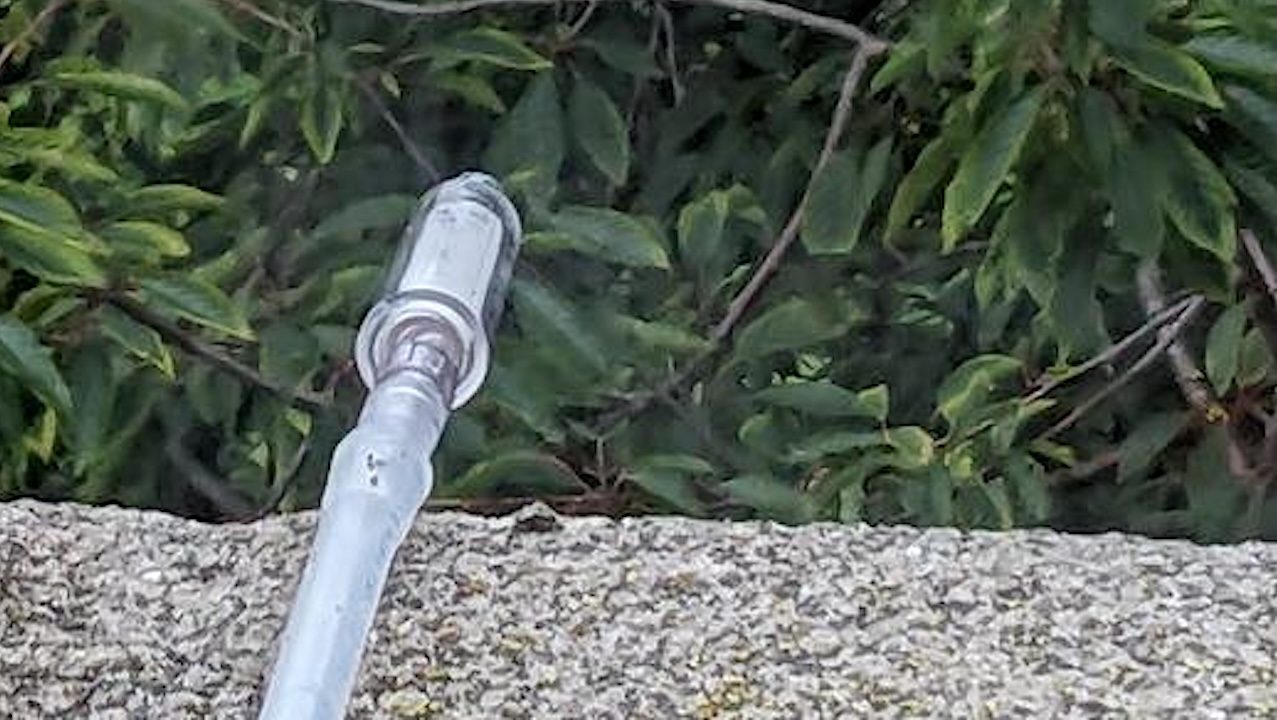
Air eDNA is vacuumed up from Dublin using simple laboratory equipment and an air filter. — Nature Ecology & Evolution Editor’s note: with recent speculation about the potential habitability of
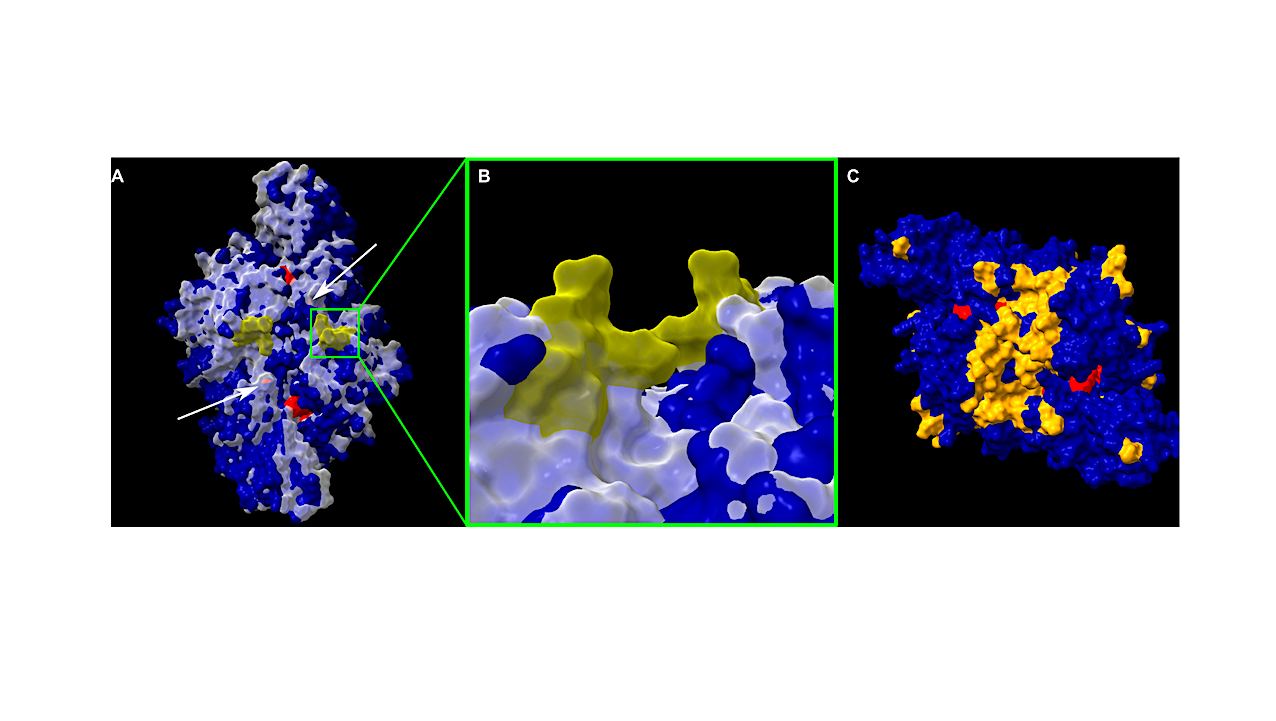
Rubisco form II structural differences between T. arctica UC1 and H. marinus. (A) AlphaFold-generated structures for H. marinus (transparent white) and T. arctica UC1 (dark blue) Rubisco form II dimers.
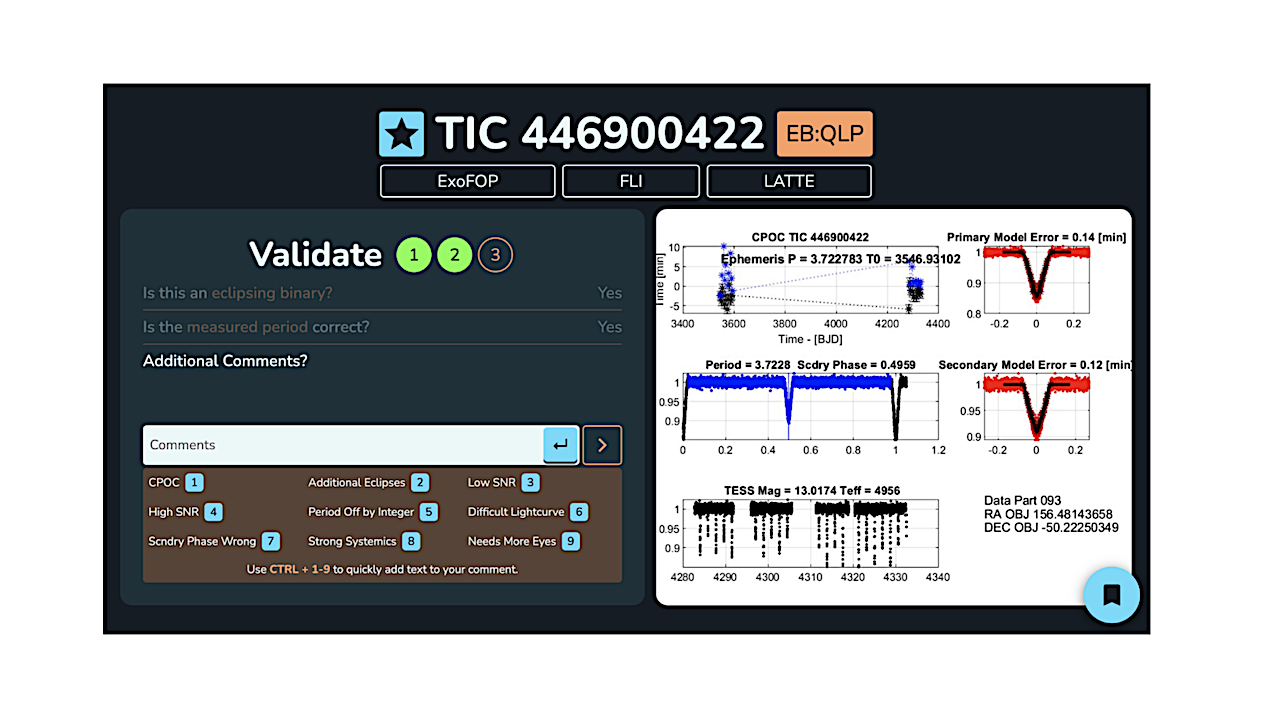
An example screenshot of the workflow and interface of Exogram EB vetting, enabling rapid image classification. — astro-ph.SR The Transiting Exoplanet Survey Satellite (TESS) has surveyed nearly the entire sky

The sample return capsule from NASA’s OSIRIS-REx mission is seen shortly after touching down in the desert, Sunday, Sept. 24, 2023, at the Department of Defense’s Utah Test and Training
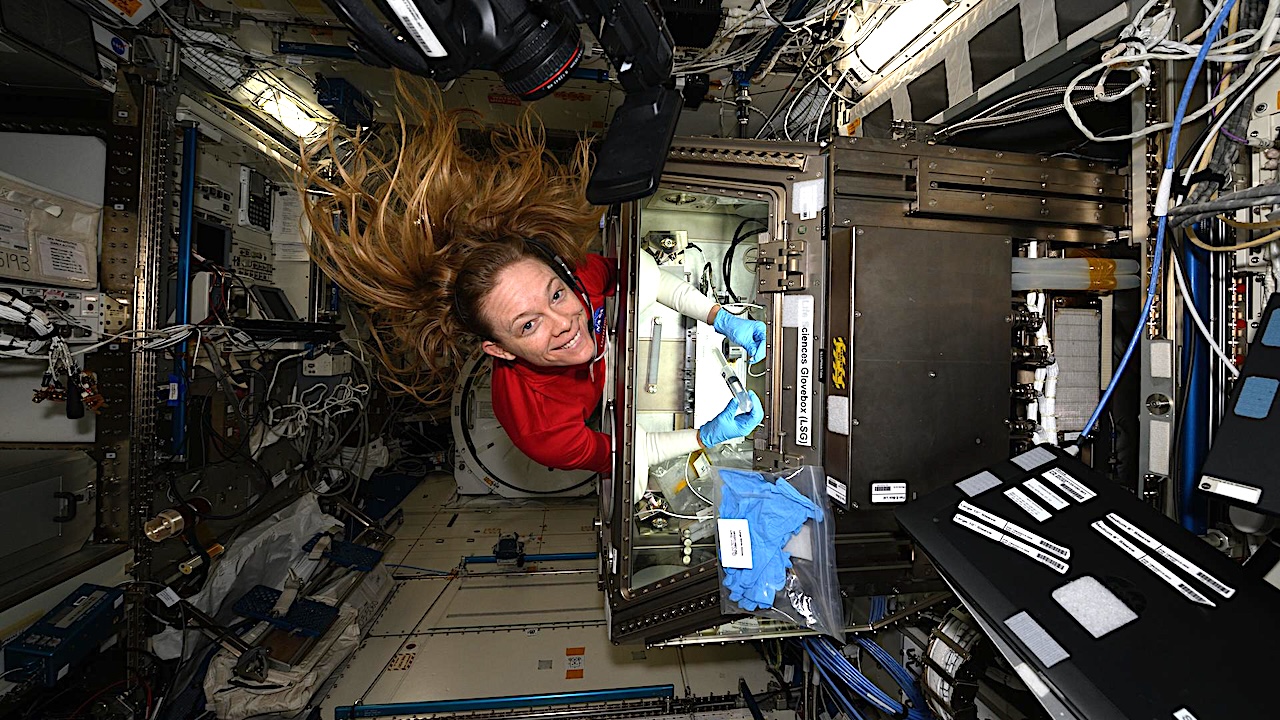
Keith Cowing Explorers Club Fellow, ex-NASA Space Station Payload manager/space biologist, Away Teams, Journalist, Lapsed climber, Synaesthete, Na’Vi-Jedi-Freman-Buddhist-mix, ASL, Devon Island and Everest Base Camp veteran, (he/him) 🖖🏻 Follow on
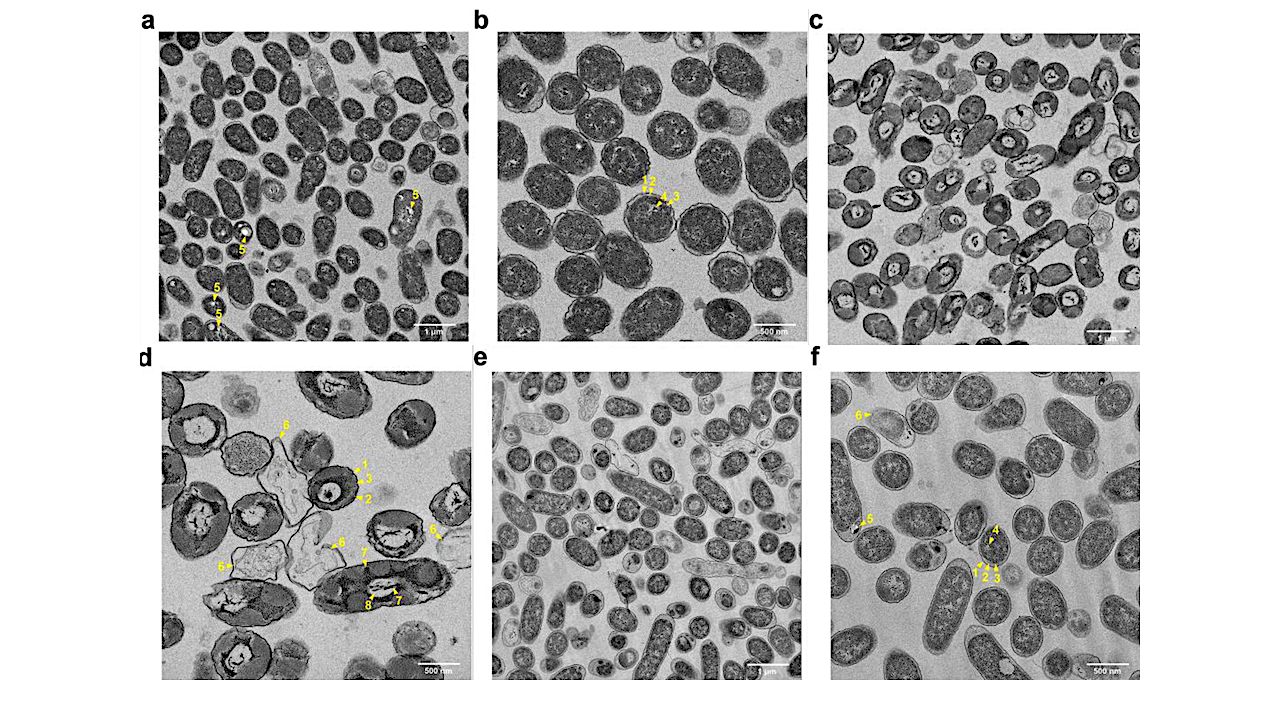
TEM of H. meridiana. H. meridiana after 2 h treatment in control solutions (a, b), 1 M ammonia (c, d), and pH-matched yeast media (pH 10.78, e, f). Yellow arrows:
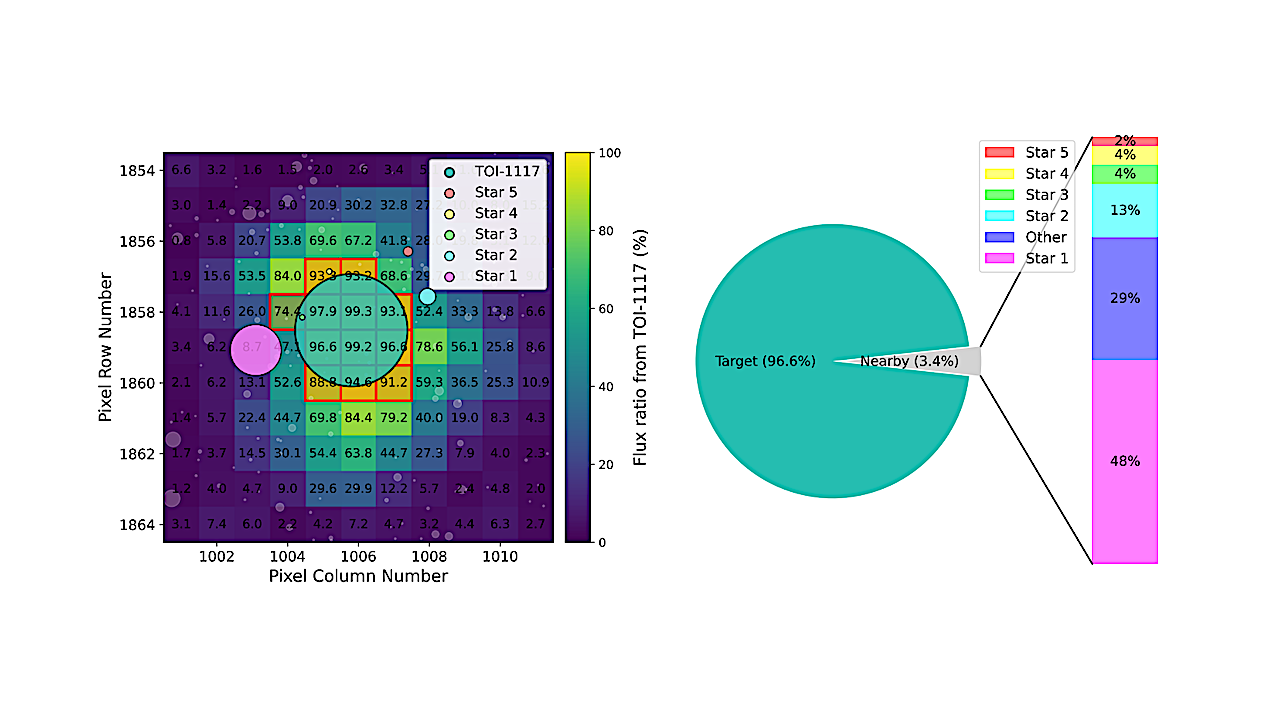
Nearby sources contaminating the TOI-1117 photometry. Left: TPF-shaped heatmap with the pixel-by-pixel flux fraction from TOI-1117 in S13. The red grid is the SPOC aperture. The pixel scale is 21