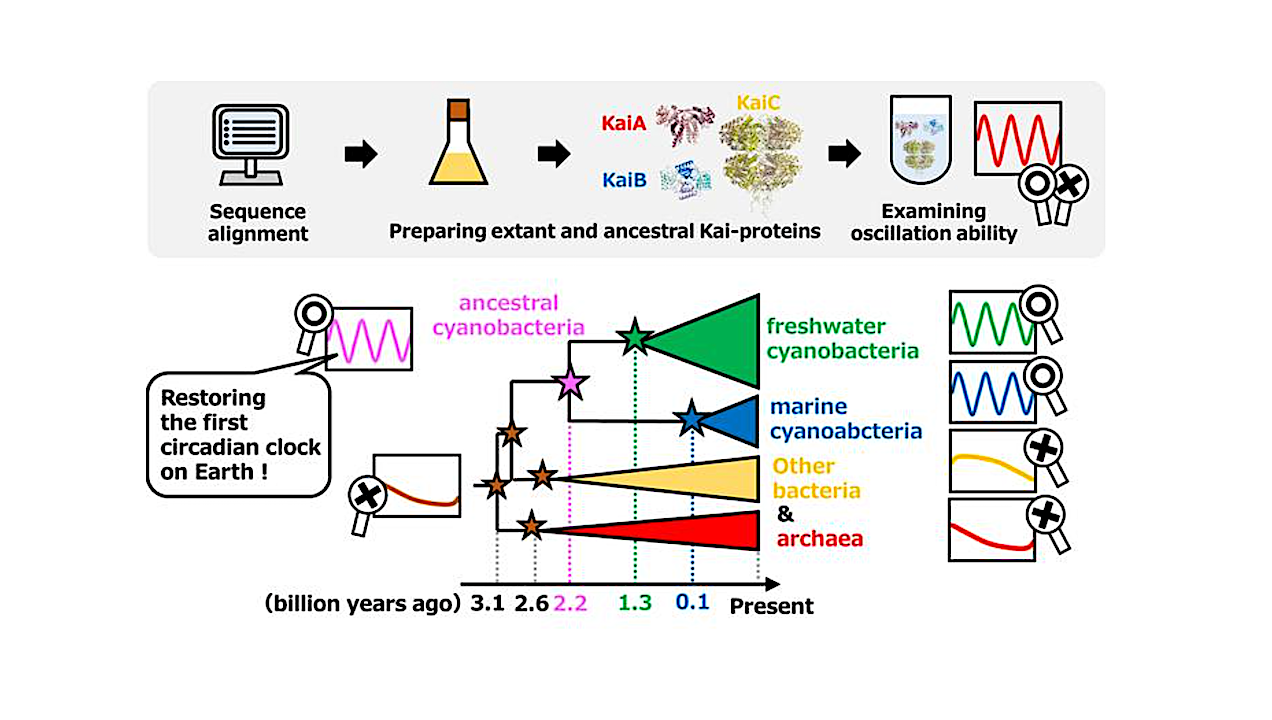
Molecular evolution of Kai-protein oscillator over 3 billion years Credit Yoshihiko Furuike & Atsushi Mukaiyama To better understand the circadian clock in modern-day cyanobacteria, a Japanese research team has studied


Molecular evolution of Kai-protein oscillator over 3 billion years Credit Yoshihiko Furuike & Atsushi Mukaiyama To better understand the circadian clock in modern-day cyanobacteria, a Japanese research team has studied
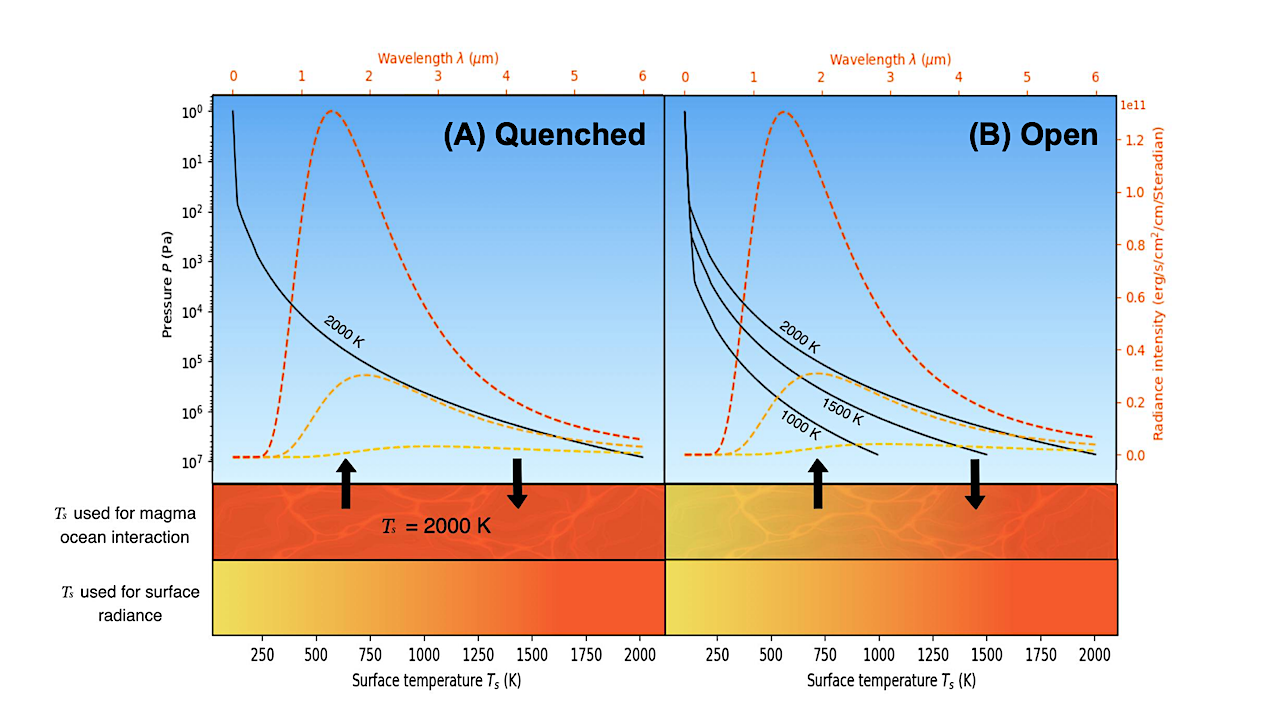
Illustration of the two different degassing scenarios used in this work, which bracket the potential pathways of mantle melting and crystallization of planetary evolution. The range of orange colours corresponds

This is a customer submitted press release. Submit your press release. Washington, D.C. – SpaceNews is pleased to announce the expanded role of longtime commercial space reporter Jason Rainbow, who
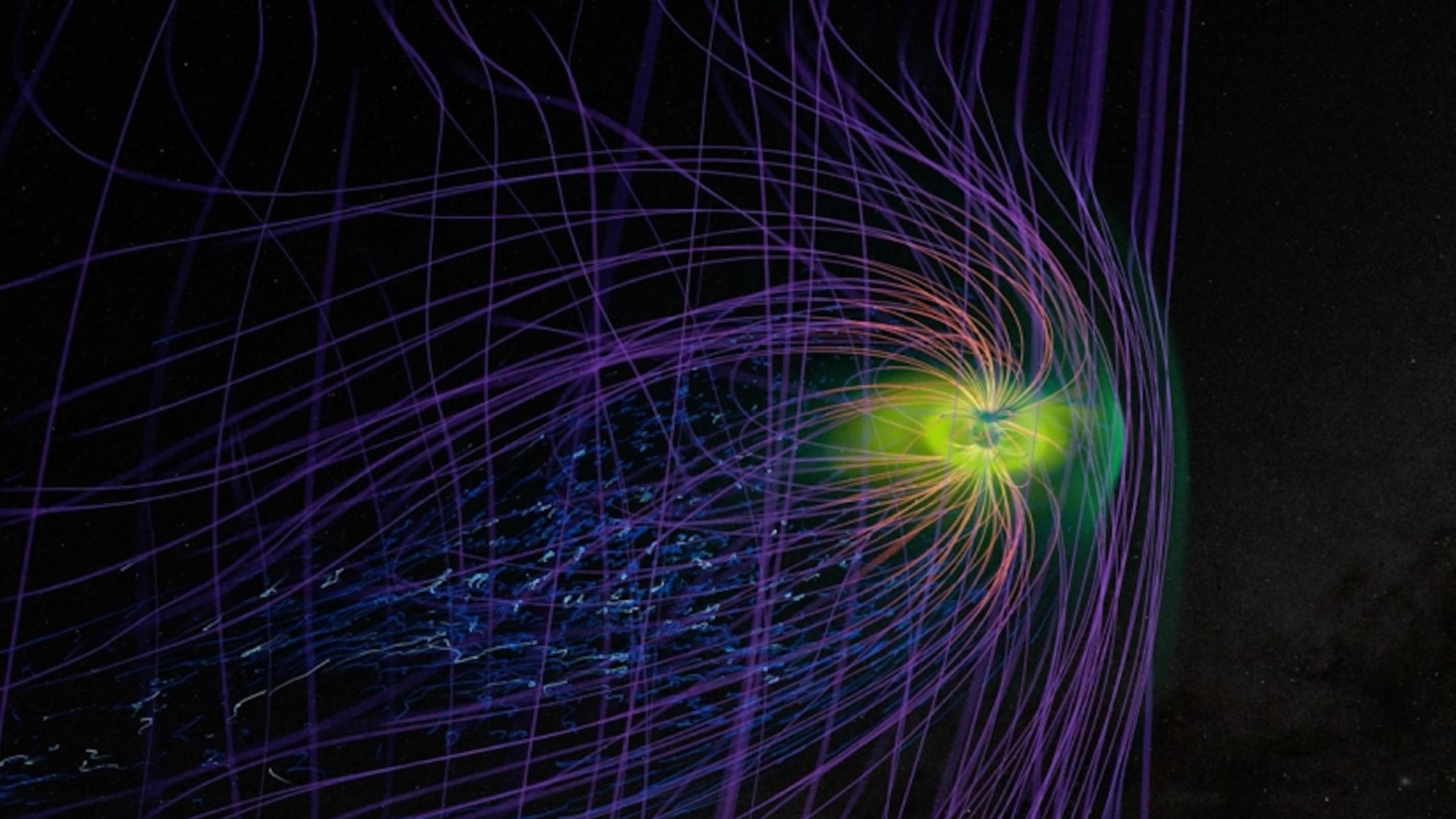
Researchers from Kyushu University in Japan have provided some new insights about the powerful geomagnetic storm that flared up last Mother’s Day, after a big solar storm hit Earth. The
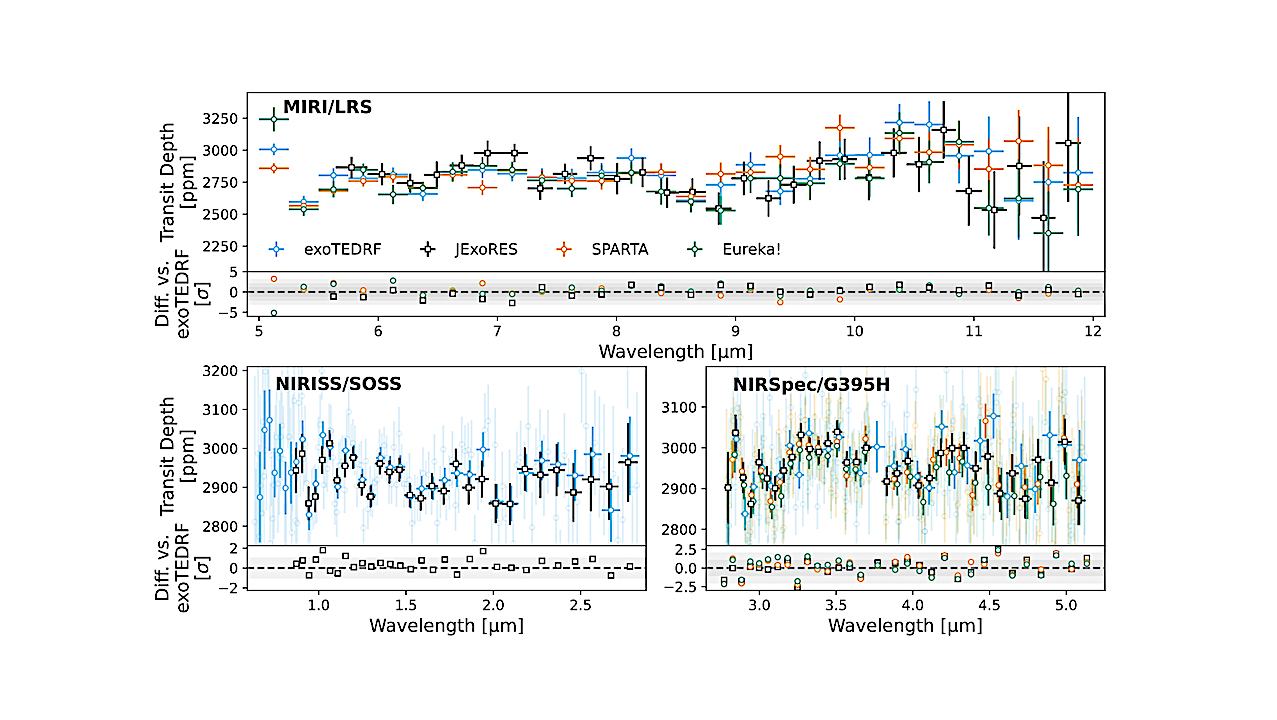
Transmission spectra of K2-18 b from exoTEDRF (blue), JExoRES (black), SPARTA (orange) and Eureka! (green). For NIRISS and NIRSpec, faded points show higher resolution (R=100 and 200, respectively) spectra, and
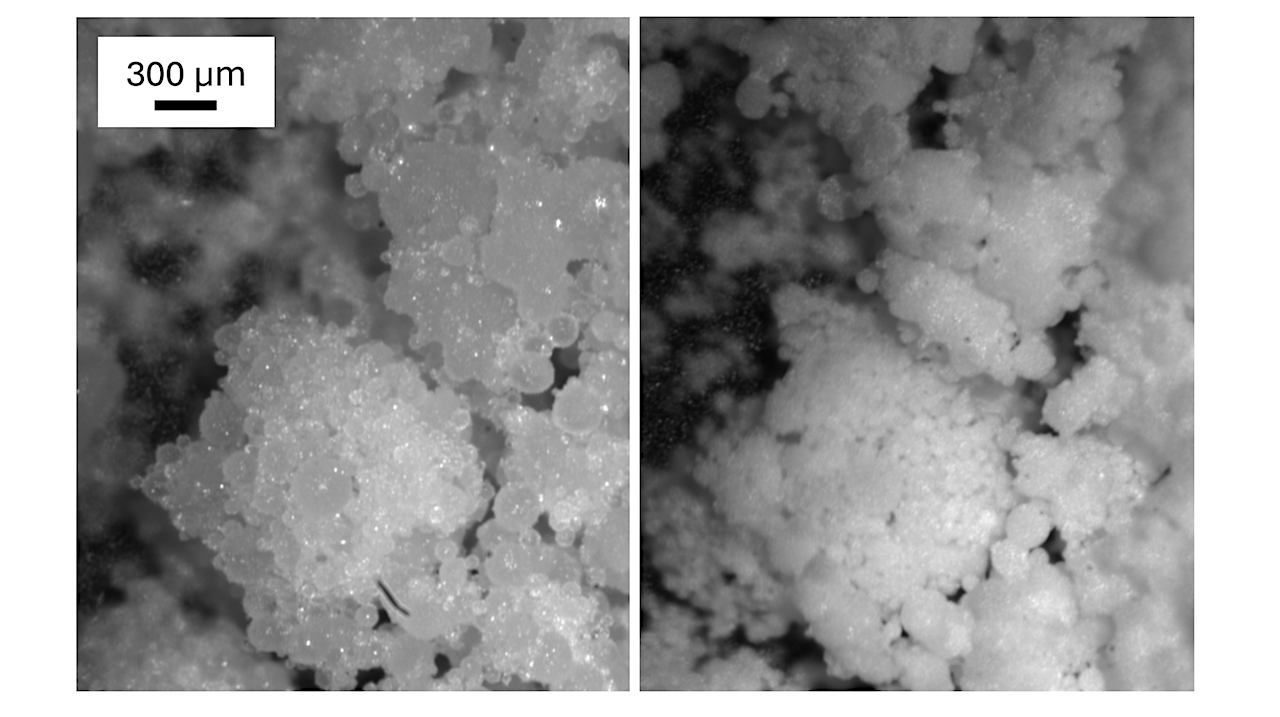
A sample of SPIPA-B ice with 3wt% NaCl before (left) and after (right) sublimation at high temperatures (>195 K) for 24h imaged in the simulation chamber with a long-distance microscope.
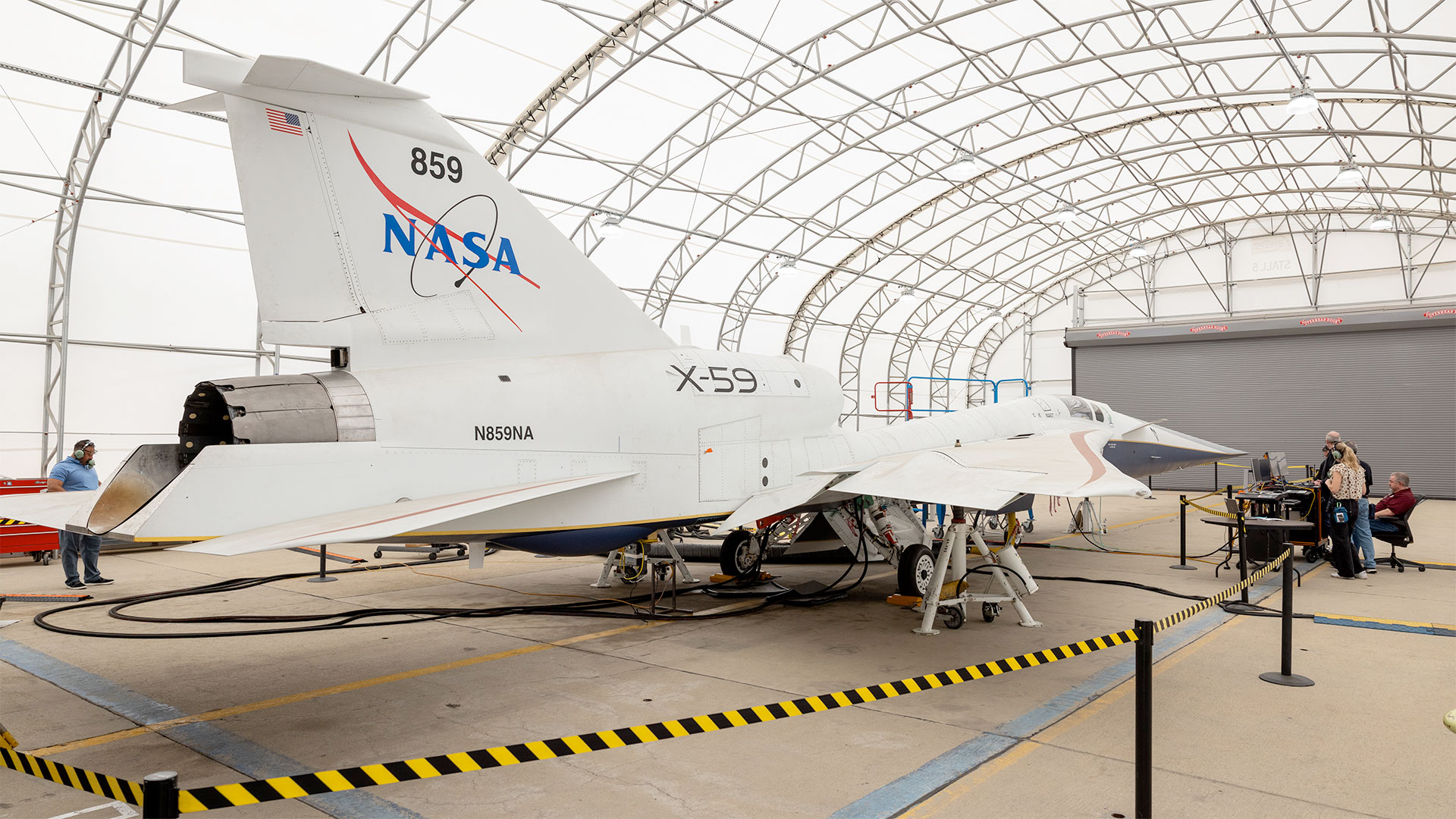
NASA’s X-59 quiet supersonic research aircraft is seen during its “aluminum bird” systems testing, verifying how its systems work together, respond to pilot inputs and handle injected failures. (Image credit:
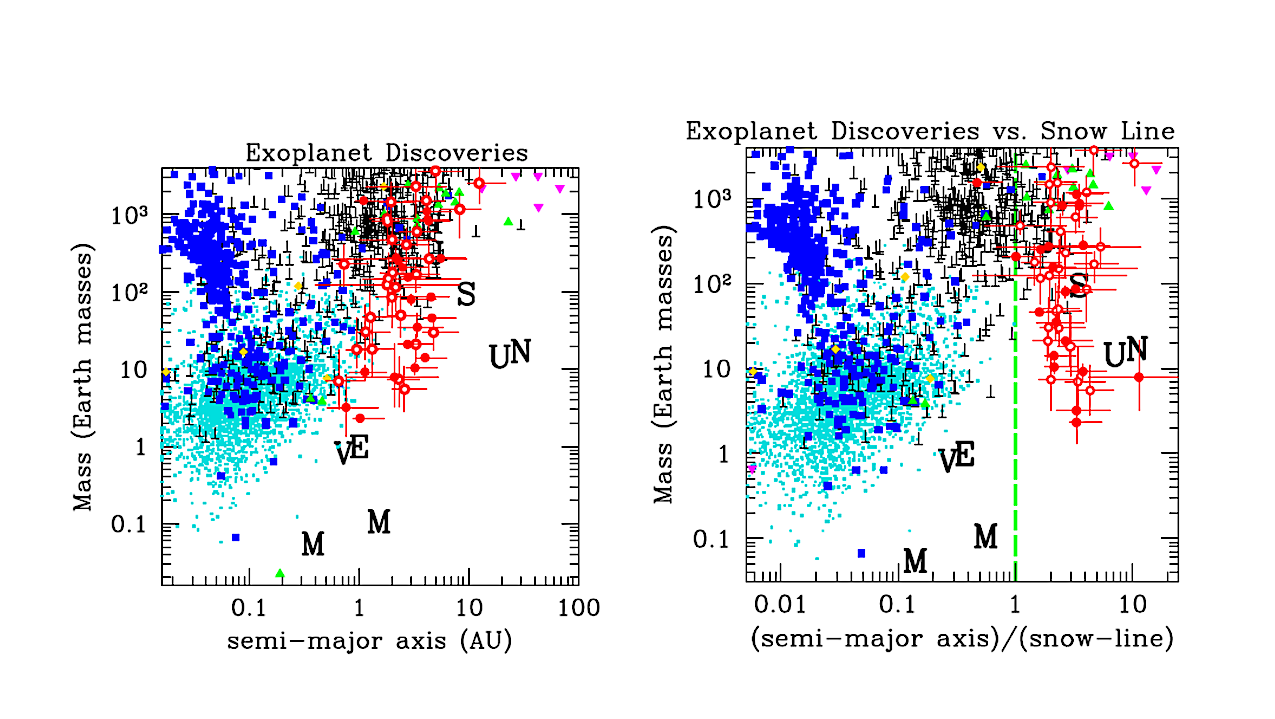
Distribution of known exoplanet masses plotted vs. semi-major axis (left) and semimajor axis normalized to the location of the snow-line (right) at asnow = 2.7AU M/MSun (green dashed line). Planets

This is a bonus edition of Space Minds by SpaceNews. This week we’re at the US Geospatial Intelligence Foundation GEOINT Symposium in St. Louis where we’ll post episodes
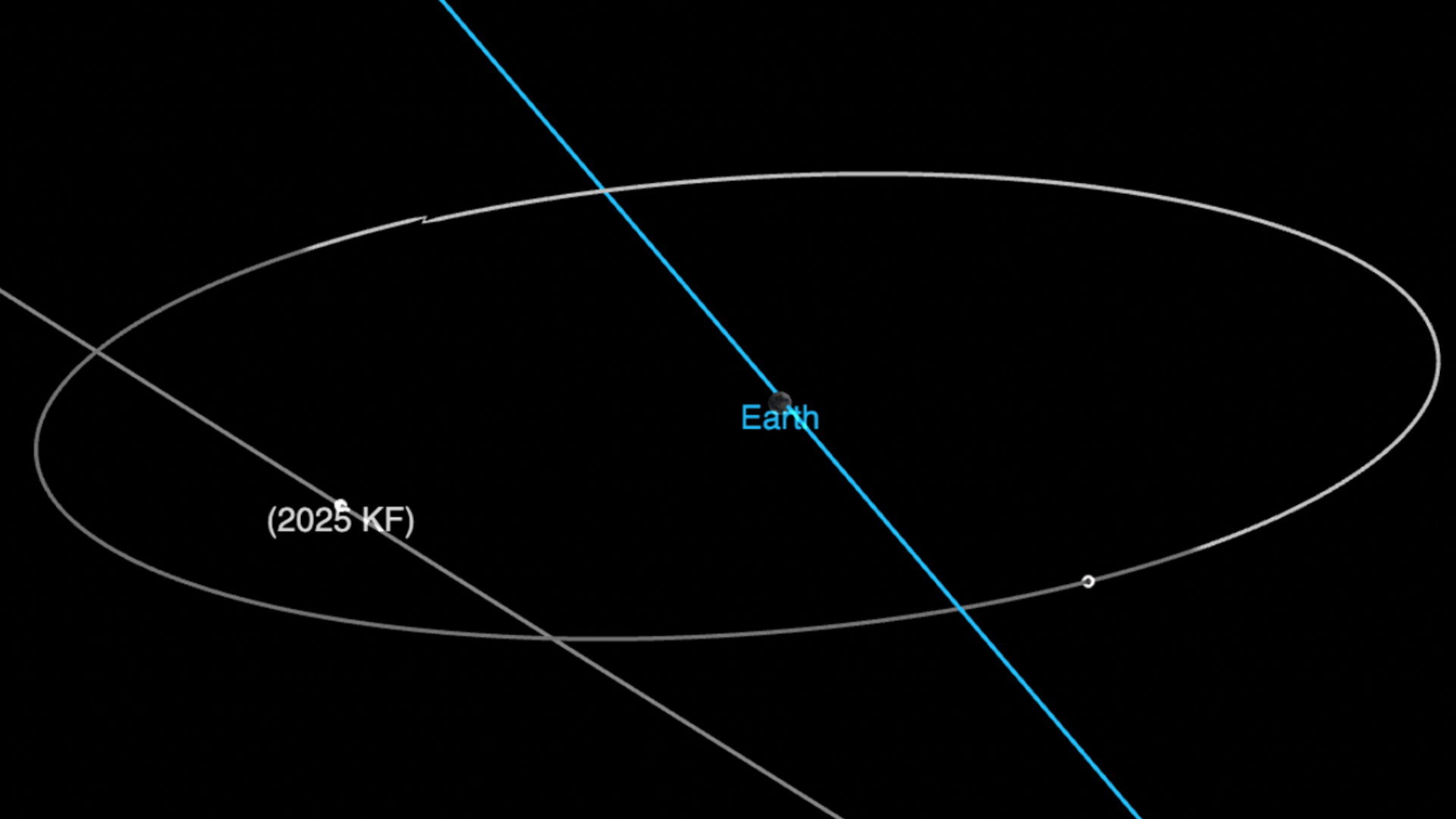
A newly discovered house-size asteroid is set to make a close, yet harmless approach to Earth on May 21, passing within one-third of the Earth-moon distance. The close approach will