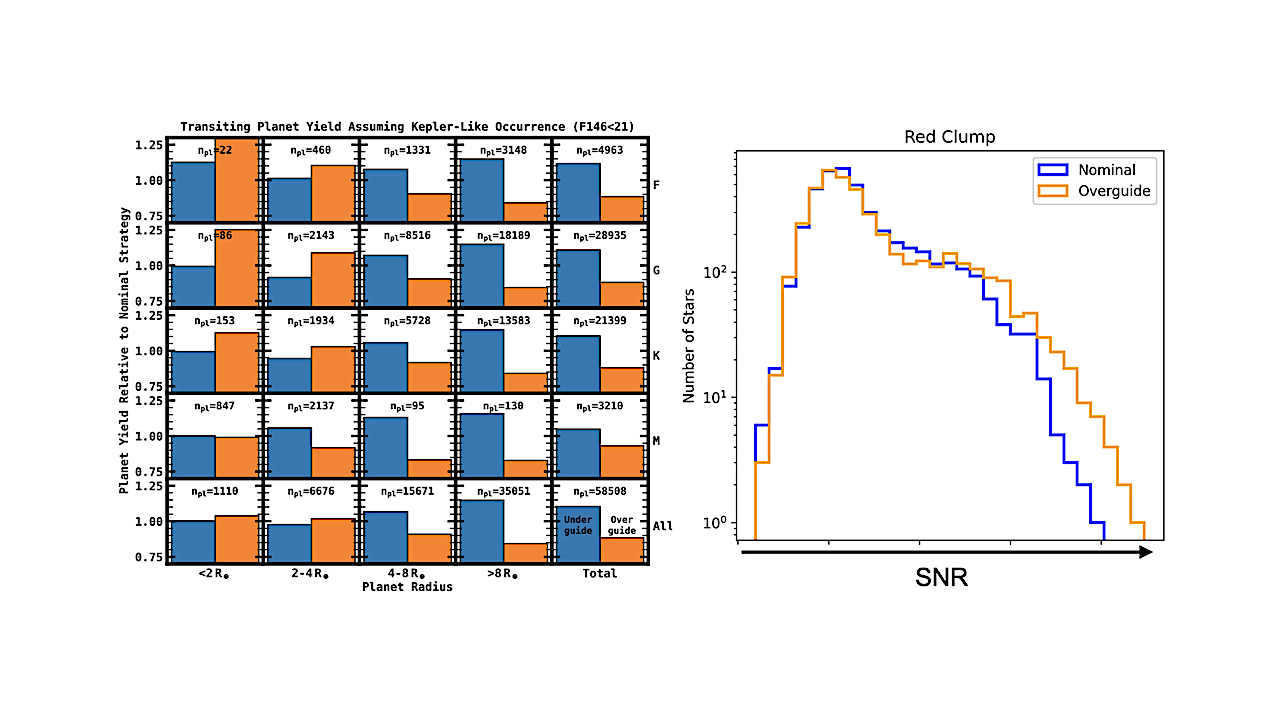
Yield simulations for transiting planets and asteroseismology using the recommended survey designs. Left: Transiting exoplanet yield relative to the nominal survey as a function of planet radius (x-axis) and host


Yield simulations for transiting planets and asteroseismology using the recommended survey designs. Left: Transiting exoplanet yield relative to the nominal survey as a function of planet radius (x-axis) and host
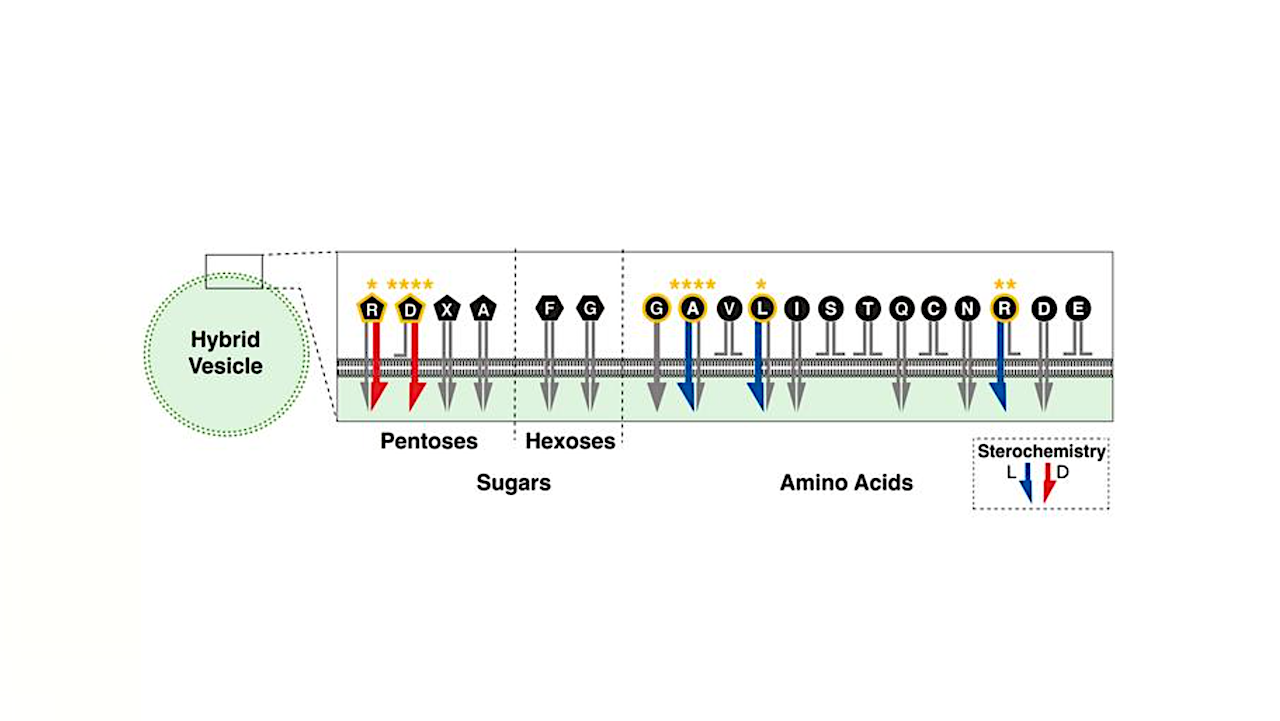
Summary of permeability selection results for the archaeal and hybrid membranes. Credit Goode O, et al., 2025, PLOS Biology, CC-BY 4.0 How life arose remains a looming question in science

Representation of a newly discovered nitrogen-oxygen-sulphur, known as NOS, link (blue: nitrogen, red: oxygen, yellow: sulphur) between the amino acids glycine and cysteine within an enzyme – Credit Sophia Bazzi

Today marks the 45th anniversary of “Star Wars: The Empire Strikes Back,” which was released in theaters by 20th Century Fox on May 21, 1980, and has been aptly christened
2 min read Preparations for Next Moonwalk Simulations Underway (and Underwater) How big is space? Space is really big. Thinking about our solar system, let’s imagine you could get in
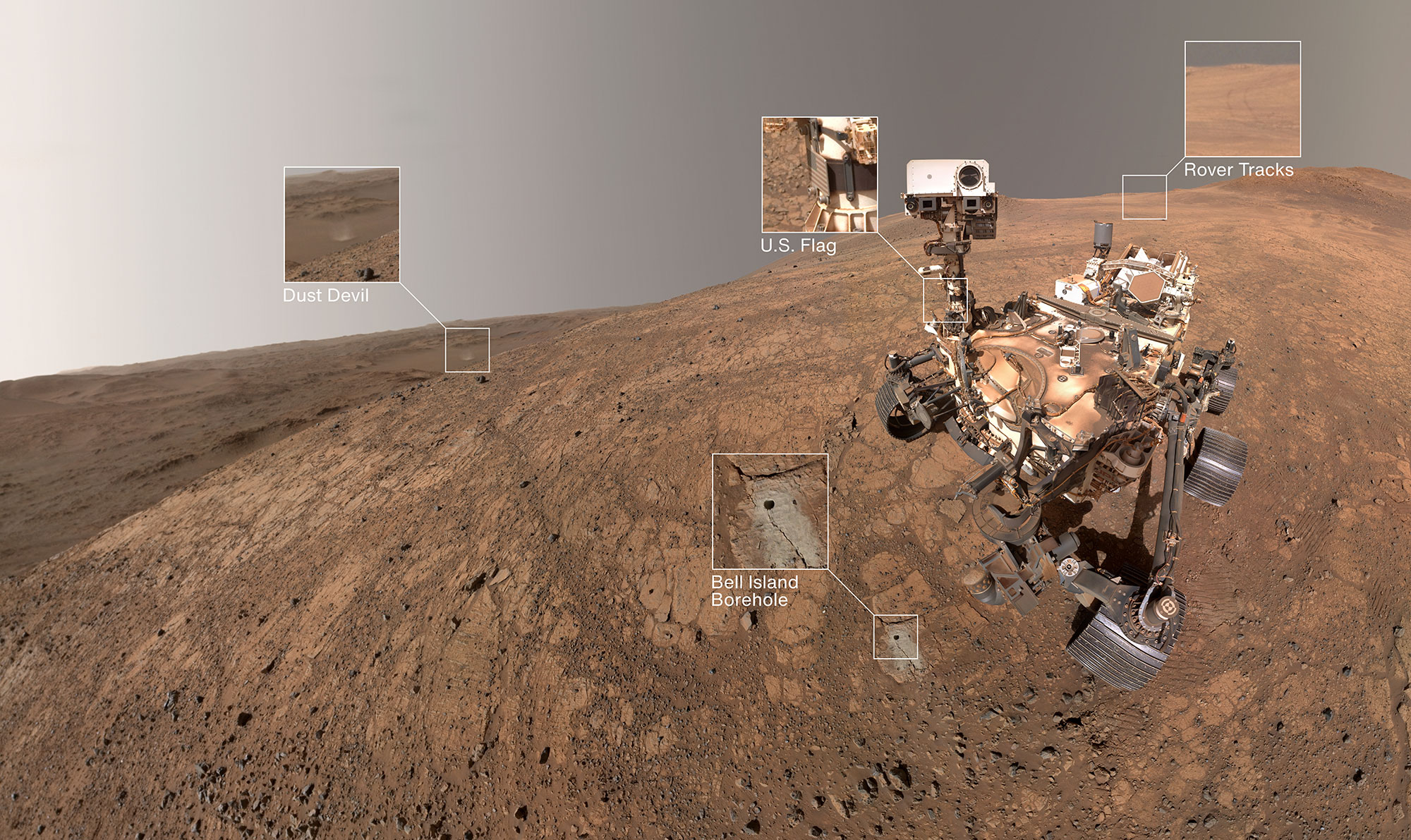
3 min read Preparations for Next Moonwalk Simulations Underway (and Underwater) To view this video please enable JavaScript, and consider upgrading to a web browser that supports HTML5 video NASA’s
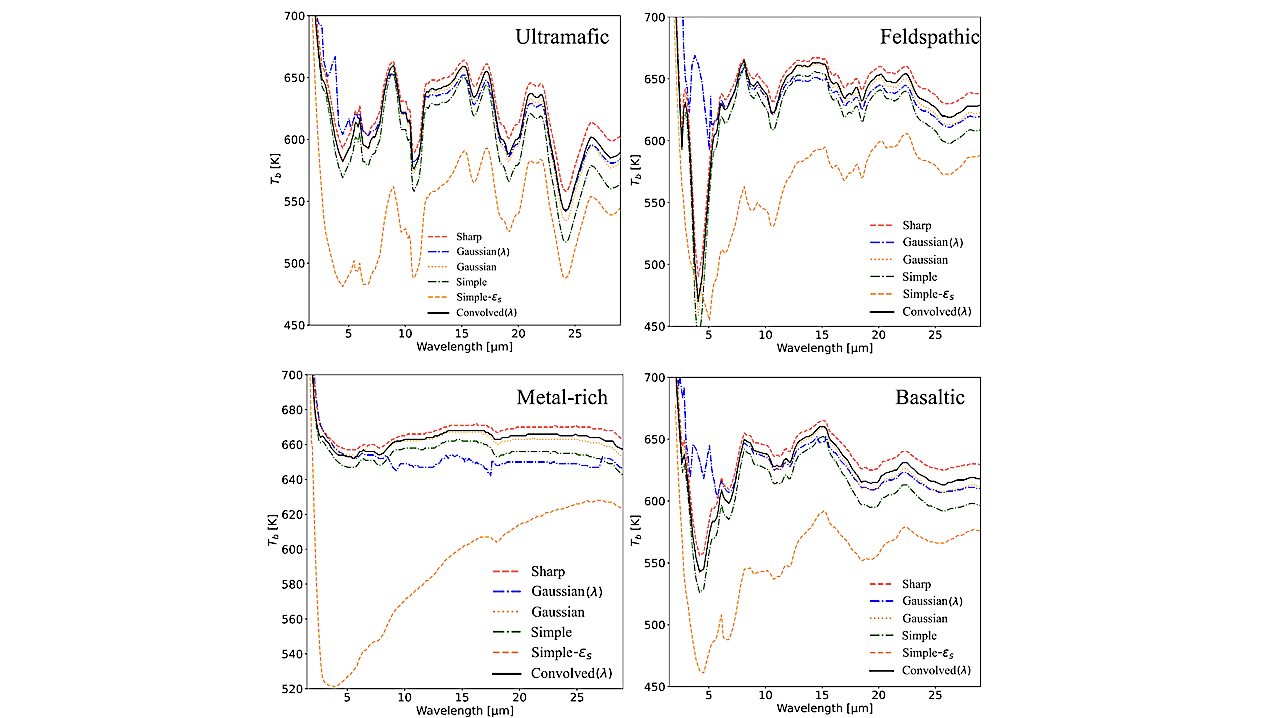
Brightness temperature for the four composition scenarios and each model. Brightness temperature can be directly compared with observations but also is an indicator of numerical behavior, when simulated. As an
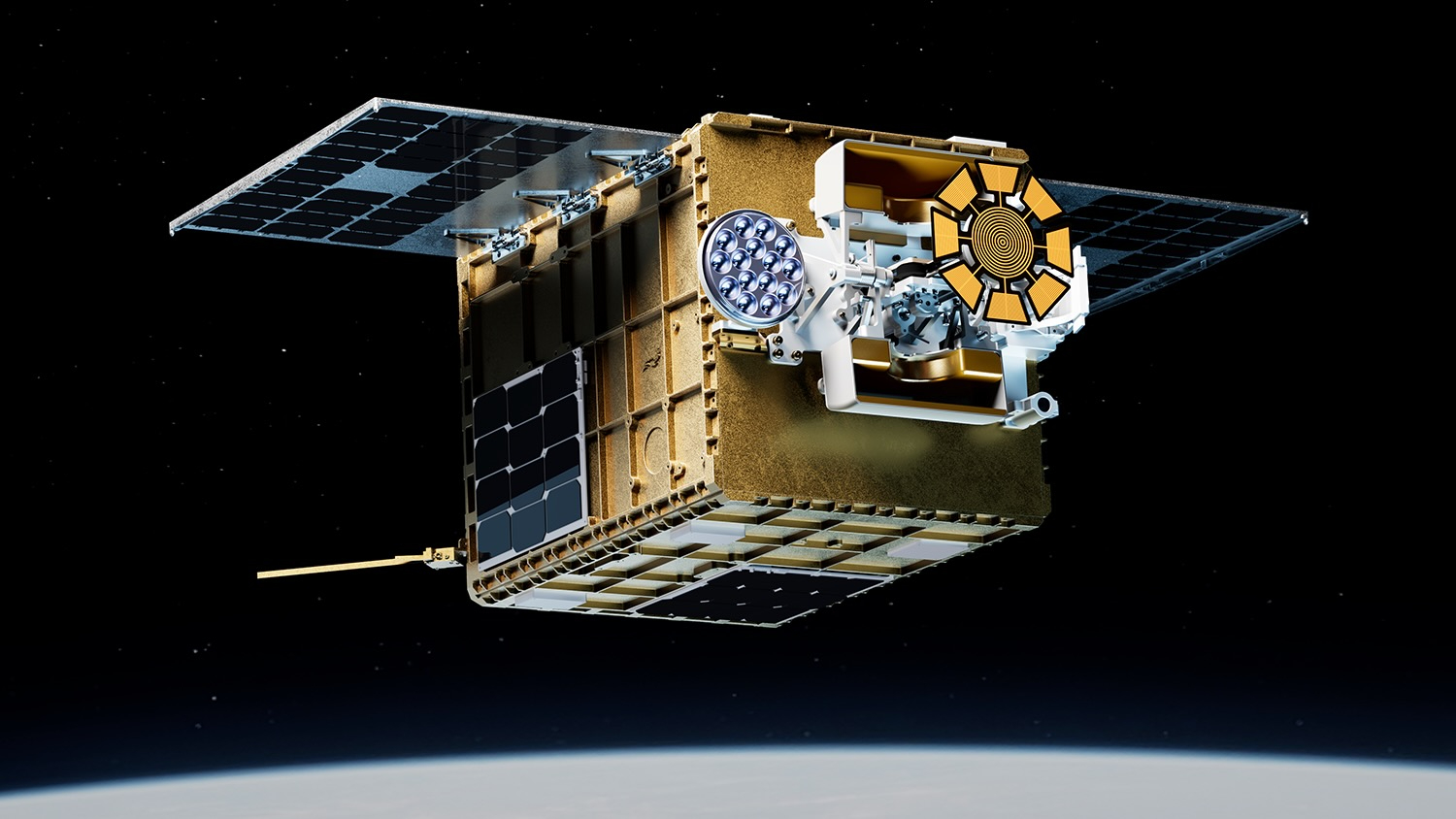
Starfish Space plans to make history on its second-ever mission, which is set to lift off next month. On Tuesday (May 20), the Seattle-based startup unveiled the outline of the
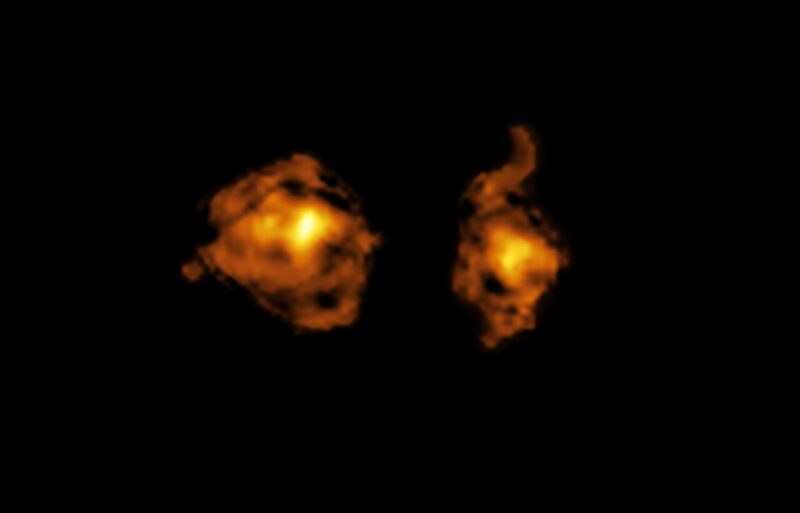
The Atacama Large Millimeter/submillimeter Array (ALMA) took this image showing the molecular gas content of a pair of galaxies involved in a cosmic collision. The galaxy on the right hosts
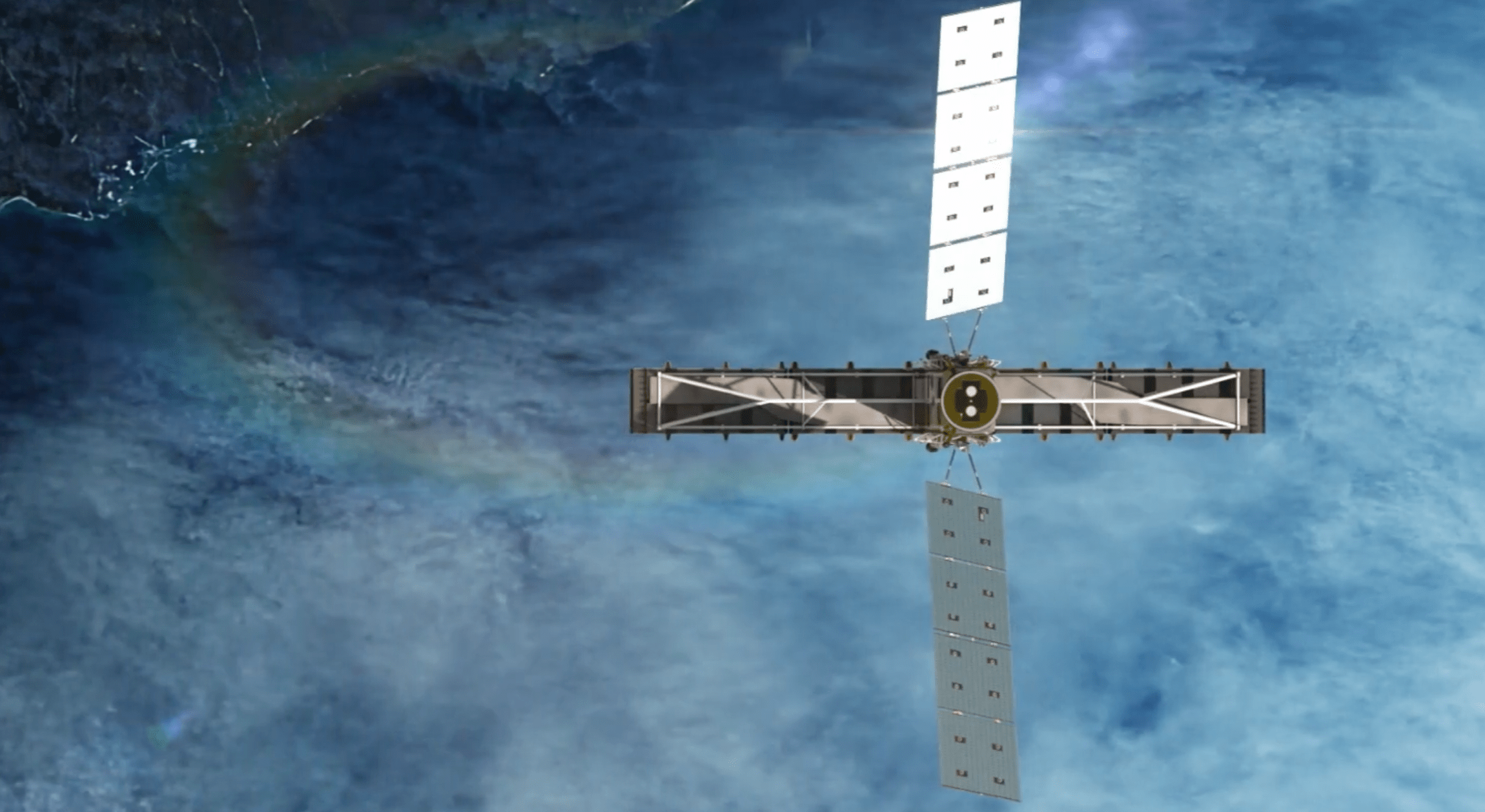
ST. LOUIS — The oceans are becoming more dangerous, and satellites are being called in to help. Demand for space-based maritime surveillance is accelerating, driven by rising geopolitical tensions, economic