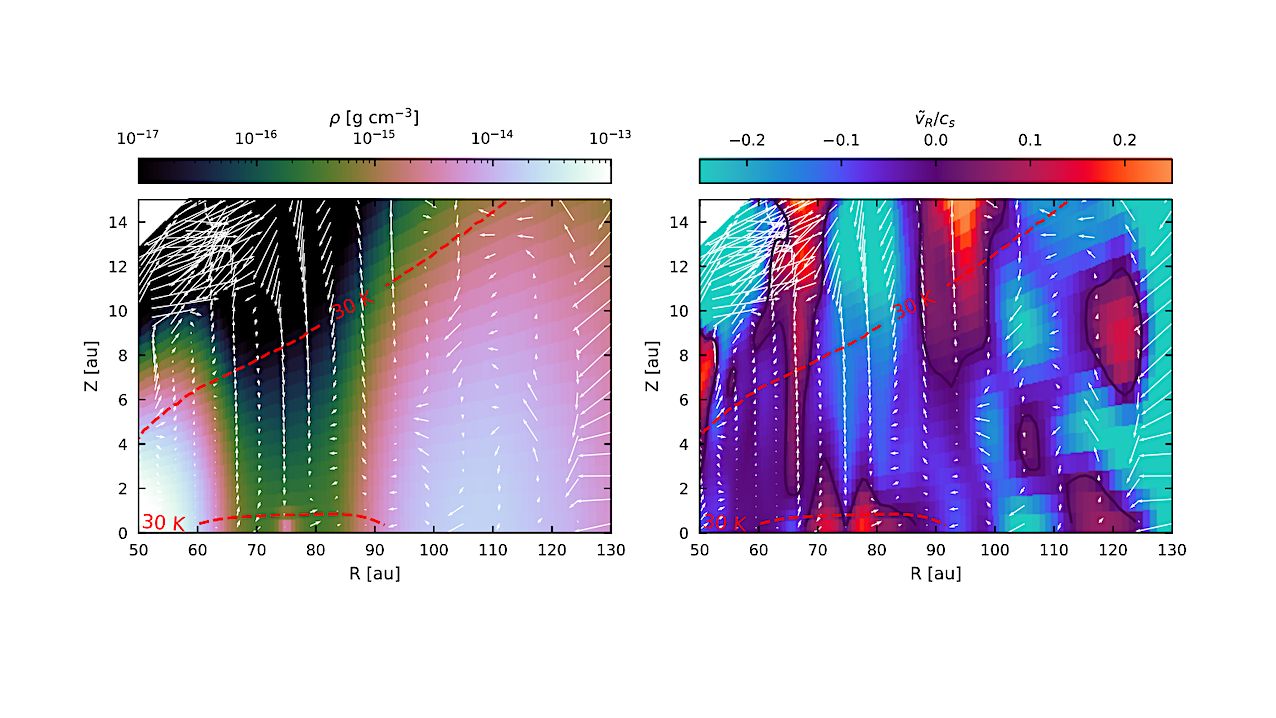
Azimuthally averaged gas density (left) and gas radial velocity relative to the planet (right) for our FARGO3D disk model containing a Jupiter mass planet at 75 au. The CO sublimation

Azimuthally averaged gas density (left) and gas radial velocity relative to the planet (right) for our FARGO3D disk model containing a Jupiter mass planet at 75 au. The CO sublimation
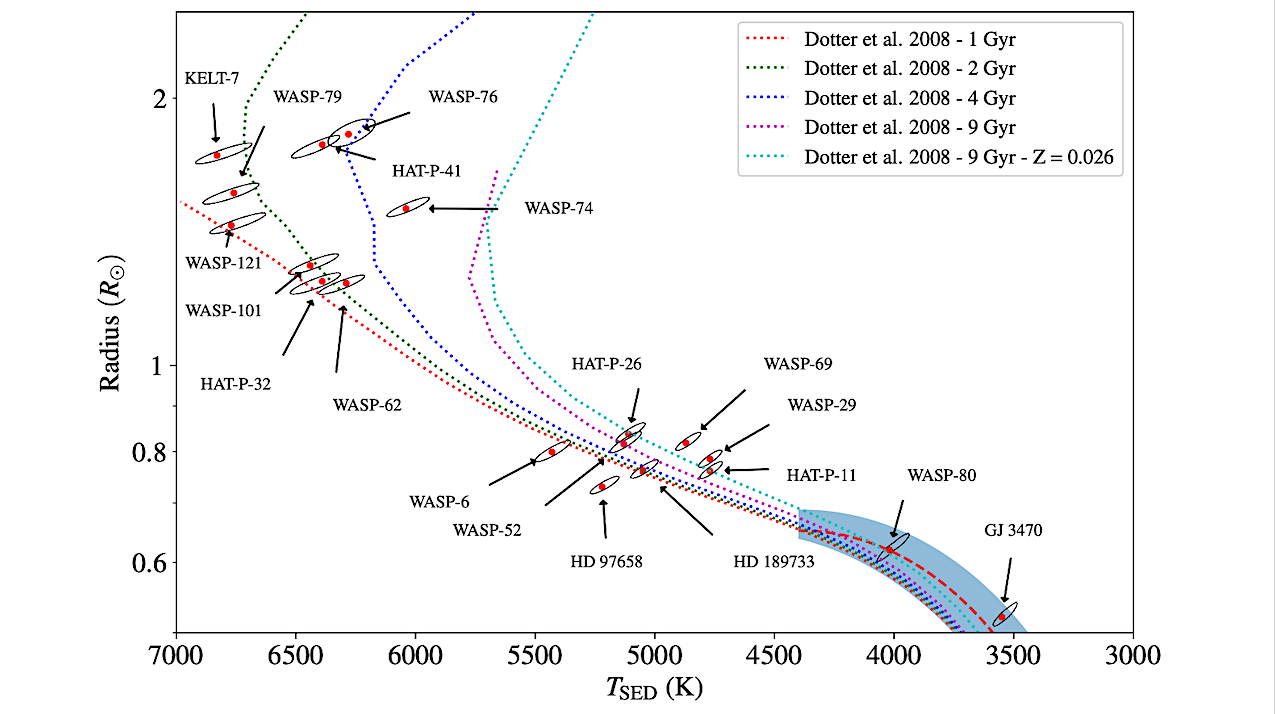
The host star properties in 𝑇SED − 𝑅★ space, along with their associated 68% confidence contours. For comparison we show a series of isochrones from Dotter et al. (2008) and
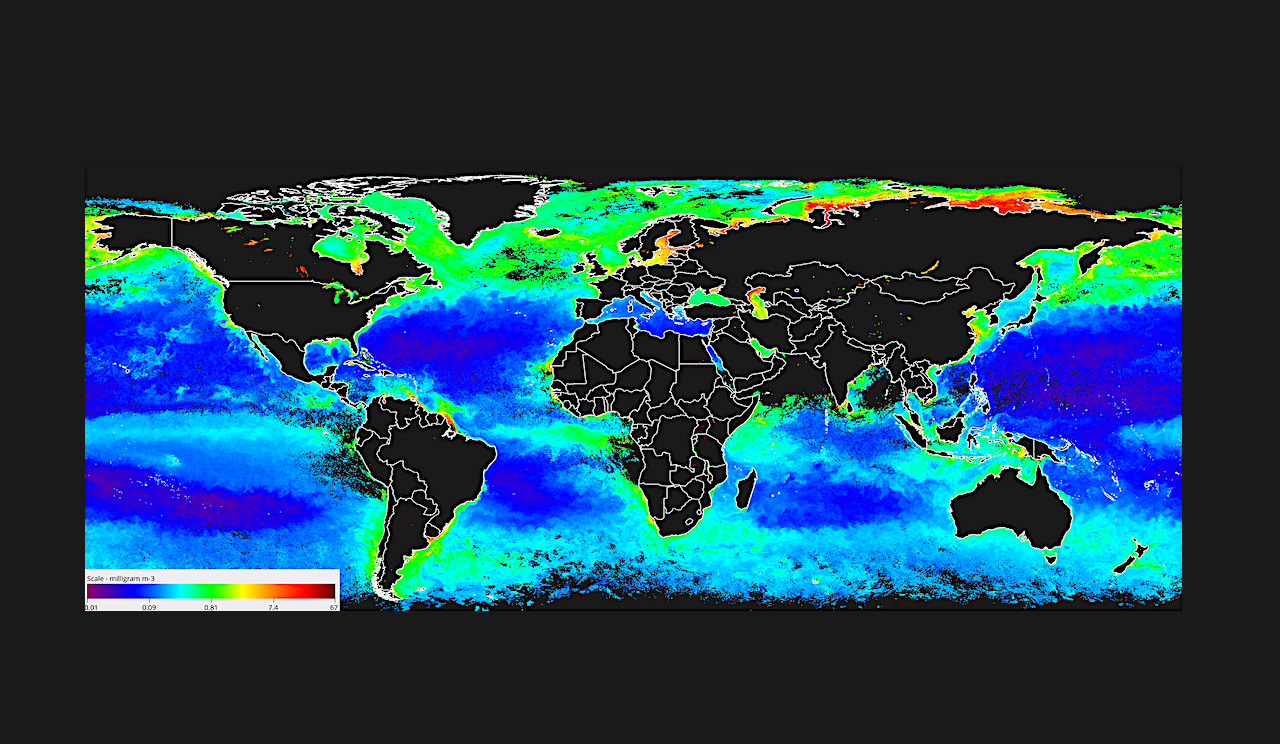
Neural networks help map ocean colour — ESA (larger image) Climate change is already reshaping global weather patterns and ecosystems around the world. In the long-term, its consequences could range
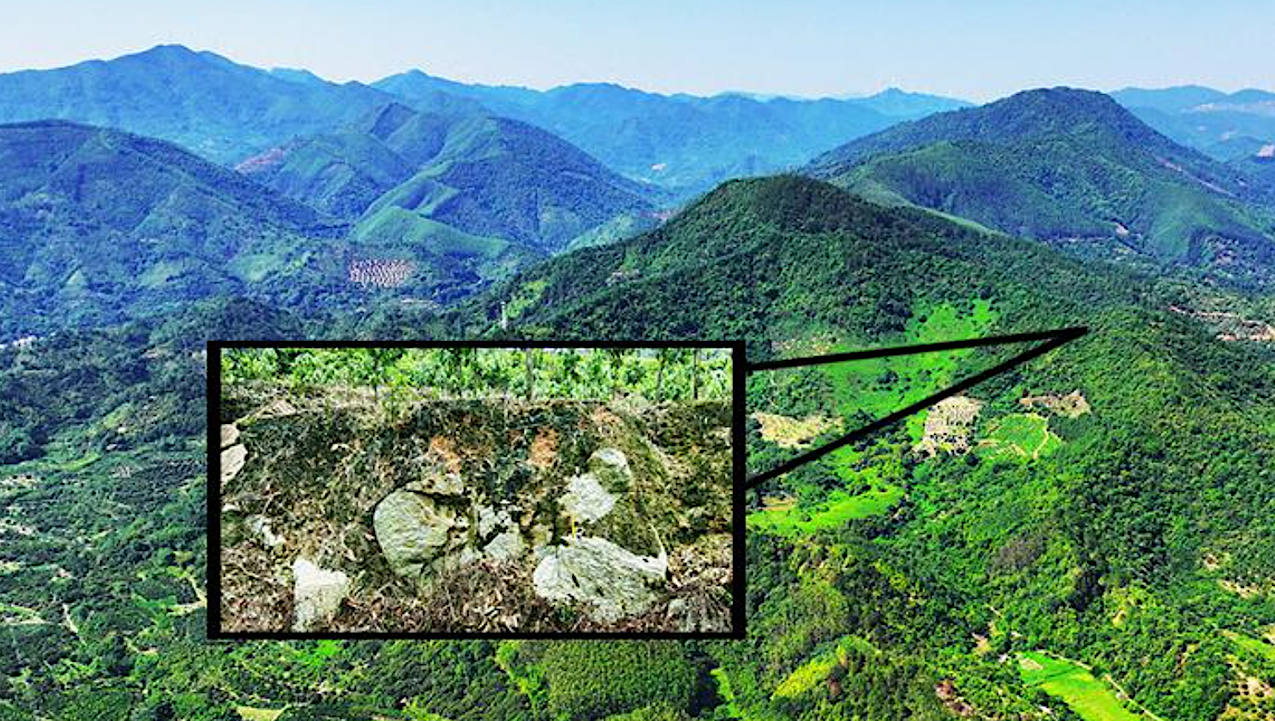
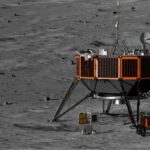
A panoramic aerial drone image of the Jinlin crater with the approximate location of the crater rim labeled, with an insert of the crater floor, which shows a mix of
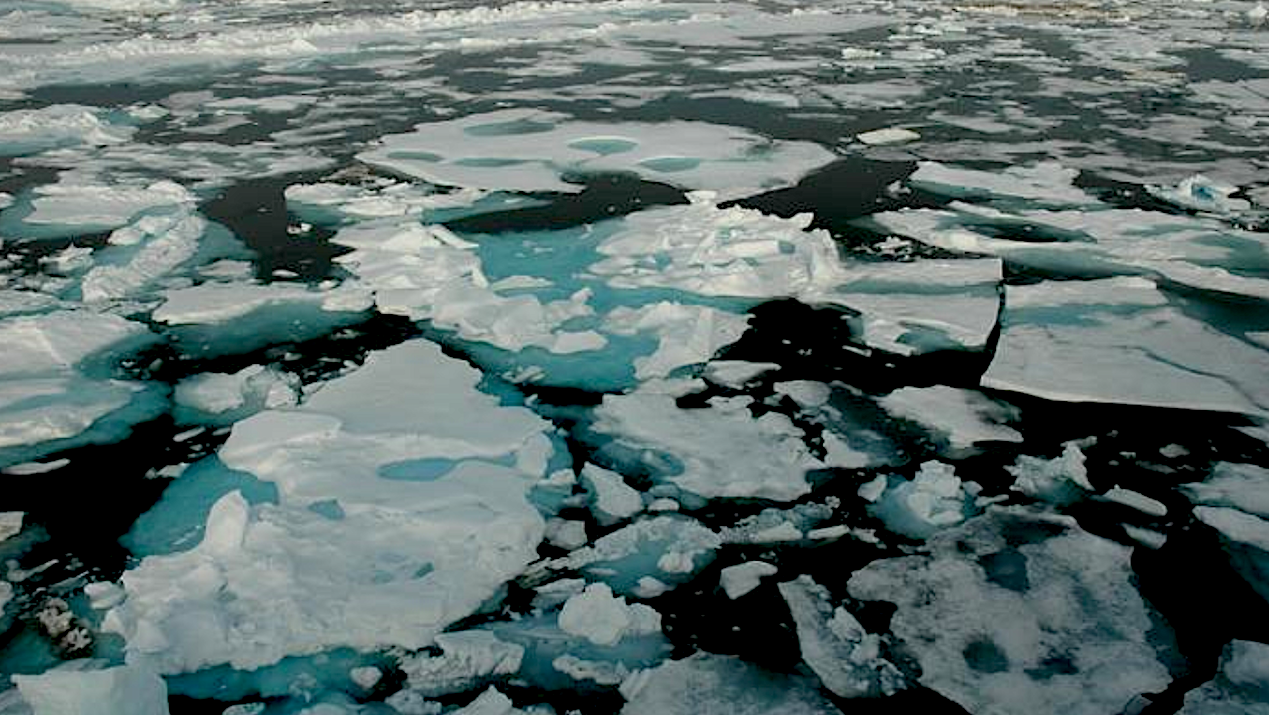
Ice coverage in the Arctic sea is rapidly declining, which causes the remaining ice to melt faster and alters nutrient availability. In a University of Washington-led study, researchers show how
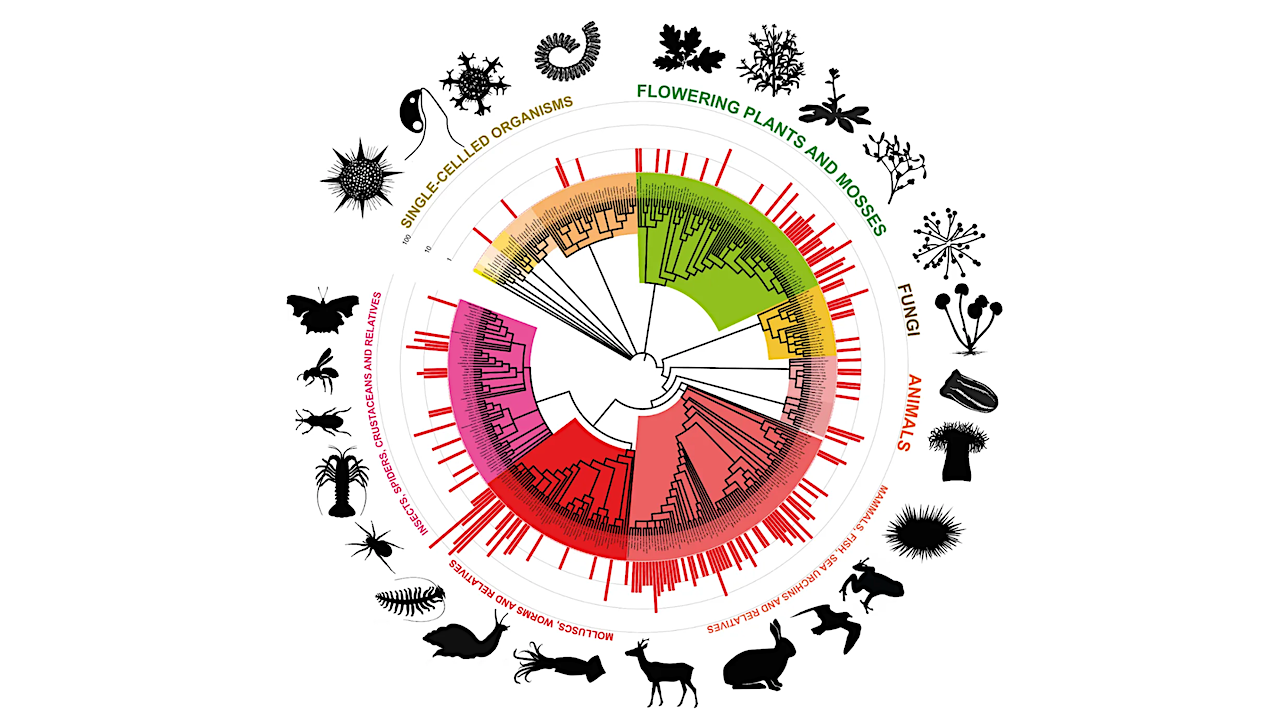
The “tree” here is the taxonomic tree of the organisms analysed, coloured by major group. The red bars on the outside of the tree show how many species have been
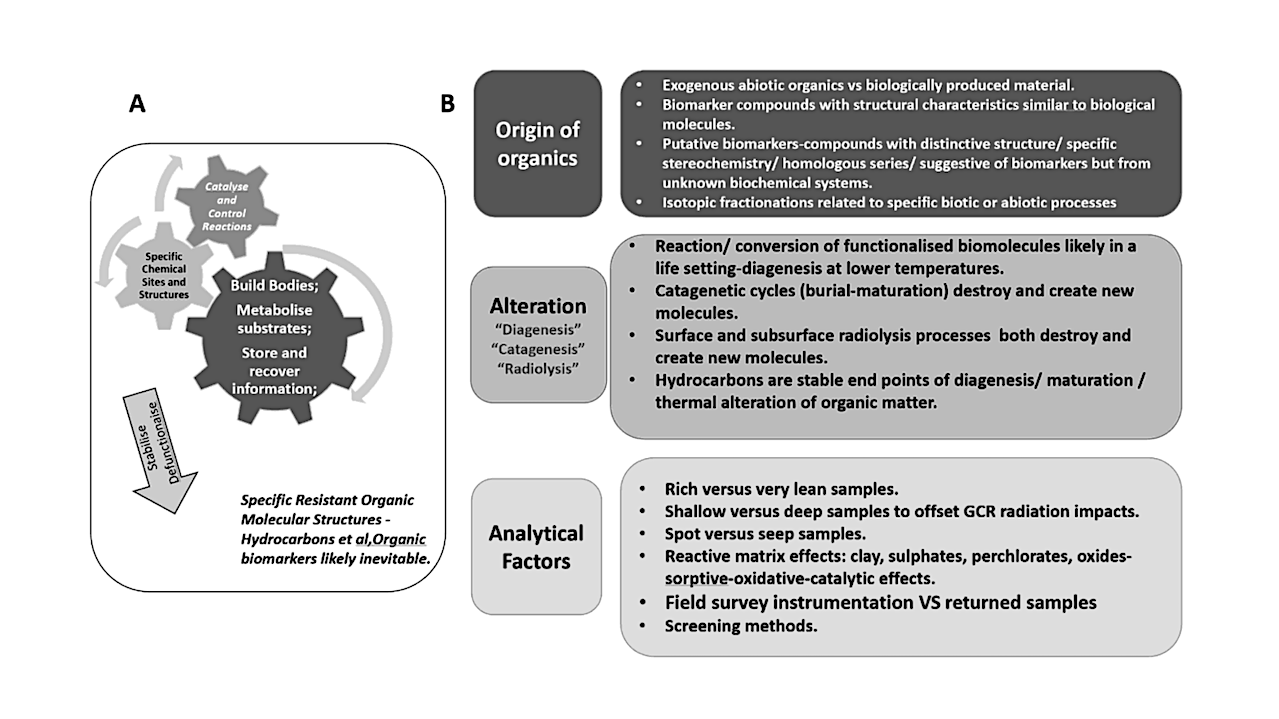
Biosignatures & Paleobiology Status Report eartharxiv.org November 12, 2025 Life processes and requirements resulting in the production of specific molecular structures that, if preserved, can function as biosignatures. B) OM
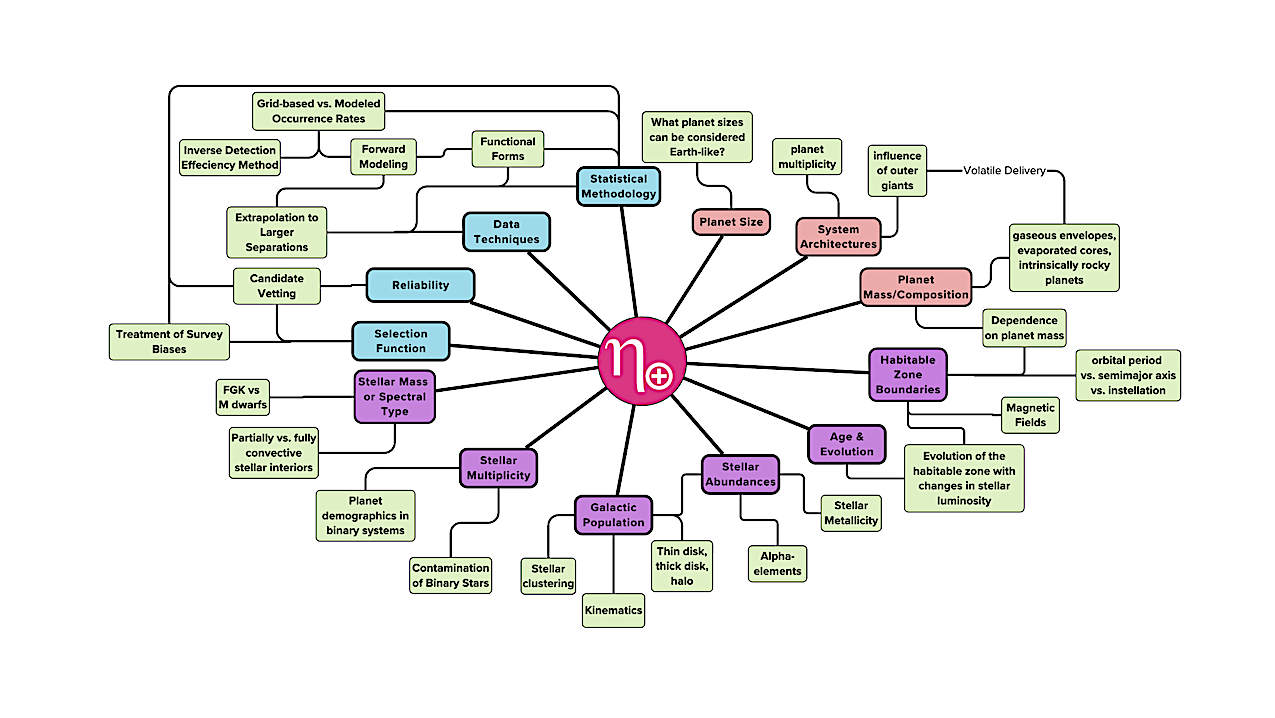
Depiction of the many factors affecting η⊕ and measurements therein. The three main colors offer a loose categorization into planetary, stellar, and statistical issues (red, purple, and blue, respectively), with
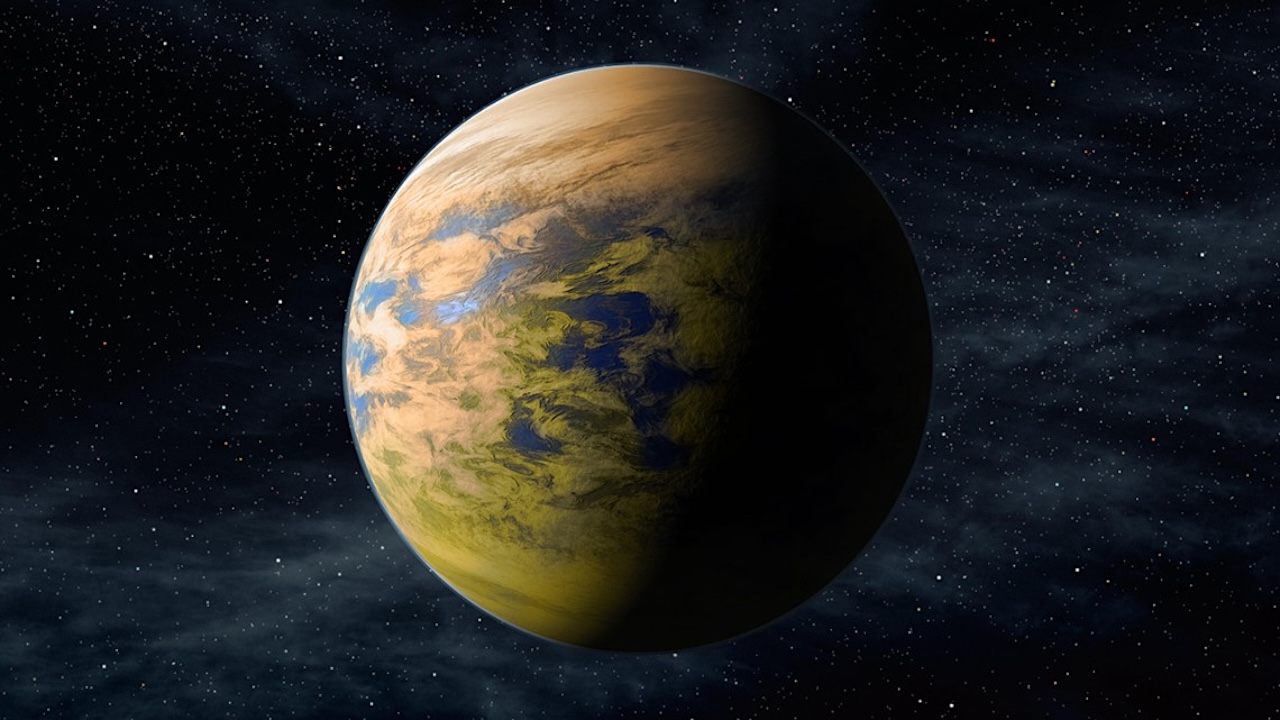
Artist concept of a cloudy Earth-like exoplanet with colorful biota in the clouds. Adam B. Langeveld/Carl Sagan Institute. Adapted from NASA/Ames/JPL-Caltech. An exoplanet with dense or even total cloud cover
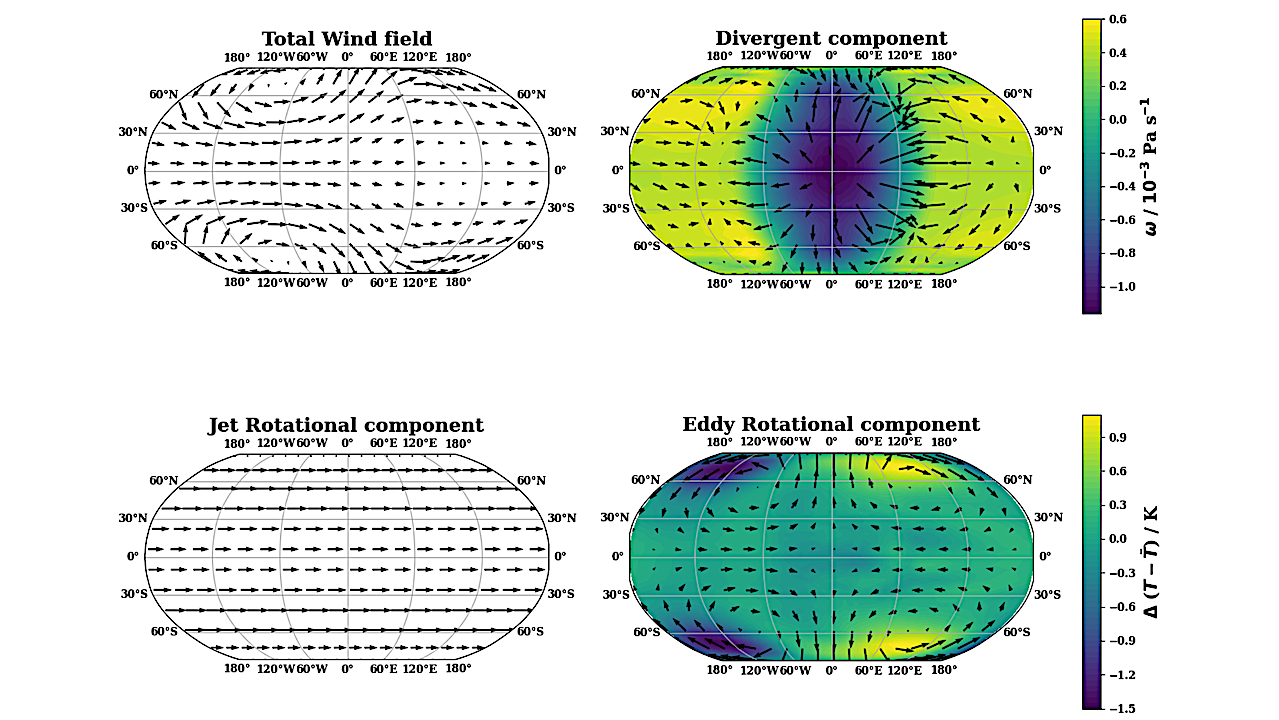
Wind fields in our imposed TOA 𝐴𝑏 = 0.6 case. Top left: horizontal wind field at 250 hPa. Top right: Divergent component of the circulation, and the vertical pressure velocity