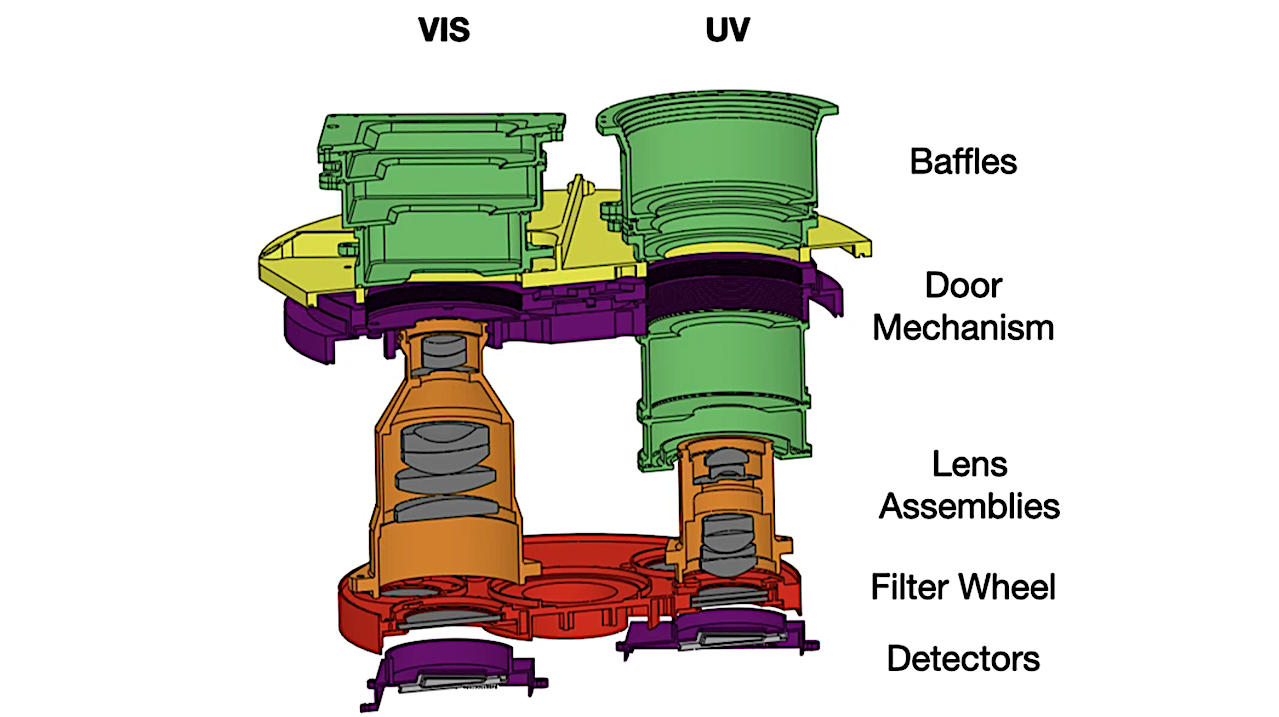
Optical Layout of EXI showing the baffles, door mechanism, lens assemblies made up of the lens tubes with lens elements, filter wheel, and detectors — astro-ph.EP Understanding the diurnal behavior

Optical Layout of EXI showing the baffles, door mechanism, lens assemblies made up of the lens tubes with lens elements, filter wheel, and detectors — astro-ph.EP Understanding the diurnal behavior
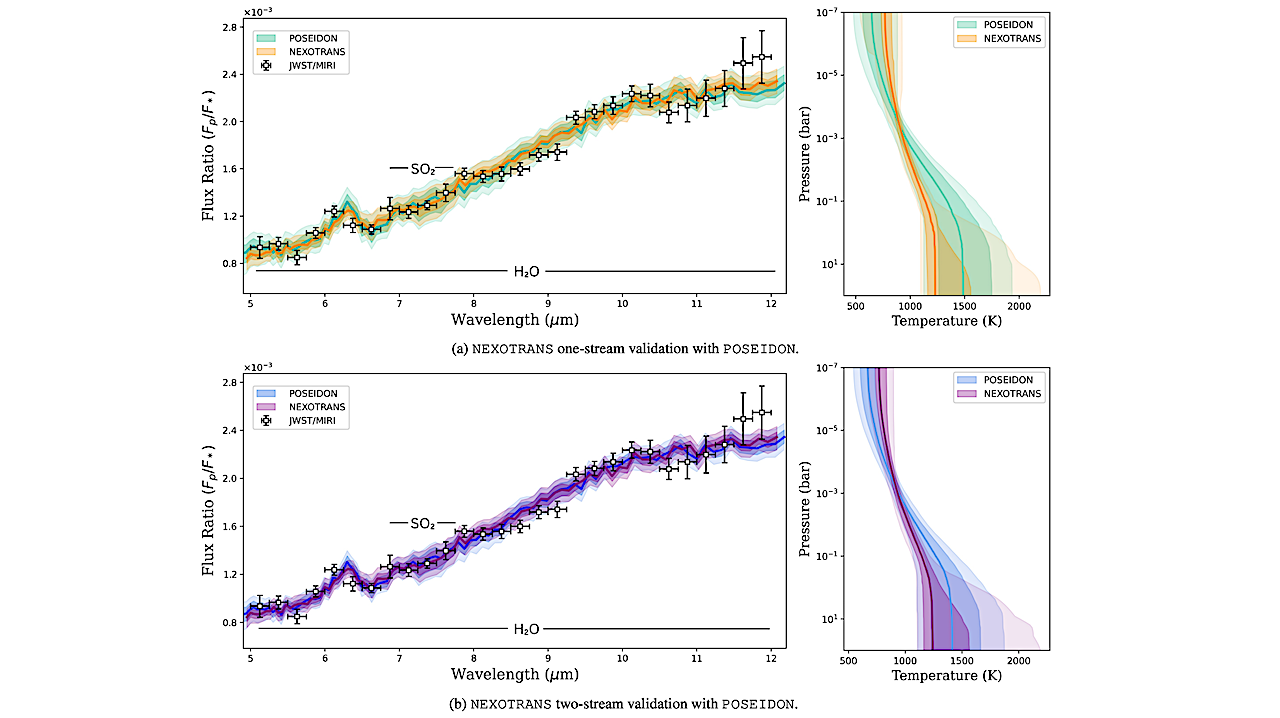
Validation of NEXOTRANS’s emission retrieval module against POSEIDON: (a) Best-fit retrieved spectrum and P-T profile using the one-stream approximation, and (b) using the two-stream approximation. JWST MIRI observations are shown
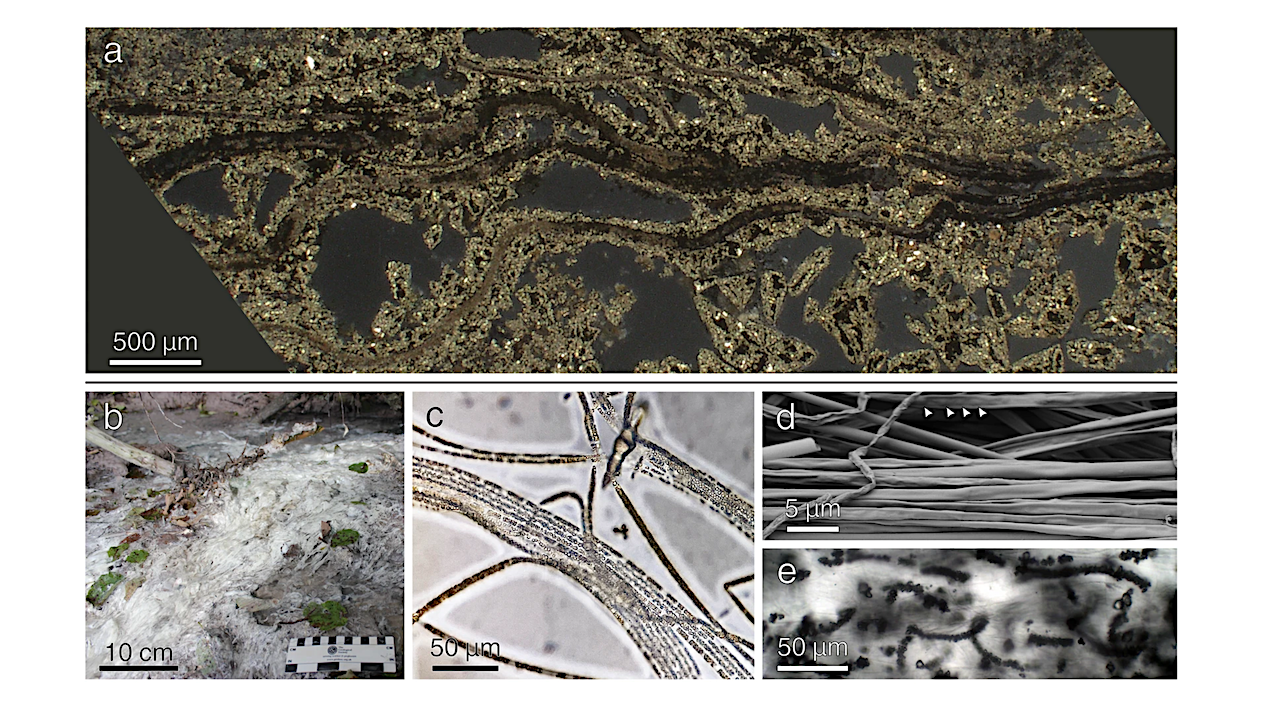
Key features of natural mats and experimental products. (a) Reflected light micrograph of pyritized filamentous structures of unknown origin in modern hydrothermal sulfide deposits (East Pacific Rise, RV Sonne research

Exploring Tatooine — ESA ESAC, Madrid, Spain10-12 December 2025 This event aims to bring together experts in the field to discuss the latest advancements, share insights, and foster collaborations with

The abstract in PubMed or at the publisher’s site is linked when available and will open in a new window. Ferraro S, Sengupta S, Shaw J, Dave A, Cheli M,
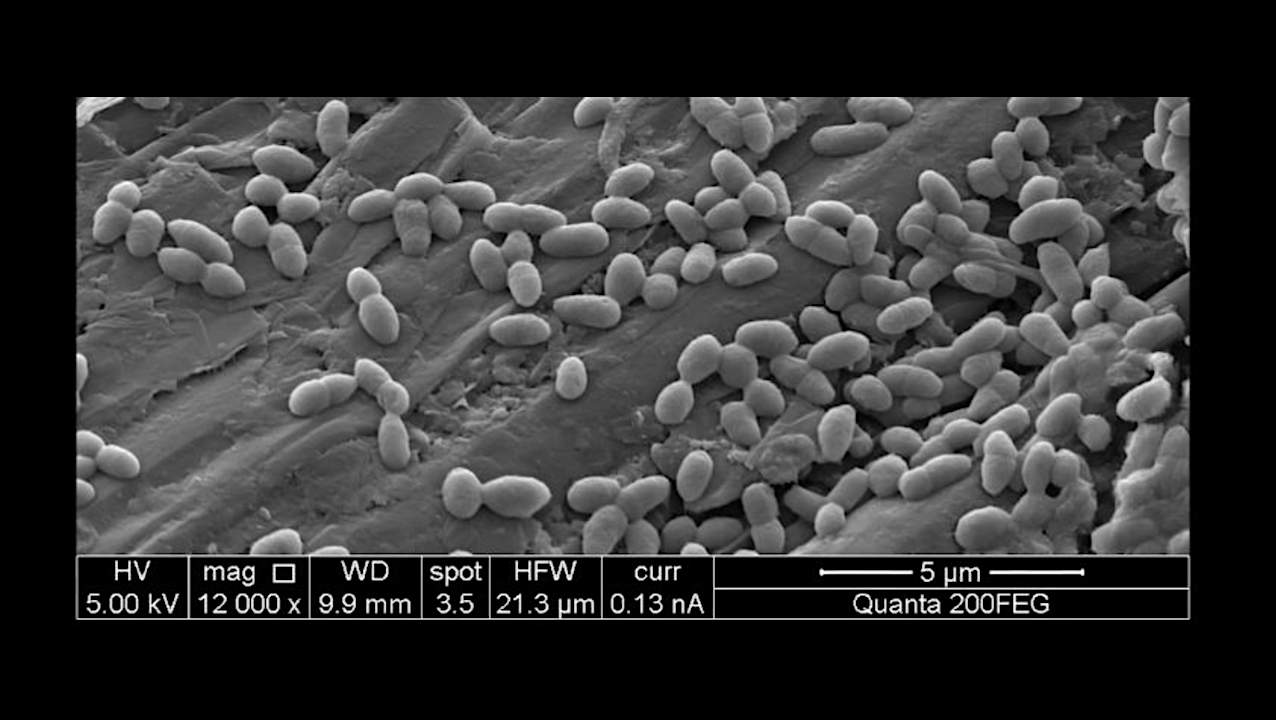
Desulfuromonas acetexigens on a metal electrod surface. Credits: KAUST. Microbes are masters of survival, evolving ingenious strategies to capture energy from their surroundings. For decades, scientists believed that only a
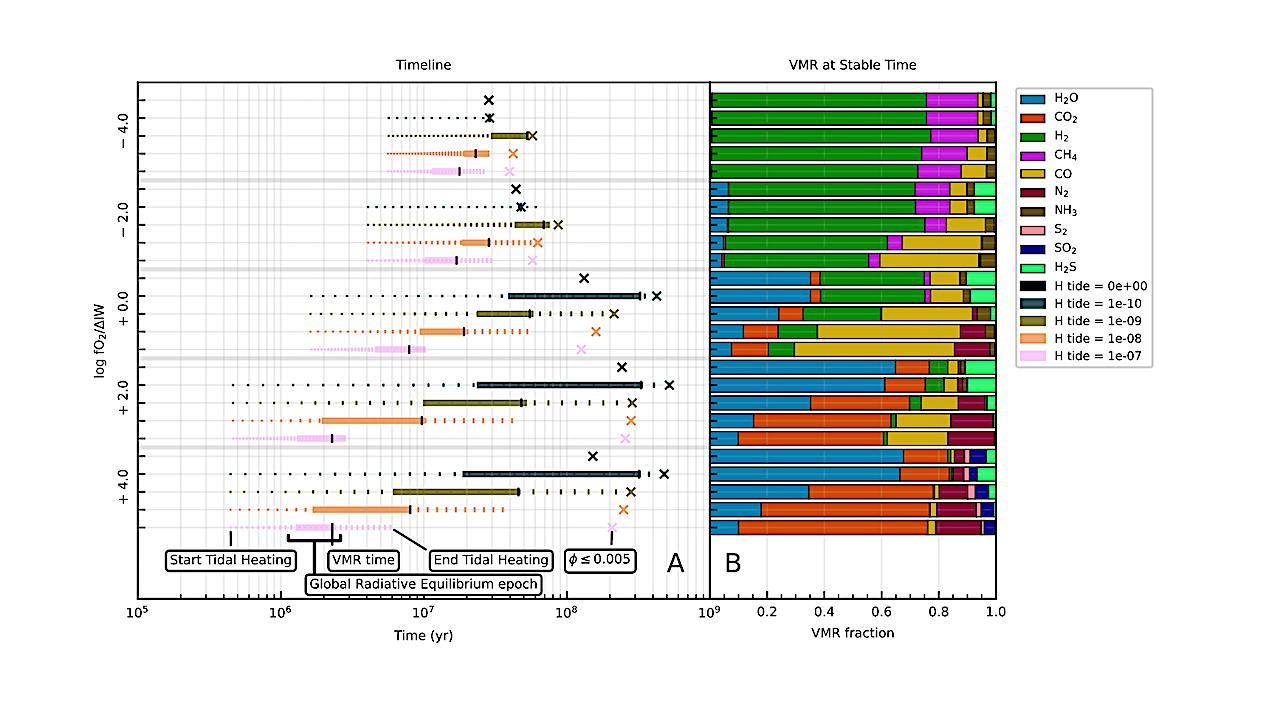
Evolution of nominal-composition cases across the full range of fO2 and tidal power densities simulated (see Section 2.3). Panel A (left): stages in planet’s lifetime after model initialization. Dotted lines
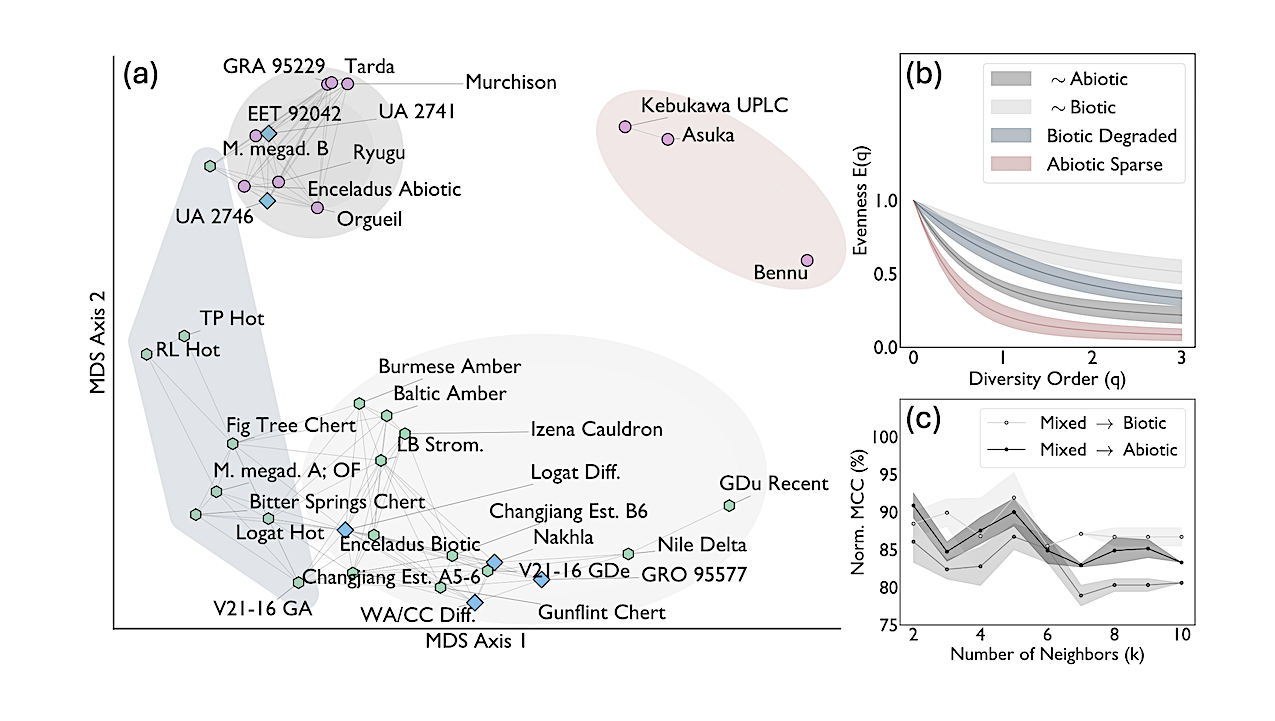
Dissimilarity analysis of evenness curves of amino acid assemblages. (a): Multidimensional Scaling (MDS) projection of dissimilarities between evenness curves, E(q). Points represent samples; distances between samples grow with dissimilarity. Edges
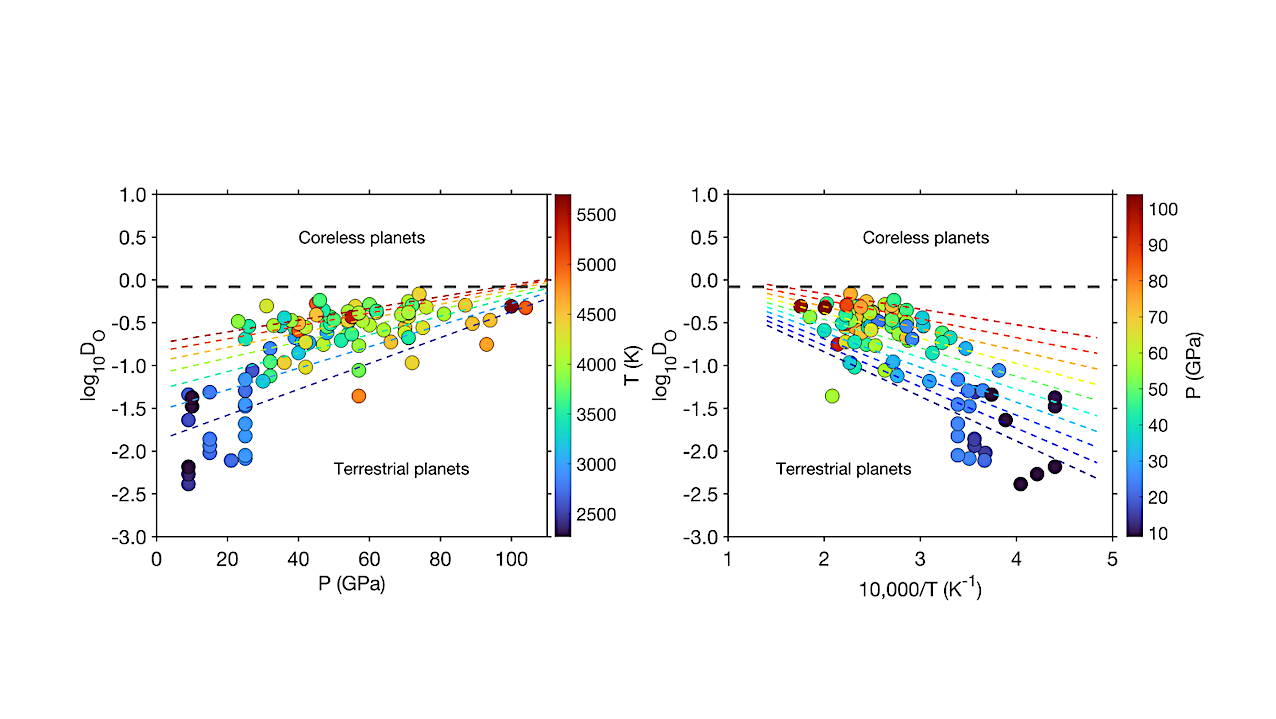
TRAPPIST-1 Status Report astro-ph.EP November 4, 2025 Filed under astro-ph.EP, astrogeology, exoplanet, M-dwarf, TRAPPIST-1, TRAPPIST-1 b, TRAPPIST-1 c, TRAPPIST-1 d, TRAPPIST-1 e, TRAPPIST-1 f, TRAPPIST-1 g Core–mantle partition coefficient of
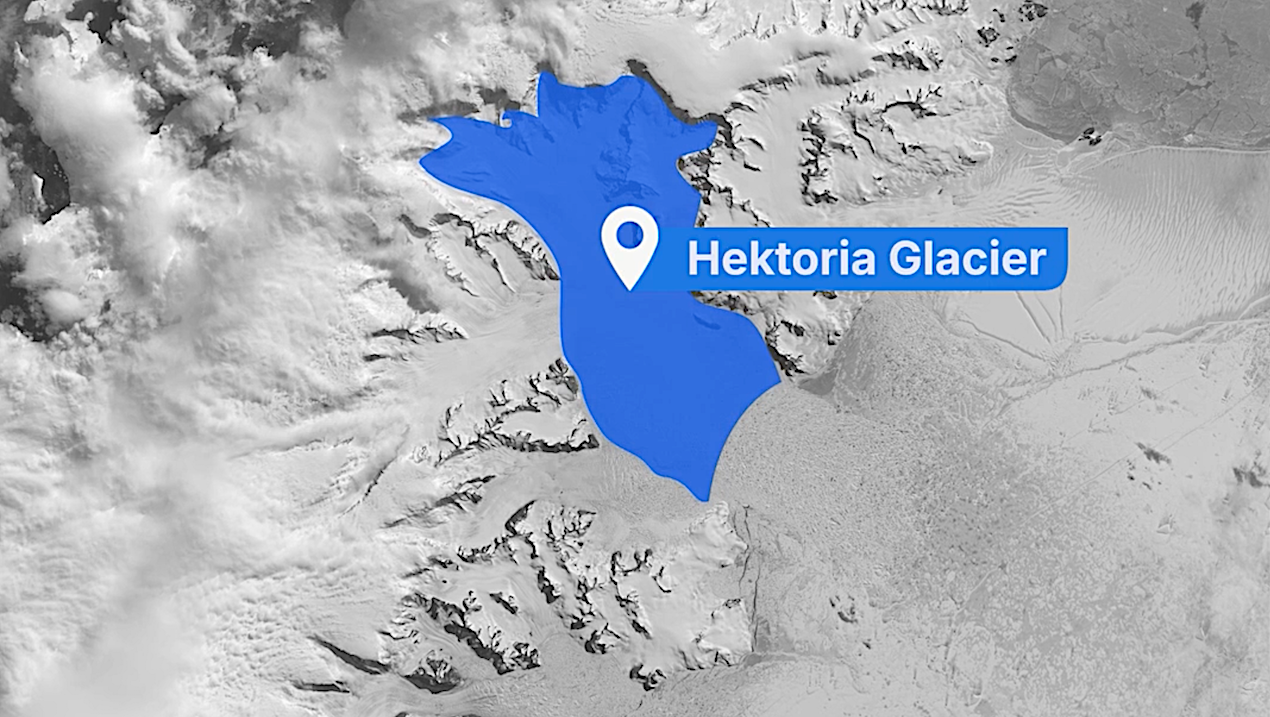
Hektoria Glacier on Antarctica’s Eastern Peninsula experienced the fastest retreat recorded in modern history—in just two months, nearly 50 percent of the glacier disintegrated. This video illustrates how and why