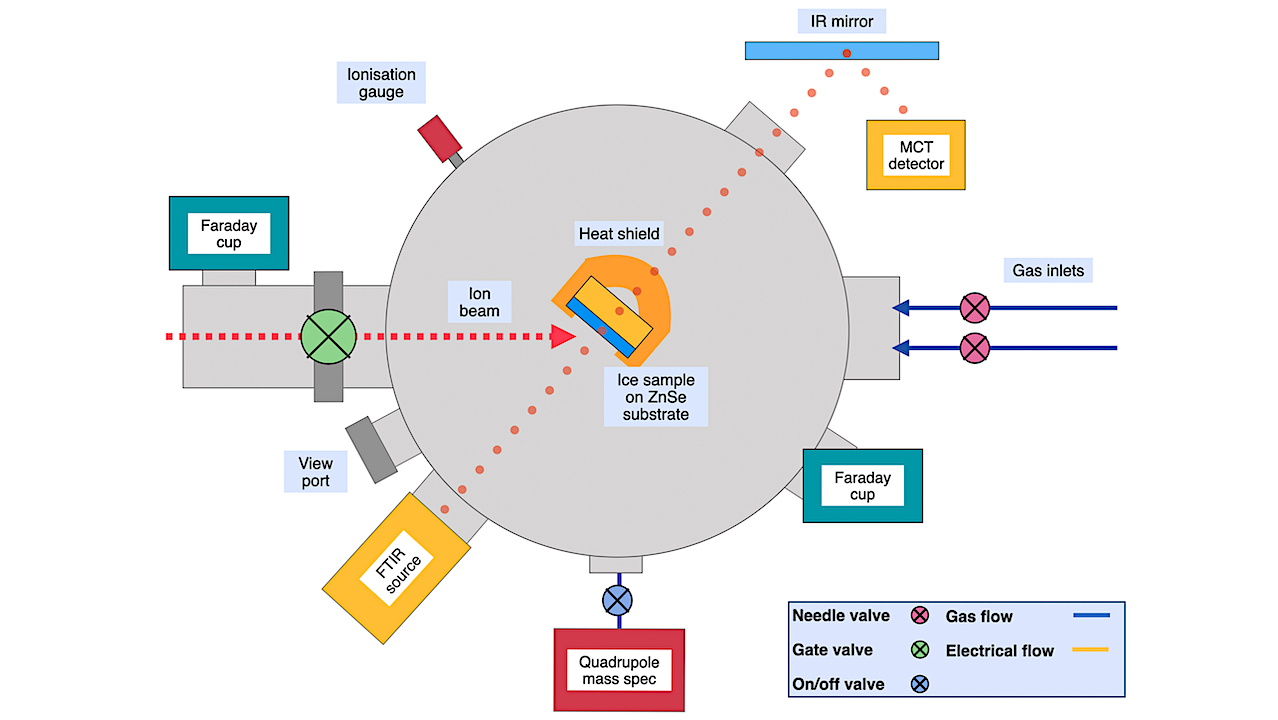
Schematic diagram of the AQUILA chamber. Science Direct Saturn’s magnetosphere contains trapped plasma and energetic charged particles which constantly irradiate the surface of Enceladus. In this study, we exposed Enceladean

Schematic diagram of the AQUILA chamber. Science Direct Saturn’s magnetosphere contains trapped plasma and energetic charged particles which constantly irradiate the surface of Enceladus. In this study, we exposed Enceladean
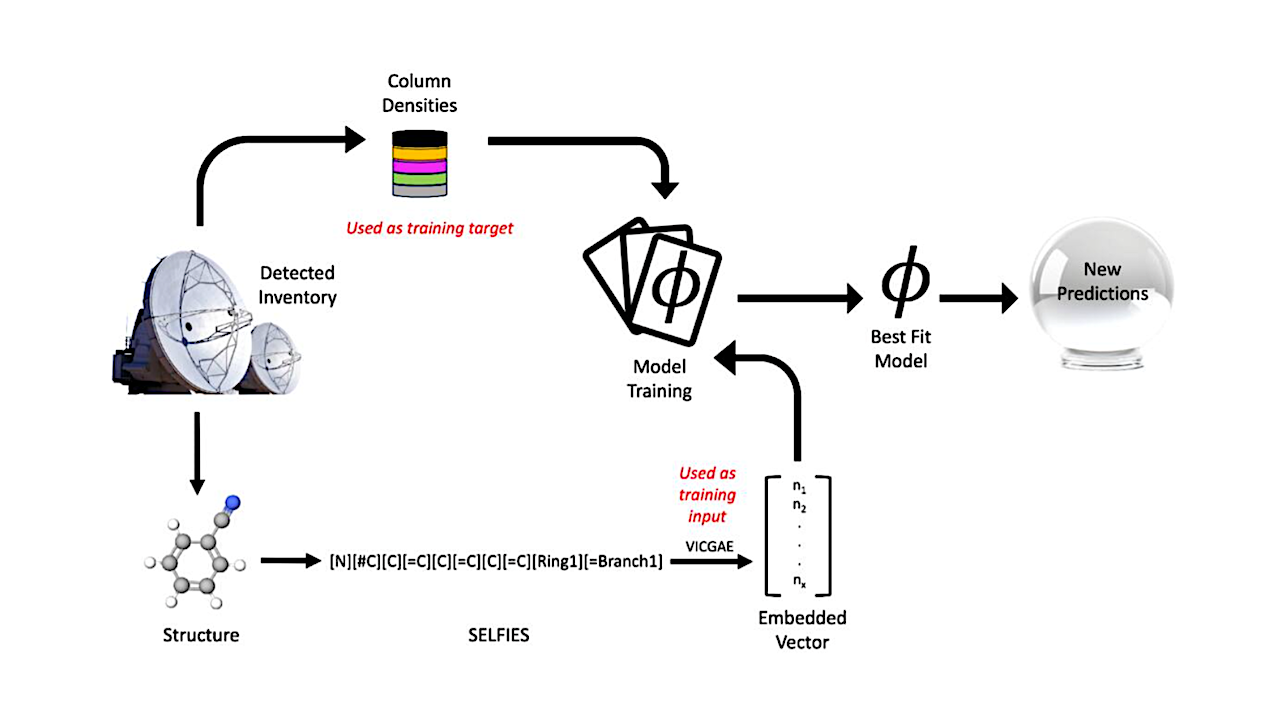
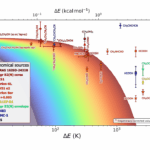
Figure reproduced from H. Toru Shay et al. (2025). The detected inventory of TMC–1 molecular species and their column densities is converted into numerical vectors with the VICGAE model. The
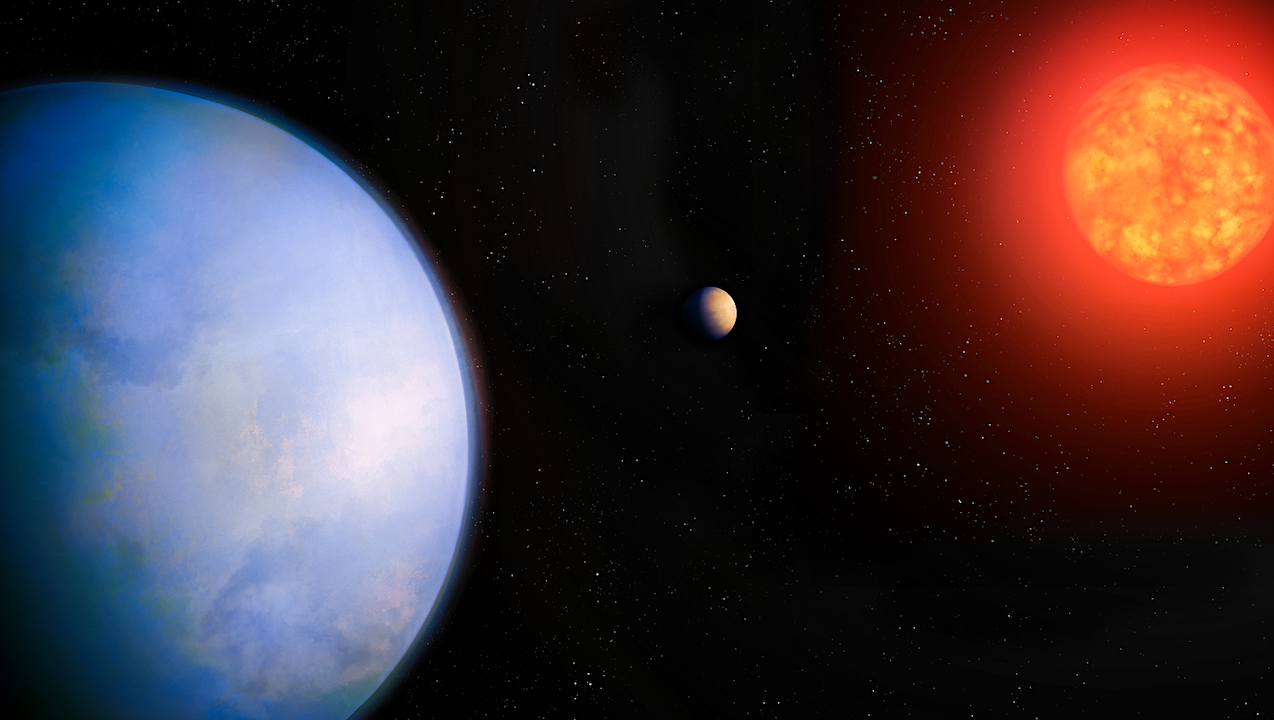
An international team of scientists, including researchers at Penn State, dubbed the exoplanet, named GJ 251 c, a “super-Earth” as data suggest it has a rocky composition similar to Earth
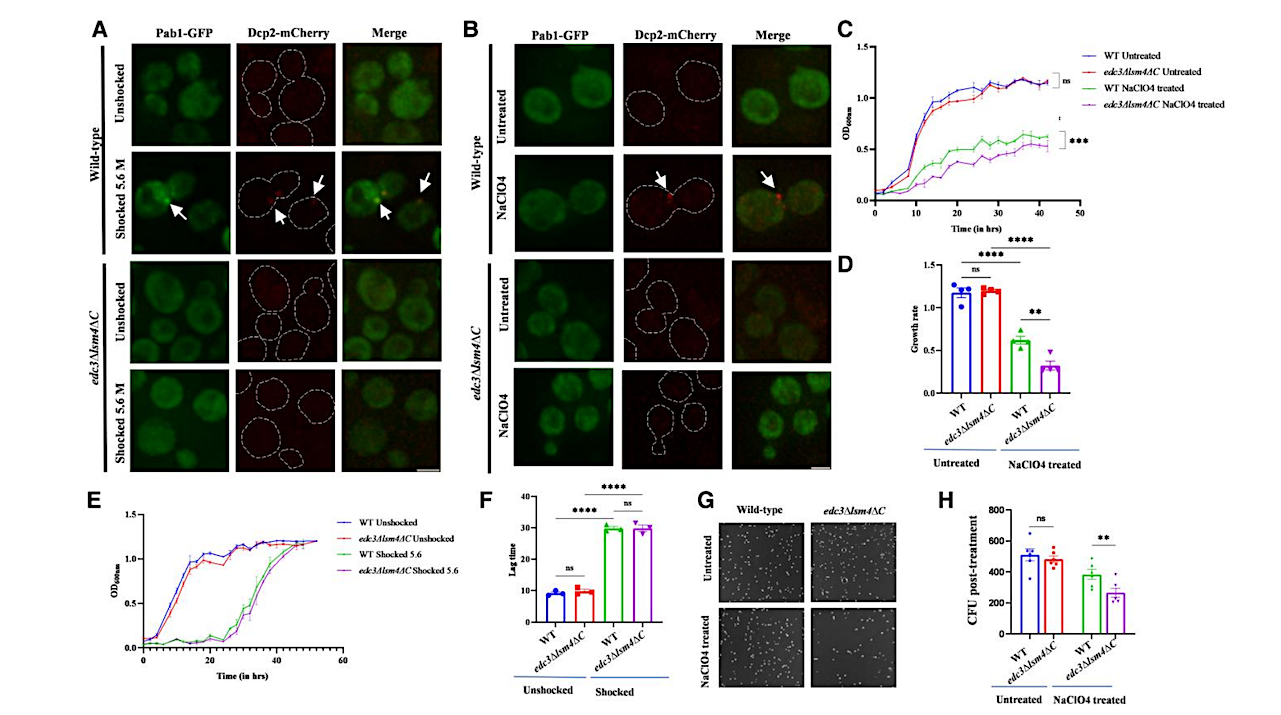
edc3Δlsm4C mutant is defective in condensate assembly and demonstrates an extended lag phase in sodium perchlorate stress. Microscopy analysis for edc3Δlsm4ΔC mutant strain upon—A) exposure to 5.6 Mach intensity shock
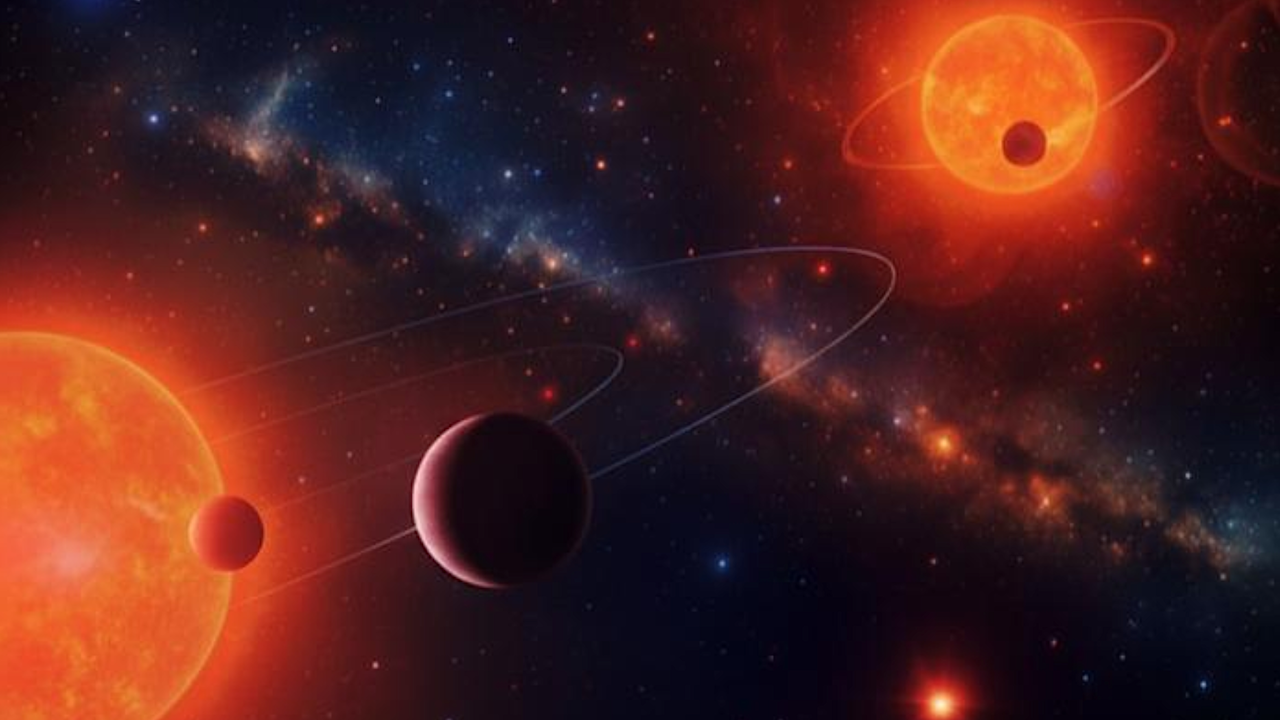
Artist’s impression of TOI-2267 ©Mario Sucerquia (University of Grenoble Alpes). Credit ©Mario Sucerquia (University of Grenoble Alpes). An international team of researchers has just revealed the existence of three Earth-sized
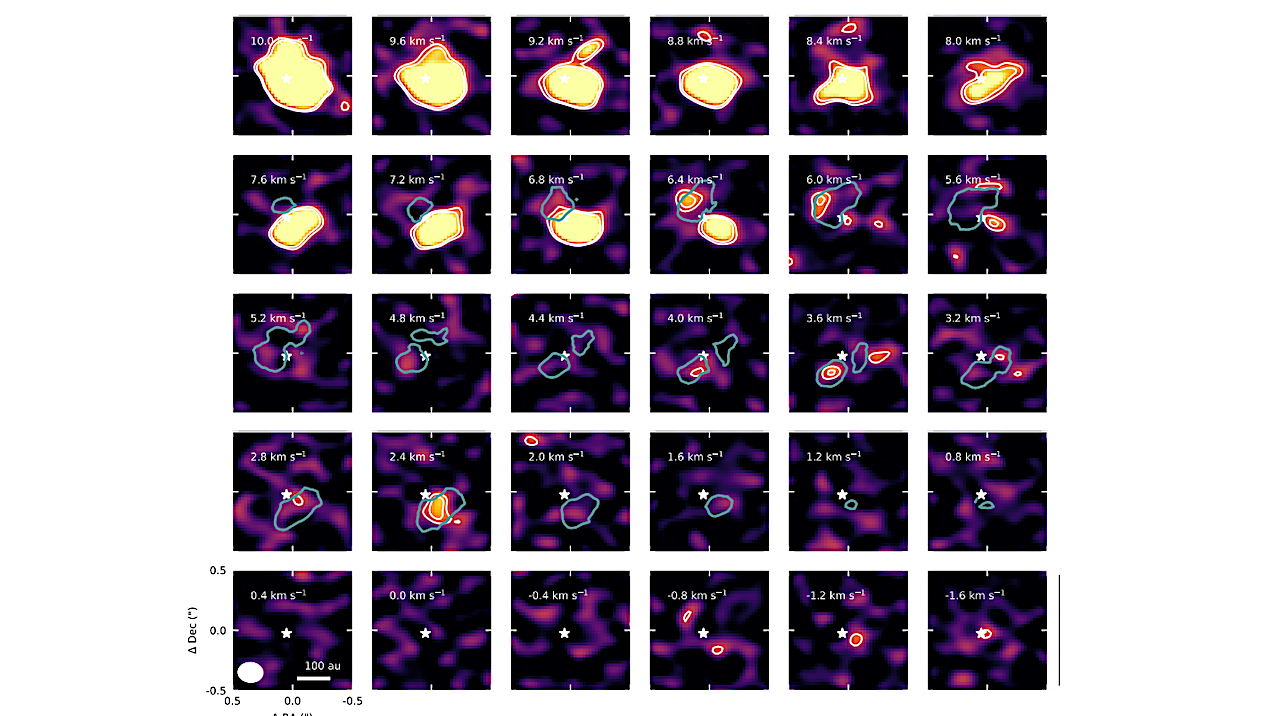
Channel maps of the D2O emission compared to that of HDO. The grey line indicates the emission above 3σ attributed to the HDO line at 225 GHz. The white contours

Dr. Jill Tarter The SETI Institute announced today that the California Academy of Sciences has awarded its highest honor, the Fellows Medal, to Dr. Jill Tarter, SETI Institute co-founder and
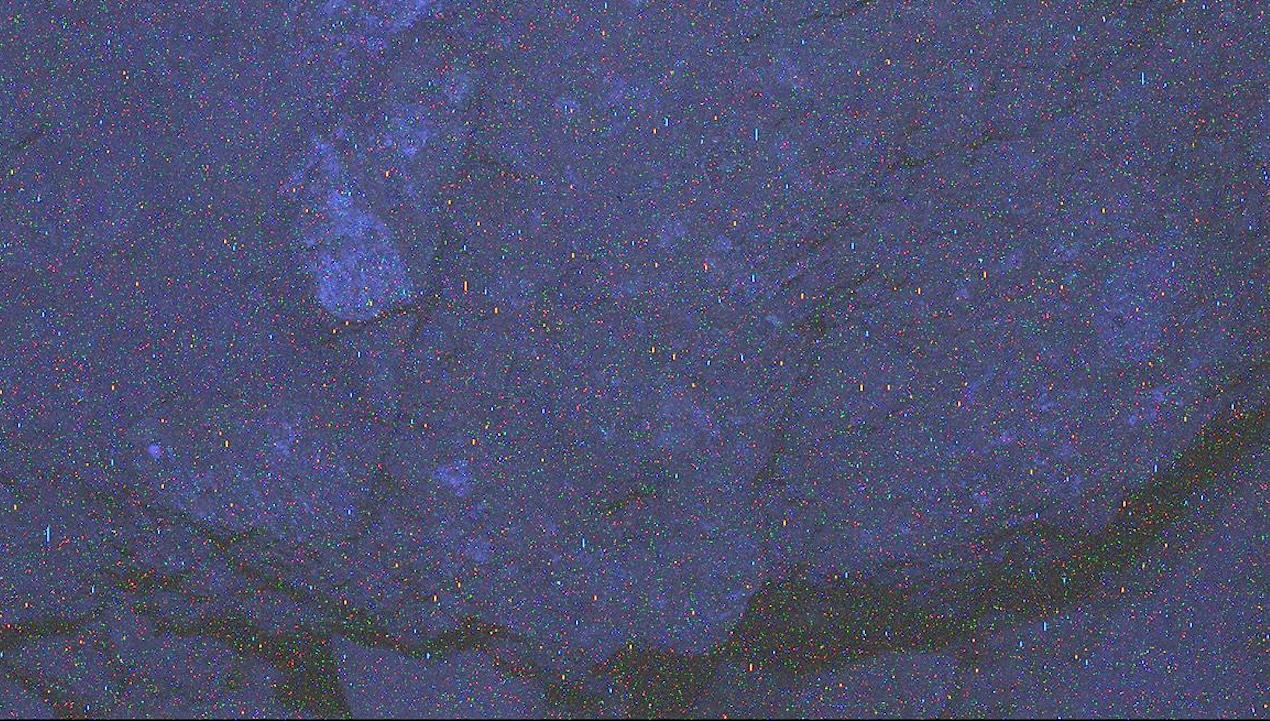
This photo was selected by public vote and featured as “Image of the Week” for Week 244 (Oct. 12 – 18, 2025) of the Perseverance rover mission on Mars. NASA’s
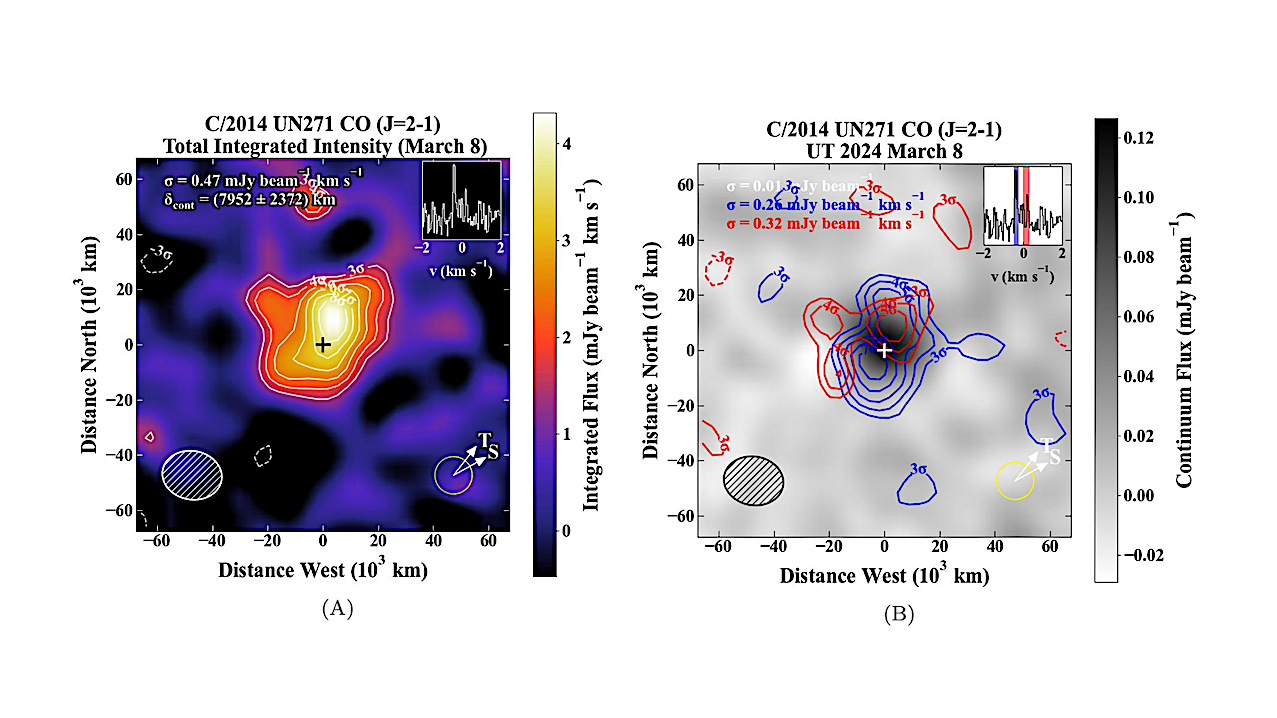
(A) Spectrally integrated flux map for CO on 2024 March 8. Contour intervals are in 1σ increments of the rms noise, with the lowest contour being 3σ. Sizes and orientations

The search for traces of life can be based on the detection of specific signatures produced by microorganisms on sedimentary rocks. Microbially induced sedimentary structures (MISSs) develop under specific physicochemical