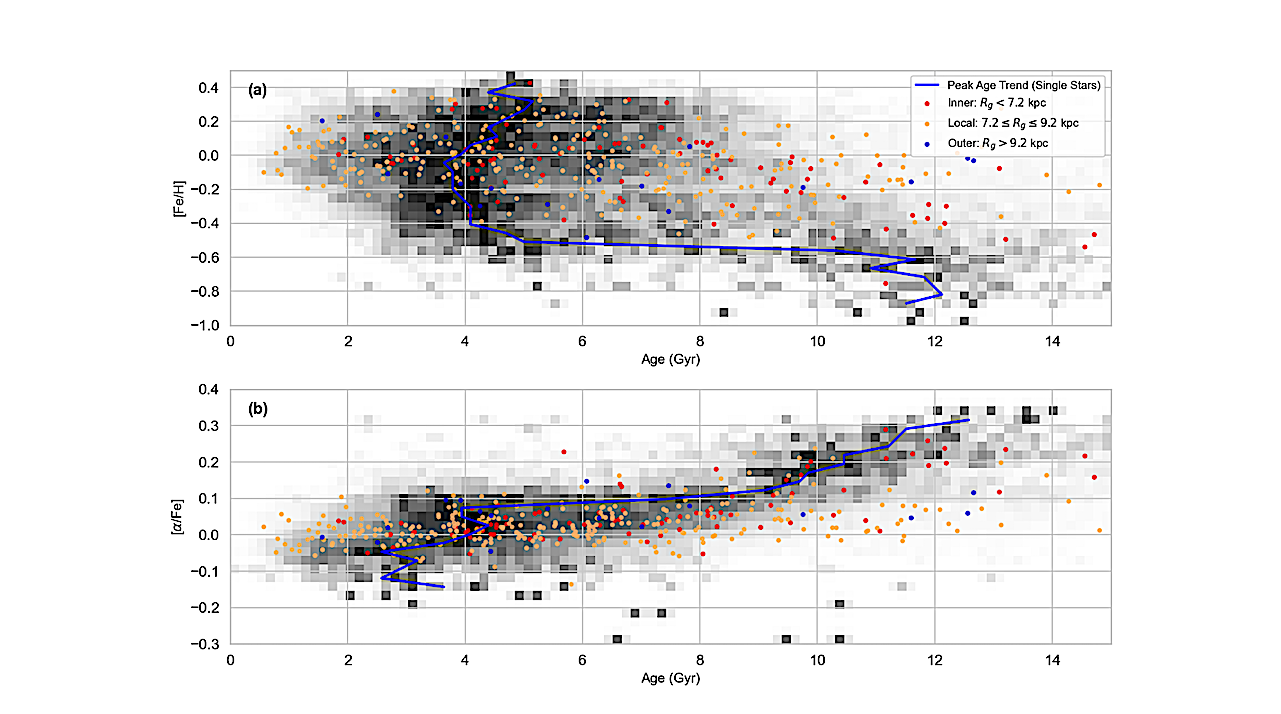
(a) Normalized age distributions p(τ | ) for single stars, binned in and smoothed using Gaussian filtering. Each vertical slice is normalized by its peak value. The blue line

(a) Normalized age distributions p(τ | ) for single stars, binned in and smoothed using Gaussian filtering. Each vertical slice is normalized by its peak value. The blue line
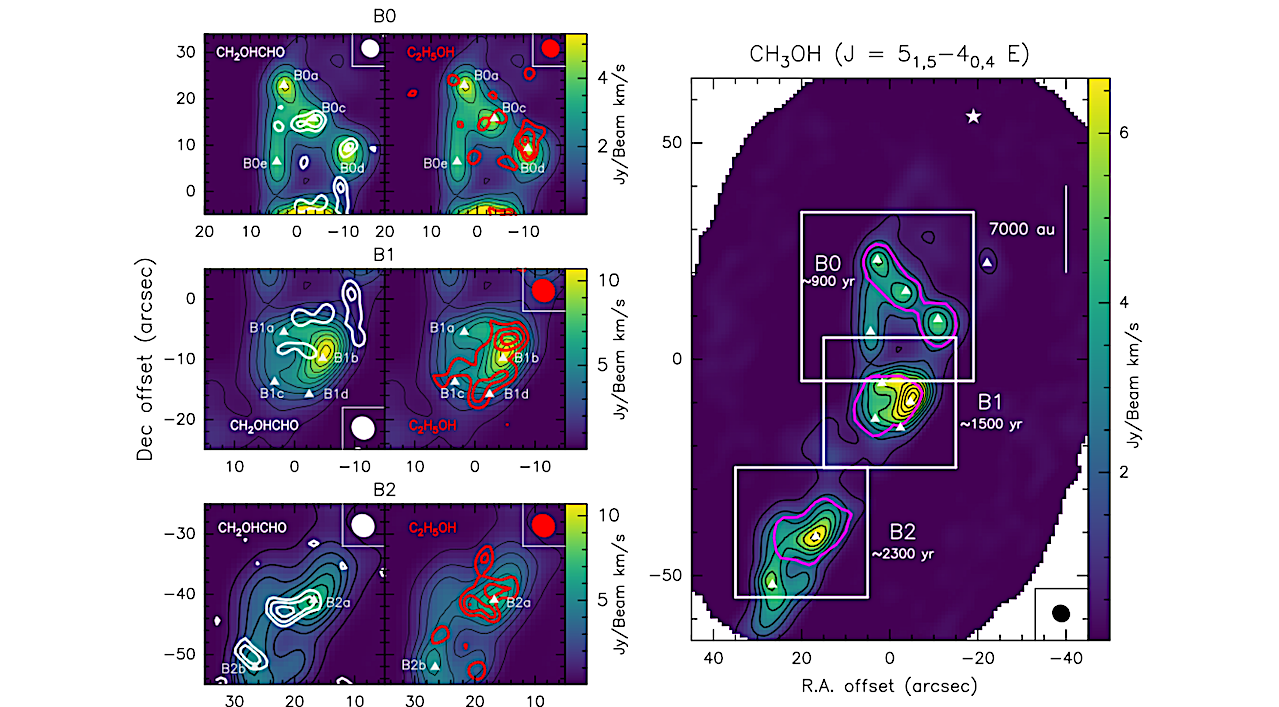
The left panel shows a zoom of the GA and ethanol emission maps toward B0, B1 and B2 respectively, integrated over the velocity range km s−1 . The
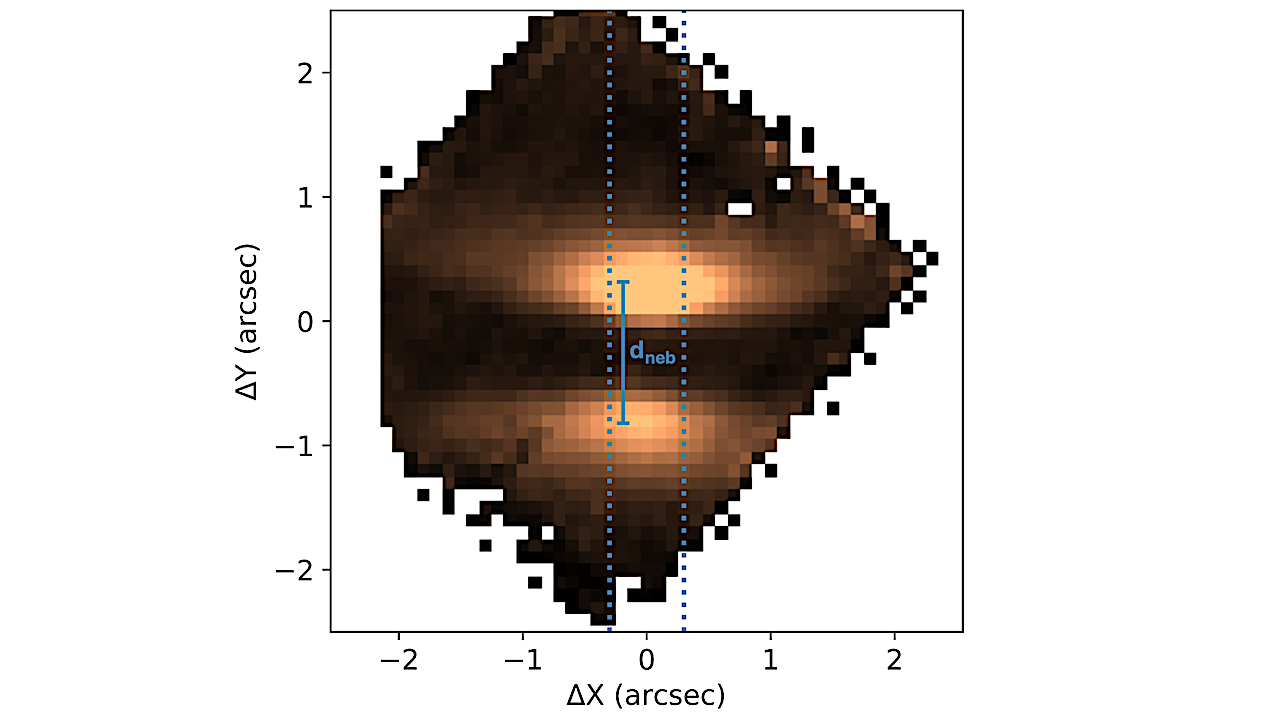
JWST/NIRSpec image of Tau 042021 at 3.1 µm. The solid blue line represents the distance between the two nebulae and the dotted blue lines represent the limits over which we

A droid watching Mars rocks leaving for Earth — NASA The joint ESA-NASA Mars Sample Return (MSR) Campaign is slated to be one of the most ambitious undertakings in the
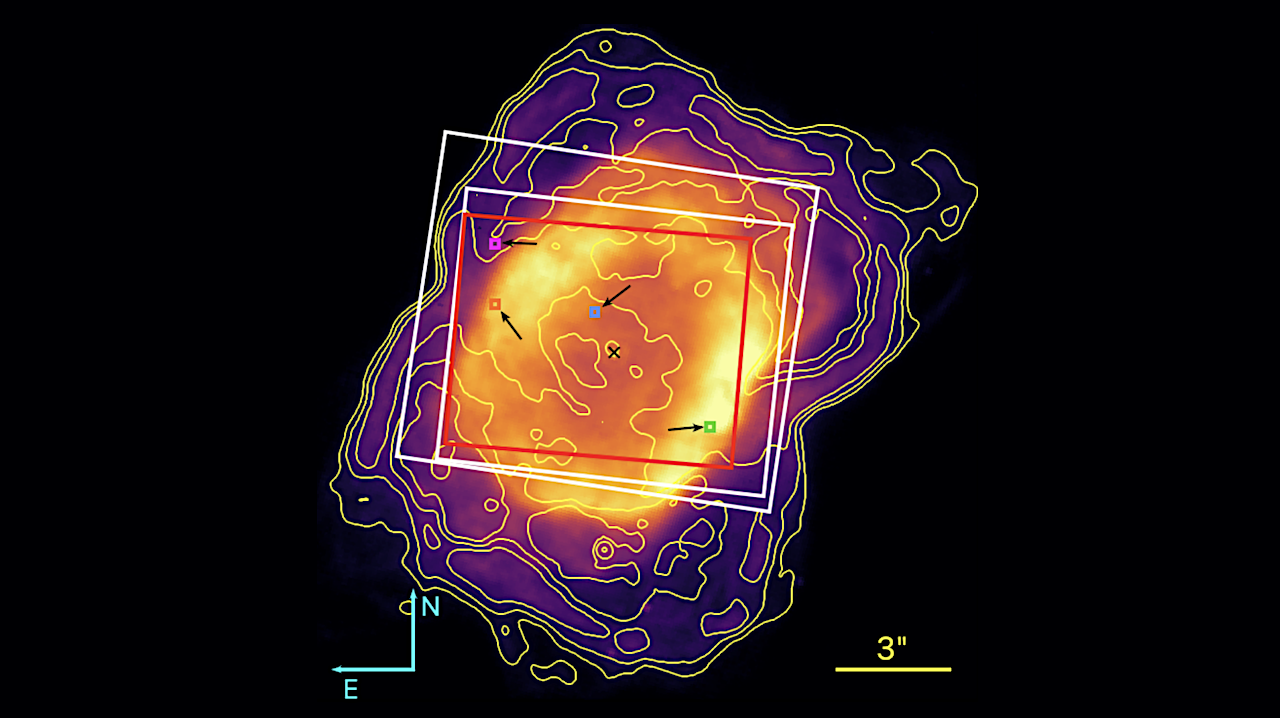
HST/WFC3 NICMOS F212N image of NGC 7027 with JWST MIRI-MRS FOVs for channels 1 (red), 2, and 3 (white) overlaid. The black cross indicates the position of the central star.
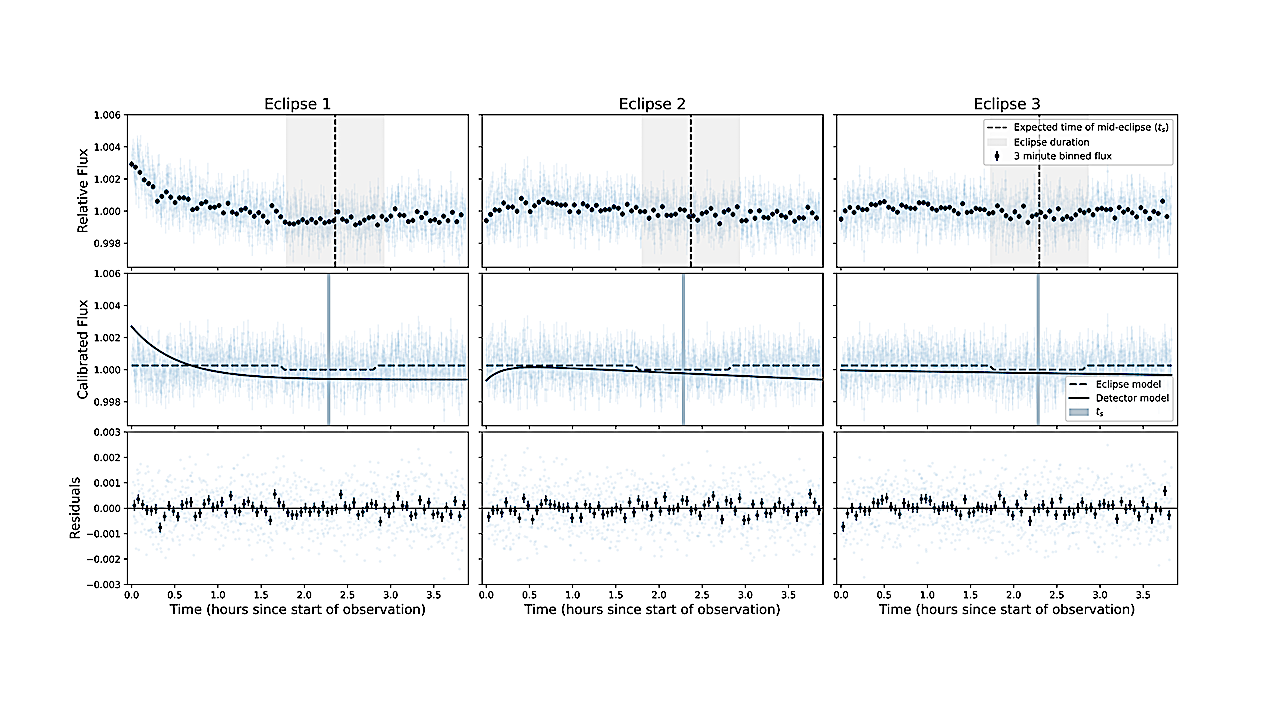
Best-fit model for the three light curves extracted using aperture photometry with Eureka!. Outliers beyond 4 σ are clipped. — astro-ph.EP We present the reanalysis of three 15 micron JWST/MIRI
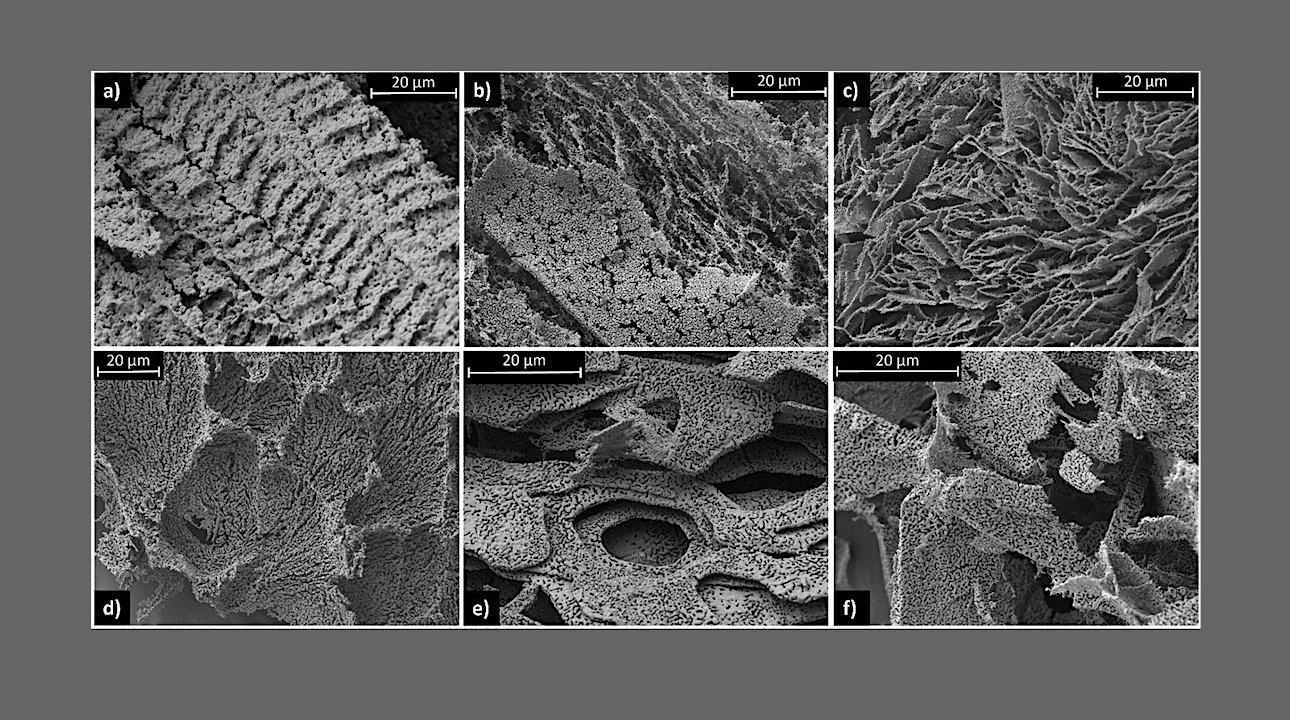
Scanning electron microscopy images showing representative regions of desiccated salt samples. Top row: Flash frozen; bottom row: slow frozen. (a) NaCl flash frozen, (d) NaCl slow frozen; (b) Na2SO4 flash
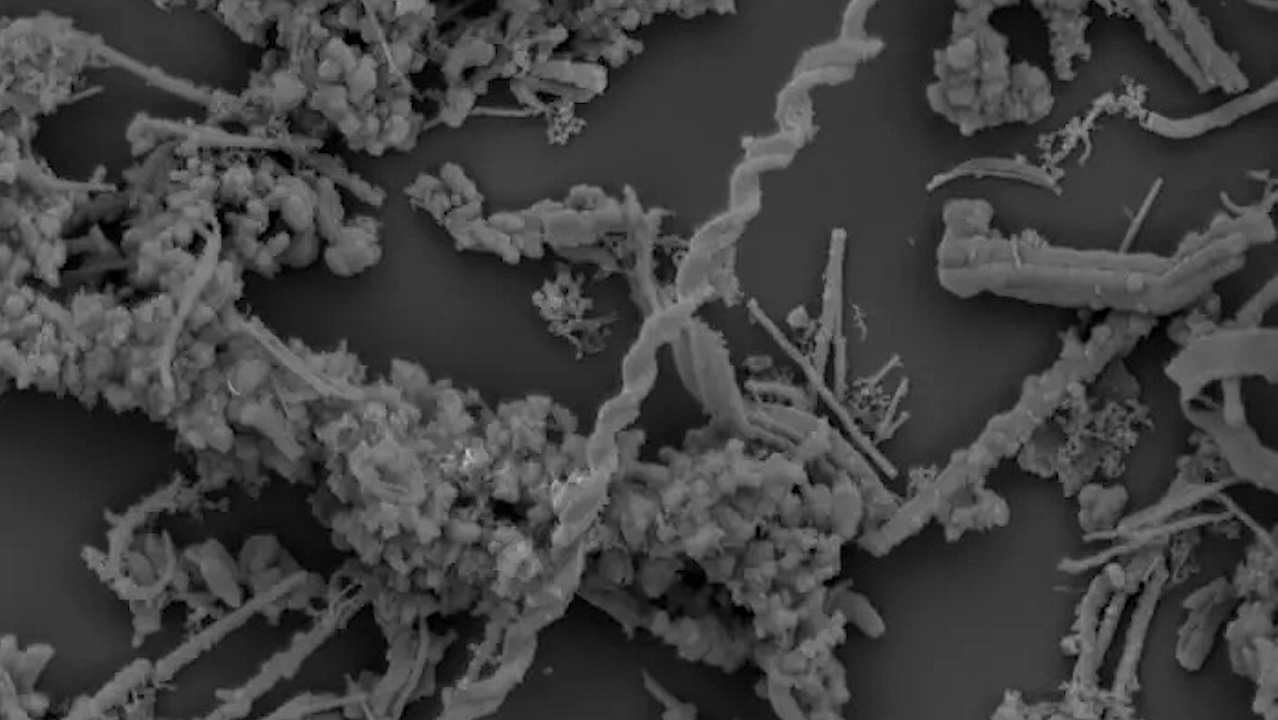
A scanning electron microscopy image of microbe samples taken from the vents. CREDIT Sharifah Altalhi A new study led by King Abdullah University of Science and Technology (KAUST; Saudi Arabia)
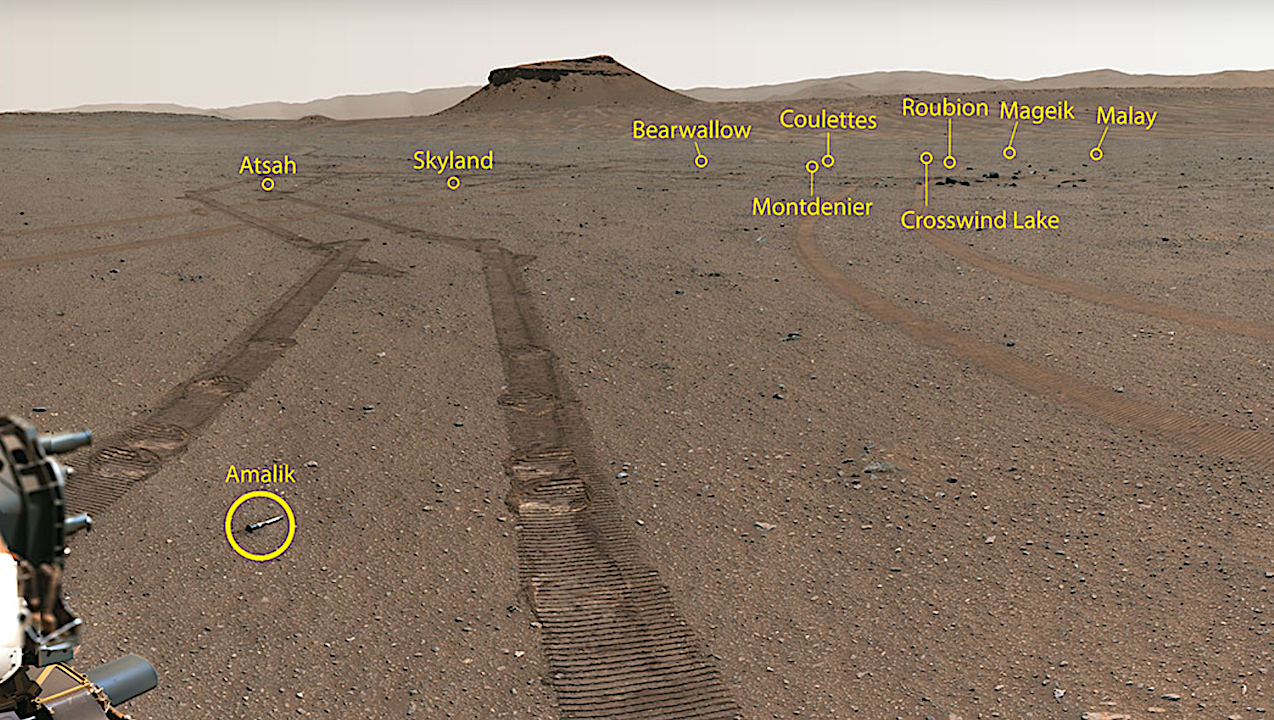
An annotated version of the portrait captured by NASA’s Perseverance shows the location of the 10 sample tubes in the depot. The “Amalik” sample closest to the rover was about
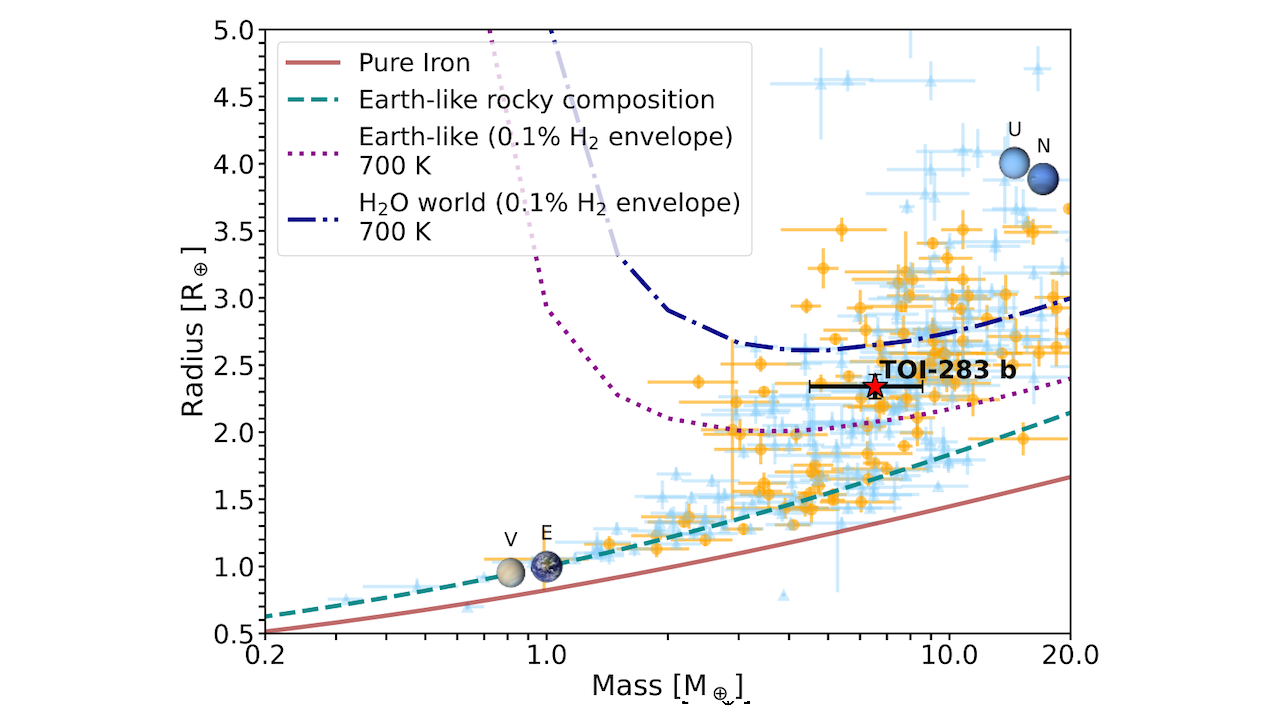
Mass-radius diagram for TOI-283 b (red star) and known transiting planets with mass determinations with a precision better than 30 % (parameters taken from the TEPCat database; Southworth 2011). Planets