Communicating Discoveries – Astrobiology.com The potential discovery of life beyond Earth presents unique communication challenges for astrobiology. These include ambiguous data, public misconceptions, and the dynamics of social media platforms.

Communicating Discoveries – Astrobiology.com The potential discovery of life beyond Earth presents unique communication challenges for astrobiology. These include ambiguous data, public misconceptions, and the dynamics of social media platforms.
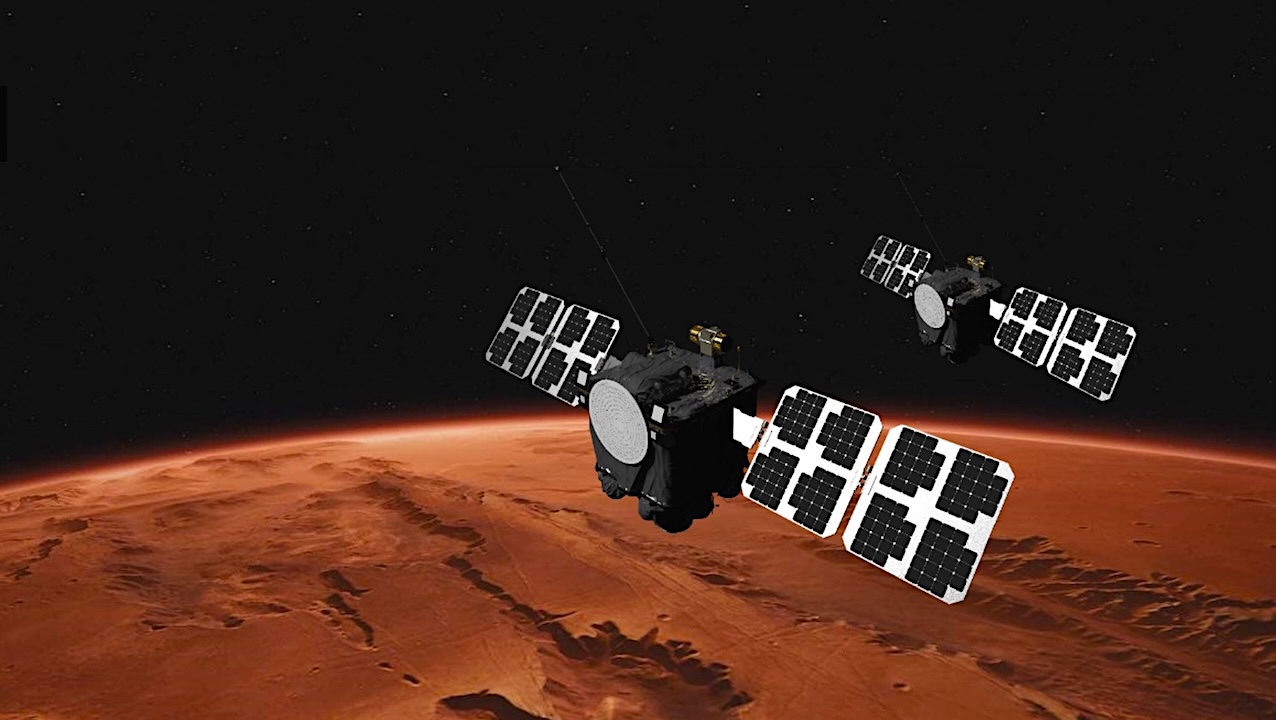
An artist’s rendition of the two ESCAPADE satellites in orbit around Mars. — NASA The first dual-satellite mission to another planet, NASA’s ESCAPADE (Escape and Plasma Acceleration and Dynamics Explorers),

Using a microscope inside a research lab on Mars – Grok via Astrobiology.com Dear all, It’s been a little while since our last update: we hope you’ve all been doing
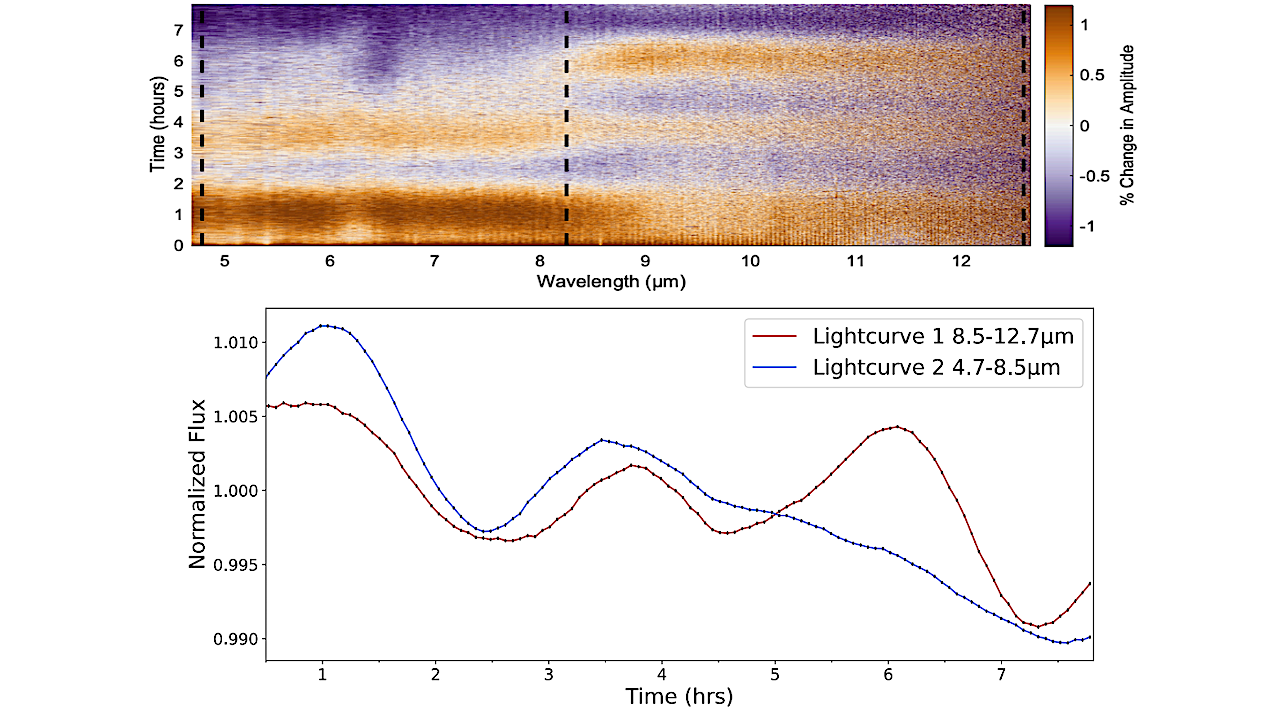
Top: Blended MIRI LRS variability map of WISE J1049 AB: wavelength (x-axis) vs. time (y-axis) and normalized flux (amplitude; colorbar). There are two distinct lightcurve behaviors present, allowing for the
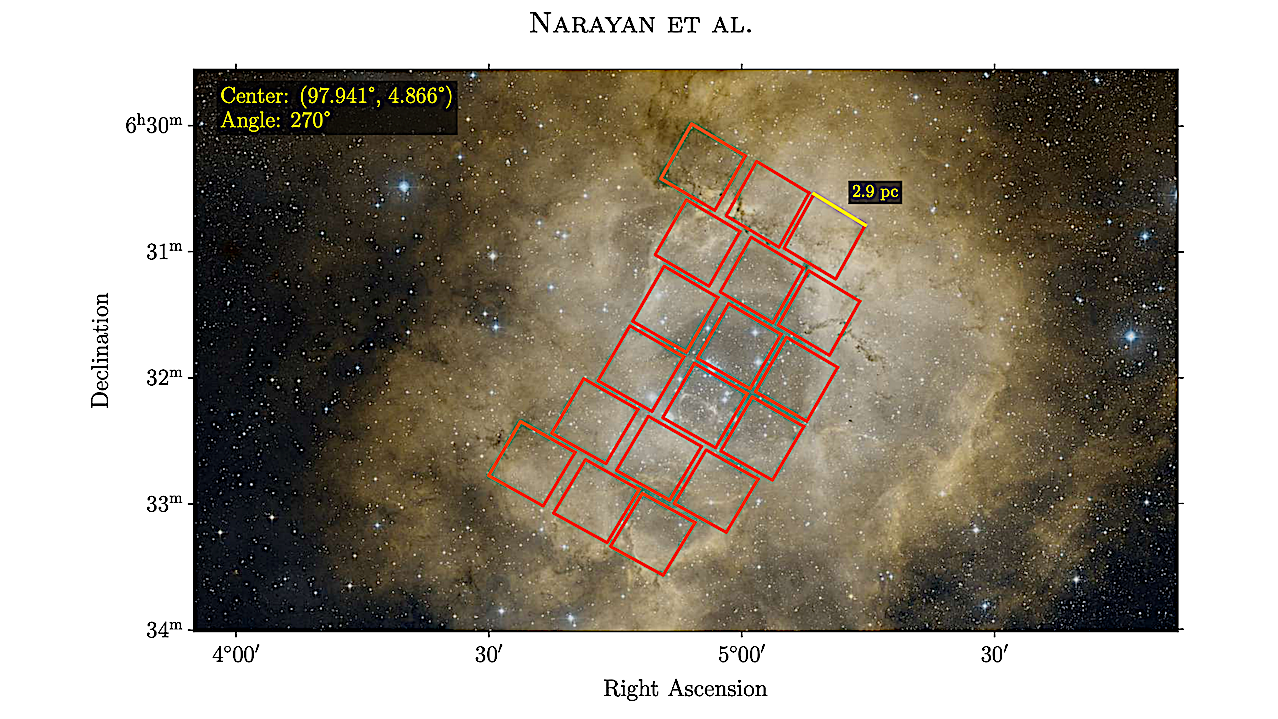
Roman WFI footprint overlaid on an image of the Rosette Nebula taken from the Second Digitized Sky Survey (DSS-2; B. M. Lasker et al. 1990). Red squares outline the 18
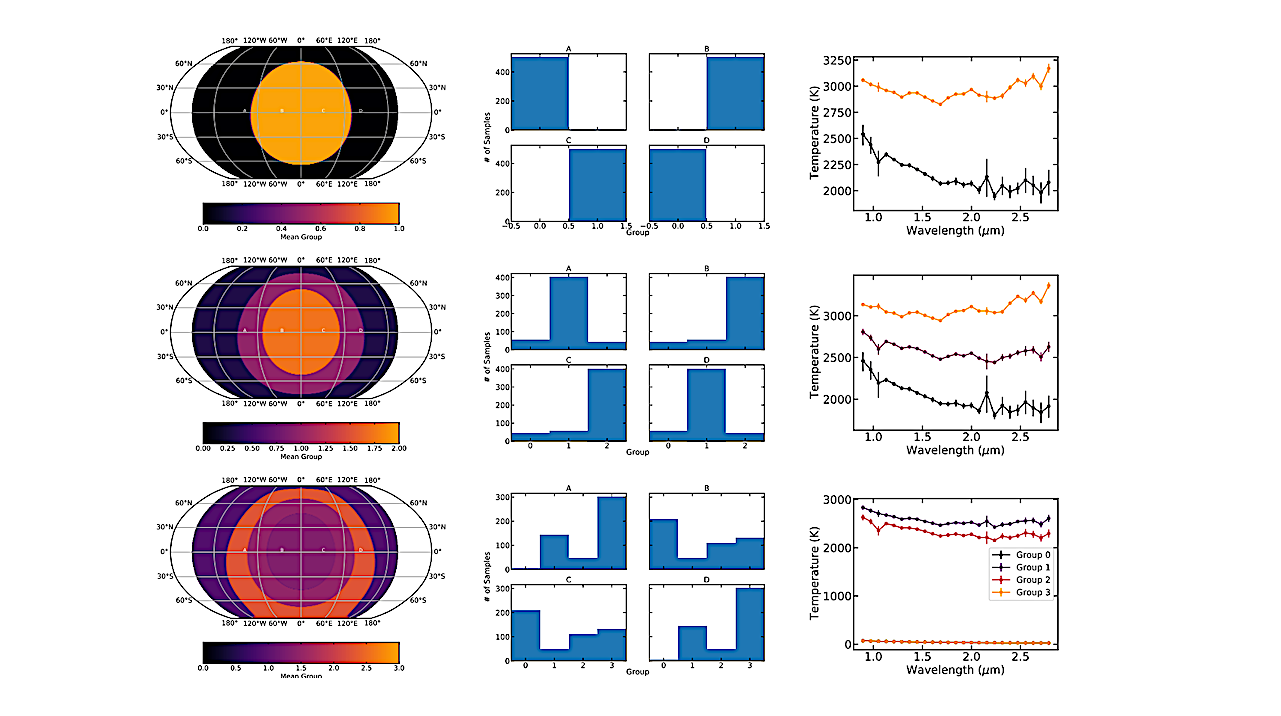
Mean group (left), histograms of grouping across several MCMC samples (middle), and resulting eigenspectra (right) for Eigenspectra mapping fits using 2 (top), 3 (middle), and 4 (bottom) groups. For each
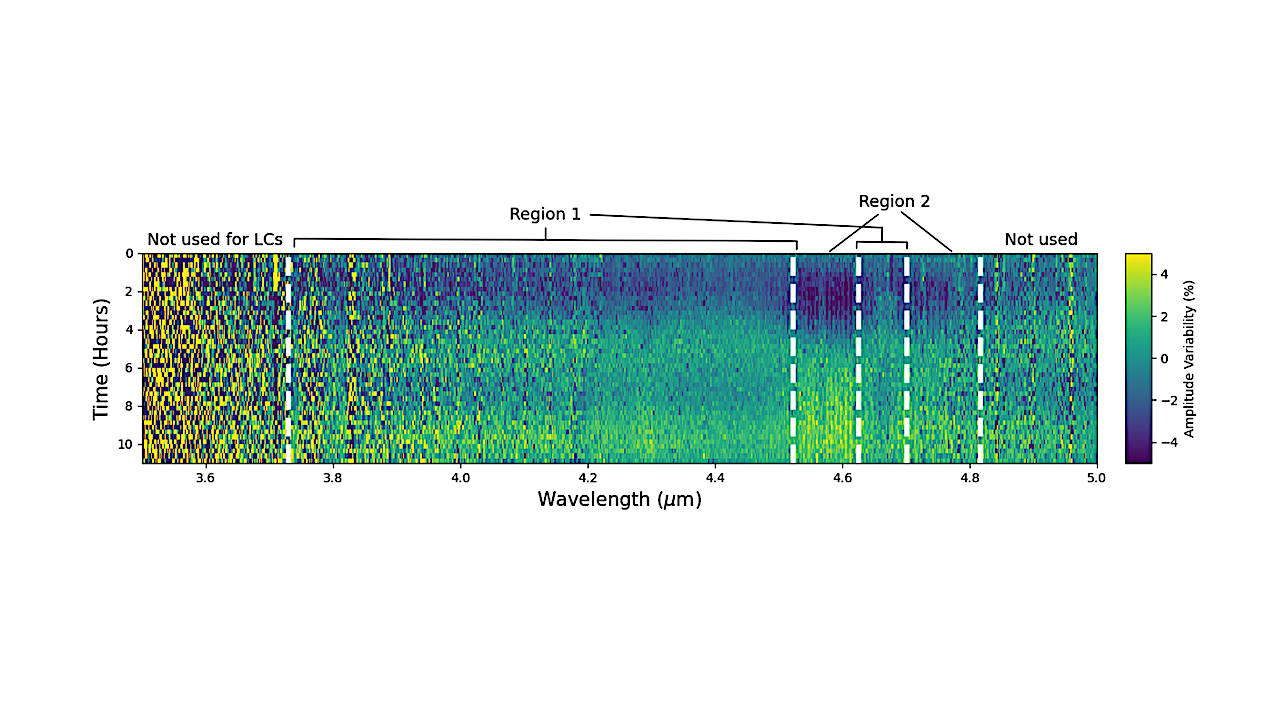
The time-series spectra with the full wavelength range (in microns) of the observations shown on the x-axis, observation time (in hours) on the y-axis, and a color bar representing the
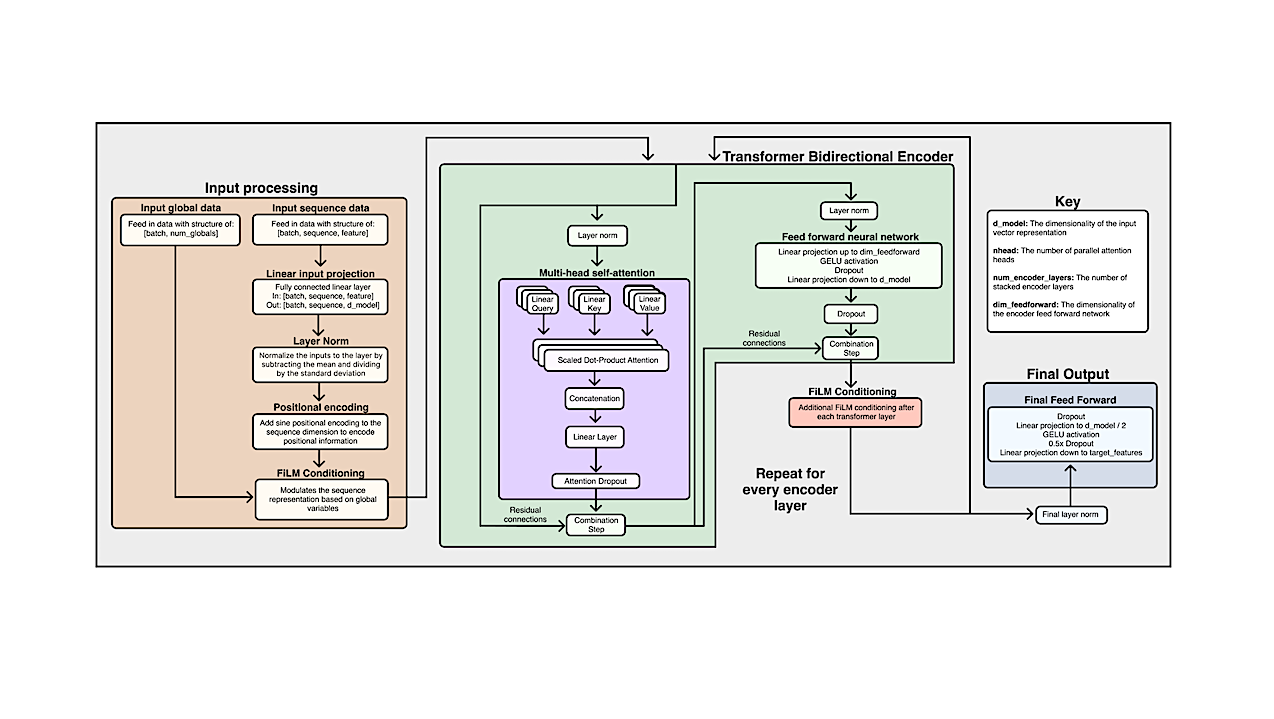
A diagram showing how data flows through the transformer architecture implemented here. Data padding and masking are left out for simplicity. The model does implement this functionality, but it is

Exoplanets, -moons, -comets Status Report astro-ph.EP November 7, 2025 The number of planets meeting or exceeding an equivalent ring thickness threshold of 0.3651 meters, or the approximate Saturn ring thickness
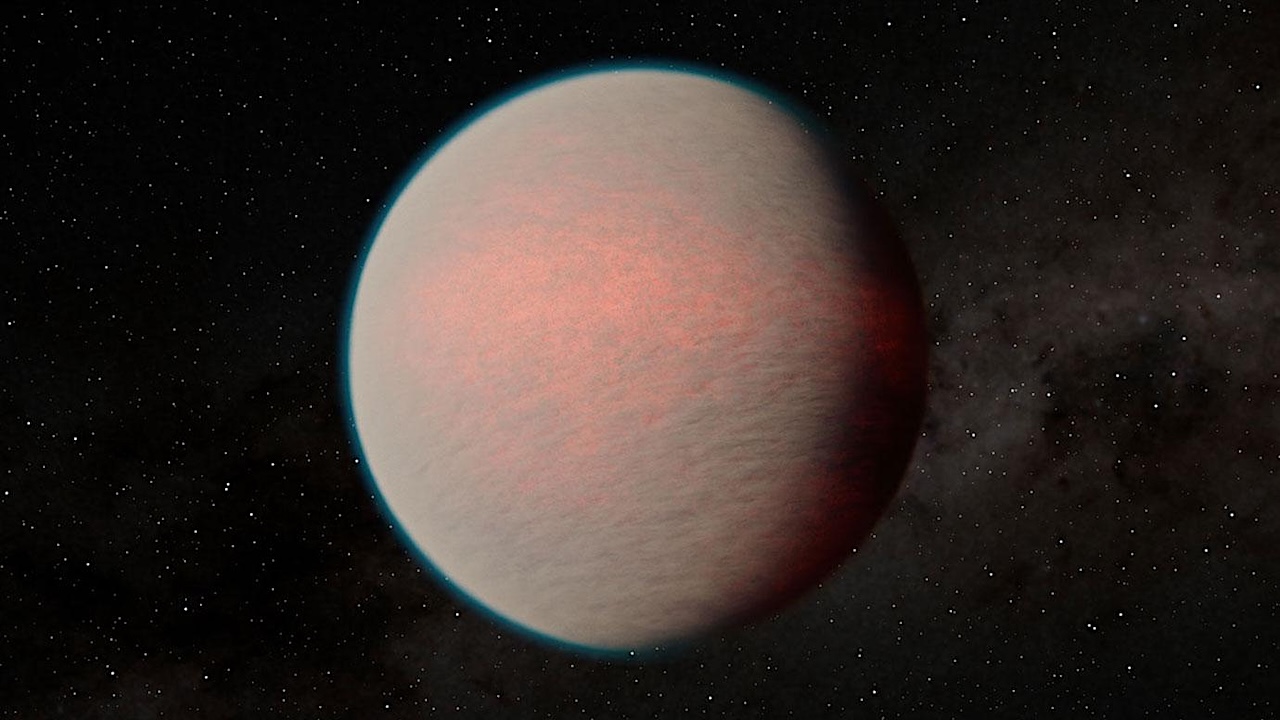
A new study finds that many “mini-Neptunes”—perhaps the most common planets in the galaxy—are under so much pressure from their heavy atmospheres that the surface is likely compressed solid. Illustration