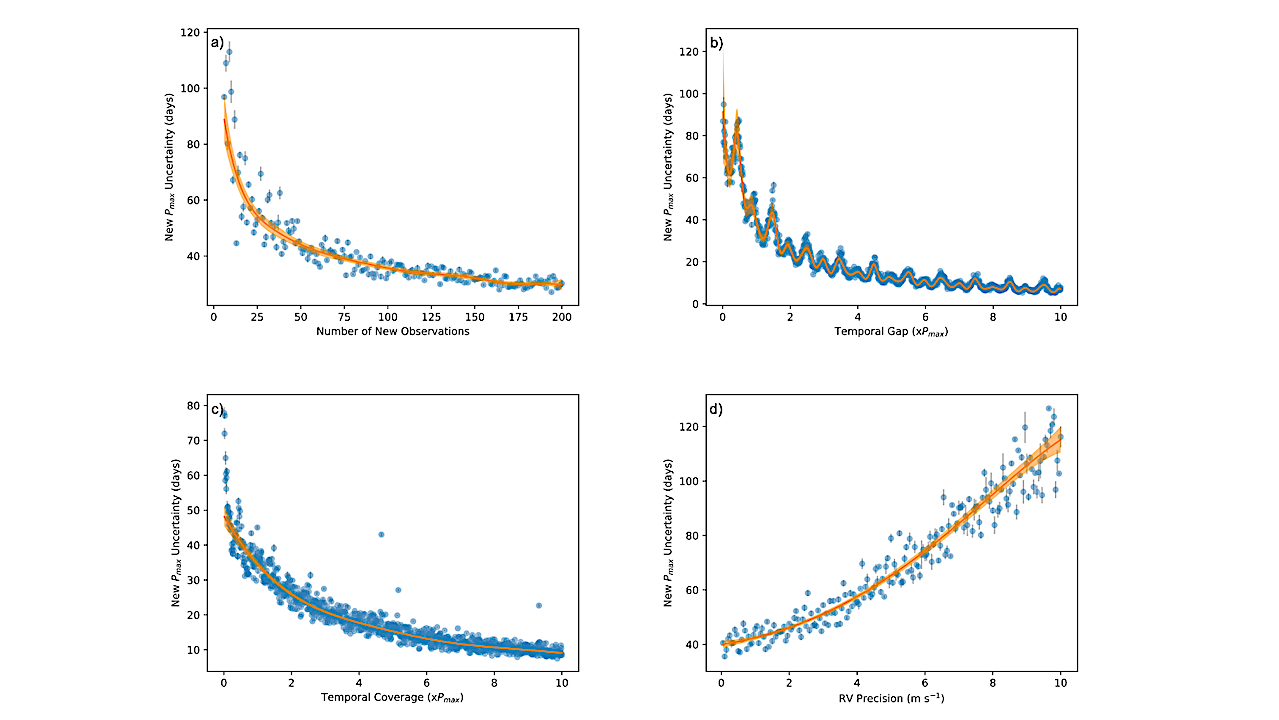
Simulation results from HD 134987 exploratory runs with synthetic data created at future epochs using four variables and real data from Jones et al. (2010). The Pmax uncertainty before the

Simulation results from HD 134987 exploratory runs with synthetic data created at future epochs using four variables and real data from Jones et al. (2010). The Pmax uncertainty before the

Slices from the edge of Mars reveal a layered atmosphere of delicate complexity. A European spacecraft has captured a luminous mille-feuille of dust enveloping the Red Planet in unprecedented detail.
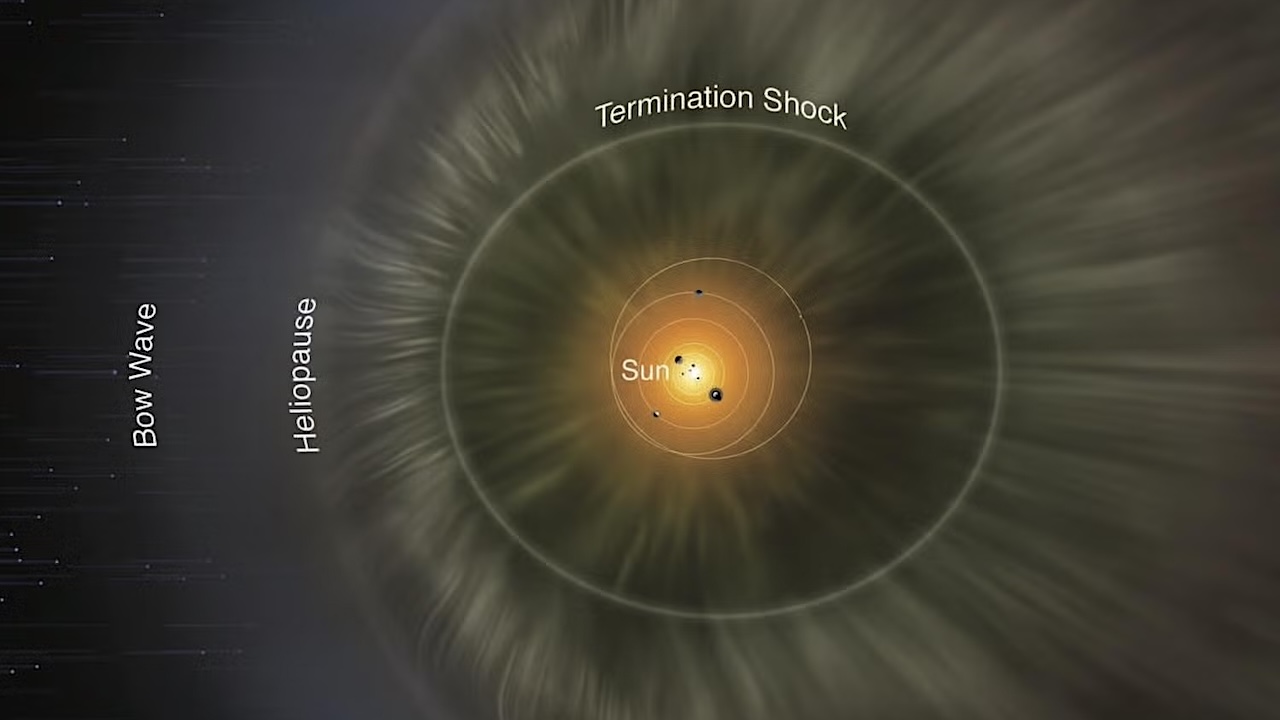
Image: Graphic of the heliosphere, a bubble in space created as the solar wind flows away from the sun. (Credit: NASA/IBEX/Adler Planetarium) A scientific instrument from Colorado is scheduled to
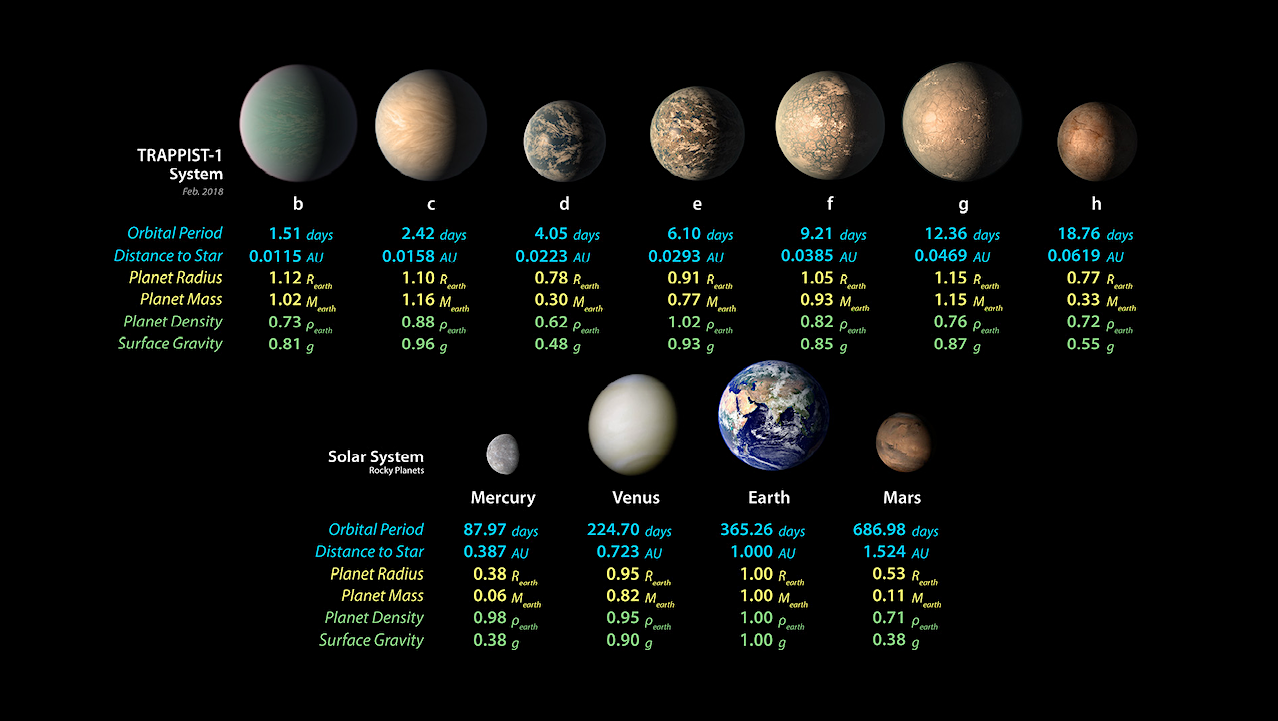
This chart shows, on the top row, artist concepts of the seven planets of TRAPPIST-1 with their orbital periods, distances from their star, radii, masses, densities and surface gravity as
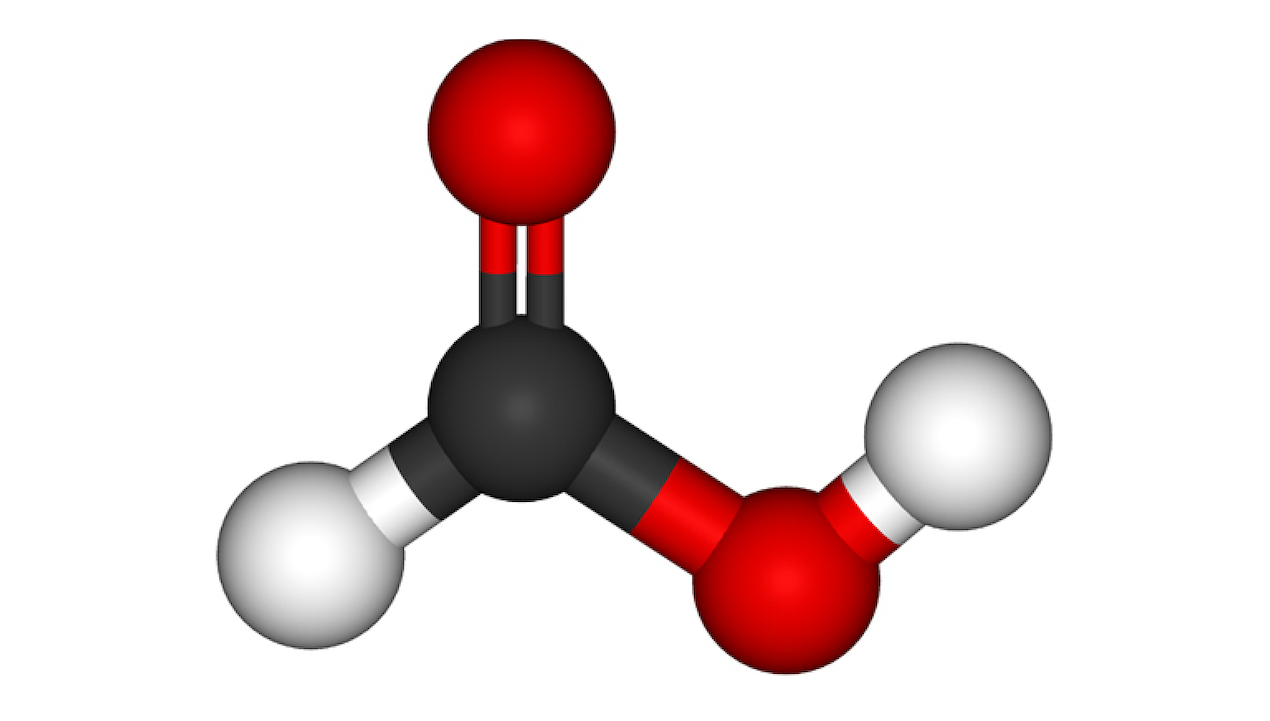
Formic acid, HCOOH — Wikipedia Context. Nonthermal desorption from interstellar ices induced by X-rays, known as X-ray photodesorption, is a possible route to explain gas phase molecules detected in protoplanetary
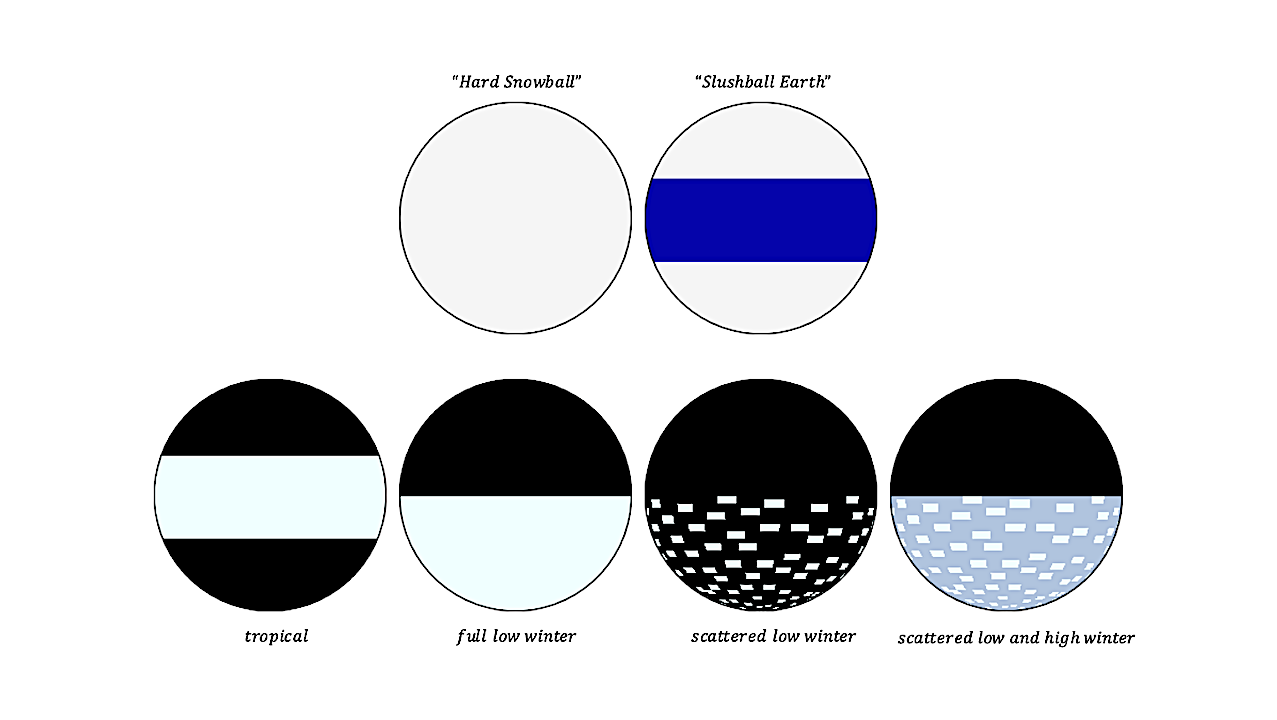
Surface (top row) and cloud (bottom row) distributions for our various Snowball Earth models. The surface was either modeled as a fully ice-covered “Hard Snowball” (top left) or contained a
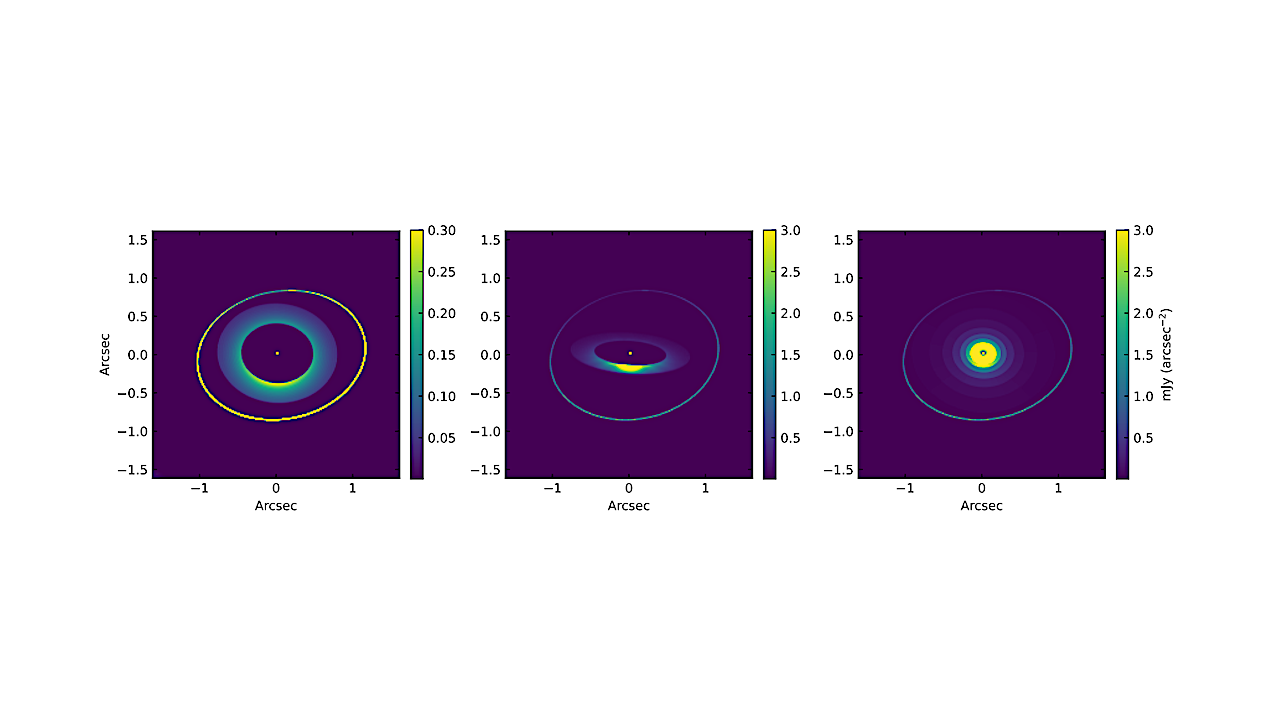
Local view of the simulated innermost disk flux distribution models of ϵ Eri. Left Panel: Low inclination disk model. Middle Panel: High inclination disk model. Right Panel: Continuous disk model.
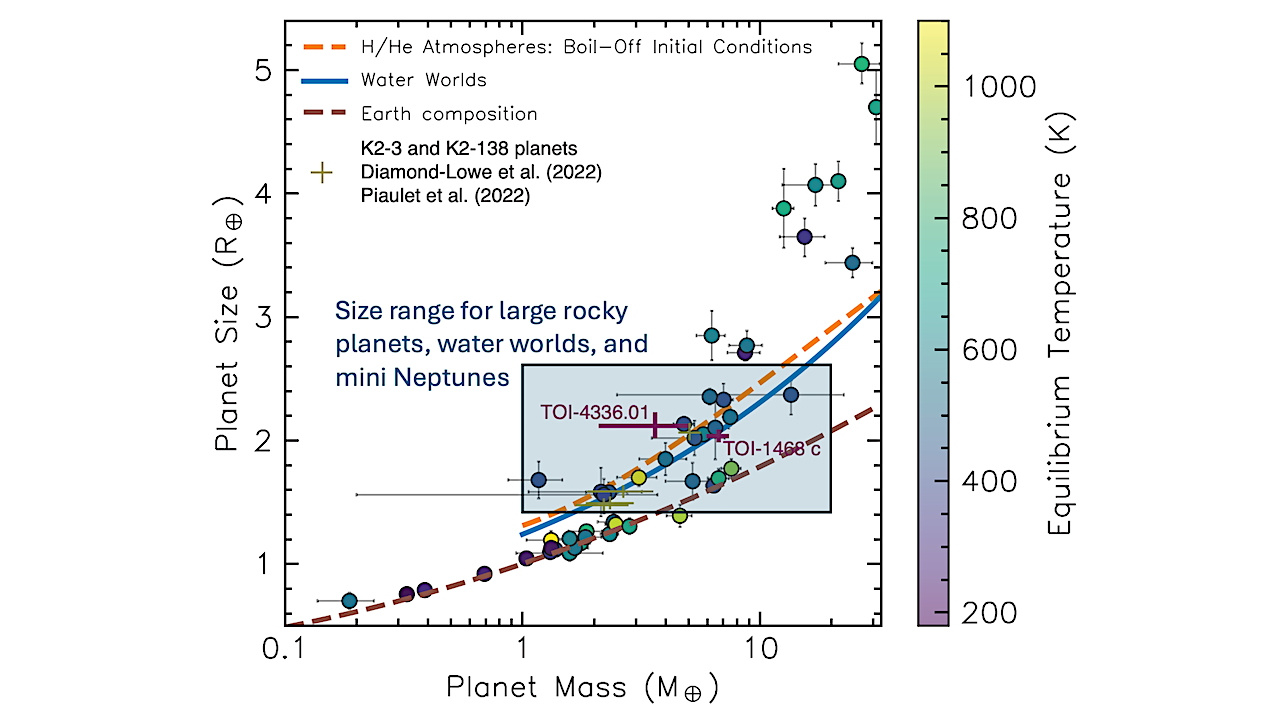
Diverse density and composition of small exoplanets. The plot shows M-dwarf planets that have precision mass and radius measurements (Luque & Palle´ 2022). Small planets of FGK stars also occupy
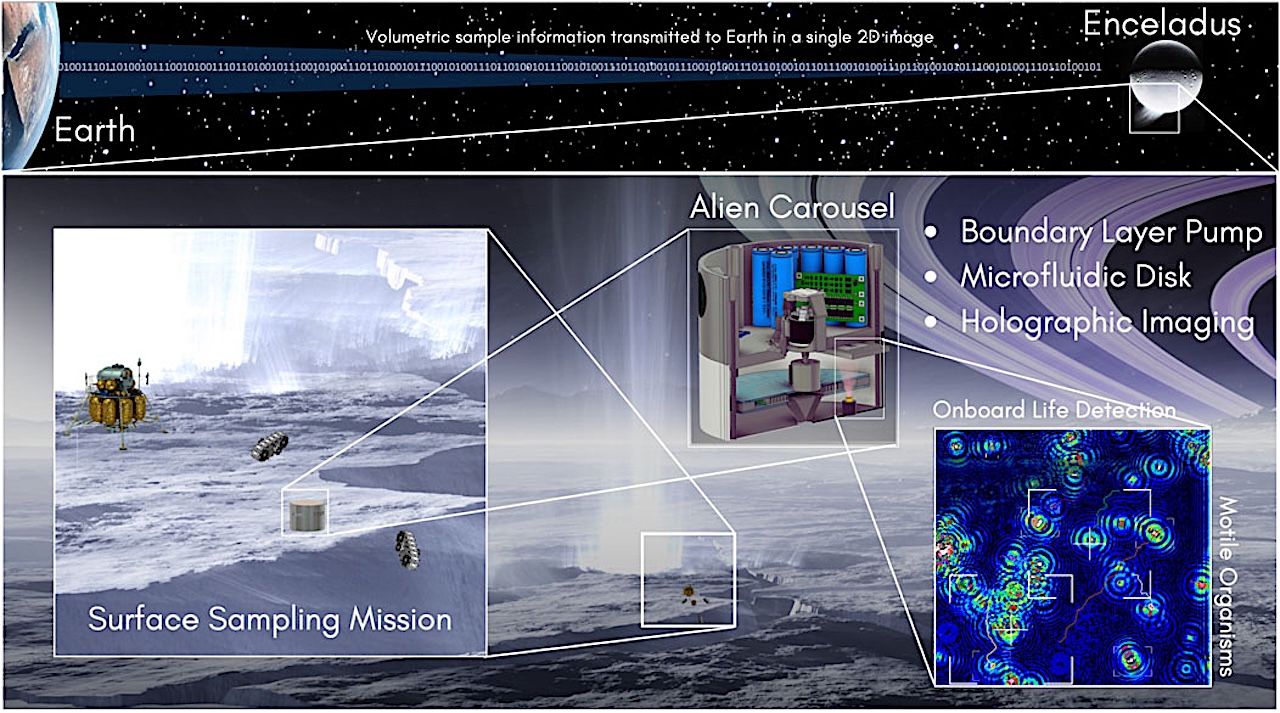
The envisioned mission to Enceladus: A lander mission towards the south polar region deploys the “Alien Carousel” ice sampling system. It integrates microfluidics and digital holographic microscopy setup to image

JWST Summer School All materials of the inaugural JWST Summer school, including presentations, notes, exercises and videos, are now publicly available on the event page. Visit the Pre-School Materials section