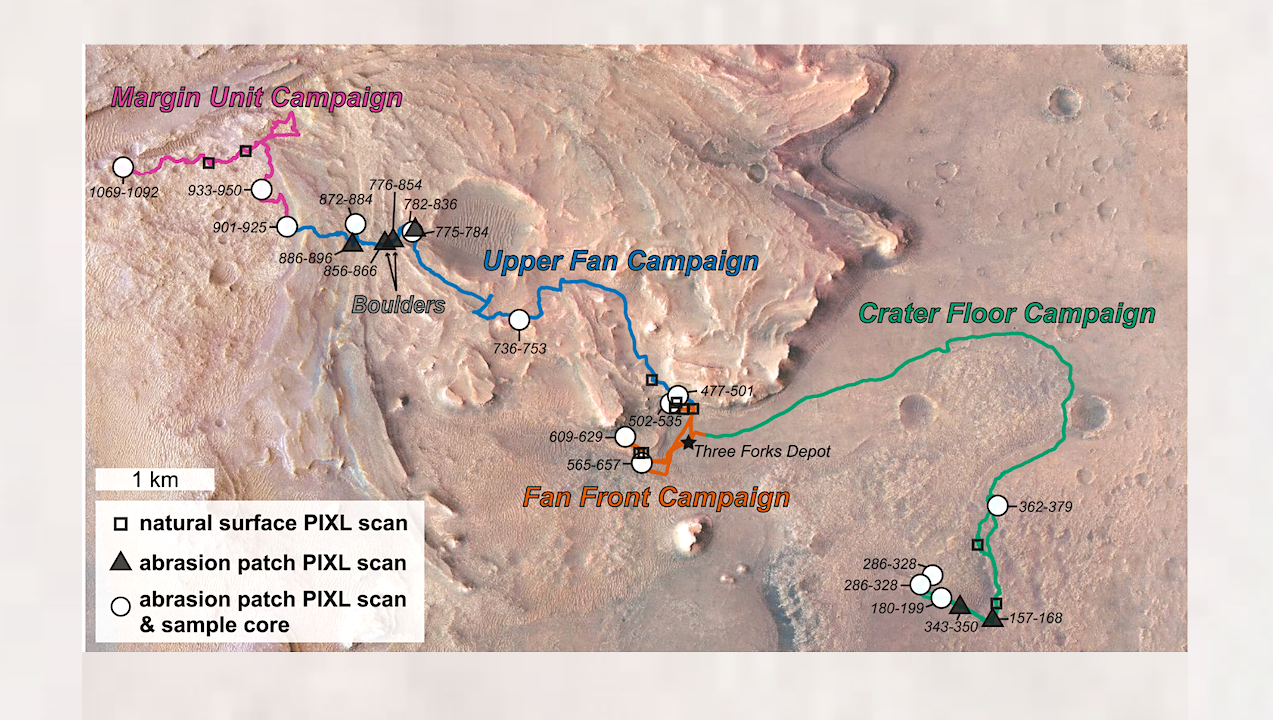
Colorized HiRISE map of the western edge of Jezero crater with rover traverse. The colors of the traverse indicate the location of different science campaigns with green showing the Crater

Colorized HiRISE map of the western edge of Jezero crater with rover traverse. The colors of the traverse indicate the location of different science campaigns with green showing the Crater
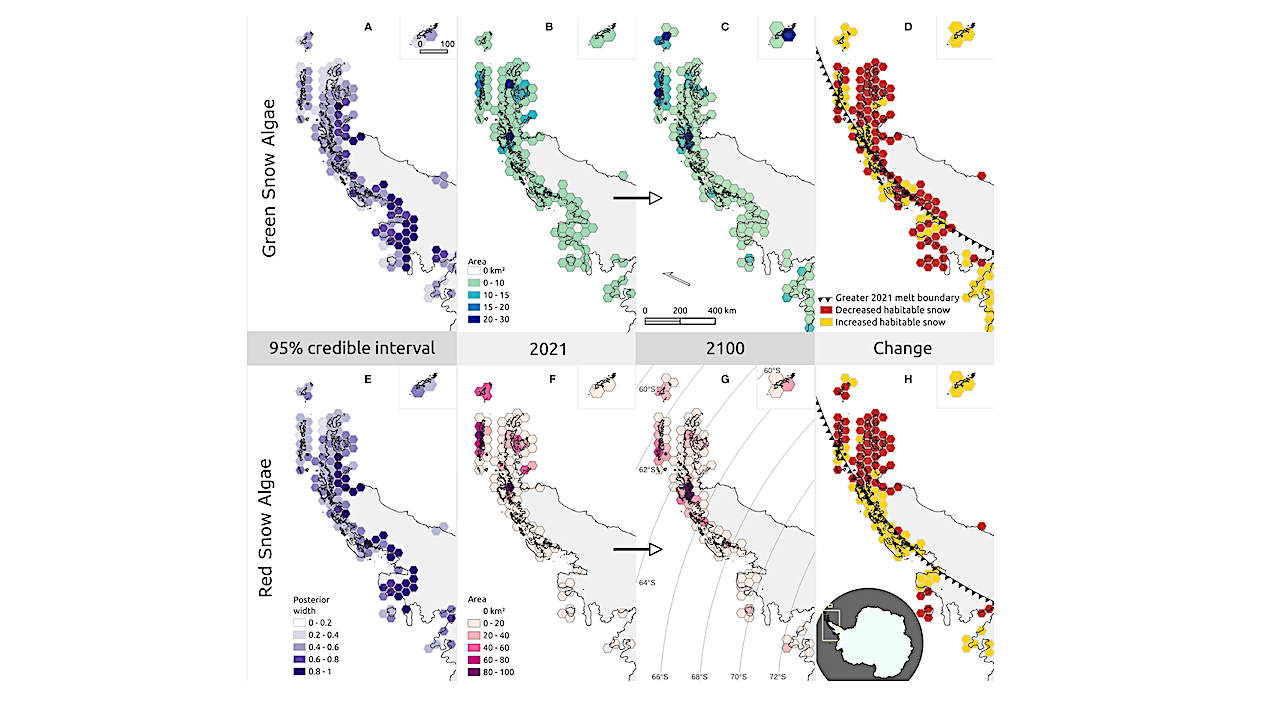
Habitable snow area changes across the Antarctic Peninsula. 50 km hexagonal grids showing the sum of area of habitable snow for green snow algae (GSA – (B, C)) and red
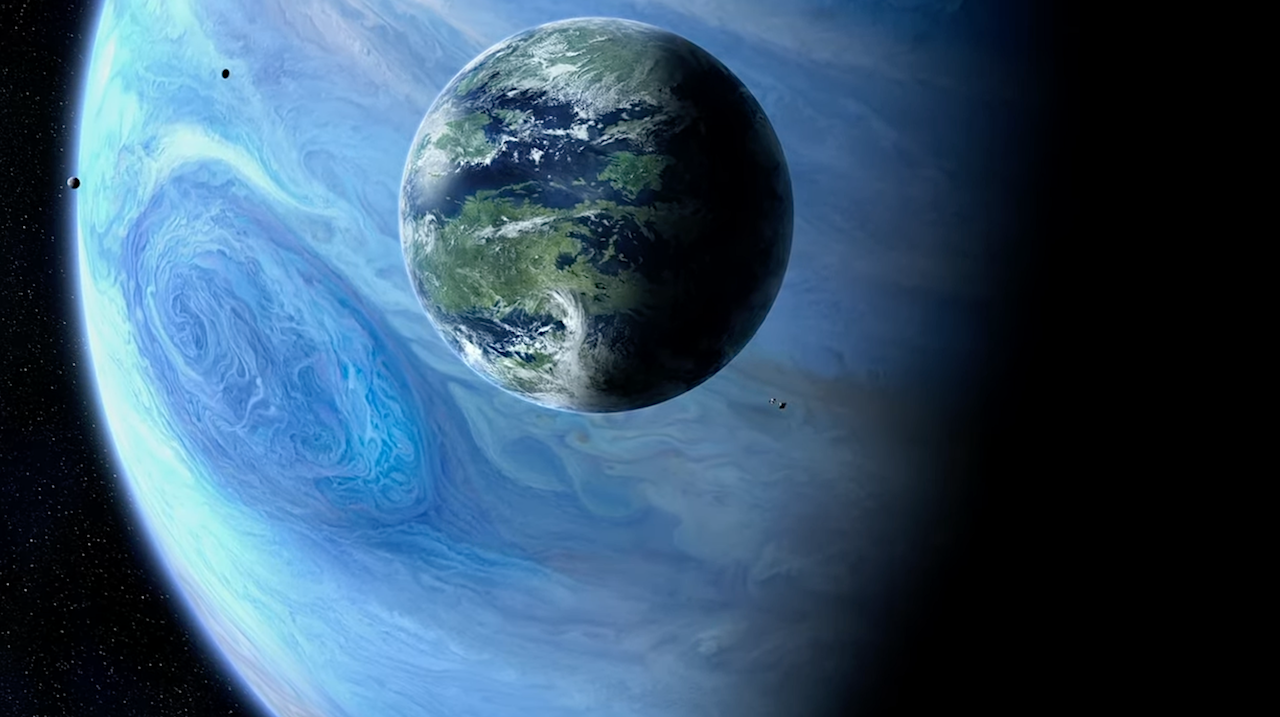
Pandora, an Earth-class planet orbiting the Gas Giant Polyphemus in the Alpha Centauri A star system in the “Avatar”series of films. — 20th CenturyFox Nearby giant exoplanets offer an opportunity
Keith Cowing Explorers Club Fellow, ex-NASA Space Station Payload manager/space biologist, Away Teams, Journalist, Lapsed climber, Synaesthete, Na’Vi-Jedi-Freman-Buddhist-mix, ASL, Devon Island and Everest Base Camp veteran, (he/him) 🖖🏻 Follow on
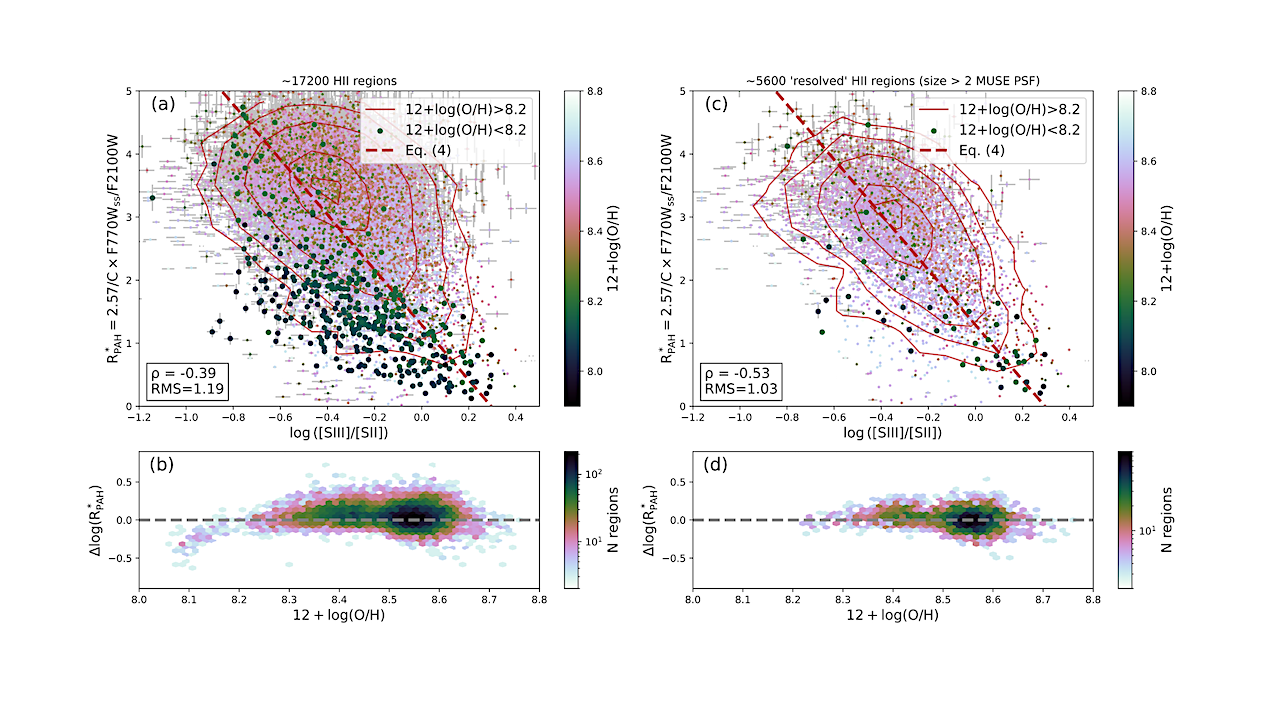
PAH fraction anti-correlates with log(/) (ionization parameter tracer) for thousands H ii regions in 42 PHANGS-JWST galaxies. Panel (a, b) shows all ∼ 17200 analyzed H ii regions,
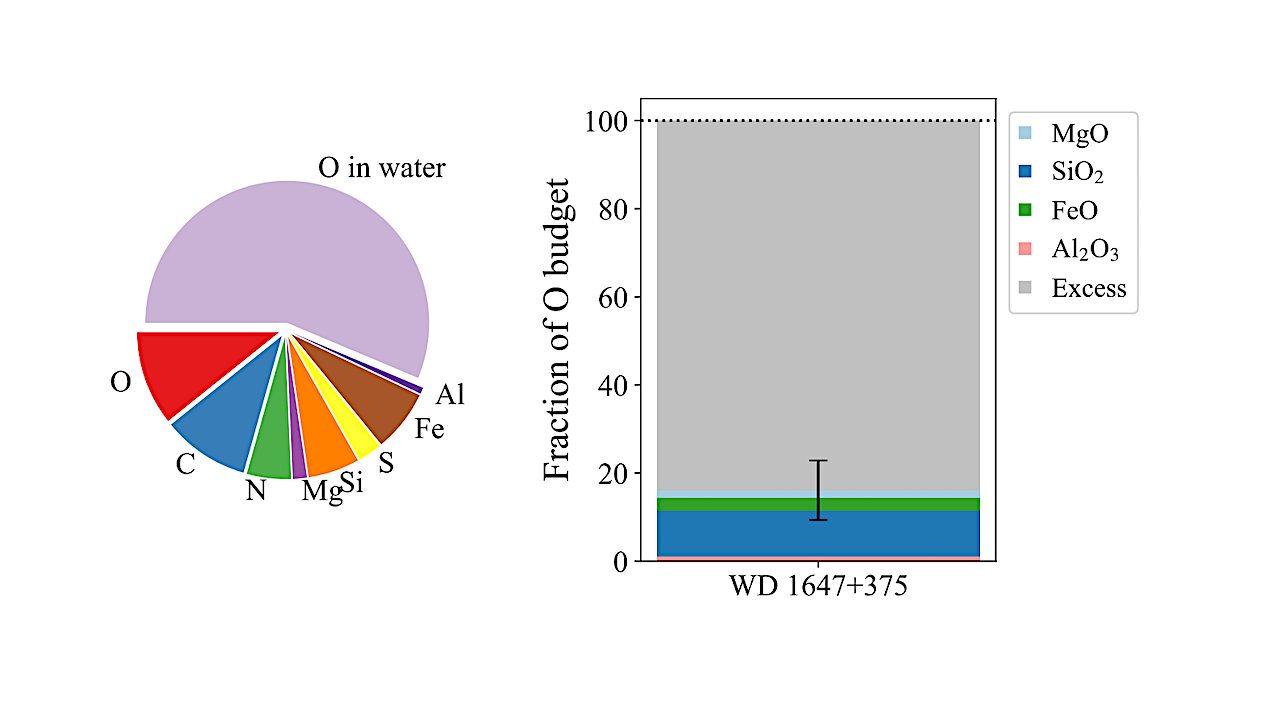
Mass fraction (left) and oxygen budget (right) for the detected heavy elements in WD 1647+375. The error bar represents the total uncertainty on the oxygen budget. — astro-ph.EP White dwarfs
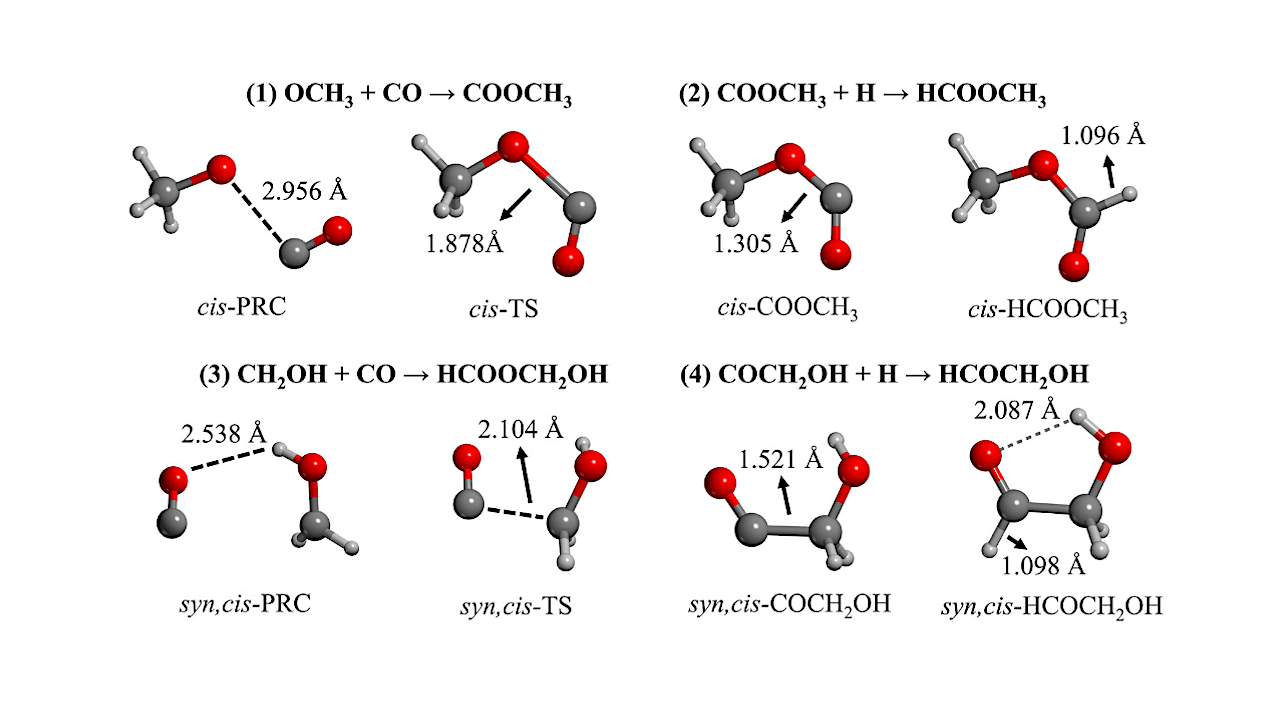
Stationary points of Equation (1) and (2) yielding the most stable cis-MF conformer, computed at MPWB1K-D3(BJ)/6-31G(d, p) theory level, and Equation (3) and (4) yielding the most stable syn, cis-GA
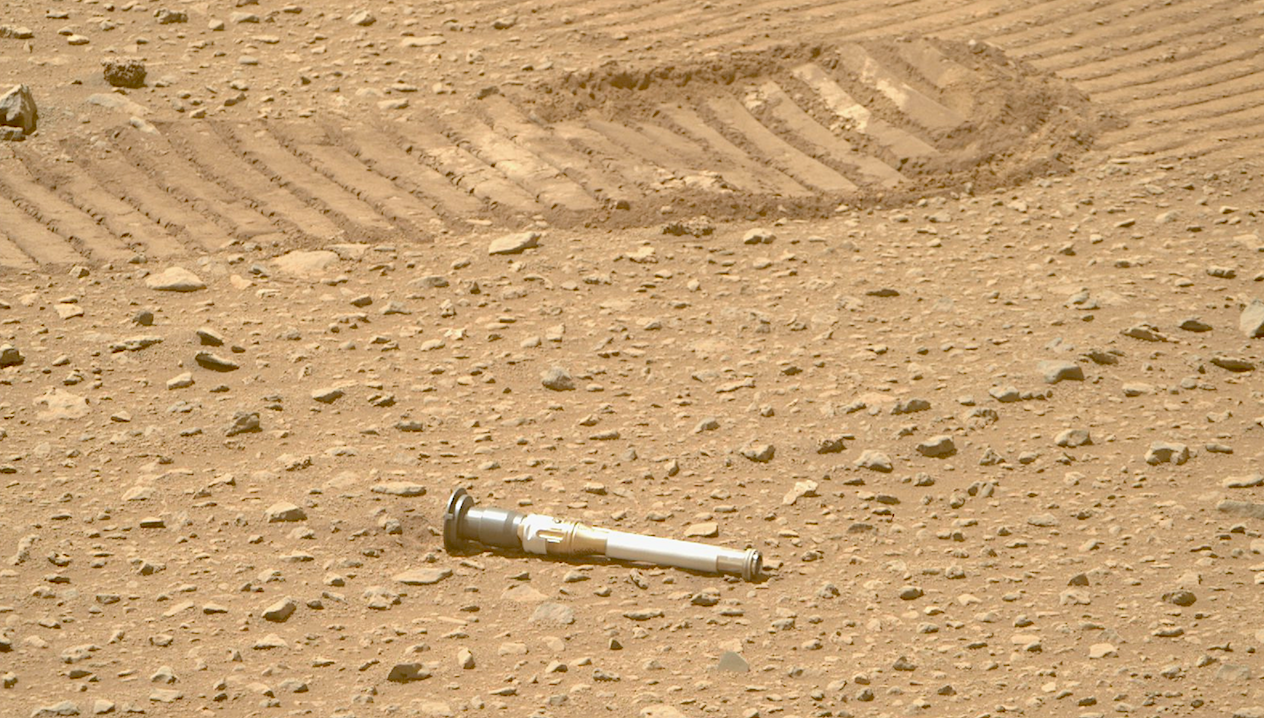
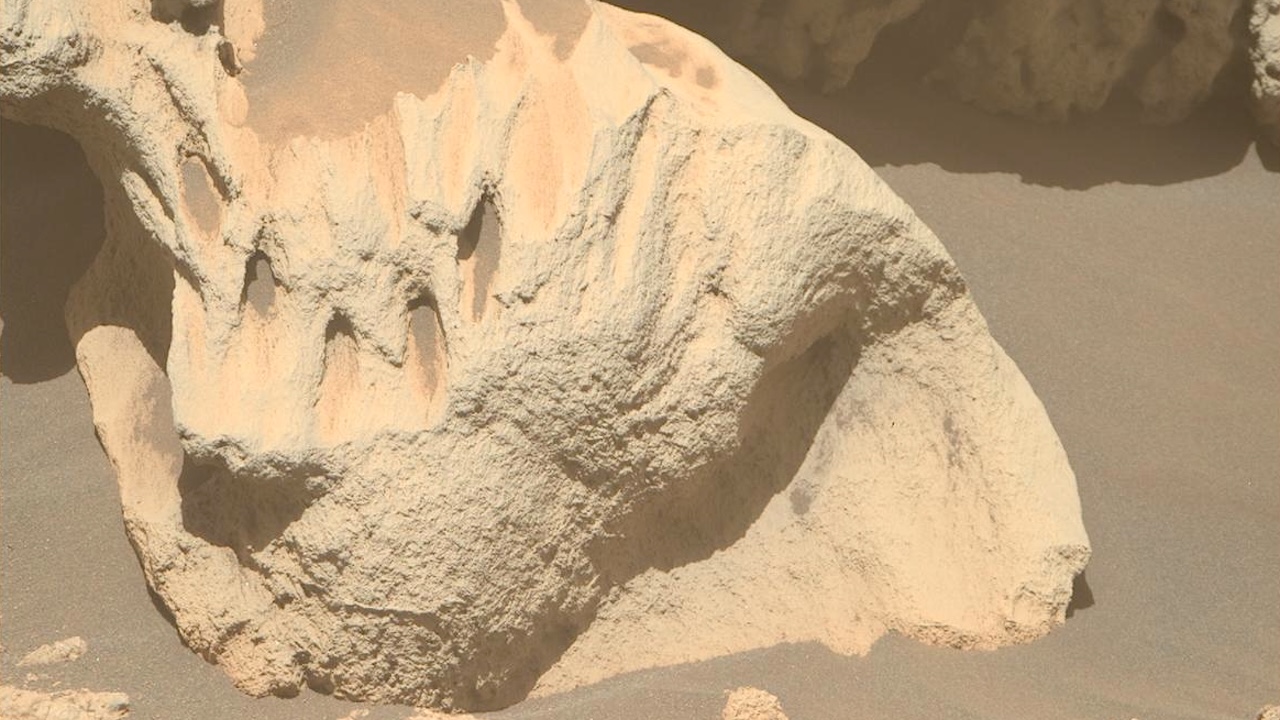
Mars Sample Tube Awaiting A Ride To Earth — NASA The Mars Sample Return (MSR) Campaign aims to collect and transport to Earth samples of martian atmosphere contained in sample
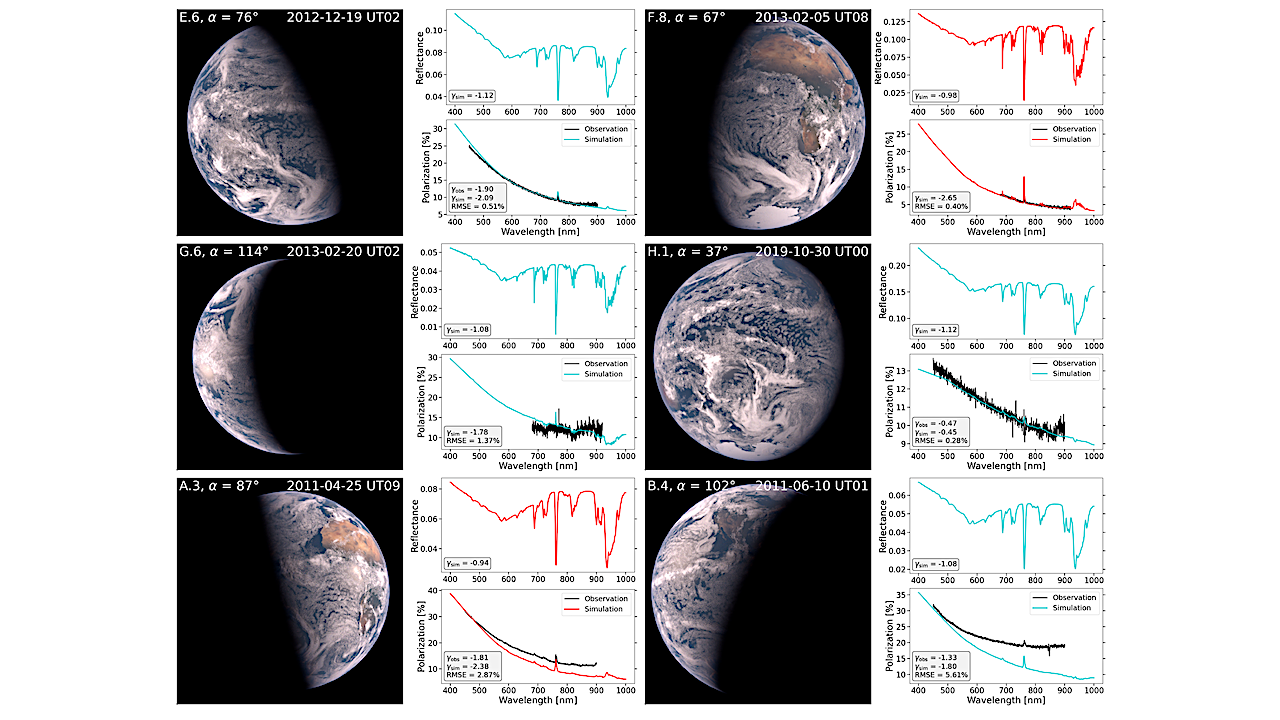
Selected examples of observed polarized Earthshine spectra, along with corresponding simulations of reflected and polarized light, as presented in Appendix B. For each spectrum, we include a simulated observation image,
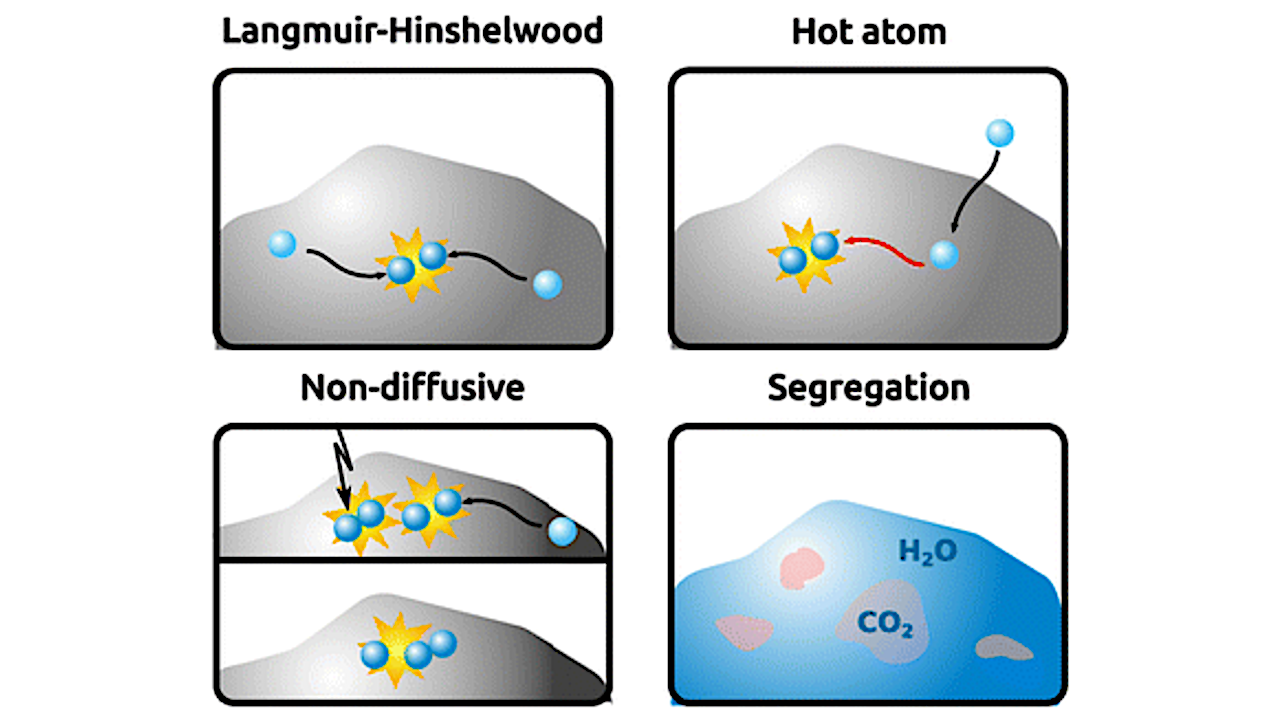
Various examples of surface diffusion and related processes taking place in condensed phases in space. Each panel illustrates a distinct diffusion mechanism: Langmuir–Hinshelwood (top left) shows reactants diffusing before meeting;