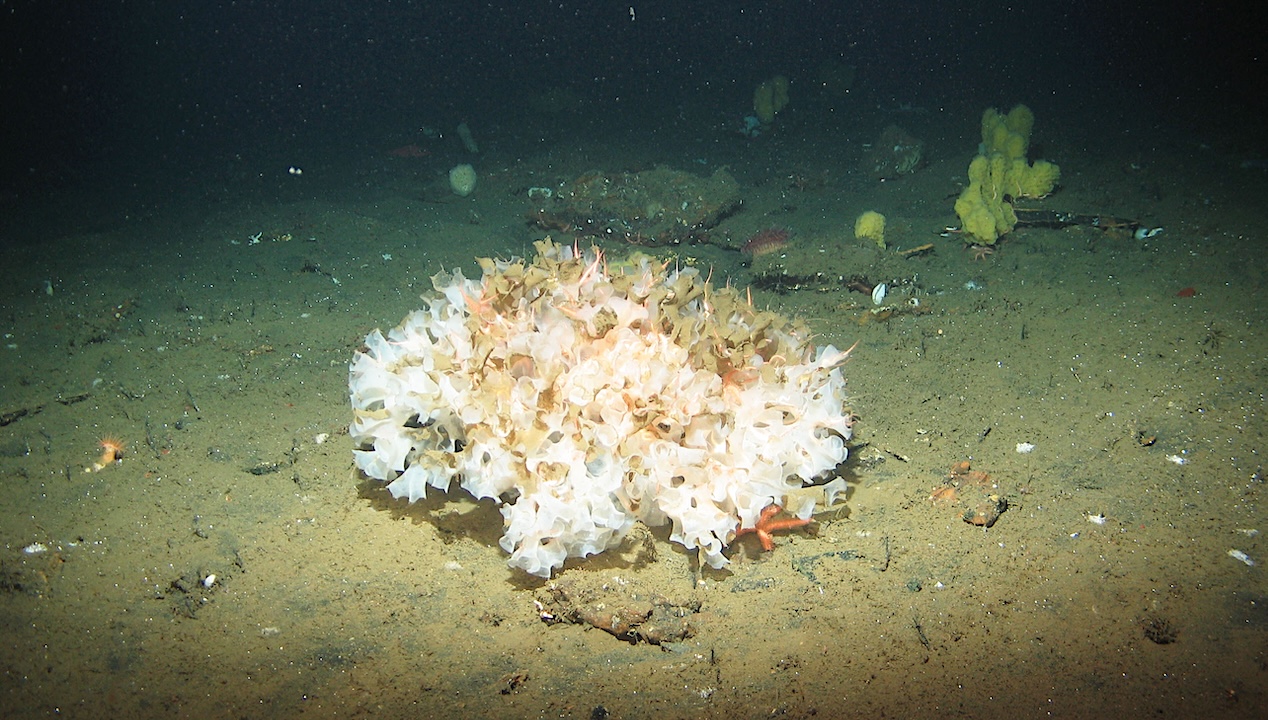
This MODERN living glass sponge was spotted during a 2018 cruise. This photo reveals the bright colors and textures commonly associated with the living sponge, which is usually found in

This MODERN living glass sponge was spotted during a 2018 cruise. This photo reveals the bright colors and textures commonly associated with the living sponge, which is usually found in
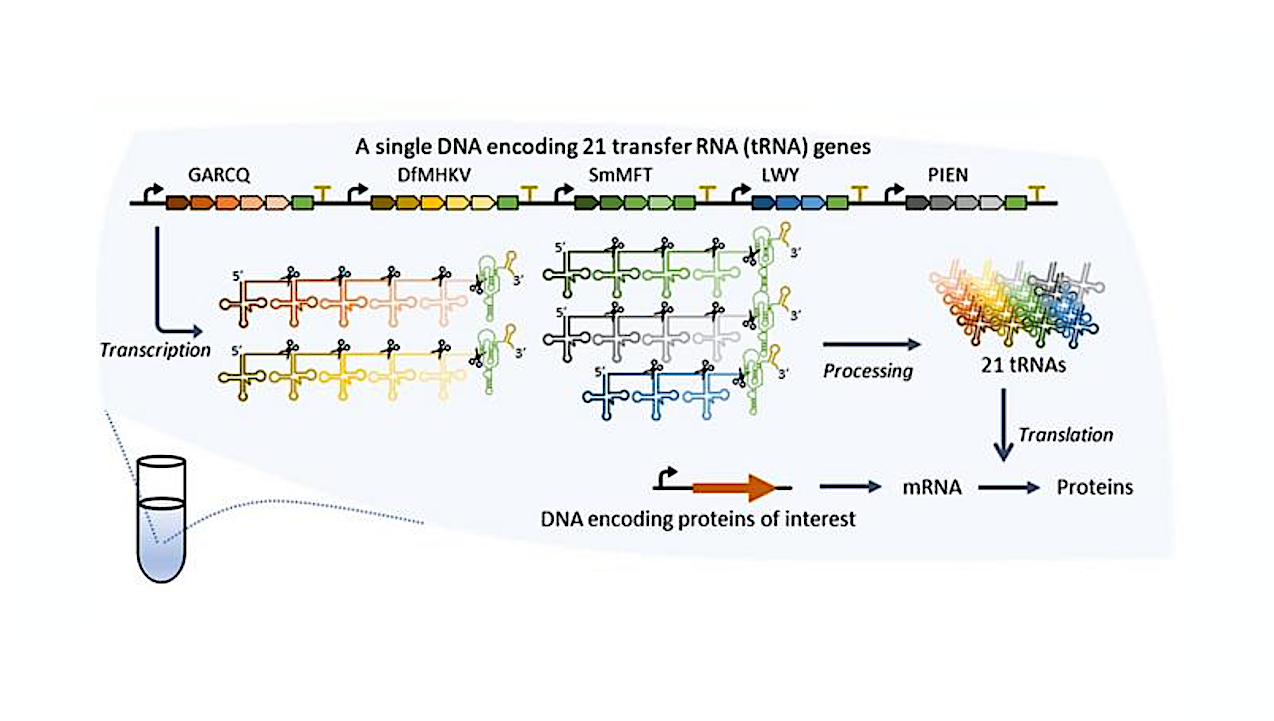
21 tRNA are synthesized through transcription and processing and used for translation of proteins of interest. Credit – Graduate School of Arts and Sciences, College of Arts and Sciences, The

a Mars Orbital LASER Altimeter (MOLA) map of equatorial Mars with black boxes indicating locations of the Juventae Plateau and Aram Chaos (red indicates higher elevations and blue lower elevations).

Keith Cowing Explorers Club Fellow, ex-NASA Space Station Payload manager/space biologist, Away Teams, Journalist, Lapsed climber, Synaesthete, Na’Vi-Jedi-Freman-Buddhist-mix, ASL, Devon Island and Everest Base Camp veteran, (he/him) 🖖🏻 Follow on
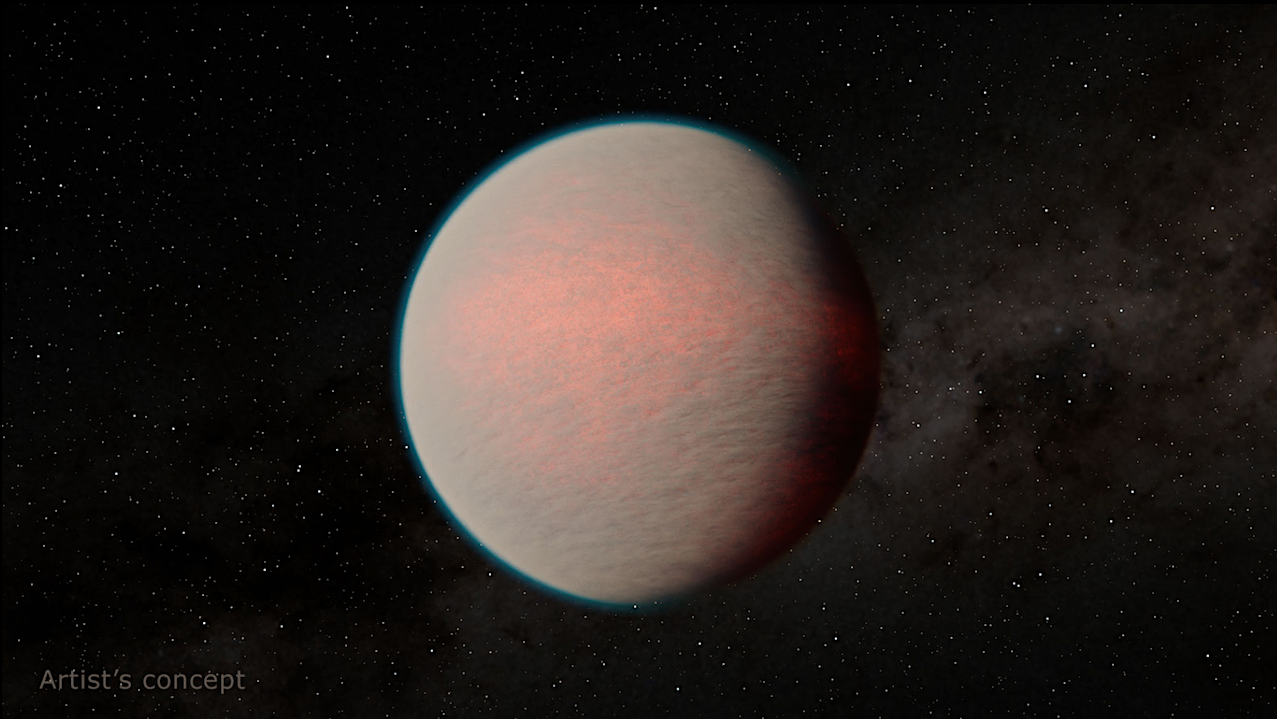
This artist’s concept depicts the planet GJ 1214 b, a “mini-Neptune” with what is likely a steamy, hazy atmosphere. A new study based on observations by NASA’s Webb telescope provides
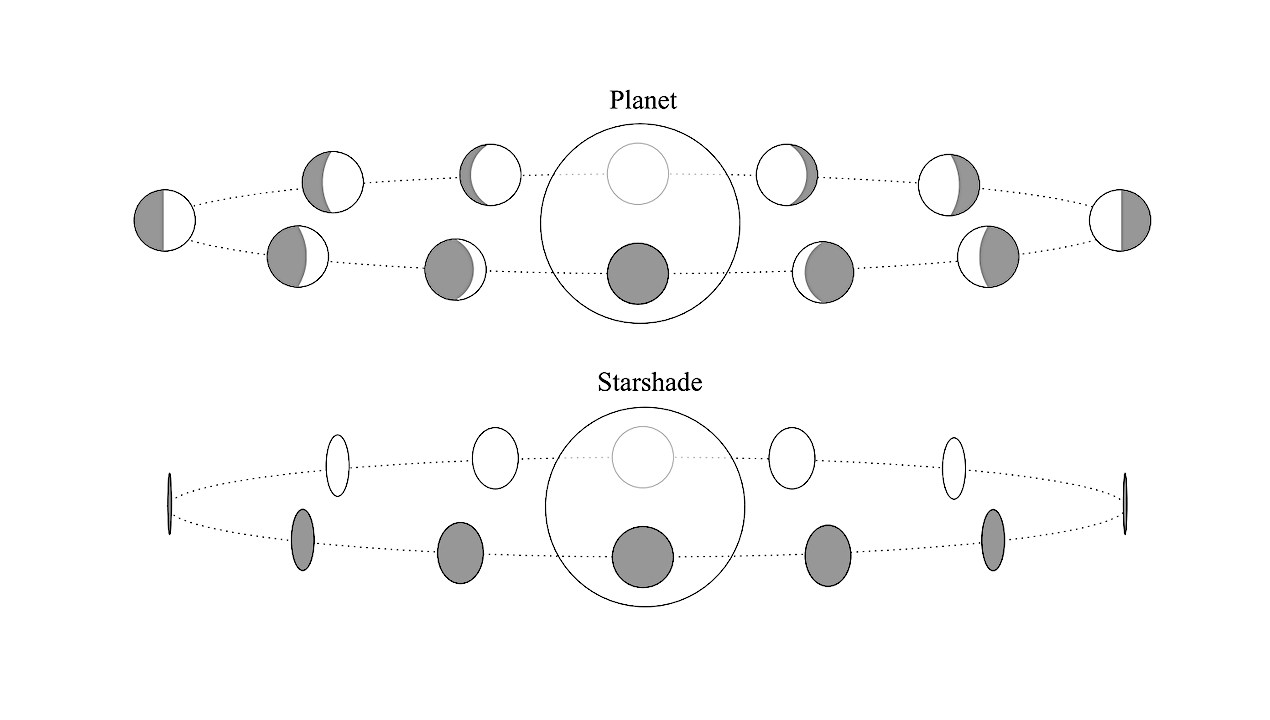
Visualisation of the illuminated surface of a planet (top) and of a circular “disc” starshade (bottom). (Not to scale.) — astro-ph.EP A star’s luminosity increases as it evolves along the

Keith Cowing Explorers Club Fellow, ex-NASA Space Station Payload manager/space biologist, Away Teams, Journalist, Lapsed climber, Synaesthete, Na’Vi-Jedi-Freman-Buddhist-mix, ASL, Devon Island and Everest Base Camp veteran, (he/him) 🖖🏻 Follow on
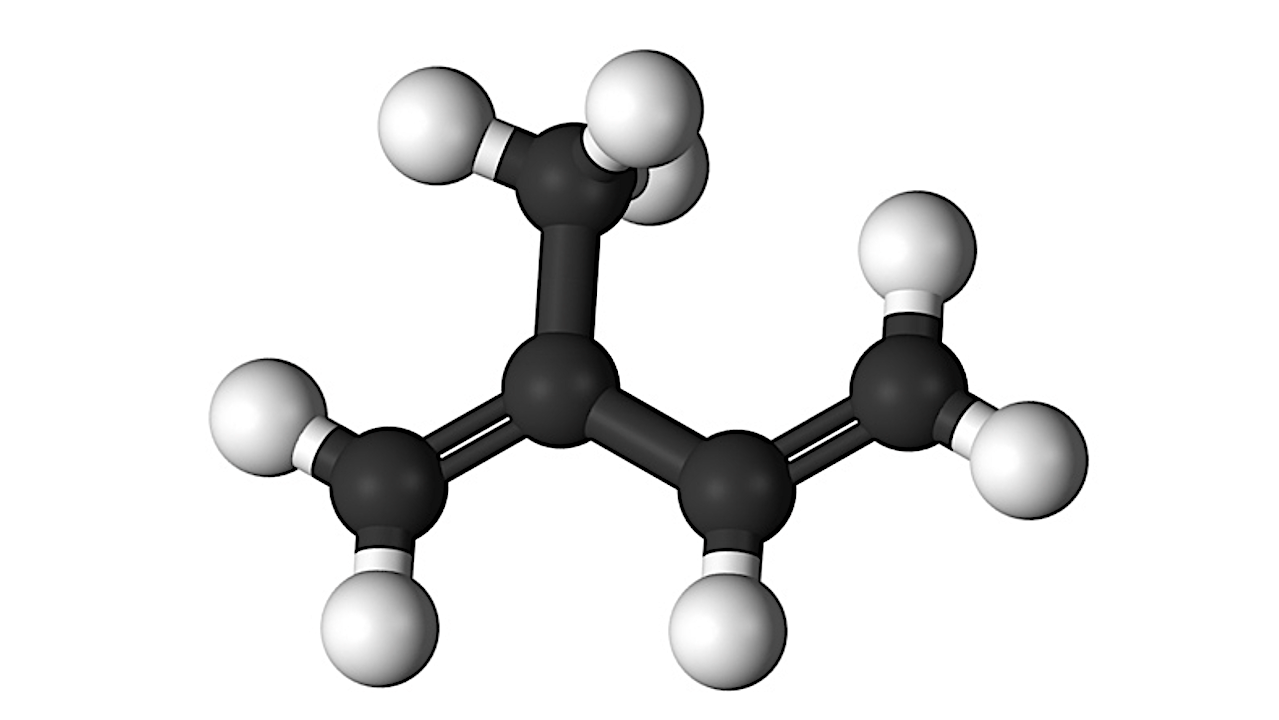
Isoprene — Wikipedia Isoprene and its oligomers, terpenes, are expected to be present, along with other complex organic molecules, in the diverse environments of the ISM and in our solar

Habitable Zones Status Report Philosophical Transactions of the Royal Society B: Biological Sciences via PubMed September 29, 2025 Earthlinke exoplanets — NASA In our galaxy, tens of billions of wet,
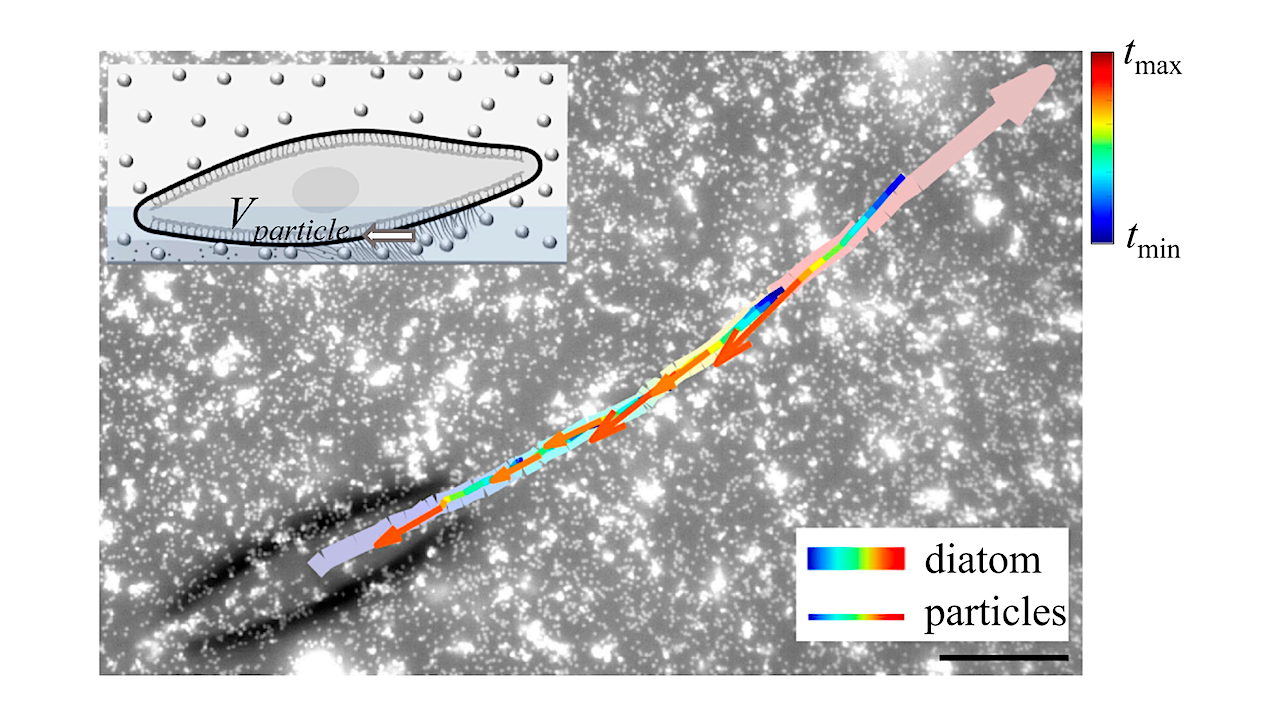
A directional flux beneath Navicula sp. via raphe grooves is revealed using fluorescent polystyrene beads (0.5 μ m), indicating that tracer particles latched to the ventral raphe move opposite to