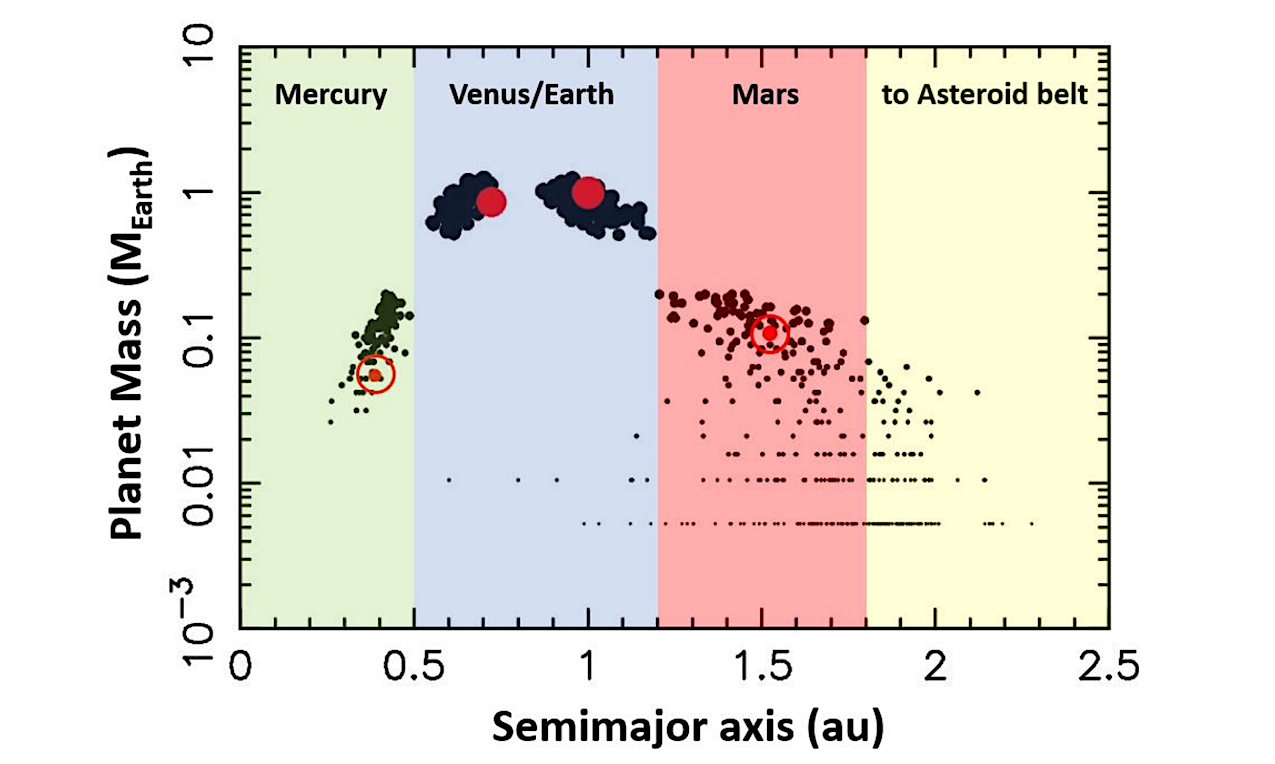
The result of 100 successful simulations of the back20 model (the ring at 0.85 au with a 20% background) that produced a good match to all terrestrial planets (as defined

The result of 100 successful simulations of the back20 model (the ring at 0.85 au with a 20% background) that produced a good match to all terrestrial planets (as defined
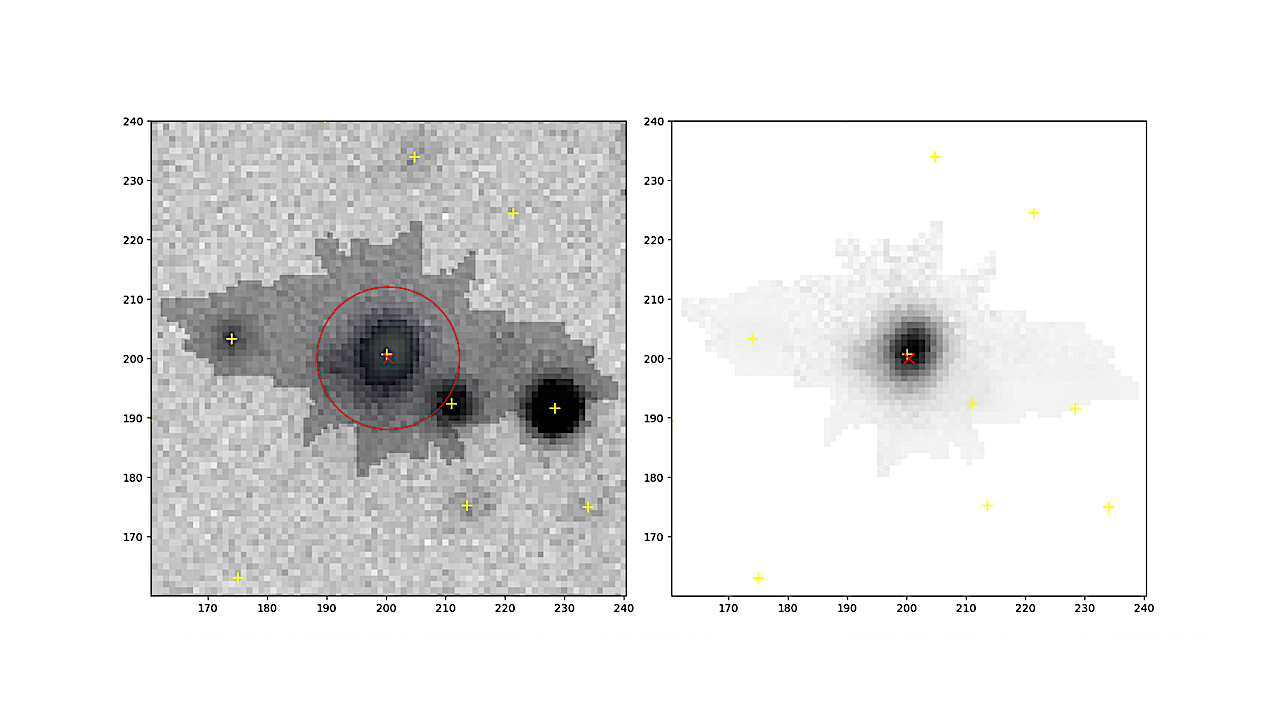
On the left is a cutout from a crowded field (visit id=2025070100200) centered on 3I/ATLAS. The red ring represents the LSST Science Pipeline’s aperture photometry radius (see Section 4.7). In
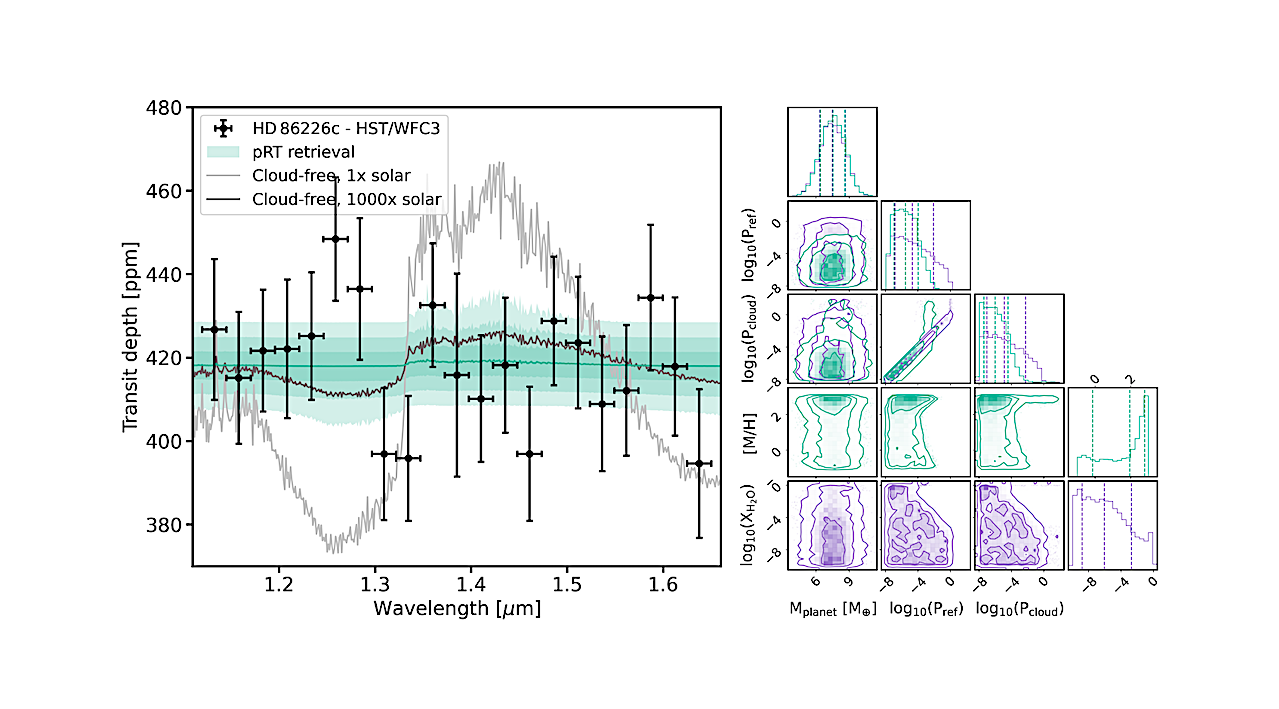
Results of the pRT retrievals for the atmosphere of HD 86226 c. Left: PACMAN spectrum (black data) and 1, 2, and 3σ percentiles of the spectra from the posteriors of
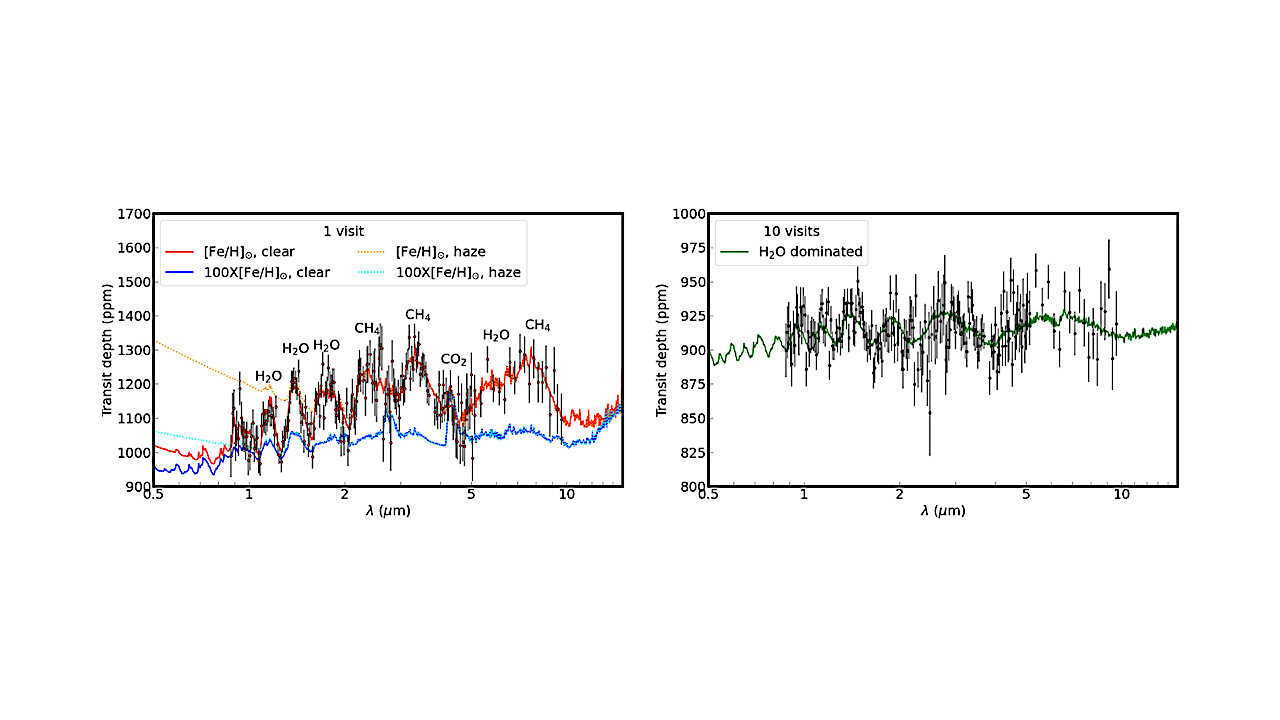
Synthetic atmospheric transmission spectra of Ross 176 b. Left: Fiducial models for clear or hazy H/He atmospheres with scaled solar abundances. Right: Model for a steam H2O atmosphere. Simulated measurements
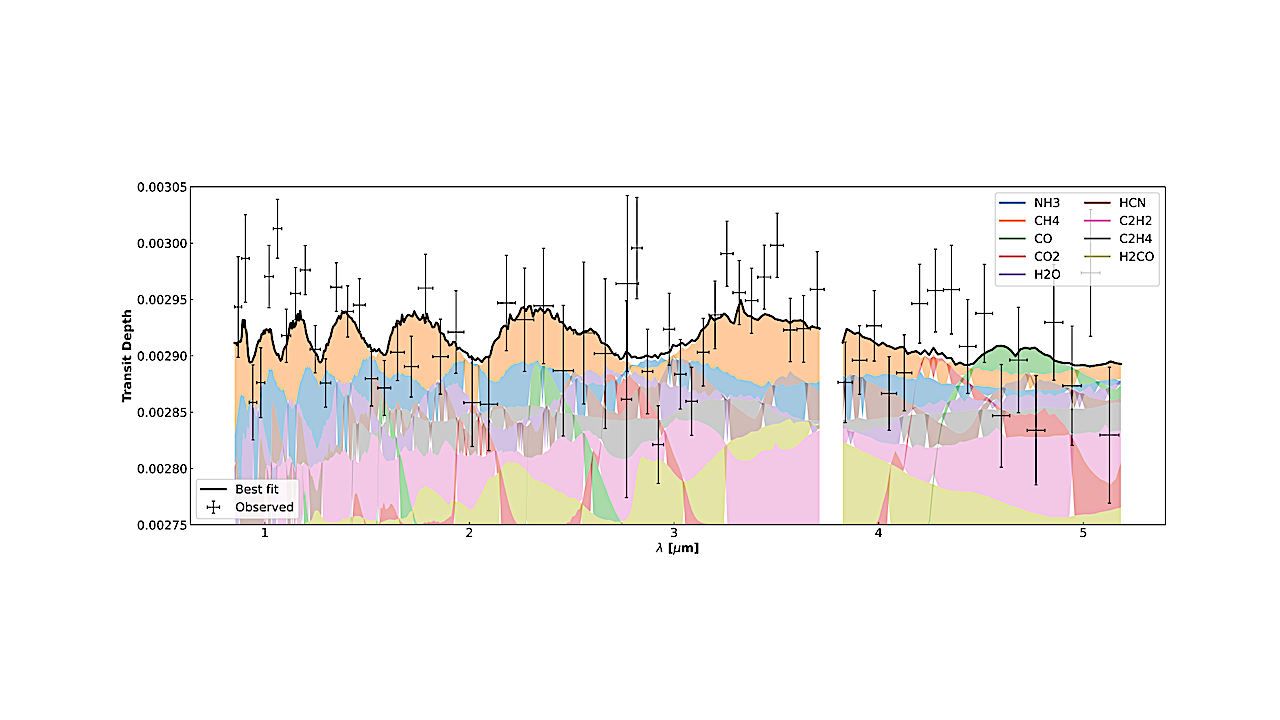
Transit spectra of the best fit non-equilibrium 1D model at resolution 200 (black solid line). This is the approximate best fit on the simulated grid of metallicity, C/O and Kzz.
Keith Cowing Explorers Club Fellow, ex-NASA Space Station Payload manager/space biologist, Away Teams, Journalist, Lapsed climber, Synaesthete, Na’Vi-Jedi-Freman-Buddhist-mix, ASL, Devon Island and Everest Base Camp veteran, (he/him) 🖖🏻 Follow on

Astrobiology Spectral Database Wednesday, July 23rd from 10AM – 4PM CT Are you interested in organics for the origin of life, returned samples, life detection, or machine learning? Do you
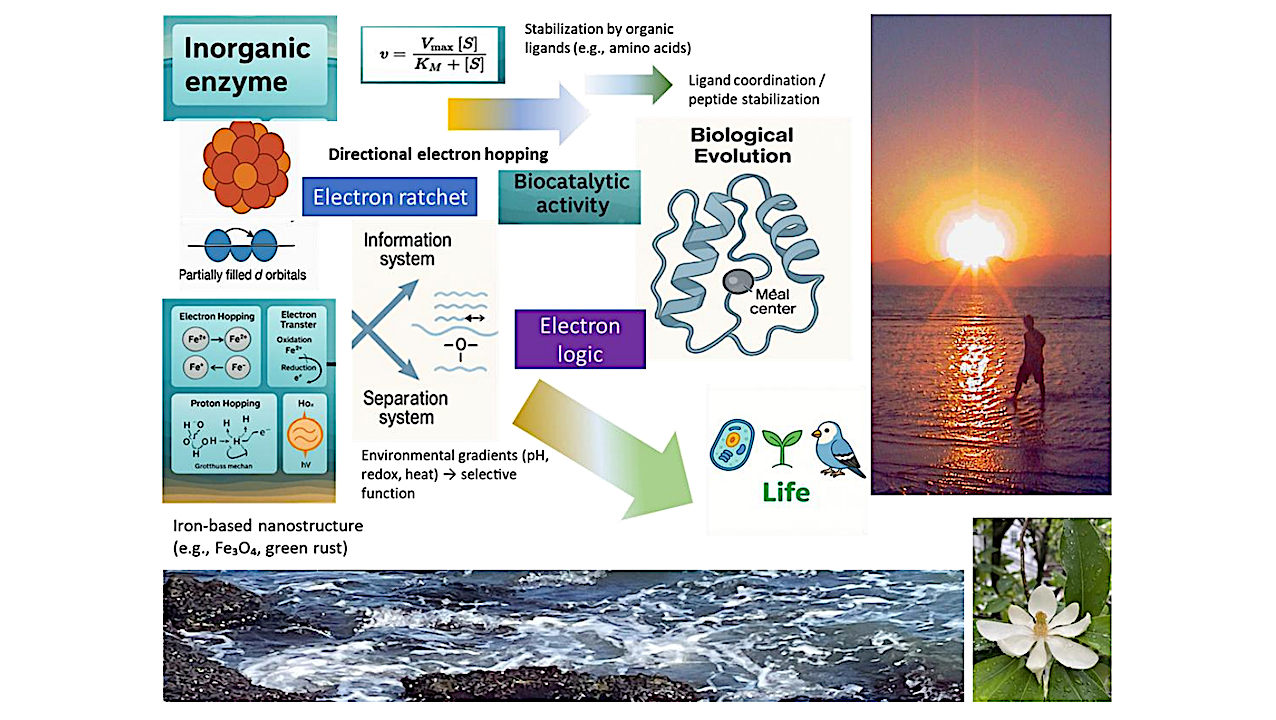
Graphical Abstract — chemrxiv.org We present a physicochemical framework for understanding the emergence of catalytic logic at the origin of life. In this view, early catalytic systems did not depend
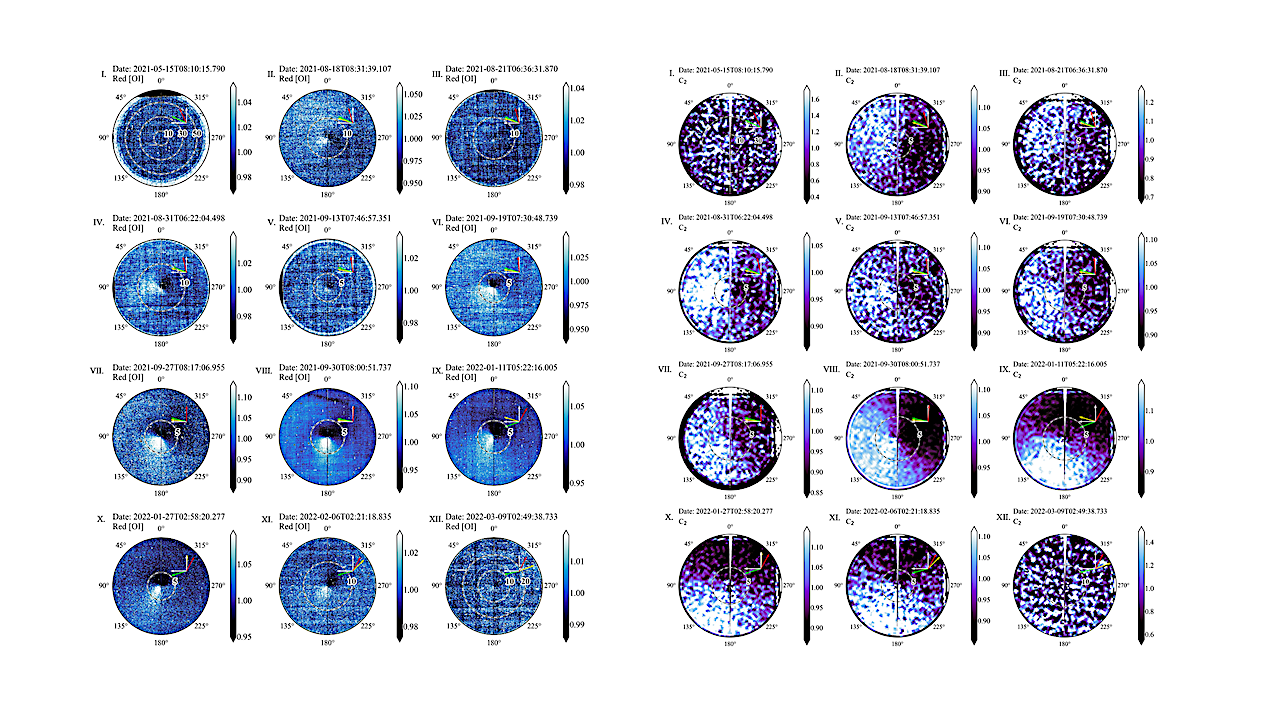
6300.304 ˚A line from 6296.5-6305.8 ˚A, and the 6363.776 ˚A line from 6361.2-6365.7 ˚A Enhanced red-doublet maps, from 15 May 2021 to 09 March 2022. Red
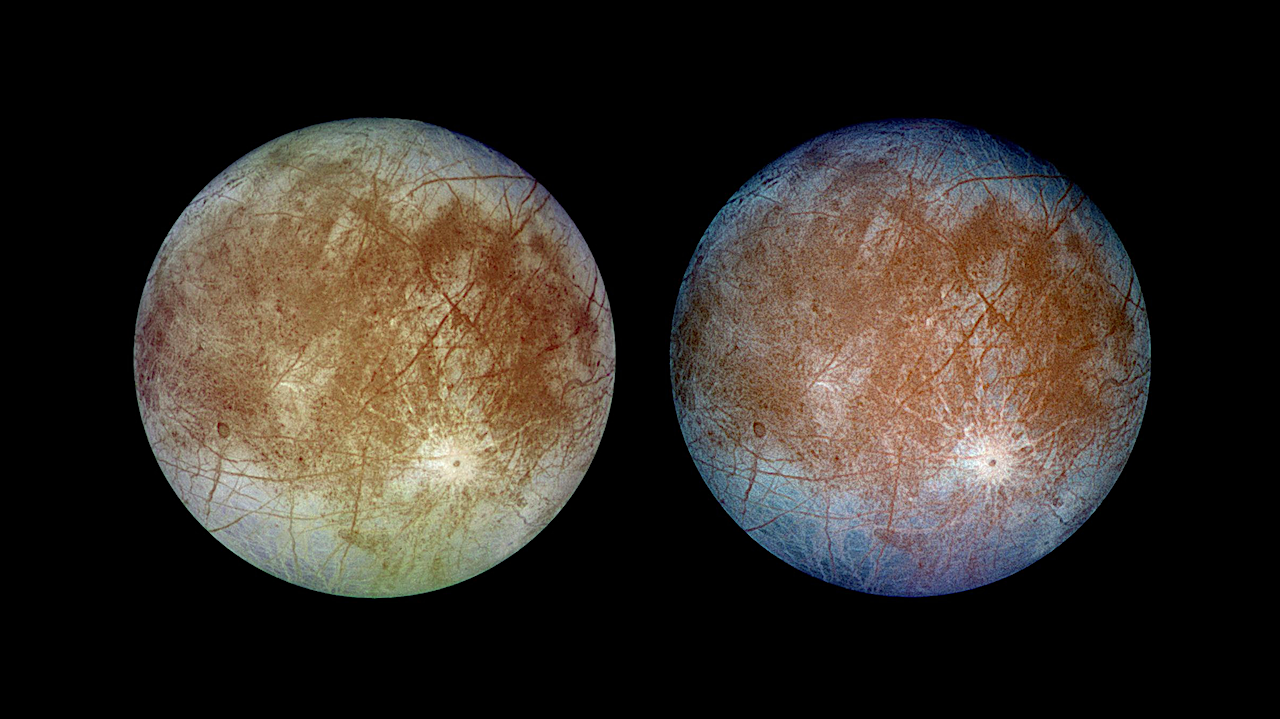
Ongoing research explores potential for Jupiter’s frozen moon to support life, habitability Courtesy: NASA/JPL-Caltech/DLR Southwest Research Institute experiments offer a new view on a hydrogen peroxide chemical cycle on Europa.