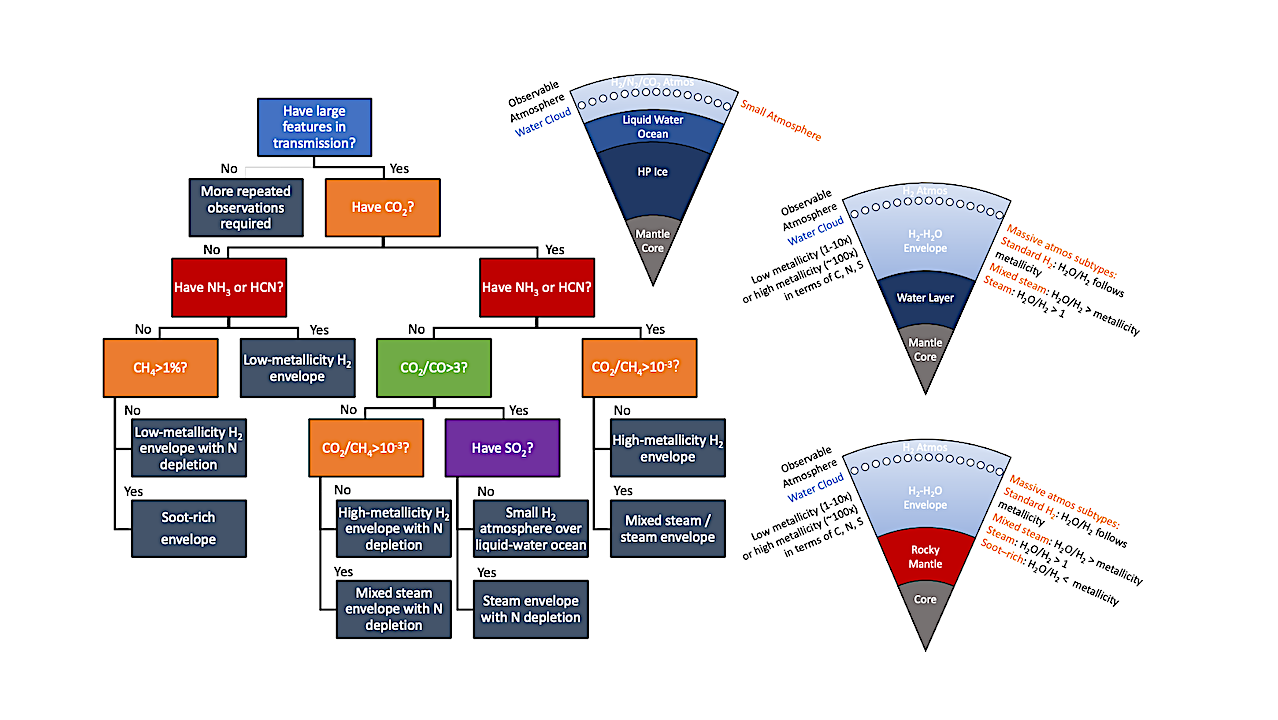
Illustration of the range of possible internal compositions for temperate sub-Neptunes like K2-18 b, and a roadmap to characterize them through atmospheric observations. A liquid-water ocean separating the atmosphere from

Illustration of the range of possible internal compositions for temperate sub-Neptunes like K2-18 b, and a roadmap to characterize them through atmospheric observations. A liquid-water ocean separating the atmosphere from
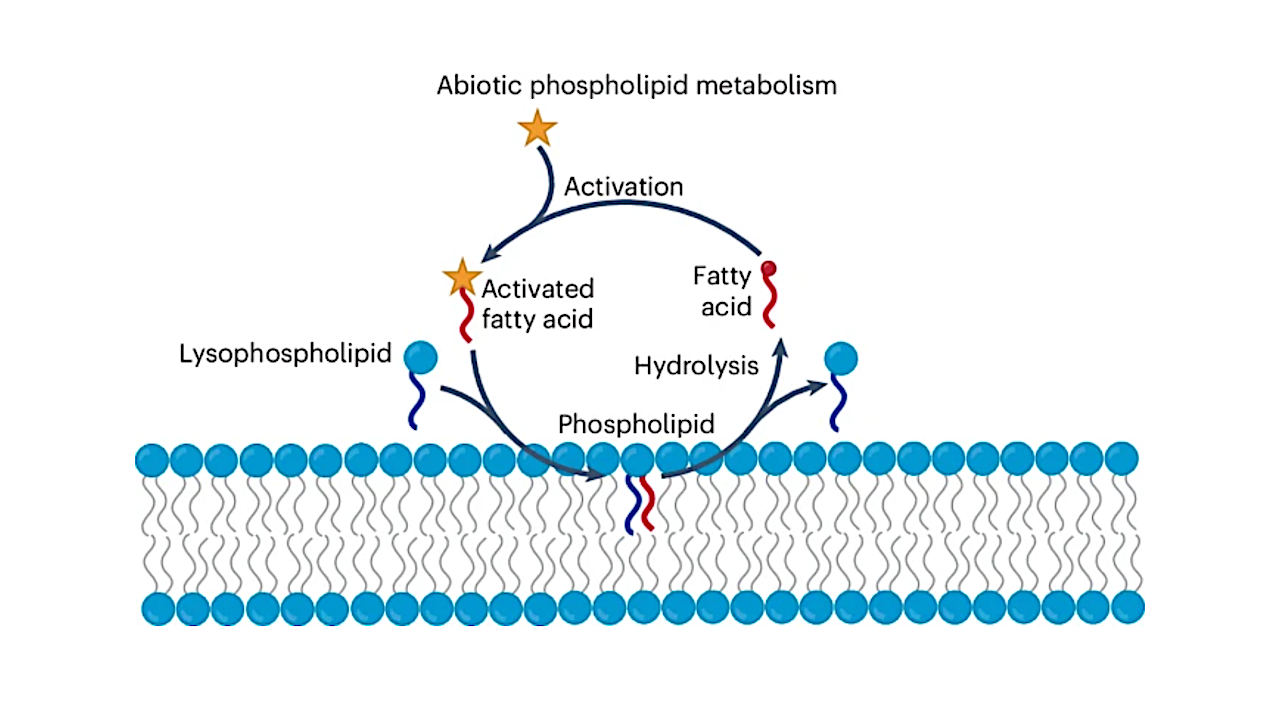
The chemical process begins with the activation of a fatty acid, which then spontaneously couples with a lysophospholipid (LP) to generate a phospholipid. The chemical linkage formed is transient and

NASA Software Catalog NASA’s latest open Software Catalog, released Wednesday, offers more than 1,200 downloadable codes developed by agency engineers that could enable faster solutions to energize the space economy
NASA Space Technology Mission Directorate (STMD) Synopsis: Standing ACO Release Date: July 30, 2025Appendix A Call for Proposals Release Date: July 30, 2025Appendix A Proposal Due: September 24, 2025 The National Aeronautics

NASA Science Mission Directorate The Exoplanets Research Program (XRP), element F.3 of ROSES-25, solicits basic research proposals to conduct scientific investigations that significantly improve our understanding of exoplanets and exoplanet
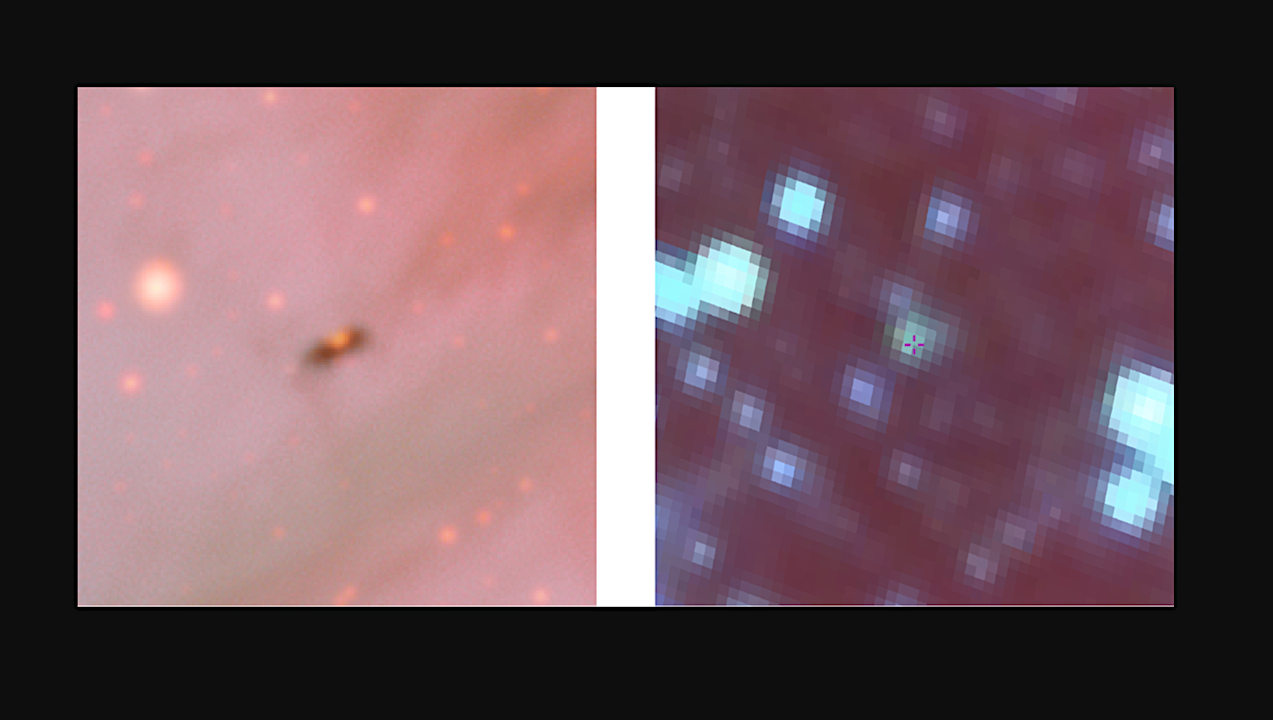
The circumstellar disk candidate in optical (left) from the Rubin Observatory “First Look” image and in infrared (right) from the Spitzer IRAC Healpix survey. Both images are 40″ on a
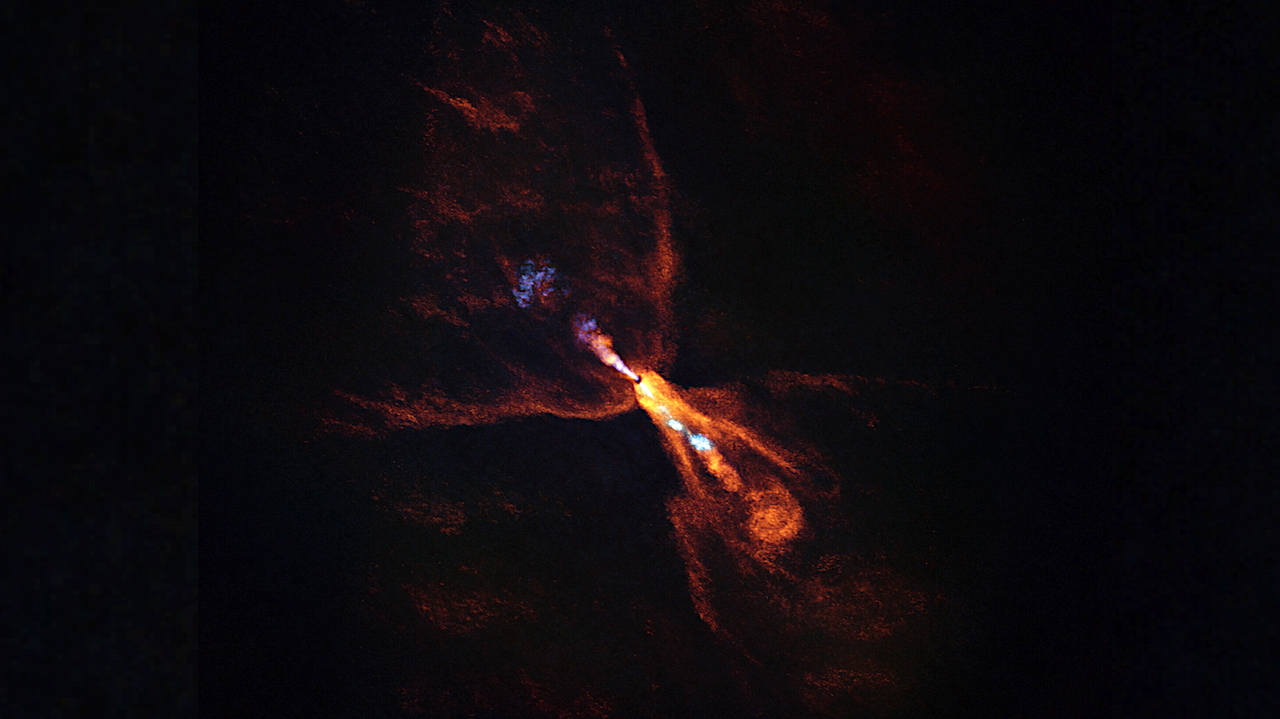
This is HOPS-315, a baby star where astronomers have observed evidence for the earliest stages of planet formation. The image was taken with the Atacama Large Millimeter/submillimeter Array (ALMA), in
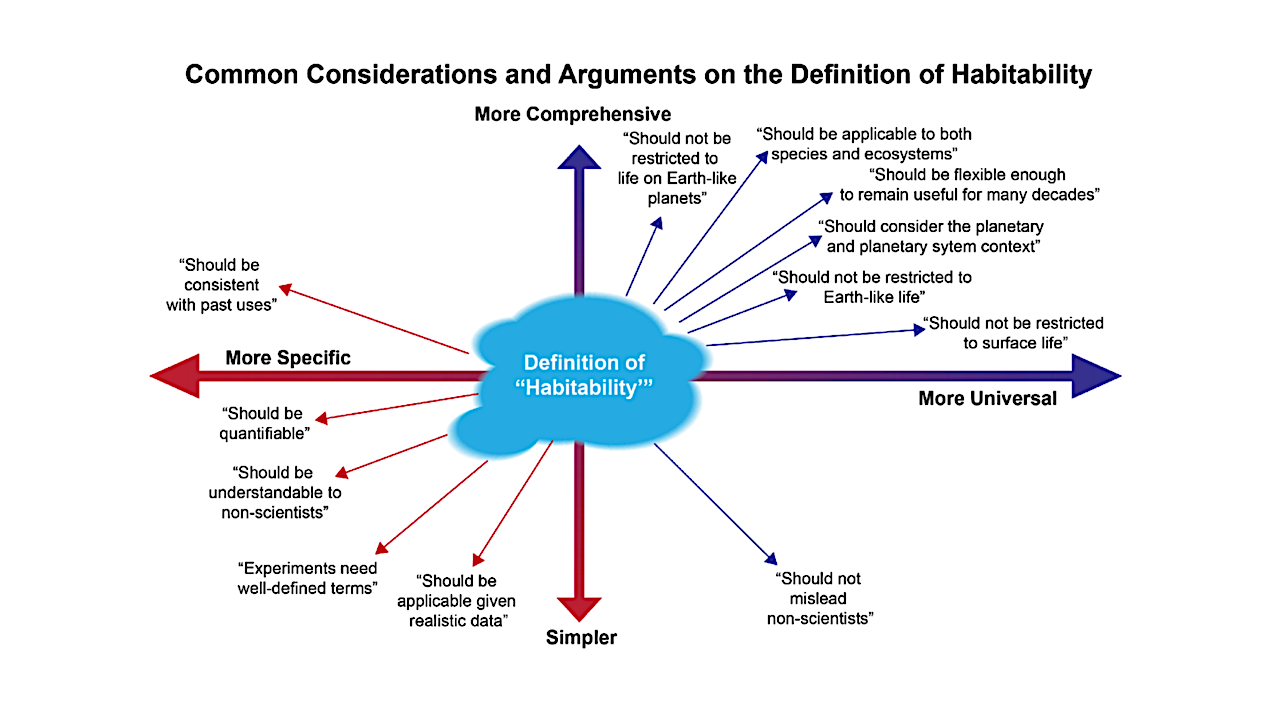
Visual summary of key considerations and arguments about the nature and scope of the definition and use of the term “habitable.” There are strong and valid arguments both for a
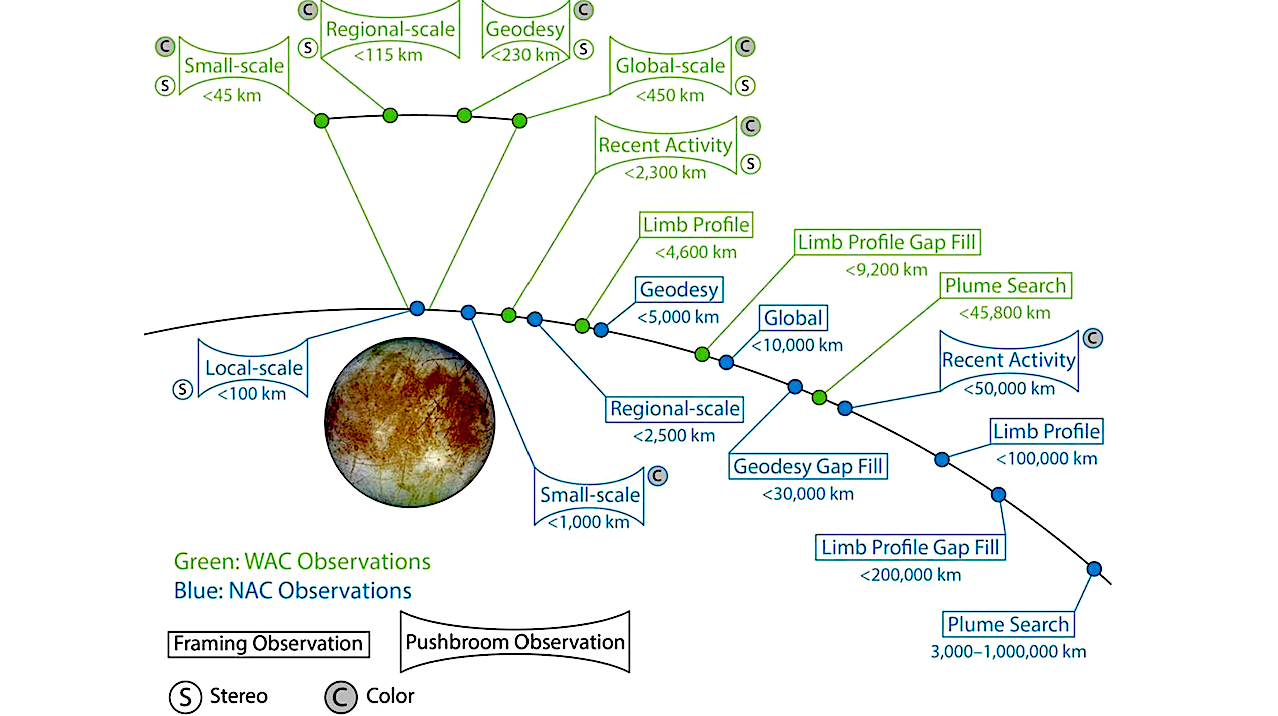
EIS datasets. Sequence of observation types during a flyby as a function of range to Europa. Although only shown once here for clarity, observations are made both inbound and outbound
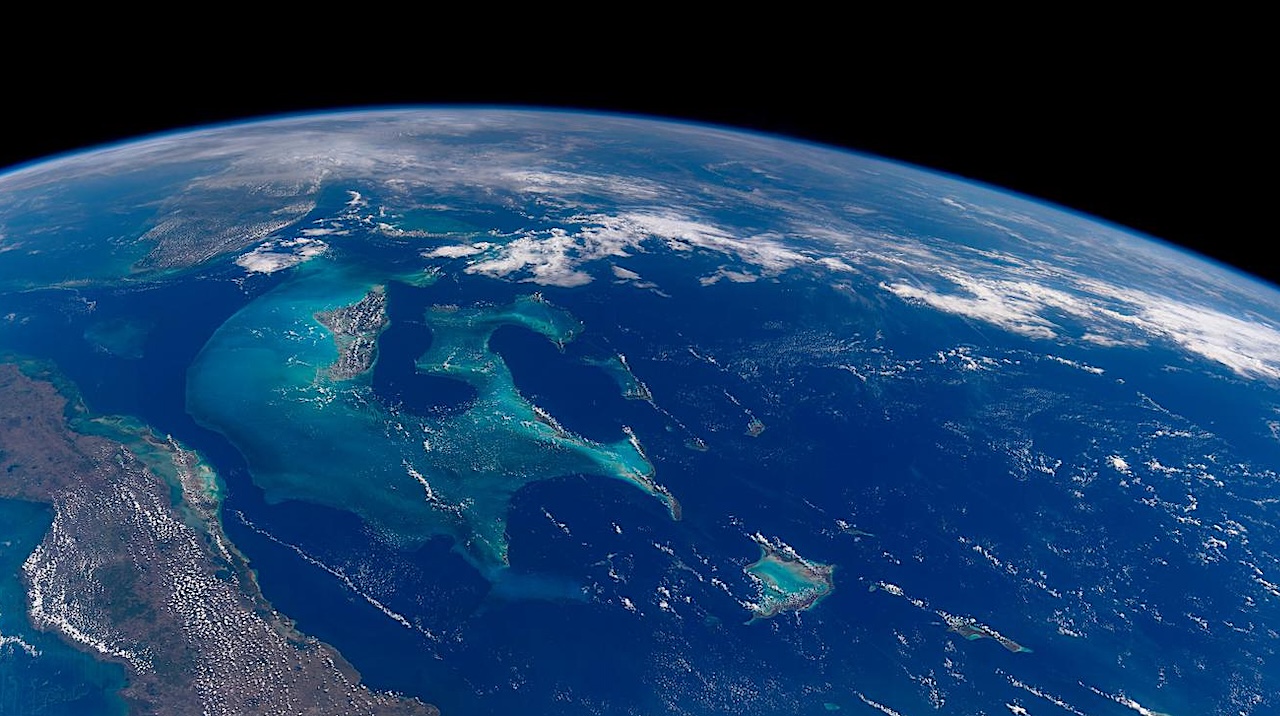
Earth’s atmosphere — NASA Water vapour is highly subsaturated in much of the Earth’s atmosphere. This has important consequences for water vapour feedback, and also for general phenomena such as