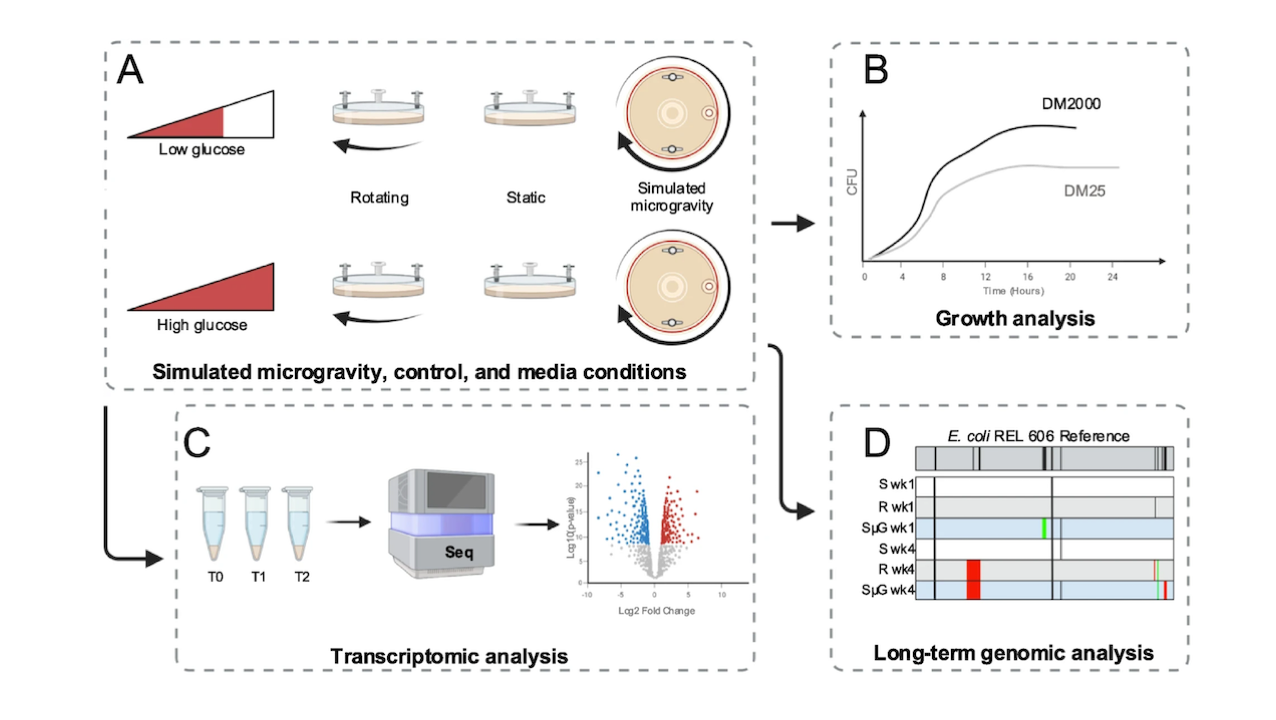
Schematic of project design. A E. coli REL606 strains were grown in High Aspect Ratio Vessels (HARV) on Rotating Wall Vessels (RWV) for simulated microgravity (SµG) and rotating (R) control

Schematic of project design. A E. coli REL606 strains were grown in High Aspect Ratio Vessels (HARV) on Rotating Wall Vessels (RWV) for simulated microgravity (SµG) and rotating (R) control
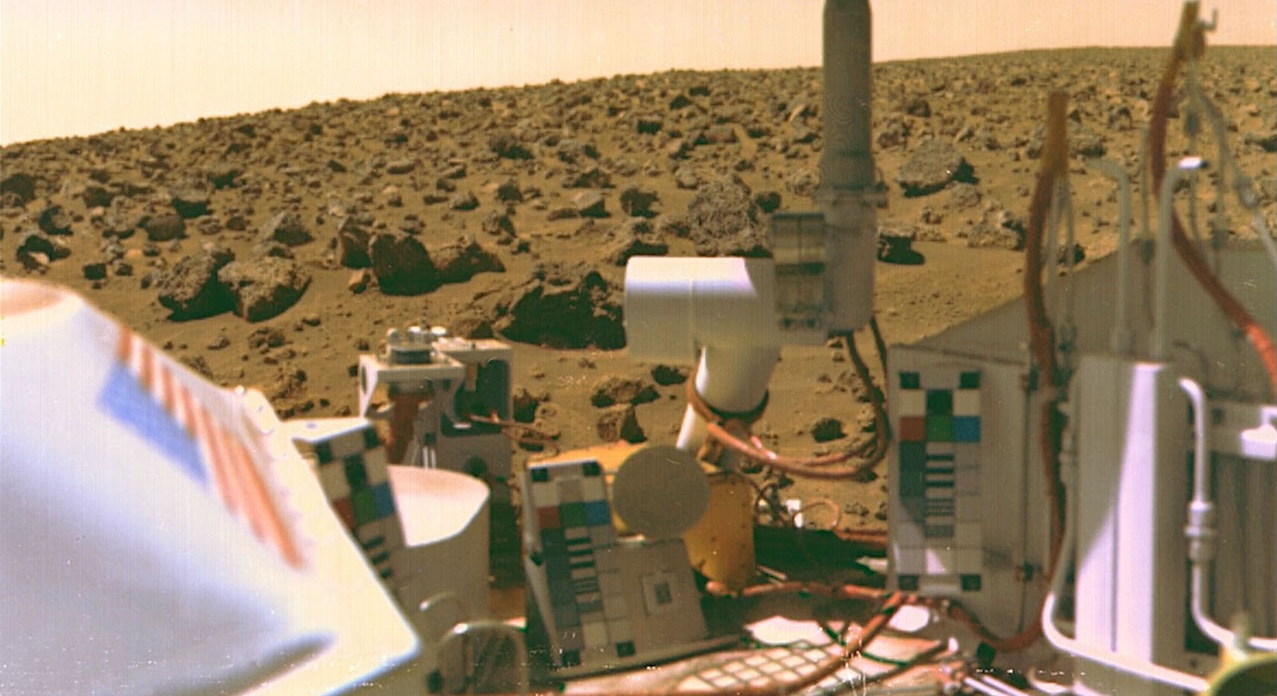
Viking 2 Landscape — NASA Due to extreme temperatures and the dryness of Mars, it’s thought to be impossible for liquid water to form on the planet’s surface, a critical
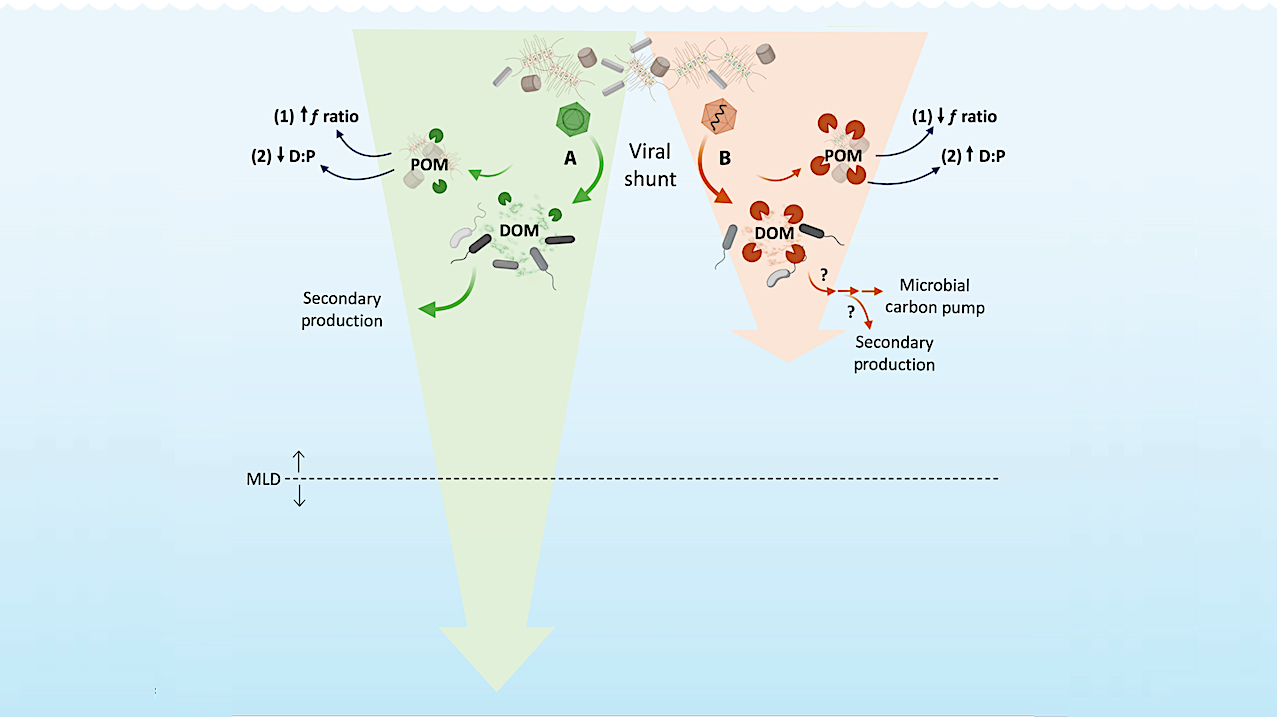
Graphical Abstract — Bar-Ilan University A new study by researchers at Bar-Ilan University has uncovered that certain ocean viruses—specifically RNA viruses—may disrupt how carbon and nutrients are recycled in the
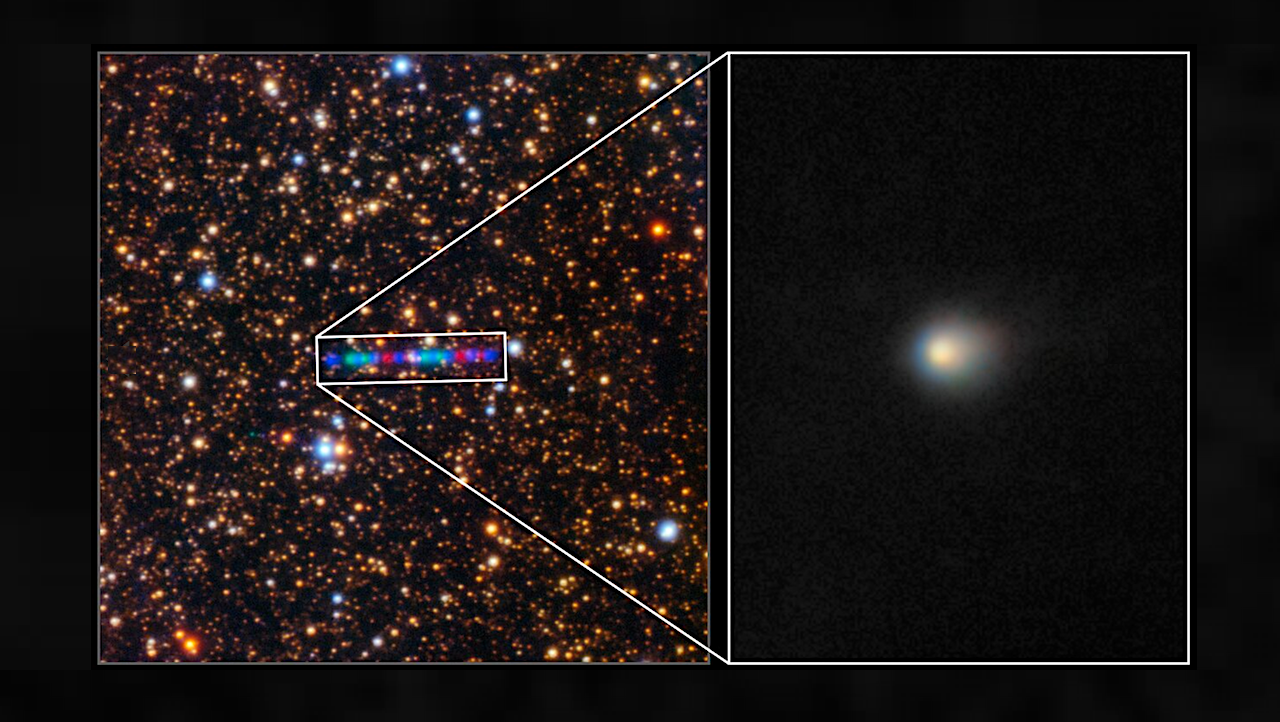
Interstellar objects are visitors from solar systems beyond our own, and the third ever such object, known as 3I/ATLAS, has just been discovered. Using the Gemini North telescope, astronomers have
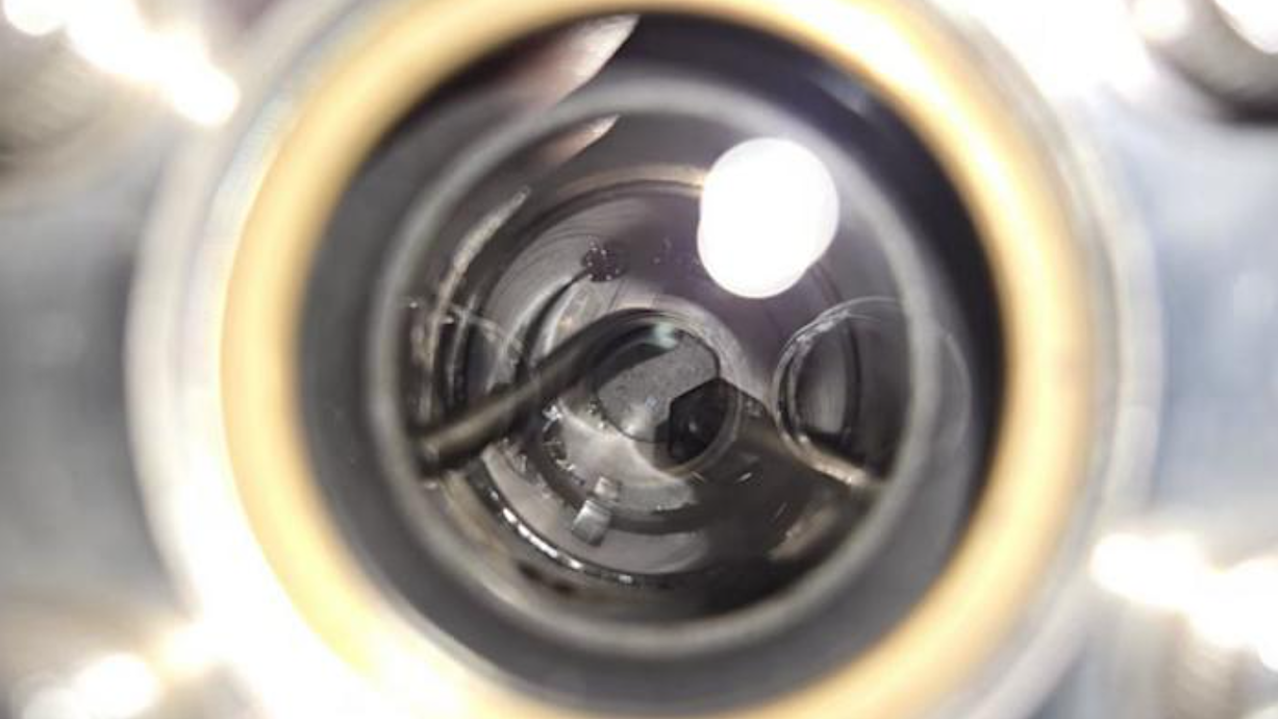
Chang’E-5 lunar soil sitting at the bottom of a photothermal reactor. Credit Sun et al. Scientists have developed a technology that may help humans survive on the Moon. In a
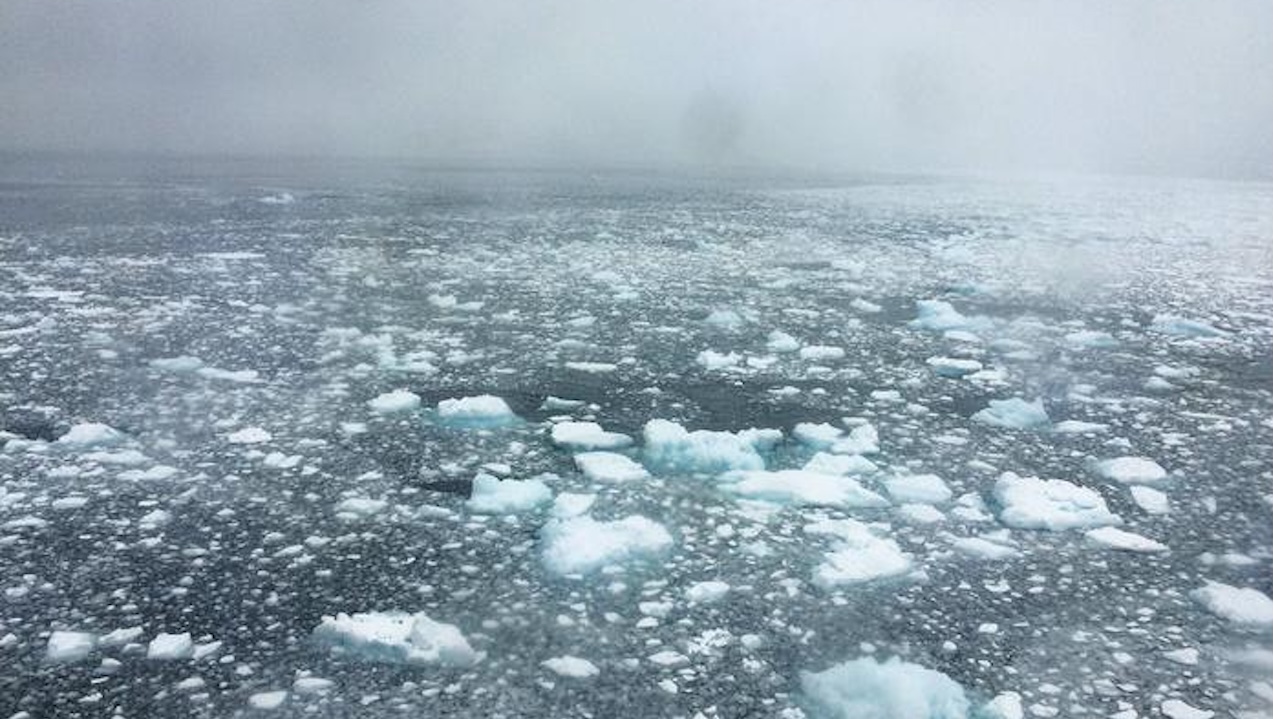
The simulations showed that at -15 to -16 degrees Celsius the polysaccharides are probably the most important ice nuclei over gigantic areas of the oceans in the clean southern hemisphere.
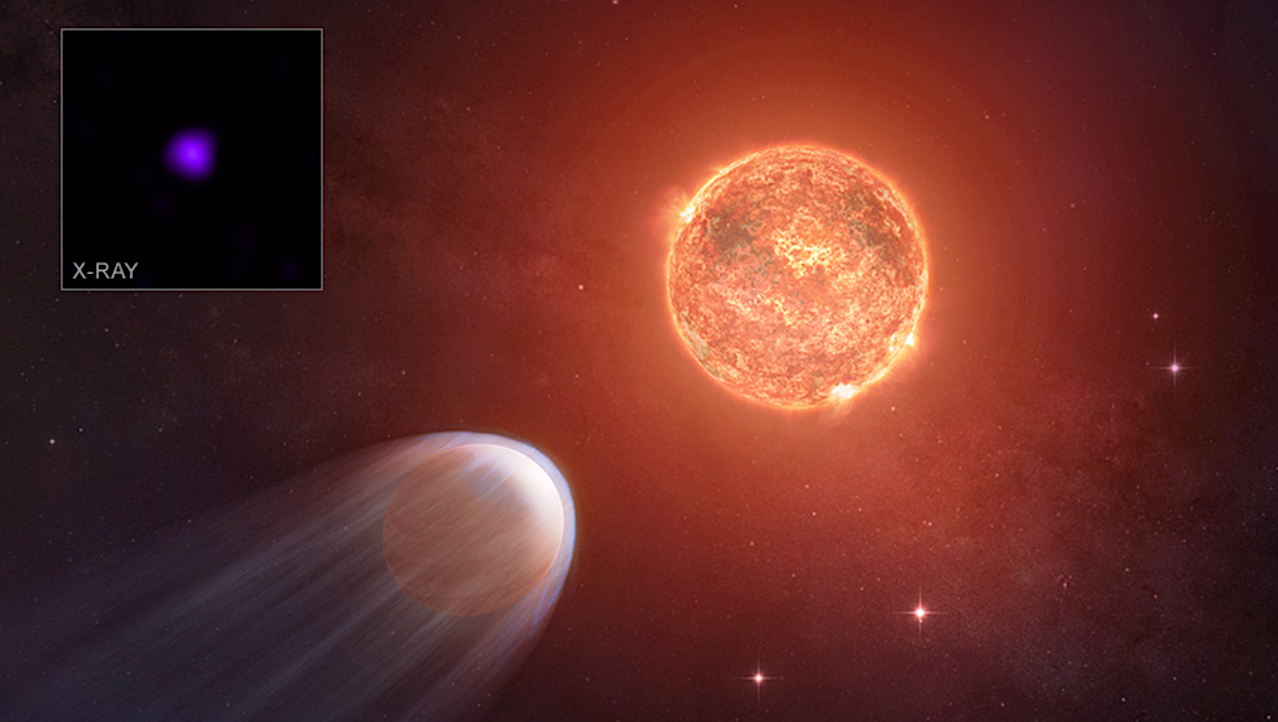
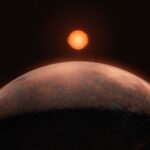
Artist’s illustration of a Jupiter-sized planet closely orbiting a faint red star. — NASA A baby planet is shrinking from the size of Jupiter with a thick atmosphere to a
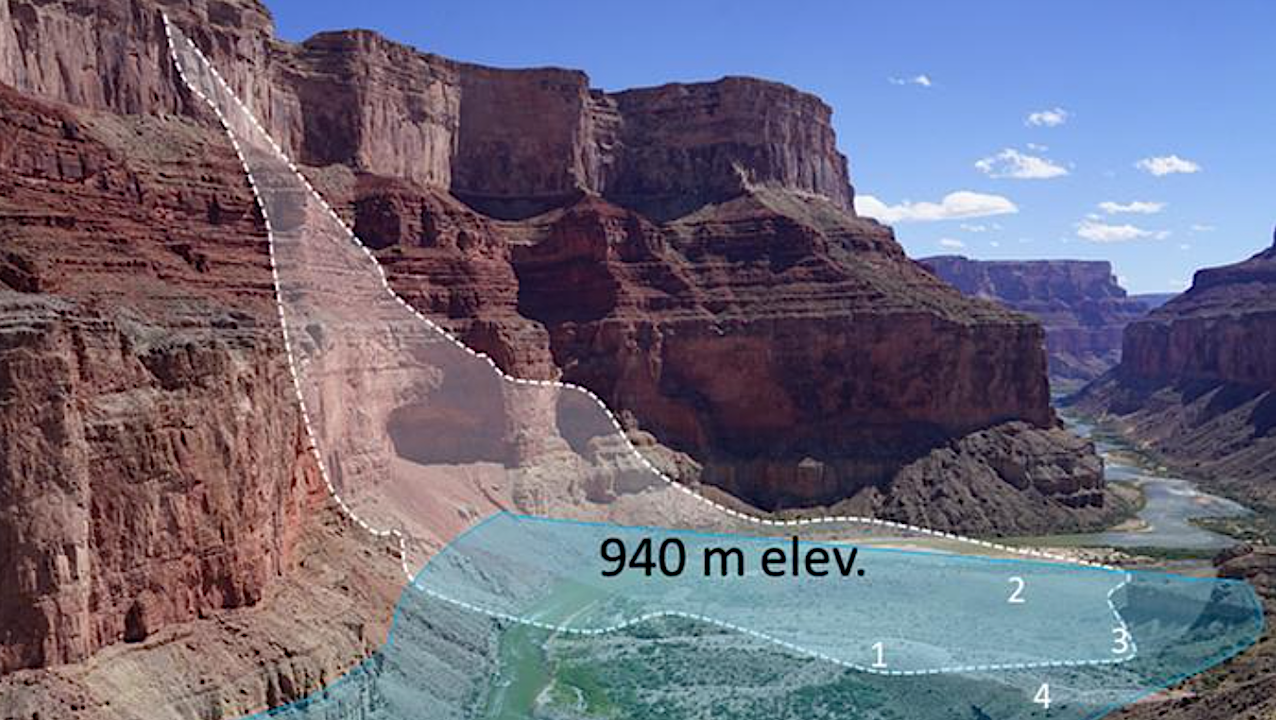
Conceptualization of Nankoweap landslide that brought down large boulders of Kaibab Limestone from the cliffs at left and created a geologically short-lived paleolake in Grand Canyon. Credit Karl Karlstrom Geology
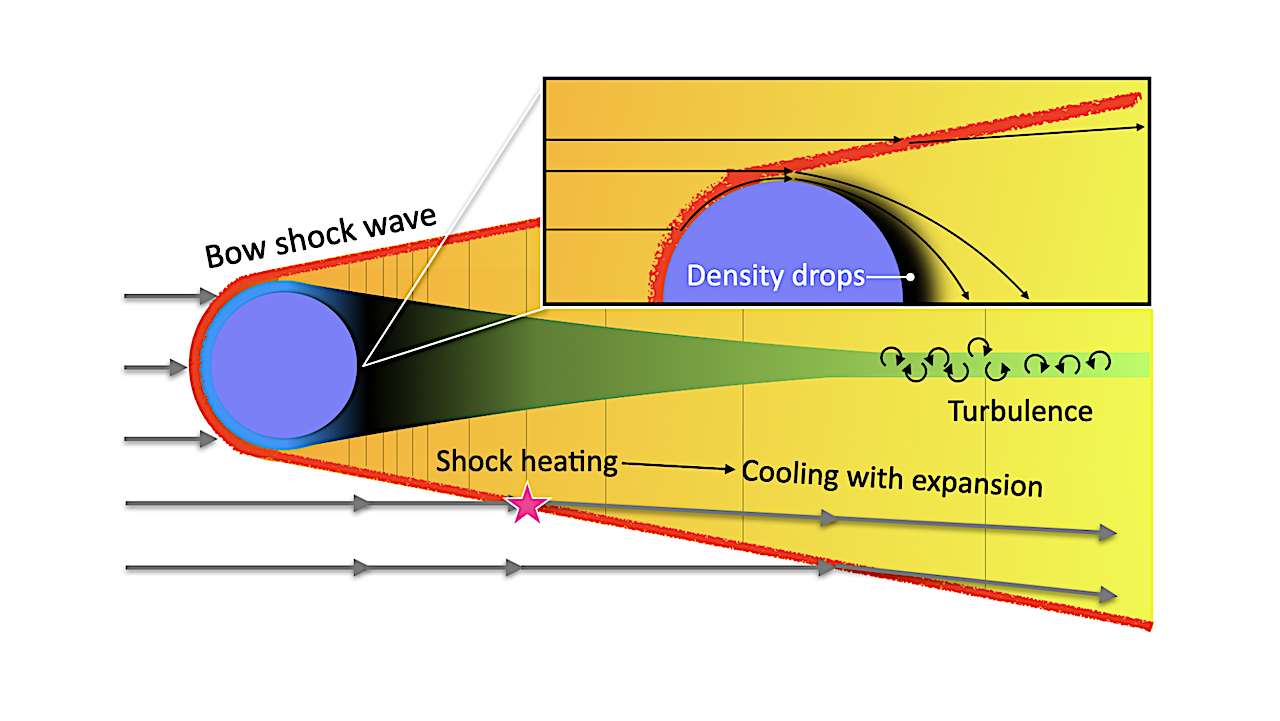
Schematic depiction of a bow shock flow. Meteoroid entry results in the bow shock wave (red line). The box illustrates stream lines around the object. Heated medium due to the
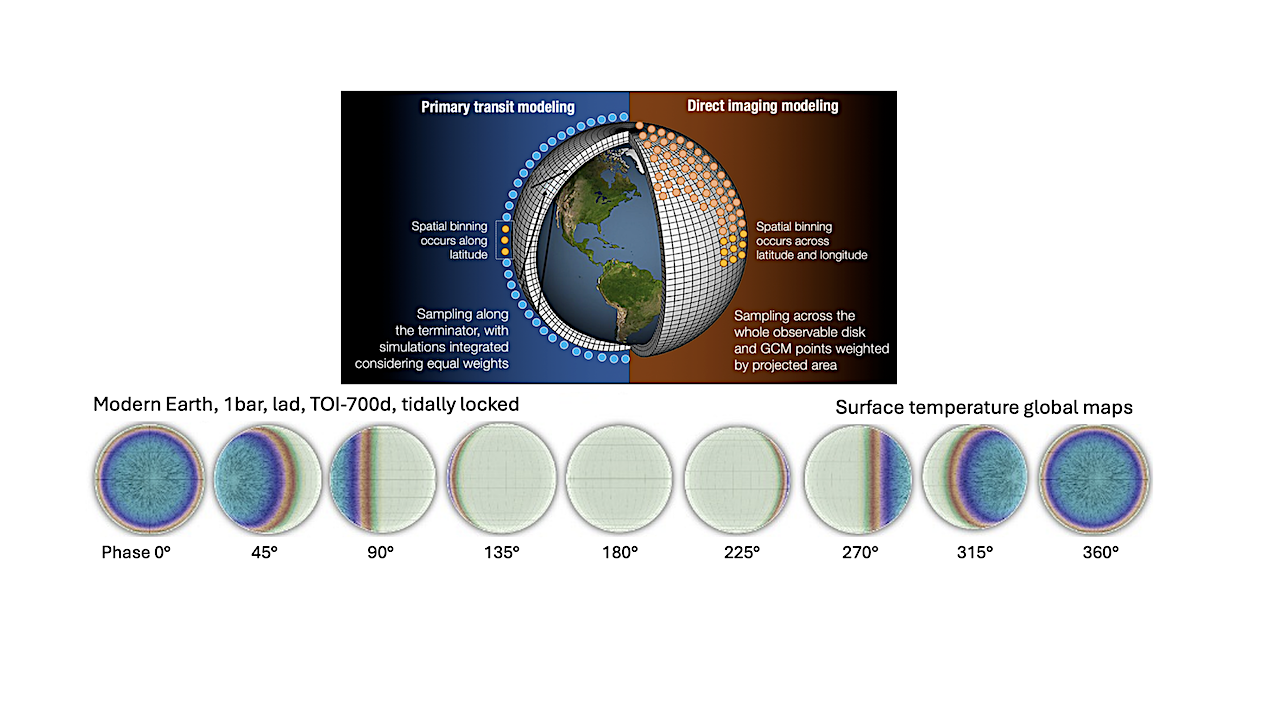
For simulated transit observations, the GlobES app performs RT calculations across the terminator and integrates the different spectra employing equal weights. For direct imaging and secondary eclipse simulations, the algorithm