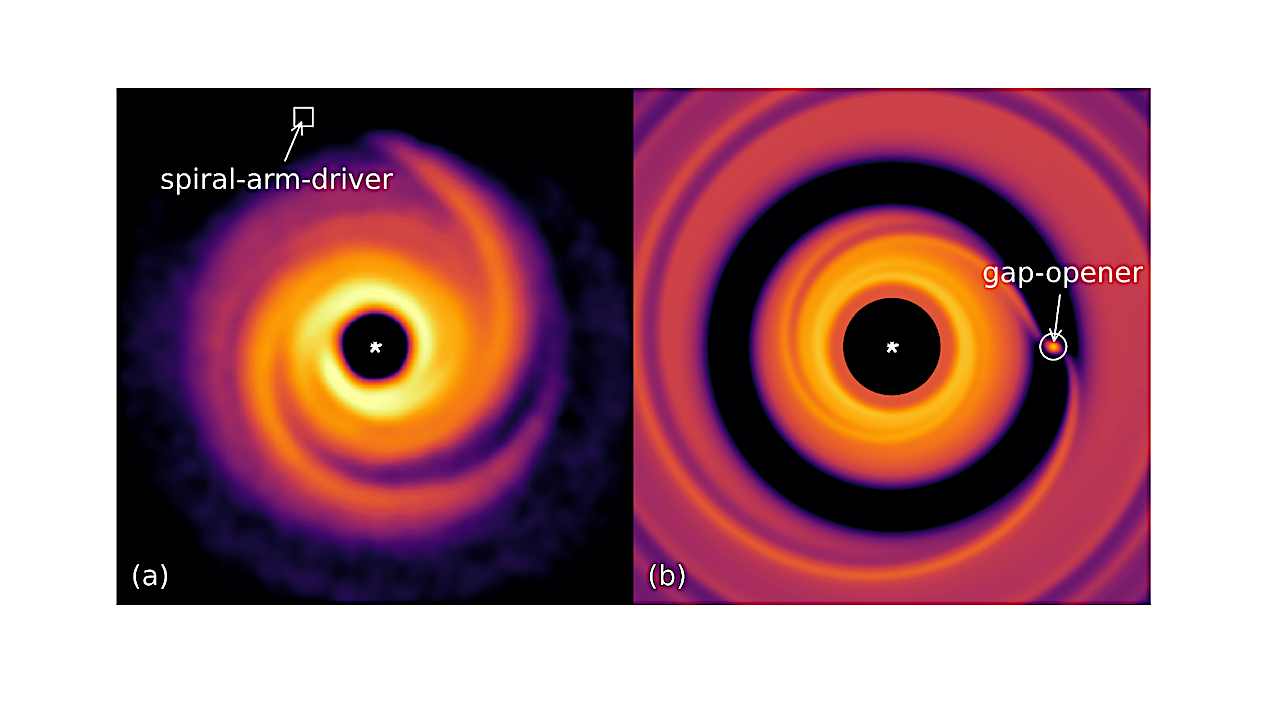
Substructures in protoplanetary disks, such as (a) spiral arms and (b) gaps, can inform the location and mass of protoplanets that shape these substructures (marked with arrows here; e.g., Dong

Substructures in protoplanetary disks, such as (a) spiral arms and (b) gaps, can inform the location and mass of protoplanets that shape these substructures (marked with arrows here; e.g., Dong
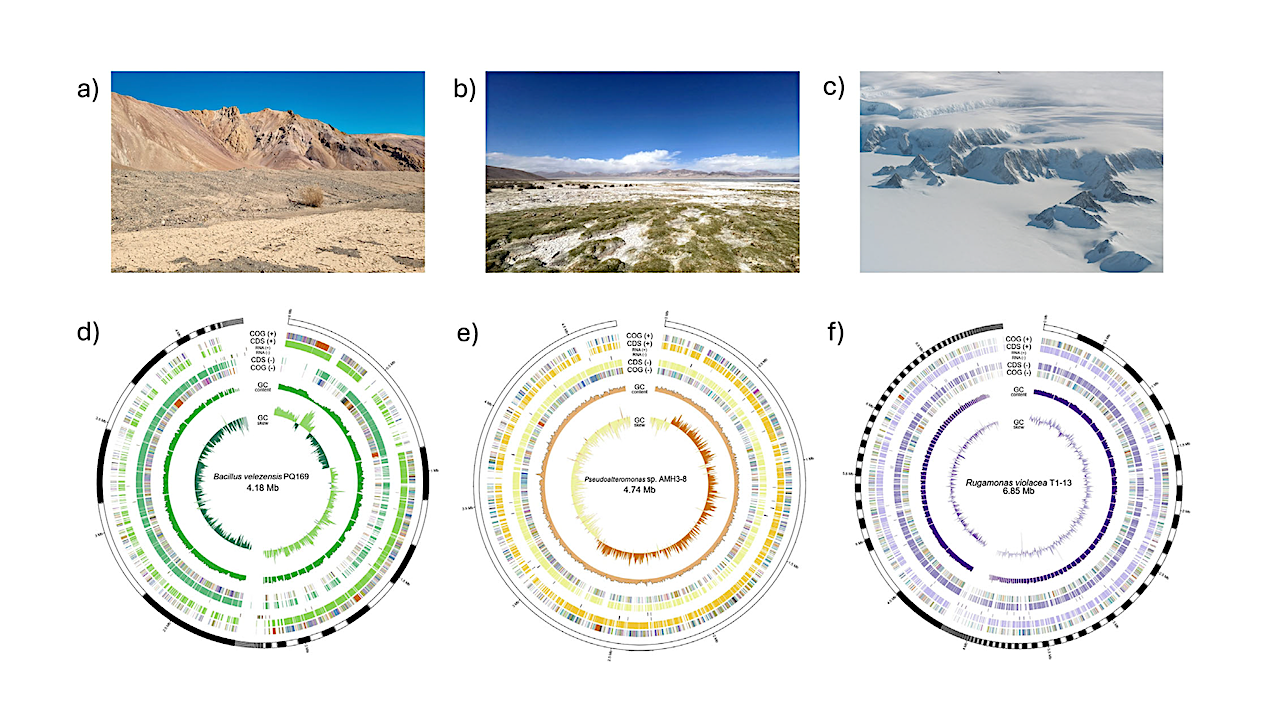
Isolation sites, genomic assembly characteristics, and ANI-based taxonomic assignment of three extremophilic bacterial isolates. (a–c) Representative sampling sites of bacterial isolates: (a) Atacama Desert, (b) Salar de Huasco, and (c)
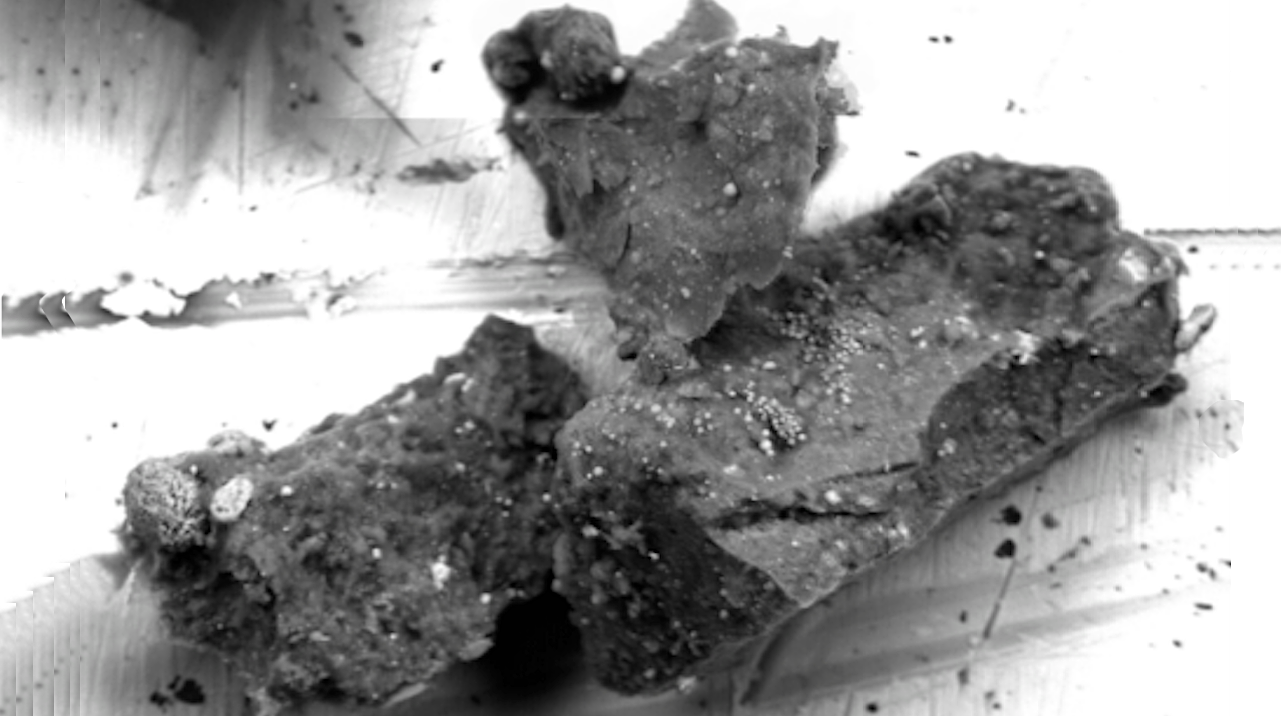
Scanning electron micrograph of the number 15 grain of sample plate C0105-042 from Ryugu, in which djerfisherite was discovered. (Hiroshima University/Masaaki Miyahara). The pristine samples from asteroid Ryugu returned by
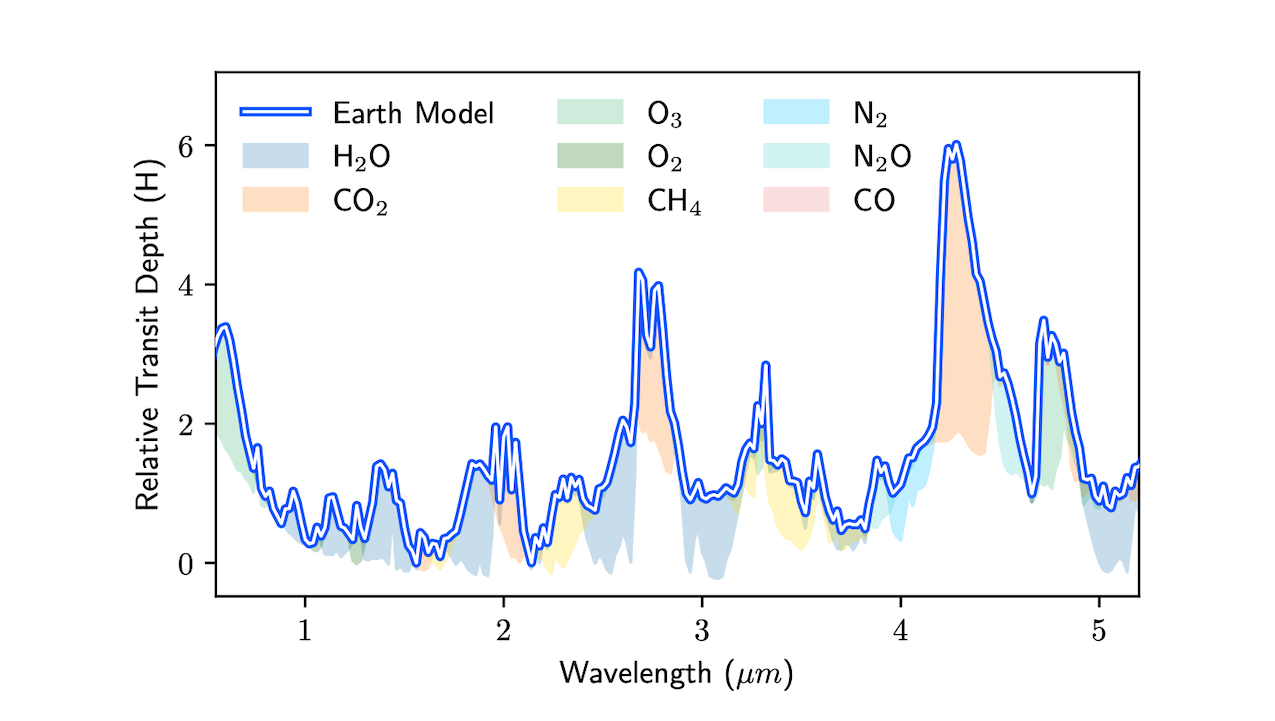
Best-fit model to an empirical transmission spectrum of the cloudless Earth in units of scale height, H (adapted from (40)). Different colors indicate the contributions from various molecules. Despite its
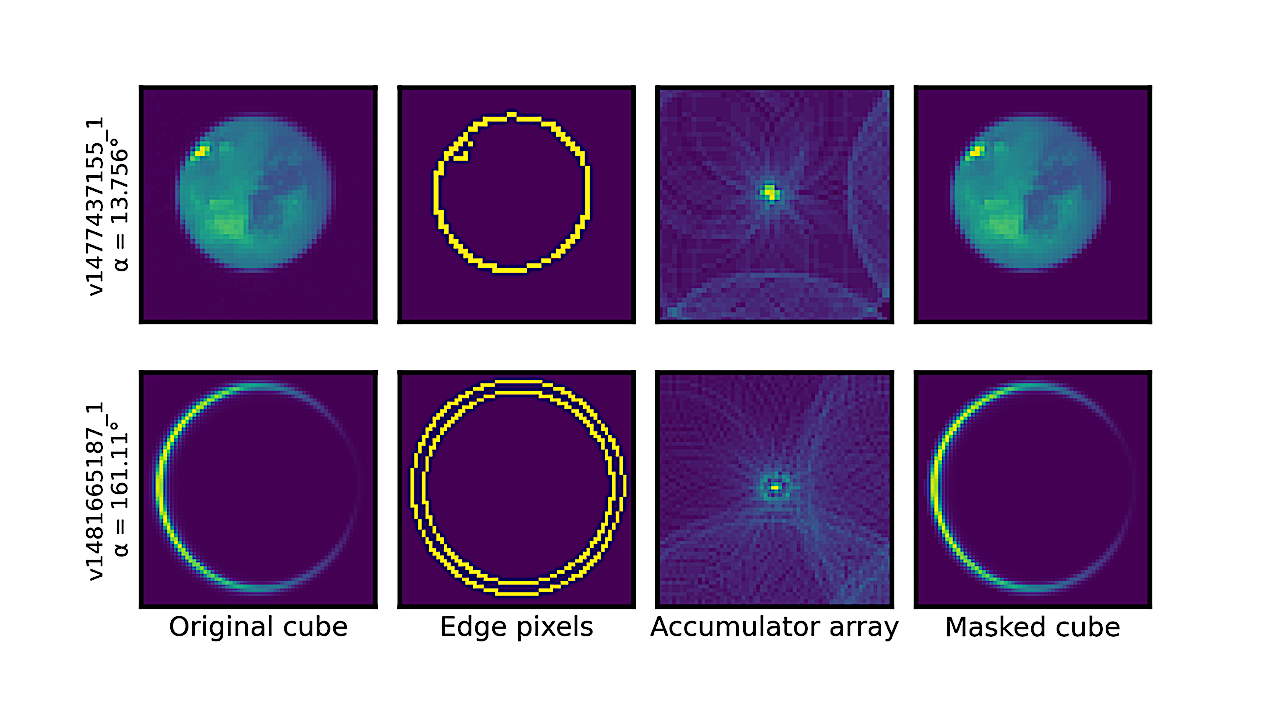
Major steps in the disk detection process on two cubes: (far left) an unaltered cube; (center left) edge pixels identified using Canny edge detection – some pixels along terrain boundaries
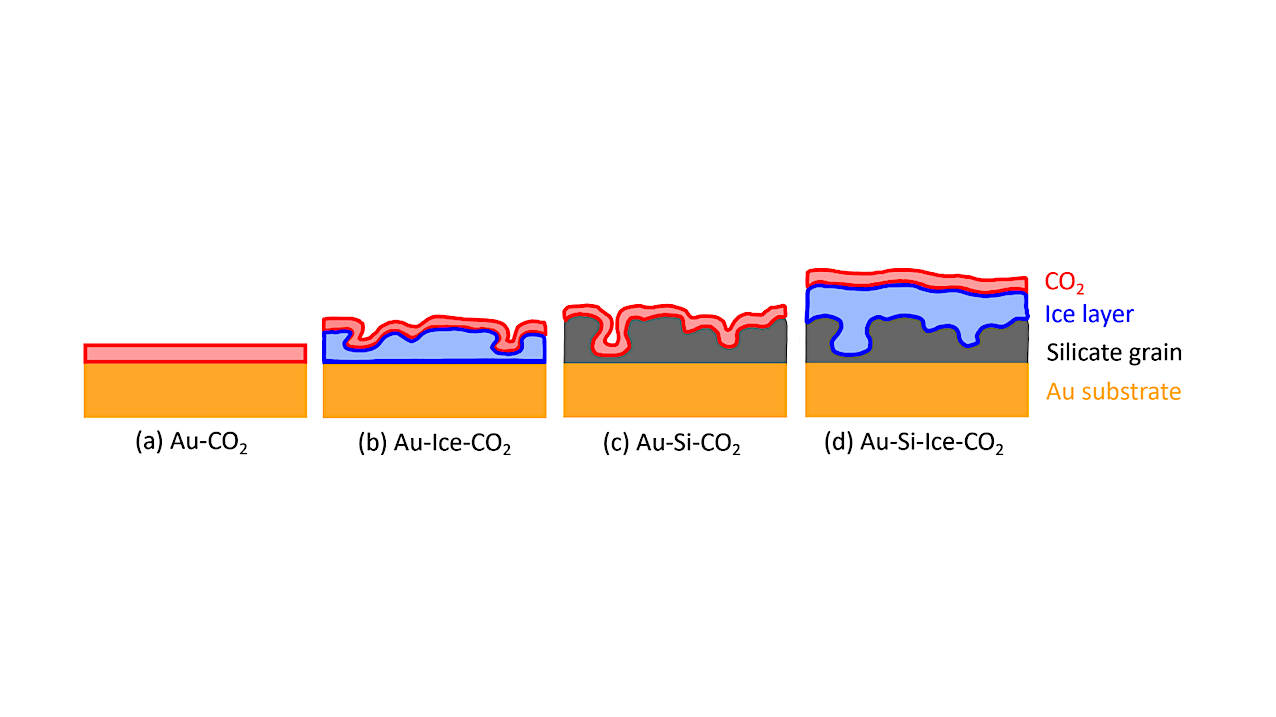
Schematic of the layered systems: CO2 deposited on (a) bare gold (Au), (b) water ice on gold, (c) a silicate film on gold, and (d) ice on a silicate film
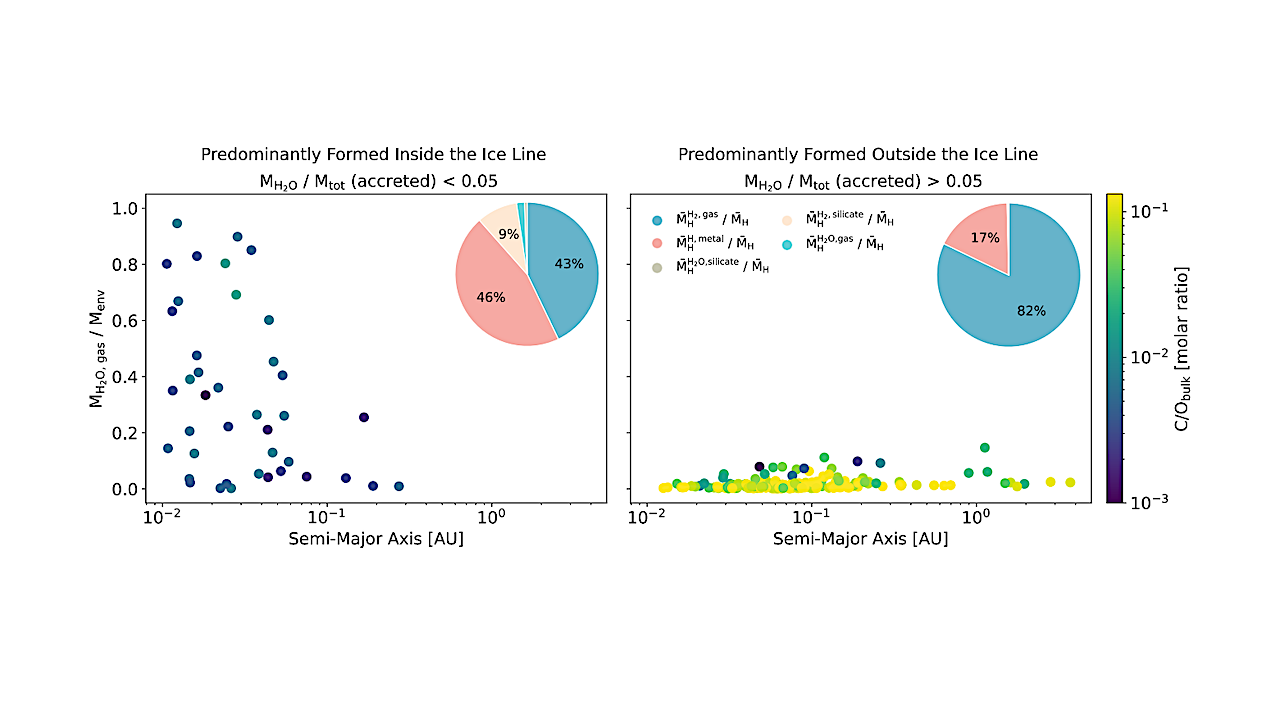
Envelope H2O mass fraction as a function of semi-major axis. The same dataset as in Figure 1 is shown. The left panel shows planets that predominantly formed inside the water
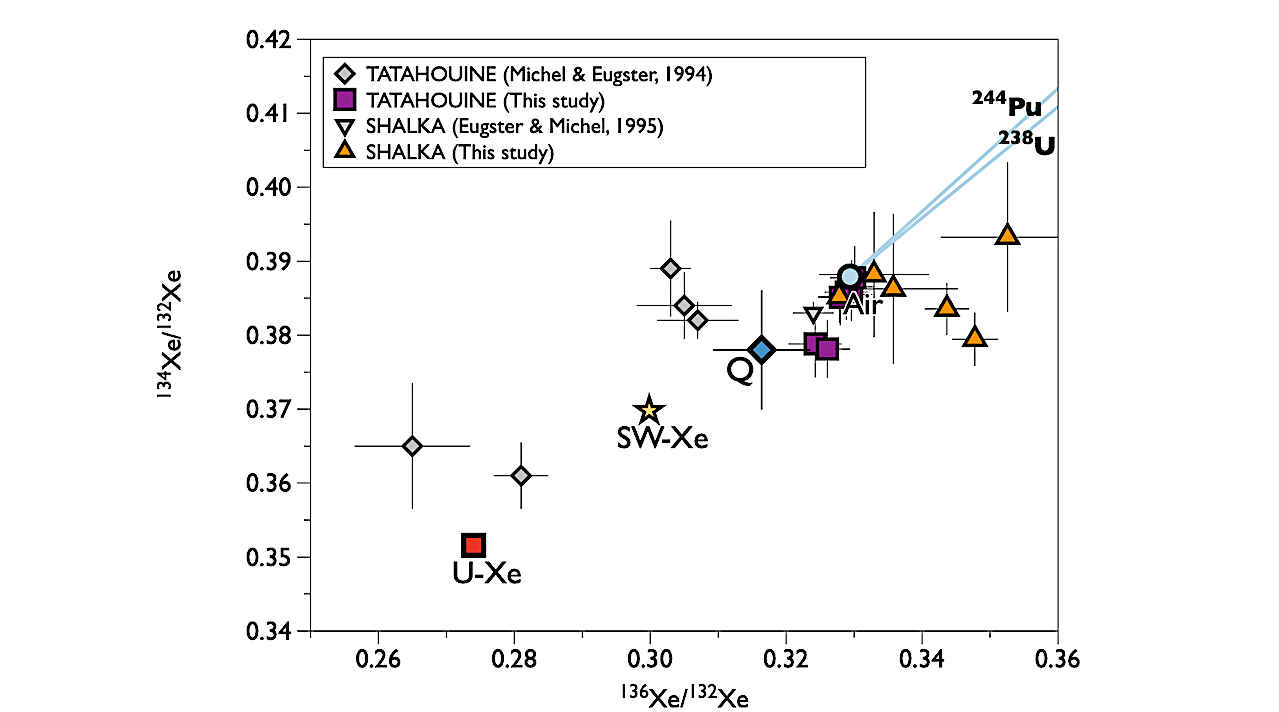
The 134Xe/132Xe versus 136Xe/132Xe diagram showing the composition of Tatahouine (#13349) and Shalka (#6766 C) measured at different heating steps, including those of Michel & Eugster (1994) and Eugster &
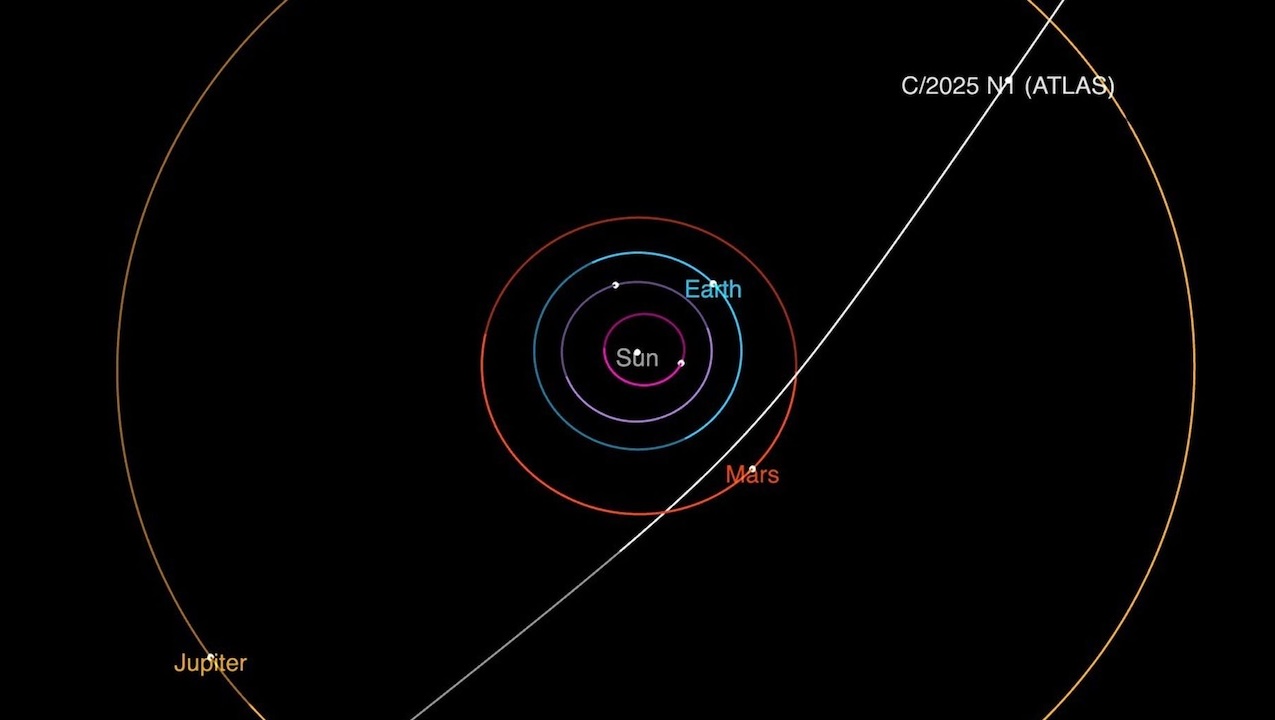
This diagram shows the trajectory of interstellar comet 3I/ATLAS as it passes through the solar system. It will make its closest approach to the Sun in October. NASA/JPL-Caltech On July
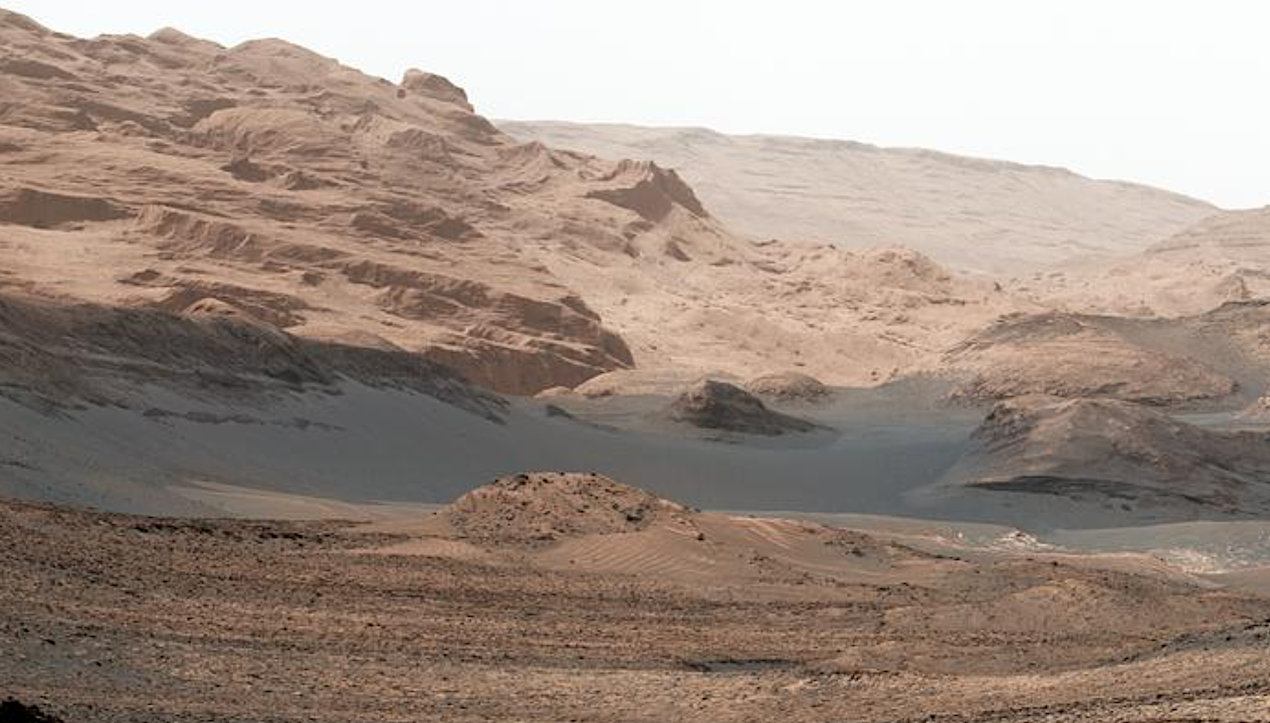
NASA’s Curiosity rover captured this photo as it ascended the Martian mountain Mt. Sharp. A study proposes a new explanation for why Mars is a barren desert today, despite having