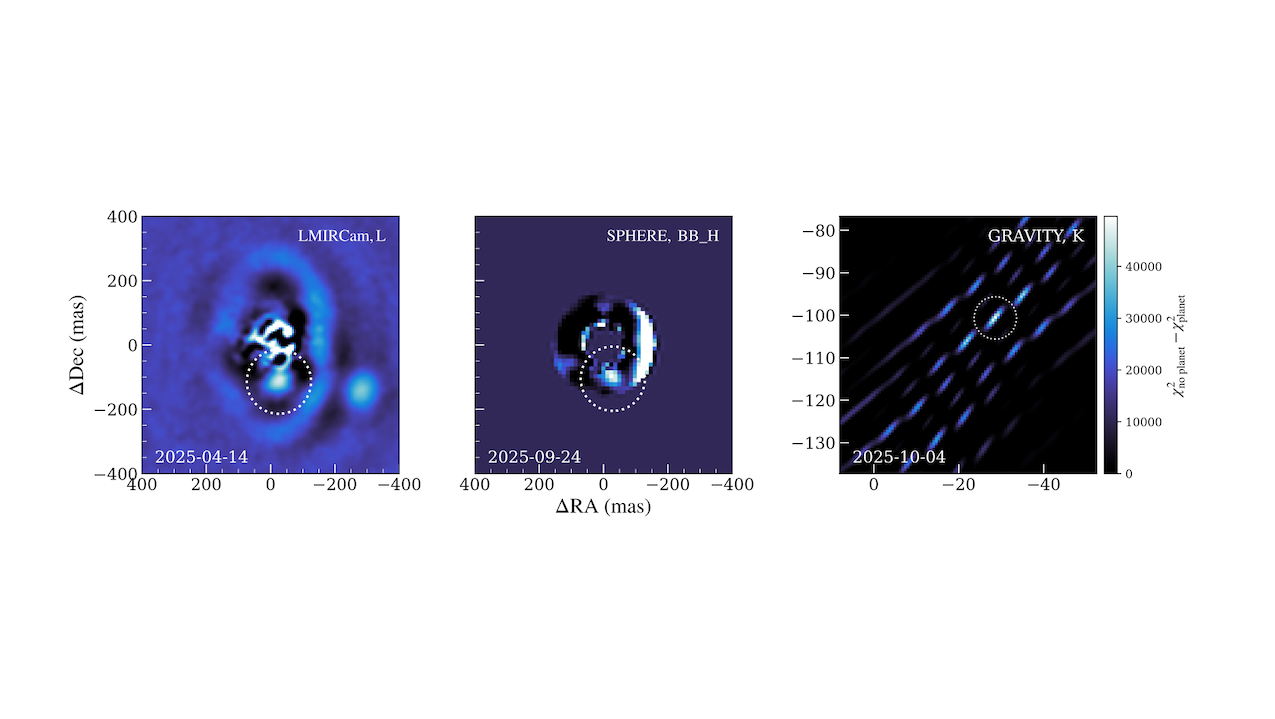
Left panel: Original L-band detection of CC1 in Close et al. (2025a). Middle panel: New H-band detection of WISPIT 2c following RDI. We show a confined annulus that was used

Left panel: Original L-band detection of CC1 in Close et al. (2025a). Middle panel: New H-band detection of WISPIT 2c following RDI. We show a confined annulus that was used
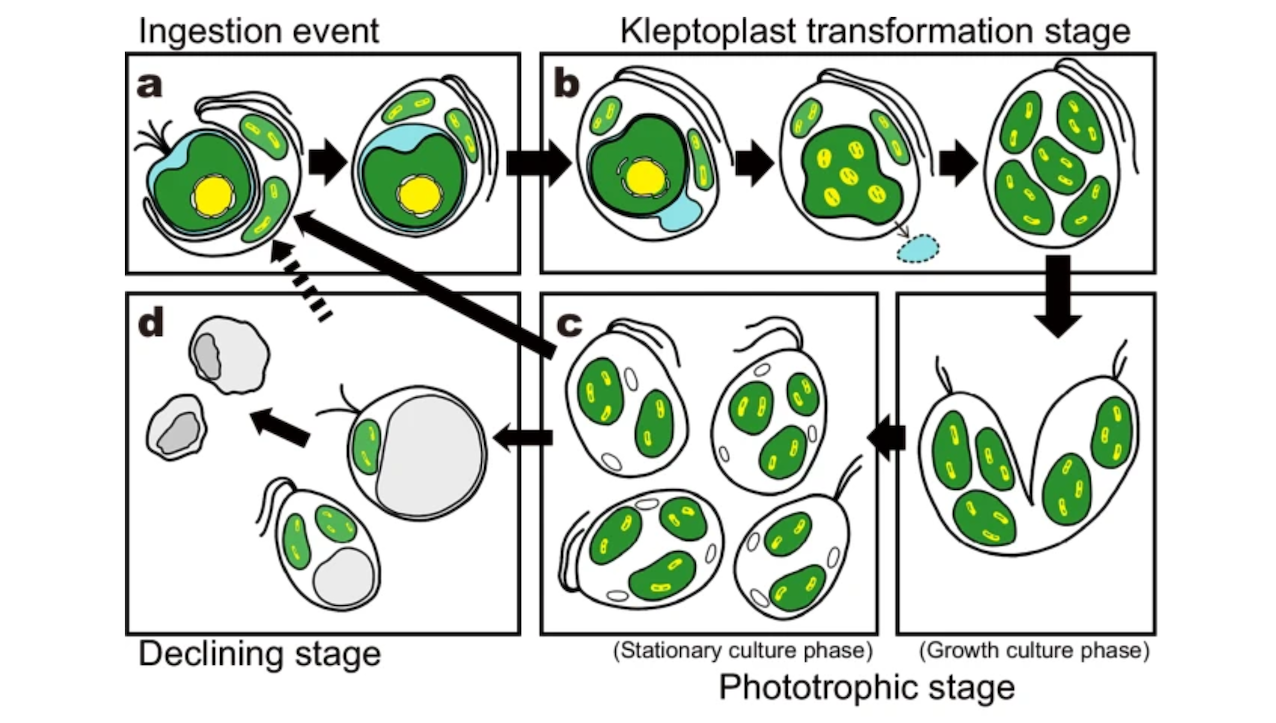
Chloroplasts/kleptoplasts are shown in green, and pyrenoids are shown in yellow. a R. viridis ingests whole cells of a specific Tetraselmis strain by phagocytosis (ingestion event), typically consuming them within

NASA Science Mission Directorate The NASA Physical Sciences (PS) program is part of the Biological and Physical Sciences Division. This program element will investigate physical phenomena in the absence of
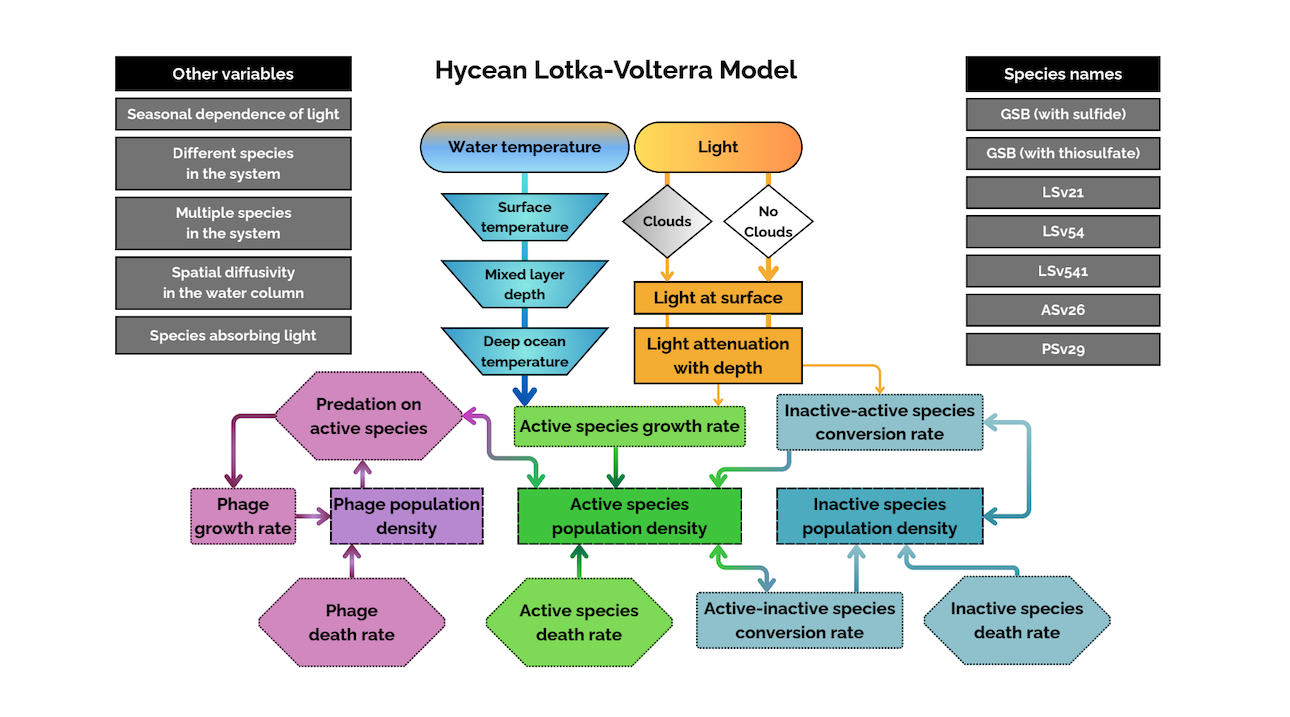
A schematic diagram of the hycean Lotka-Volterra model we implement in this work. The schematic shows how various parameters in our model are connected in a vertical, one-dimensional water column.
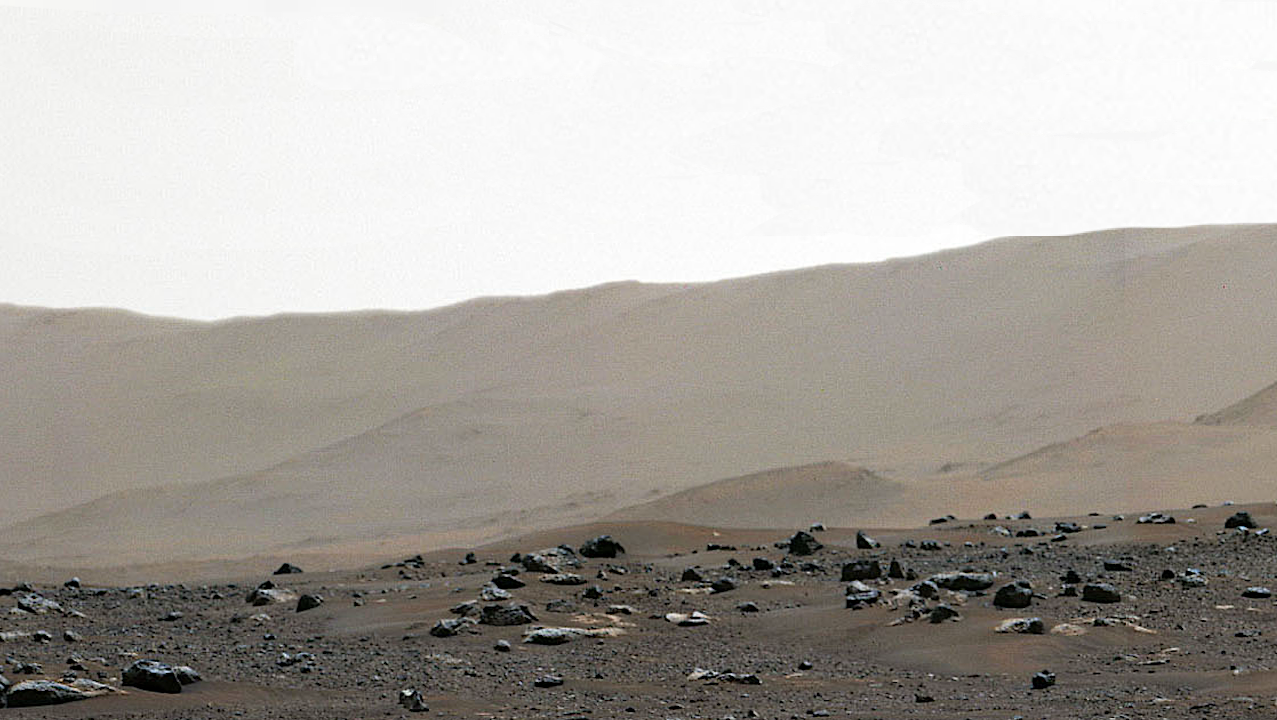
Surface of Mars – NASA Perseverance The Centro de Astrobiología (CAB), CSIC-INTA, has led a study published in Communications Earth and Environment, showing that if life had ever emerged on
ASGSR Technical Analysis Group Dear Colleagues, The ASGSR Governing Board is pleased to announce the establishment of the Gravitational and Space Research – Technical Analysis Group (GSR-TAG). The primary purpose
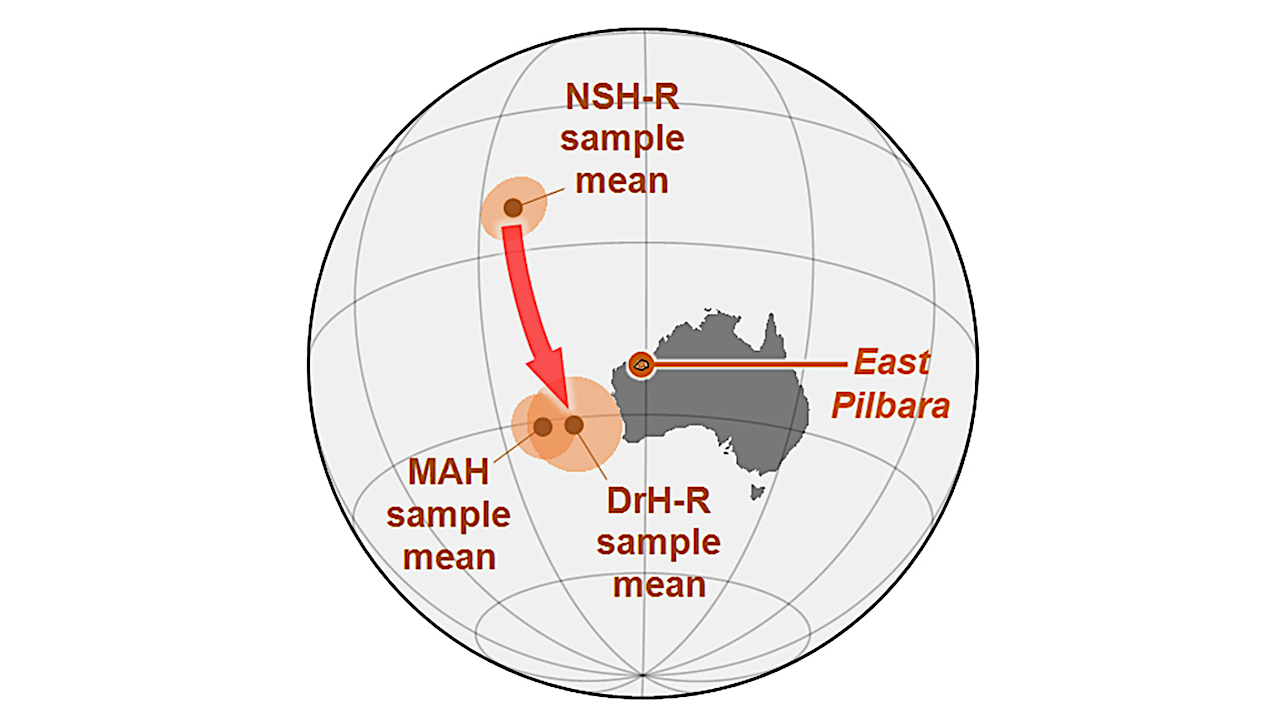
Paleopoles based on averages of sample Virtual Geomagnetic Poles (VGPs) rather than site VGPs. In this treatment, sample H component directions are each treated as sites that sample the field
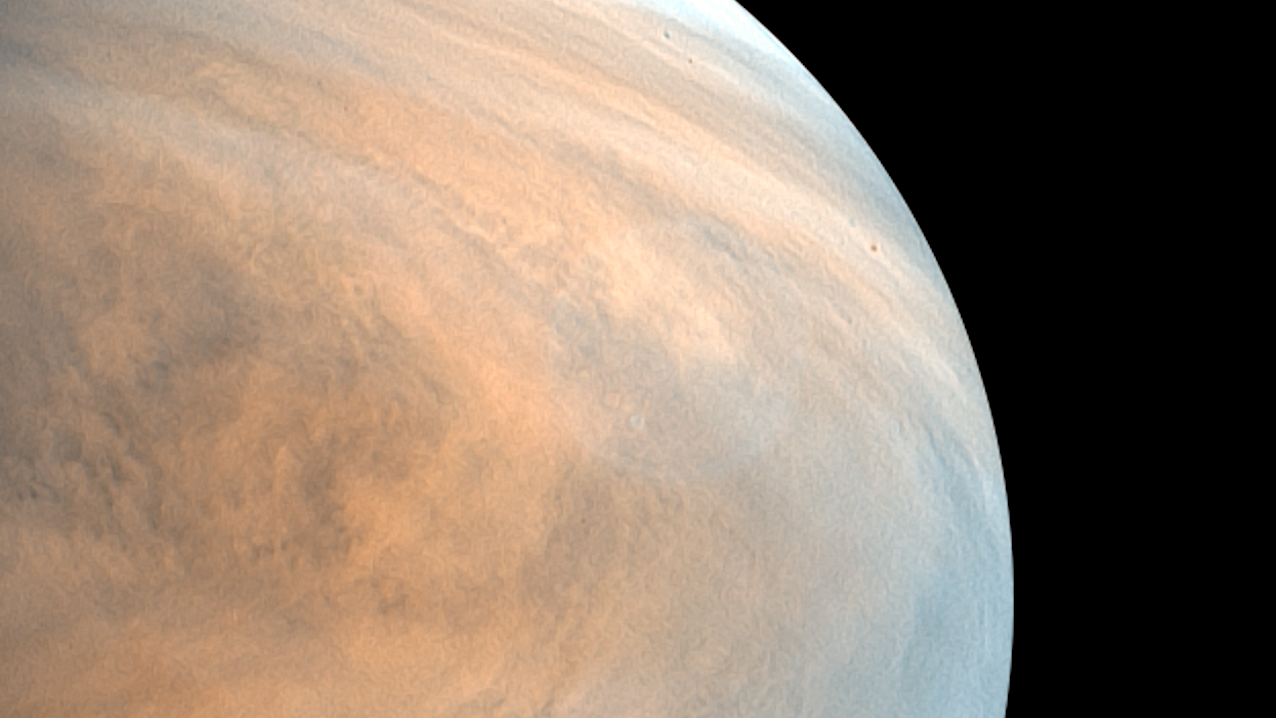
A synthesized false color image of Venus using 283-nm and 365-nm images taken by UVI. Images are colorized as follows: 283 nm → blue; 365 nm → red; mixture of
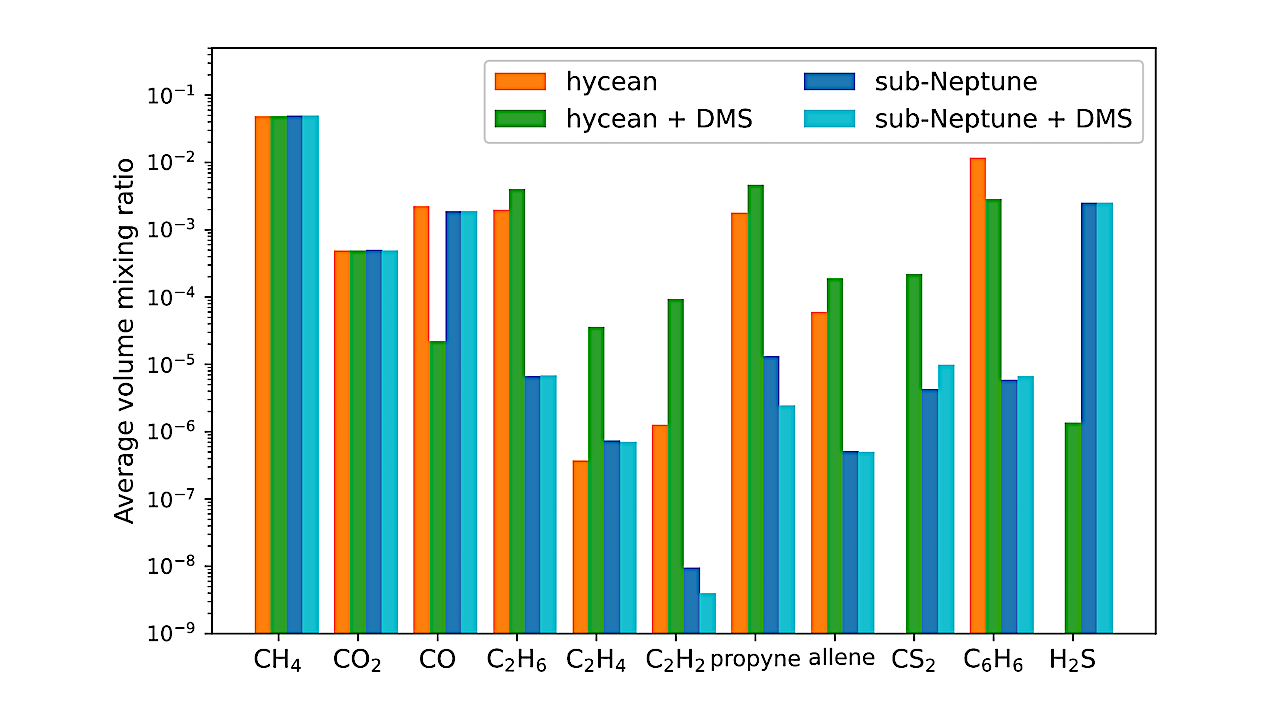
The volume mixing ratios of key gases in the Hycean and sub-Neptune atmospheres, averaged across 0.1 – 10−5 bar to represent the expected abundances of photochemical products probed by transmission
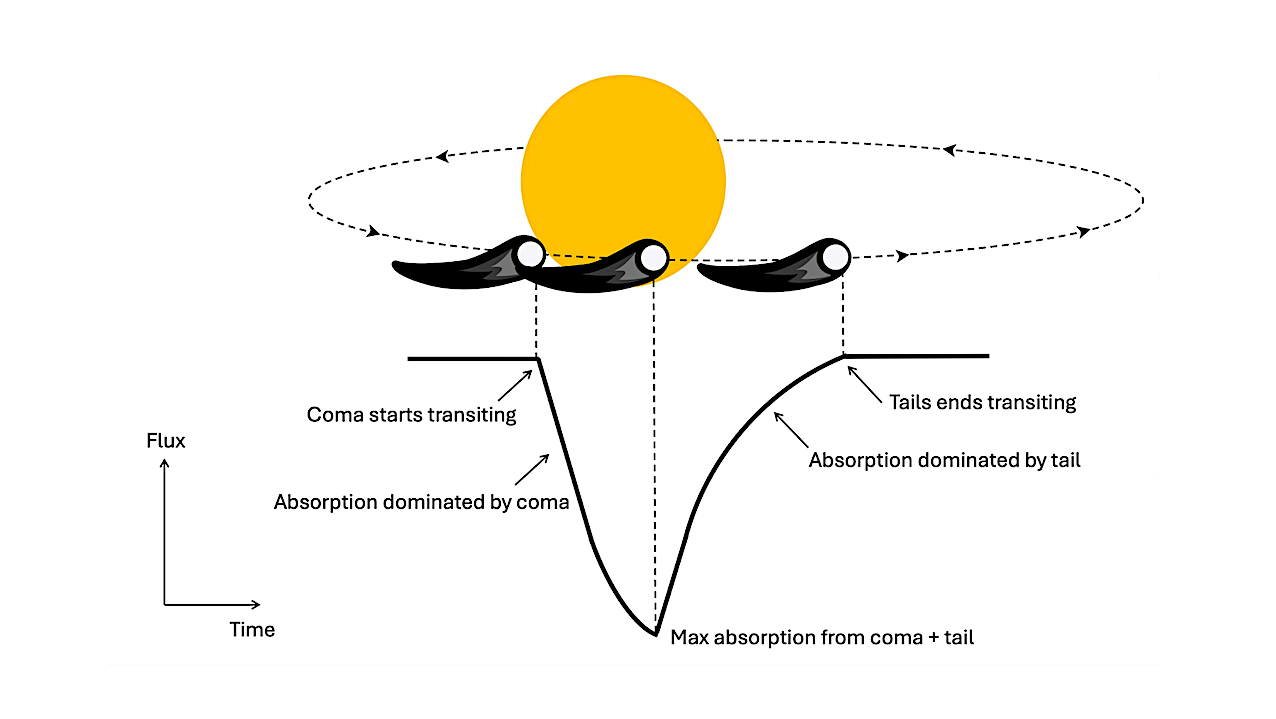
Illustration of an exocomet transit. — astro-ph.EP Active small bodies in extrasolar systems, the extrasolar analogues of Solar System comets, provide insights into the orbital evolution and physical processes shaping