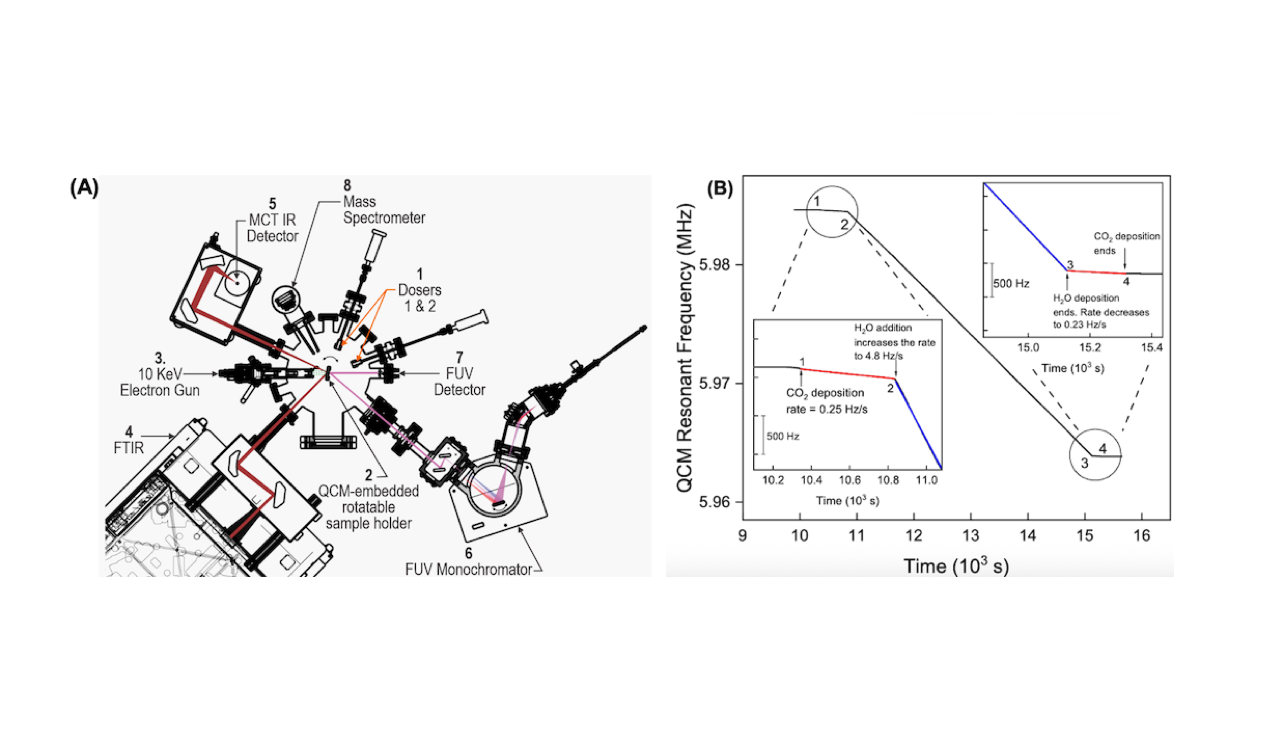
A: Schematic of the ultra-high vacuum chamber used for electron irradiation experiments of Europan ice analogs. B: Shift in the resonant frequency of the QCM during co-deposition of H2O and

A: Schematic of the ultra-high vacuum chamber used for electron irradiation experiments of Europan ice analogs. B: Shift in the resonant frequency of the QCM during co-deposition of H2O and
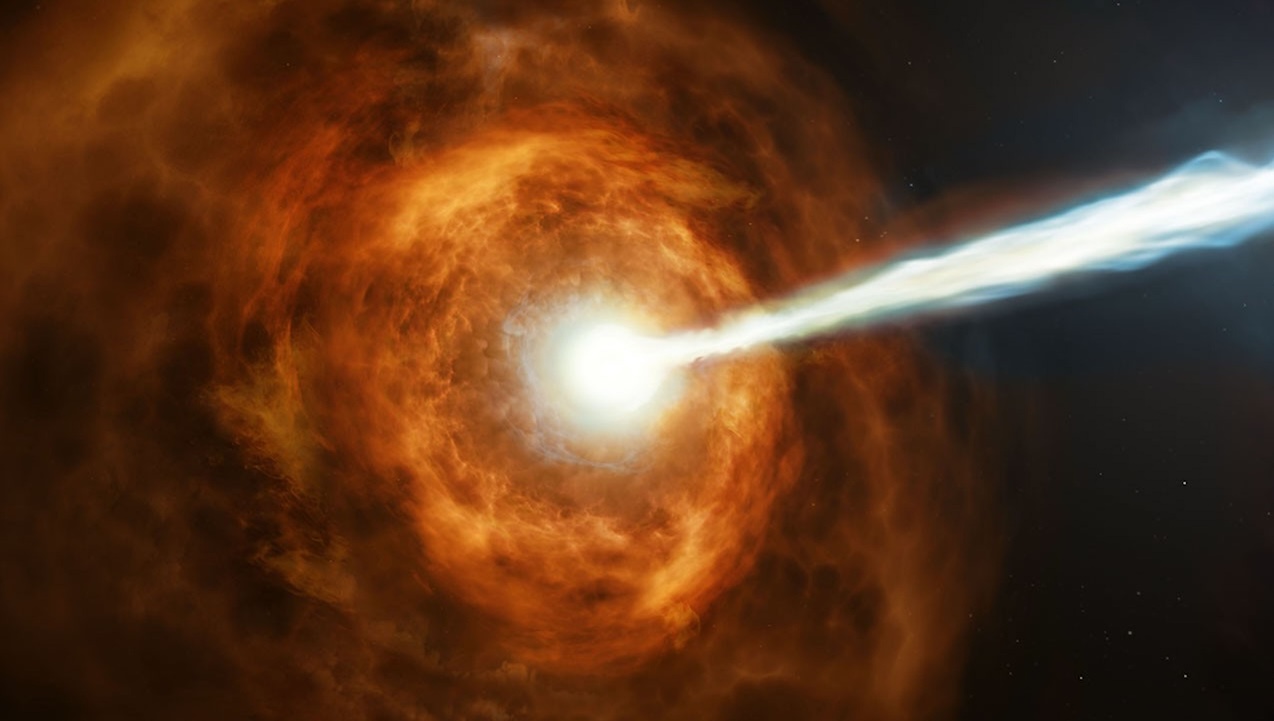
New observations from NASA’s Hubble Space Telescope have investigated the nature of the powerful gamma-ray burst GRB 190114C by studying its environment. Shown in this artist’s conception, gamma-ray bursts are
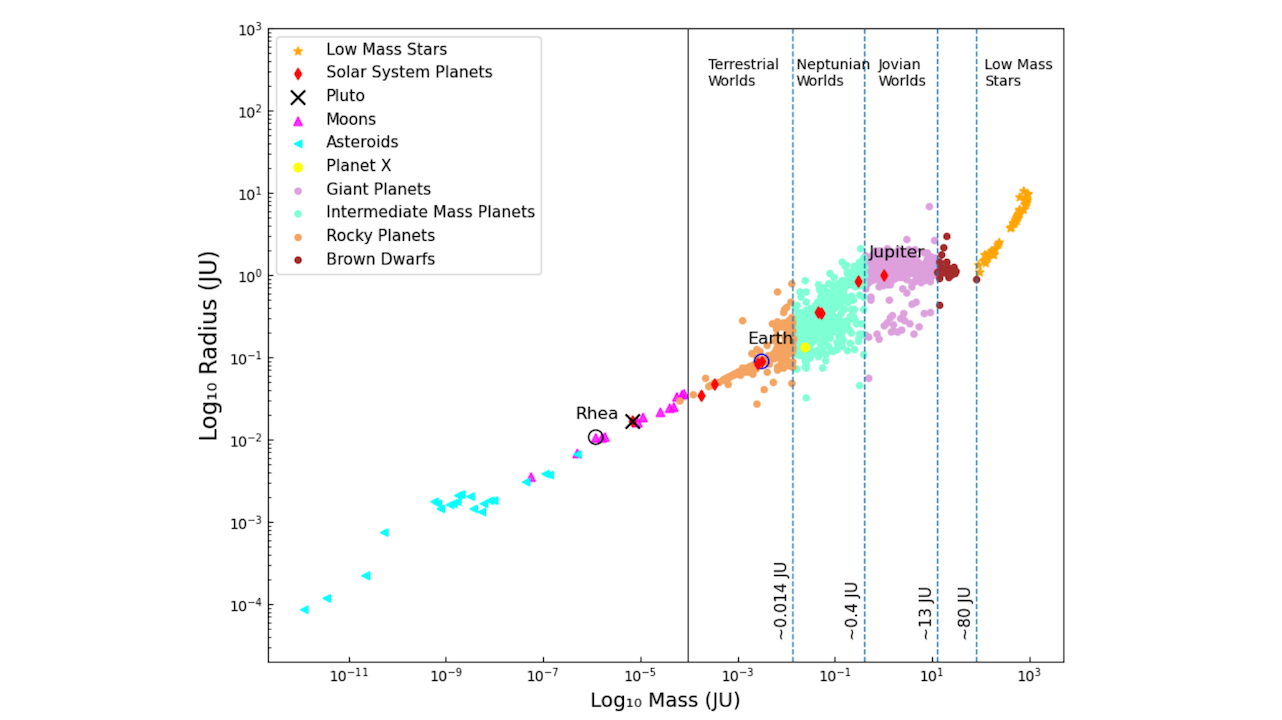
Mass-Radius plot of asteroids, moons, planets, brown dwarfs and low-mass stars. From nearly 5600 exoplanets listed in the PHL-HWC database, 1504 are categorized as terrestrial worlds (orange dots), 2609 as
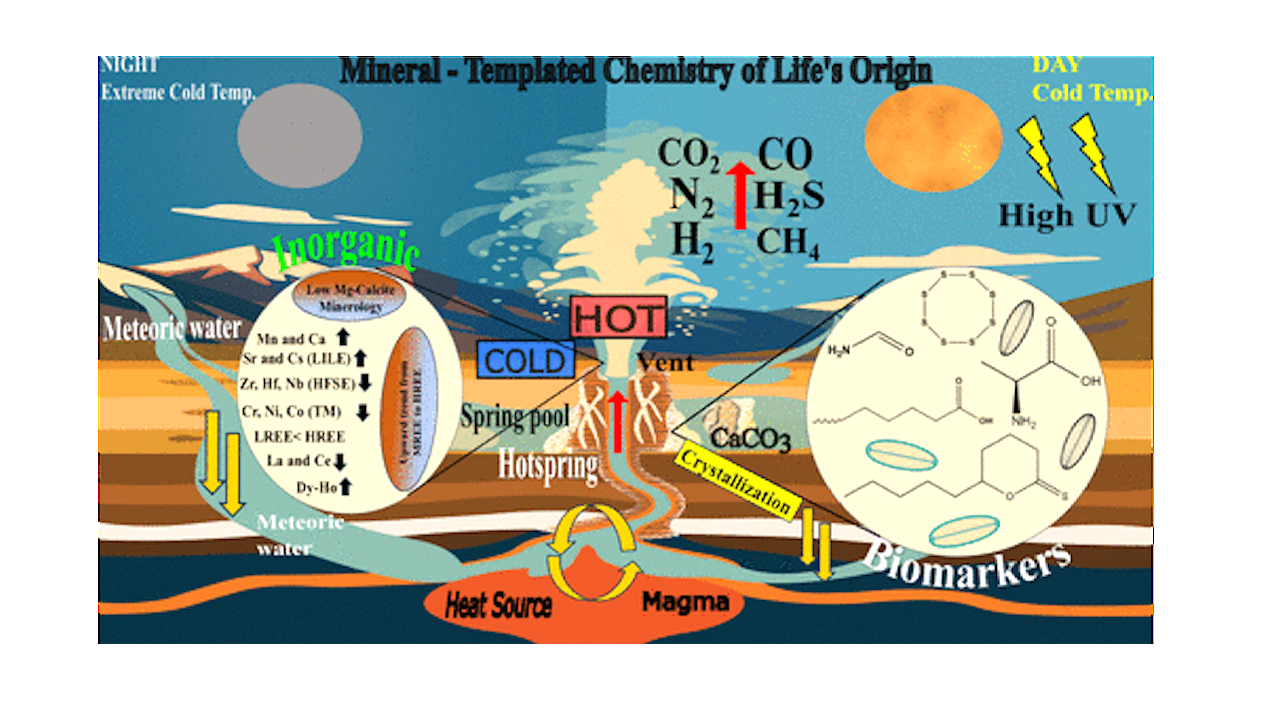
Graphical abstract — ACS Earth and Space Chemistry Unraveling life’s origin involves finding environments that can form and preserve organic molecules, with hydrothermal systems offering a likely setting. Terrestrial mineral
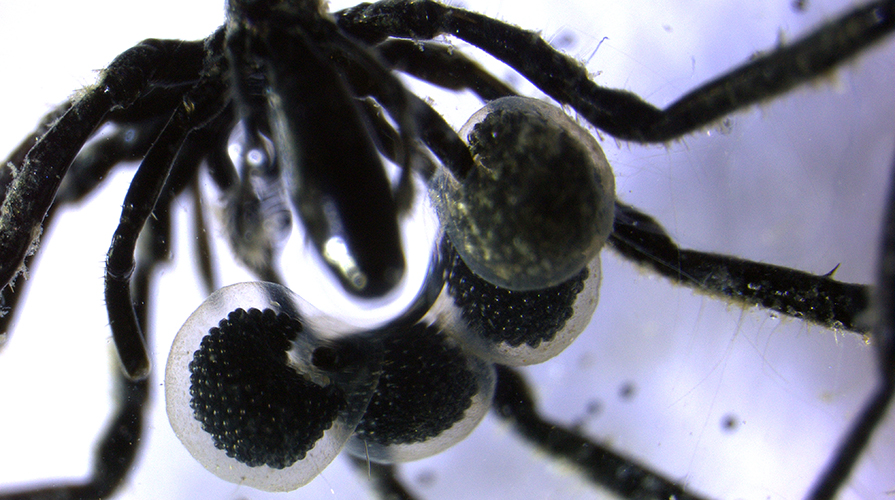
A sea spider preserved in osmium tetroxide for the purpose of enhancing tissue contrast for electron microscopy. This male sea spider mated with two separate females. This is evident due
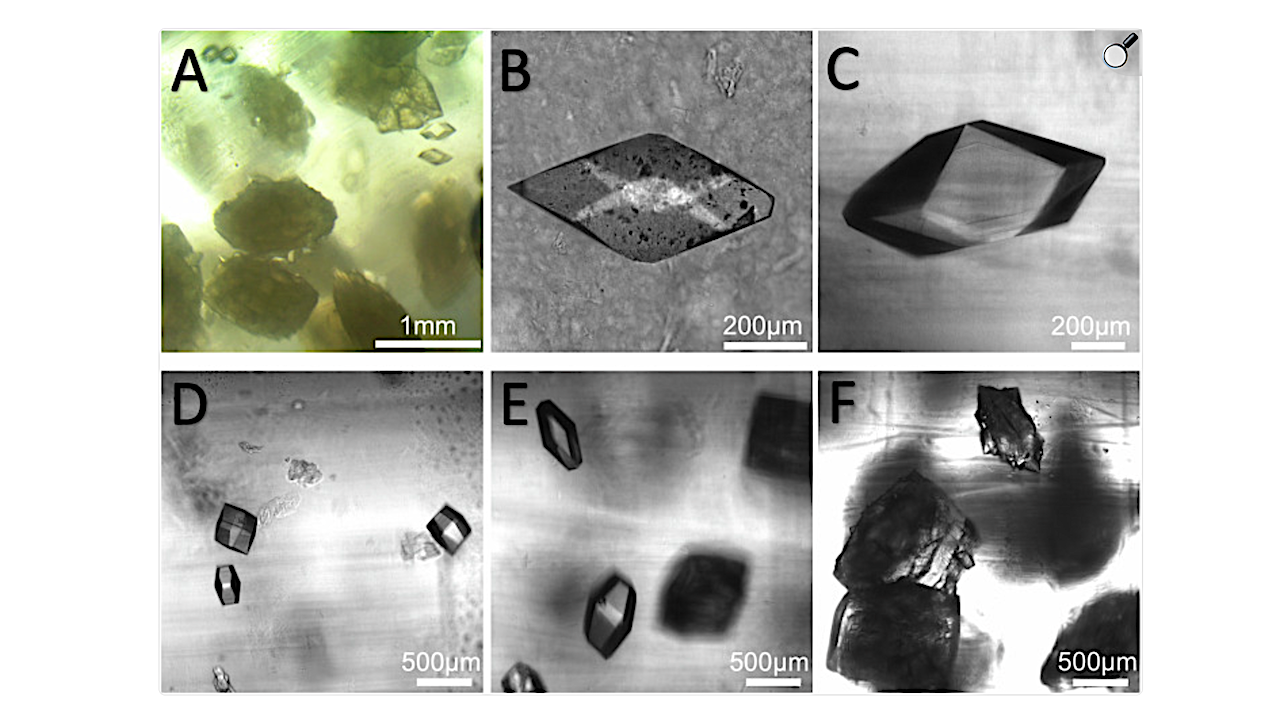
A Crystals in a cuvette with a 60 mg/ml protein concentration. The image was obtained by the camera installed in the bioassembler “Organ.Aut” on the ISS. B, C Typical crystals selected
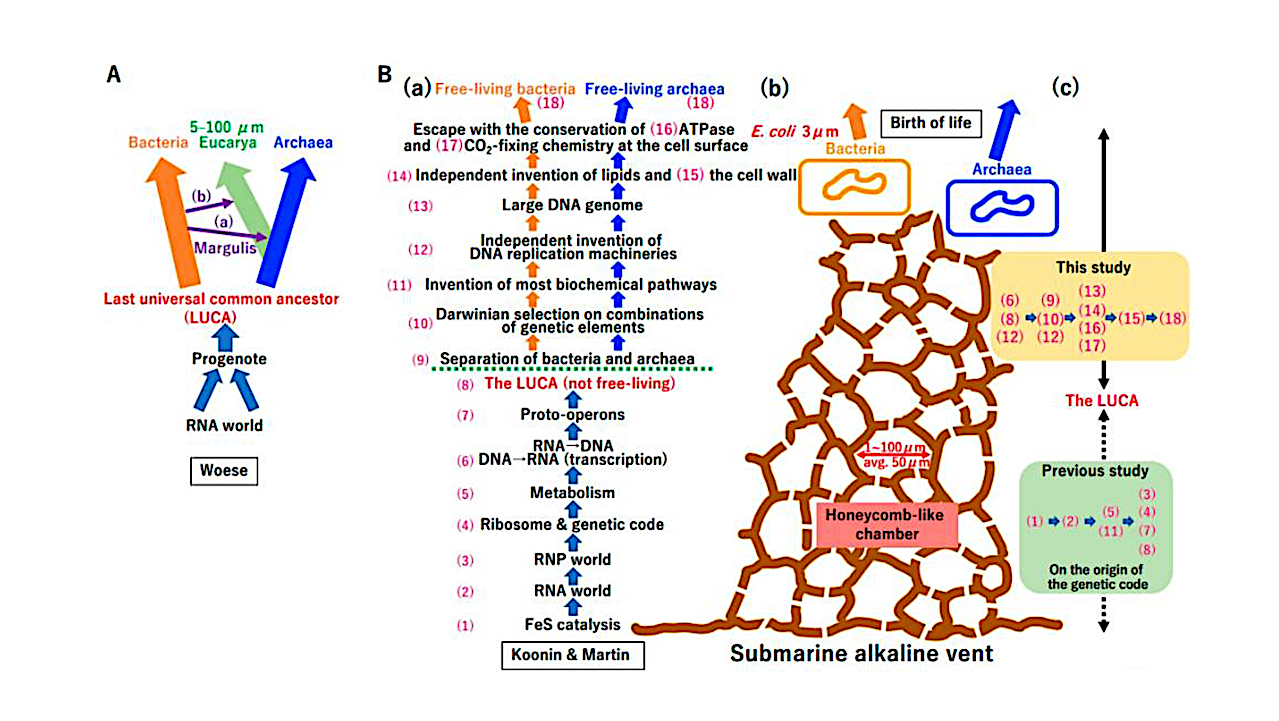
Crystallization of bacteria and archaea. (A) Woese’s model. Phylogenetic analysis of rDNA revealed three domains of life, Bacteria, Archaea, and Eucarya. (a) Symbiosis between Archaea and α-Proteobacteria could yield Eucarya
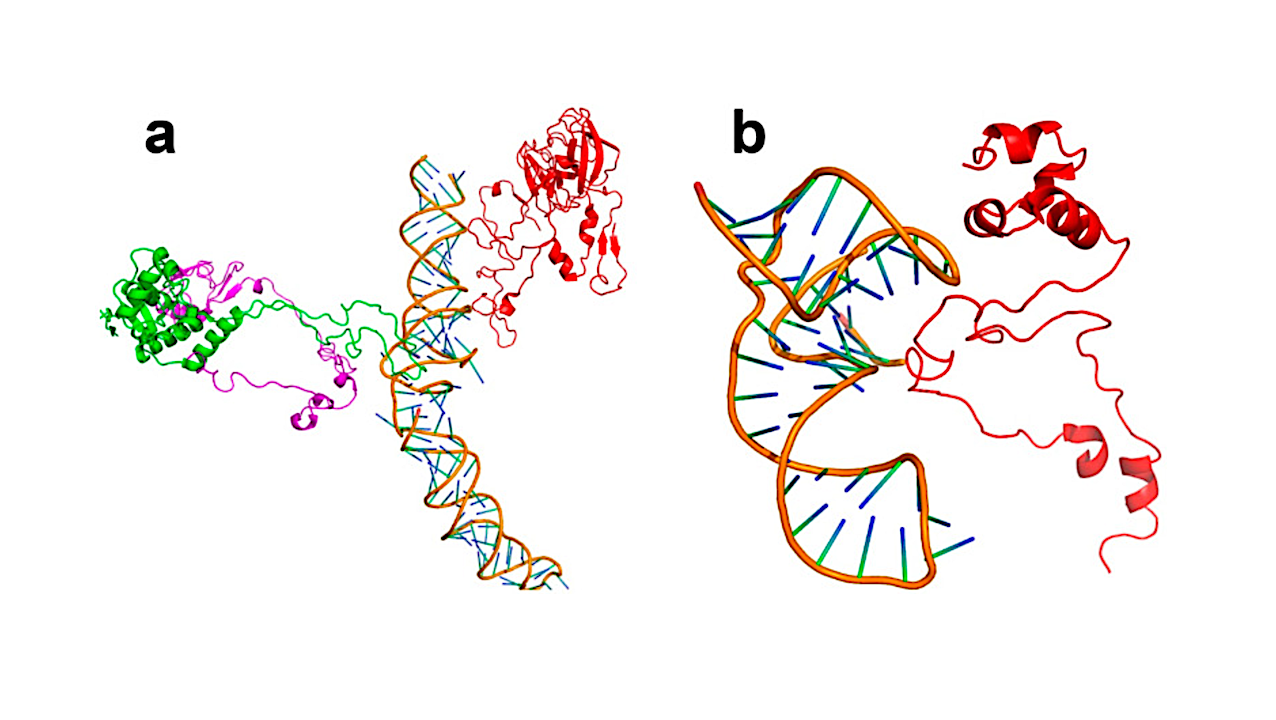
The original role of proteins was to stabilize RNA, rather than to act as enzymes. (a) The peptidyl transferase center of the Escherichia coli ribosome . The figure shows the
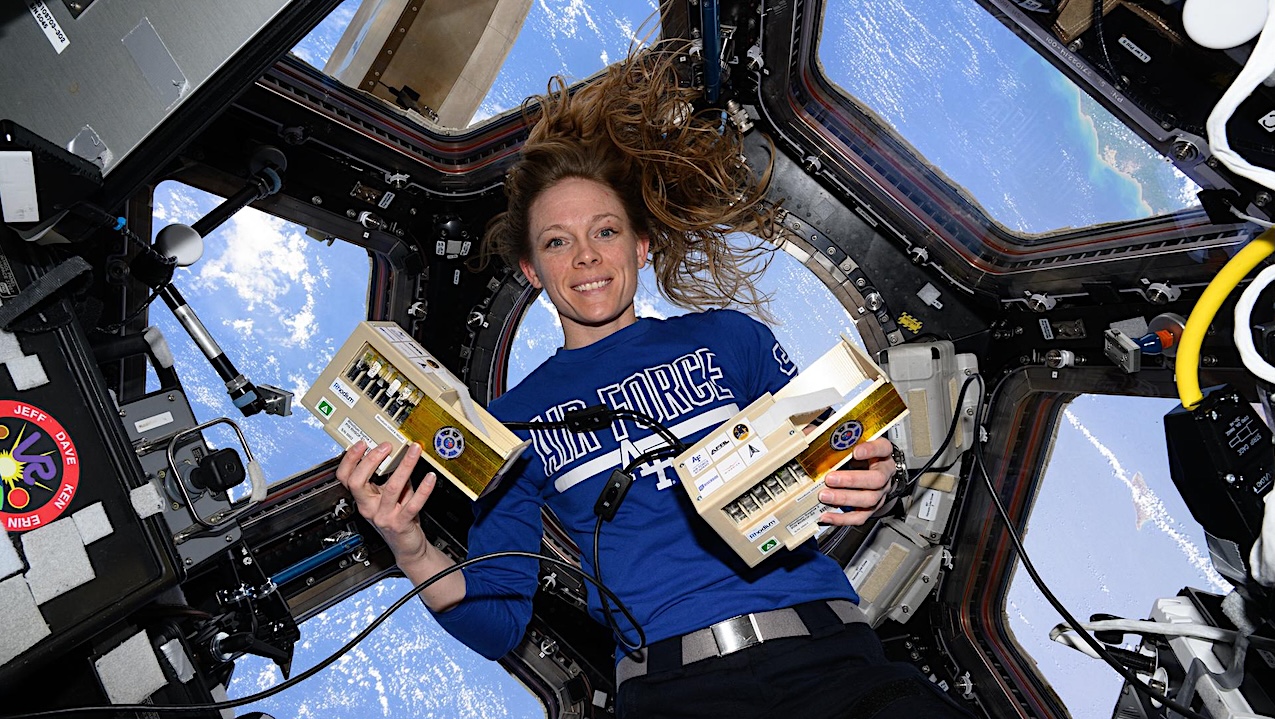
NASA astronaut Nichole Ayers is pictured inside the cupola with space botany hardware that supports the LEO Integrated Flori-culture Experiment (LIFE) 01 (Rhodium Plant LIFE) investigation. Rhodium Plant LIFE studies
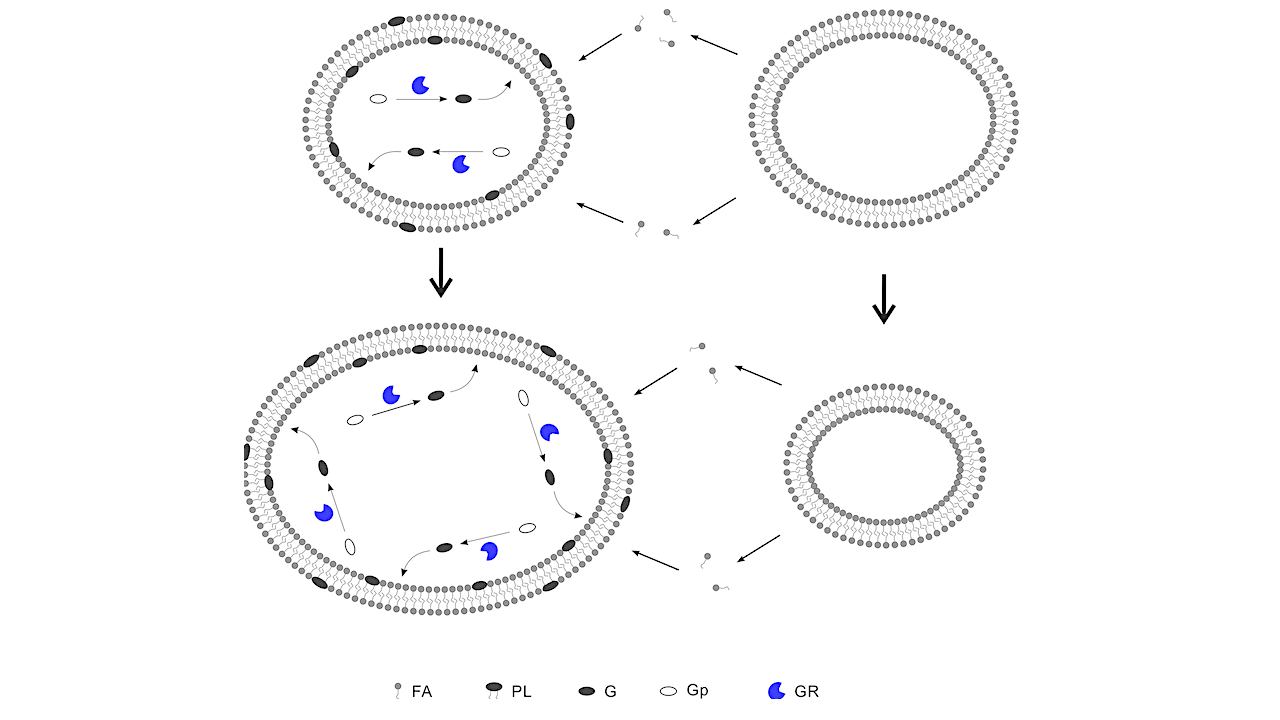
Legends: FA—fatty acid; PL—phospholipid (i.e., phosphatidic acid here); G—glycerophosphate; Gp—glycerophosphate precursor (e.g., glycerol); GR—glycerophosphate-synthetase ribozyme (here representing the ribozyme favoring the synthesis of phospholipids). The glycerophosphates produced through the catalysis