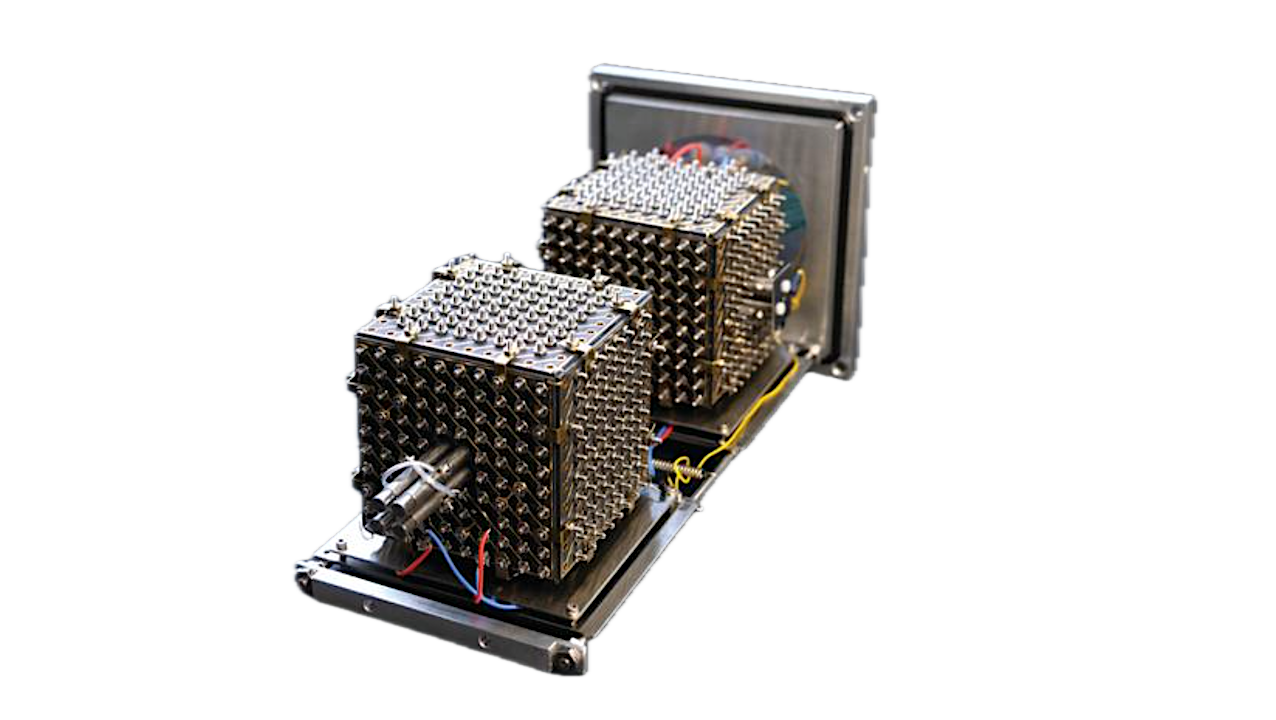
The new MultiQ-IT prototype can cool, trap, filter, and redirect over a billion ionssimultaneously, dramatically improving dynamic range and signal-to-noise. Credit Lori Chertoff/The Rockefeller University Editor’s note: with recent speculation

The new MultiQ-IT prototype can cool, trap, filter, and redirect over a billion ionssimultaneously, dramatically improving dynamic range and signal-to-noise. Credit Lori Chertoff/The Rockefeller University Editor’s note: with recent speculation
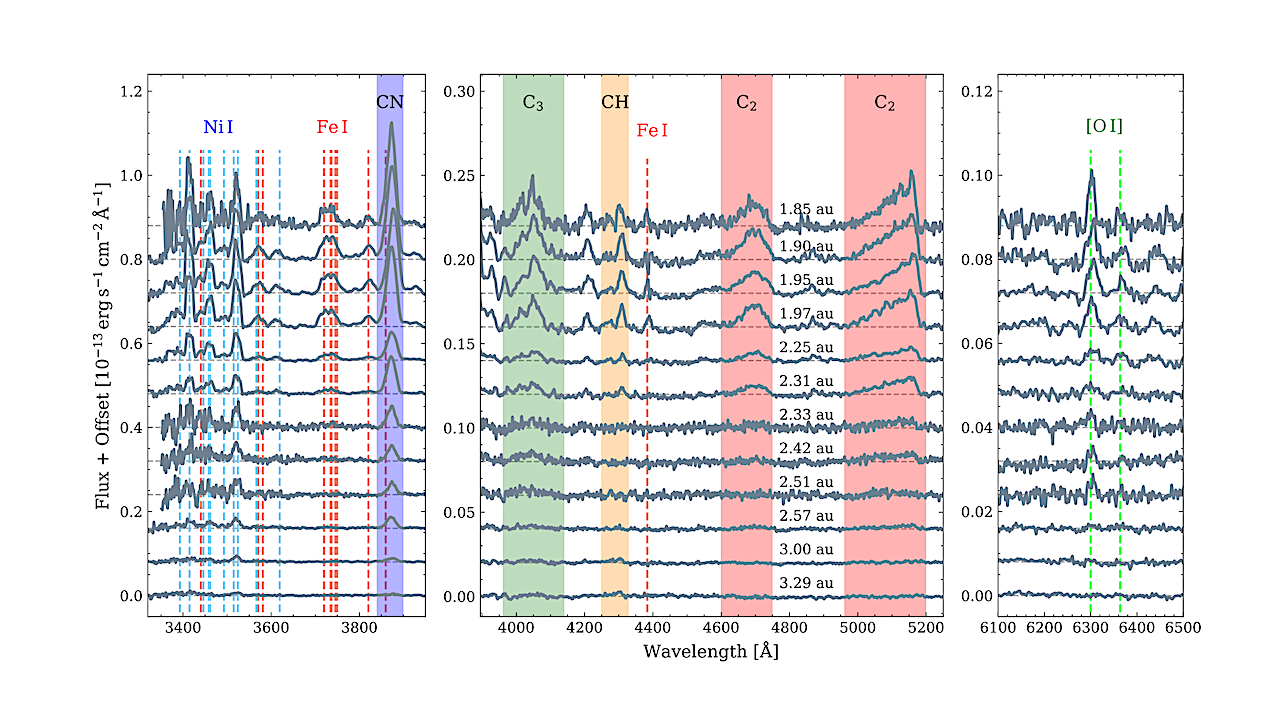
Eimission spectra of 3I/ATLAS taken with BFOSC and YFOSC. For clarity, the full spectral range is divided into three panels with different vertical offsets to emphasize specific features. The left
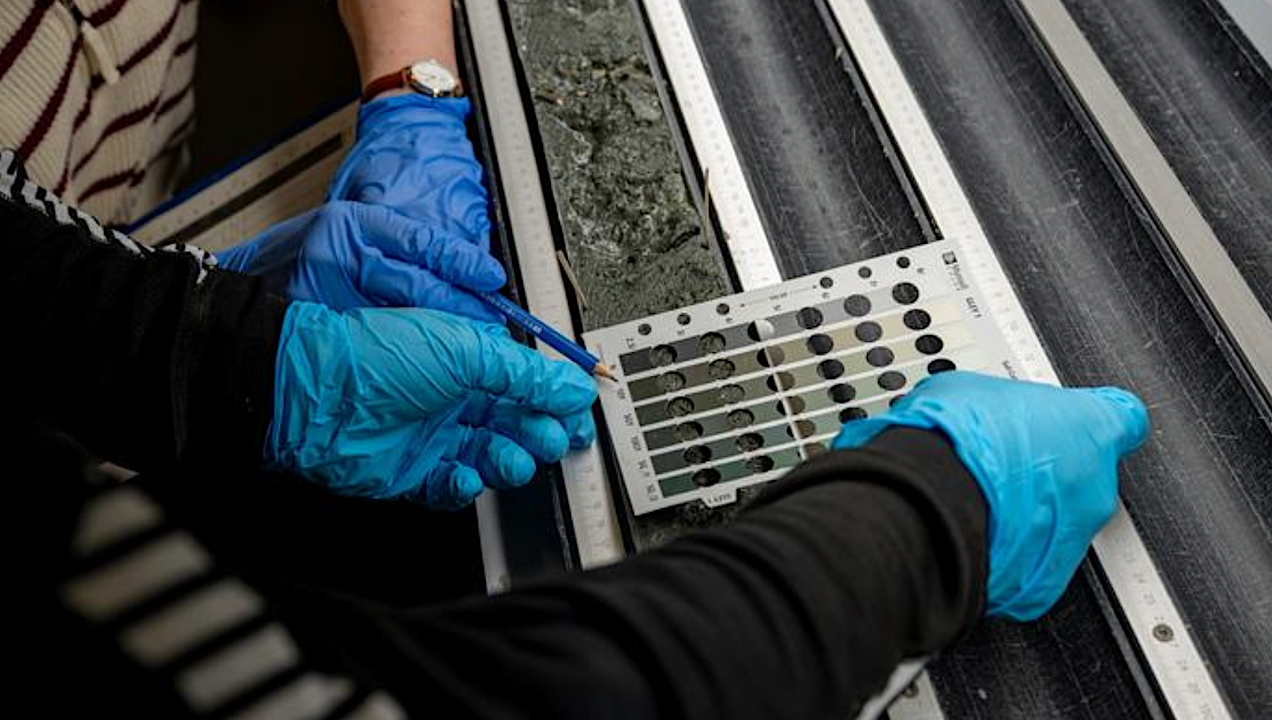
With the Munsell Soil Colour Chart the cores are described visually in colour and structure as acurately as possible. Photo: Diekamp@ECORD_IODP3_NSF Credit Diekamp@ECORD_IODP3_NSF The goal of this expedition went far
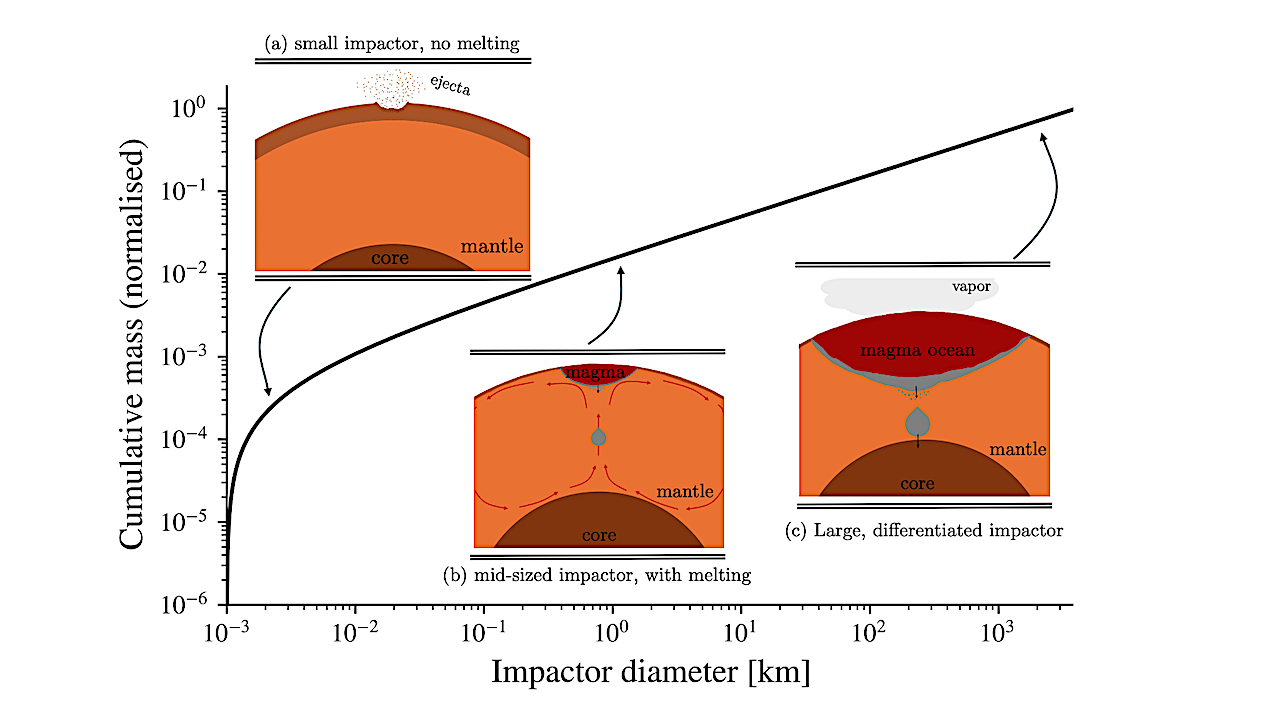
Collisions between leftover planetesimals drives the redistribution of mass between bodies of different sizes, generating a so-called collisional size-frequency distribution (SFD) dominated, in number, by the smallest bodies. The Earth

Lunar Exploration Analysis Group (LEAG) The Lunar Exploration Analysis Group (LEAG) and Extraterrestrial Materials Analysis Group (ExMAG), were requested and empowered by NASA’s Science Mission Directorate (SMD) and Planetary Science
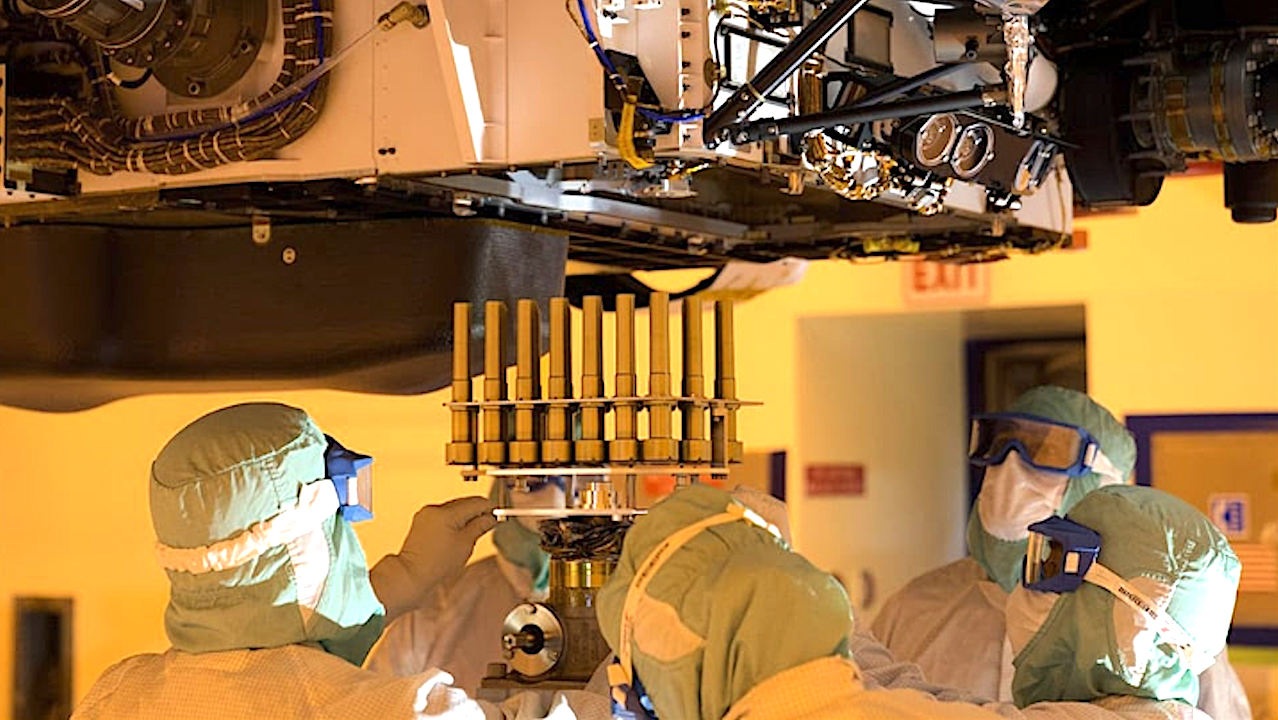
Credit: NASA/JPL-Caltech/KSC The National Academies’ Committee on Planetary Protection is hosting a virtual meeting that will inform NASA’s efforts to develop a prioritized list of factors that contribute to the
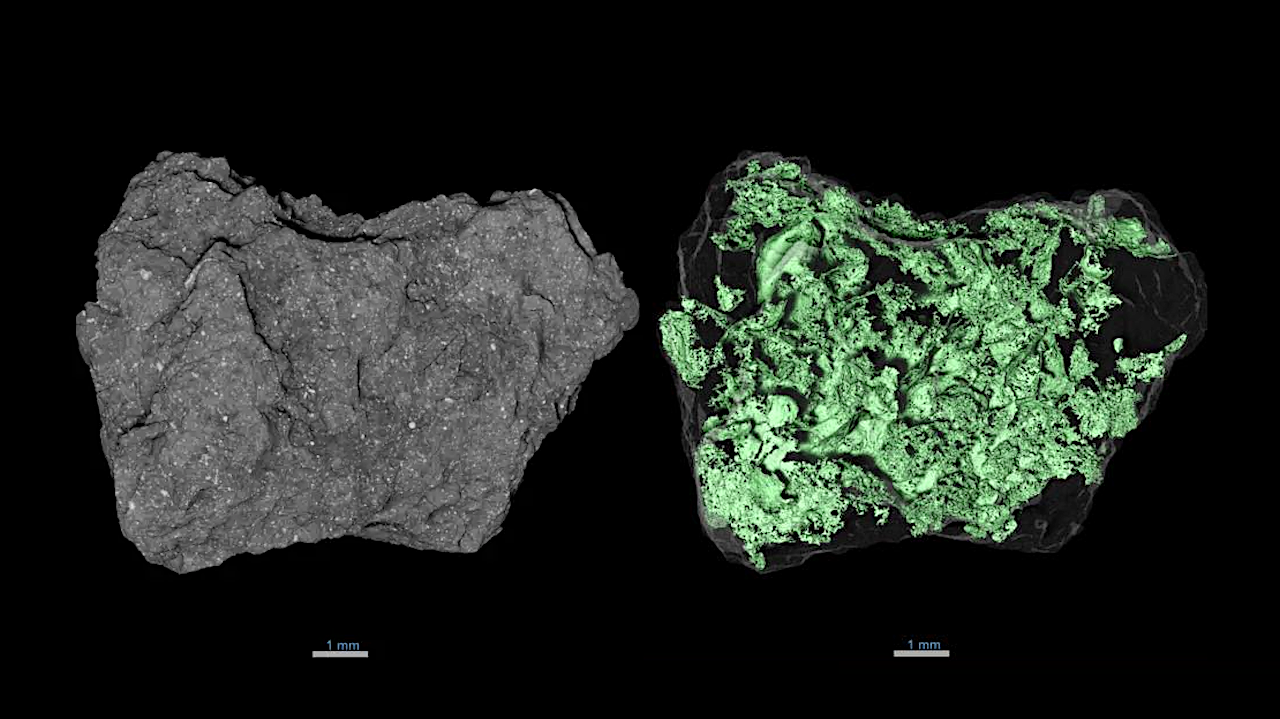
Close-up of a sample particle from asteroid Bennu. Credit NASA/Scott Eckley The same particle analyzed with X-ray computed tomography scanning. This specimen shows the most common types of
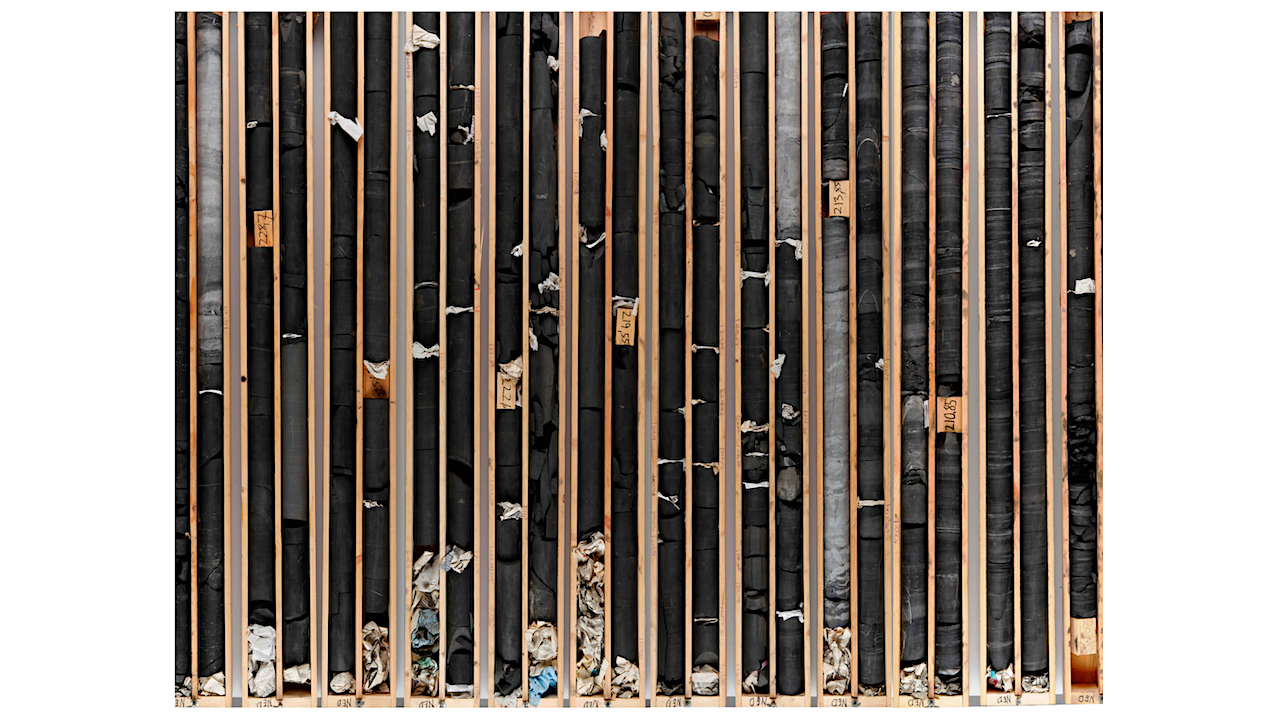
The researchers focused on exceptionally well-preserved sedimentary rocks deposited on ancient seafloors in what is now southern Sweden. Credit Unil How can we measure time more than 500 million years
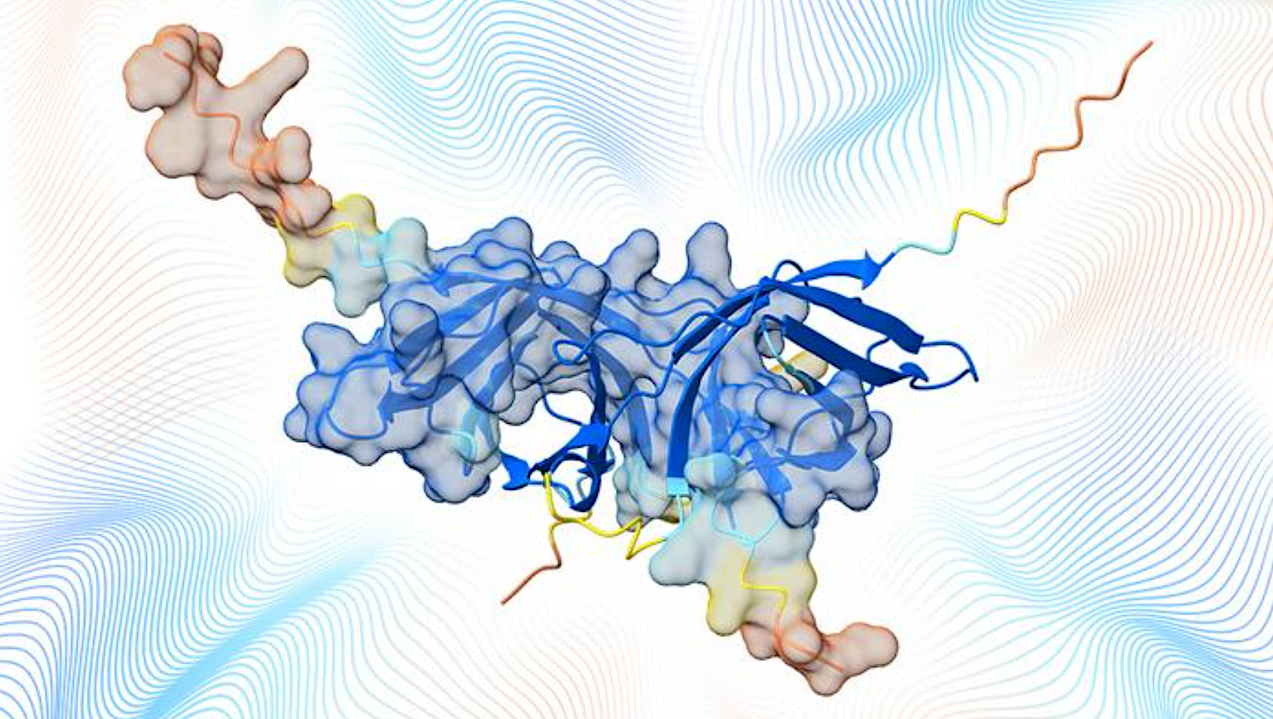
Slime mould Dictyostelium discoideum protein complex Q55DI5 (AF-0000000066503175), annotated as a transcription elongation factor. The single chain looked disordered, but modelling the homodimer revealed that two chains intertwine, each contributing
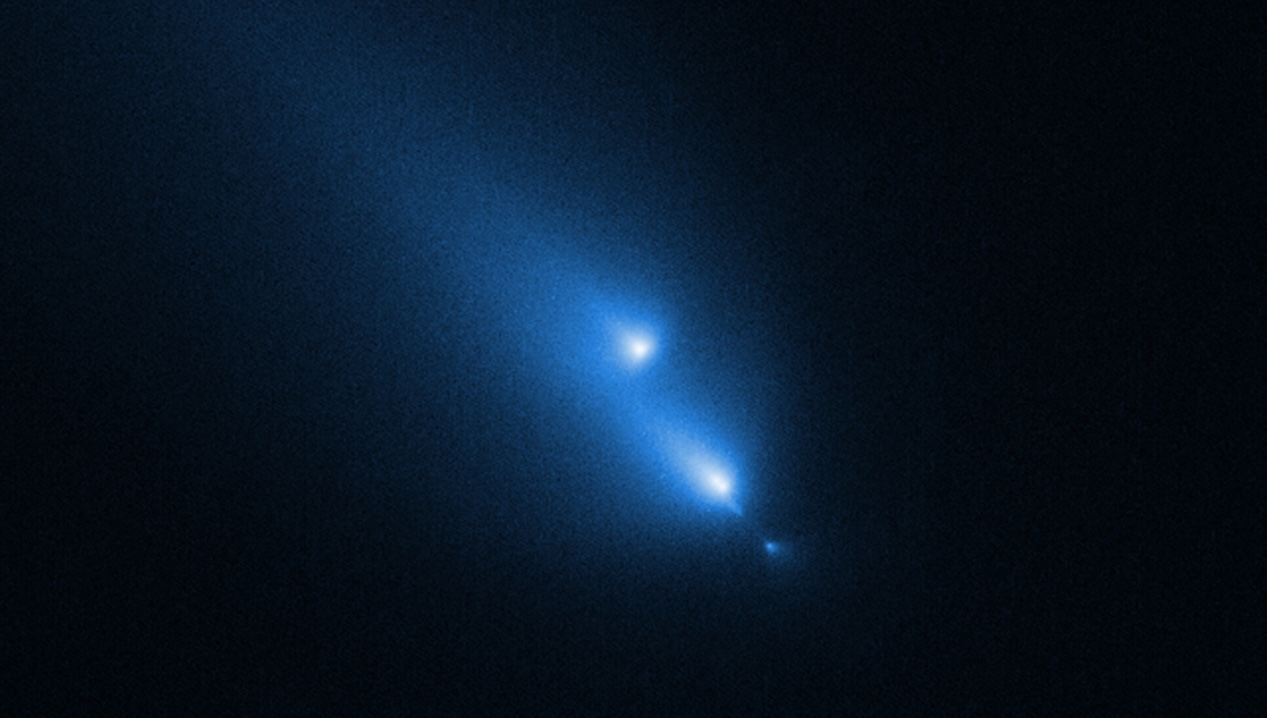
Comet K1, whose full name is Comet C/2025 K1 (ATLAS) – not to be confused with interstellar comet 3I/ATLAS – was not the original target of a recent Hubble study.