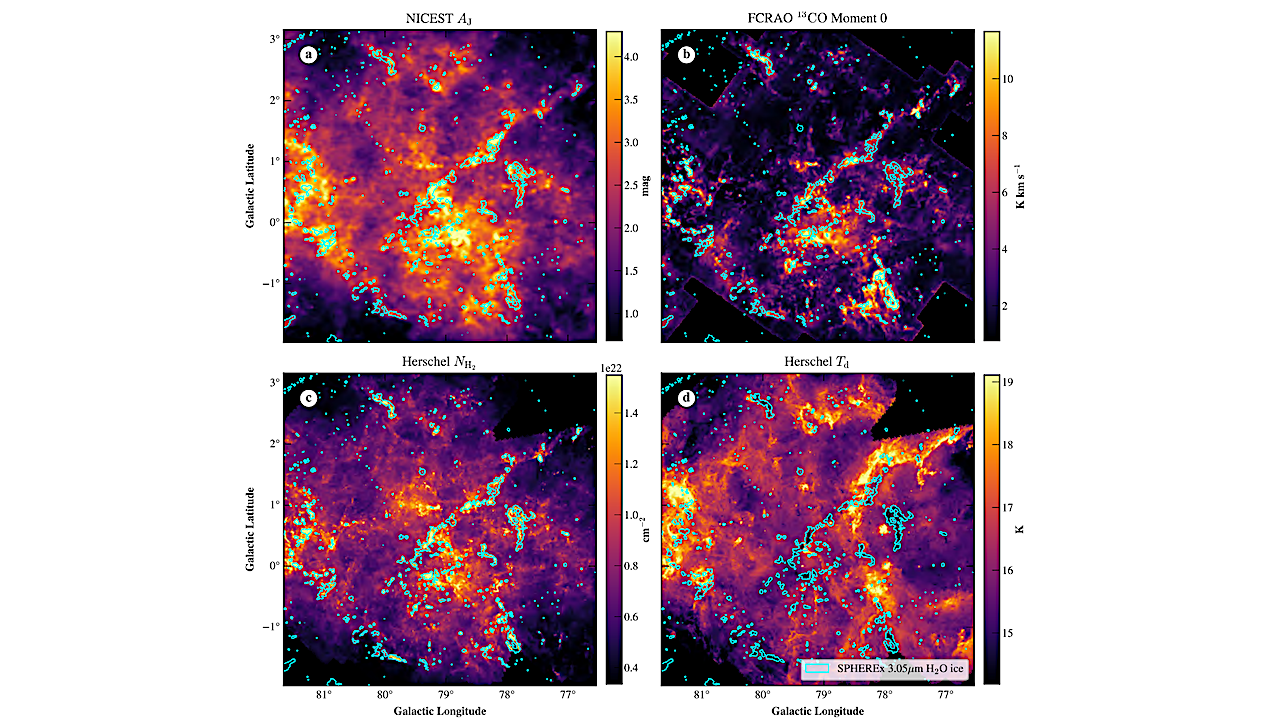
Comparison of various tracers of dust, gas, and extinction toward the CygX region. Cyan contours in all images indicate H2O ice peak optical depths of 0.25, derived from the H2O

Comparison of various tracers of dust, gas, and extinction toward the CygX region. Cyan contours in all images indicate H2O ice peak optical depths of 0.25, derived from the H2O
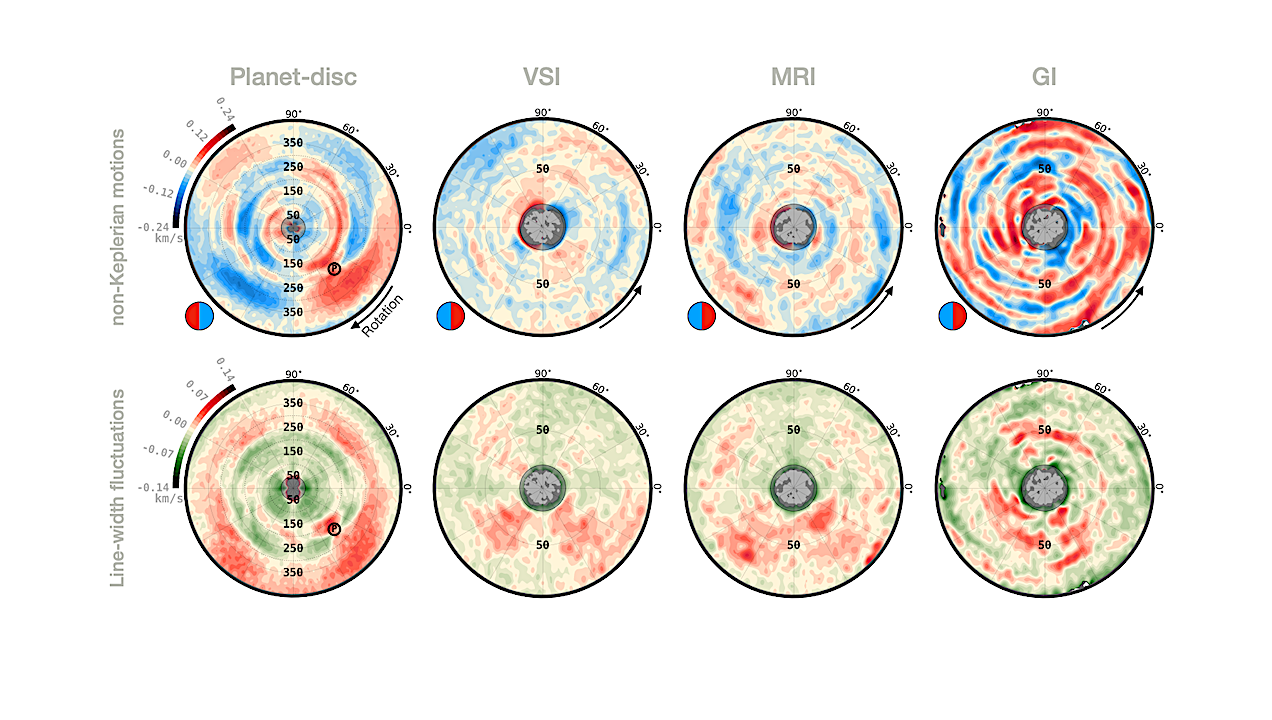
Velocity and line-width residuals derived from discminer models applied to synthetic observations of planet-disc interaction (q = 2 × 10⁻³ , ϕp = −45◦ ) and disc instabilities. Details of
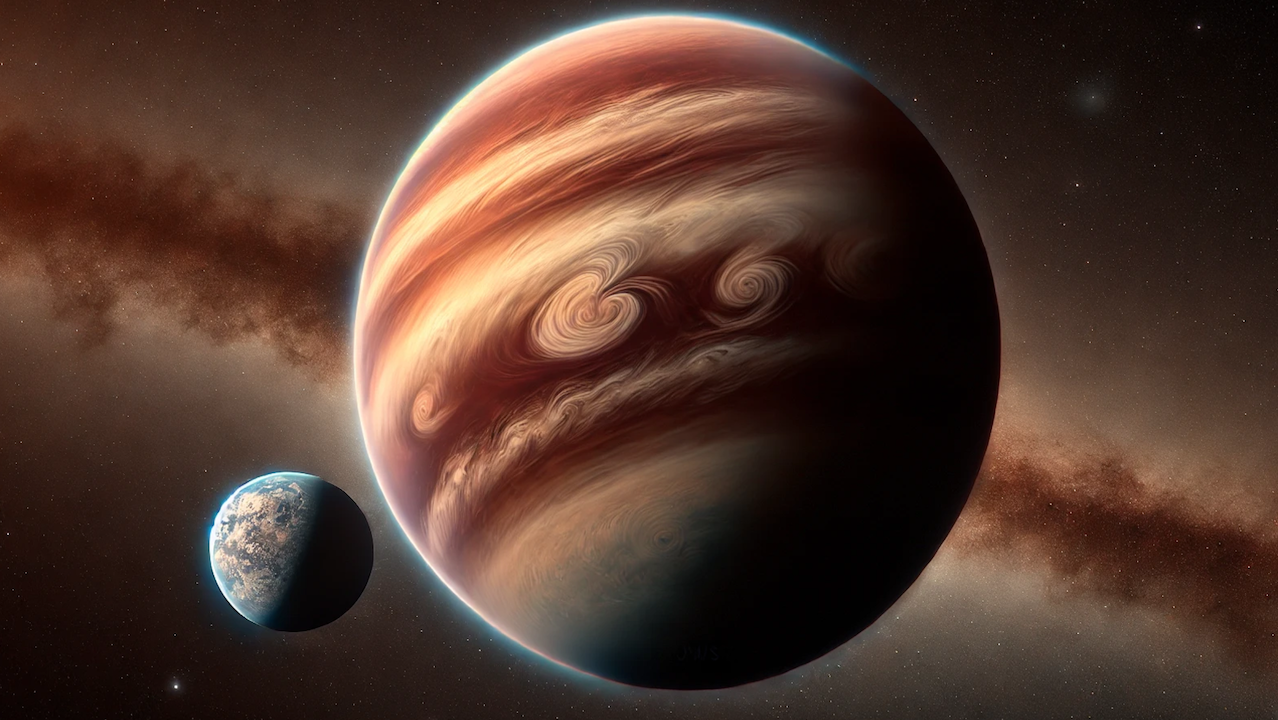
Life-friendly moon — A realistic depiction of a free-floating gas giant planet and its Earth-like moon © Dahlbüdding/DALL-E Liquid water is considered essential for life. Surprisingly, however, stable conditions that
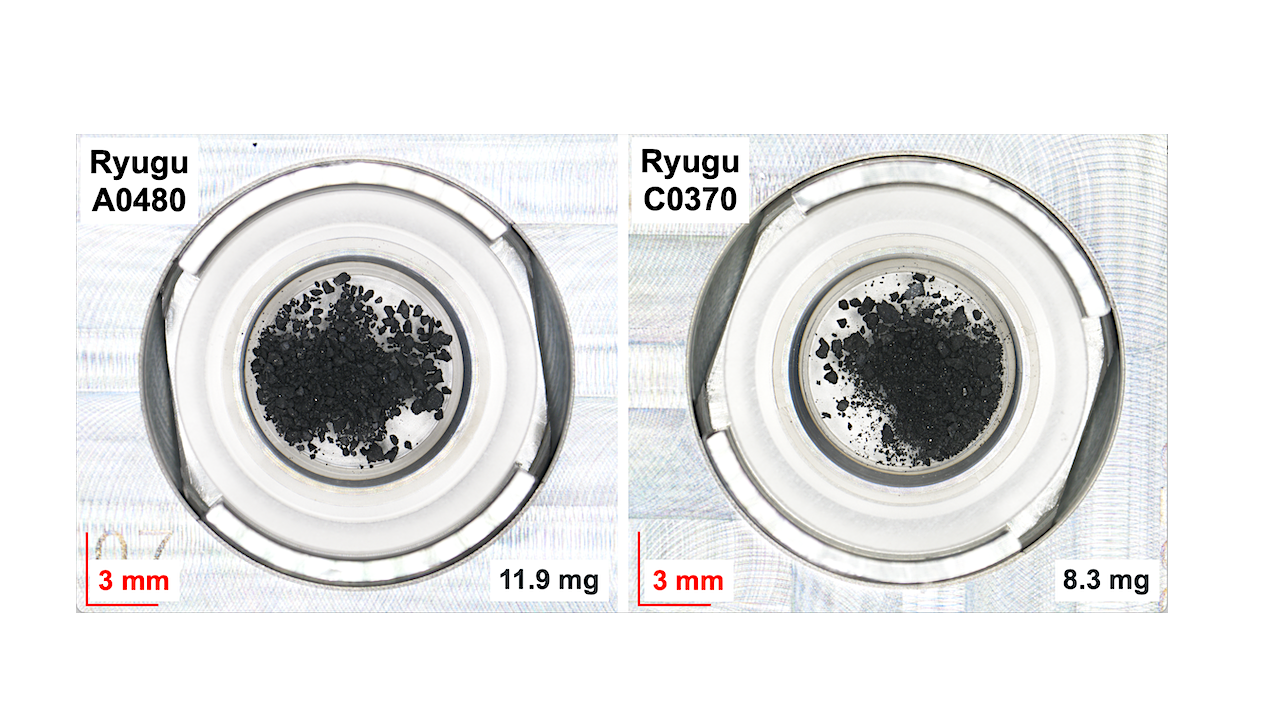
Microscope images of Ryugu samples collected from the first and second landing sites of the Hayabusa2 mission, respectively. Credit: Jaxa/Jamstec Samples from the asteroid Ryugu collected and returned to Earth
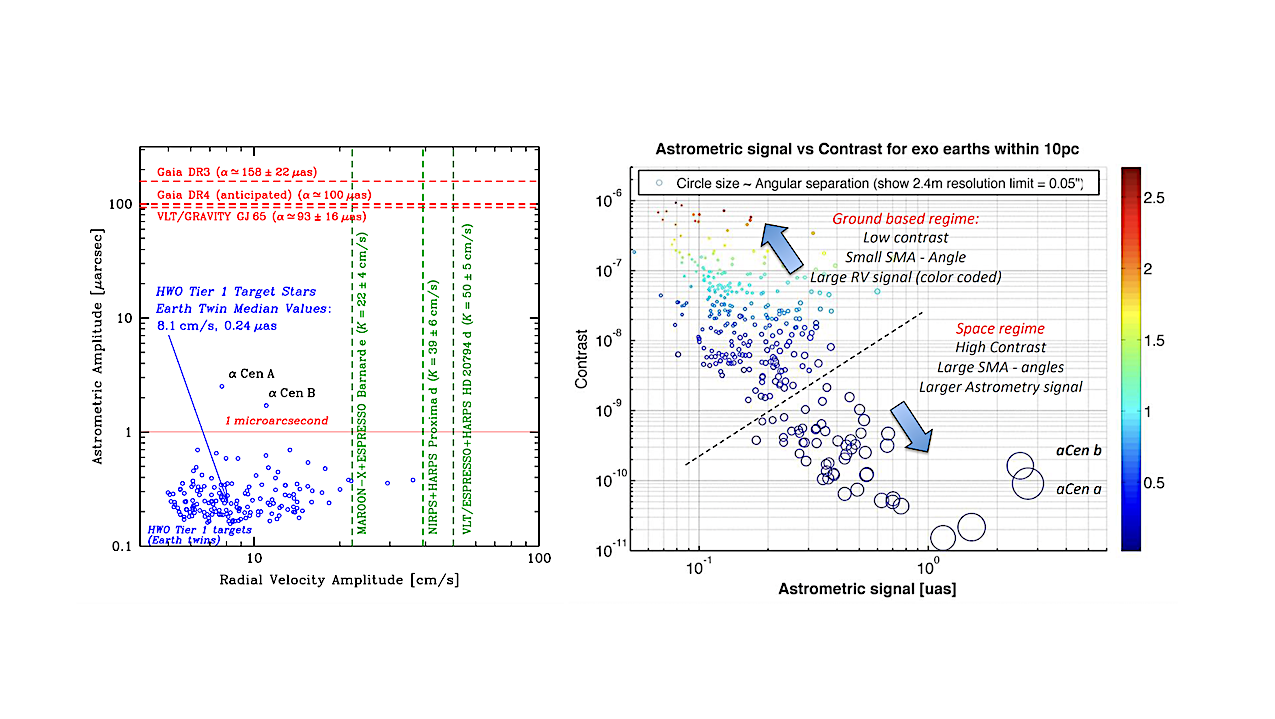
The astrometric and RV signals of Earth analogs orbiting nearby stars are small and below the current state of the art, while the astrometric signals of such planets are positively

ASGSR 2025 The American Society for Gravitational and Space Research (ASGSR) plays an important role in connecting the gravitational and space research community through its annual scientific meeting, advocacy efforts,
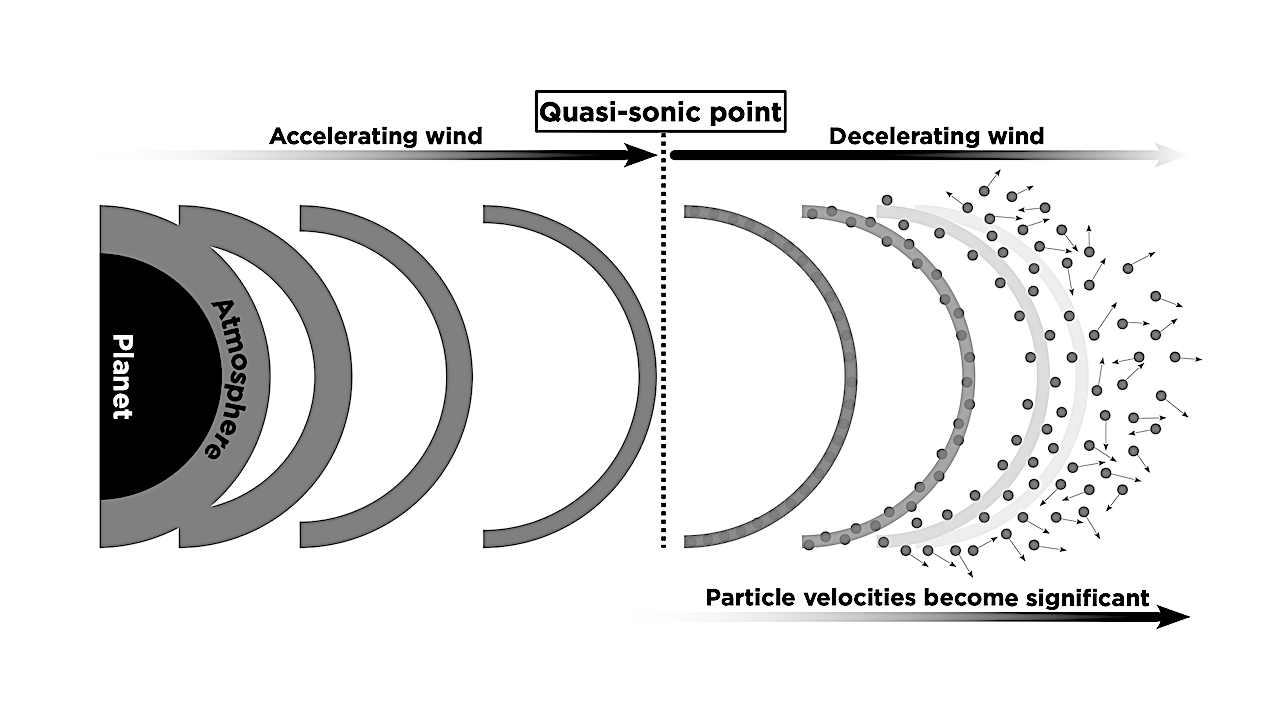
Schematic of the two-channel picture. As the atmosphere expands and rarefies, a fraction of particles decouples from the collisional flow and streams outward ballistically. The collisional channel can remain Parker-like
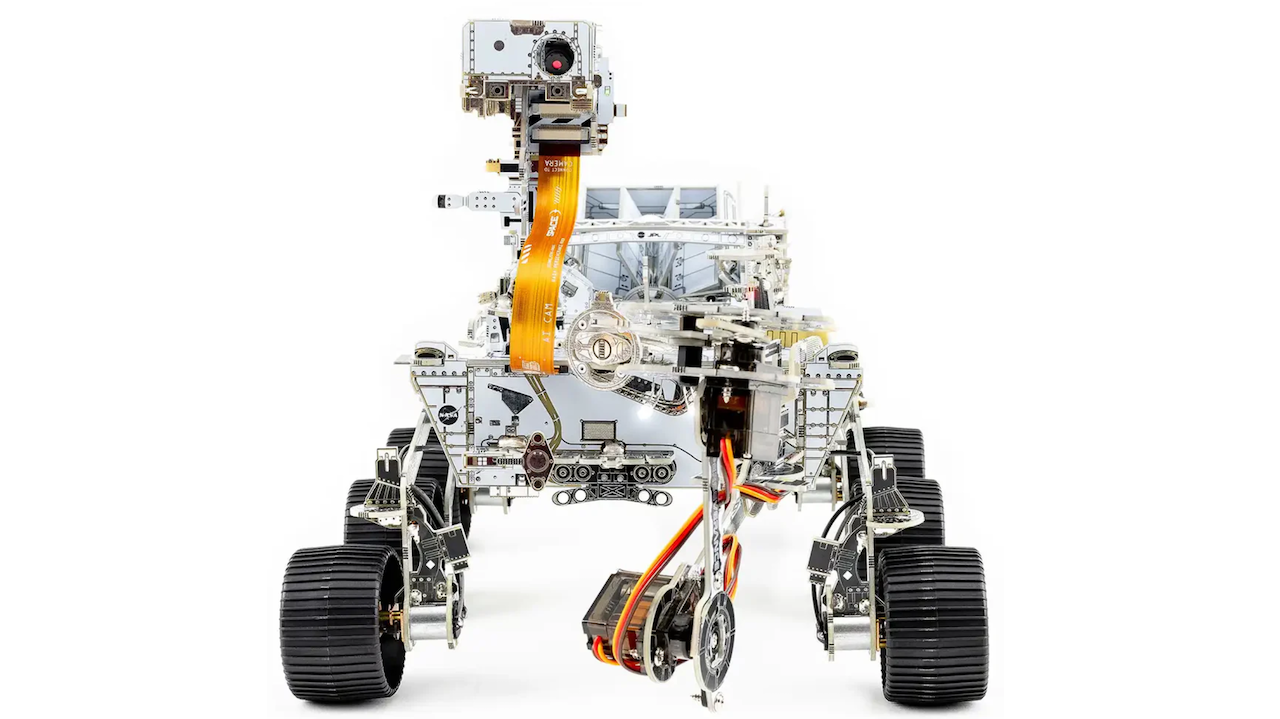
the NASA Mars Perseverance Rover by CircuitMess Editor’s note: NASA currently has two droids at work on Mars: Perseverance and its Older sibling Curiosity. Their common task is to perform
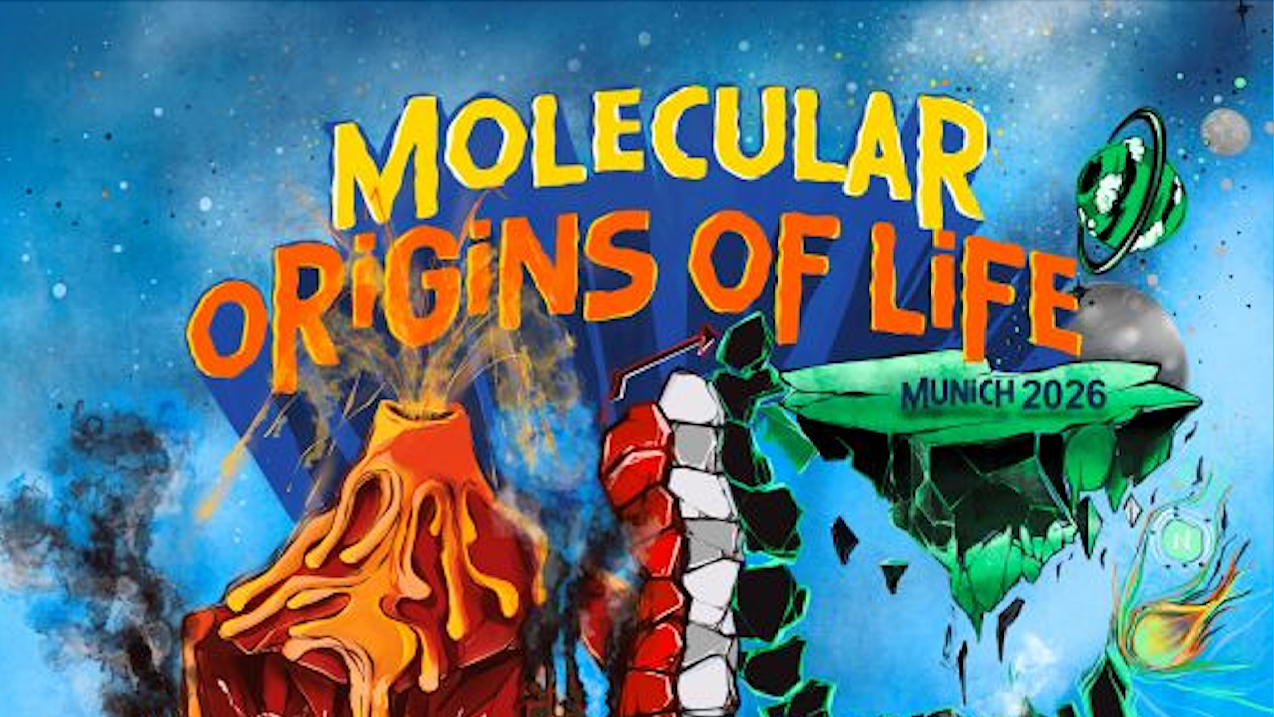
Molecular Origins of Life, Munich (MOM 2026) Molecular Origins of Life, Munich (MOM 2026) explores one of science’s most fundamental questions: How did life begin? Link: https://indico.physik.uni-muenchen.de/event/645/overview Featuring talks by
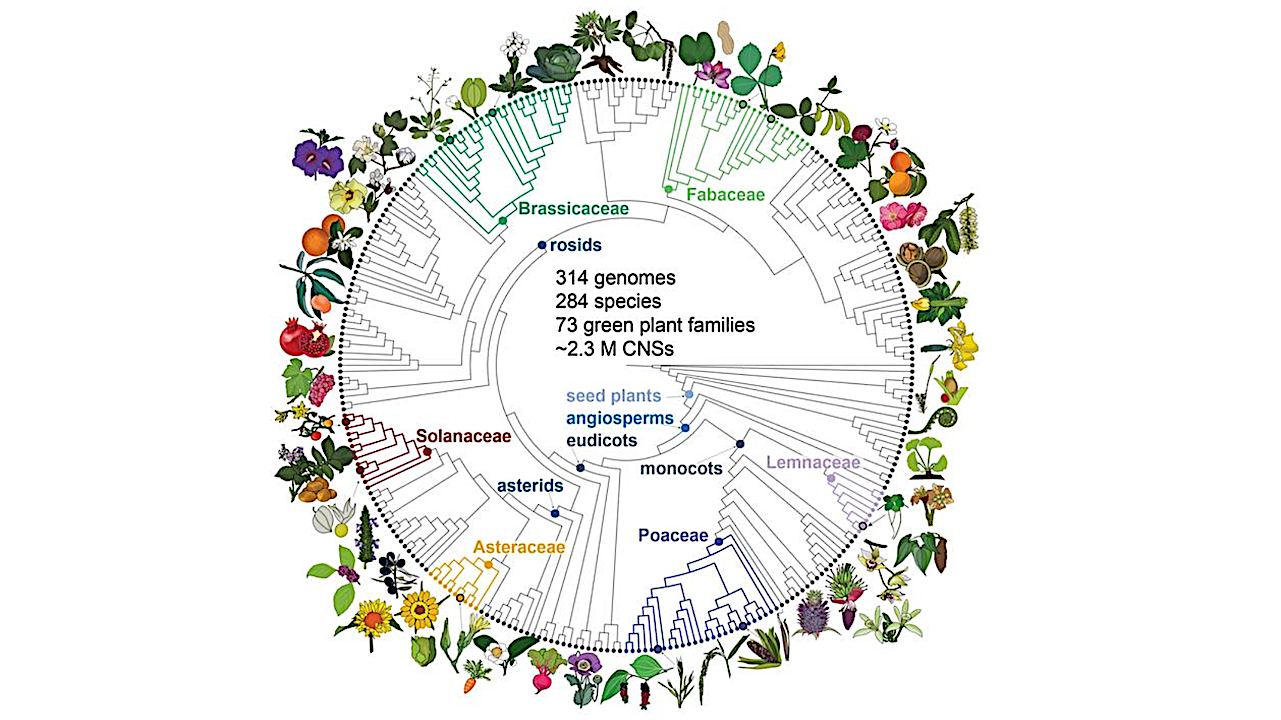
Phylogeny of the 284 species of plants included in Conservatory data set. Conservatory uncovered ~2.3 million conserved non-coding DNA sequences across 284 plant species from 72 families including eudicots, monocots,