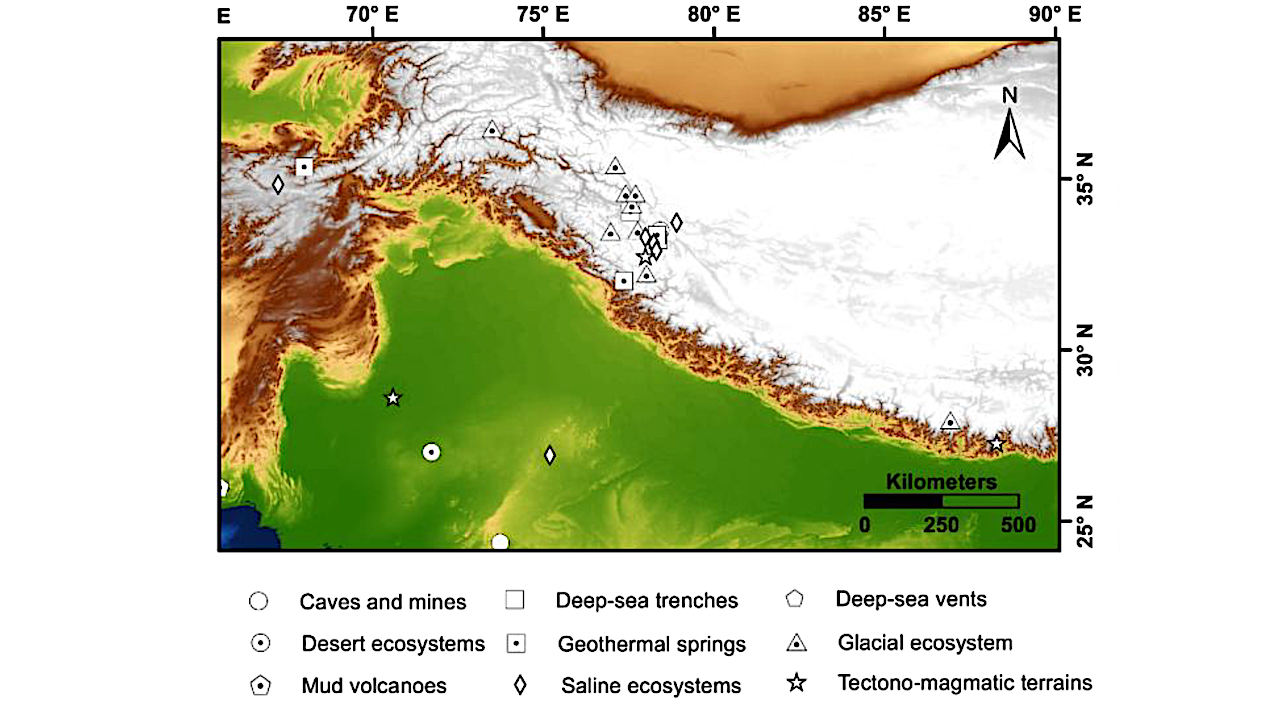
Geographic distribution of extreme environments, that can serve as planetary analogues, overlaid on a hypsometric map of the Indian subcontinent and adjoining Indian Ocean. — Frontiers via eartharxiv.org Astrobiology seeks

Geographic distribution of extreme environments, that can serve as planetary analogues, overlaid on a hypsometric map of the Indian subcontinent and adjoining Indian Ocean. — Frontiers via eartharxiv.org Astrobiology seeks
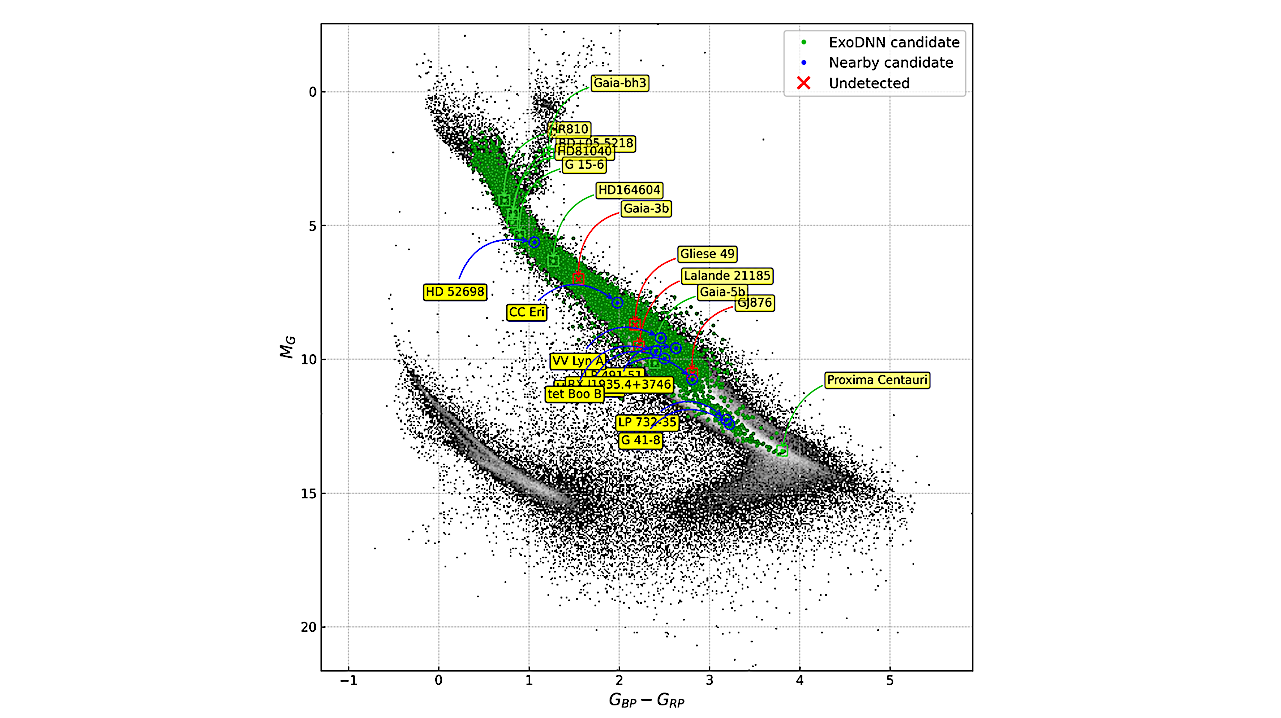
Gaia BP minus RP color vs. absolute magnitude diagram of Gaia DR3 Catalog of Nearby Sources. The 7414 final candidates reported by ExoDNN after filtering are displayed in green. Prediction
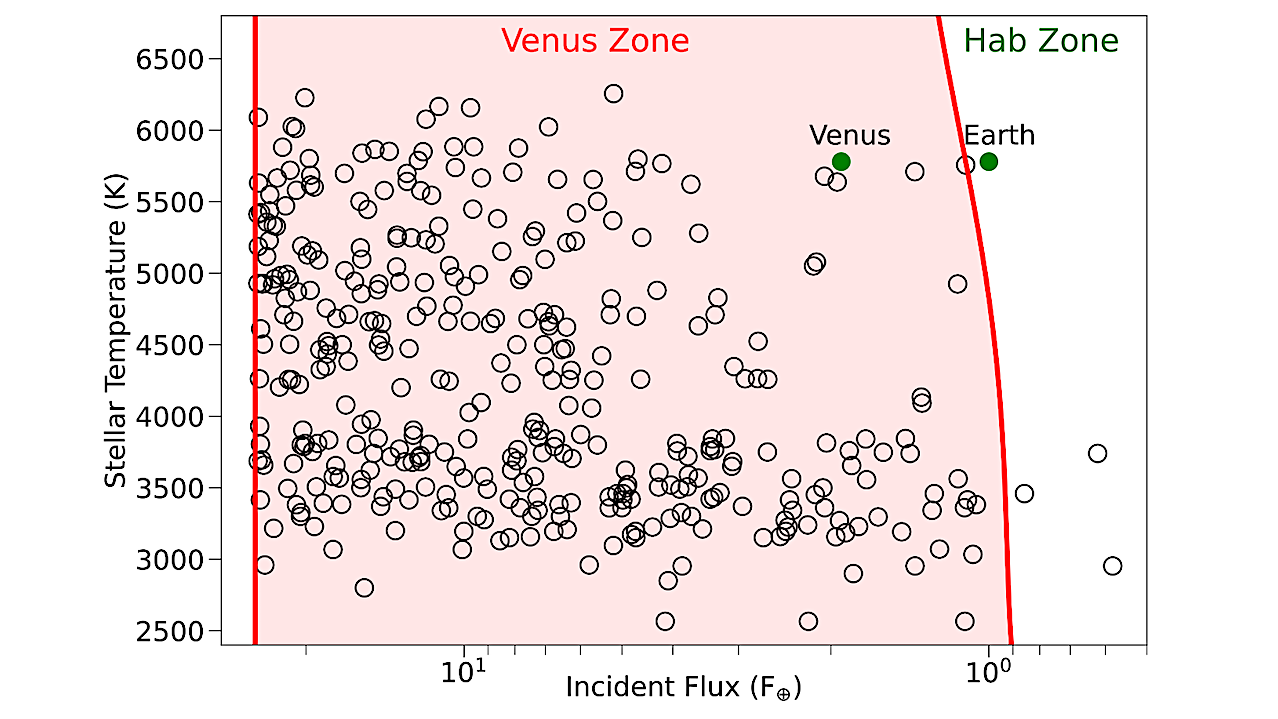
The distribution of currently known exoplanets from the NASA Exoplanet Archive that are in the VZ and have radii Rp ≲ 2 R⊕. The inner VZ boundary is indicated by
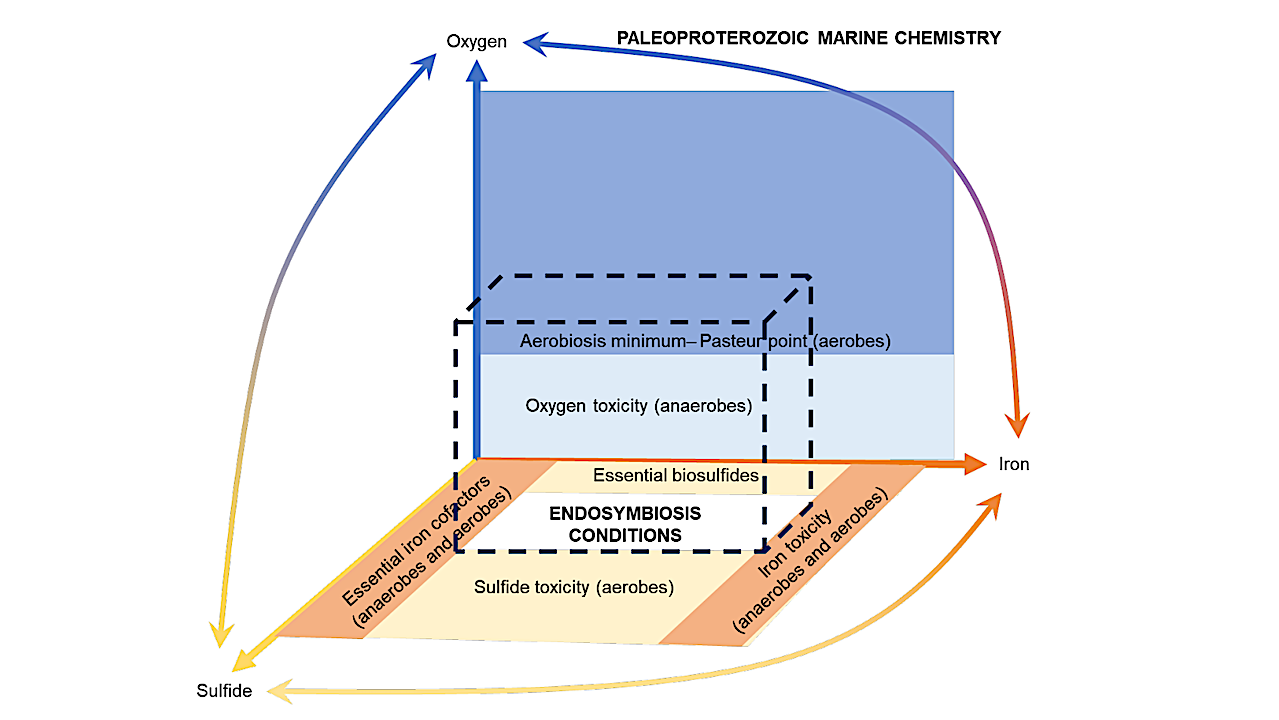
Iron disruption through endosymbiosis: An overview of disruptive effects of iron throughout endosymbiosis, from ecological associations and biochemistries of archaea and bacteria (69) to LECA (90, 94). These effects may
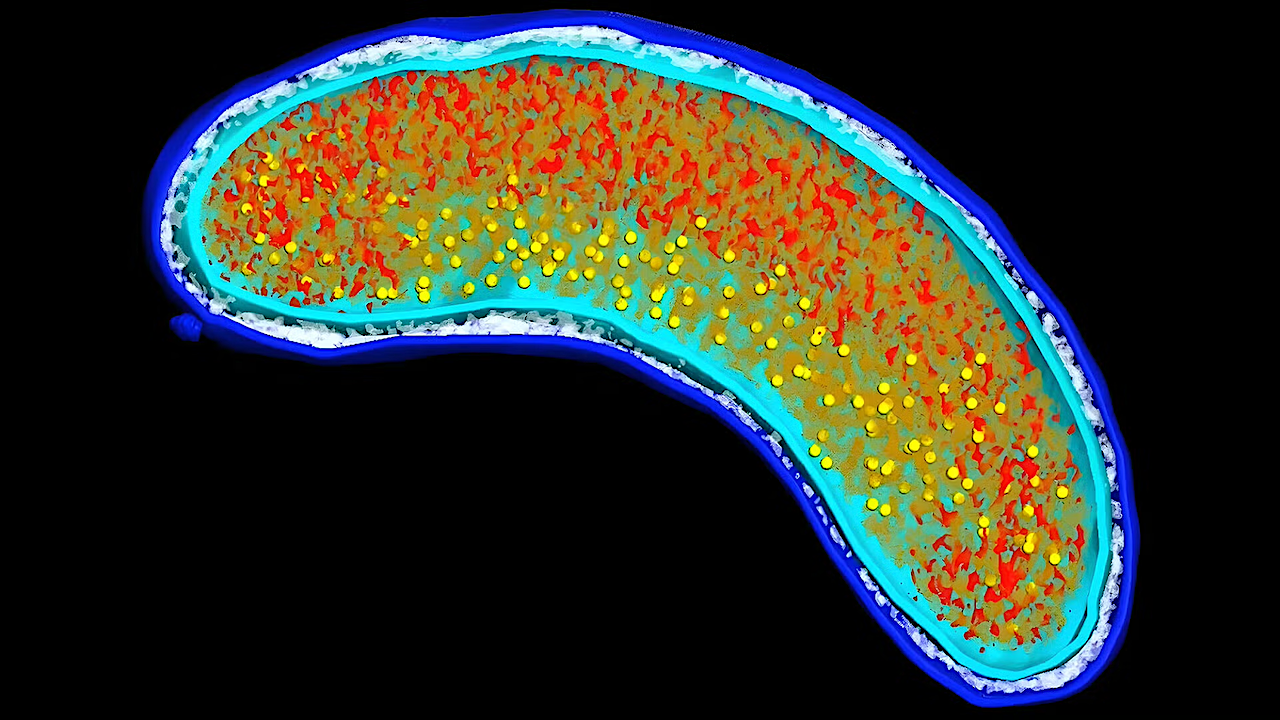
SAR11 bacteria comprise some 40% of marine bacterial cells, making them an essential part of our ocean ecosystems. (Image source: Smithsonian / Xiaowei Zhao.) A group of ocean bacteria long
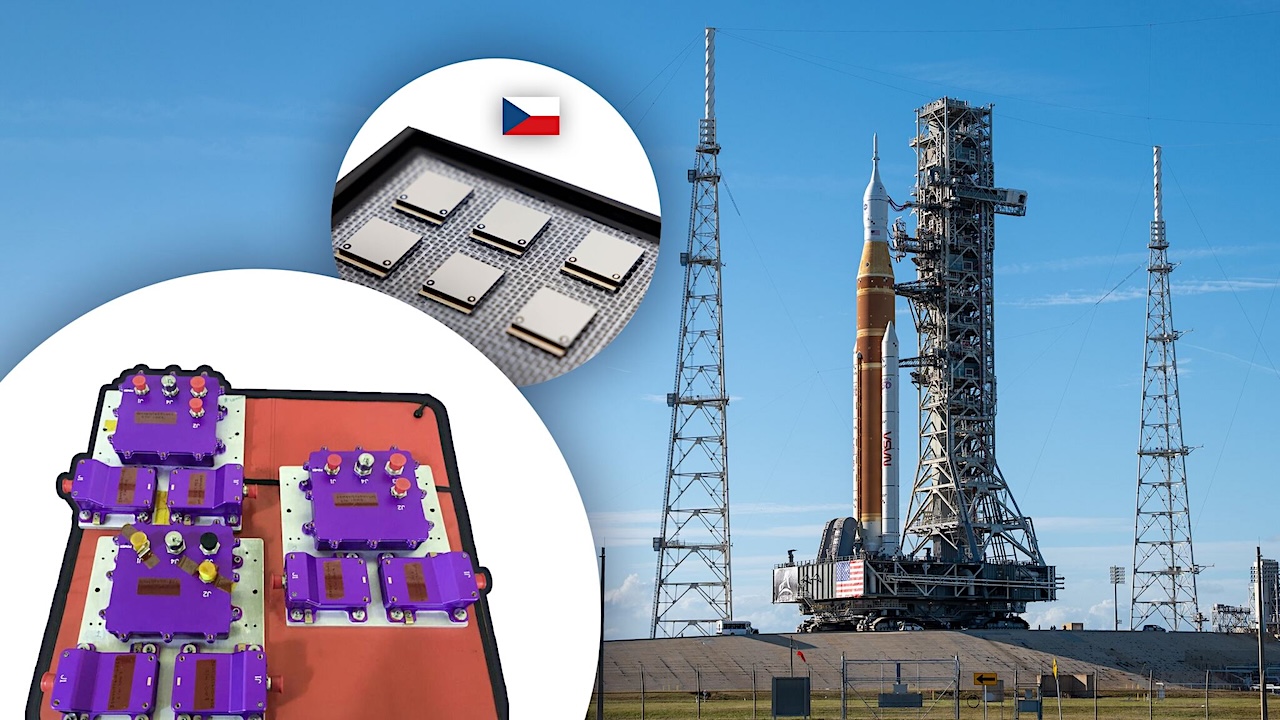
Source: The SLS launch vehicle, a detail of the HERA system installed in the Orion spacecraft, and Timepix chips NASA / SRAG-JSC / ADVACAM When, in February March 2026, the
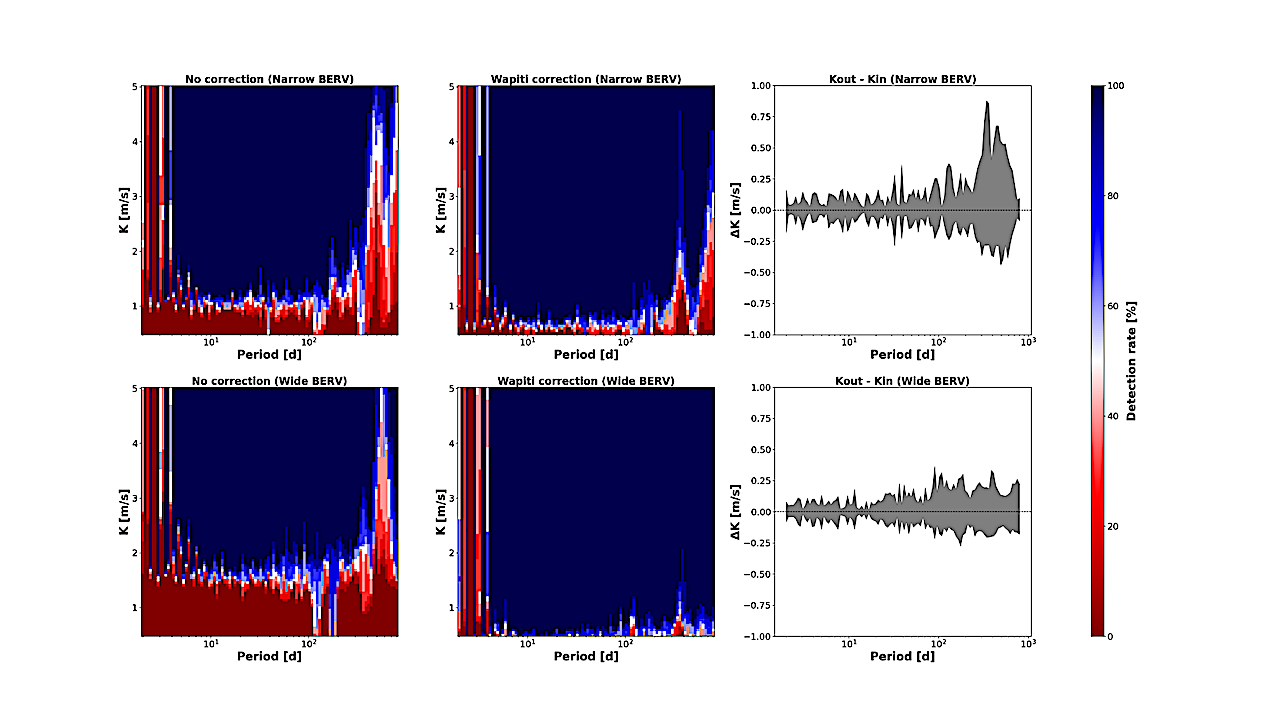
Left: Detection maps showing the percentage of recovered injected signals as a function of period and semi-amplitude for the narrow and wide BERV coverages. Middle: Same detection tests after applying
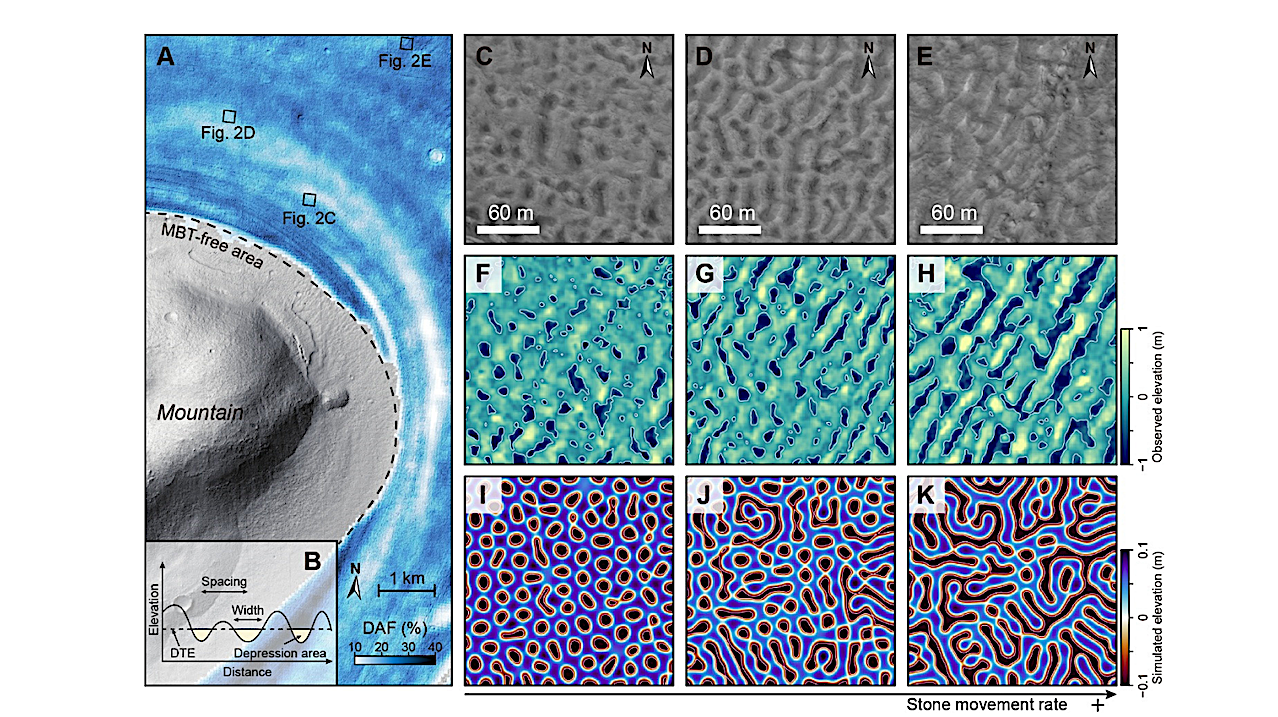
Quantitative morphological metric extraction results and numerical simulation results. A. Spatial distribution of DAF across the study area, overlaid on a shaded relief base map derived from DTEEC_033165_2195_032875_2195_A01 (26). Colors
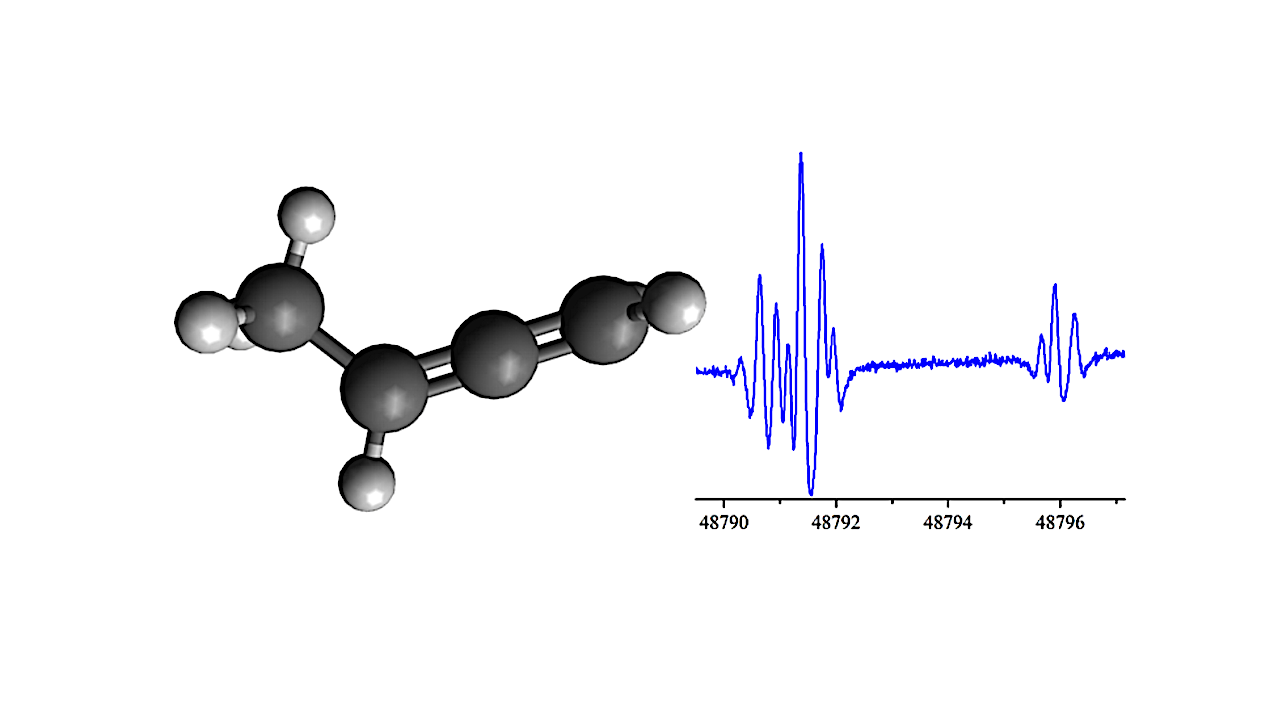
Graphical Abstract — astro-ph.SR Small polycyclic aromatic hydrocarbons and somewhat larger cyano derivatives were detected in the cold dark cloud TMC-1 recently. Their formation from smaller hydrocarbons is not well
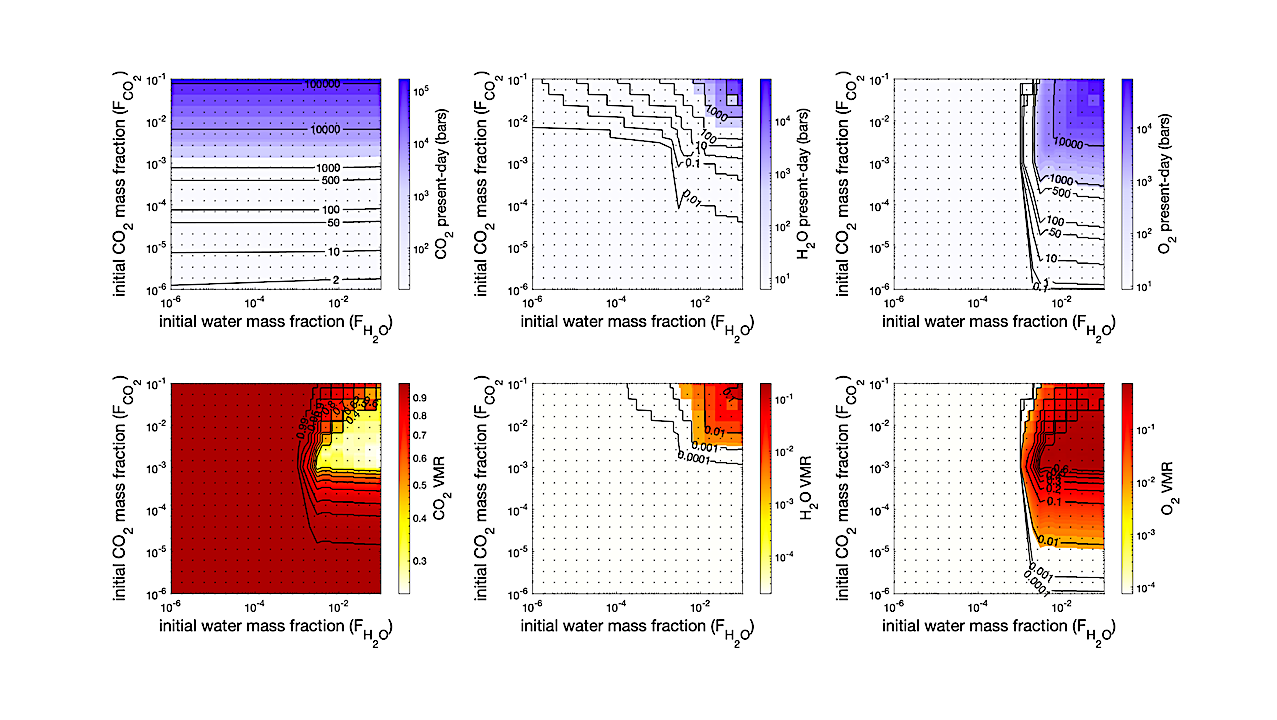
Grid of simulations of atmospheric pressure contribution (bars) and total volume mixing ratio (VMR) for each molecular species as a result of initial volatile abundances. Results are shown for the