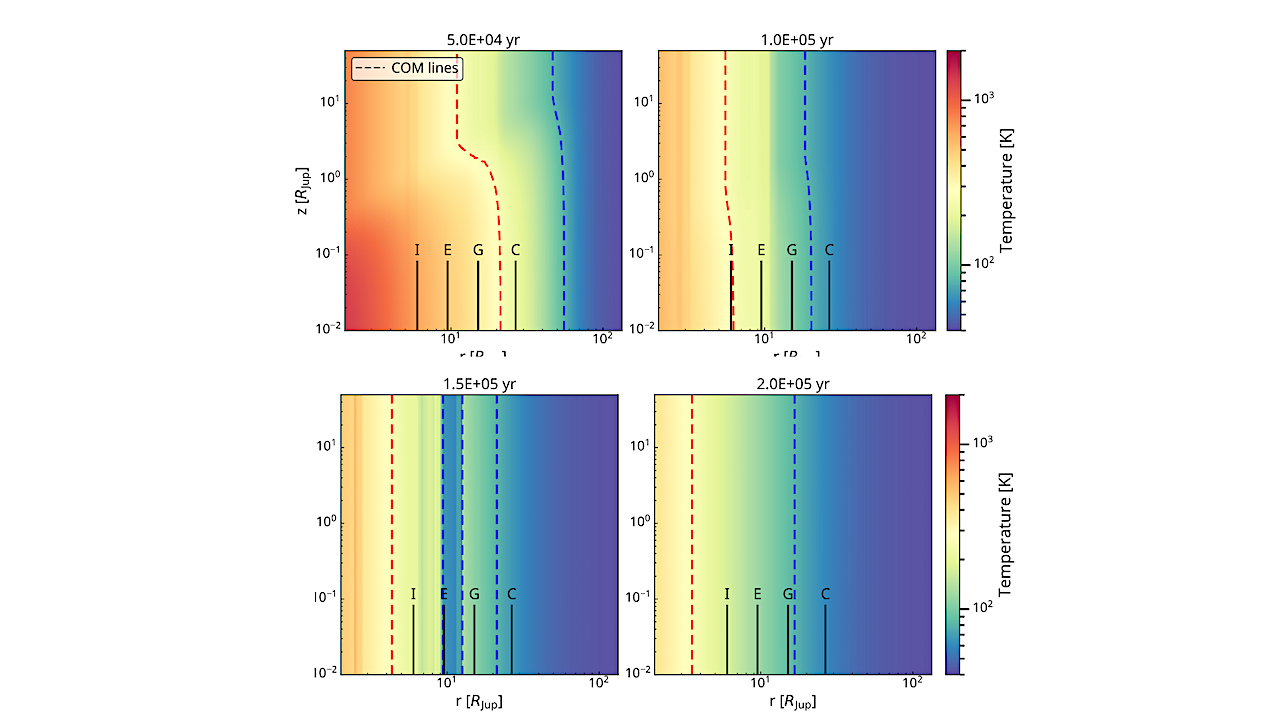
Temperature profiles of the CPD at t = 50, 100, 150, and 200 kyr of its evolution. The formation of COMs by thermal processing occurs in the temperature range from

Temperature profiles of the CPD at t = 50, 100, 150, and 200 kyr of its evolution. The formation of COMs by thermal processing occurs in the temperature range from
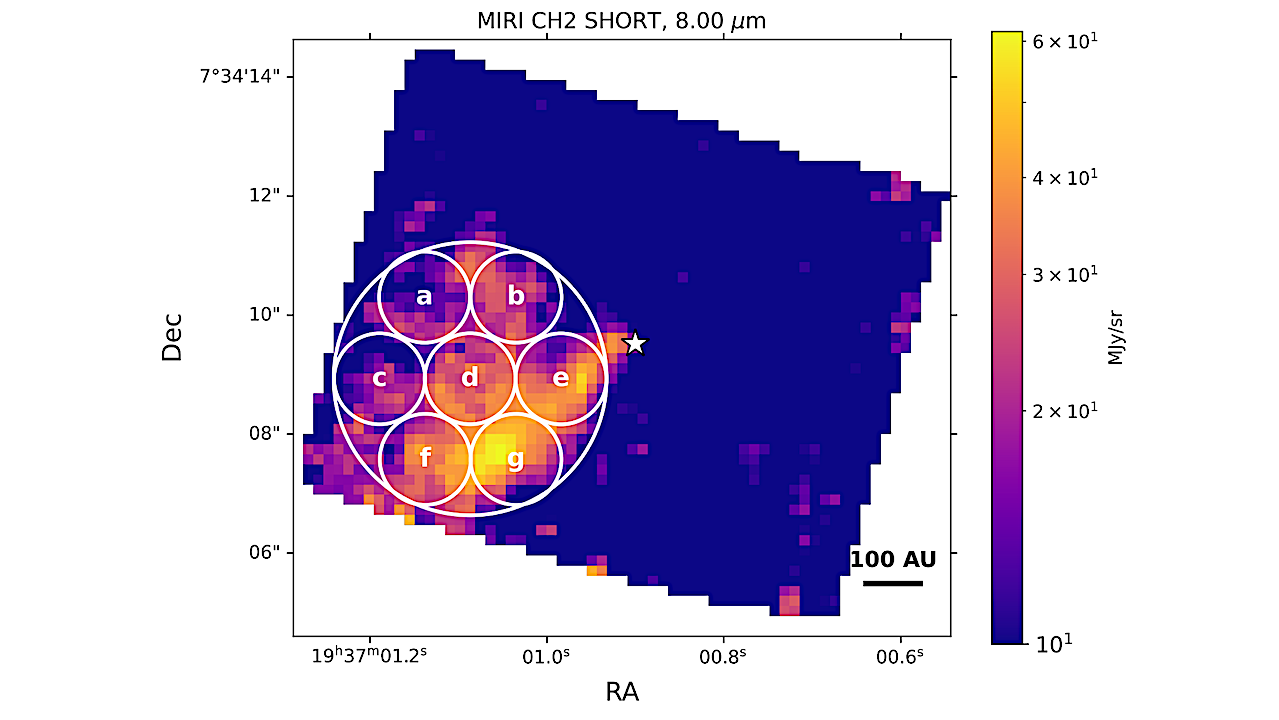
B335 intensity map at 8 µm using the JWST MIRI-MRS spectrograph data. Small circles denote the 1.53′′ apertures, big circle denotes the 4.59′′ aperture. The center coordinates of chosen apertures
In this study, we aim to constrain the atmospheric composition of GJ 1214 b using all available transits observed with the upgraded CRIRES+ spectrograph at the VLT by searching for
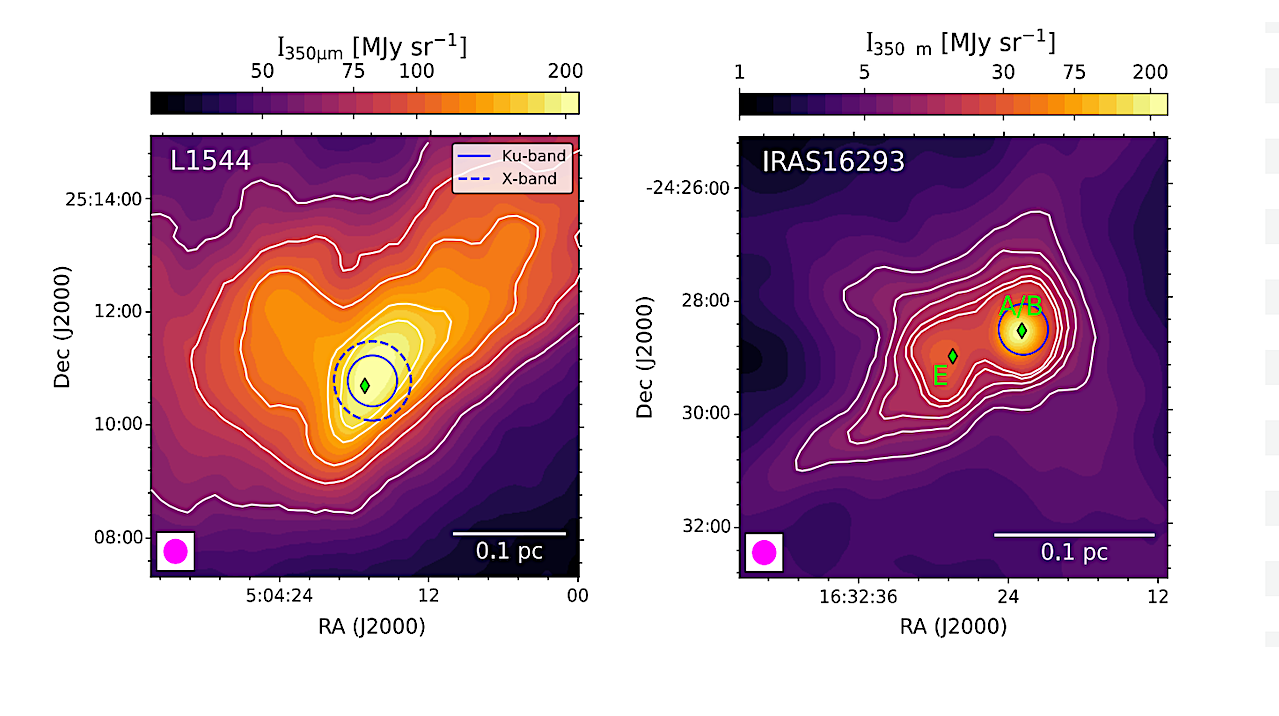
Overview of the L1544 (LEFT panel) and IRAS 16293–2422 (RIGHT panel) regions as traced by the Herschel3 continuum maps at 350 𝜇m. The white contours correspond to 𝜎, where 𝜎
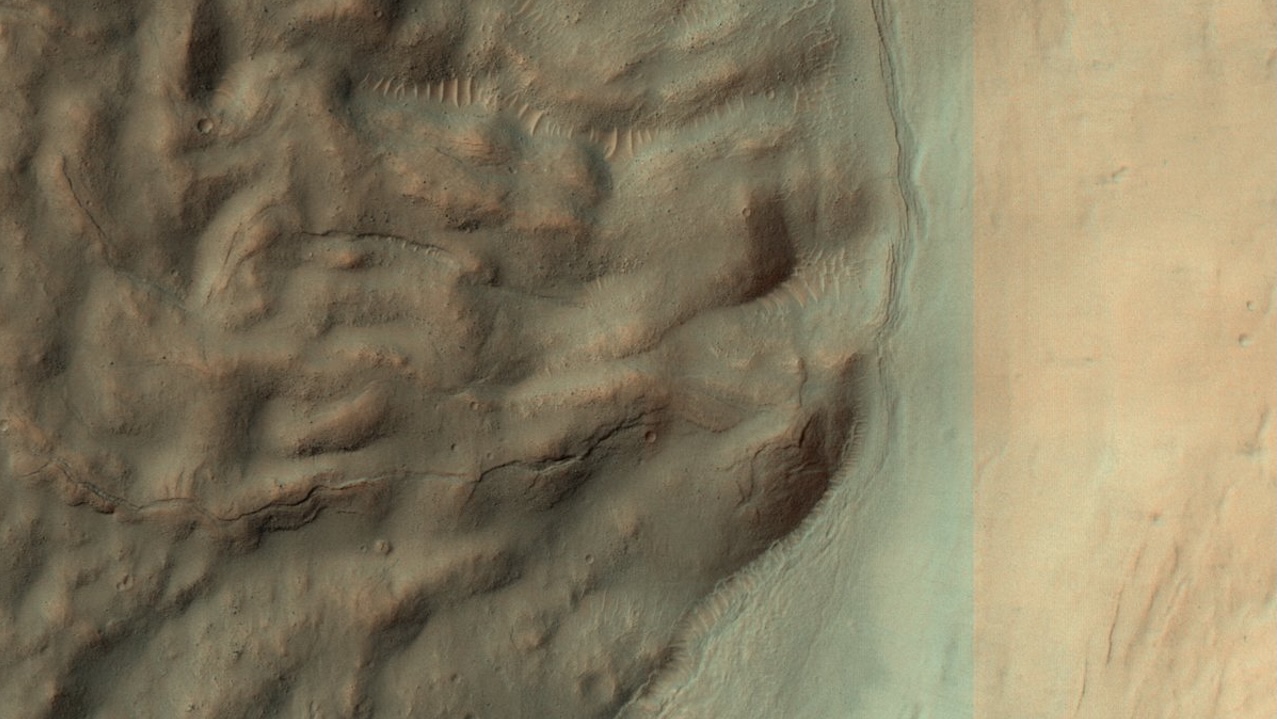
This scene from the eastern side of Terra Cimmeria, northeast of the Hellas impact basin, shows many impact craters of different sizes and types of preservation, with a few sharp-looking
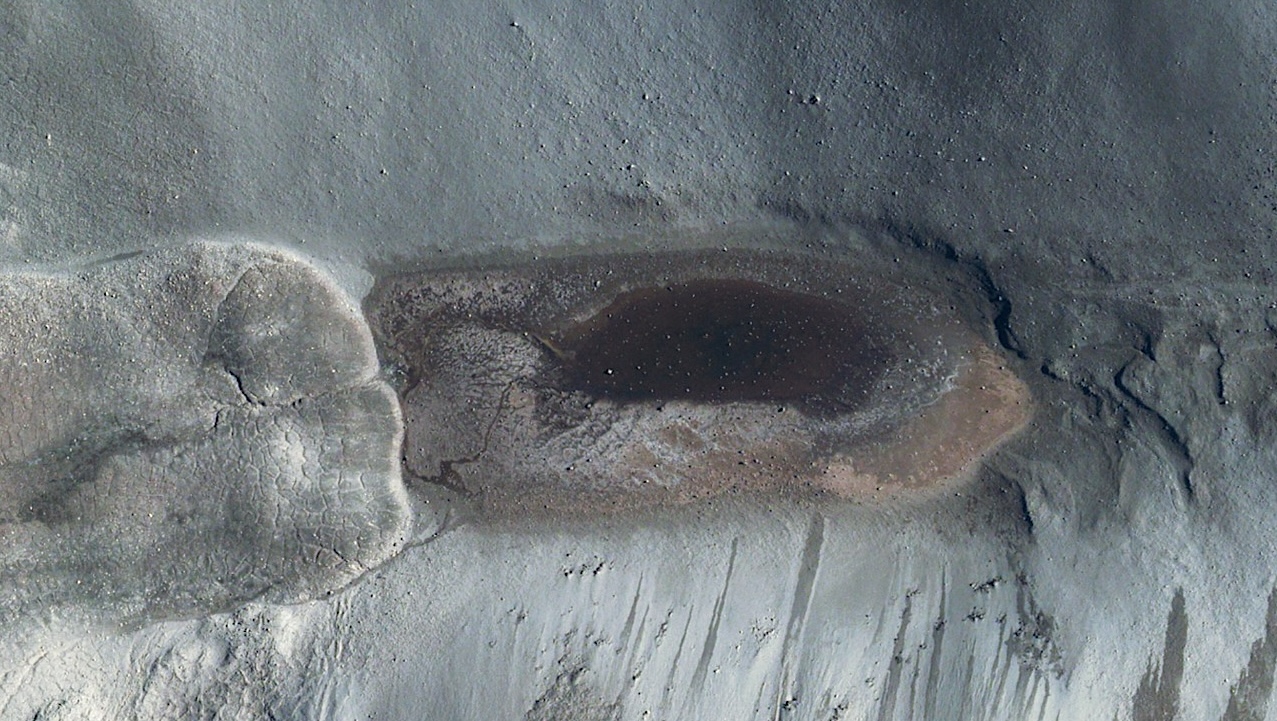
Don Juan Pond: Source: NASA/Goddard Space Flight Center Scientific Visualization Studio, Landsat 7 Project Science Office; MODIS Rapid Response Team, NASA Goddard Space Flight Center via Wikipedia Don Juan Pond
NASA-DARES Task Force 2 Community Webinars The NASA Astrobiology Program is pleased to announce the upcoming NASA Decadal Astrobiology Research and Exploration Strategy (NASA-DARES) Community Webinar Series, marking the next
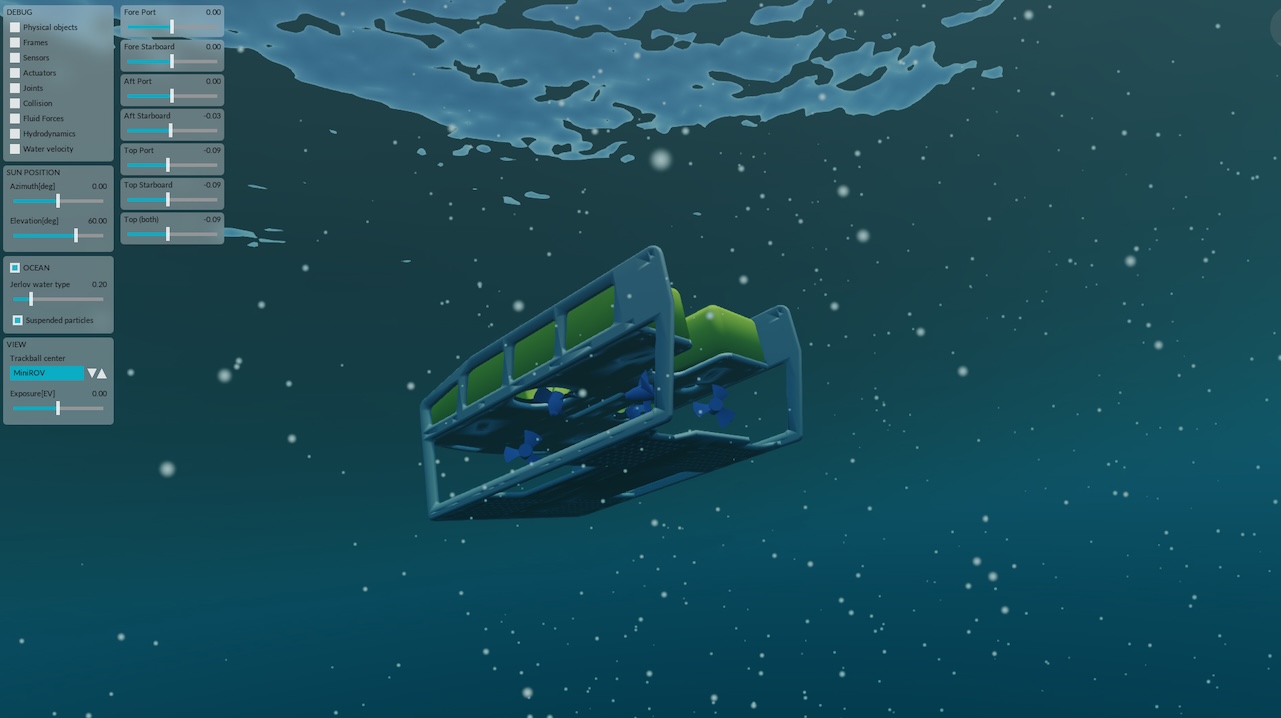
Remotely operated vehicle MiniROV in a simulated environment during the training of the Deployable AI developed as part of the Deployable Artificial Intelligence for Exploration and Discovery in the Deep
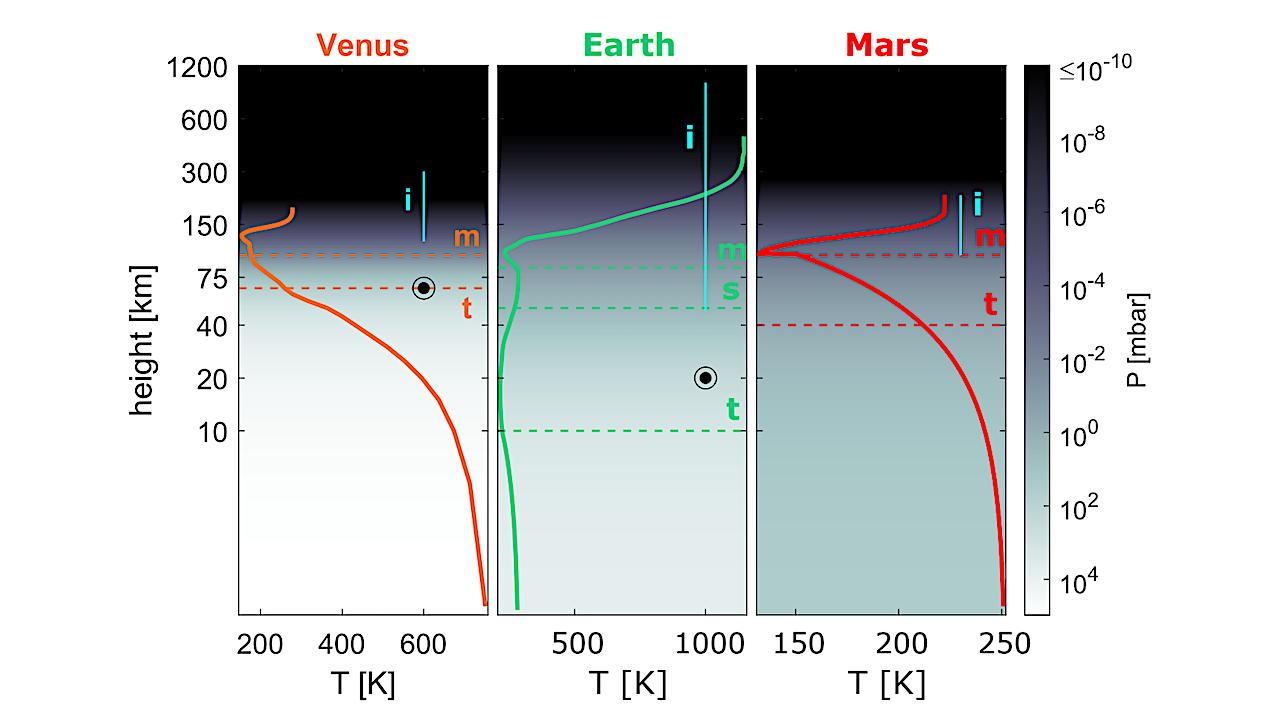
Height scales of atmospheres of Solar System’s terrestrial planets. The solid lines show the temperature profiles against altitude, while the background color reflects the atmospheric pressure. Horizontal dashed lines denote
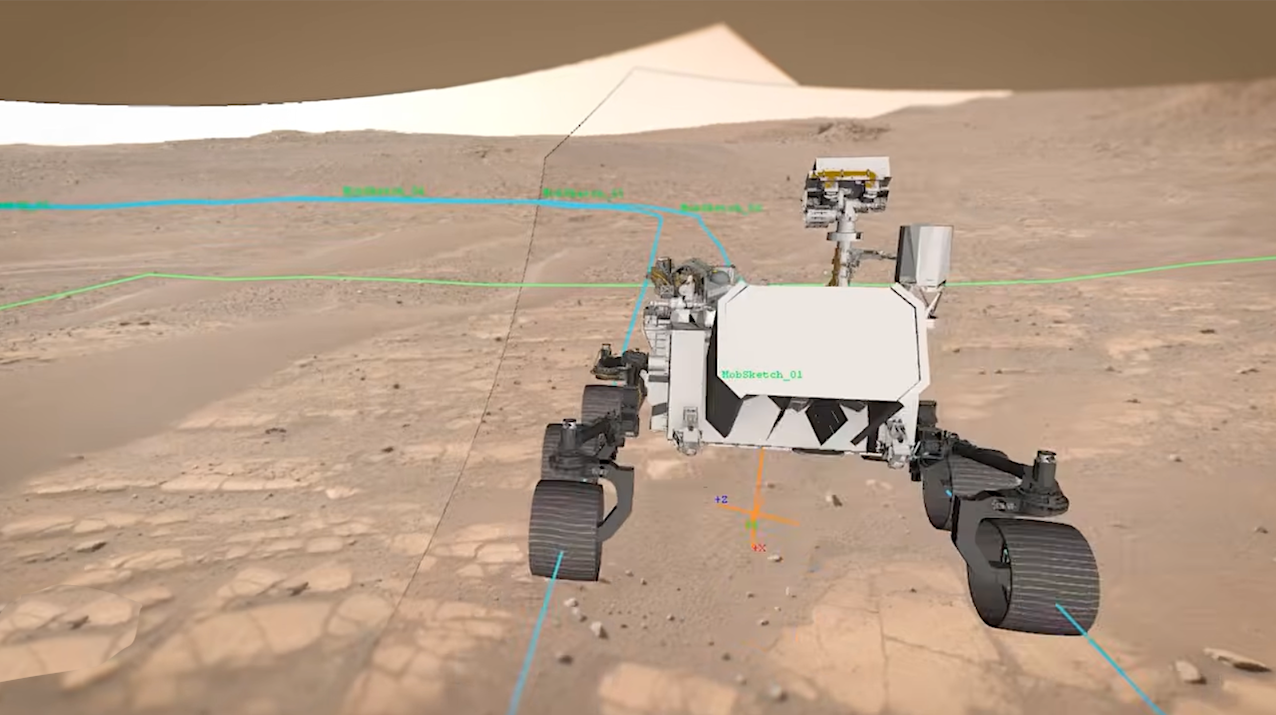
There is no GPS at the Red Planet, but a new technology called Mars Global Localization lets Perseverance determine precisely where it is — without human help. — NASA Imagine