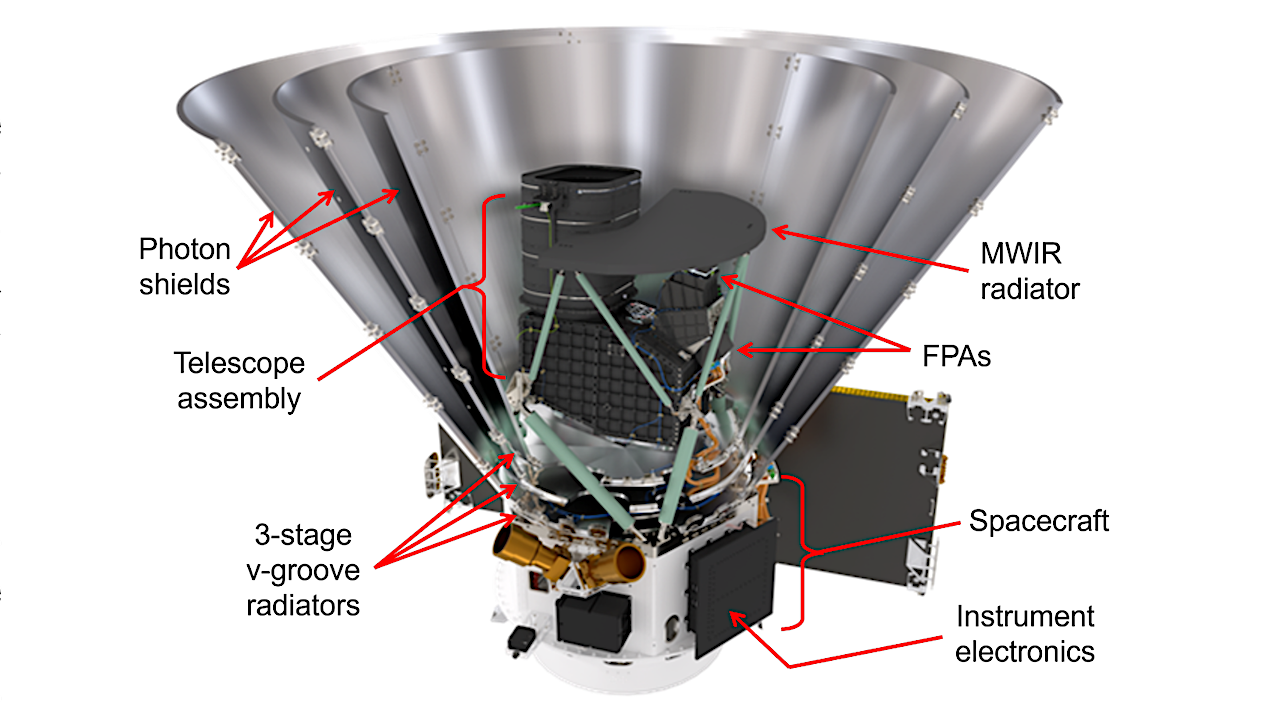
Diagram of the SPHEREx observatory, showing (from top to bottom) the three conical photon shields with a cutaway view, the telescope, radiator panel for the mid-wave infrared (MWIR) detectors, the

Diagram of the SPHEREx observatory, showing (from top to bottom) the three conical photon shields with a cutaway view, the telescope, radiator panel for the mid-wave infrared (MWIR) detectors, the
A recent study by geophysicists at Washington State University offers insight into how nutrients may reach the subsurface ocean of Europa, one of Jupiter’s moons and a leading candidate for
NASA Planetary Science – Grok via Astrobiology.com Editor’s note: on 16 January 2026 NASA Planetary Science Division Director Louise M. Prockter: distributed this letter “The Future of the Planetary Science Analysis and
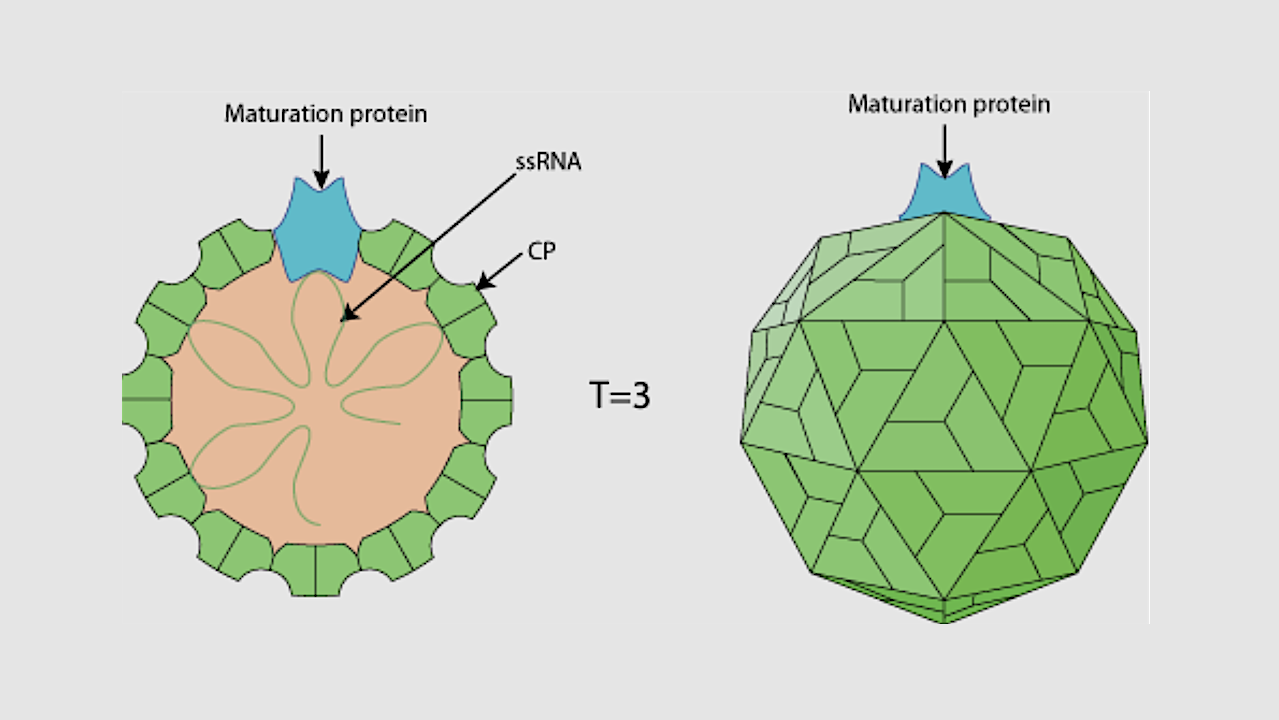
Microbiology & Virology Status Report biorxiv.org January 19, 2026 Schematic drawing of a Fiersviridae (formely Leviviridae) virion (cross section and side view) ViralZone, SIB Swiss Institute of Bioinformatics: Levivirus CC
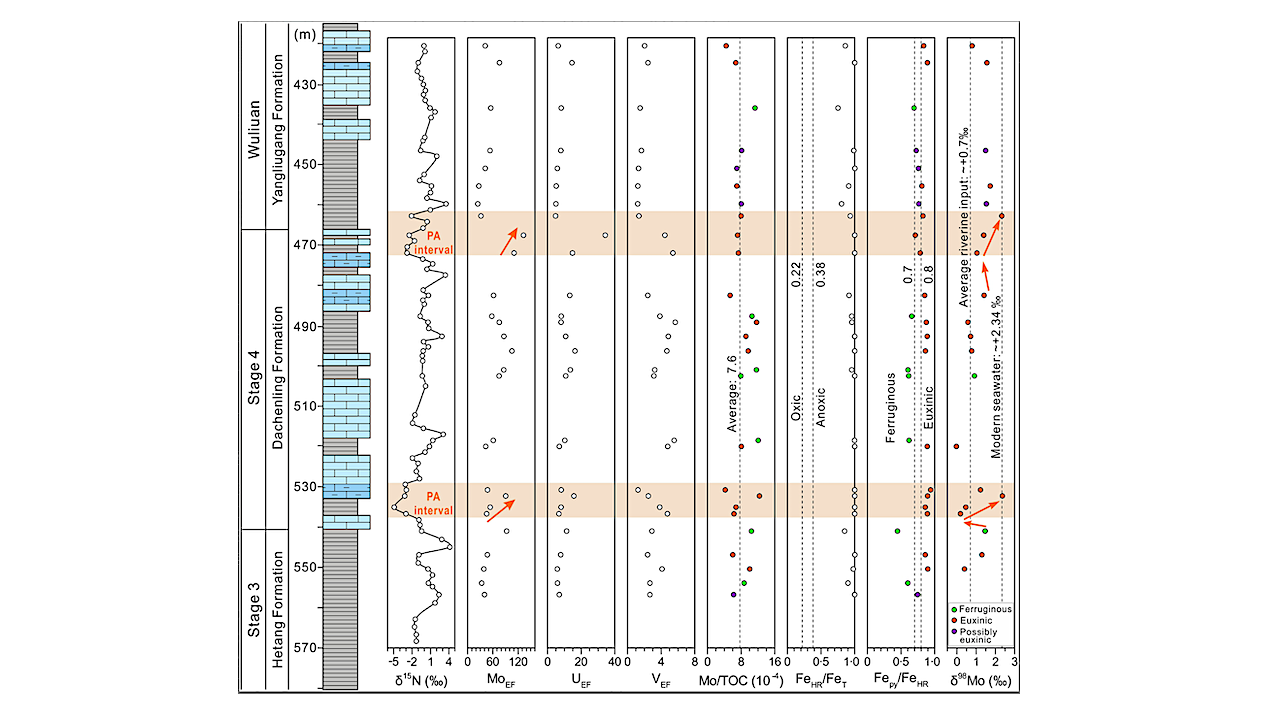
Chemostratigraphic column of the WN2 drill core. δ15N and TOC data were from Chang et al. (2019). Orange shaded areas represent two photic anoxia intervals identified based on δ15N signatures

Logos of EANA (left, designed by Katarina Eriksson in 2015) and AbGradE (right, designed by Sean McMahon in 2014). Since its foundation in 2001, EANA (European Astrobiology Network Association, http://www.eana-net.eu/)

Origins Center 2026 Conference May 18–20, 2026 (Abdij Rolduc, Kerkrade) Questions about the origin and nature of life — and whether it might exist beyond Earth — have a rare
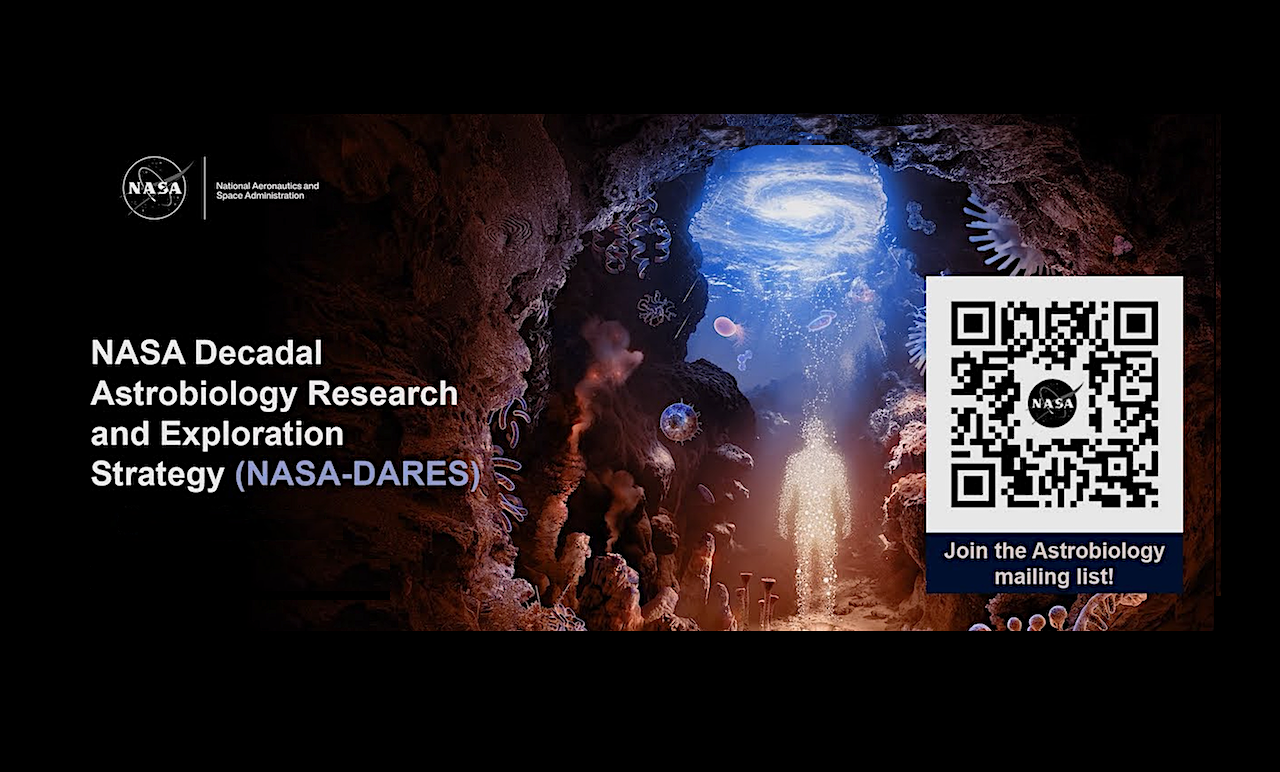
NASA DARES 2025 Introduction: NASA sponsored Astrobiology research focuses on three basic questions: How does life begin and evolve? Does life exist elsewhere in the Universe? How do we search
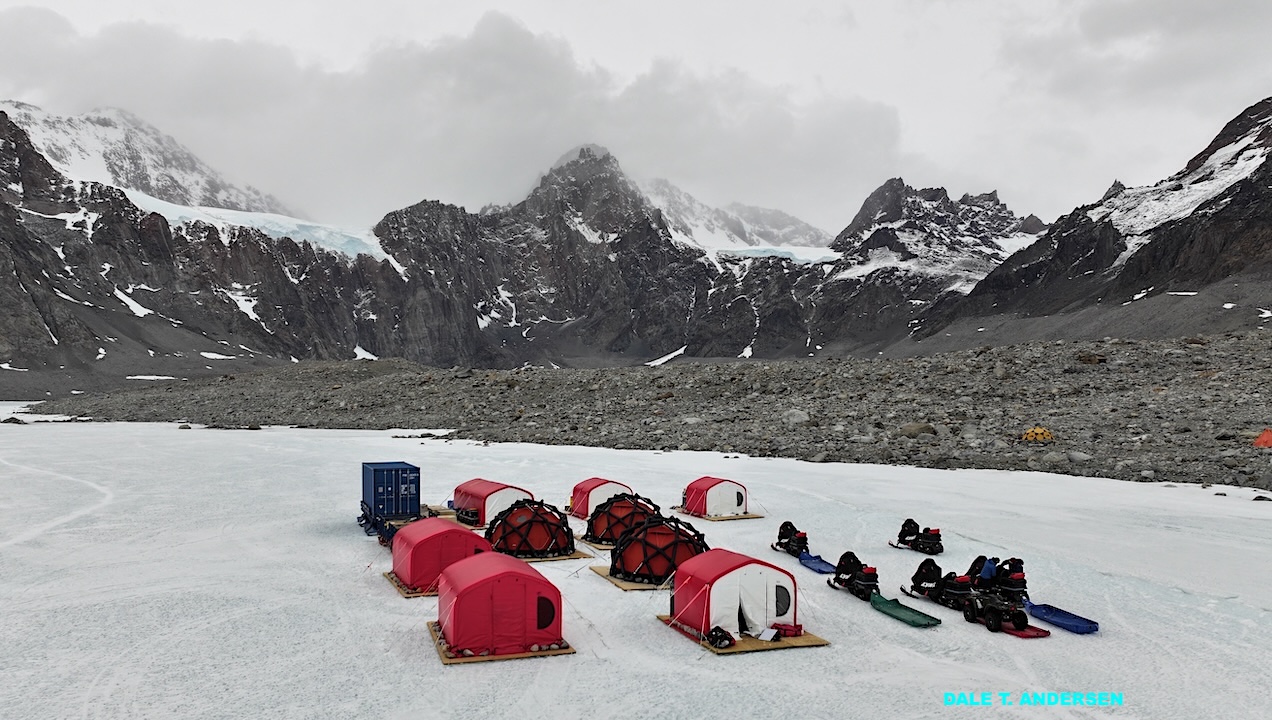
Base Camp at Lake Untersee, Antarctica January 2026 – Dale T. Andersen. (Larger image) Keith: We just completed the camp last night, and today a storm will move in with
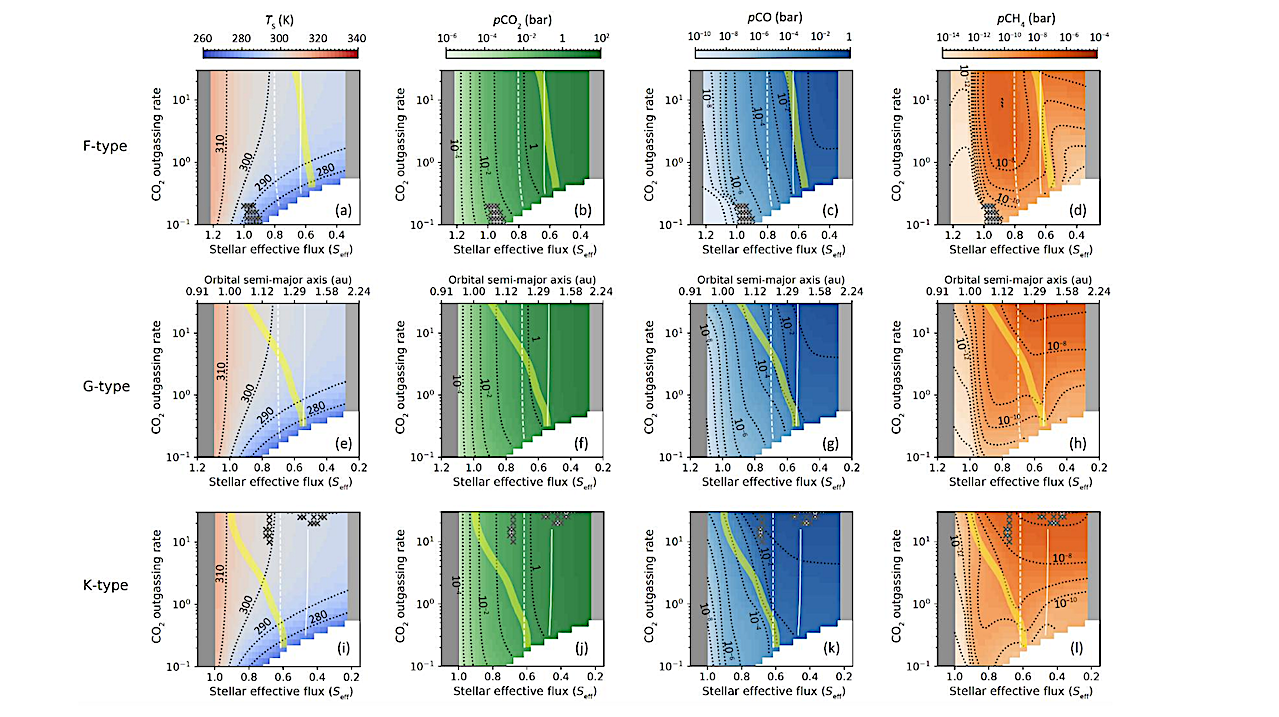
Steady-state response in a phase space of effective stellar flux, Seff, and the seafloor spreading rate, rspr (YoungSun_Seff&rspr). – calculated using the F2V (a-d), present-day Sun (G2V) (e-h), and K2V