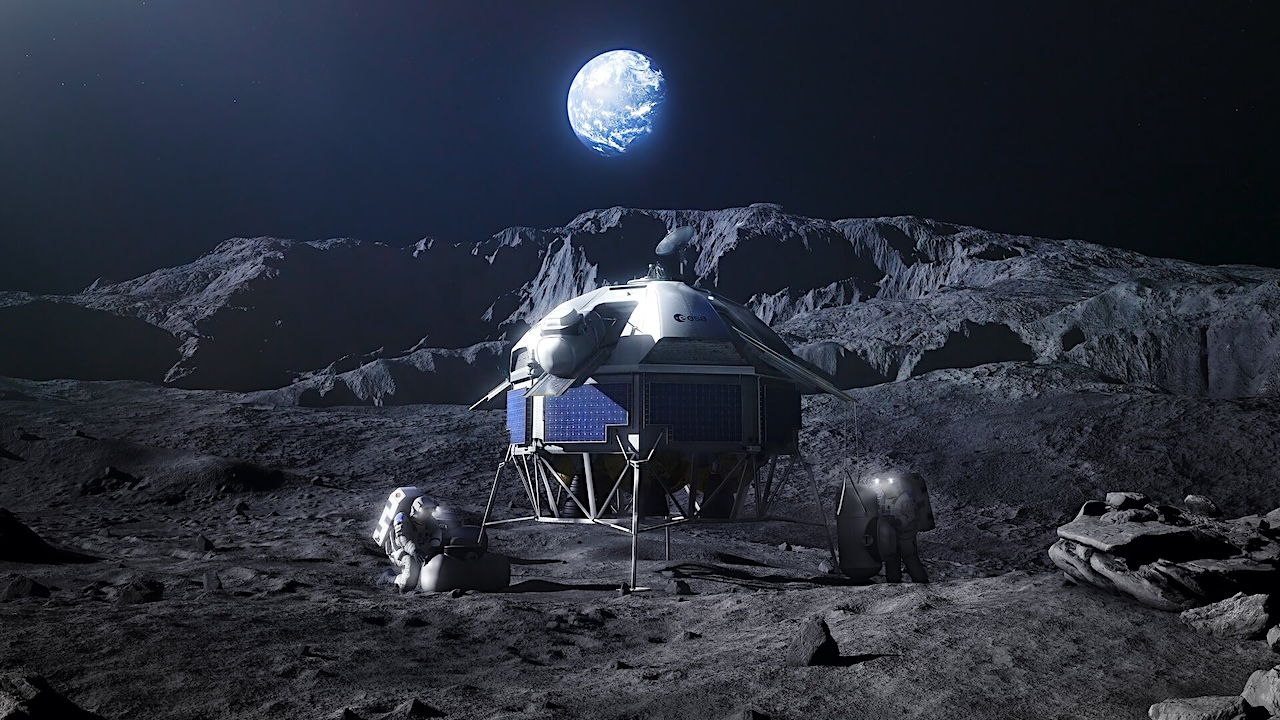
A rendering of a lunar lander of the European Space Agency’s Argonaut program, which has its first mission to the moon scheduled for 2030. Methane released from spacecraft like these

A rendering of a lunar lander of the European Space Agency’s Argonaut program, which has its first mission to the moon scheduled for 2030. Methane released from spacecraft like these
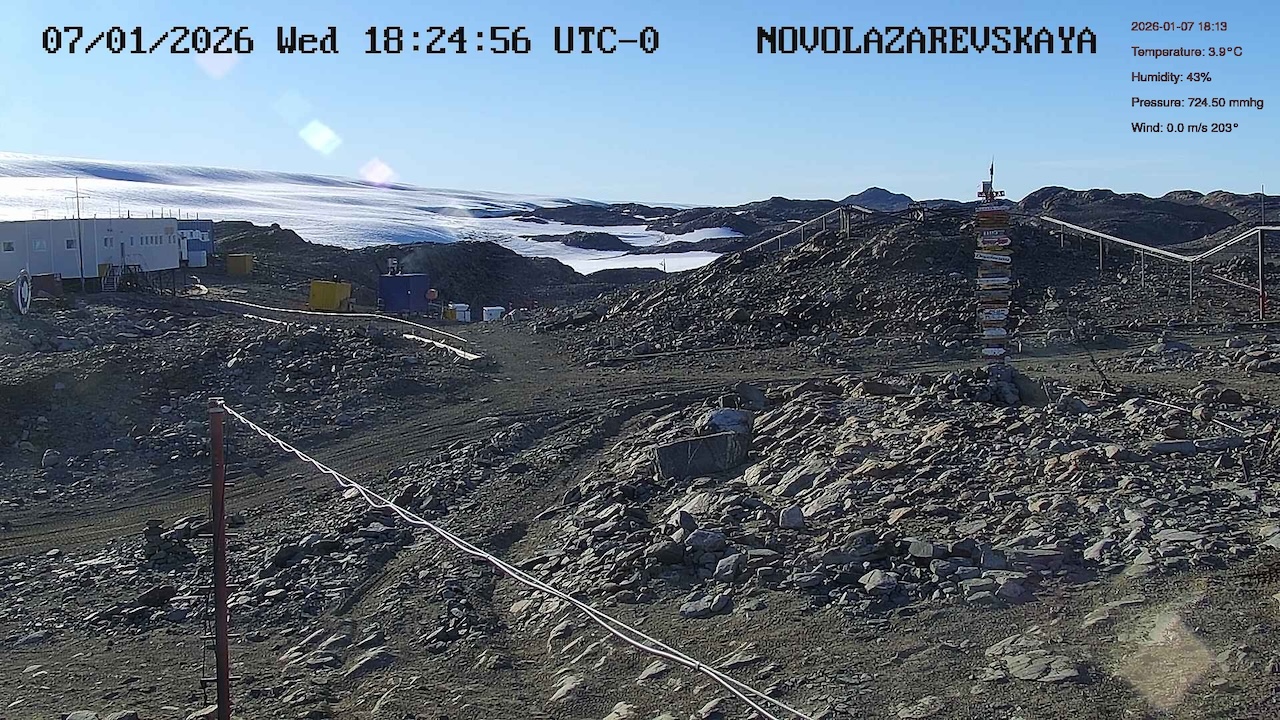
Keith’s note: I got this update by text from Dale early this morning: Hi Keith, We arrived 6pm UTC Tuesday evening to a bright, sunny windless day with air temps
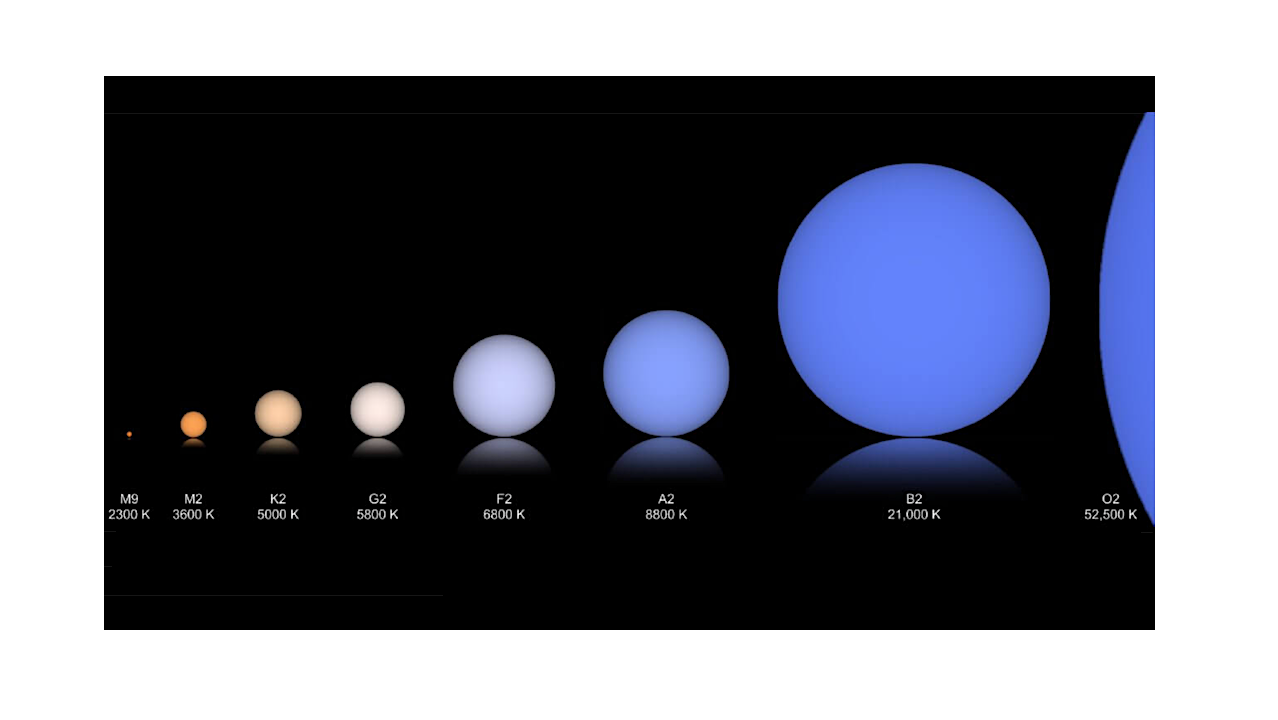
Comparison of the star properties of “K dwarfs” to Sun-like “G dwarfs” (third and fourth from left). Reproduced through CC-licensing from the work by J.-V. Harre and R. Heller (2021,
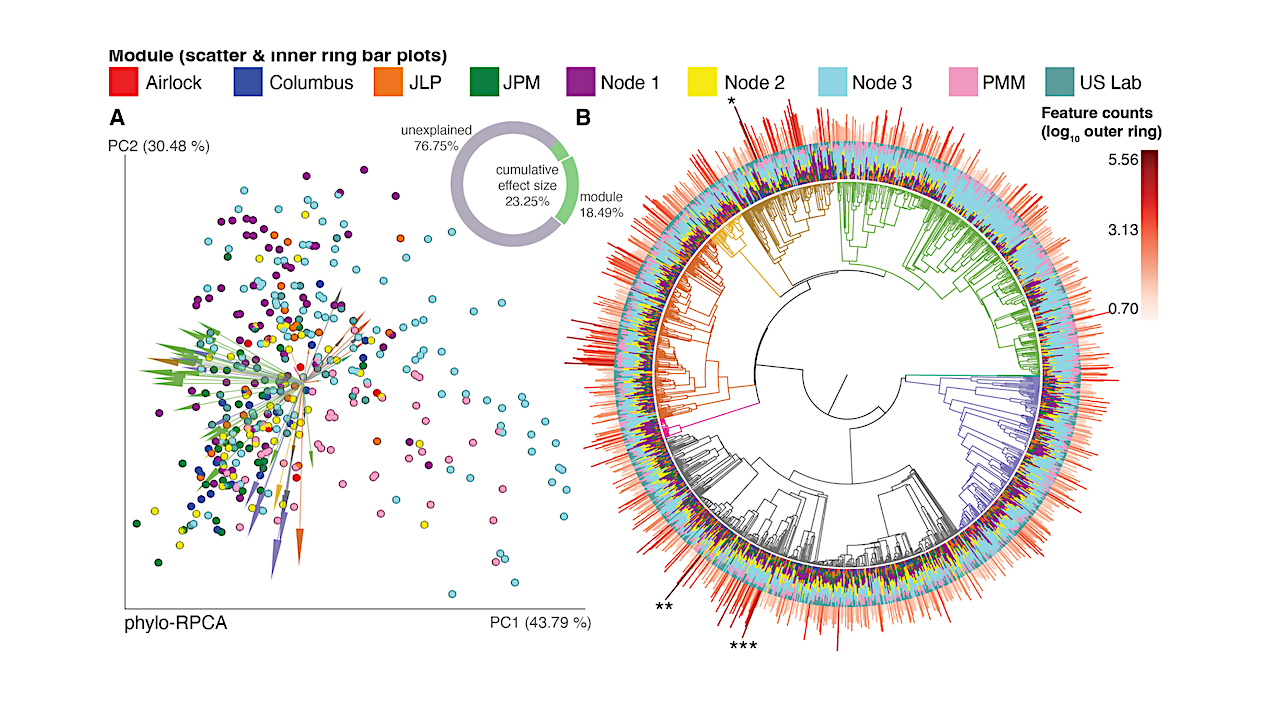
(A) Beta diversity of ISS surface microbiota using phylo-RPCA. Each point represents one sample, colored by module of origin. Distances between samples reflect microbial composition similarity, with vectors indicating features
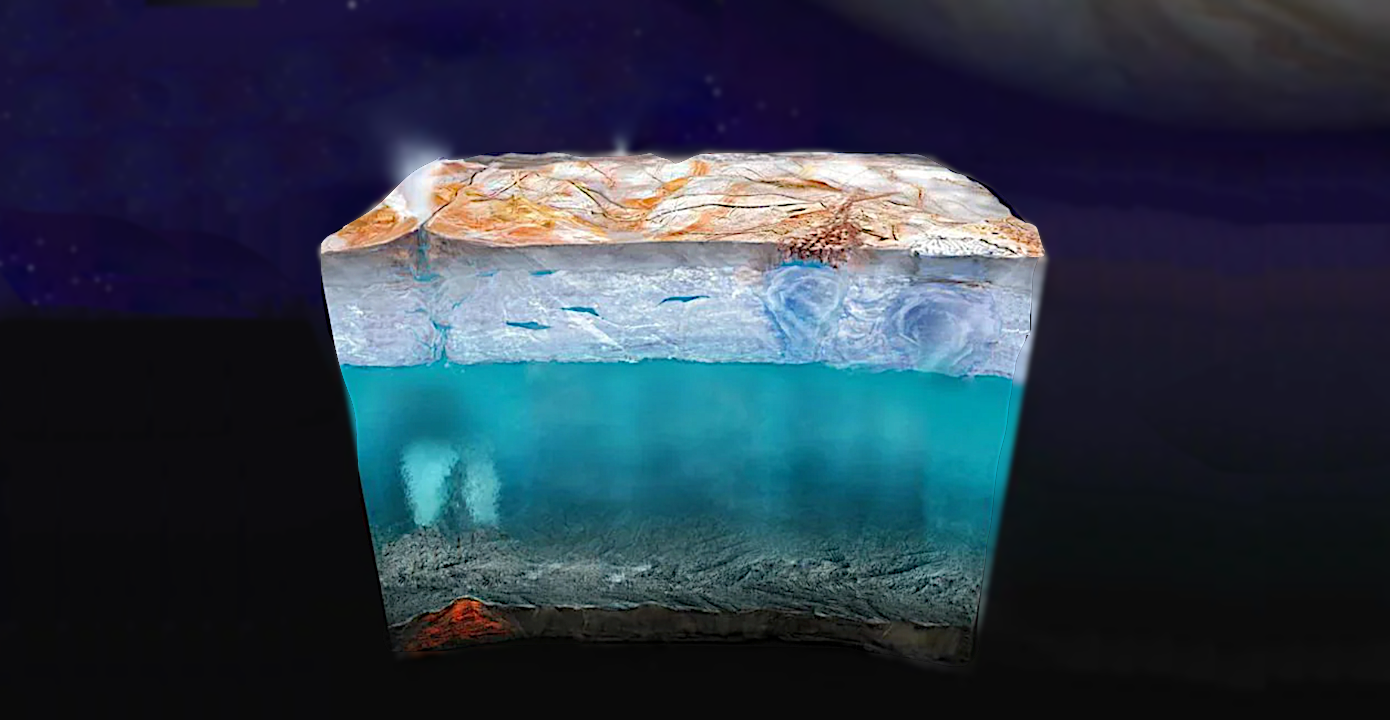
Europa’s possible ocean composition — NASA The giant planet Jupiter has nearly 100 known moons, yet none have captured the interest and imagination of astronomers and space scientists quite like
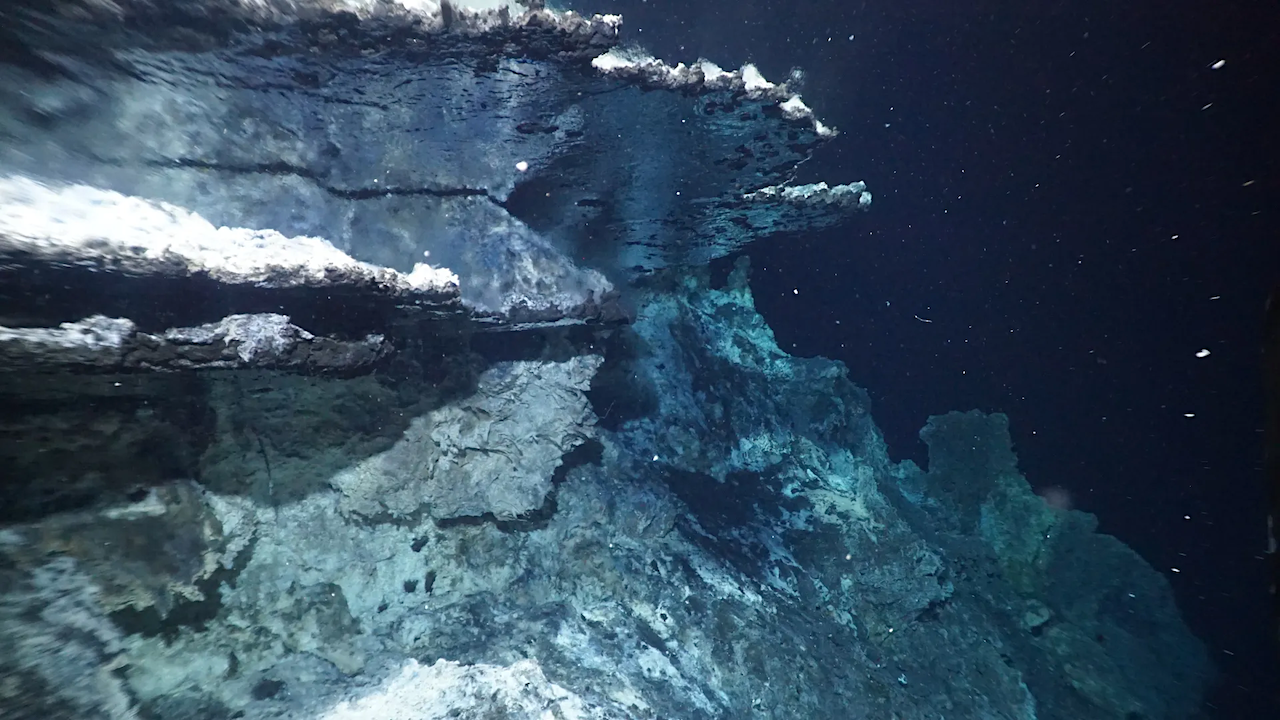
It shimmers and sparkles in the deep sea: Under the protruding flange of the hydrothermal vent on the Knipovich Ridge, hot fluids reflect the light due to their optical properties.
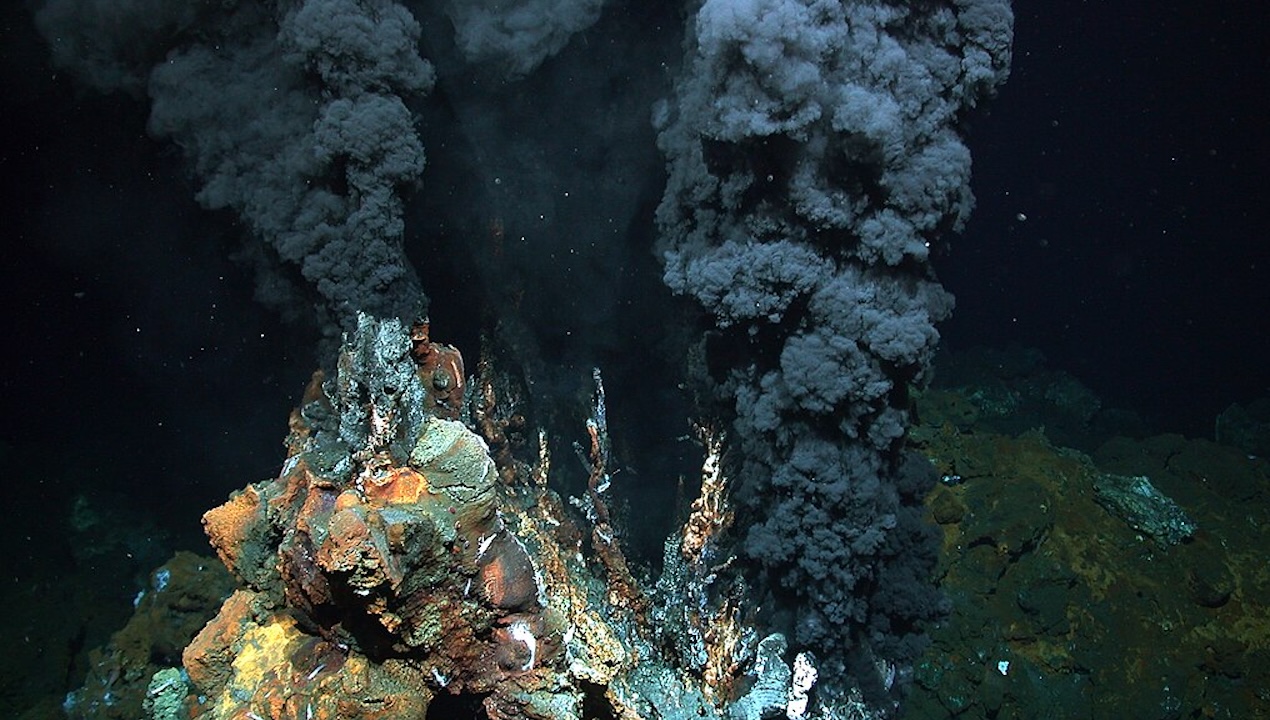
Black smoker in 2,980 meters of water on the Mid-Alantic Ridge. Some hypotheses suggest that deep-sea hydrothermal vents may have provided favorable conditions for the emergence of early life. In
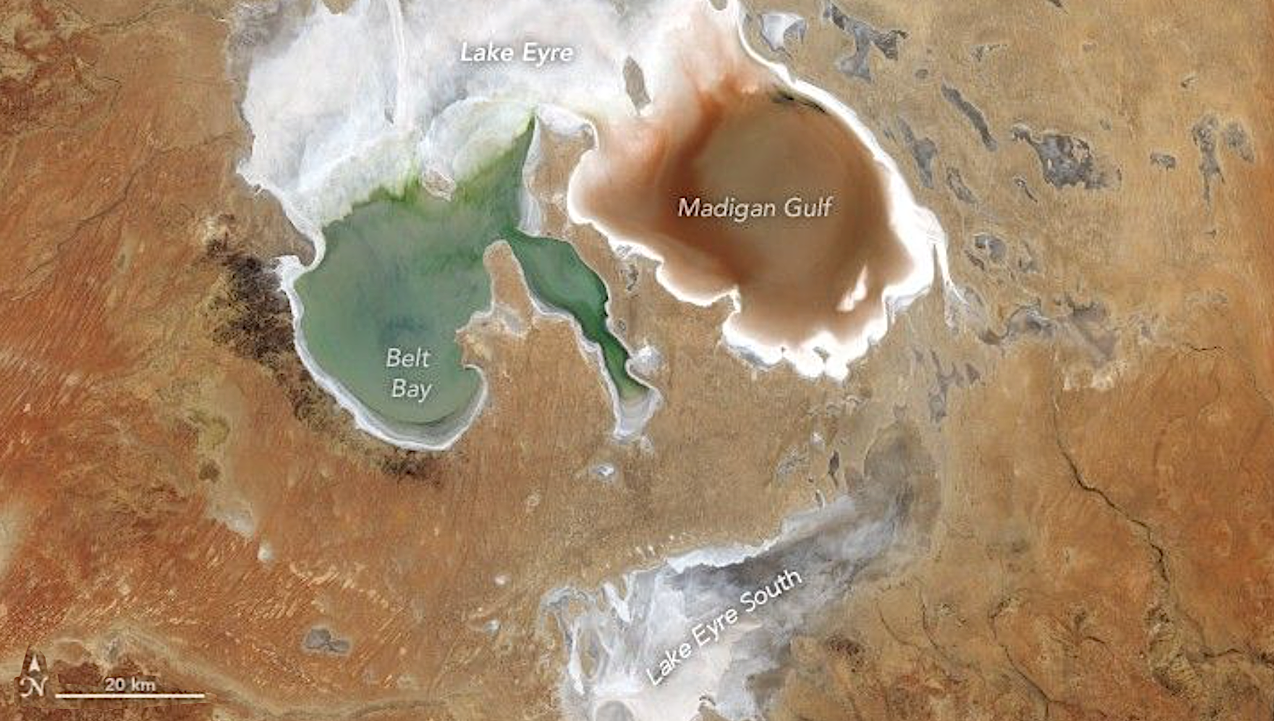
Lake Eyre –NASA Editor’s note: As we begin to study worlds in our own solar system that might have life we use our home world as a testbed for the
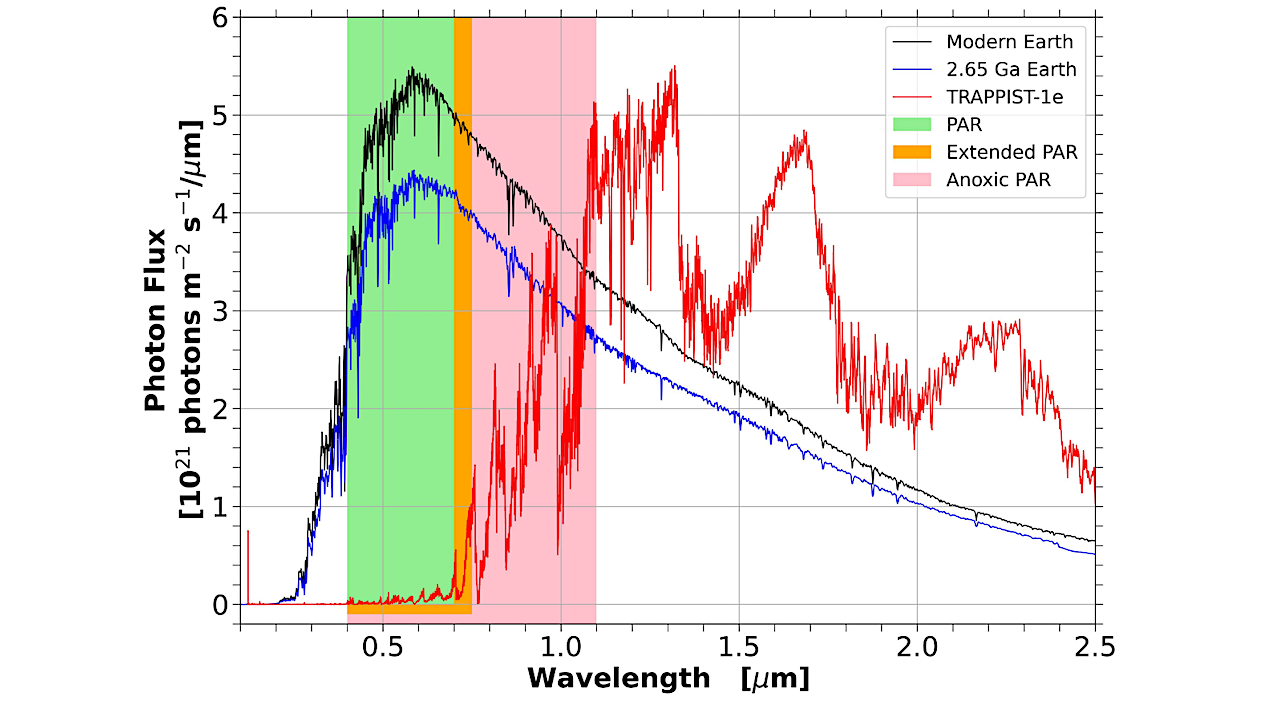
The incident photon flux density for the modern-day Earth (black), Archean Earth at 2.65 Ga (blue), and TRAPPIST-1e (red). The spectral resolution has been reduced for clarity. The shaded regions
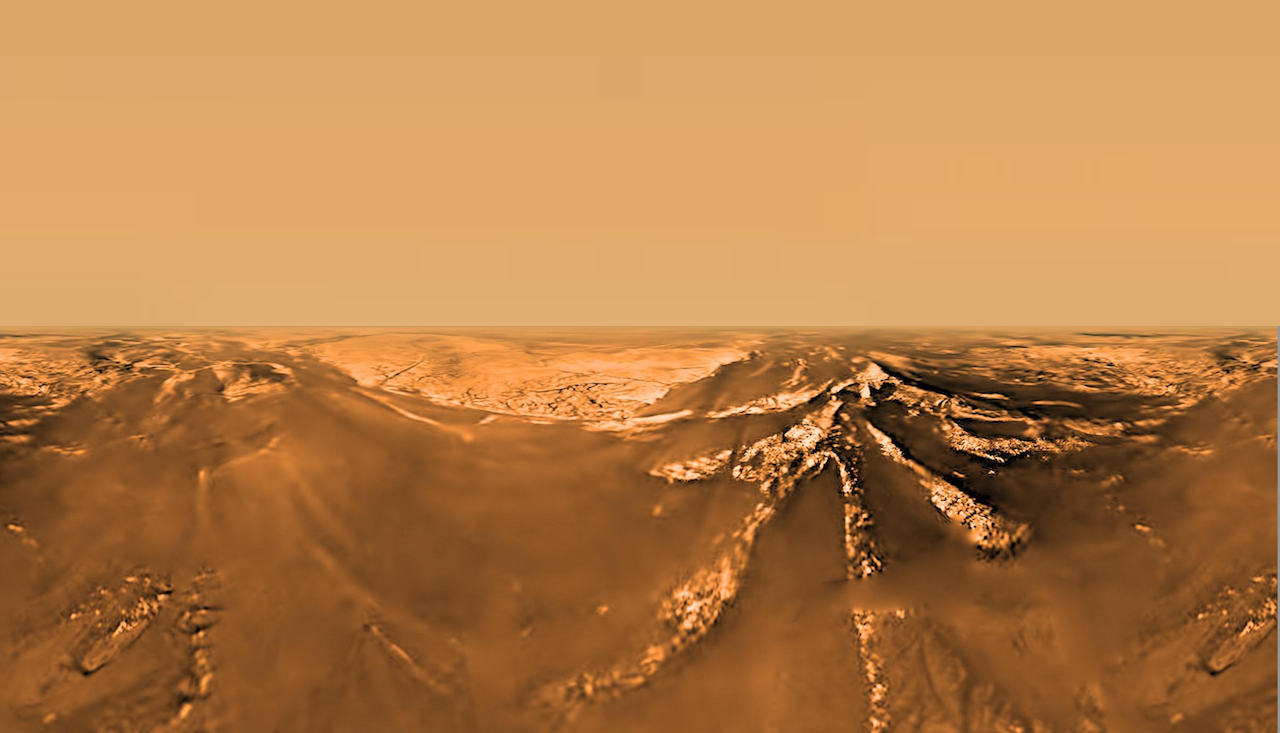
One set of images taken by Huygens is pictured here showing the view from 2 km altitude. It is in Mercator projection, so the N–S/E–W directions cross at right angles