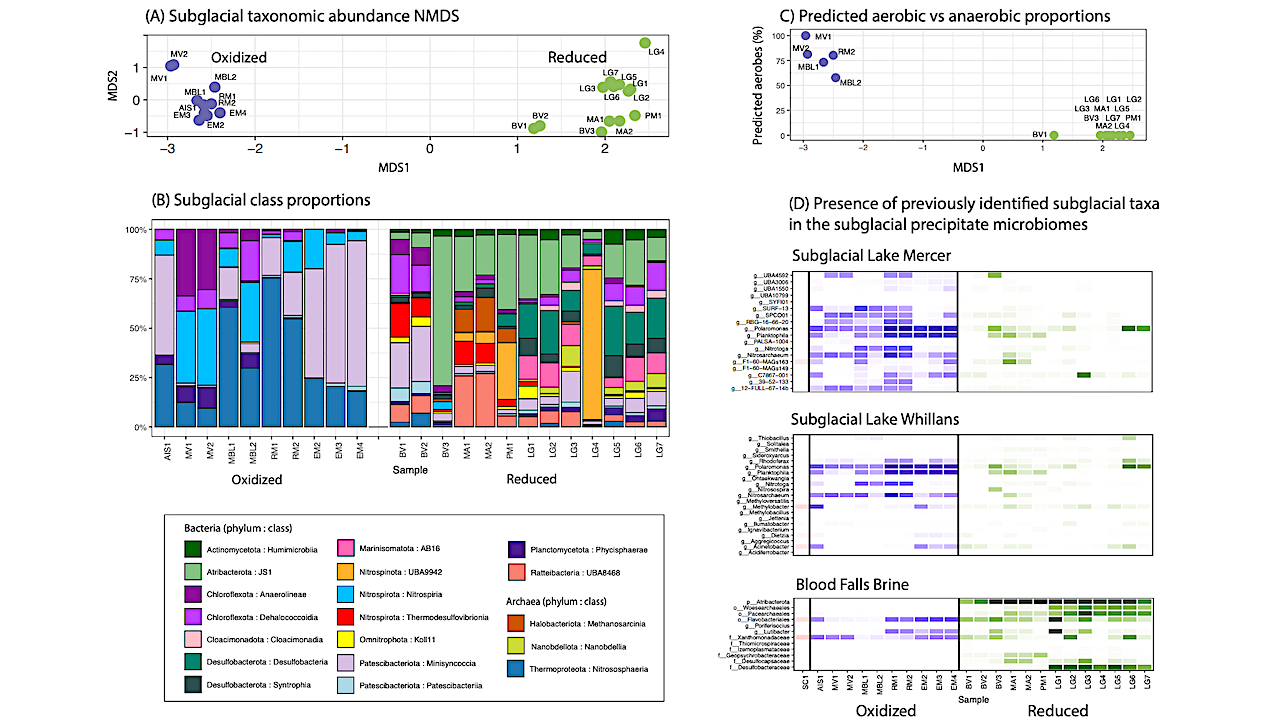
The subglacial microbiome splits into two clusters. (A) An NMDS on the unaggregated read counts of all taxonomic nodes within 19 abundant subglacial classes splits samples into two clear clusters.

The subglacial microbiome splits into two clusters. (A) An NMDS on the unaggregated read counts of all taxonomic nodes within 19 abundant subglacial classes splits samples into two clear clusters.
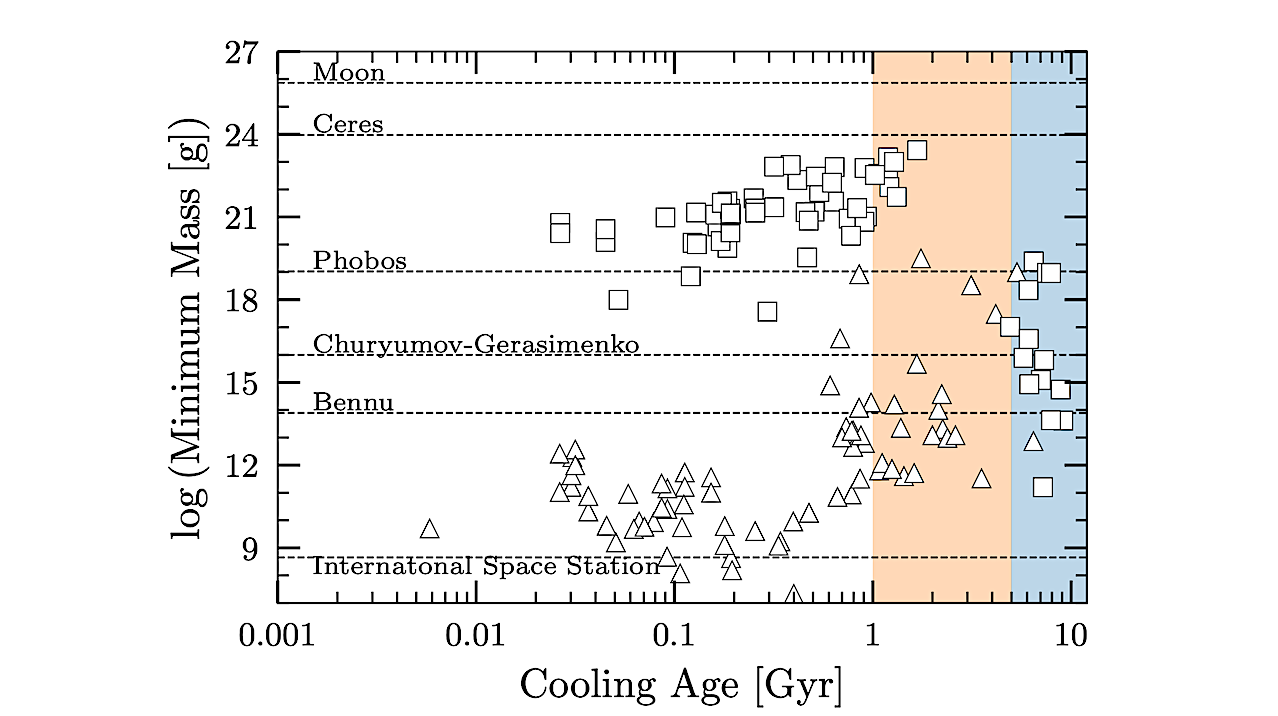
Minimum accreted masses inferred from the five most commonly detected elements (O, Mg, Si, Ca, Fe) as a function of white-dwarf cooling ages (i.e., the time since the white dwarf

Status Report astro-ph.EP January 4, 2026 JAXA Venus orbiter Akatsuki IR2 infrared camera image at the 2.26 μm “atmospheric window” allows surface heat shine through allowing suface features to emerge.
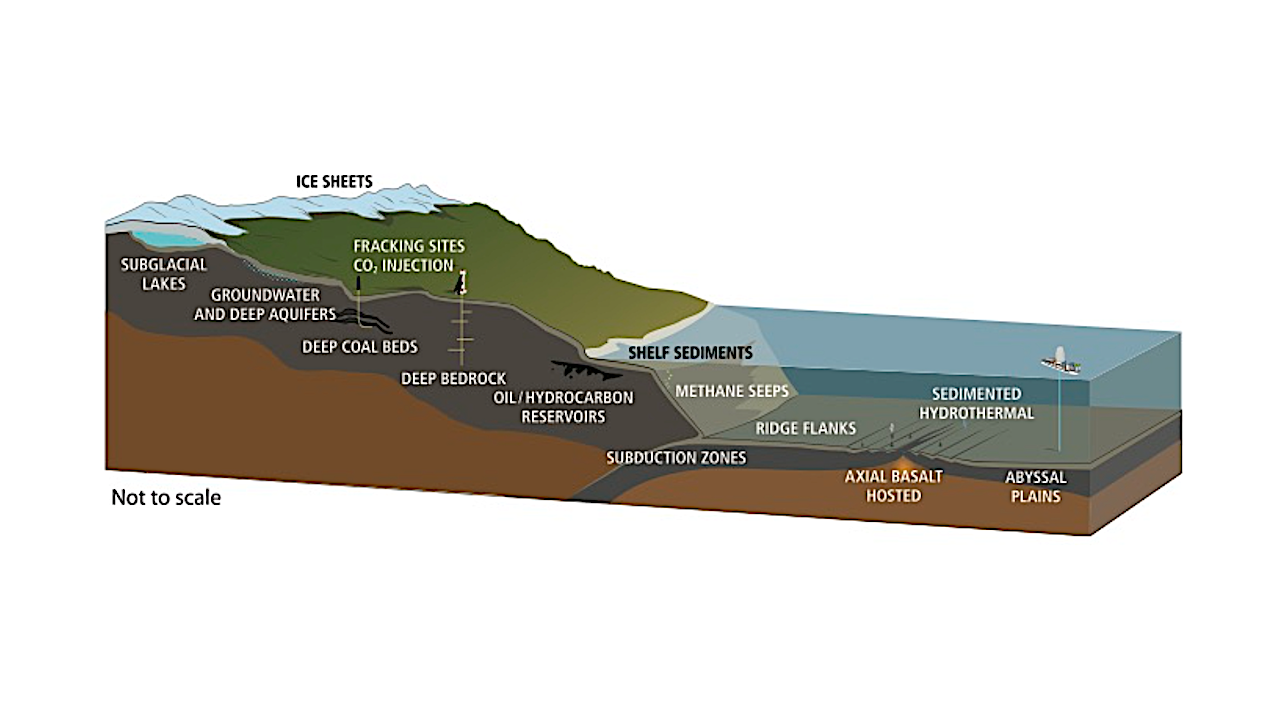
Diagram illustrating the environments in which deep life has been found (not to scale) Jon Badalamenti, University of Minnesota, USA – Deep Carbon Observatory: A Decade of Discovery p. 41
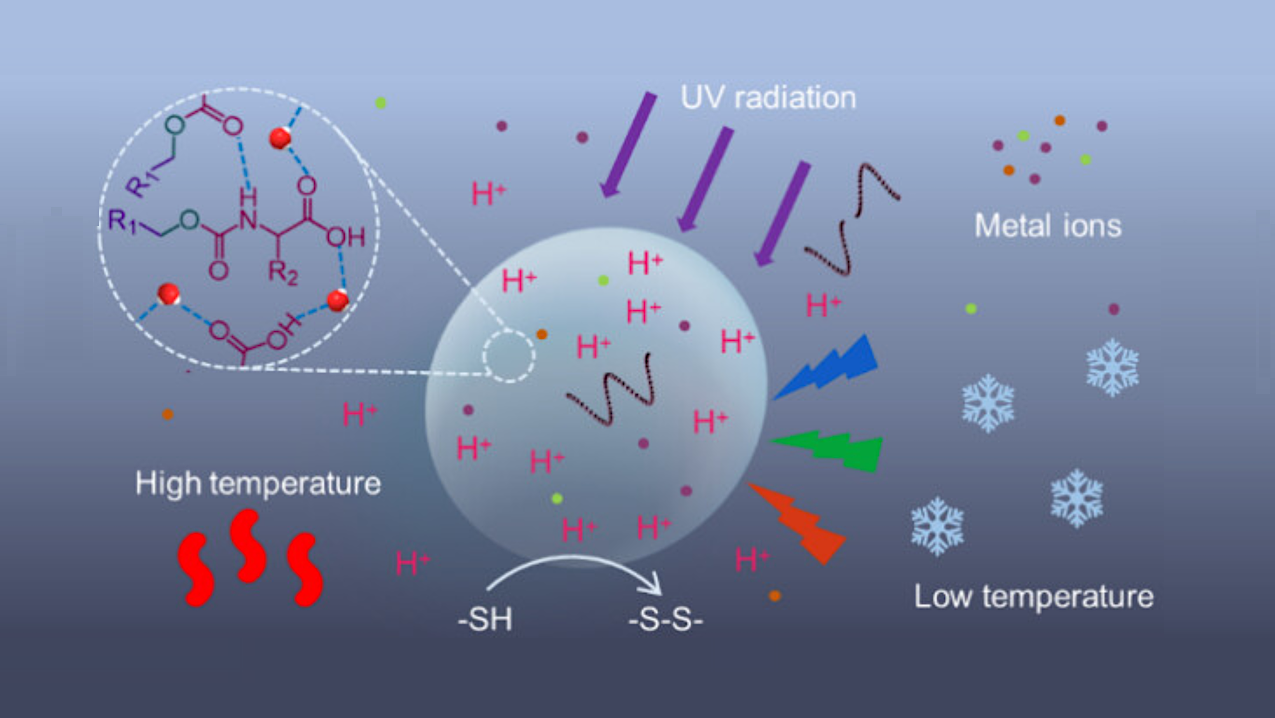
Graphical Abstract — Journal of the American Chemical Society Protocells capable of nonenzymatic metabolism and environmental adaptation are essential models for understanding the emergence of cellular life. However, existing protocell
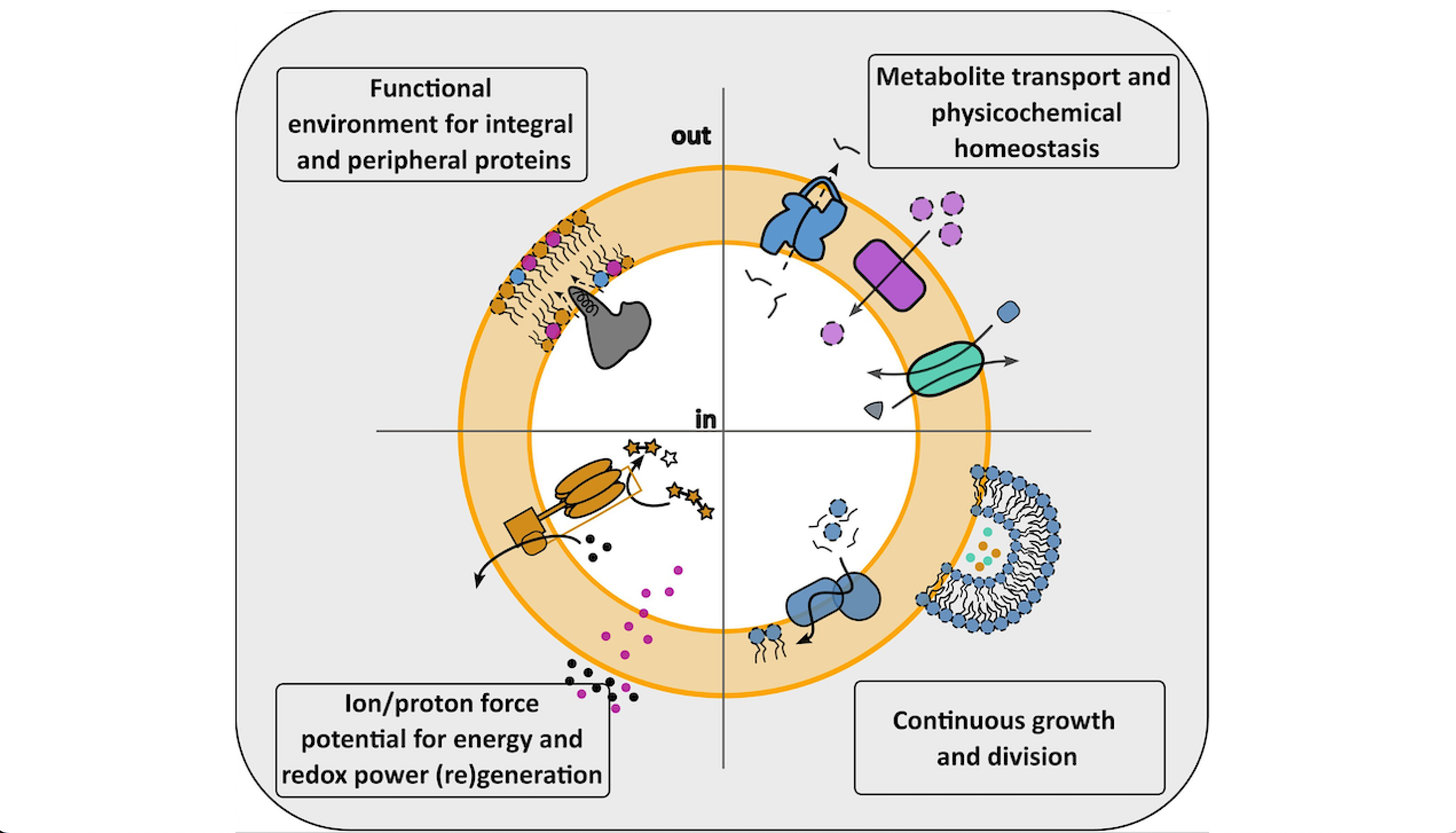
Schematic representation of key functions required for a synthetic minimal cell membrane. Integral and peripheral membrane proteins require a functional membrane environment that supports their structural integrity and enzymatic activity.
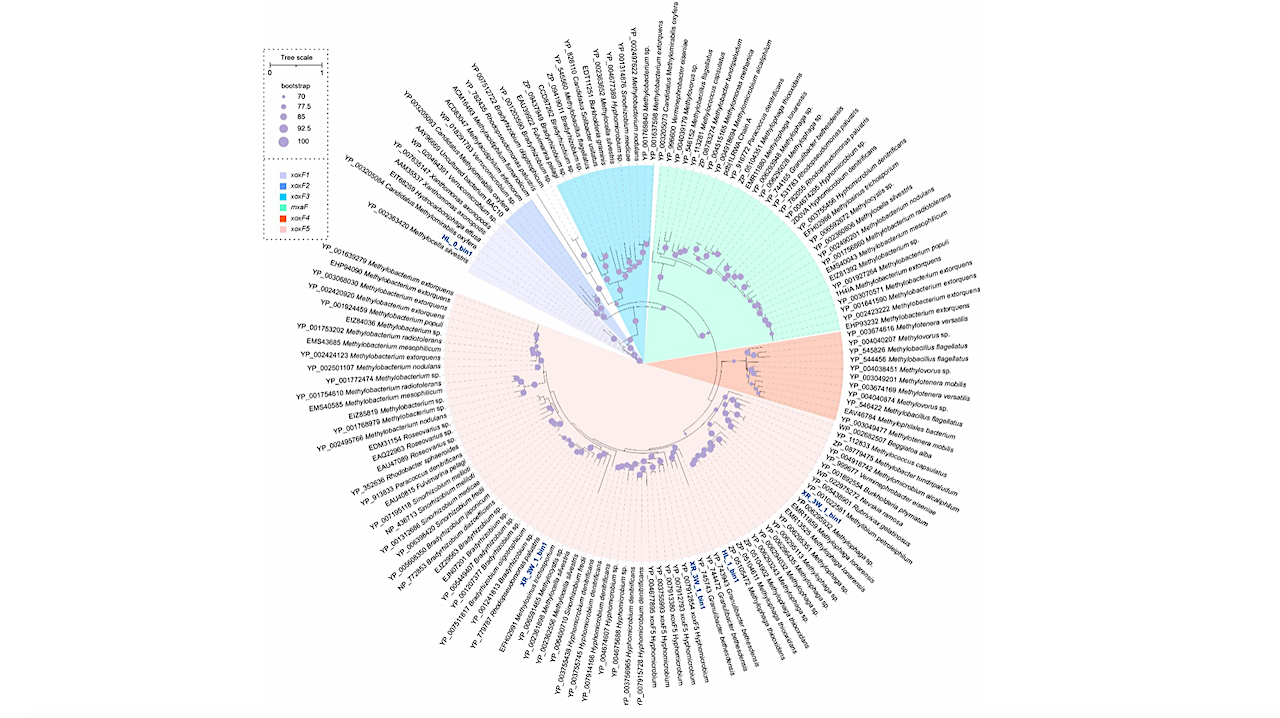
The phylogenetic tree showed the amino acid of xoxF and mxaF genes in MAGs from lava tubes, Haikou City, Hainan Province. The blue words indicated the acquired MAGs in this
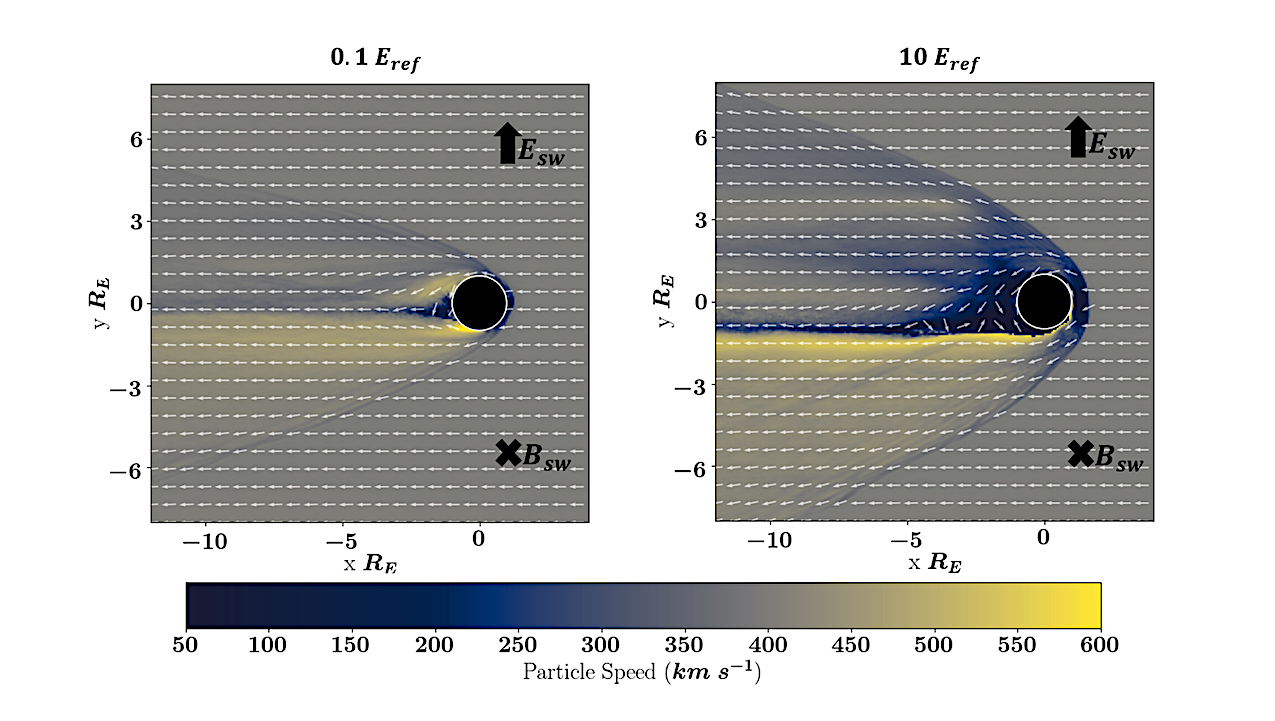
Snapshots in the xy plane from the 0.1Eref (left) and 10Eref (right) simulation runs. Each snapshot is taken from the end of the run when steady-state has been achieved. The

Michael Thelen of JPL’s Exploration Systems Office discusses the newly inaugurated Rover Operations Center in JPL’s historic Space Flight Operations Facility on Dec. 10. Credit: NASA/JPL-Caltech NASA’s Jet Propulsion Laboratory
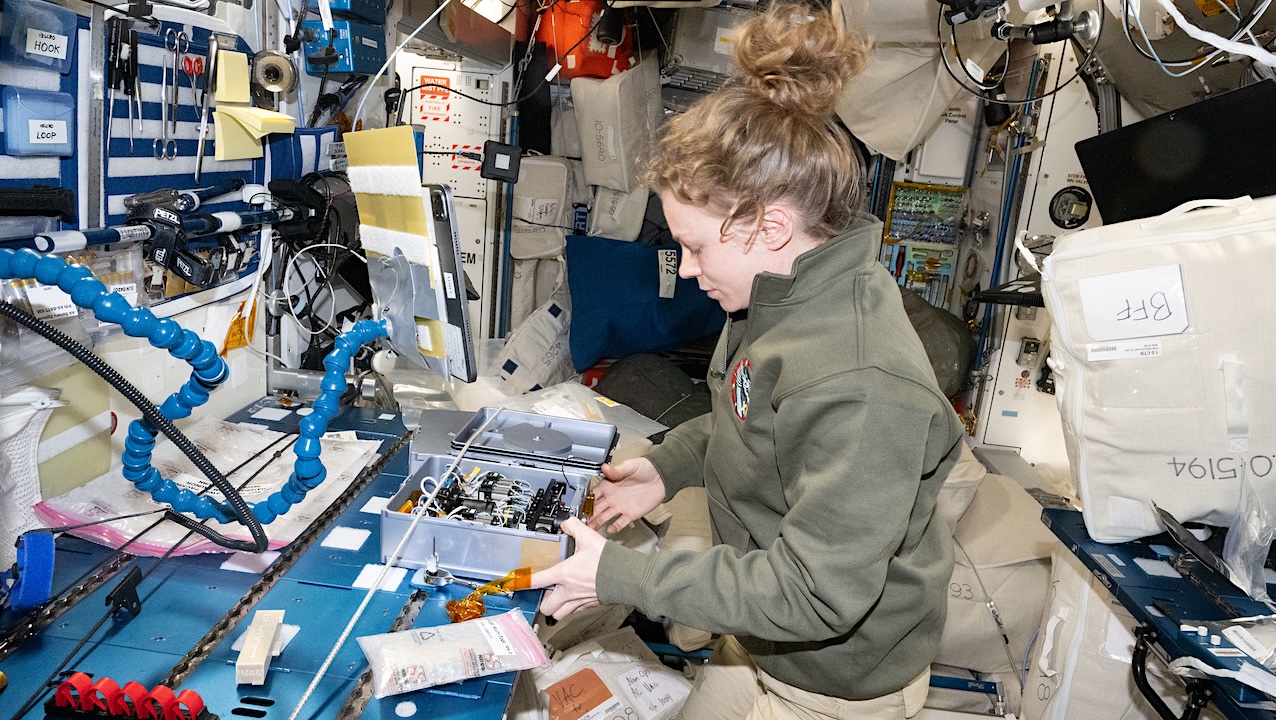
NASA astronaut and Expedition 73 Flight Engineer Zena Cardman inspects sample cassettes for installation into the Advanced Space Experiment Processor-4 (ADSEP-4) at the maintenance work area inside the International Space