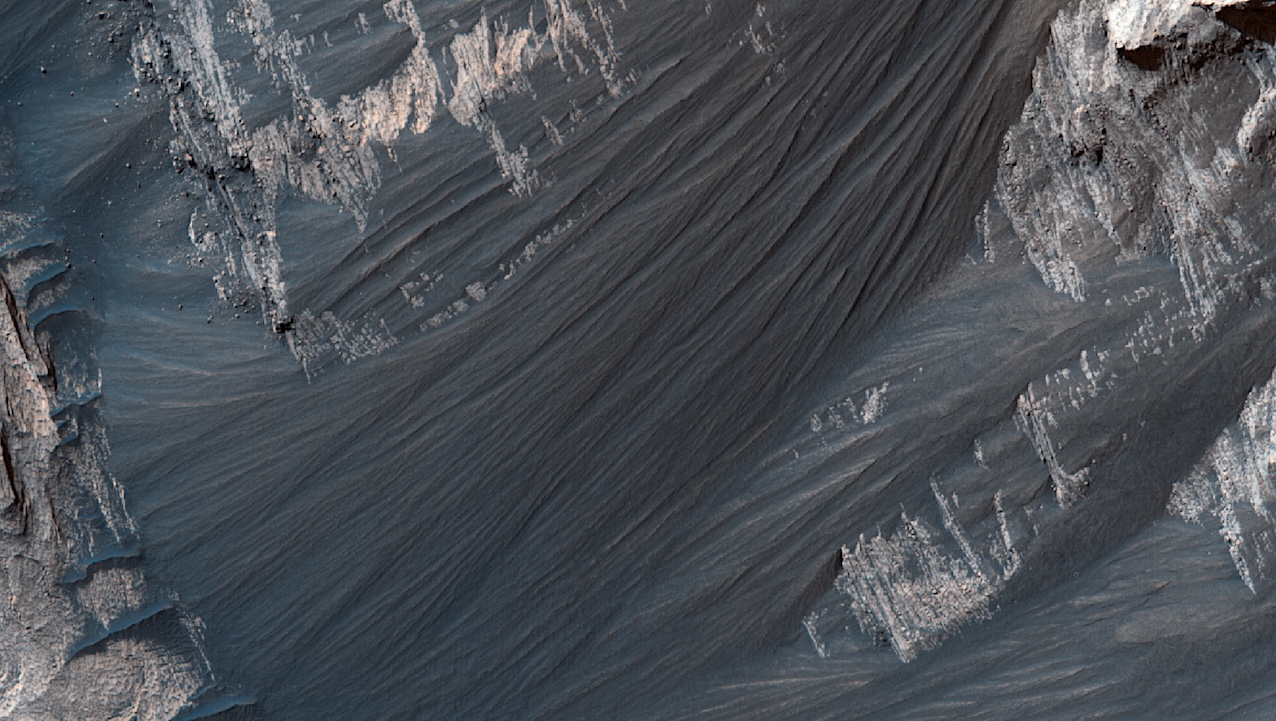
ID: ESP_044892_1695 date: 23 February 2016 altitude: 261 km larger image NASA/JPL-Caltech/University of Arizona Melas Chasma is the widest segment of Valles Marineris, the largest canyon in the Solar System.

ID: ESP_044892_1695 date: 23 February 2016 altitude: 261 km larger image NASA/JPL-Caltech/University of Arizona Melas Chasma is the widest segment of Valles Marineris, the largest canyon in the Solar System.
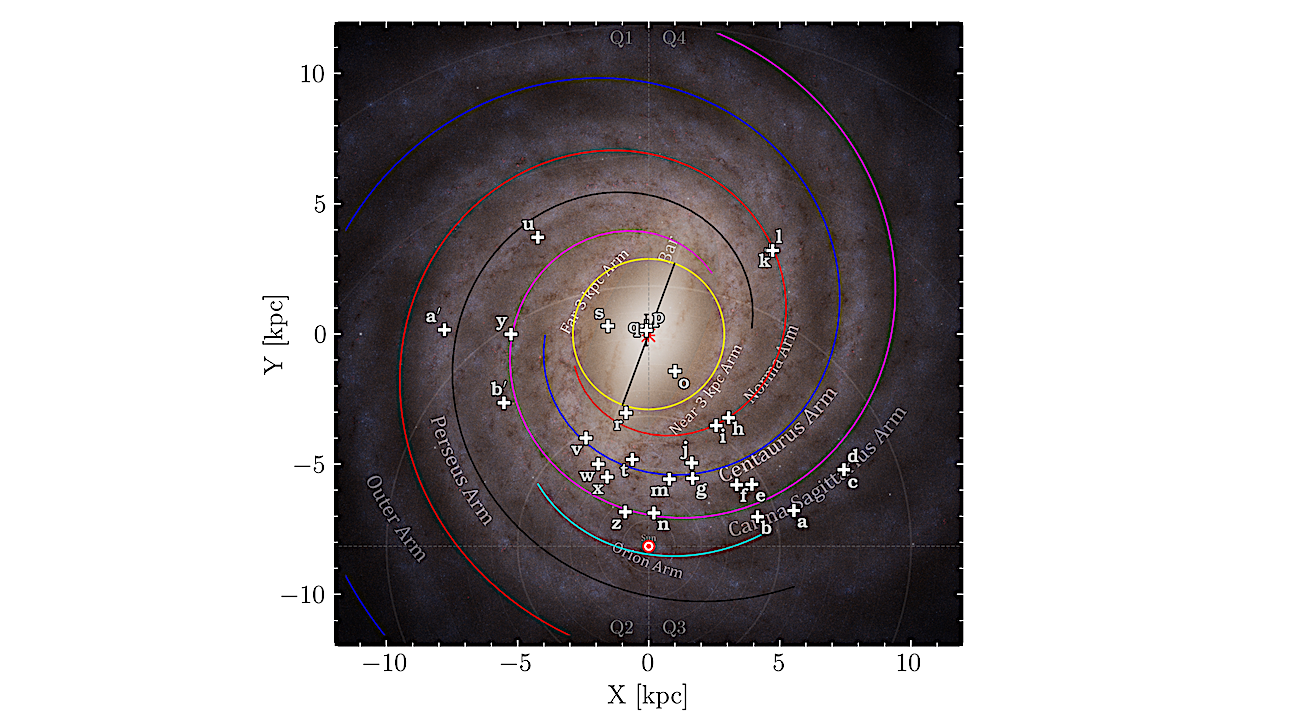
Distribution of the targets observed in this work across the Milky Way in white “+” symbols along with their identifiers, as listed in Table 1. The red asterisk and Sun
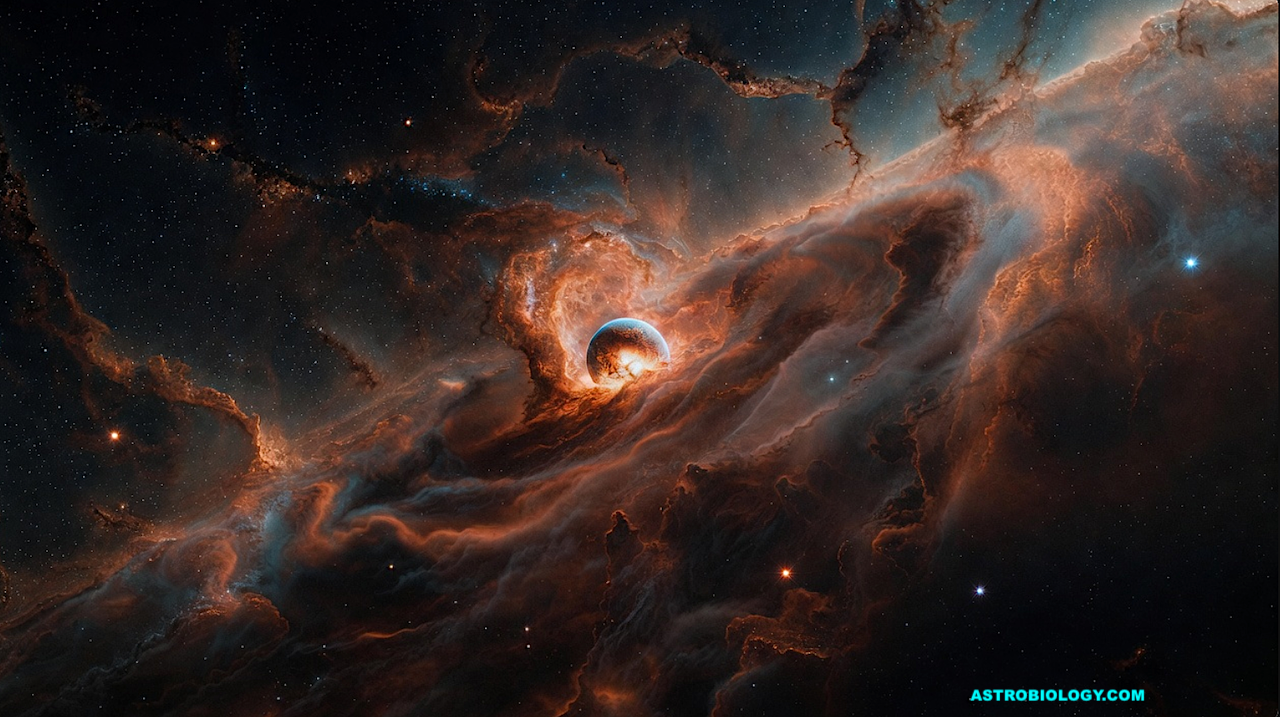
Planetary formation – Grok via Astrobiology.com Southwest Research Institute (SwRI) has created a new space science laboratory to enhance our understanding of the origins of planetary systems. SwRI’s Nebular Origins
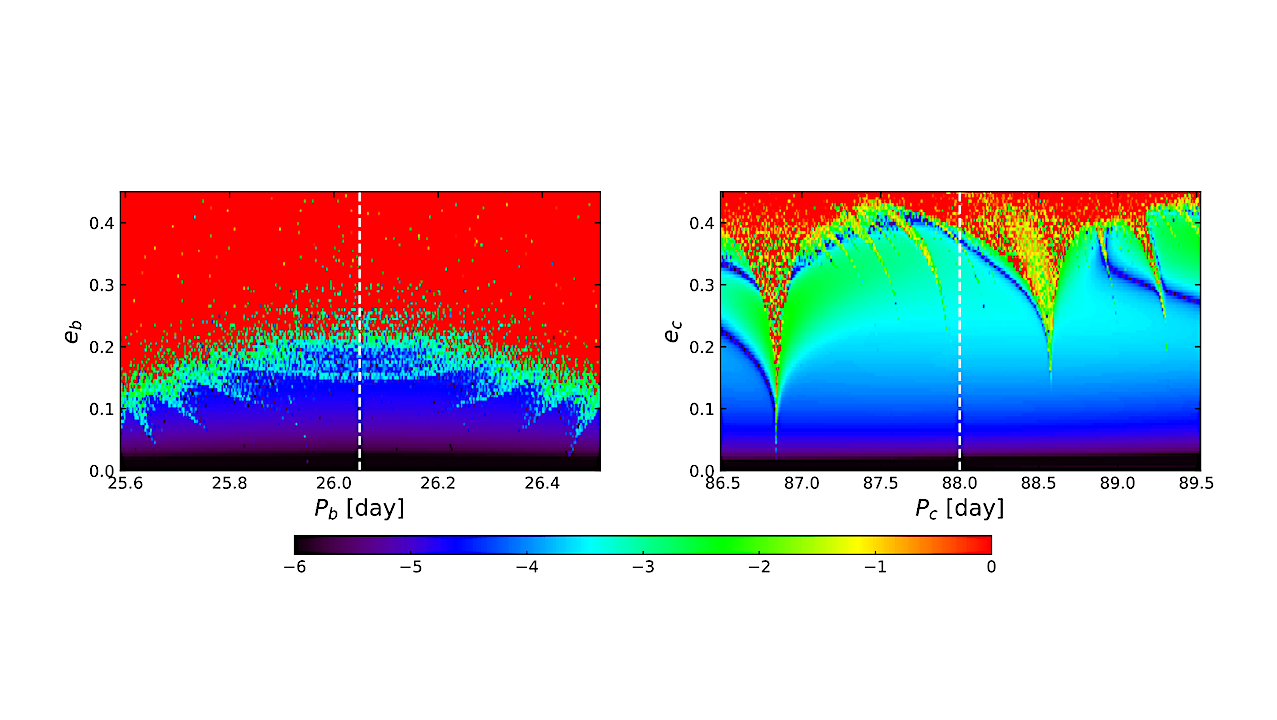
Stability analysis of the TOI-6041 system. The phase space of the system is explored by varying the orbital period Pi and eccentricity ei of each planet independently. For each initial
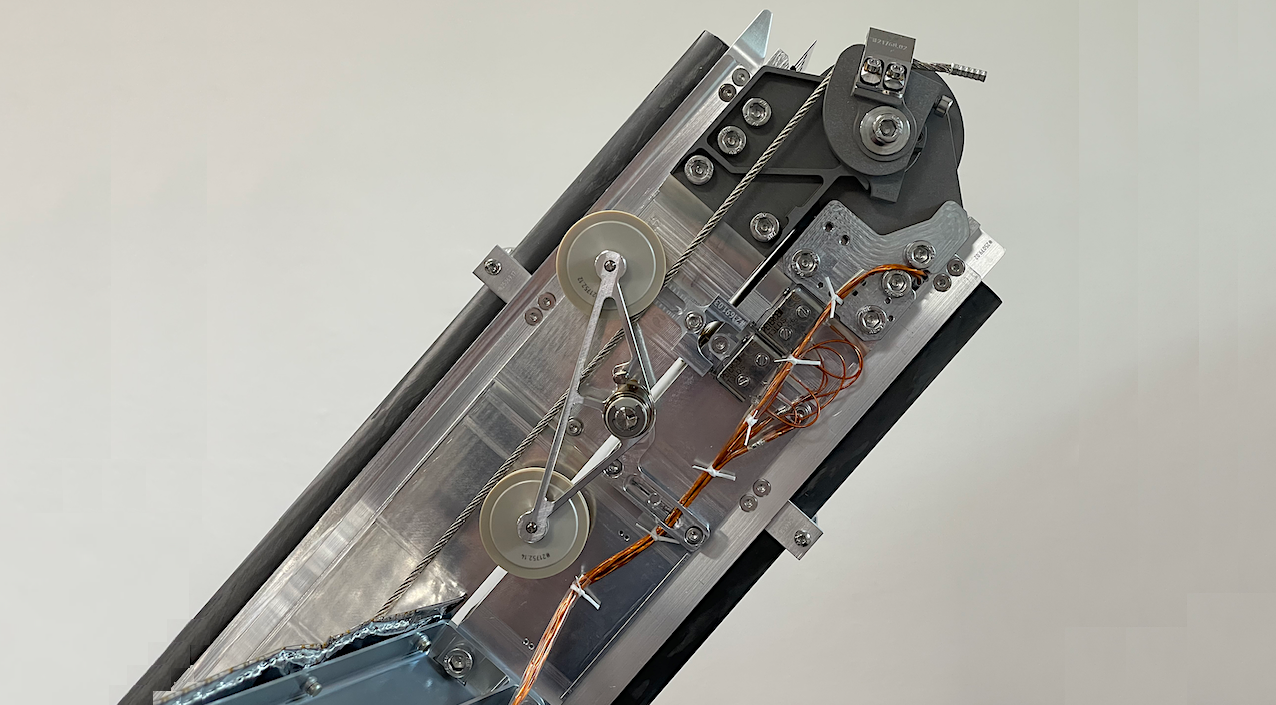
Unfolding the ramps that will guide the ExoMars Rosalind Franklin rover onto the martian surface requires a few engineering tricks. This close-up image of the hinge shows a part of
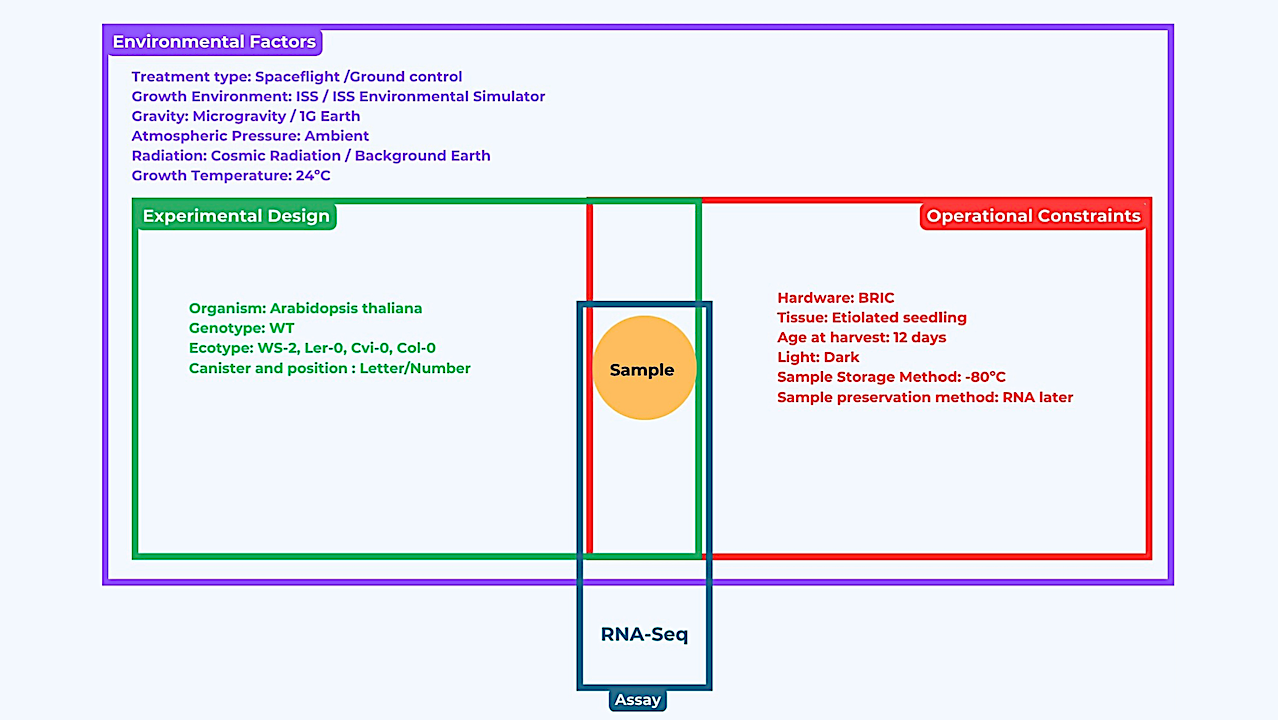
Representation of metadata factors grouped as environmental factors, operational constraints, experimental design, and assay type for dataset GLDS-37. We exclude the metadata categories that were not populated for this dataset.
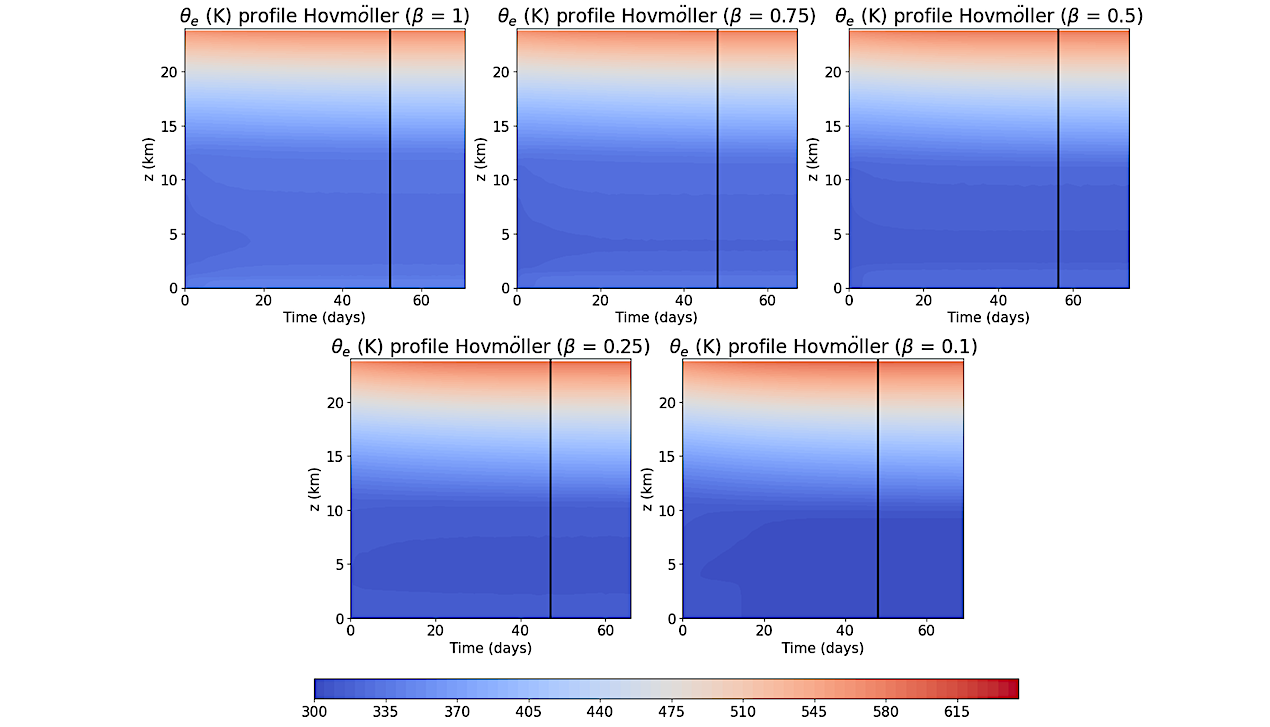
Homöller plots of the time- and horizontal-mean vertical profiles of equivalent potential temperature (colors) in each constant-𝛽 simulation. Values from within the model sponge layer are not shown. The black
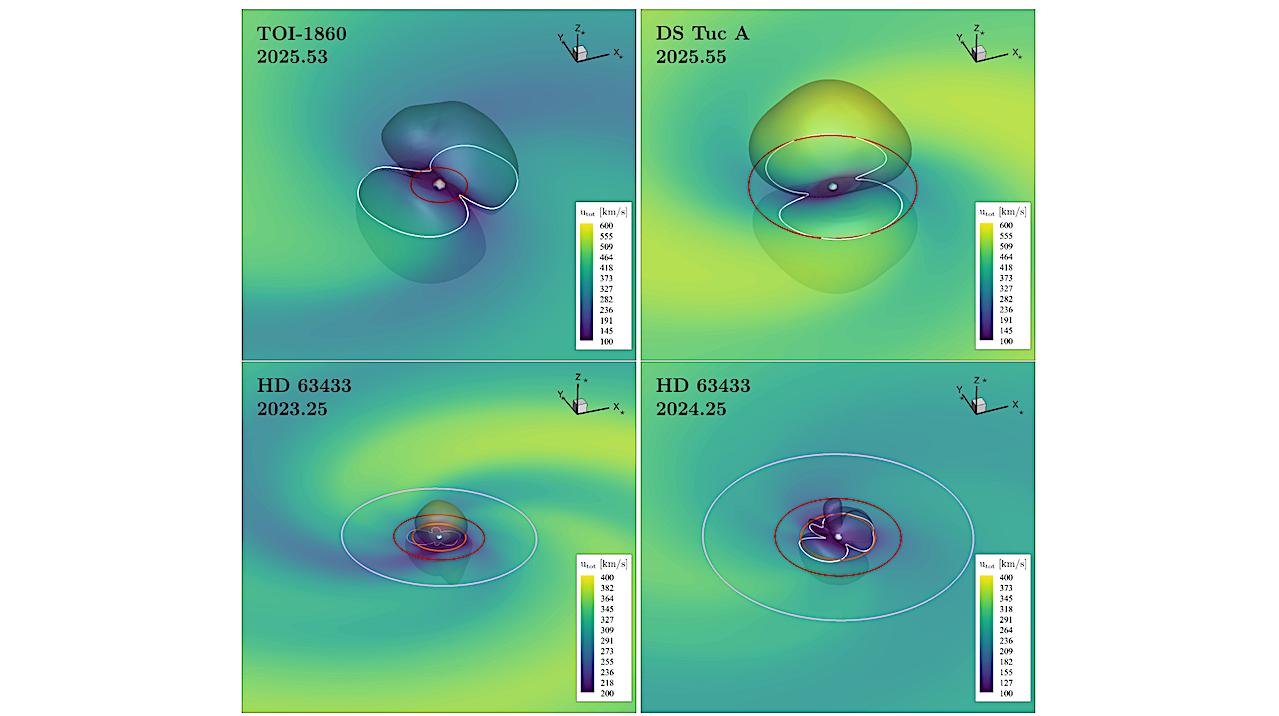
Simulated stellar wind of TOI-1860, DS Tuc A, and HD 63433 in the x⋆ −y⋆ plane. The rotation axis lies along the positive z⋆. The Alfvén surface is shown as
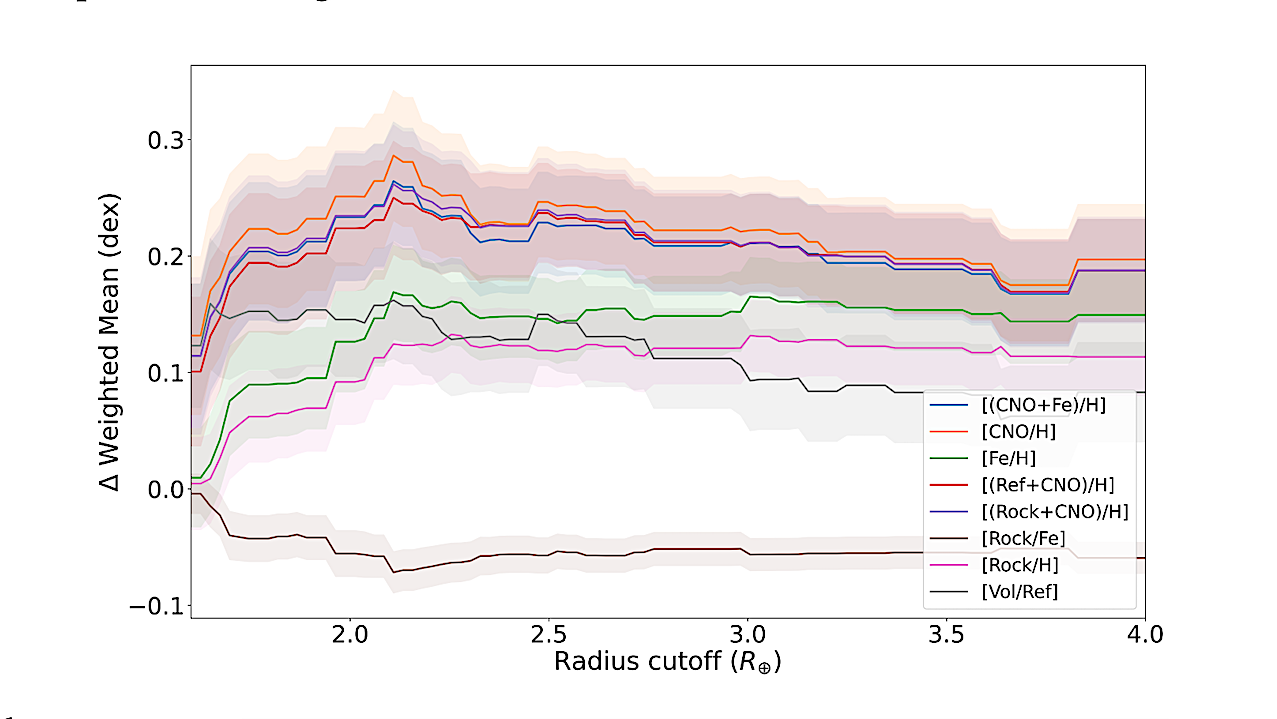
Weighted mean abundance differences (large–small planet hosts) as a function of the chosen radius cutoff. Colored curves trace the various composite indices, with shaded bands showing uncertainties. The apparent volatile
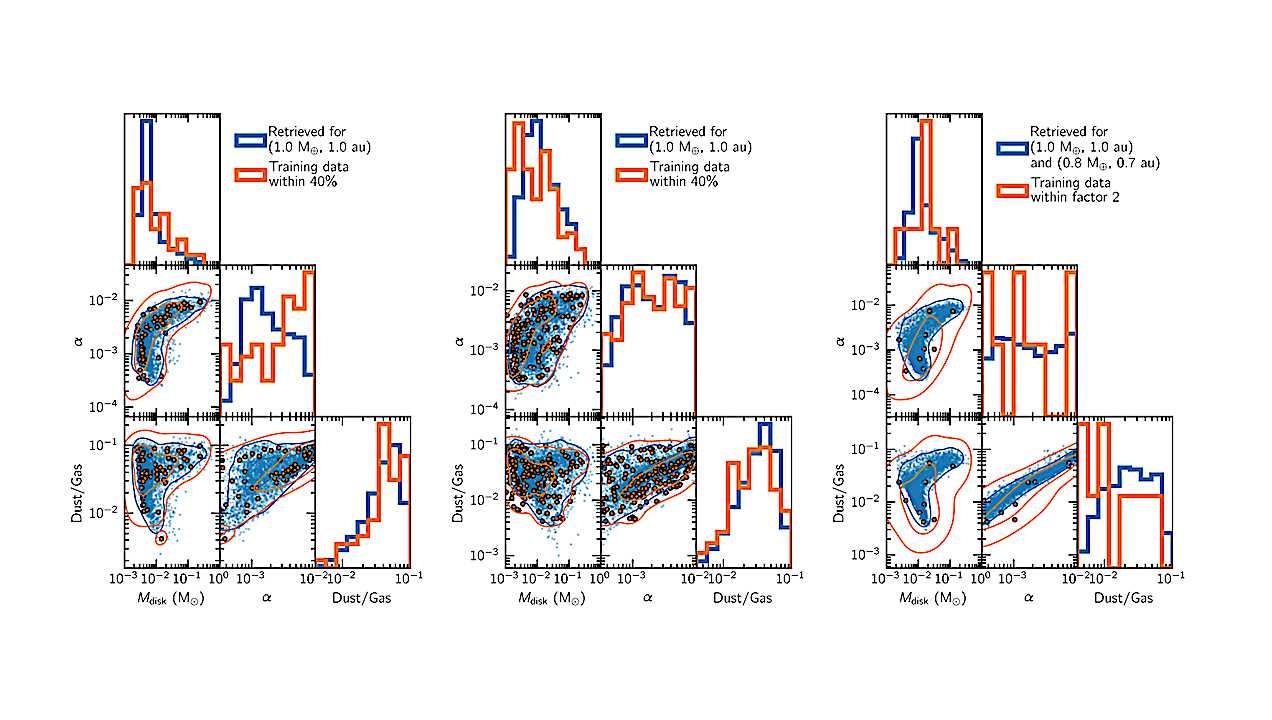
Retrieved and training disk parameters for Earth-analogues. Left: single-planet per disk; Center: nominal, Right: two-planet systems. Training data is shown if both the planet mass and semi-major axis lies within