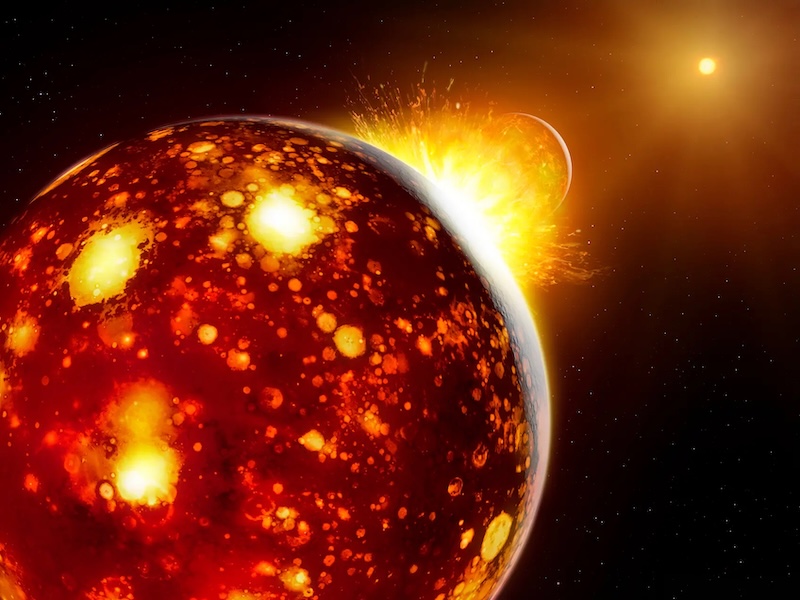
View larger. | Theia and Earth collided about 4.5 billion years ago, as depicted in this artist’s concept. The moon then formed out of the chaos. Image via Max Planck

View larger. | Theia and Earth collided about 4.5 billion years ago, as depicted in this artist’s concept. The moon then formed out of the chaos. Image via Max Planck
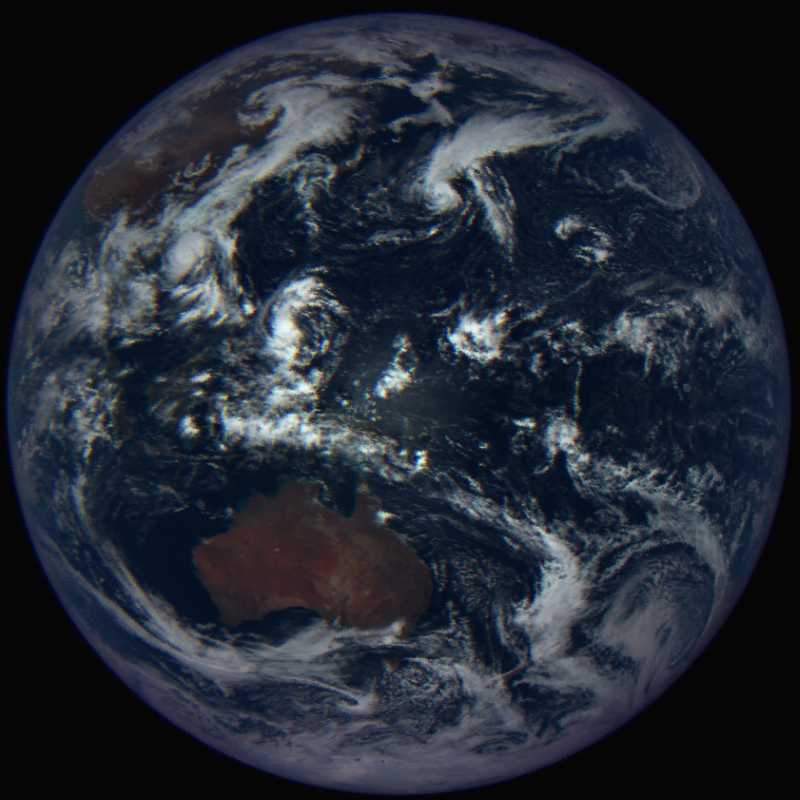
https://earthsky.org/upl/2024/01/ezgif.com-gif-to-webm-converter.webm NASA’s OSIRIS-APEX spacecraft captured this view of Earth as it soared some 2,100 miles (3,400 kilometers) above our planet’s surface on September 23, 2025. For comparison, satellites in low
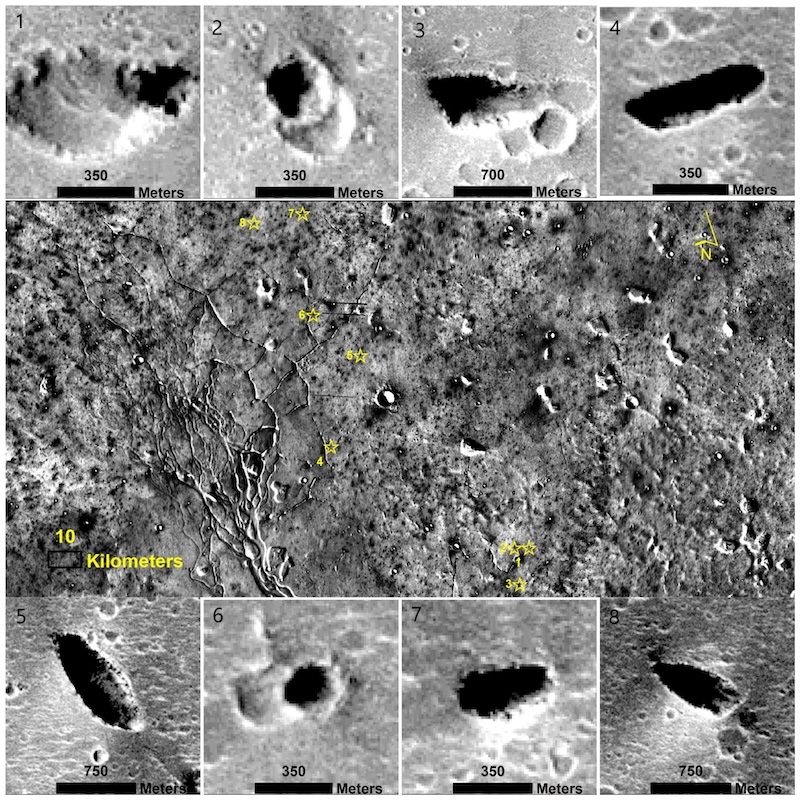
View larger. | The 8 potential water-carved caves on Mars – called karst caves – are in the martian Hebrus Valles. They’re mapped here in relation to pit lines, outflow
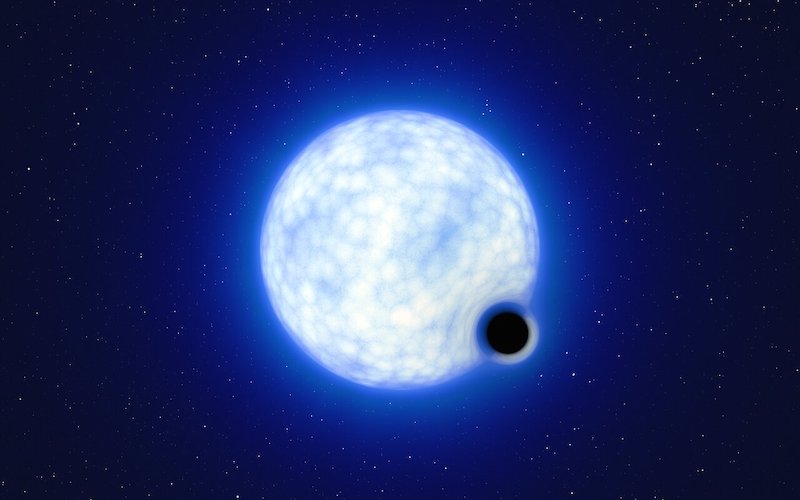
View larger. | Artist’s concept of a black hole system containing a dormant black hole orbiting a massive companion star. A researcher at Vanderbilt University examined what would happen to
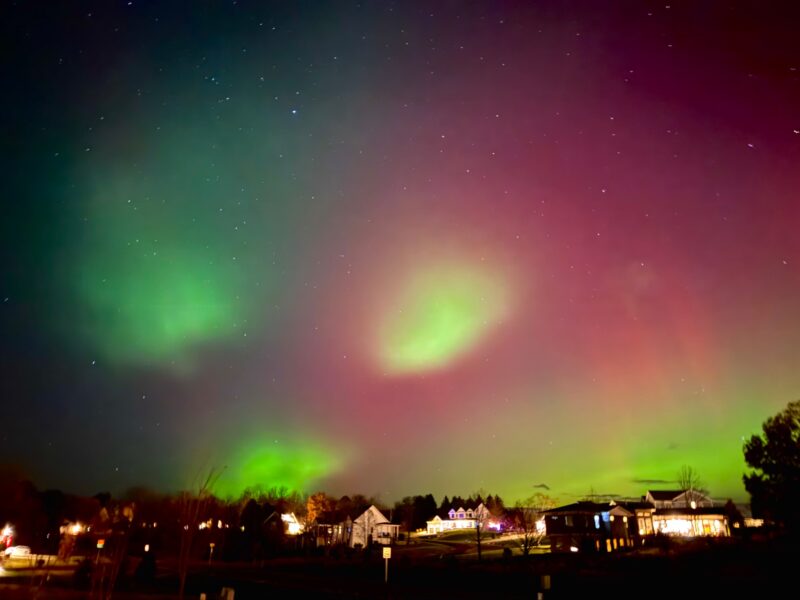
View at EarthSky Community Photos. | These green aurora blobs in front of the more distant red and green forms are proton auroras. The images on this page of the
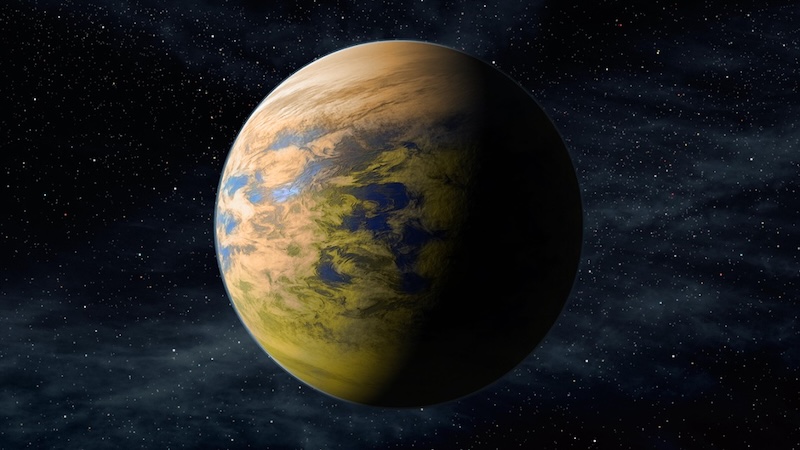
View larger. | Artist’s concept of a rocky planet like Earth with colorful microbes in its clouds. The microorganisms have biopigments similar to ones on Earth. New research shows that
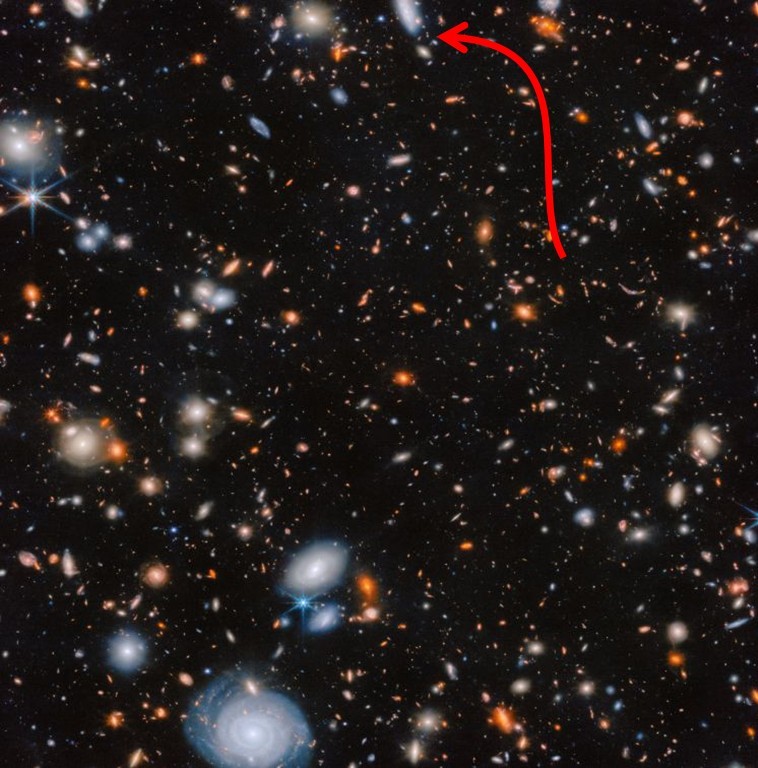
The James Webb Space Telescope captured this image of galaxies floating through space. At top is a Little Red Dot, indicated by the arrow. (See closeup below.) It’s an extremely

Edwin Hubble as a young man. It was then that he said, “If only I could find some principle for whose sake I could leave everything else and devote my
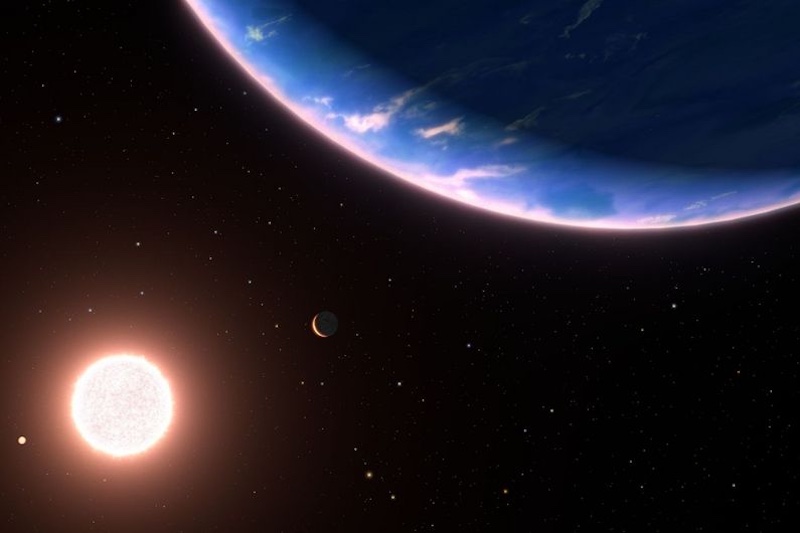
Artist’s concept of exoplanet GJ 9827 d. It might be a steam world, with lots of water vapor in its atmosphere. Astronomers say exoplanet atmospheres are a key to whether
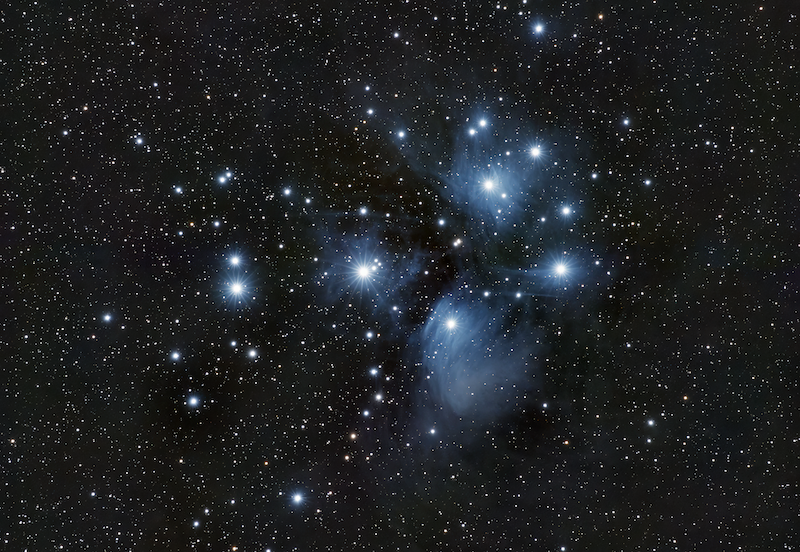
The Pleiades star cluster, a favorite of stargazers, is actually part of a group that has more than 3,000 stars. Image via Shireen Gonzaga. Your support = more science, more