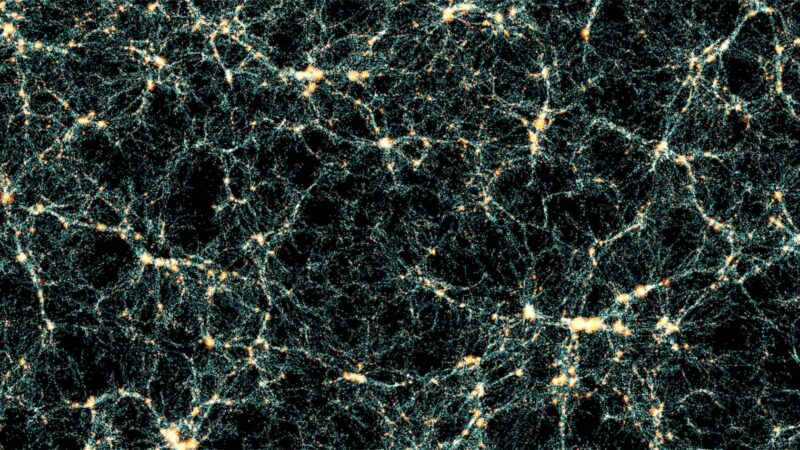
Here’s an image from a brand-new simulation of our universe. It’s the largest universe simulation ever created. Blue dots mark galaxies at the centers of dark matter clumps, while red

Here’s an image from a brand-new simulation of our universe. It’s the largest universe simulation ever created. Blue dots mark galaxies at the centers of dark matter clumps, while red
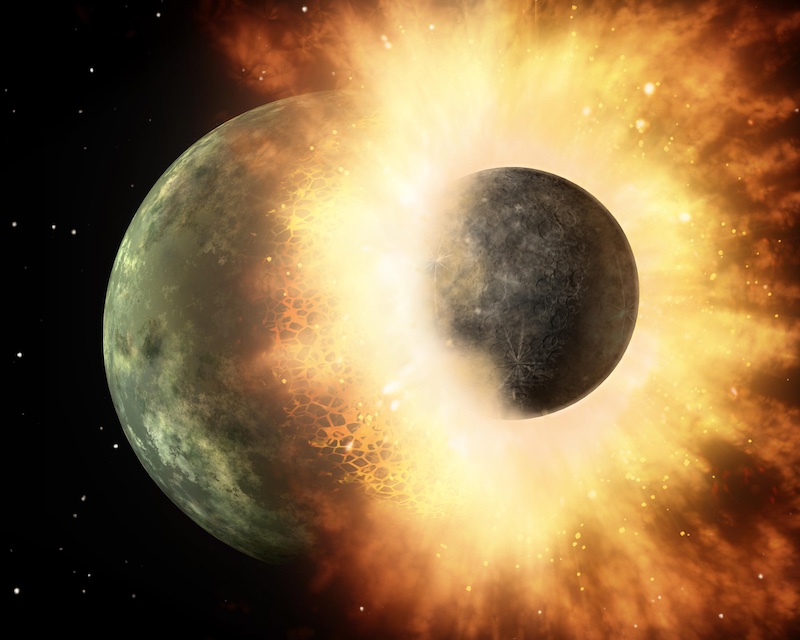
View larger. | Artist’s concept of a collision between 2 rocky bodies in the early solar system. A new study suggests that such a collision created Mercury, although with more
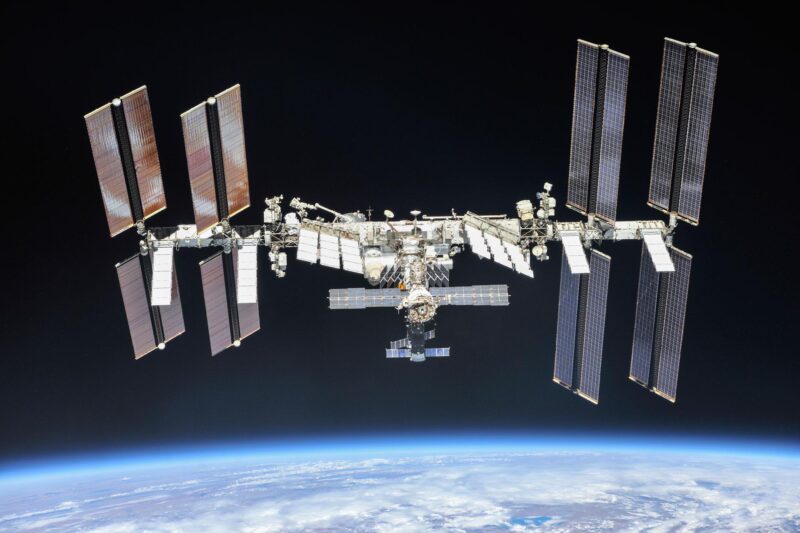
NASA has said the International Space Station will cease operations at the end of 2030. What will replace it? Image via NASA/ Roscosmos. The International Space Station (ISS) has been
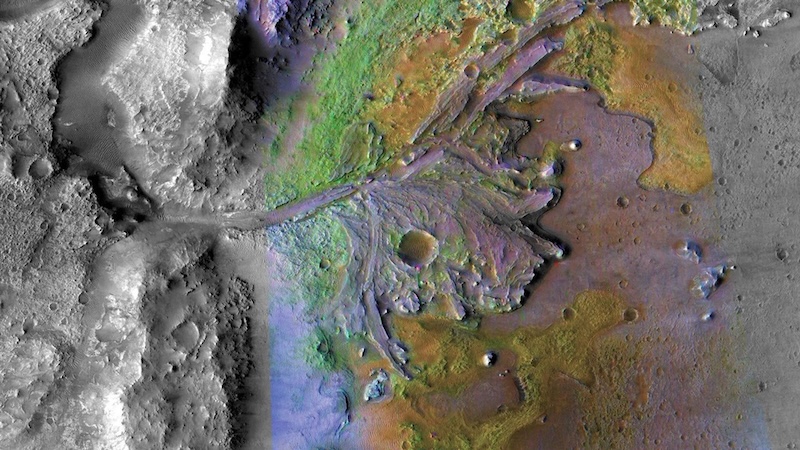
View larger. | Enhanced color image from Mars Reconnaissance Orbiter showing part of Jezero crater. In the middle of this image is an ancient delta formed by a river billions
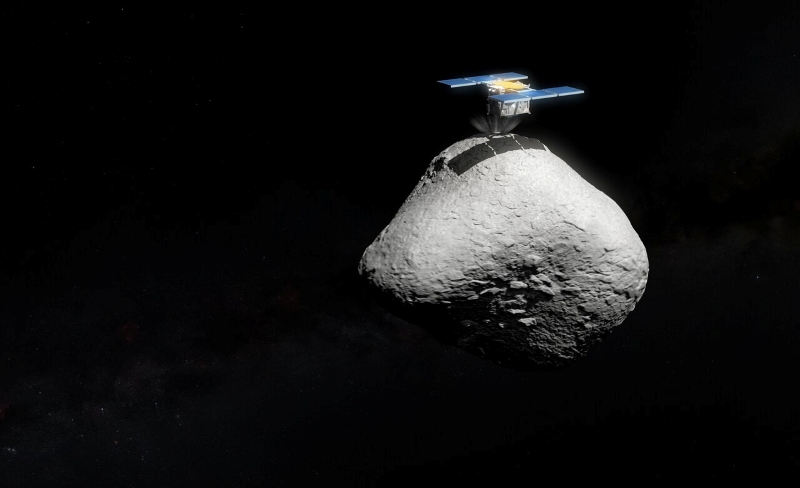
Artist’s impression of the Hayabusa2 spacecraft touching down on asteroid 1998 KY26. A new study reveals this asteroid is smaller and spinning much faster than once thought. Image via ESO/
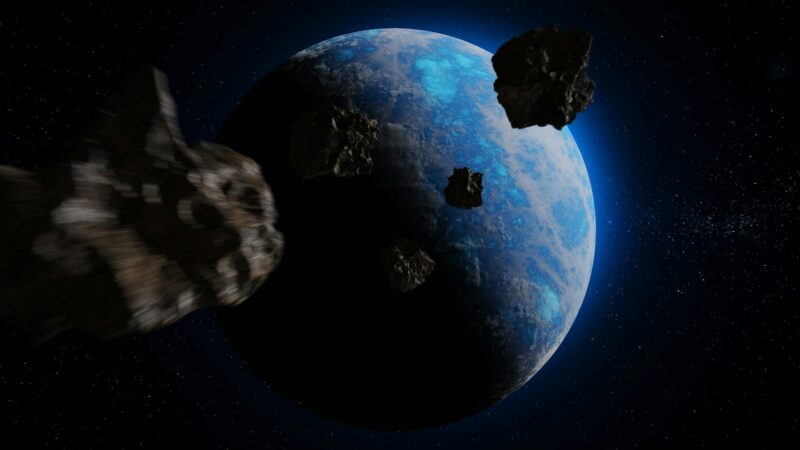
Scientists said on September 20, 2025, that they found evidence an asteroid struck the North Sea some 43 million years ago. As a result, the asteroid impact would have resulted
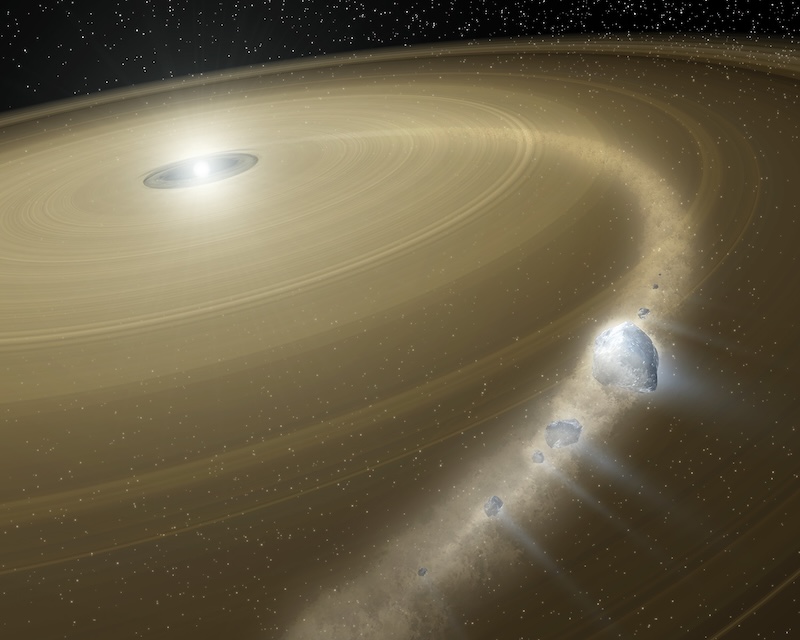
View larger. | Artist’s concept of the white dwarf star WD 1647+375 surrounded by a disk of rocky and dusty debris. This hungry white dwarf is tearing apart and consuming
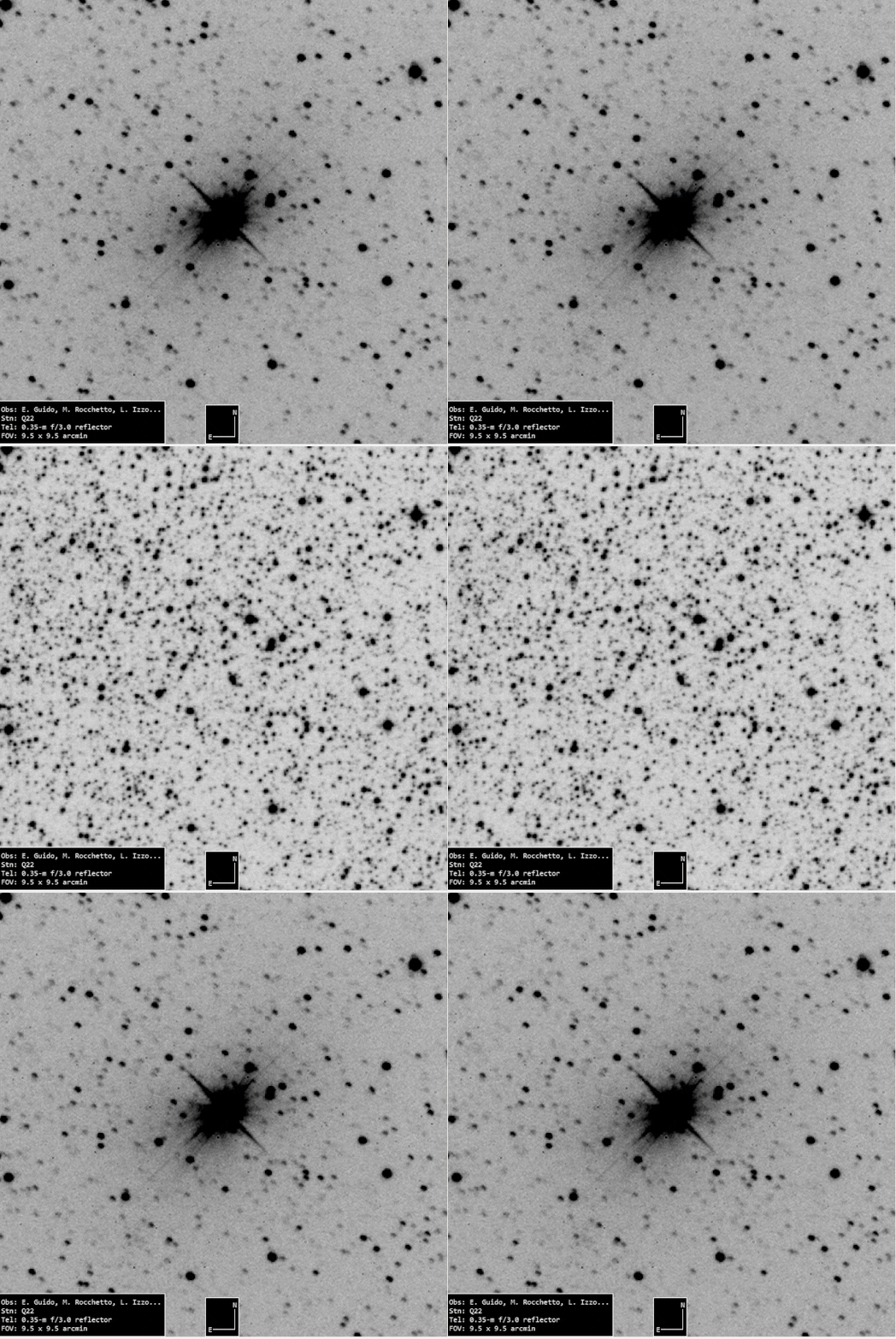
BOOM! A possible new nova has appeared in the southern constellation of Centaurus the Centaur. This animation shows the before and after of this region of sky. It’s courtesy of
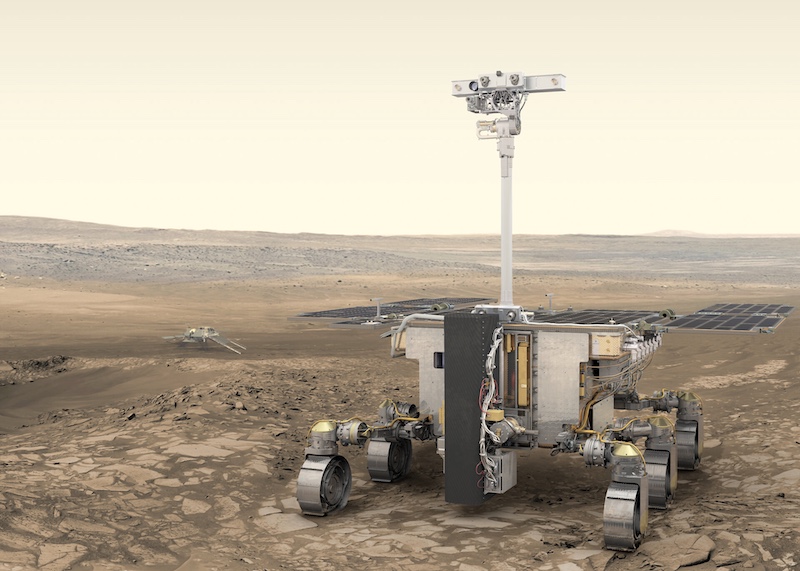
View larger. | Artist’s illustration of the Rosalind Franklin rover. It will launch in 2028 and search for evidence of ancient life in the Oxia Planum region on Mars. A

Astrophysicist and pianist Amir Siraj is lead author on the new work, suggesting an unseen Planet Y, hidden in the far reaches of our solar system. He is currently studying