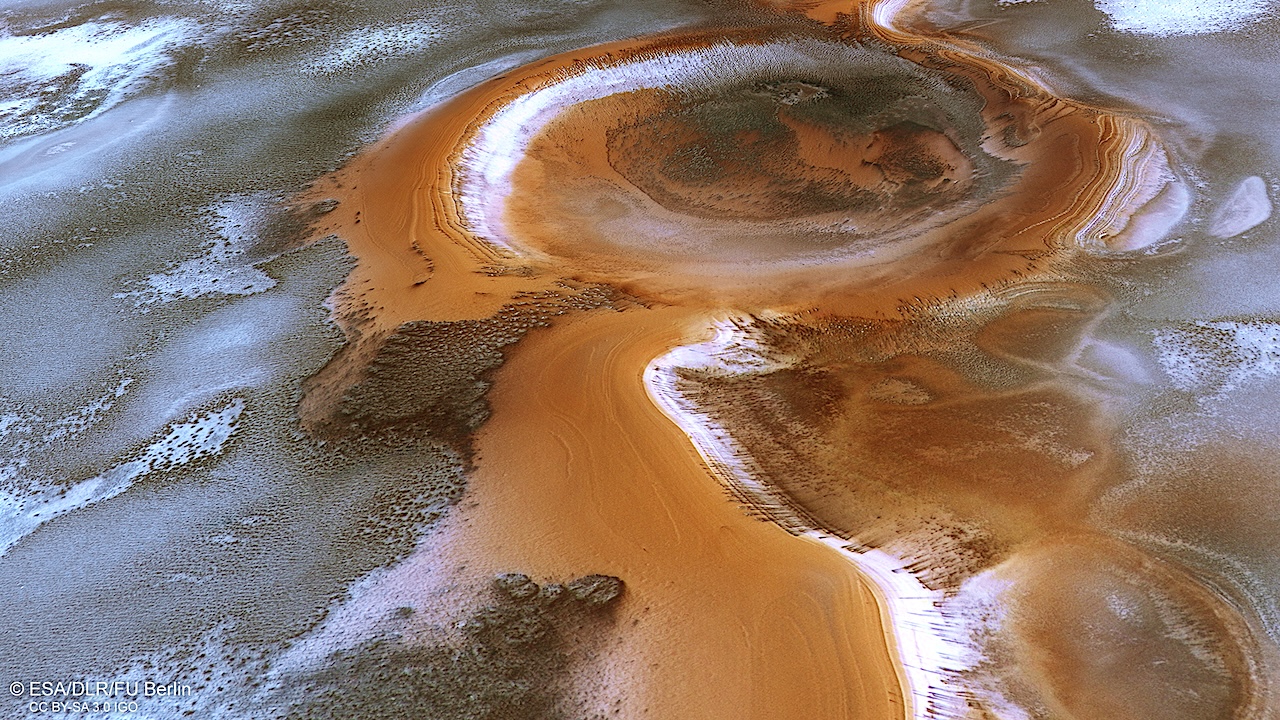
This sweeping view along a rusty red ridge and into a crater showcases the exquisite beauty of icy, layered terrain in the south polar region on Mars. Larger image —

This sweeping view along a rusty red ridge and into a crater showcases the exquisite beauty of icy, layered terrain in the south polar region on Mars. Larger image —
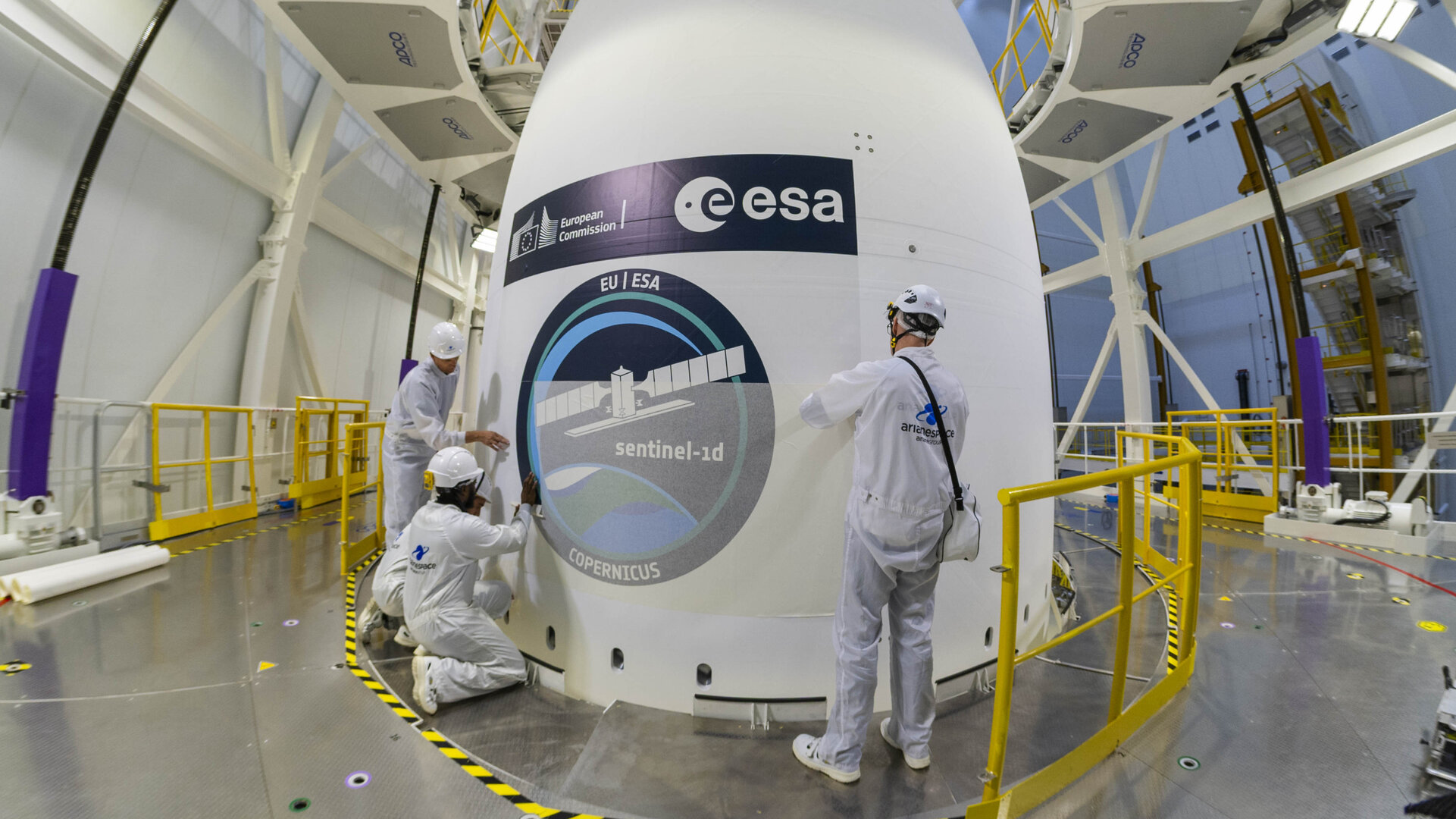
Follow the online briefing on the launch scheduled for 4 November 2025. The Copernicus Sentinel-1 mission delivers radar images of Earth’s surface. It is vital for disaster response teams, environmental
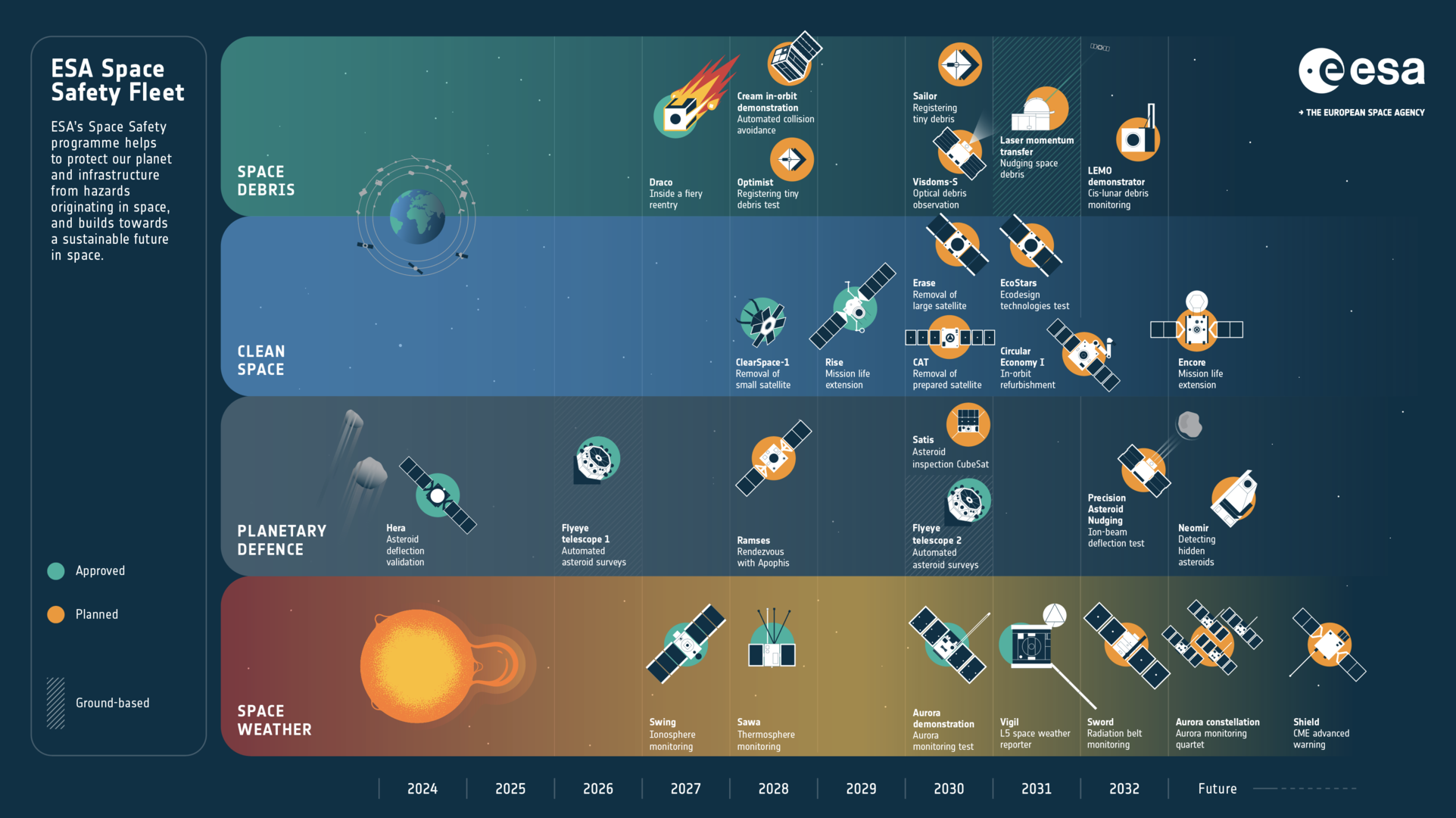
Hazards originating in space carry the risk of sudden disaster and potentially derailing everyday life, from natural threats like asteroids and solar storms to the human-made one of space debris.
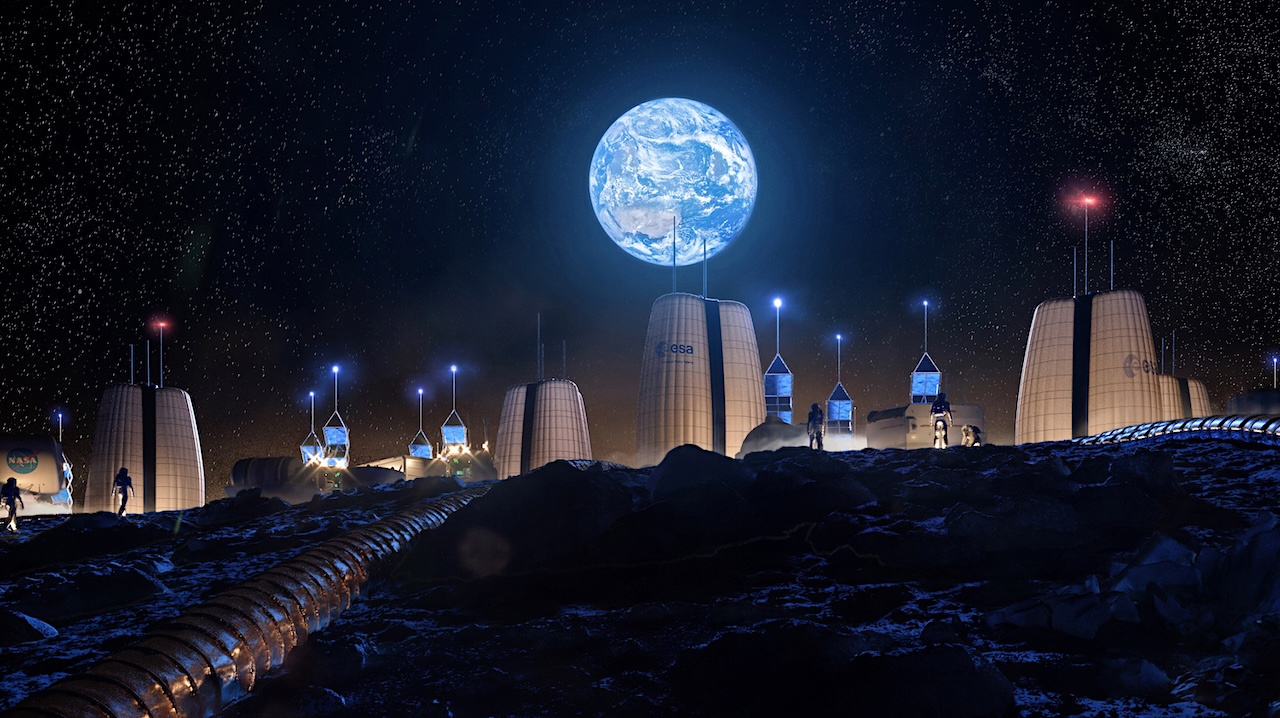
Future Human Habitat On the Moon Growing Plants — ESA To stay long-term on the Moon humans will need to produce food there. Is it possible to grow plants in
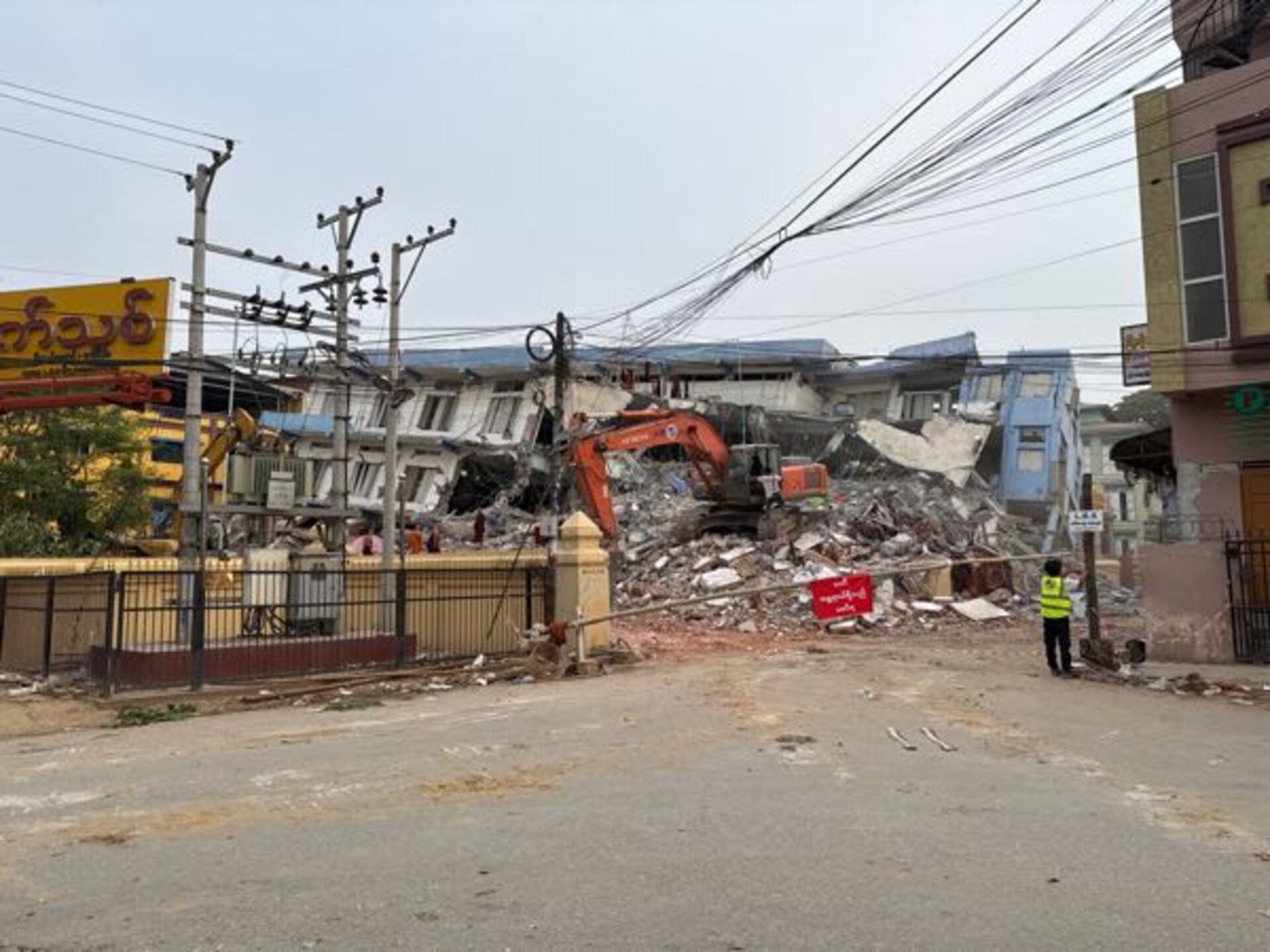
Applications 29/10/2025 194 views 7 likes Four teams from different countries have been recognised for their breakthrough work in using artificial intelligence to detect earthquake damage from space, marking the

HUNTSVILLE, Ala. — The European Space Agency has provided more details about the multi-pronged security program it is seeking more than one billion euros for at its upcoming ministerial conference.
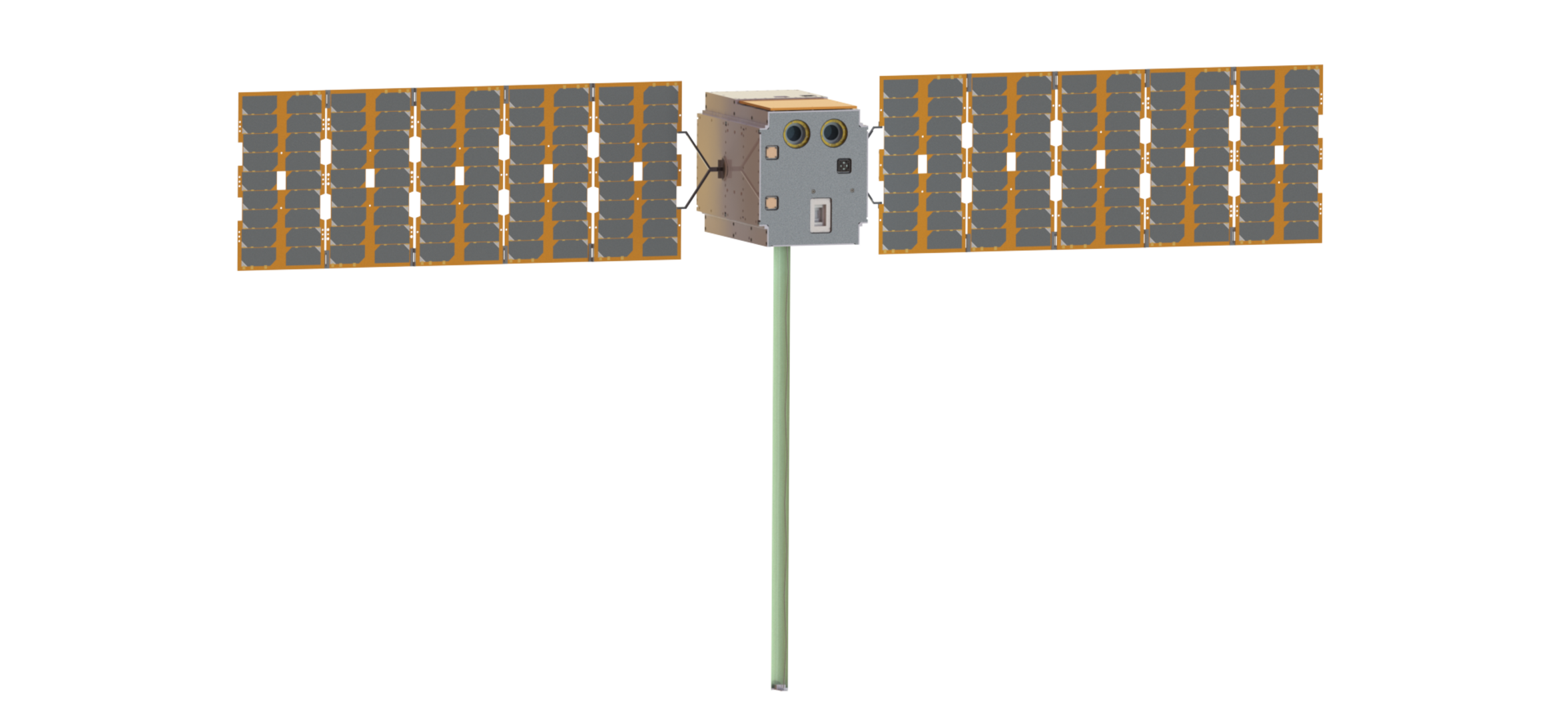
Enabling & Support 29/10/2025 352 views 8 likes The European Space Agency’s upcoming Henon mission will be the first ever CubeSat to independently venture into deep space, communicate with Earth
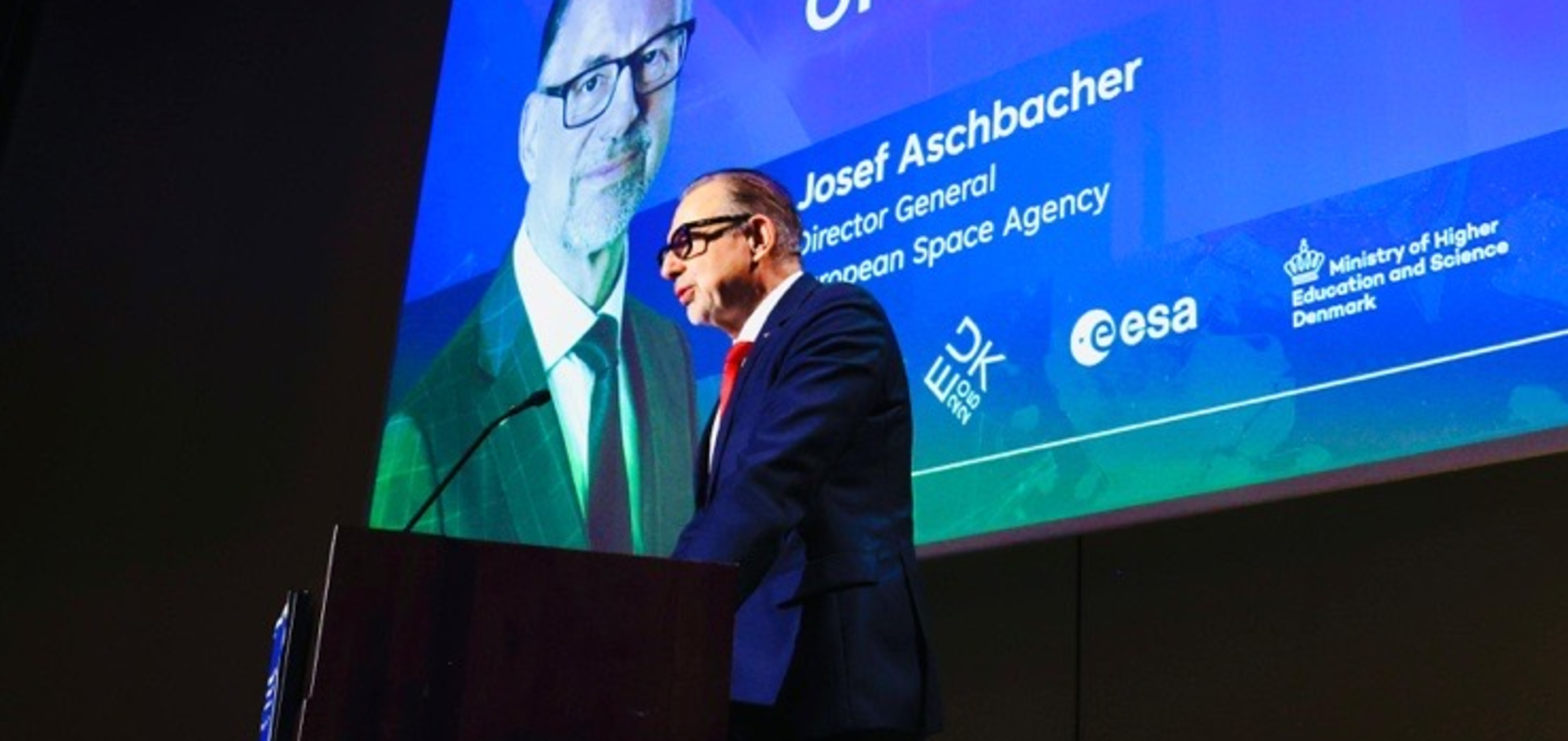
Agency 28/10/2025 320 views 3 likes The role of space for security was presented at a high-level event in Brussels on Tuesday. European Commissioner for Defence and Space Andrius Kubilius
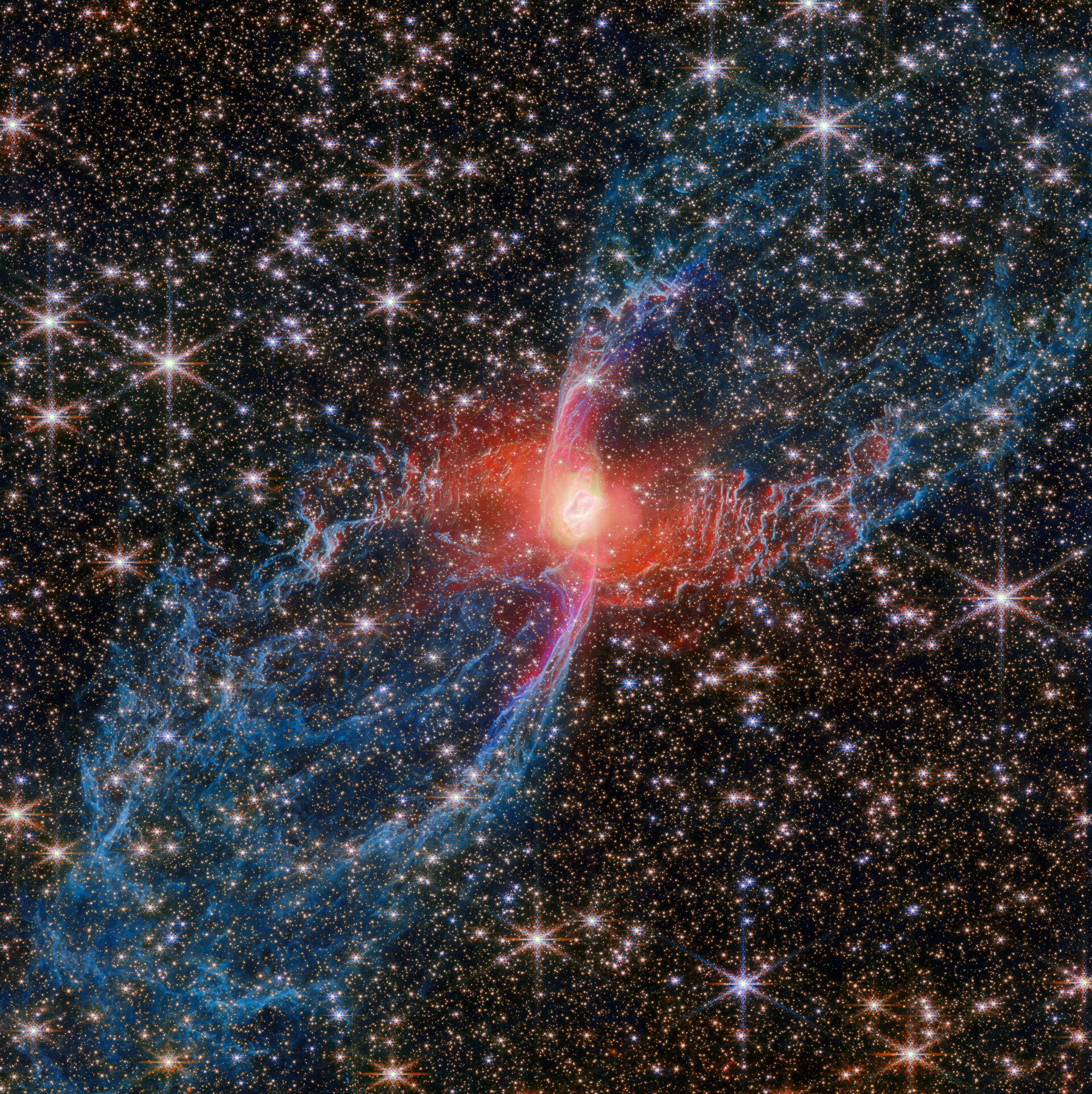
This new NASA/ESA/CSA James Webb Space Telescope Picture of the Month features a cosmic creepy-crawly called NGC 6537 – the Red Spider Nebula. Using its Near-InfraRed Camera (NIRCam), Webb has revealed never-before-seen details in this
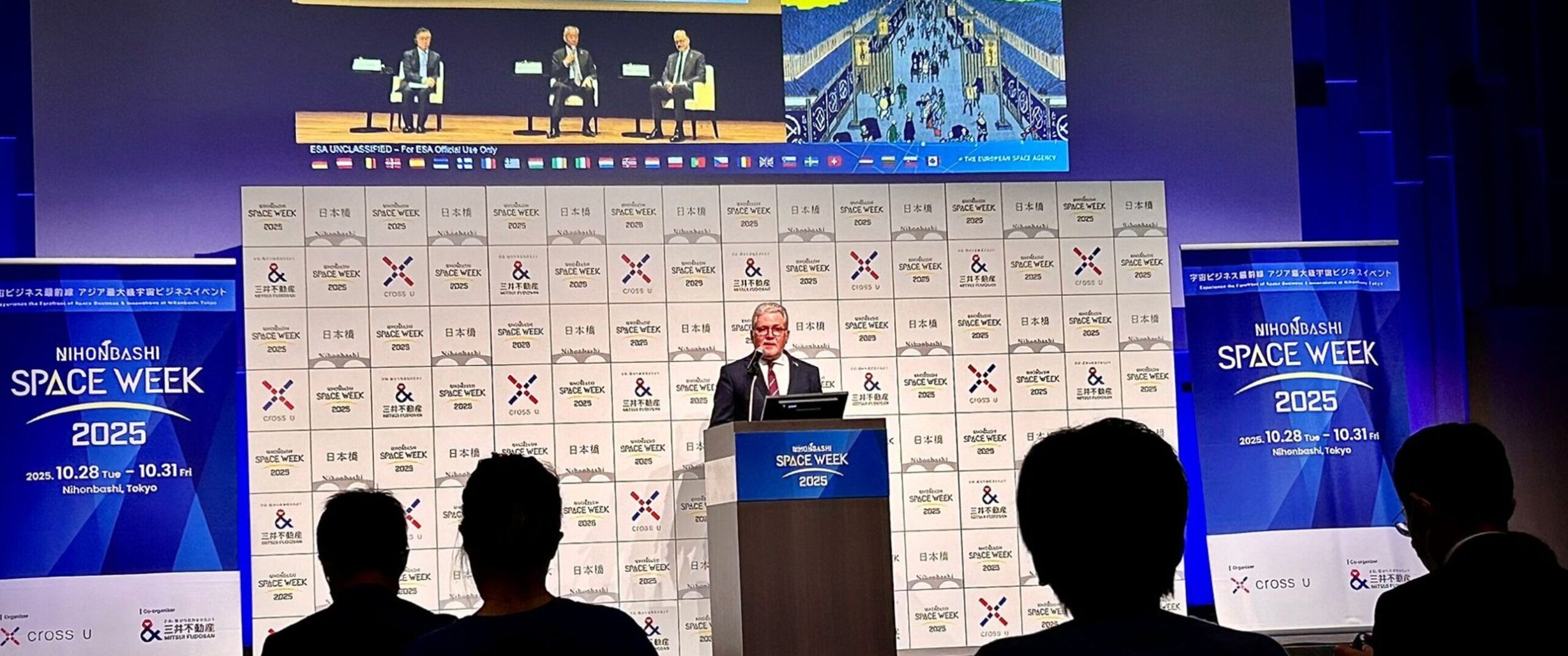
Agency 28/10/2025 78 views 1 likes The European Space Agency has announced it is establishing a new presence in Tokyo, Japan, its first in Asia. ESA will now have a