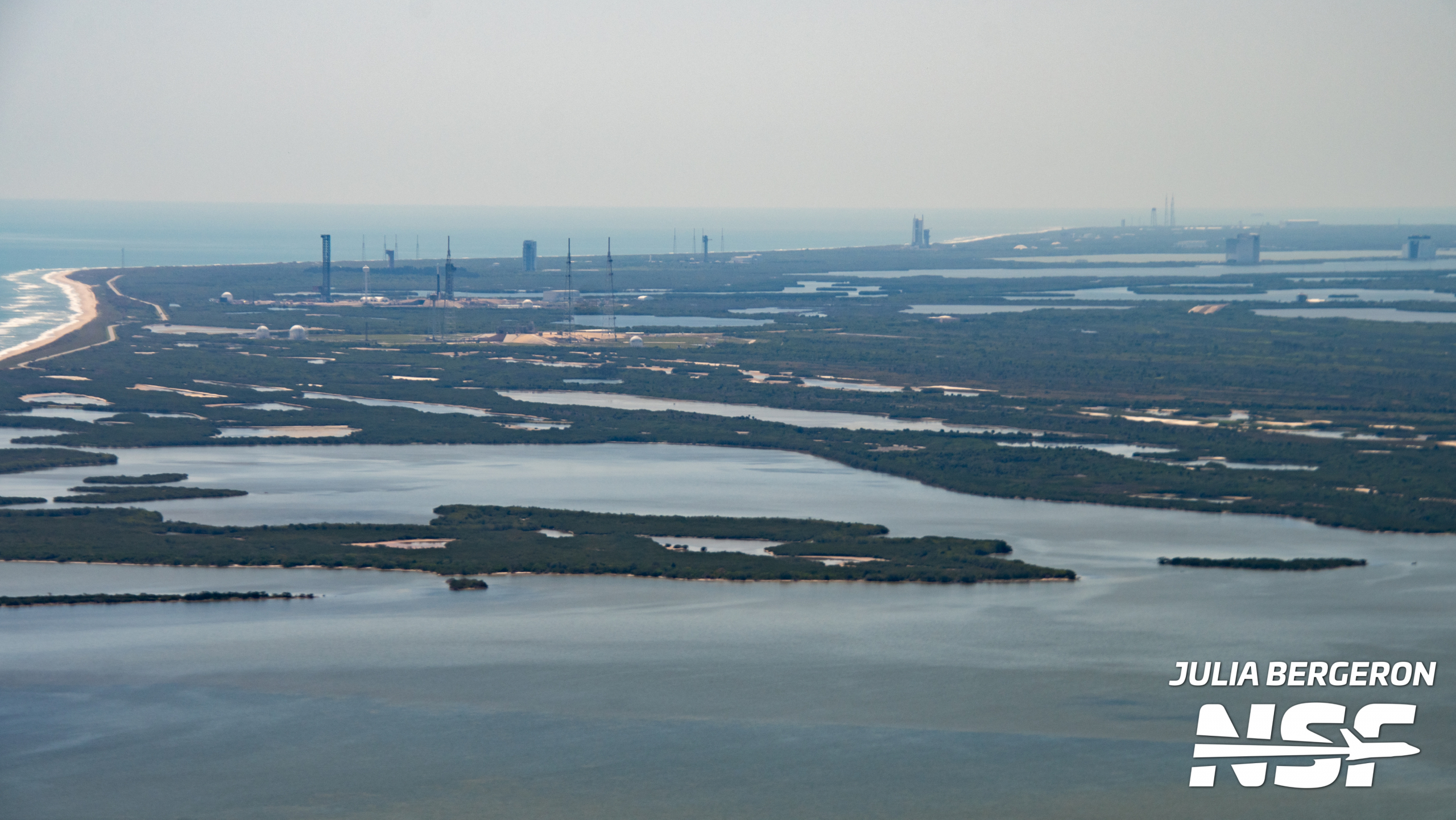
The Cape Canaveral Space Force Station (CCSFS) and Kennedy Space Center (KSC) are undergoing significant infrastructure upgrades to support an unprecedented increase in launch activity. In 2024 alone, these facilities

The Cape Canaveral Space Force Station (CCSFS) and Kennedy Space Center (KSC) are undergoing significant infrastructure upgrades to support an unprecedented increase in launch activity. In 2024 alone, these facilities
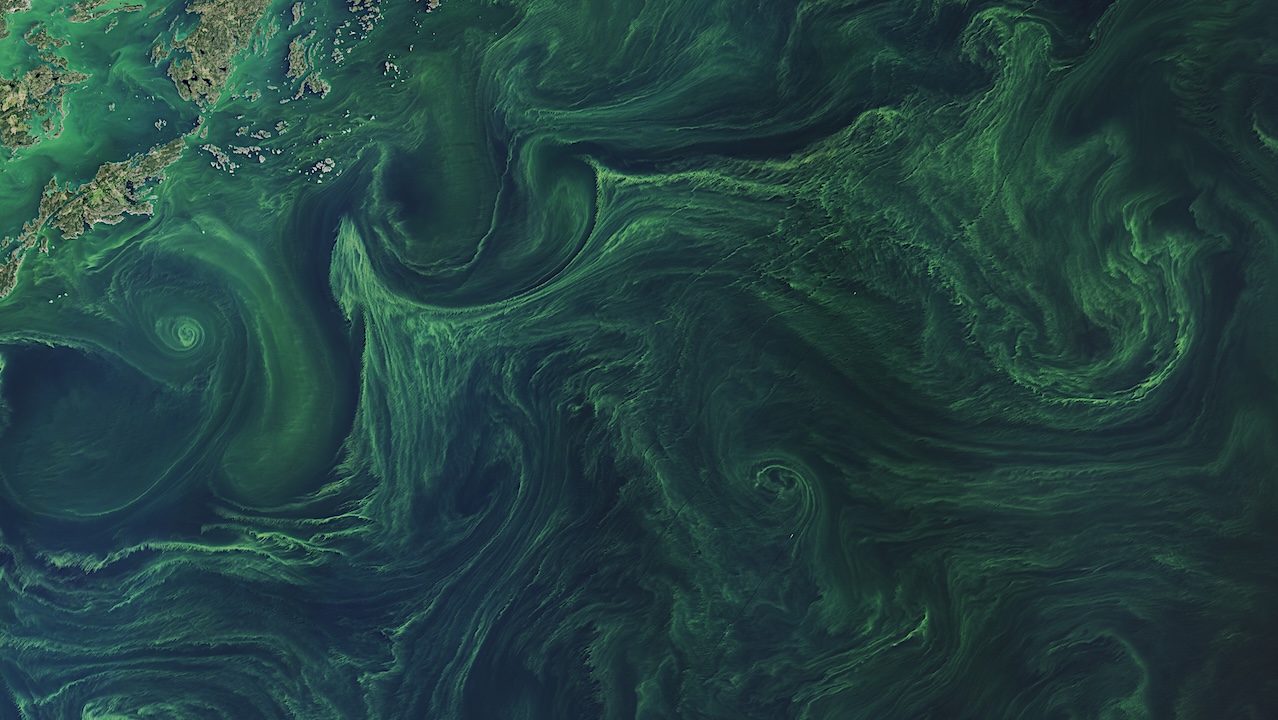
An explosion in the numbers of cyanobacteria transformed the Baltic Sea into a swirling canvas of green in summer 2025. Landsat 9 — OLI-2 larger image — NASA Editor’s note:

From left to right, Ambassador of Senegal to the United States Abdoul Wahab Haidara, Director General of the Senegalese space agency (ASES) Maram Kairé, NASA Chief of Staff Brian Hughes,
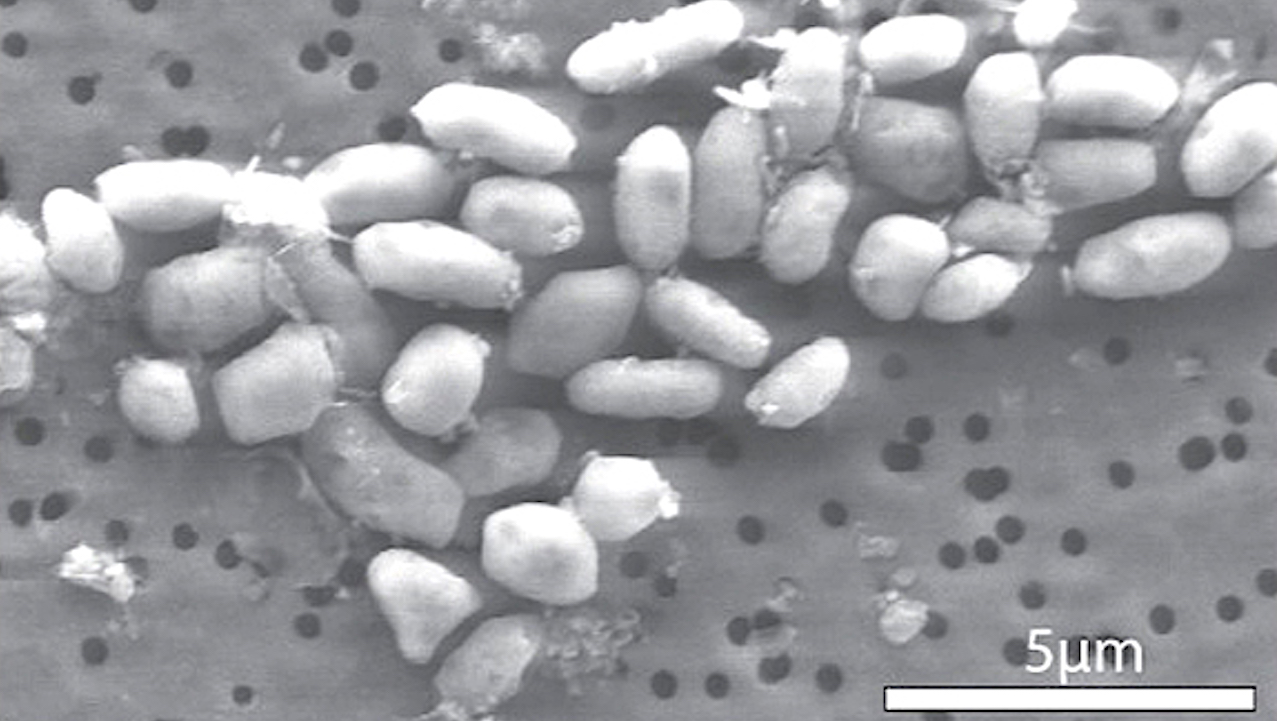
GFAJ-1 grown on arsenic. — NASA Keith’s note: Science magazine is retracting a NASA paper they published 15 years ago – “A Bacterium That Can Grow by Using Arsenic Instead
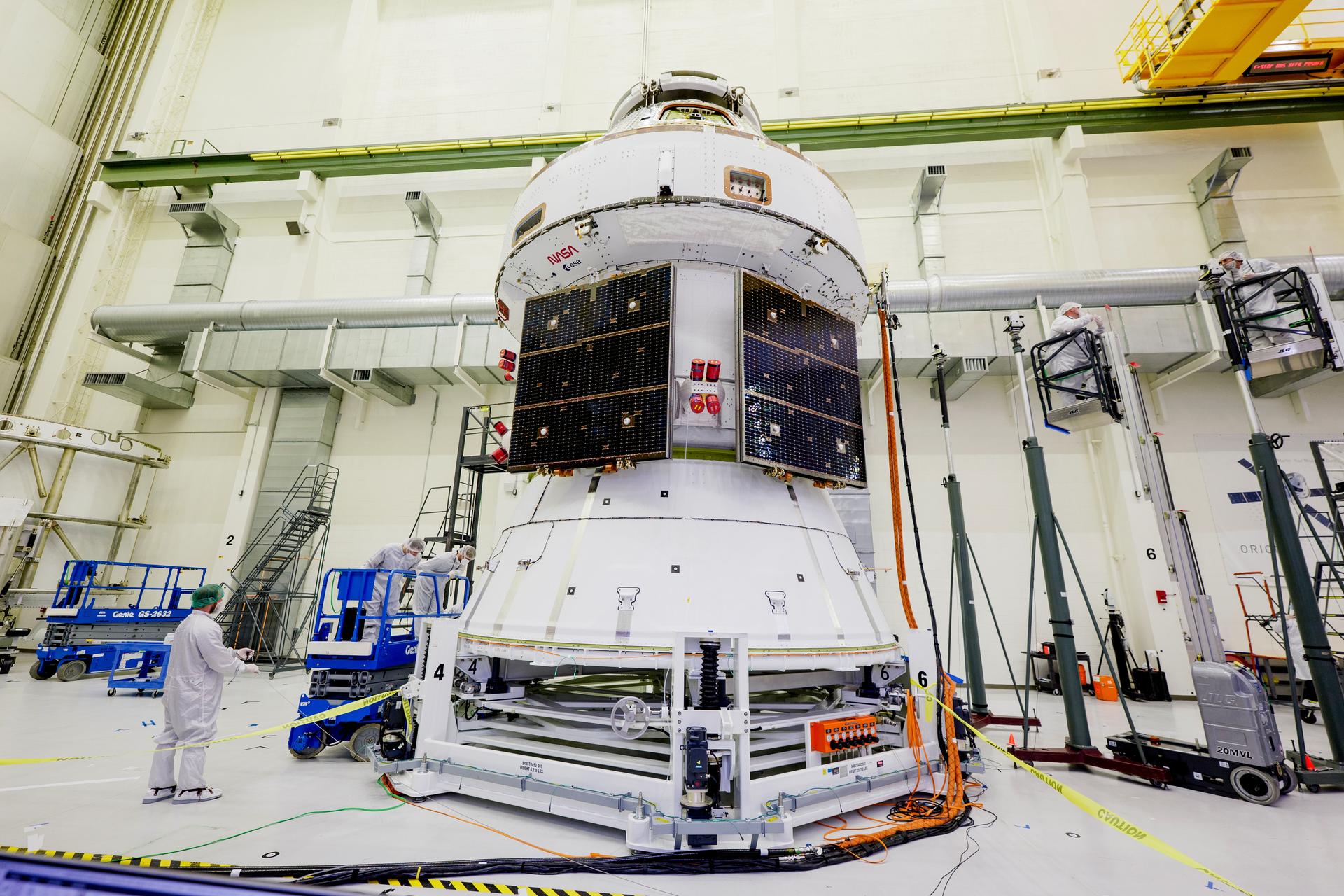
LAS VEGAS — Lockheed Martin is examining options to offer the Orion spacecraft through commercial services, which could enable non-NASA uses of the crewed exploration spacecraft. To continue reading this
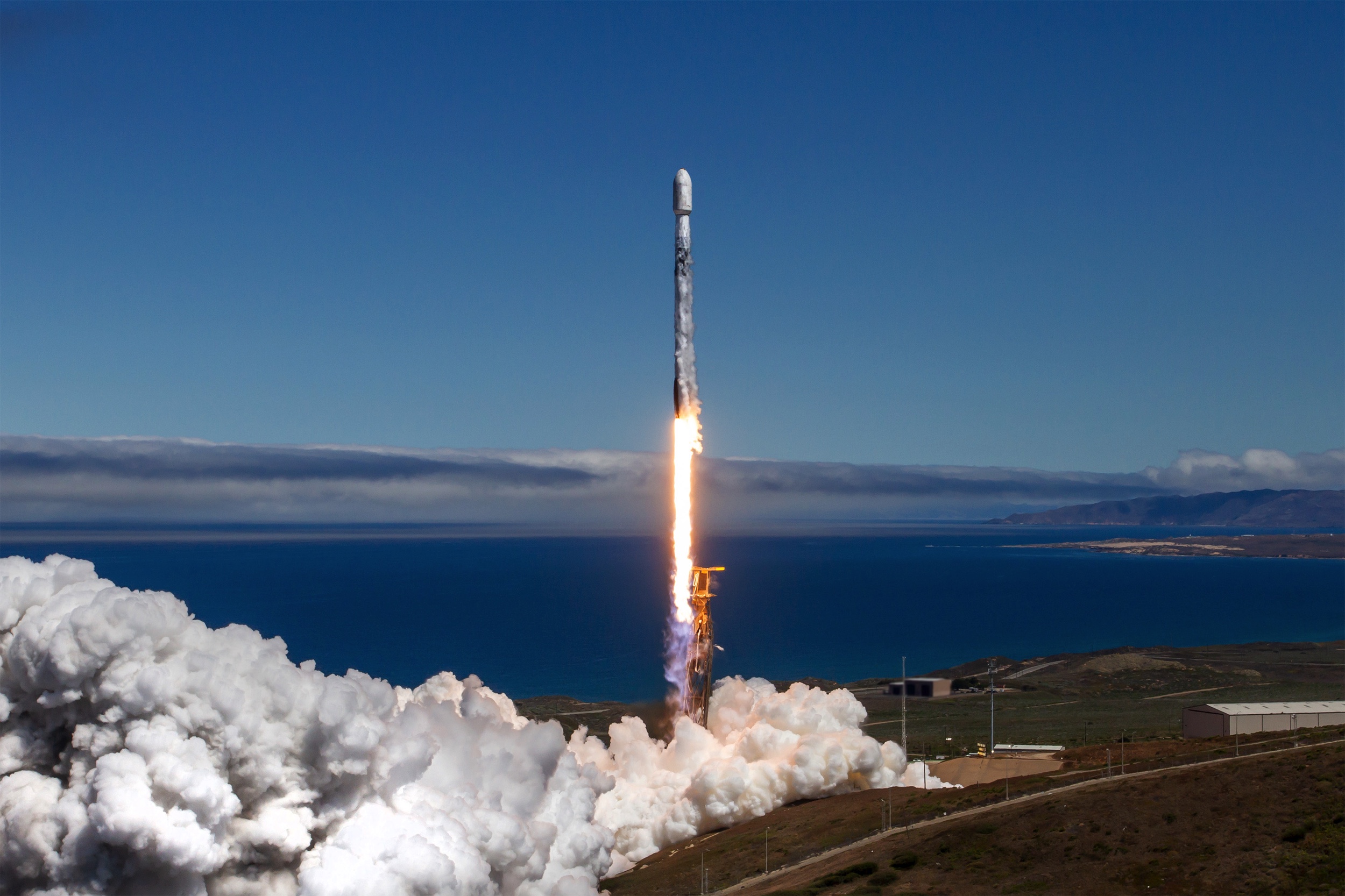
LAS VEGAS — A SpaceX Falcon 9 launched a NASA space science mission and several other smallsats July 23 after a one-day delay. To continue reading this article: Register now
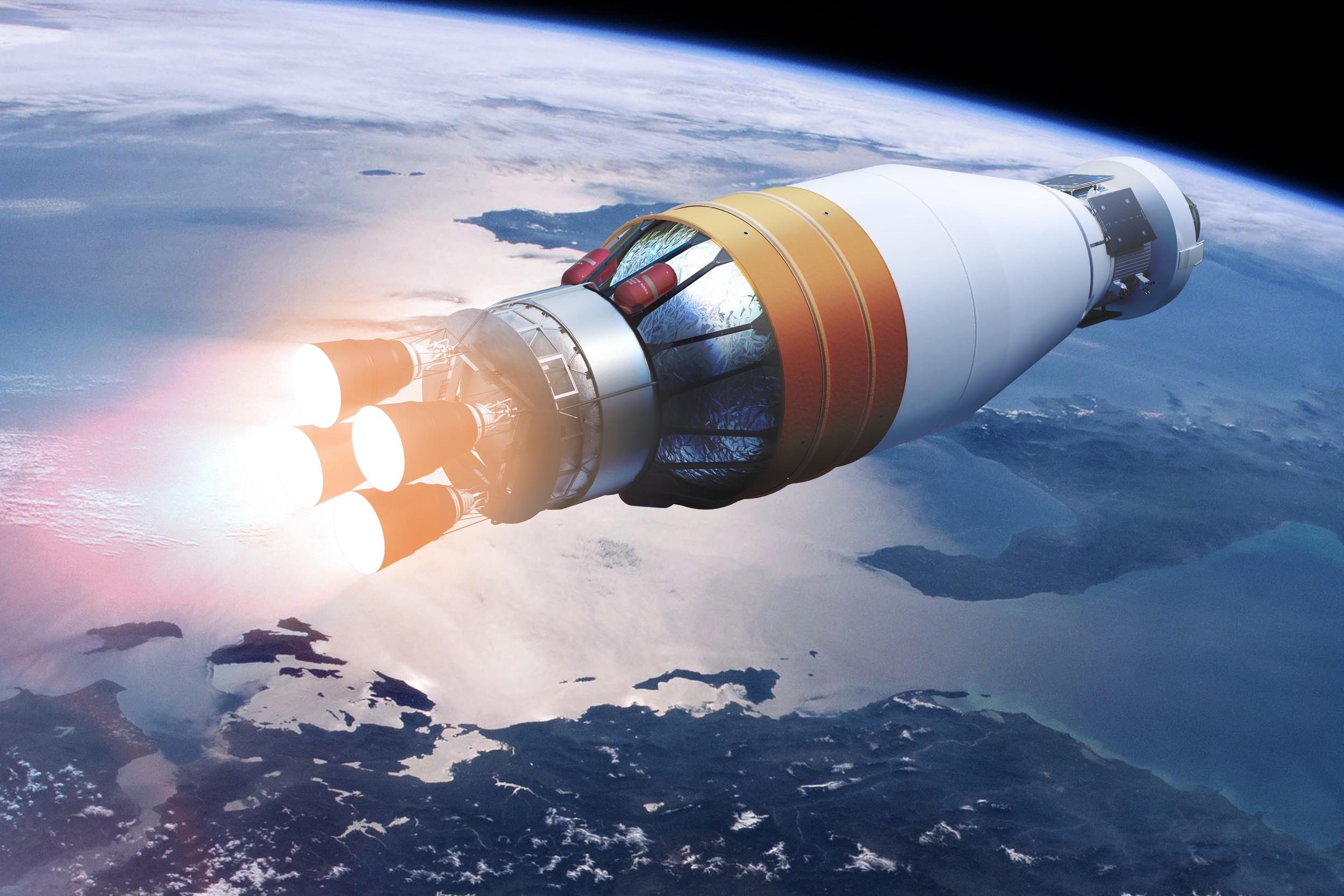
LAS VEGAS — House appropriators want NASA to examine alternatives to a new upper stage for the Space Launch System despite an uncertain long-term future for the vehicle. To continue
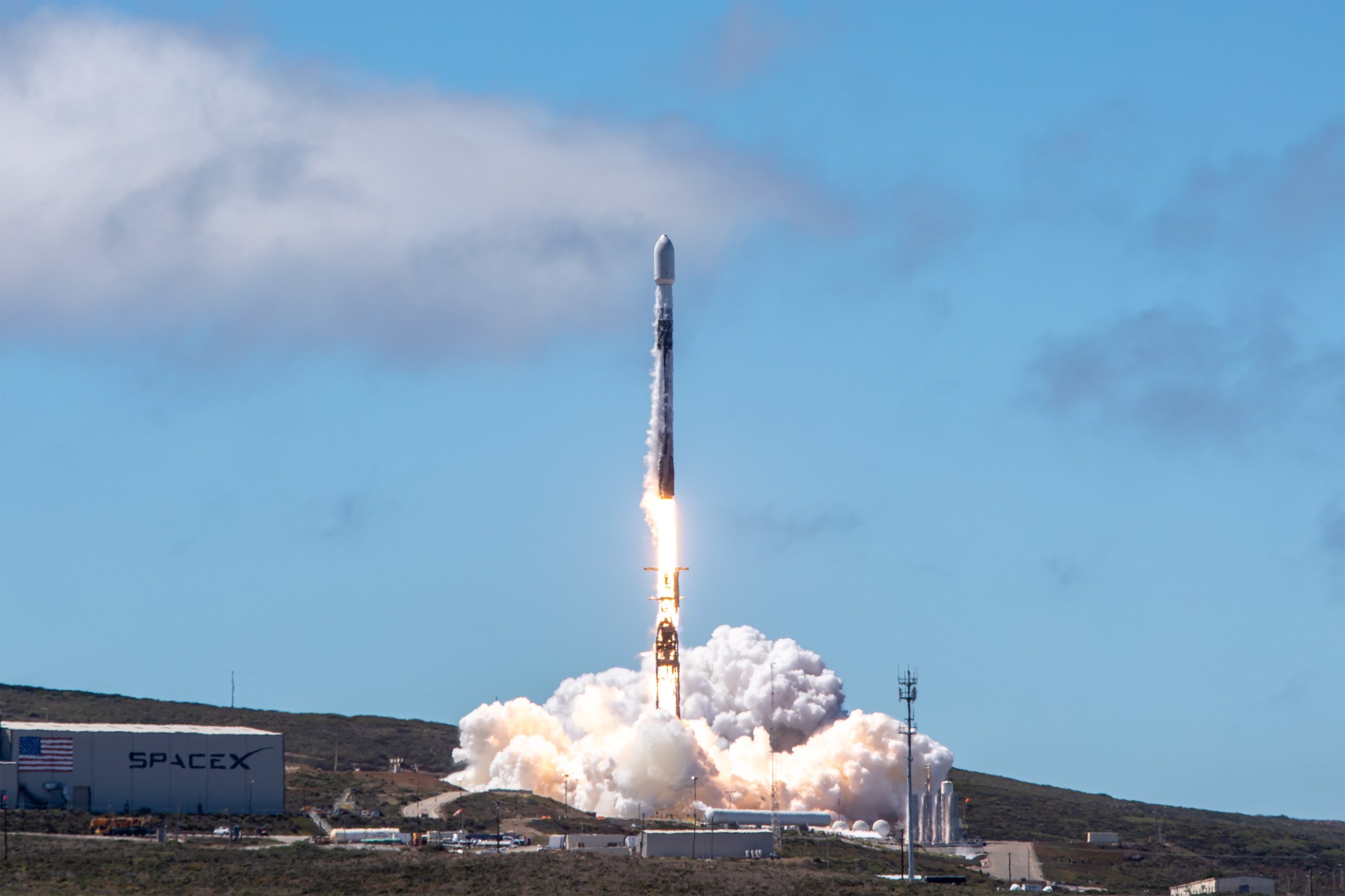
NASA’s TRACERS (Tandem Reconnection and Cusp Electrodynamics Reconnaissance Satellites) mission launched at 2:13 p.m. EDT atop a SpaceX Falcon 9 rocket at Space Launch Complex 4 East at Vandenberg Space Force
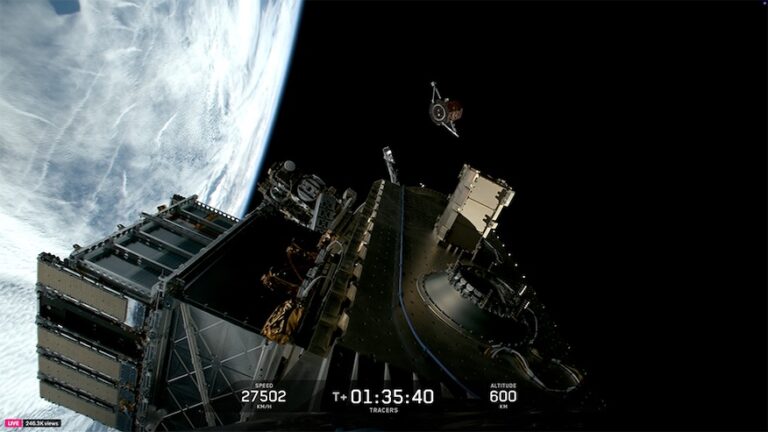
NASA’s TRACERS (Tandem Reconnection and Cusp Electrodynamics Reconnaissance Satellites) mission launches at 11:13 a.m. PDT (2:13 p.m. EDT) on Wednesday, July 23, 2025, atop a SpaceX Falcon 9 rocket at
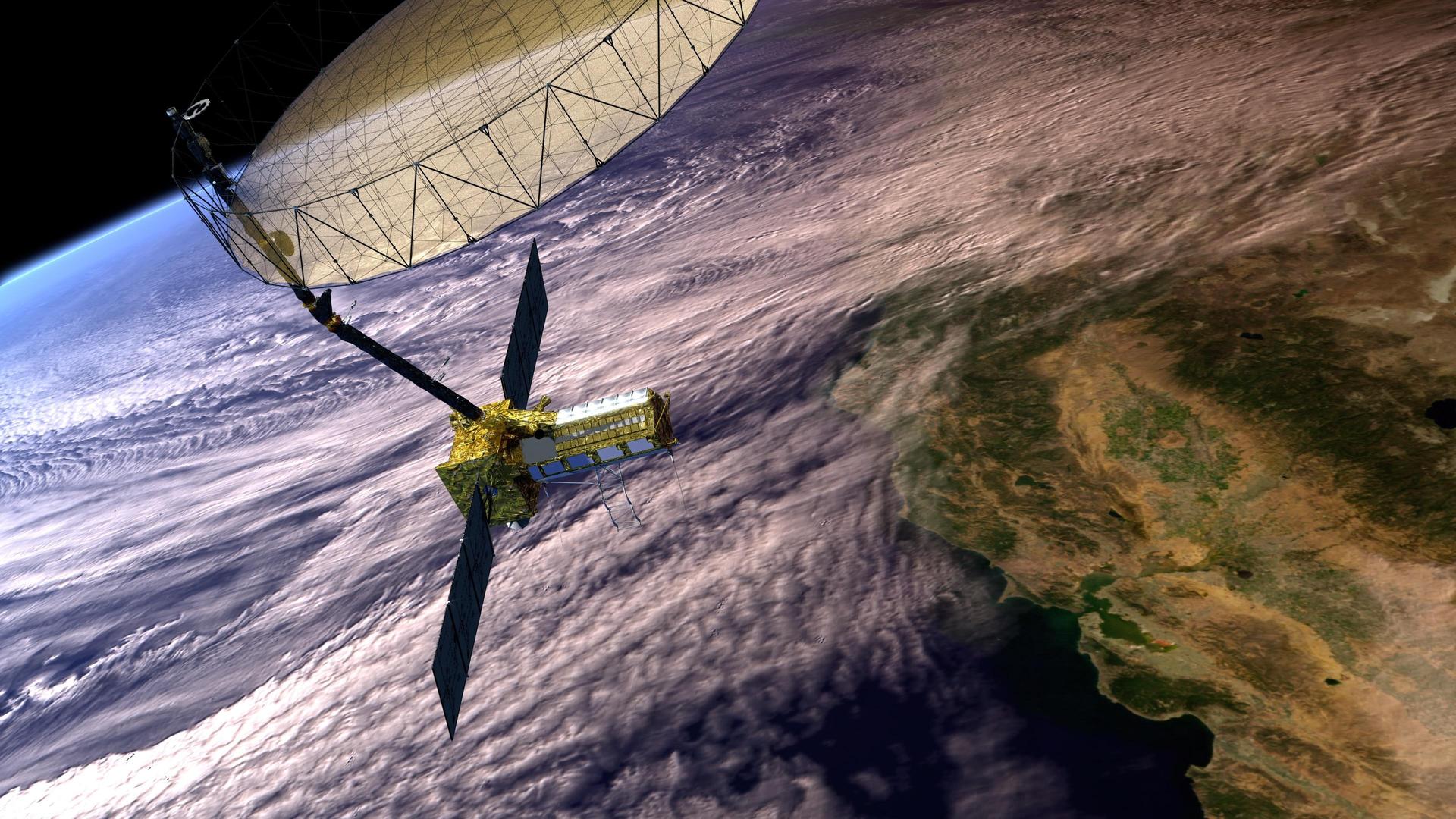
A collaboration between NASA and the Indian Space Research Organisation, NISAR will use synthetic aperture radar to monitor nearly all the planet’s land- and ice-covered surfaces twice every 12 days.