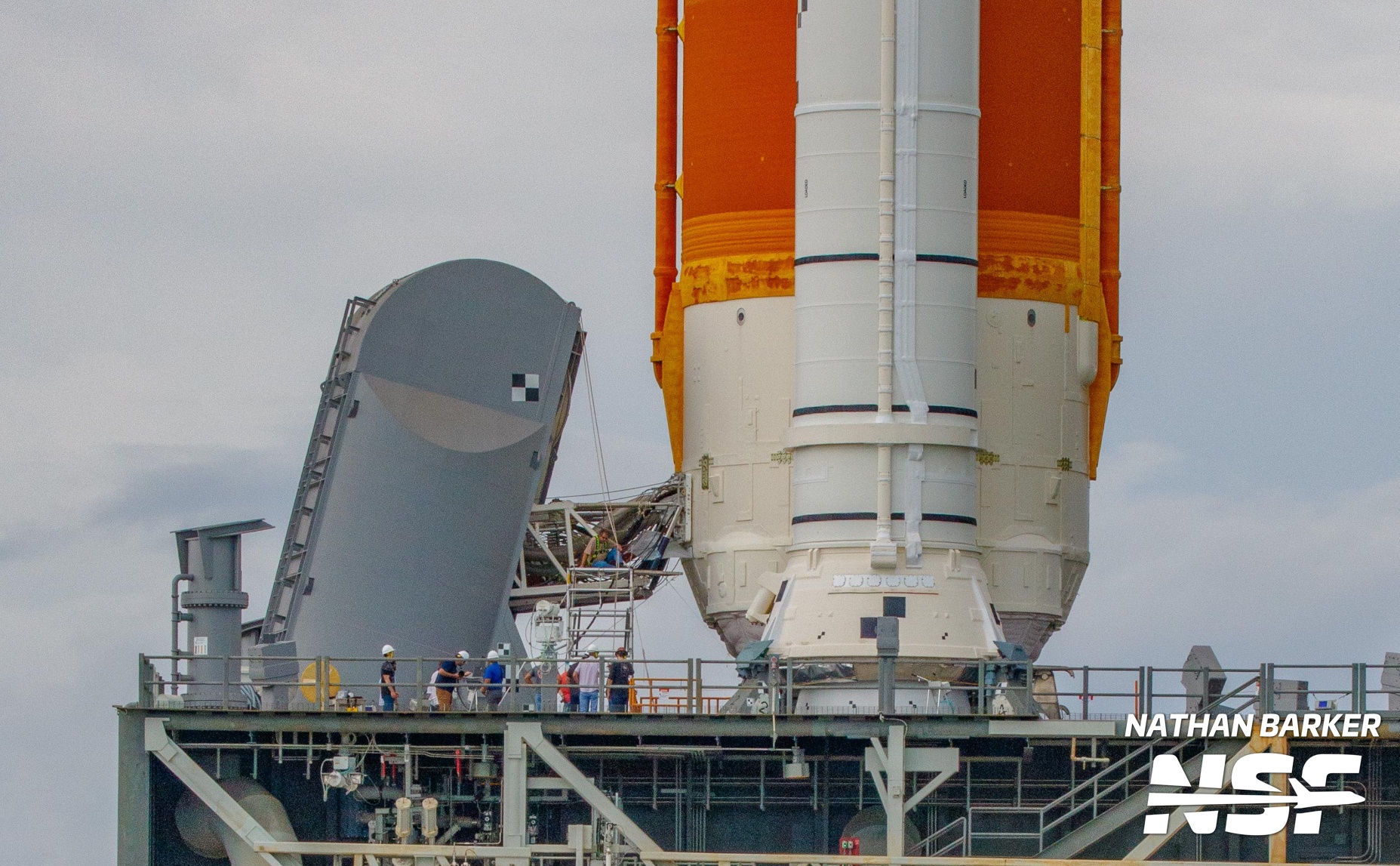
NASA has begun its second Wet Dress Rehearsal (WDR) for the Artemis II mission, having previously encountered hydrogen leaks during the first attempt. The Space Launch System (SLS) vehicle remained

NASA has begun its second Wet Dress Rehearsal (WDR) for the Artemis II mission, having previously encountered hydrogen leaks during the first attempt. The Space Launch System (SLS) vehicle remained
Curiosity Navigation Curiosity Home Mission Overview Where is Curiosity? Mission Updates Science Overview Instruments Highlights Exploration Goals News and Features Multimedia Curiosity Raw Images Images Videos Audio Mosaics More Resources
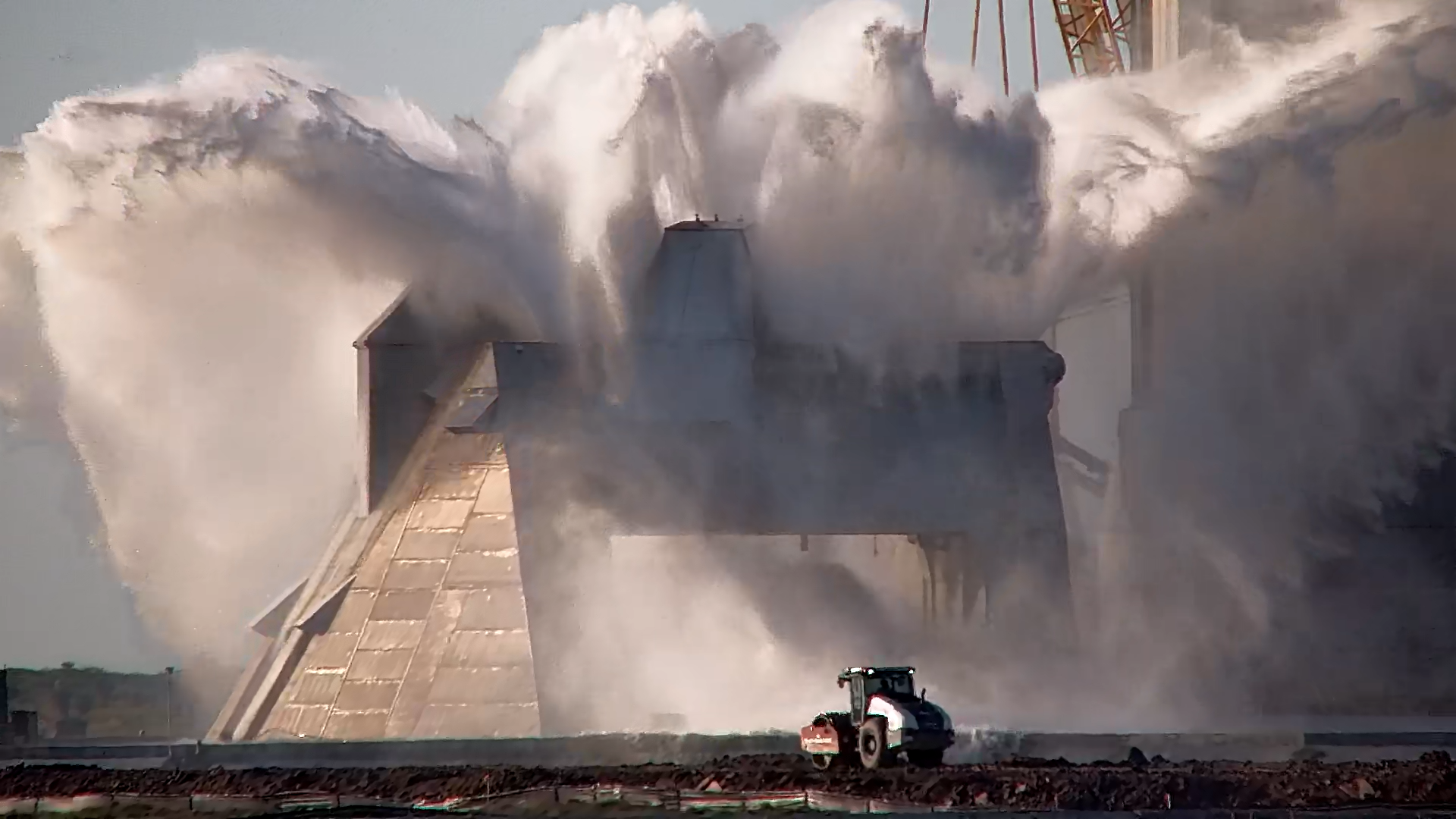
SpaceX has made significant strides in its launch preparations by successfully completing a full test of the water-cooled top deck on the Orbital Launch Mount (OLM) located at Pad 2.

Northern Japan, especially the island of Hokkaido, is home to some of the snowiest cities in the world. Sapporo, the island’s largest city and host of an annual snow festival,
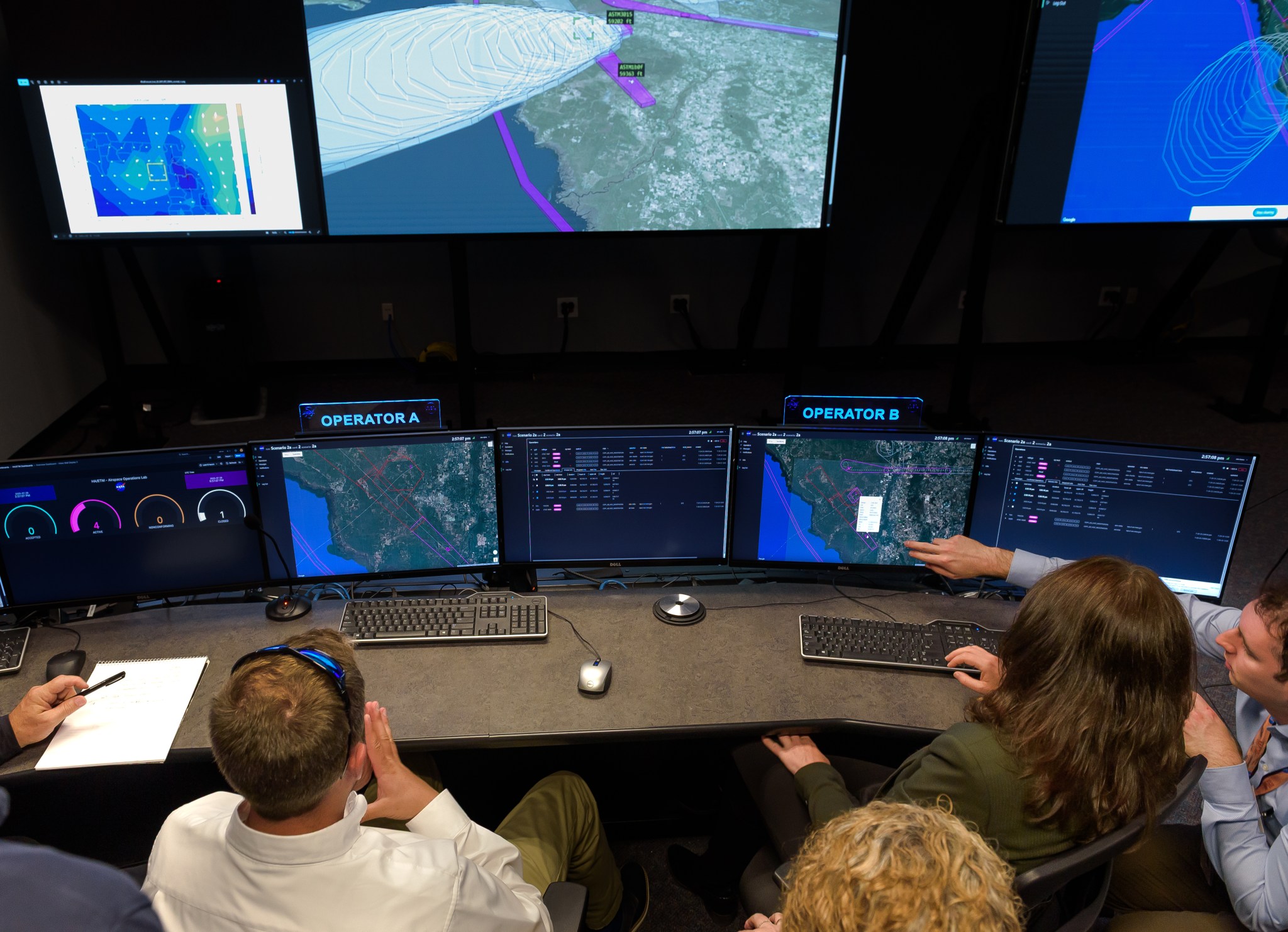
4 min read Preparations for Next Moonwalk Simulations Underway (and Underwater) A NASA simulation of higher airspace traffic management with industry partners Aerostar and Sceye in the Airspace Operations Laboratory
Keith Cowing Explorers Club Fellow, ex-NASA Space Station Payload manager/space biologist, Away Teams, Journalist, Lapsed climber, Synaesthete, Na’Vi-Jedi-Freman-Buddhist-mix, ASL, Devon Island and Everest Base Camp veteran, (he/him) 🖖🏻 Follow on
It’s taking too long. It costs too much. Yet it’s not being talked about enough. It’s not historic enough. It’s not safe enough. I’m talking about Artemis. Or at least
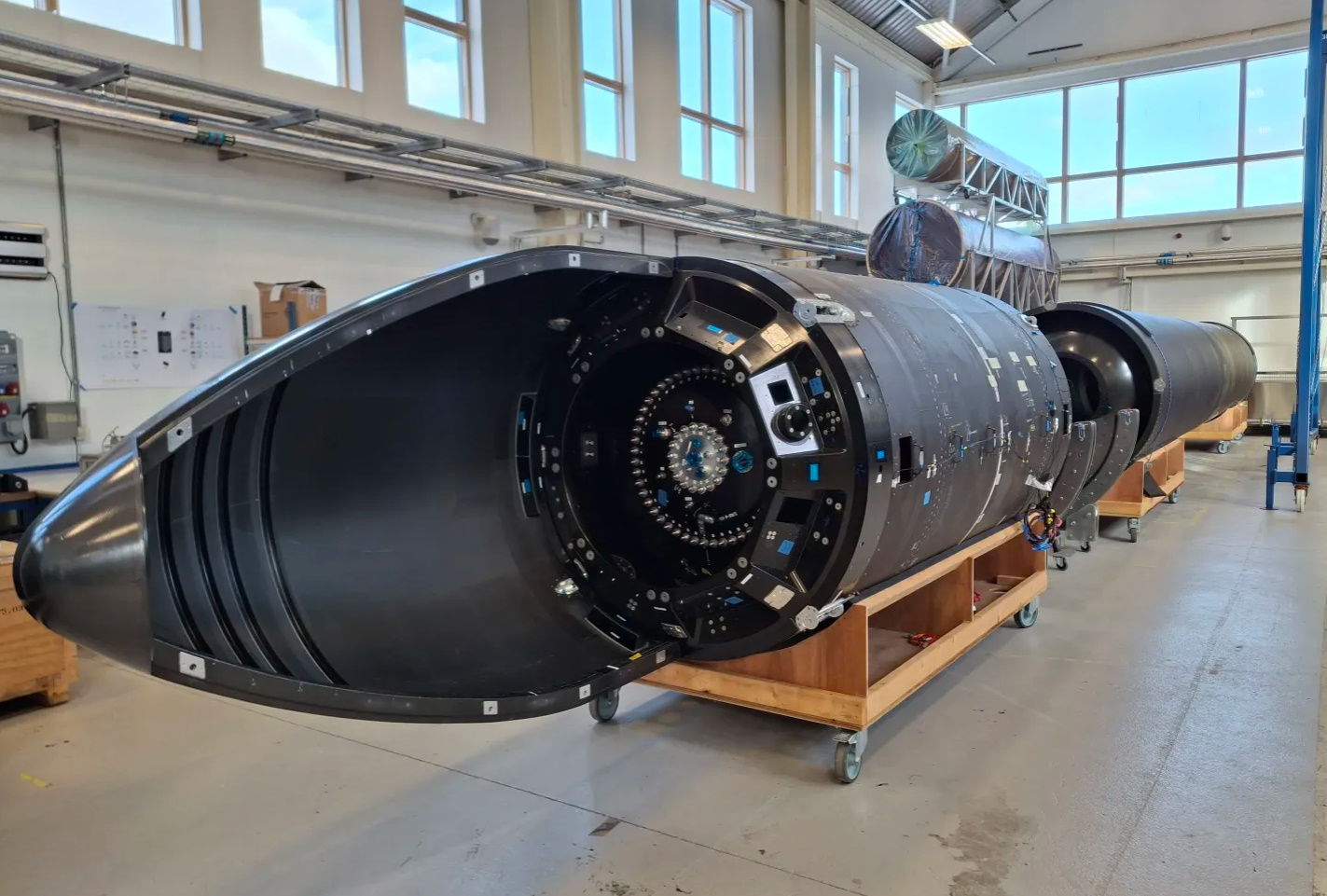
The collapse of UK-based rocket company Orbex has raised concerns over the future of the United Kingdom’s independent space endeavors while highlighting the competitive landscape in the European small satellite
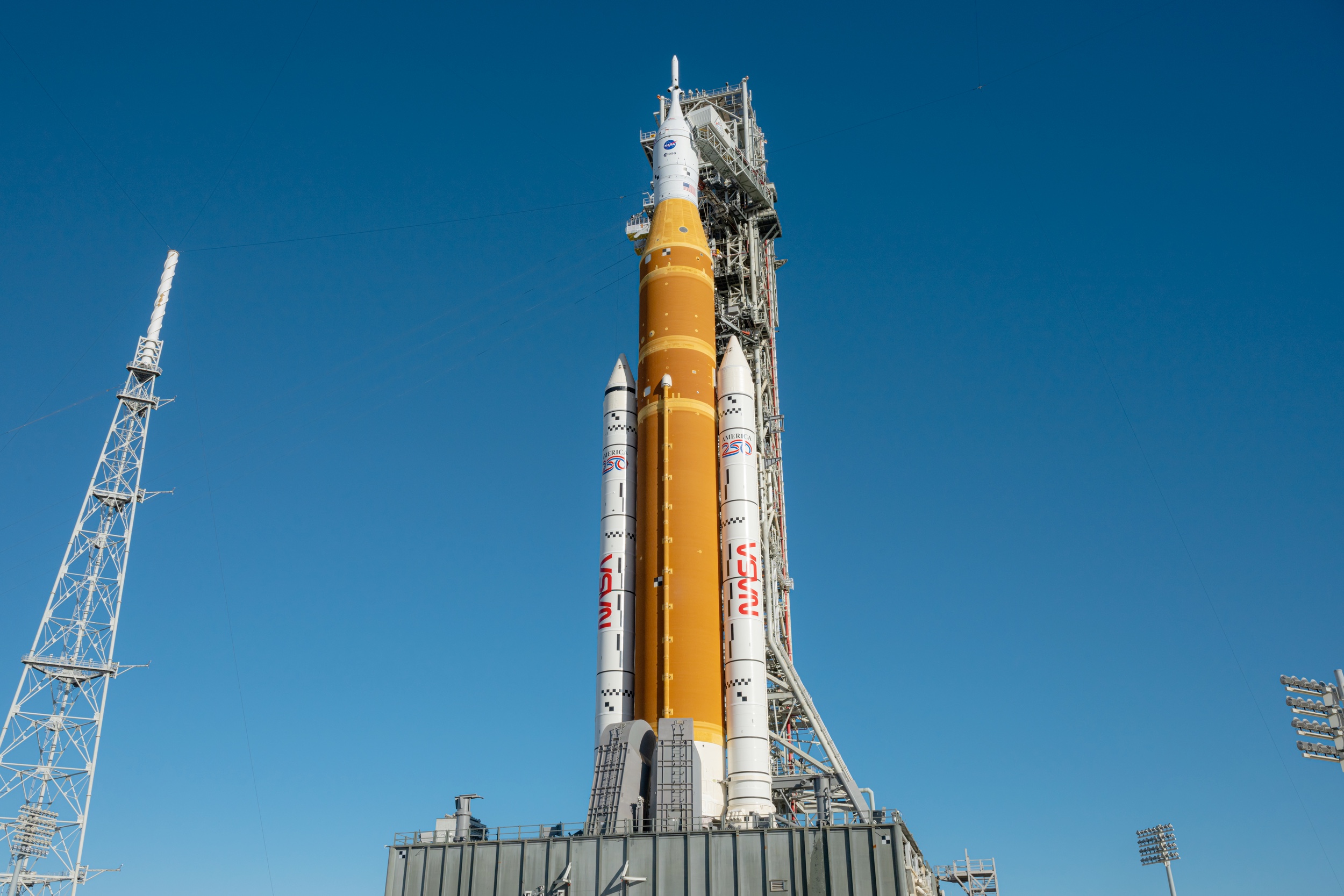
NASA’s Space Launch System rocket is seen at Launch Complex 39B in the midst of pre-launch testing for the Artemis 2 mission. Image: Michael Cain/Spaceflight Now NASA will try again
WASHINGTON — NASA Administrator Jared Isaacman said he expects to provide details about several agency priorities, including lunar exploration and commercial space stations, in the coming weeks. In a recent