5 min read Preparations for Next Moonwalk Simulations Underway (and Underwater) NASA is leveraging expertise, capabilities, and partnerships across its centers to make Artemis campaign and deep space exploration safer,

5 min read Preparations for Next Moonwalk Simulations Underway (and Underwater) NASA is leveraging expertise, capabilities, and partnerships across its centers to make Artemis campaign and deep space exploration safer,
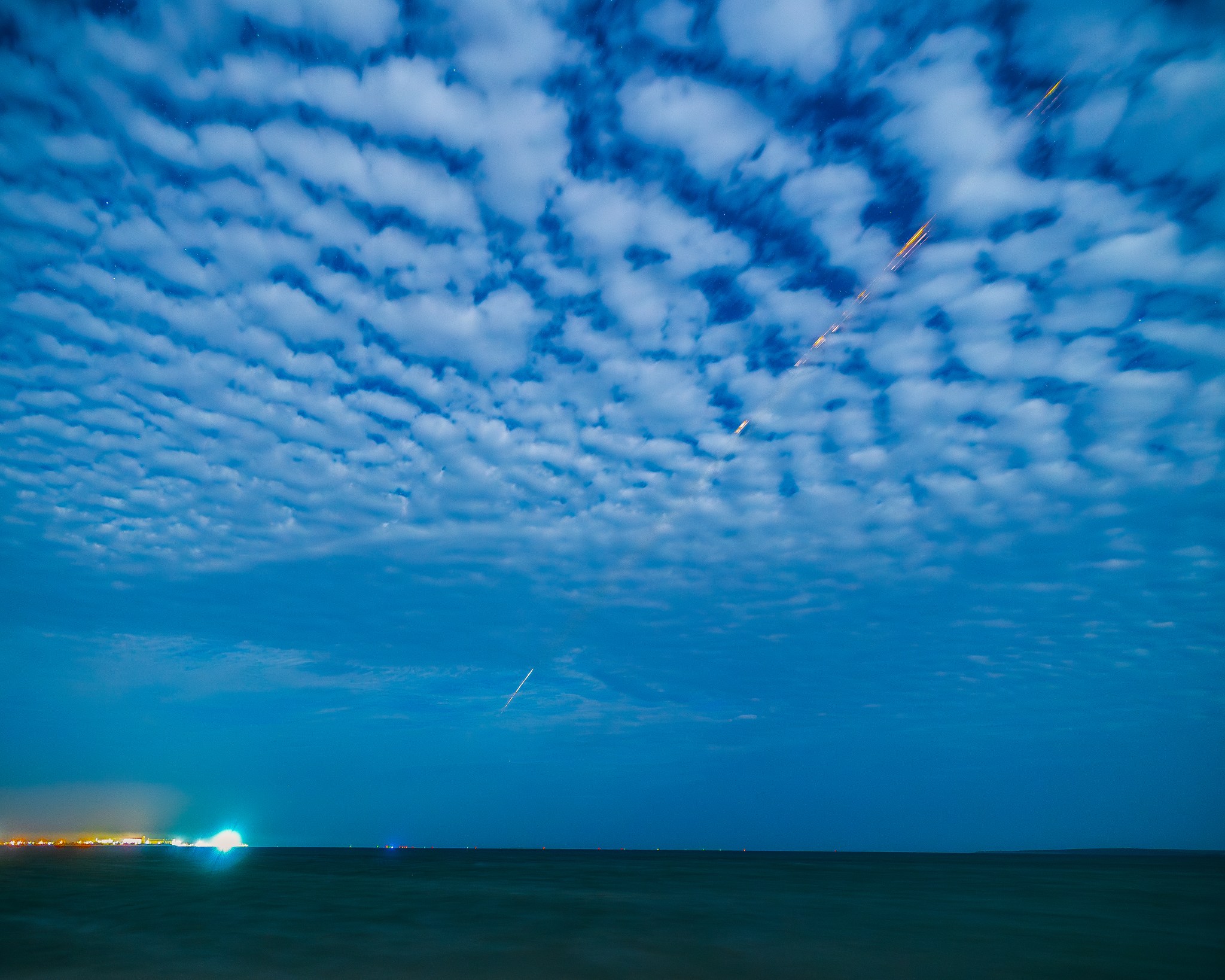
Varda Space Industries/William Godward This Jan. 29, 2026, photo captures the streak the Varda Space Industries W-5 capsule made while returning to Earth. The capsule uses a protective heat shield Varda
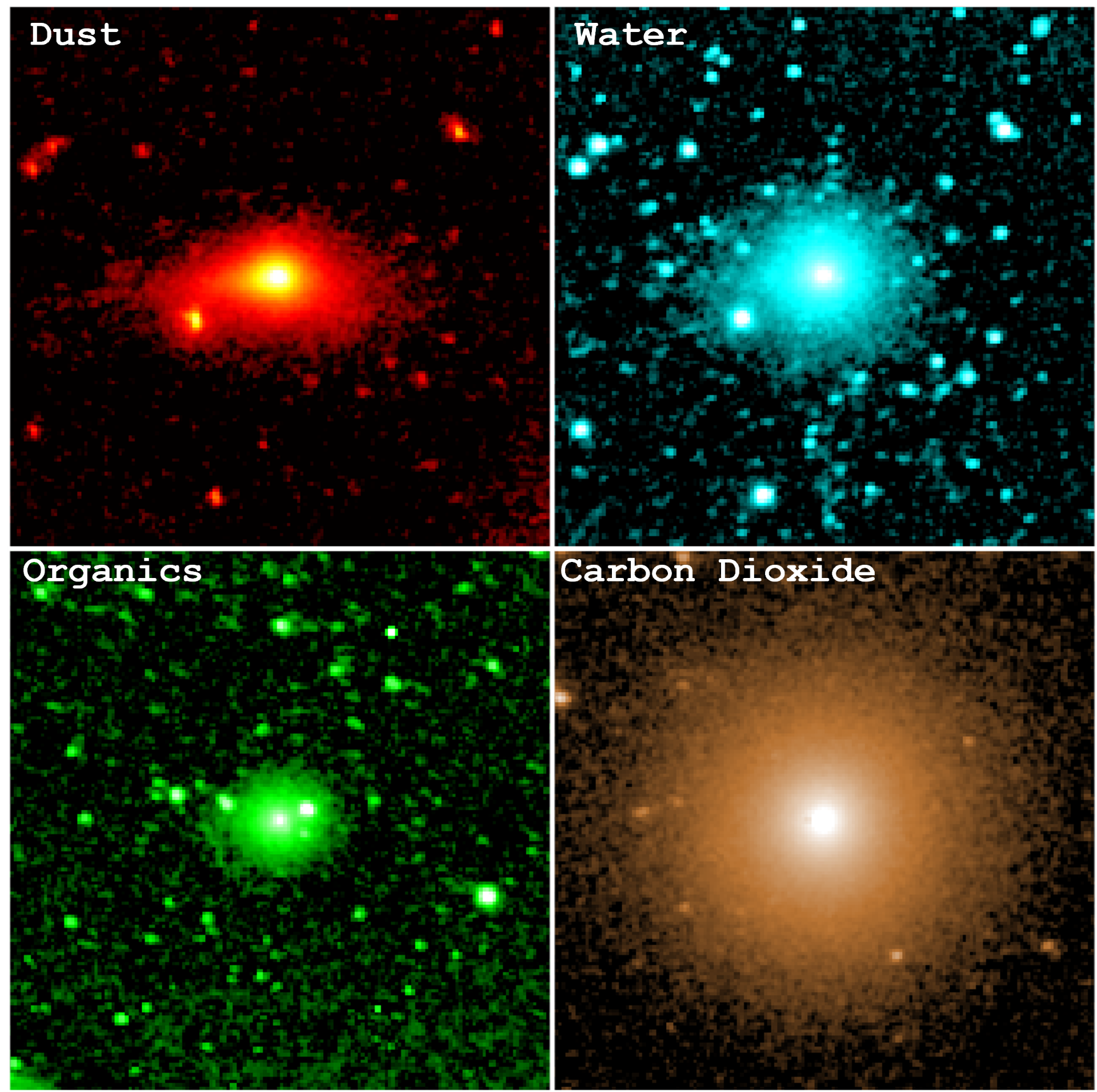
2 Min Read NASA’s SPHEREx Examines Comet 3I/ATLAS’s Coma PIA26720 Credits: NASA/JPL-Caltech Photojournal Navigation Science Photojournal NASA’s SPHEREx Examines… Photojournal Home Photojournal Search Latest Content Galleries Feedback RSS About
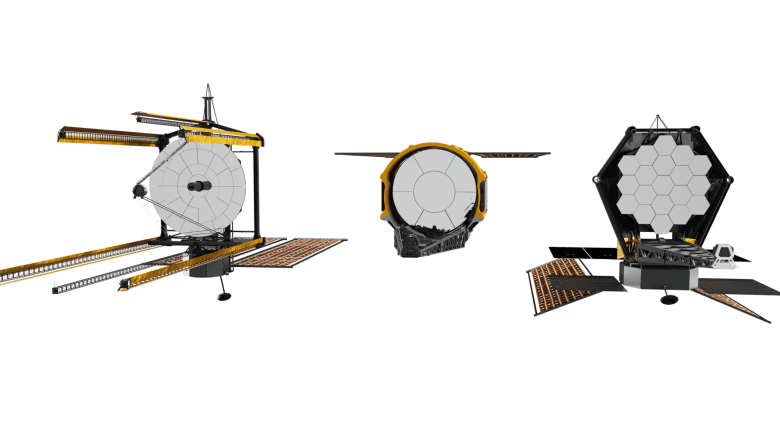
Light is the fastest phenomenon in the universe, clocking in at just under 300,000 kilometers per second. The telescopes that observe that light, from radio waves to gamma rays, are
Landsat Navigation Landsat Home Missions Landsat Next Landsat 9 Landsat 8 Landsat 7 Landsat 6 Landsat 5 Landsat 4 Landsat 3 Landsat 2 Landsat 1 News Latest News People of
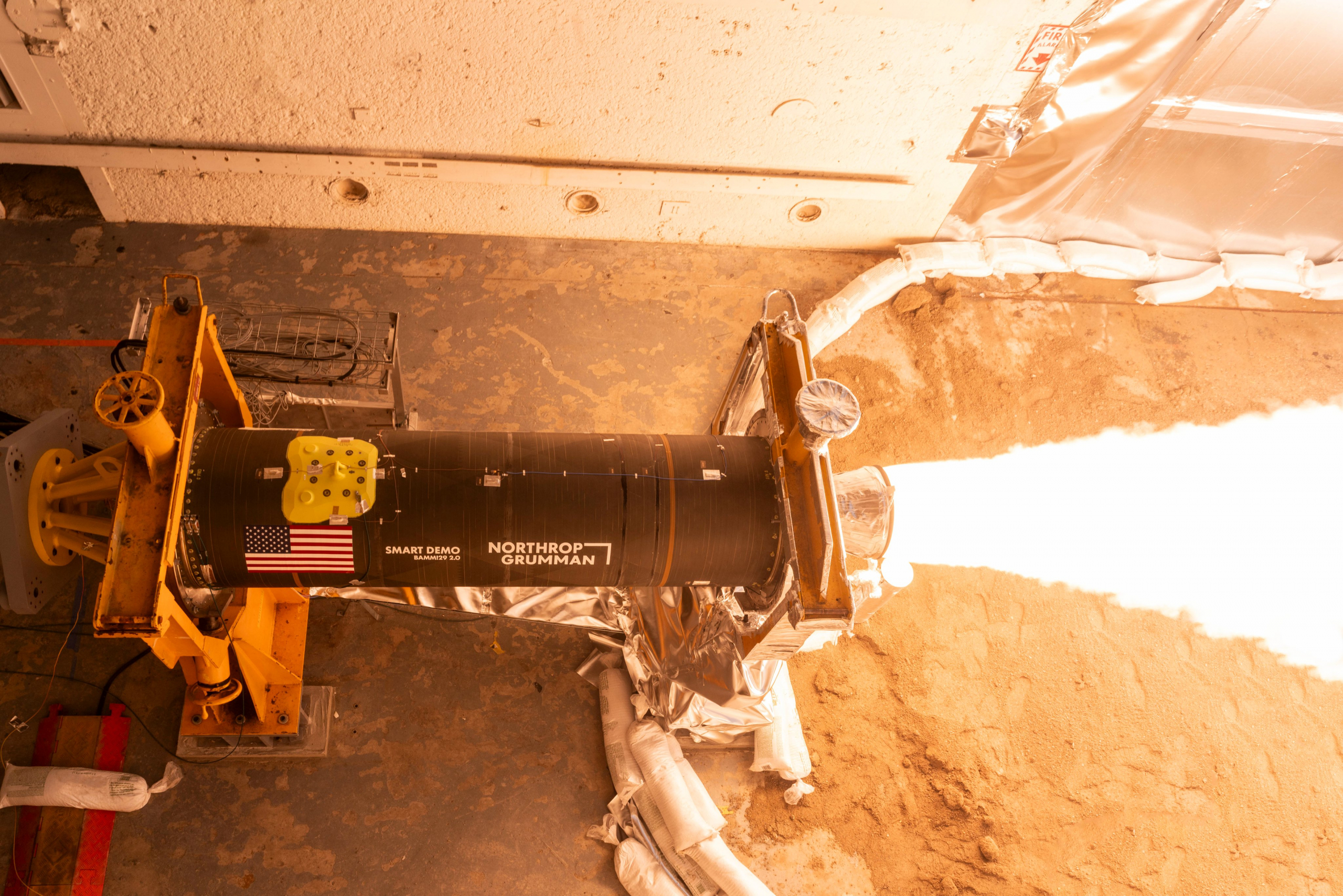
Northrop Grumman announced the successful testing of its Bombardment Attack Missile Motor 29! 2.0, or BAMM29! 2.0, solid rocket motor at its Promontory, Utah facility. The testing marks a significant
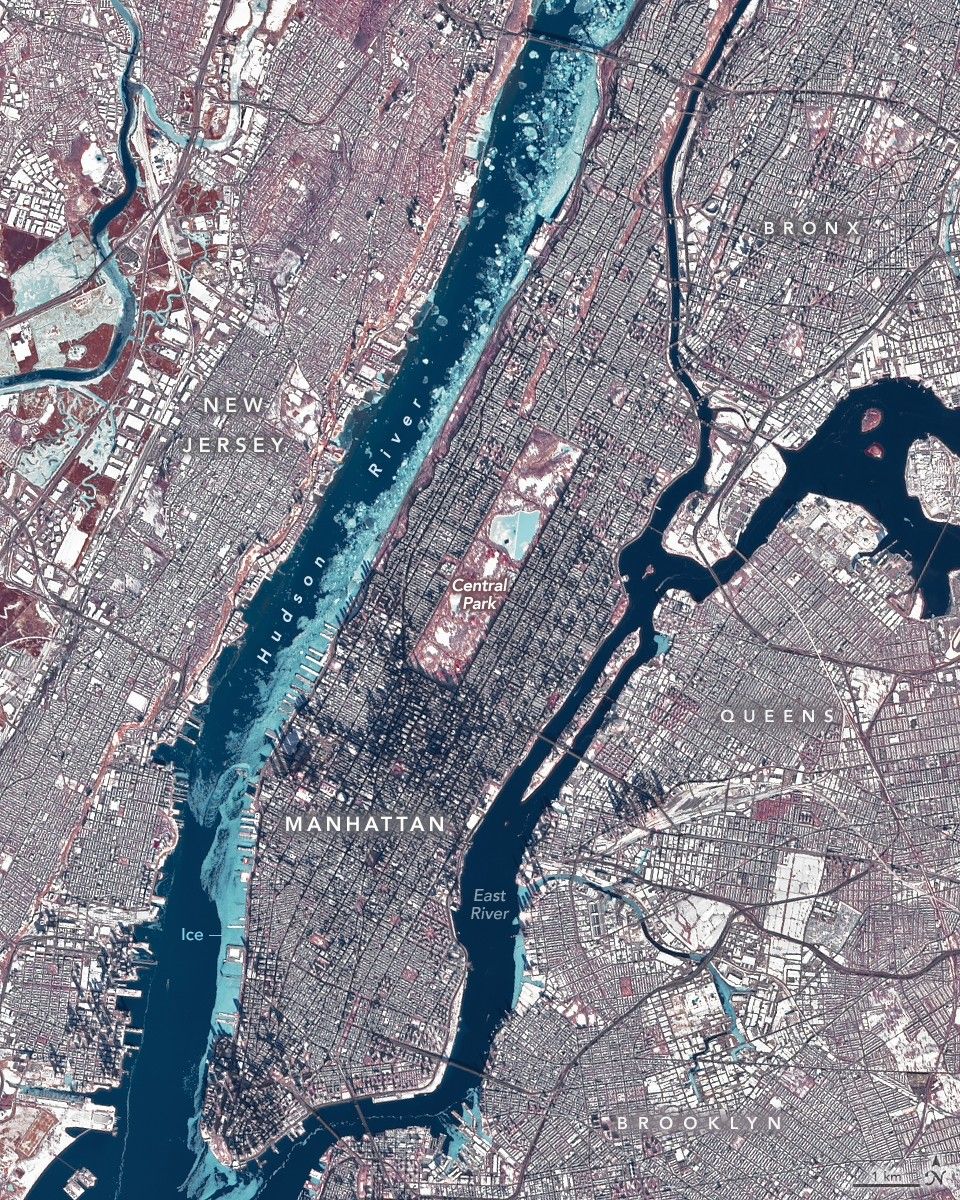
Earth Observatory Science Earth Observatory Chilled New York City Earth Earth Observatory Image of the Day EO Explorer Topics All Topics Atmosphere Land Heat & Radiation Life on Earth Human
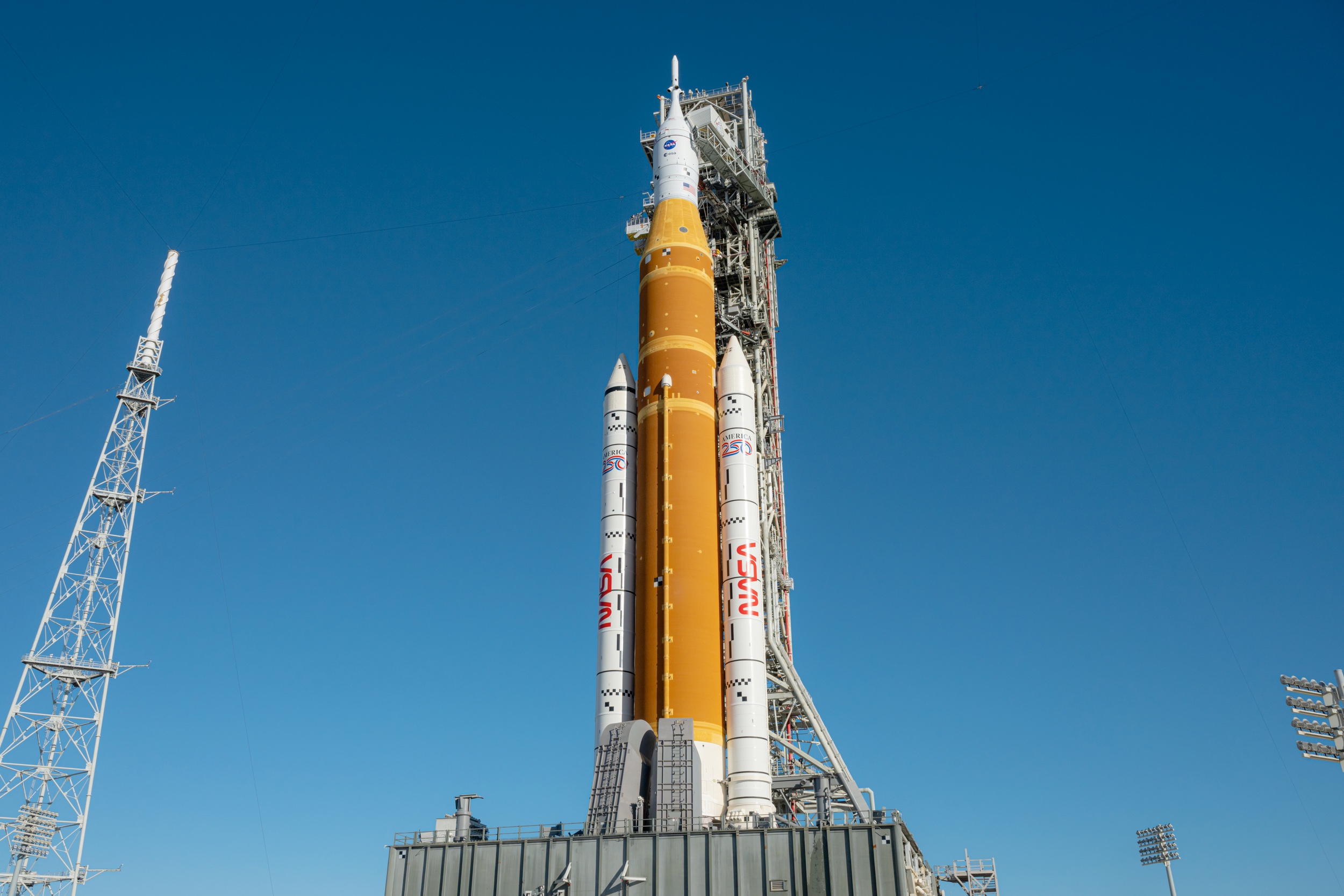
WASHINGTON — NASA officials defended their preparations for the Artemis 2 mission after a fueling test experienced the same type of hydrogen leaks that bedeviled Artemis 1 more than three
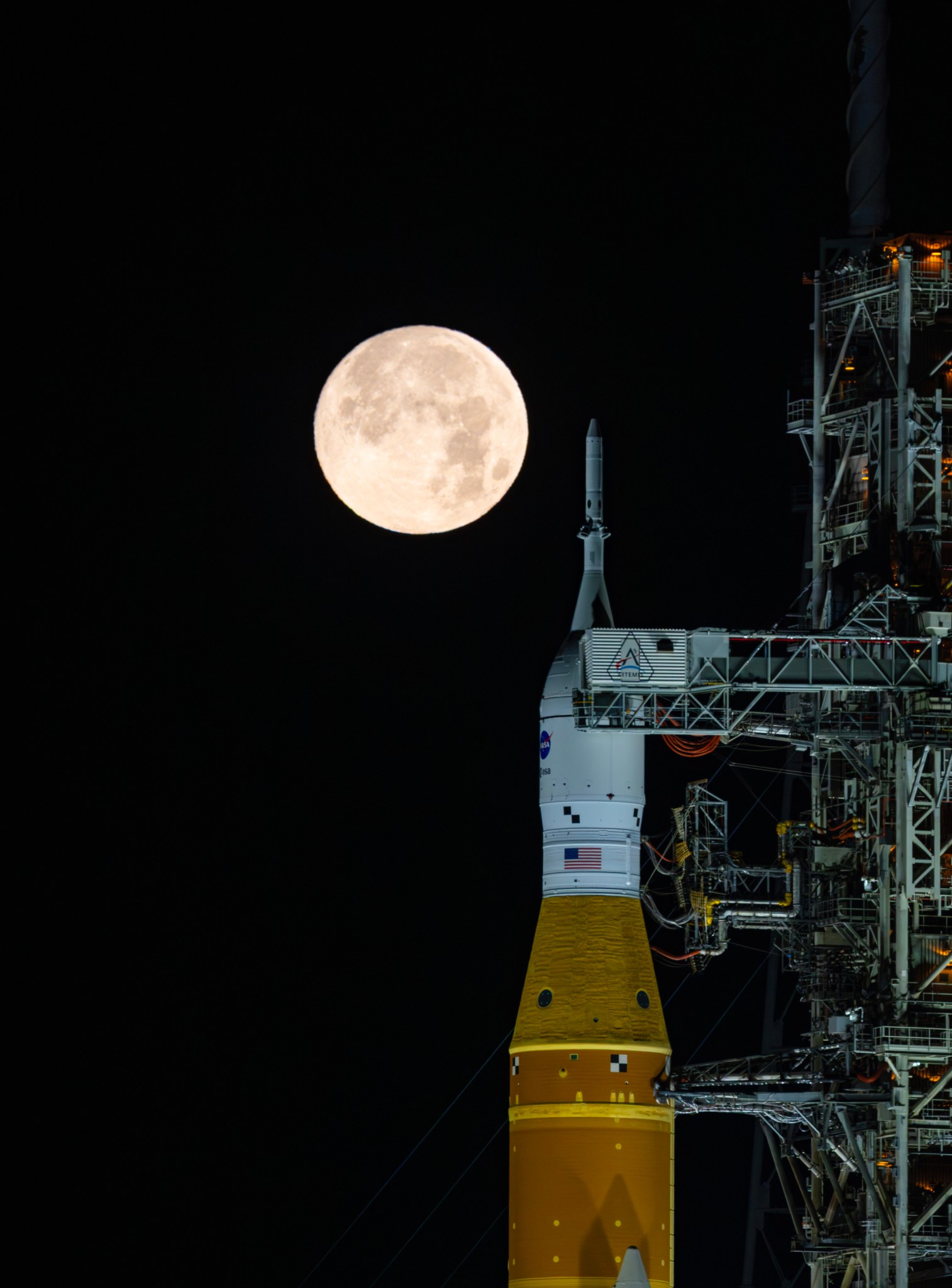
NASA/Sam Lott A full moon is seen shining over NASA’s SLS (Space Launch System) and Orion spacecraft, atop the mobile launcher at Launch Pad 39B at NASA’s Kennedy Space Center
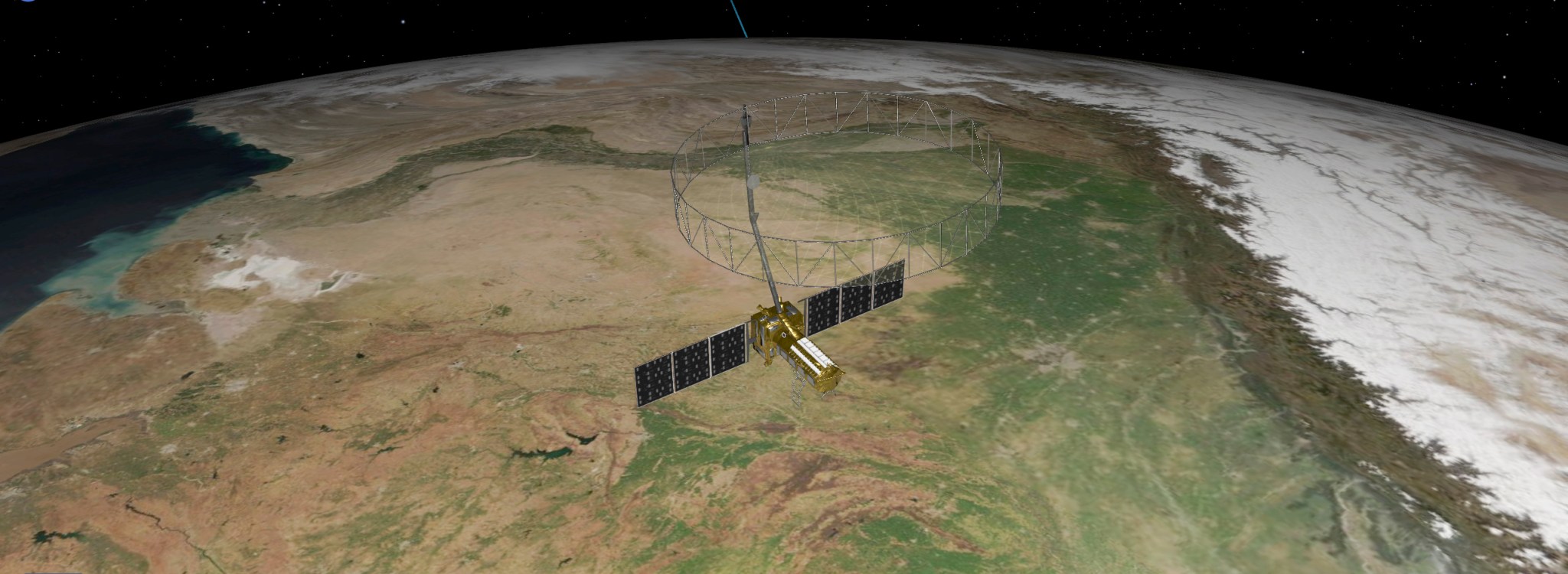
NASA/JPL-Caltech Rapid advances in commercial space, artificial intelligence, and edge computing are transforming what is possible for Earth observation. By pushing more intelligence onboard, missions can move from passively collecting